
City

Piracicaba

Piracicaba
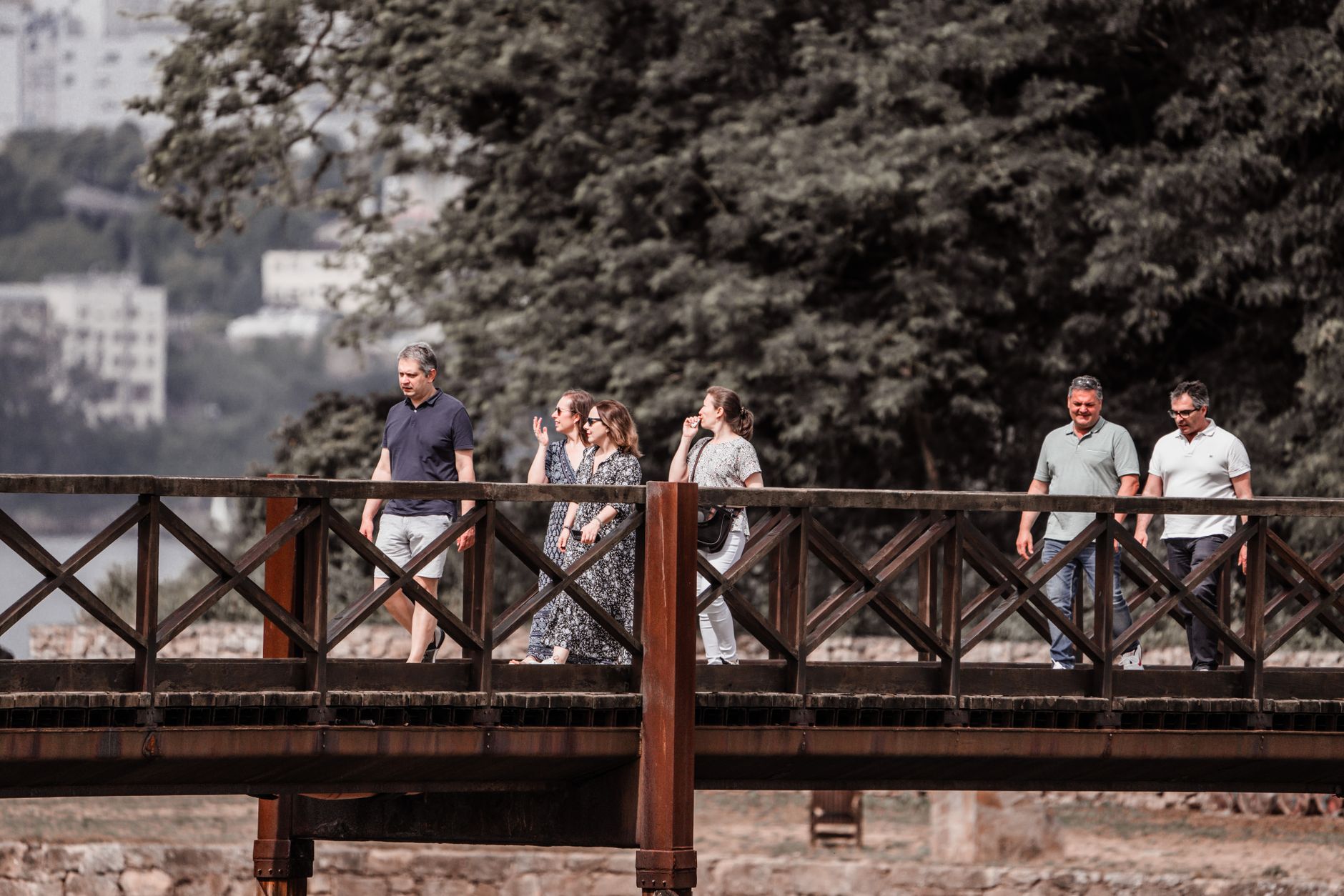
Photo by Tanhauser Vázquez R. on Pexels
Piracicaba
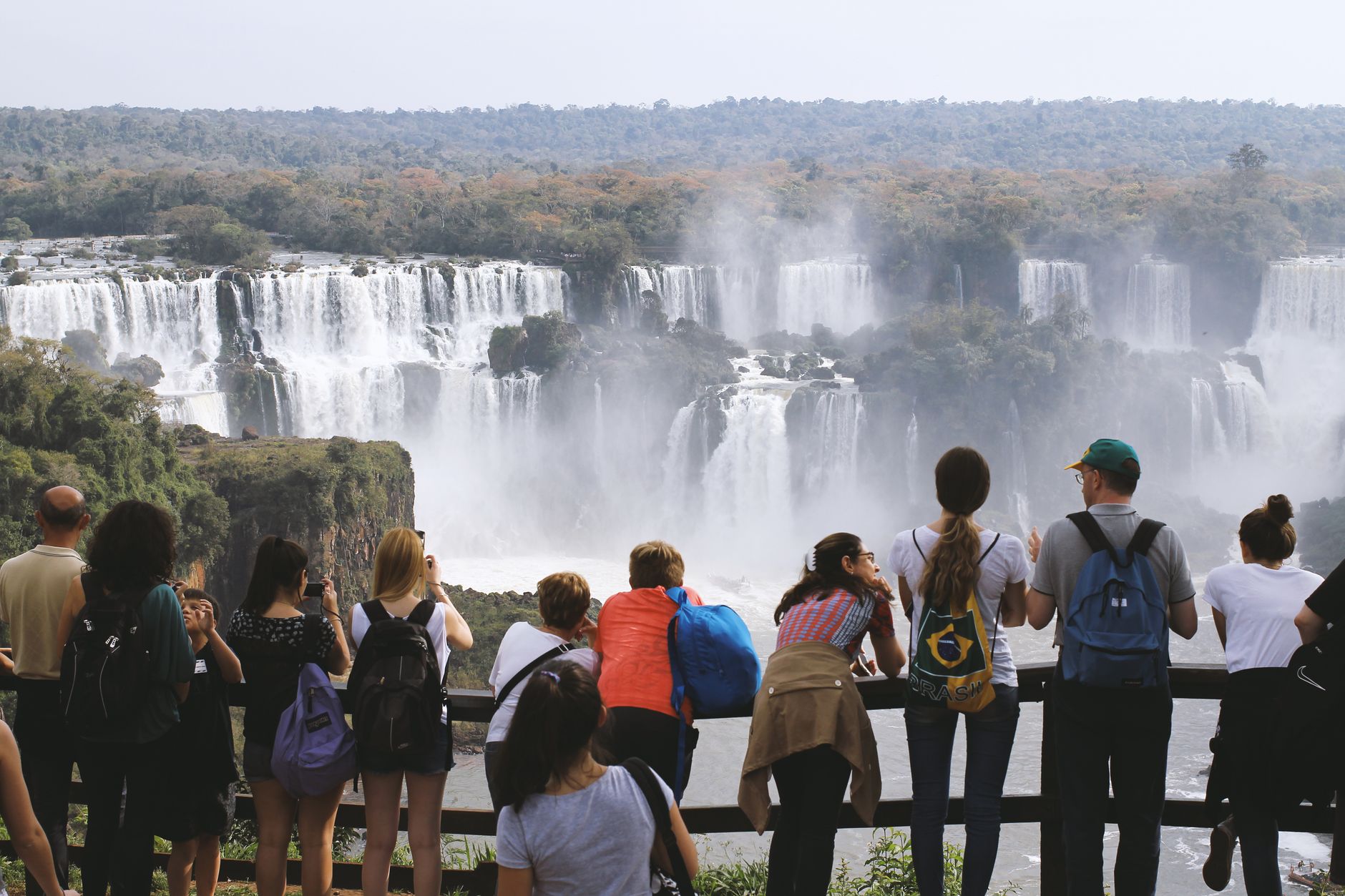
Photo by Jennifer Marchetti on Pexels
Piracicaba
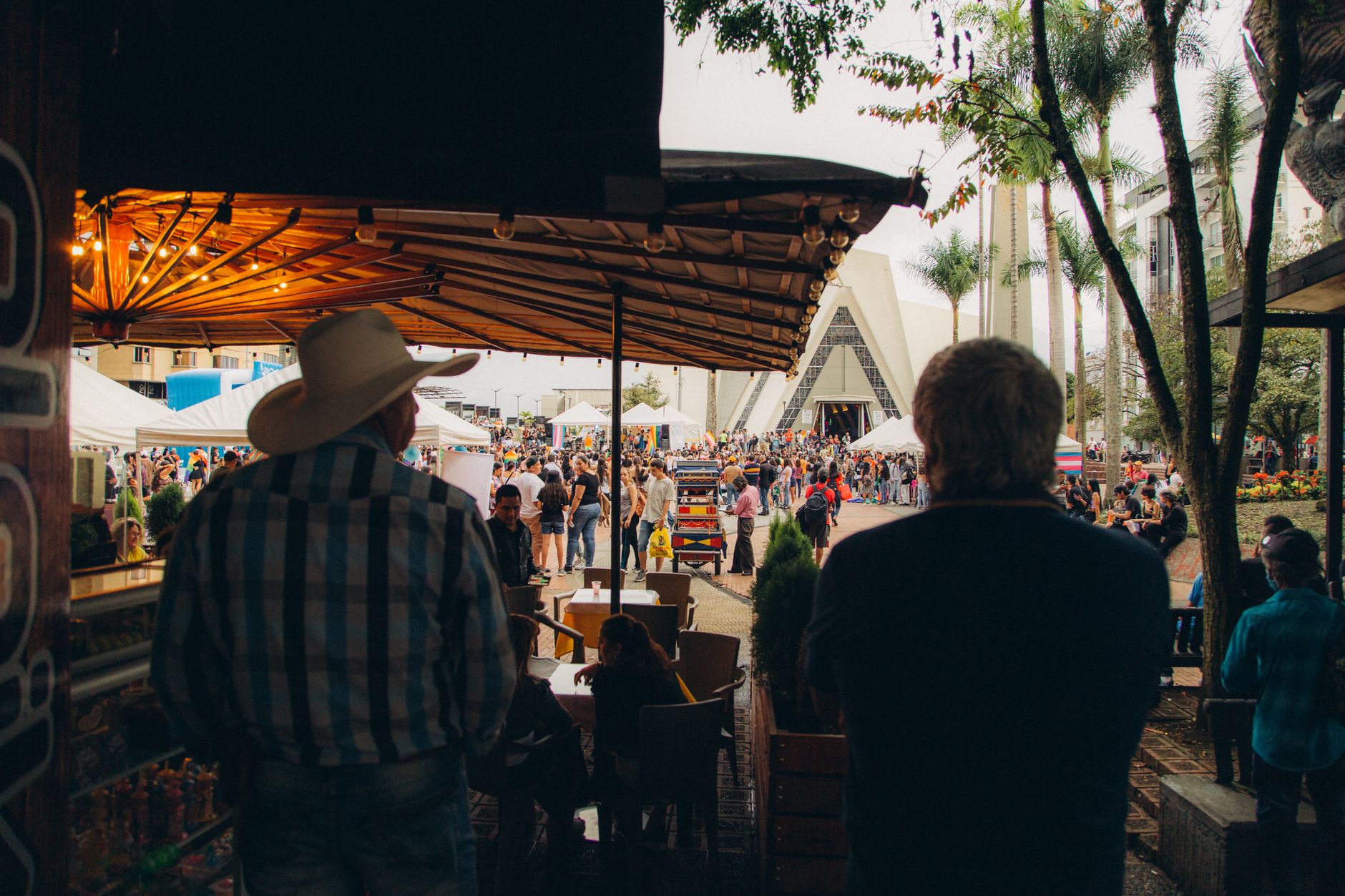
Photo by Yura Forrat on Pexels
Piracicaba
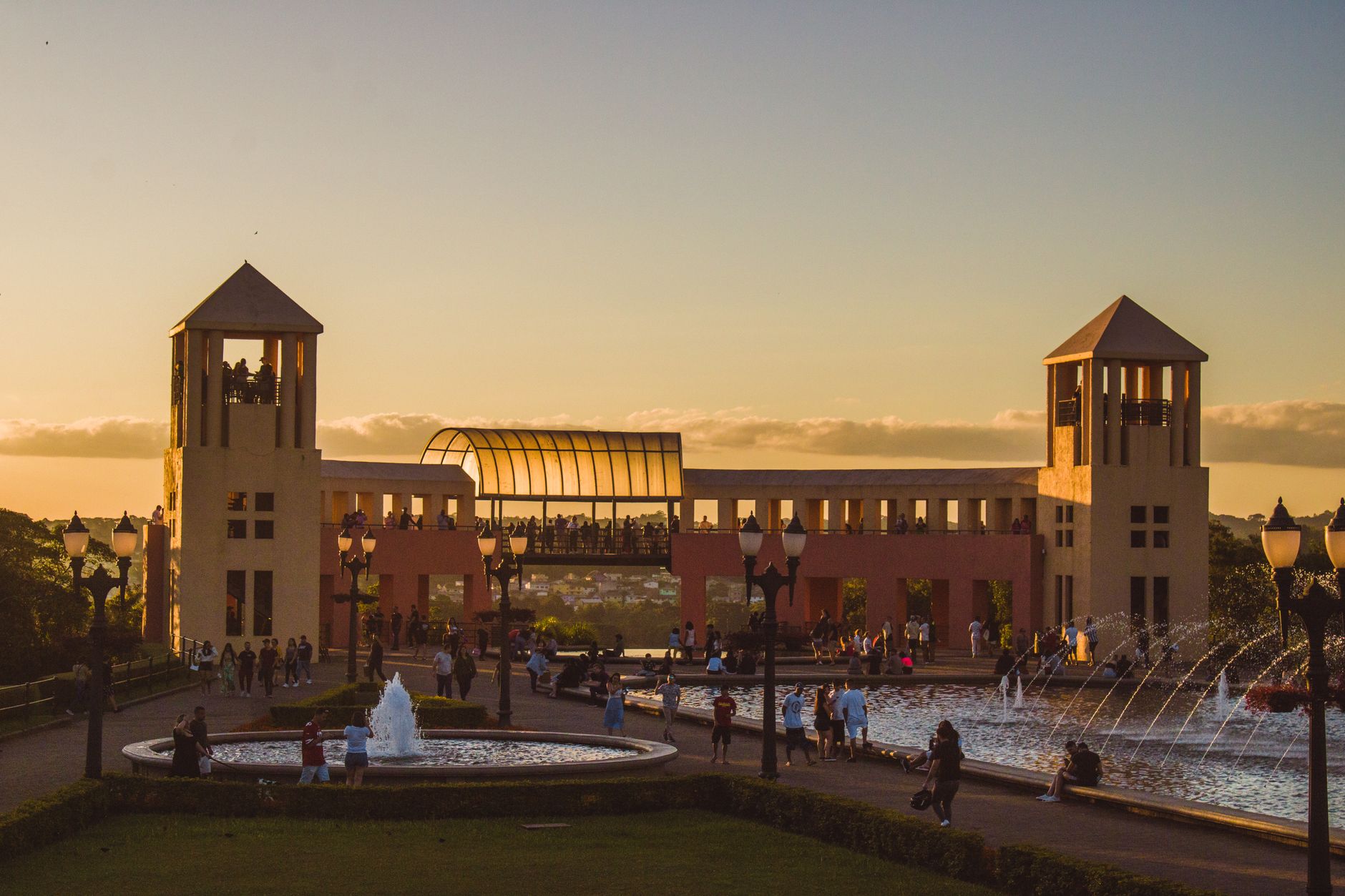
Photo by João Saplak on Pexels
Piracicaba
Photo by Rafael Silva on Pexels
Piracicaba
Photo by Cláudio Emanuel on Pexels

The name comes from Tupi: 'place where the fish stops,' a nod to the rapids on the Piracicaba River that blocked migrating fish from going any further upstream. That same river still anchors the city — you can watch it from the old Rua do Porto, where colonial houses in faded ochre and terracotta line the bank, and restaurants spill onto the waterfront in the evenings.

Piracicaba is a sugarcane city that reinvented itself through education and culture. The old Central Sugar Mill, decommissioned in 1974, now holds a theater and hosts one of Brazil's most respected humor festivals. The agricultural college ESALQ, founded in 1901, gives the city a steady intellectual rhythm that sets it apart from its neighbors.

💛 What travellers fall for

People who keep coming back tend to mention the same few things: the view of the rapids from Mirante Park at dusk, a slow lunch on Rua do Porto, and the ESALQ campus — where the Eclectic main building and its wide grounds feel more like a small European university town than the interior of São Paulo state.

Good to know
Piracicaba is roughly 160 km from São Paulo city; buses run from the city's Tietê terminal via operators like Cometa and Garcia. The bus terminal sits a short walk from the center. Avoid January–February if heavy rain is a concern; April through June offers dry, mild days ideal for walking the riverfront.

Deals in Piracicaba

Book directly at the provider
The story

How Piracicaba came to be

Captain Antônio Corrêa Barbosa founded the settlement on August 1, 1767, where the river's rapids made further canoe travel impossible — a natural stopping point that became a trading post. By 1821 it had earned township status under the name Vila Nova da Constituição, a title it kept until 1877, when councilor Prudente de Morais — later Brazil's president from 1894 to 1898 — pushed through the formal adoption of the Tupi name Piracicaba.

The 1877 railroad connection to Itu and Jundiaí accelerated everything. The Central Sugar Mill opened on the riverbank in 1881, the same year American missionary Martha Watts founded the Piracicaba School. By 1900, the city had electric lighting, telephone services, and the beginnings of what would become ESALQ — one of Latin America's foremost agricultural universities — on land donated by Luiz Vicente de Sousa Queiroz.

People & landmarks

Who and what shaped it

People who shaped it

Prudente de Morais
Future President of Brazil (1894–1898); city councilor who initiated adoption of the name Piracicaba in 1877.
Henrique Fogaça
Chef, restaurateur, and MasterChef Brasil judge; born in Piracicaba.
Roberto Cabrini
Investigative journalist and award recipient; born in Piracicaba.
João Carlos Martins
Brazilian pianist; birthplace is Piracicaba.

Landmark buildings

Engenho Central (Central Sugar Mill)
Founded 1881 on river banks; deactivated 1974 and now houses Erotides de Campos Municipal Theater and hosts Brazil's International Humor Salon.
Luiz de Queiroz College of Agriculture (ESALQ)
Established 1901 on land donated by Luiz Vicente de Sousa Queiroz; main building exemplifies Eclecticism and is one of Latin America's foremost agricultural universities.
Paulista Station
Built 1902; now serves as a leisure space.
Piracicaba School
Inaugurated 1881; founded by American missionary Martha Watts.
Passage of the Lord of the Garden
Created 1883 by artist Miguelzinho Dutra; described as one of the city's greatest artistic and religious treasures.
José Bonifácio Square
Established 1888 with trees planted by prominent citizens.
Municipal Market
Constructed 1882; inaugurated July 5, 1888.
Mirante Park
Established 1895; offers views of river rapids with kiosk built 1906–1907.
Settler's House (Casa do Povoador)
Wattle-and-daub mansion built early 19th century; symbolizes passage of bandeirantes through the region.
Piracicaba Water Museum
Installed since 1887; preserves historical hydraulic structures used in urban water supply.
Tourist Elevator Alto do Mirante
24 meters tall; offers panoramic views of the city.
Methodist Church (Associação Igreja Metodista Central Piracicaba)
Established by American missionaries; current building dates to 1922.
Casa do Marquês
Significant architectural heritage reflecting construction-period styles.
Erotides de Losso Netto Municipal Theater
Inaugurated August 19, 1978; renamed April 1993; two large halls for dance, music, theater, and lectures.
Ricardo Ferraz de Arruda Pinto Municipal Public Library
Established May 2, 1939; one of the first in interior São Paulo; current collection exceeds 70,000 volumes in a 2,770 m² building.
Rua do Porto (Porto Street)
Lined with colorful colonial houses and restaurants; offers scenic river views.
Practical

Plan your visit

On the map

When to go

Summers (December through February) are warm and humid with frequent afternoon downpours. Winter months — June through August — bring dry, clear days with cool evenings, making them the most comfortable time to explore on foot.

Right now

☀️
18°C
Clear
Fri
☀️
25°
13°
Sat
☀️
25°
14°
Sun
☀️
27°
15°
Mon
☀️
28°
16°
Weather data: Open-Meteo

Background & history adapted from Wikipedia (CC BY-SA) · specs from Wikidata (CC0) · weather from Open-Meteo · map data © OpenStreetMap contributors · photos from Wikimedia Commons / Unsplash with per-image credit. No third-party reviews or social posts reproduced.

Top