
Campos do Jordão
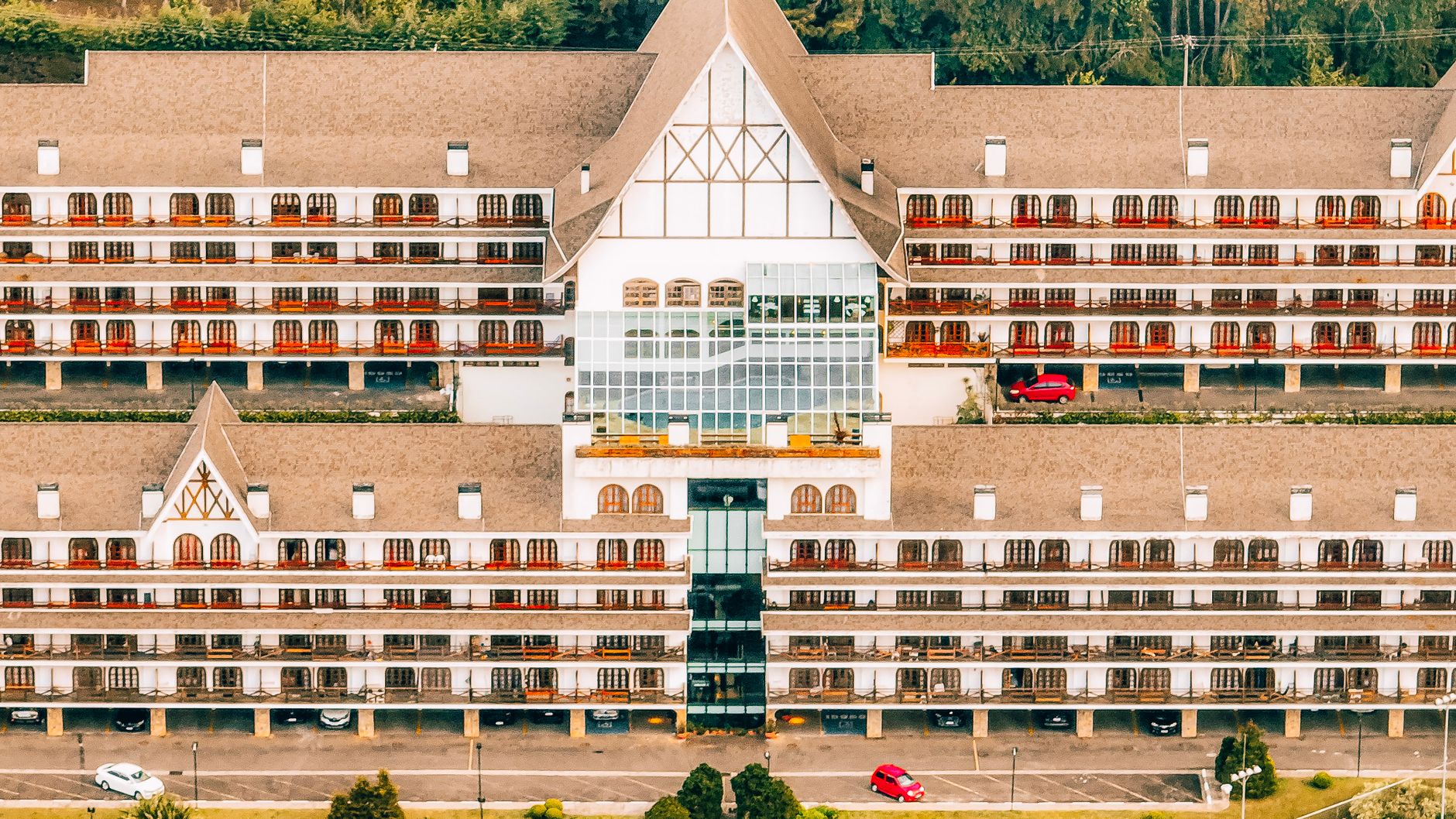
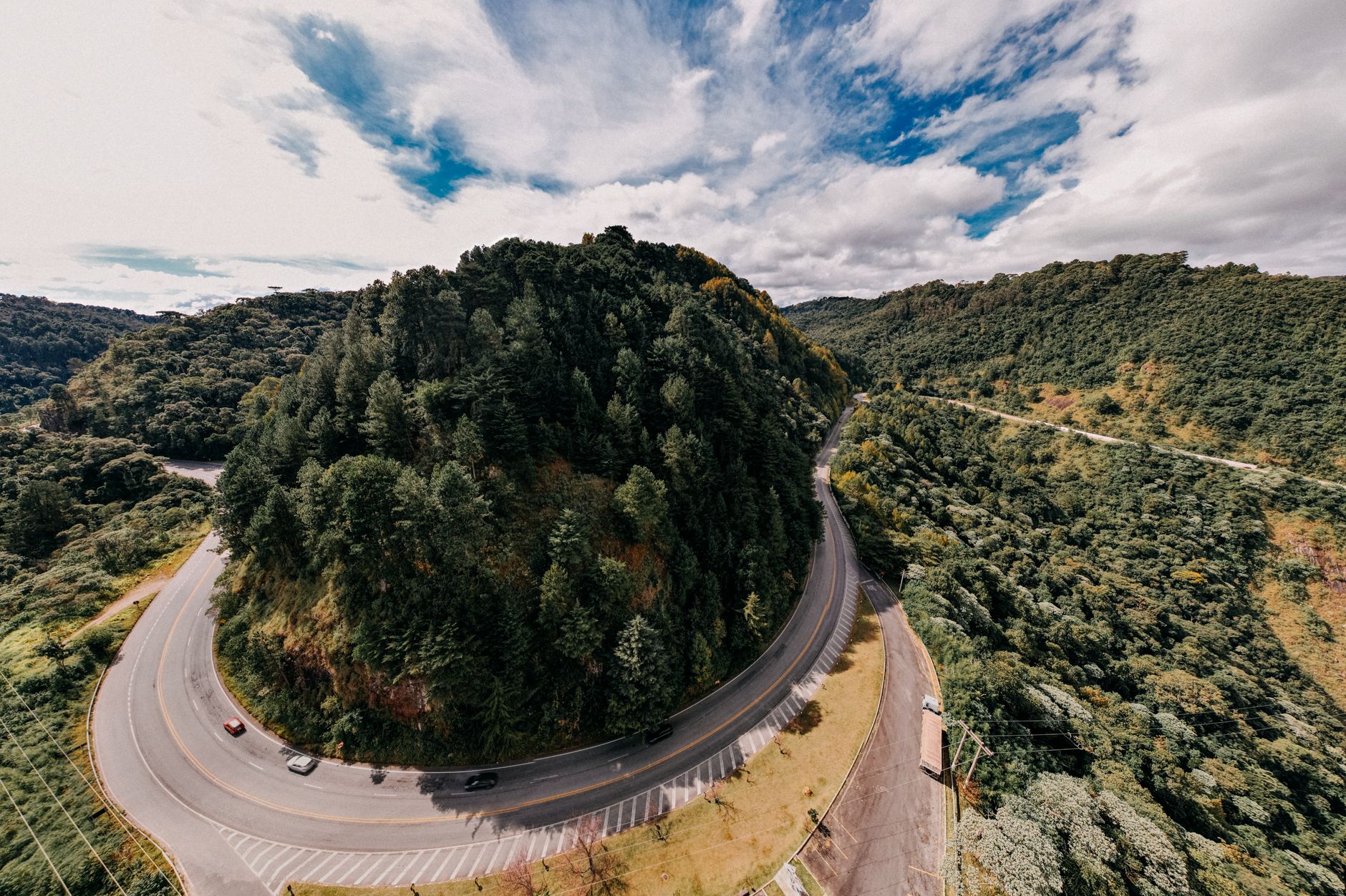

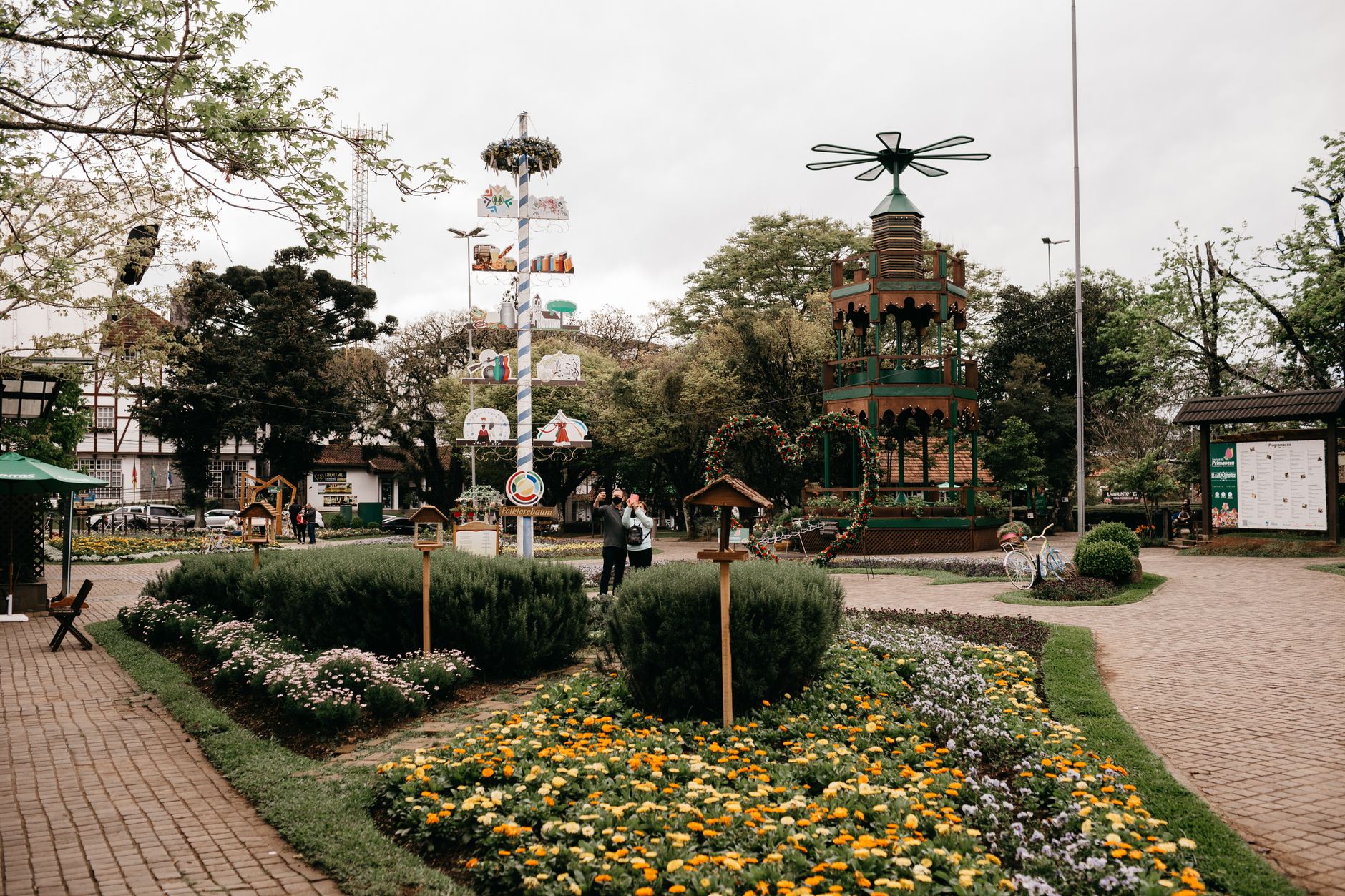
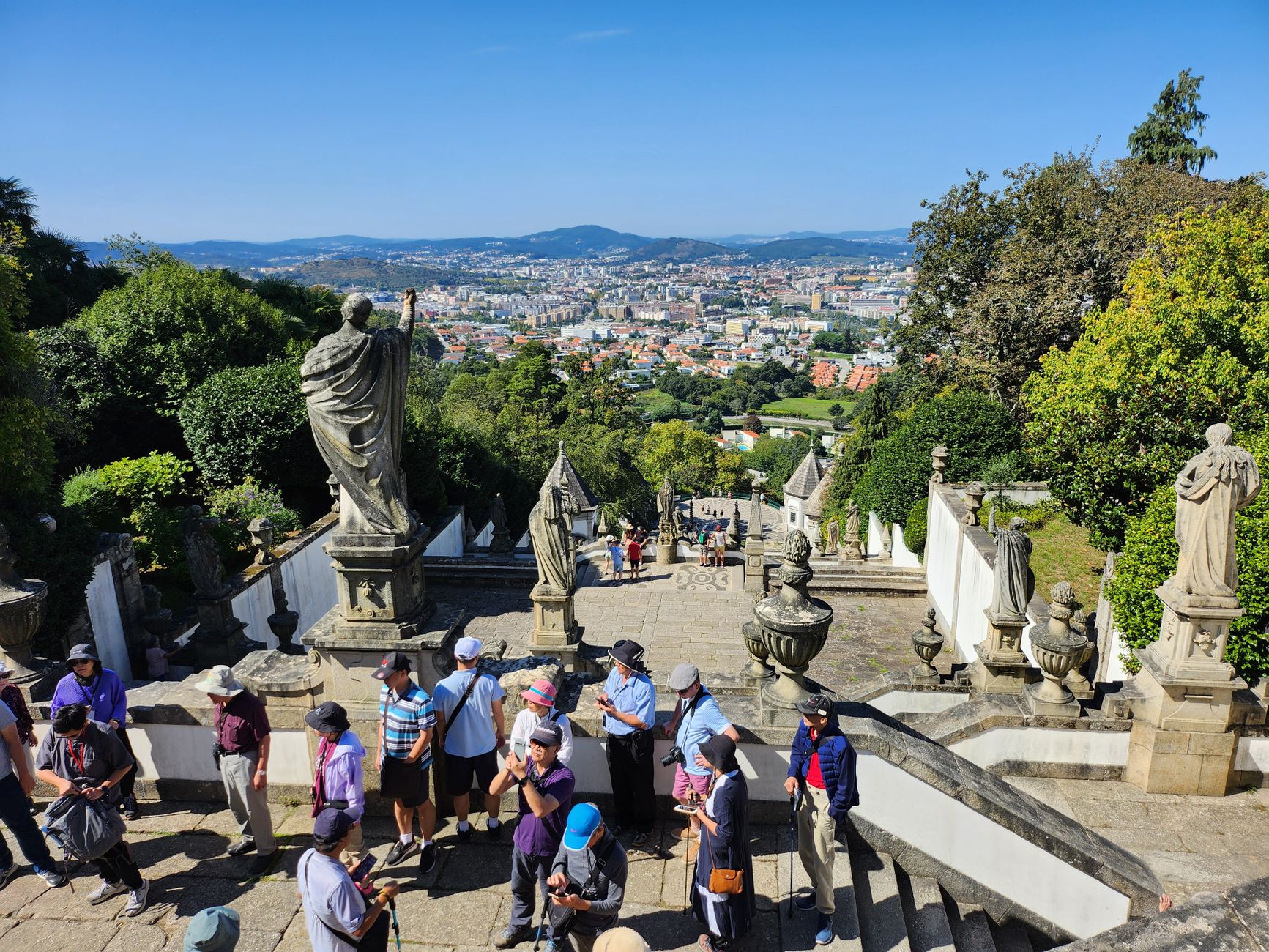
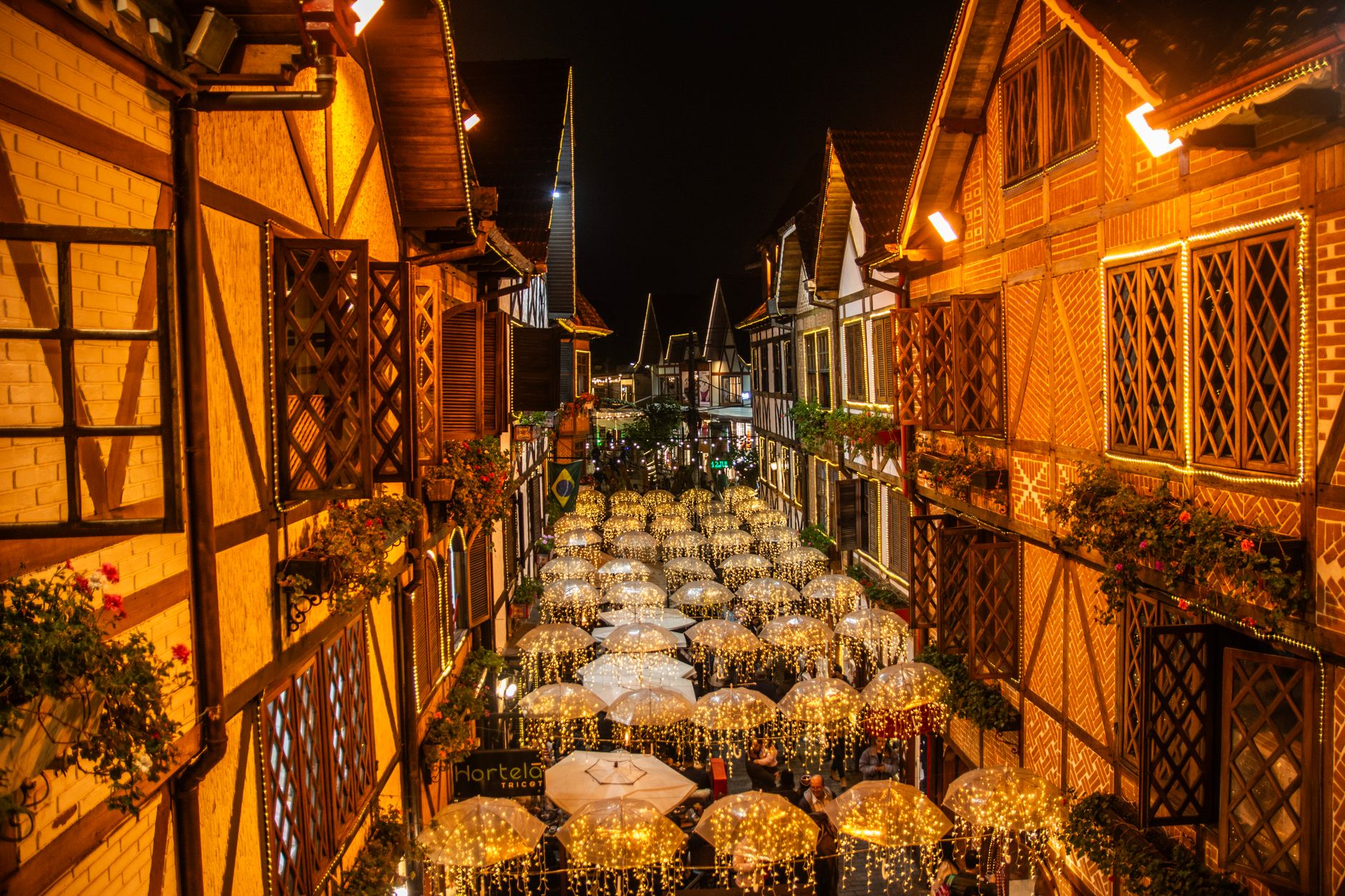
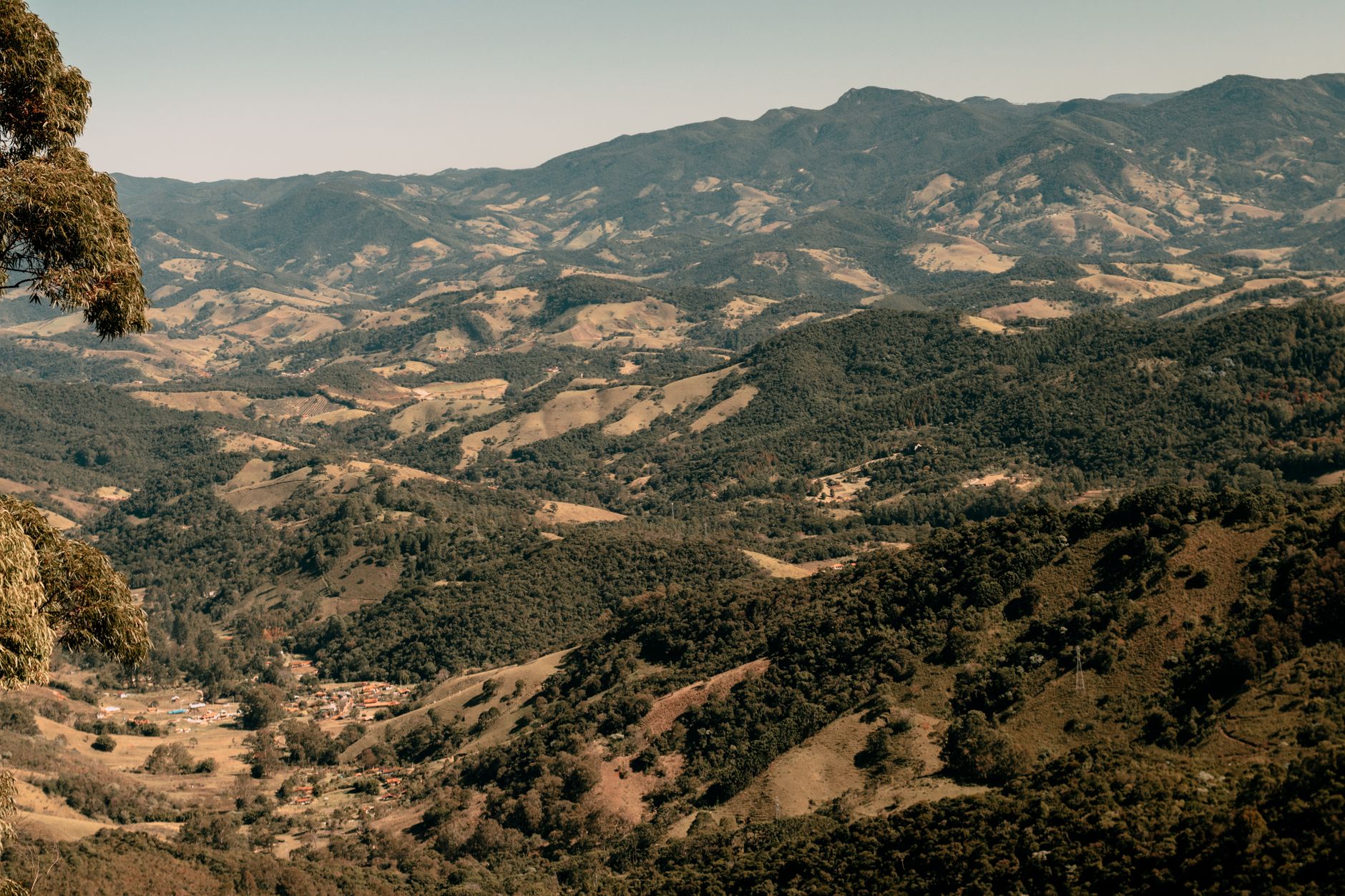
At 1,628 metres above sea level, Campos do Jordão is the highest city in Brazil — and the air genuinely feels different, cooler and thinner, even on a January afternoon when the Serra da Mantiqueira is green to every ridge. The streets of the Capivari district fill with fondue restaurants and Alpine-inflected architecture that can feel a little theatrical, but step past that and you find a city shaped by a specific, unusual history: the idea that the altitude itself was medicine.
The Winter Festival of classical music, running since 1970, draws serious audiences each July. The Museu Felícia Leirner spreads 85 sculptures across open hillside. The old tram still runs. There is more here than the cheese shops suggest.
💛 What travellers fall for
People who come back tend to time it around the Winter Festival for the Claudio Santoro Auditorium concerts, then stay a night extra to walk the Museu Felícia Leirner early, before the tour groups arrive. The Baden Baden brewery on the way out of town is worth the stop — the railway history alone justifies the detour to the Emílio Ribas station.
Experiences you don't want to miss

Deals in Campos do Jordão
Book directly at the providerHow Campos do Jordão came to be
The land was first purchased on 29 April 1874 by Mateus da Costa Pinto, who built an inn and a small shop around which Vila Velha grew. The city's name comes from Brigadier Manuel Rodrigues Jordão, who had earlier owned the "Natal" fazenda here. For decades the highlands remained difficult to reach — until the doctors Emilio Ribas and Victor Godinho pushed through the railway that opened in 1914, bringing tuberculosis patients who had been told the mountain climate could help them.
The physician Domingos Jaguaribe, known locally as the "Prophet of Campos do Jordão," had already worked to prove that claim scientifically. The city was formally emancipated from São Bento do Sapucaí in 1934. The Palácio Boa Vista, completed in 1964 as the governor's winter residence, and the Winter Festival founded in 1970 cemented its role as a place São Paulo's cultural life migrates to in the cold months.
Who and what shaped it
People who shaped it
Landmark buildings
See Campos do Jordão in motion
Plan your visit
On the map
When to go
Summers (January to March) are mild and wet, with daily means around 21–22°C and heavy afternoon rain — pack accordingly. Winters are cool and dry enough to warrant a real jacket: June through August averages 15–17°C, and the record low of -7.2°C in 1988 is not entirely ancient history.
Right now
Background & history adapted from Wikipedia (CC BY-SA) · specs from Wikidata (CC0) · weather from Open-Meteo · map data © OpenStreetMap contributors · photos from Wikimedia Commons / Unsplash with per-image credit. No third-party reviews or social posts reproduced.