
Santos
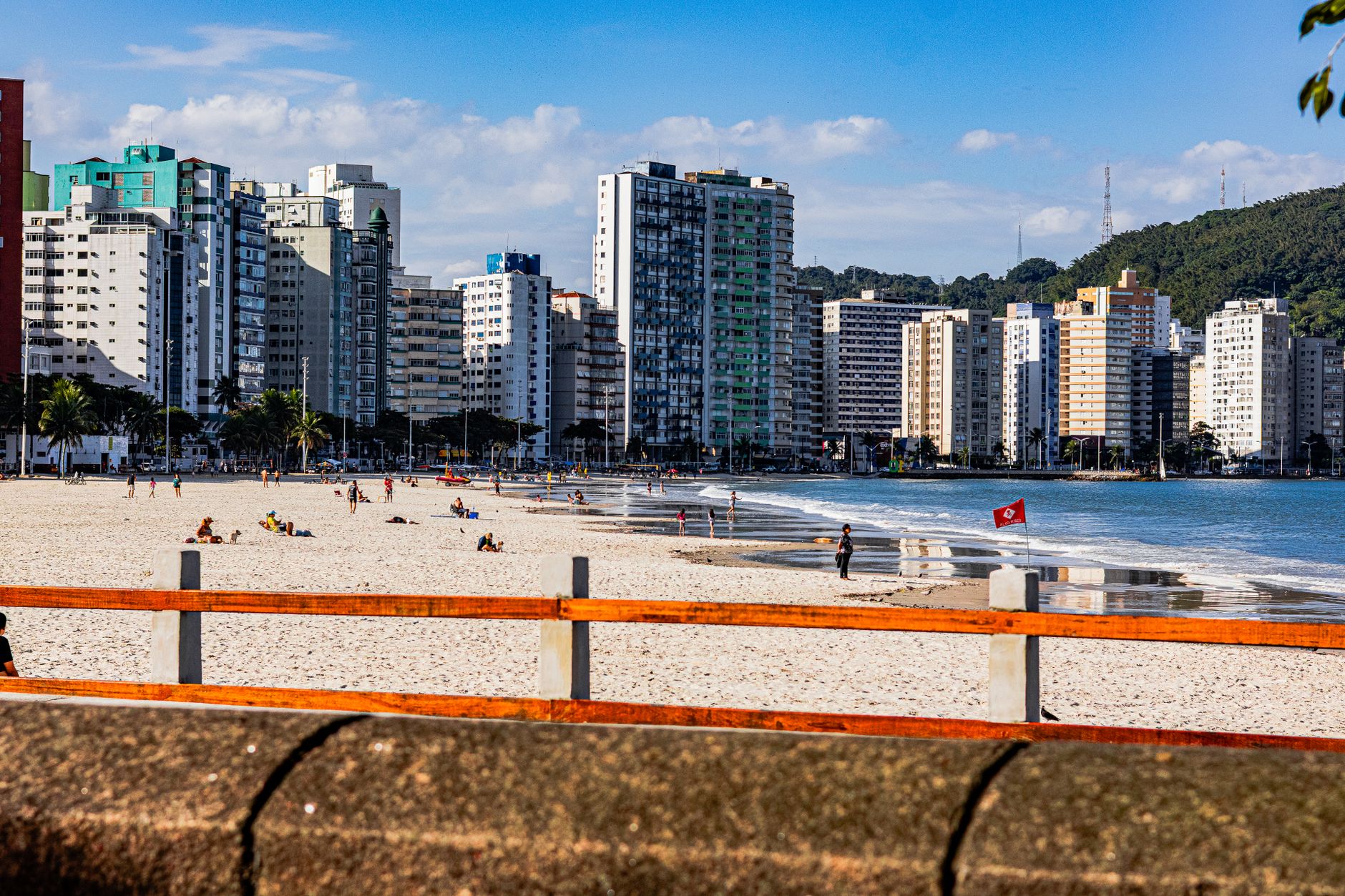
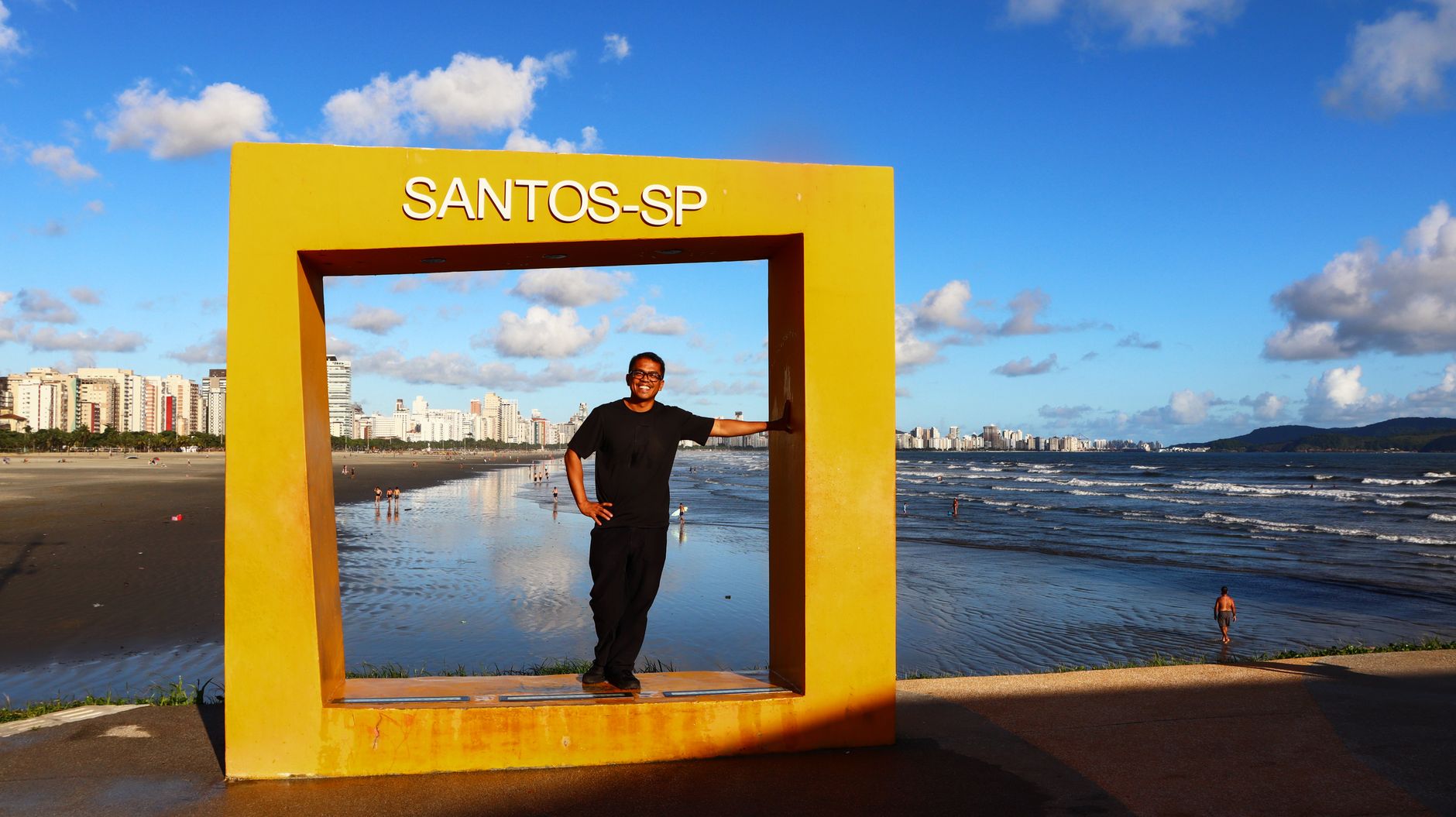
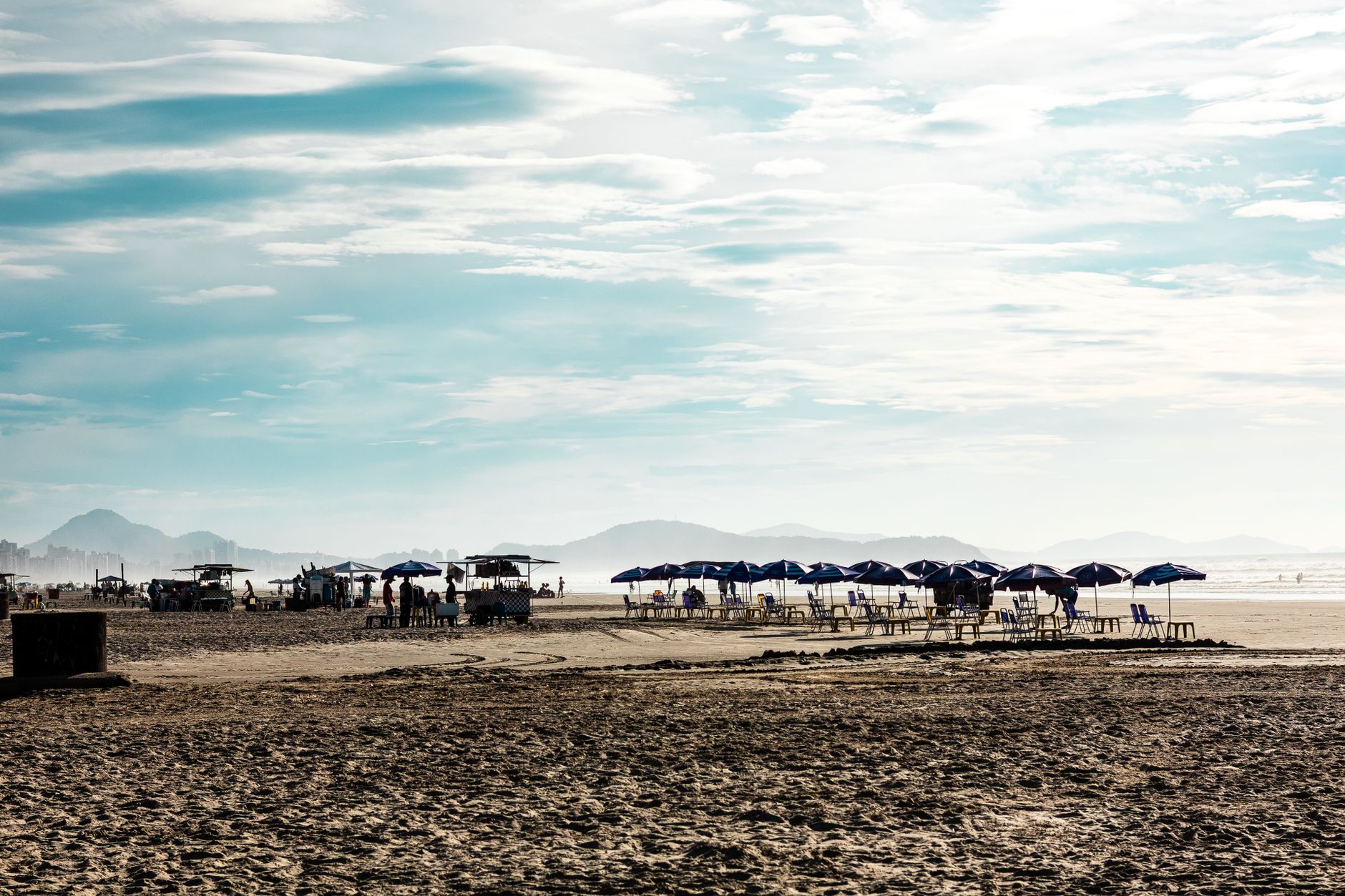
Santos is the city where world coffee prices were once set every morning, where ninety skyscrapers lean visibly off-plumb because nobody thought to regulate foundations until 1968, and where a teenager named Pelé arrived in 1956 and stayed nearly two decades. It sits at the edge of a broad bay, its port still the largest in Latin America, its beachfront lined by a botanical garden that runs 5.3 kilometres along the shore.
The old centre and the waterfront are two different cities living inside one. Spend a morning in the Valongo district with its colonial tiles and leaning towers, then follow the light rail down to the beach gardens in the afternoon. Santos rewards the slow walker.
💛 What travellers fall for
People who come back tend to anchor their days at the Coffee Museum in the old Bolsa Oficial de Café building — the trading floor alone is worth the trip. They also mention catching the heritage tram through Valongo before the heat peaks, and eating fish close to the port rather than the beach strip, where prices follow the tourists.
Deals in Santos
Book directly at the provider

How Santos came to be
Brás Cubas founded Santos on January 26, 1546, partly to hold off French incursions along the coast and secure the trade lanes the Portuguese were building inland. The English privateer Thomas Cavendish sacked it in 1591, a reminder of how valuable the port already was. The city's real transformation came in 1867 when the São Paulo Railway opened, threading down the Serra do Mar escarpment and connecting the coffee-growing plateau to the sea. The port modernised in 1892, and by 1909 Santos was handling record volumes of coffee that would stand for nearly a century.
The Coffee Exchange — Bolsa Oficial de Café — opened in 1922 and for decades the prices set in that building rippled through every coffee market on earth. Santos FC arrived a decade earlier, in 1912, and the club's stadium at Vila Belmiro opened four years after that. The city was already drawing São Paulo families to its beaches by then; the beachfront gardens were formalised in 1935, and the Guinness record for the world's largest oceanfront botanical garden followed in 2002.
Who and what shaped it
People who shaped it
Landmark buildings
See Santos in motion
Plan your visit
On the map
When to go
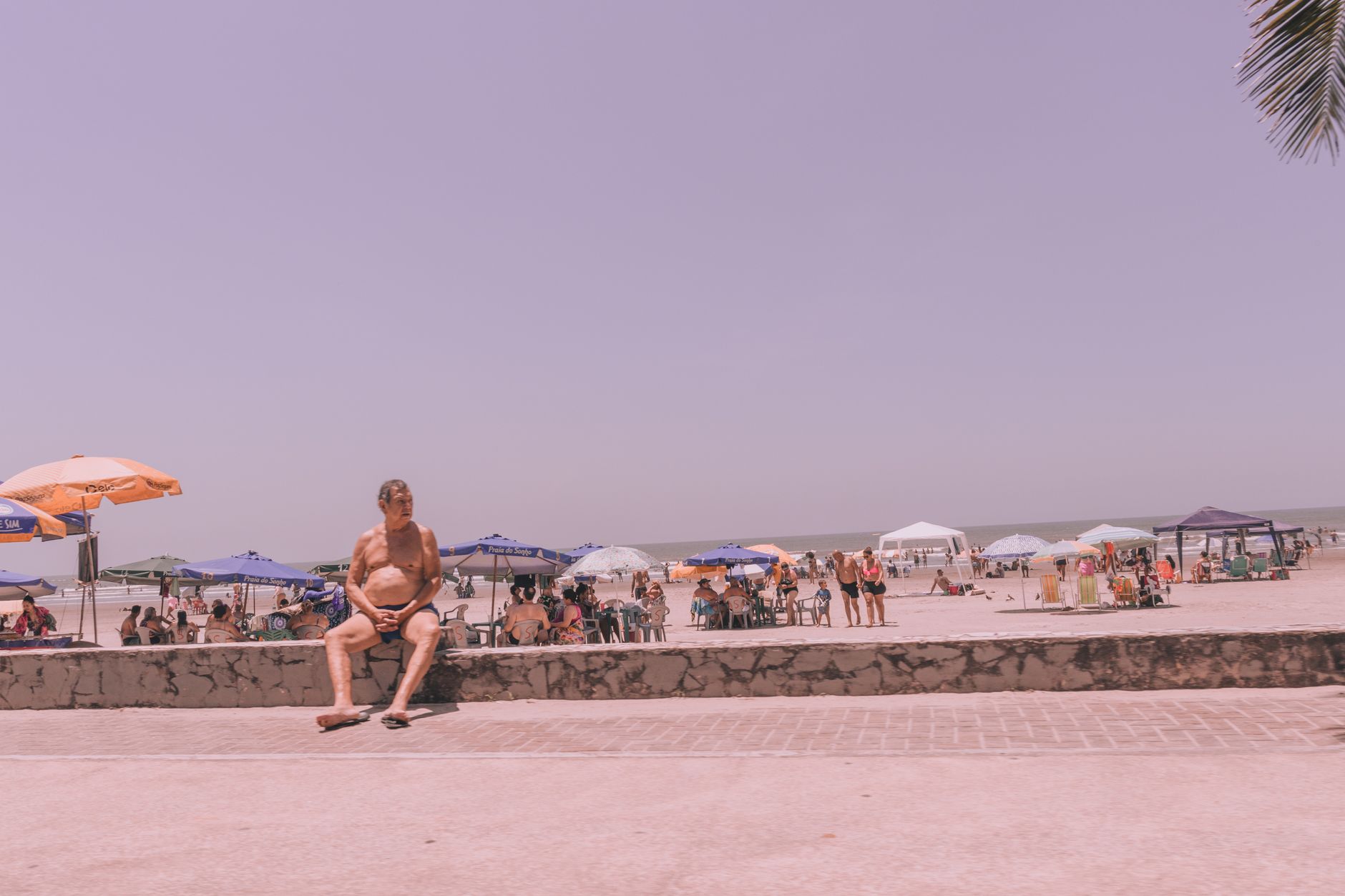
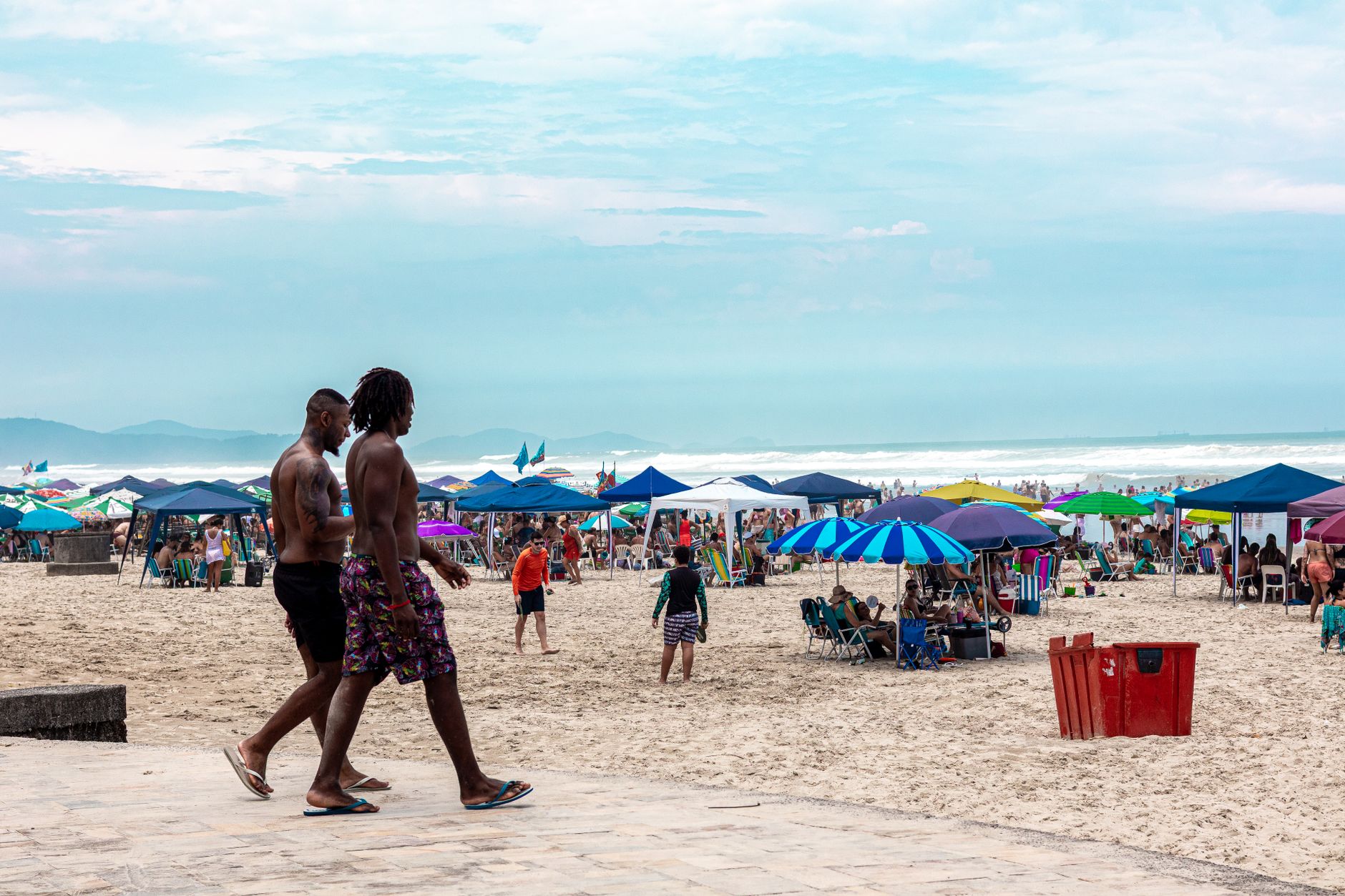
Santos is subtropical and genuinely humid, with summer (December to March) bringing heat, frequent afternoon rain, and crowded beaches. The dry season from May to September is cooler and far more comfortable for walking the old city.
Right now
Background & history adapted from Wikipedia (CC BY-SA) · specs from Wikidata (CC0) · weather from Open-Meteo · map data © OpenStreetMap contributors · photos from Wikimedia Commons / Unsplash with per-image credit. No third-party reviews or social posts reproduced.