
Atibaia
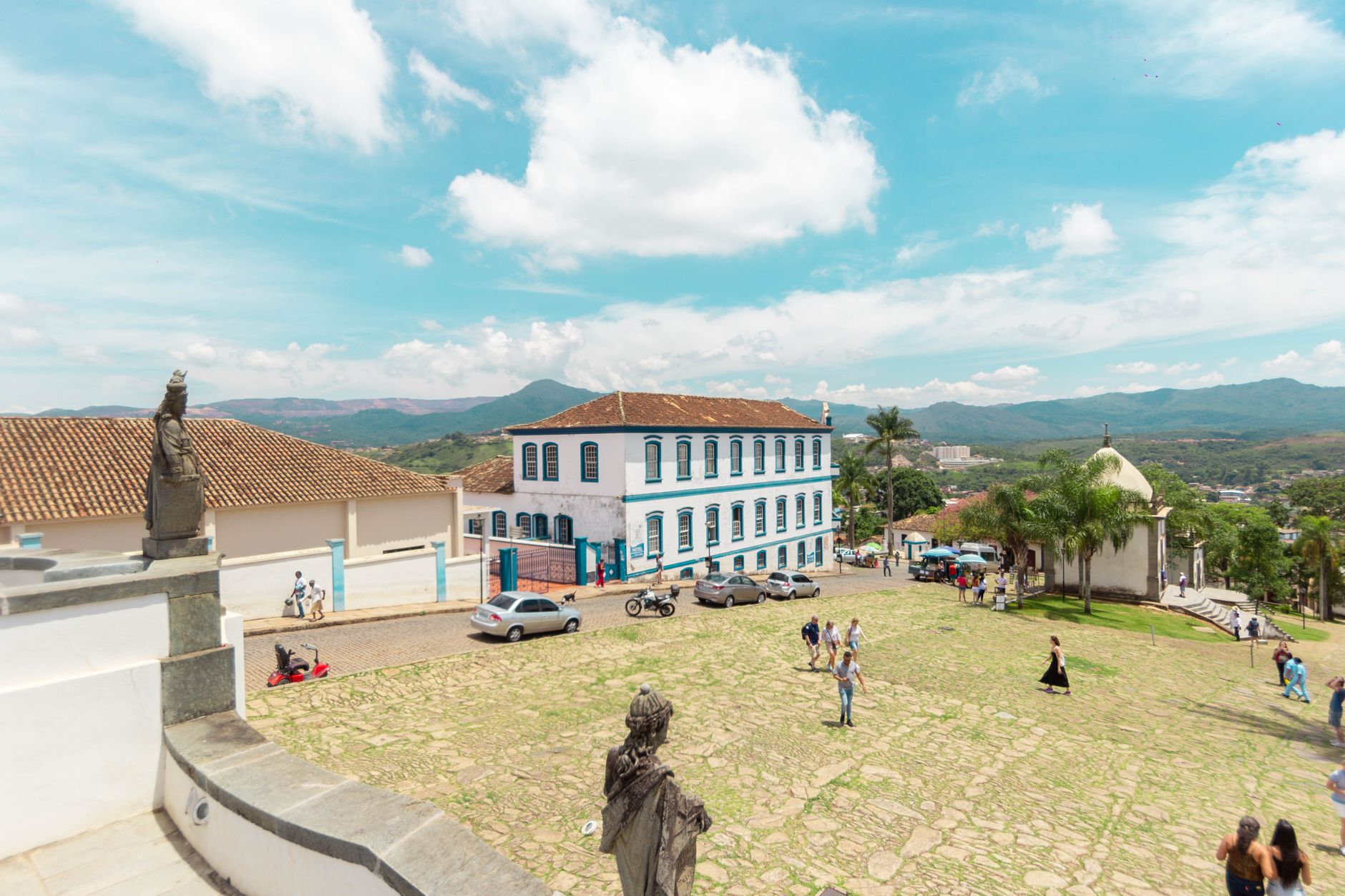
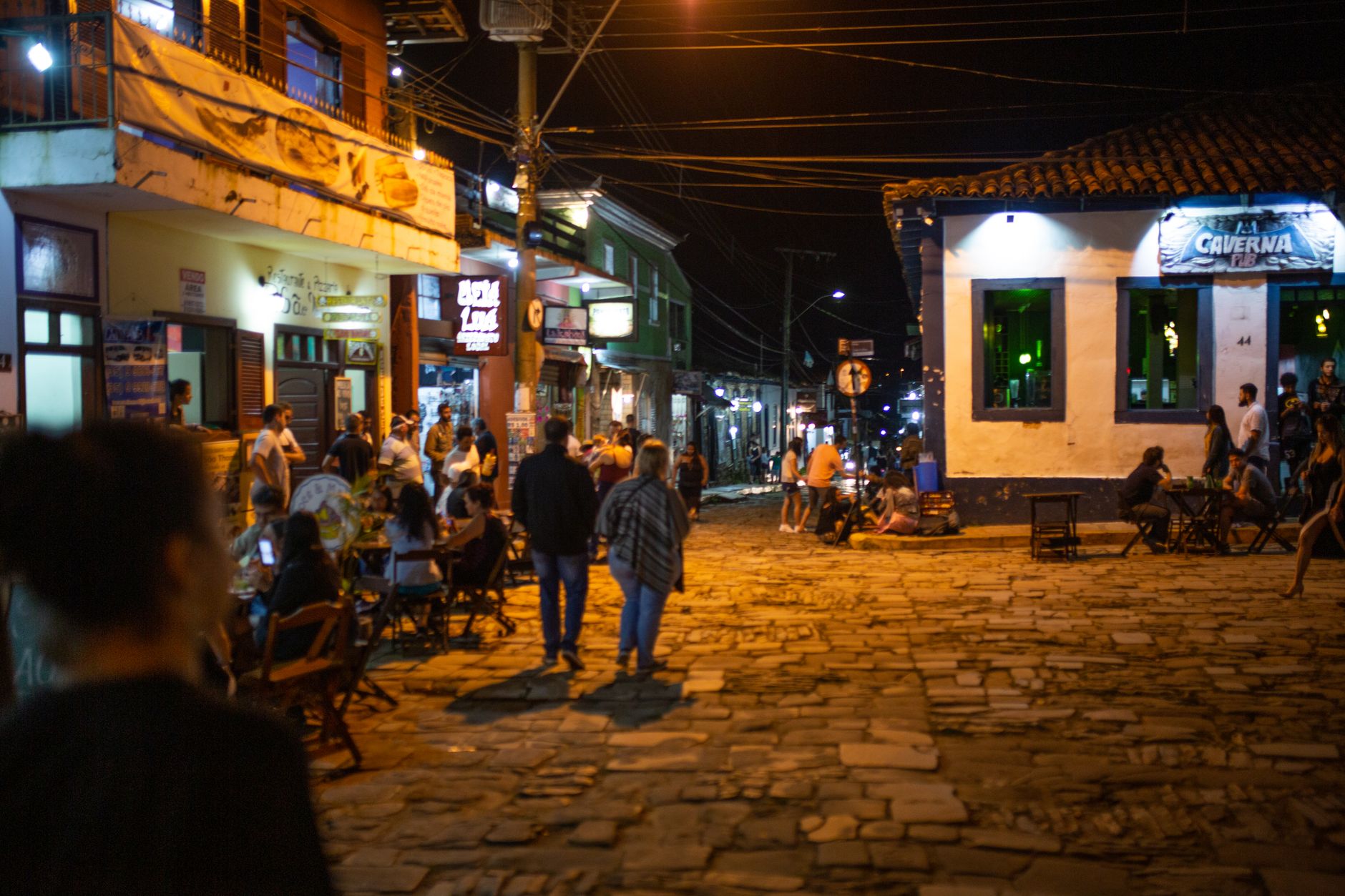
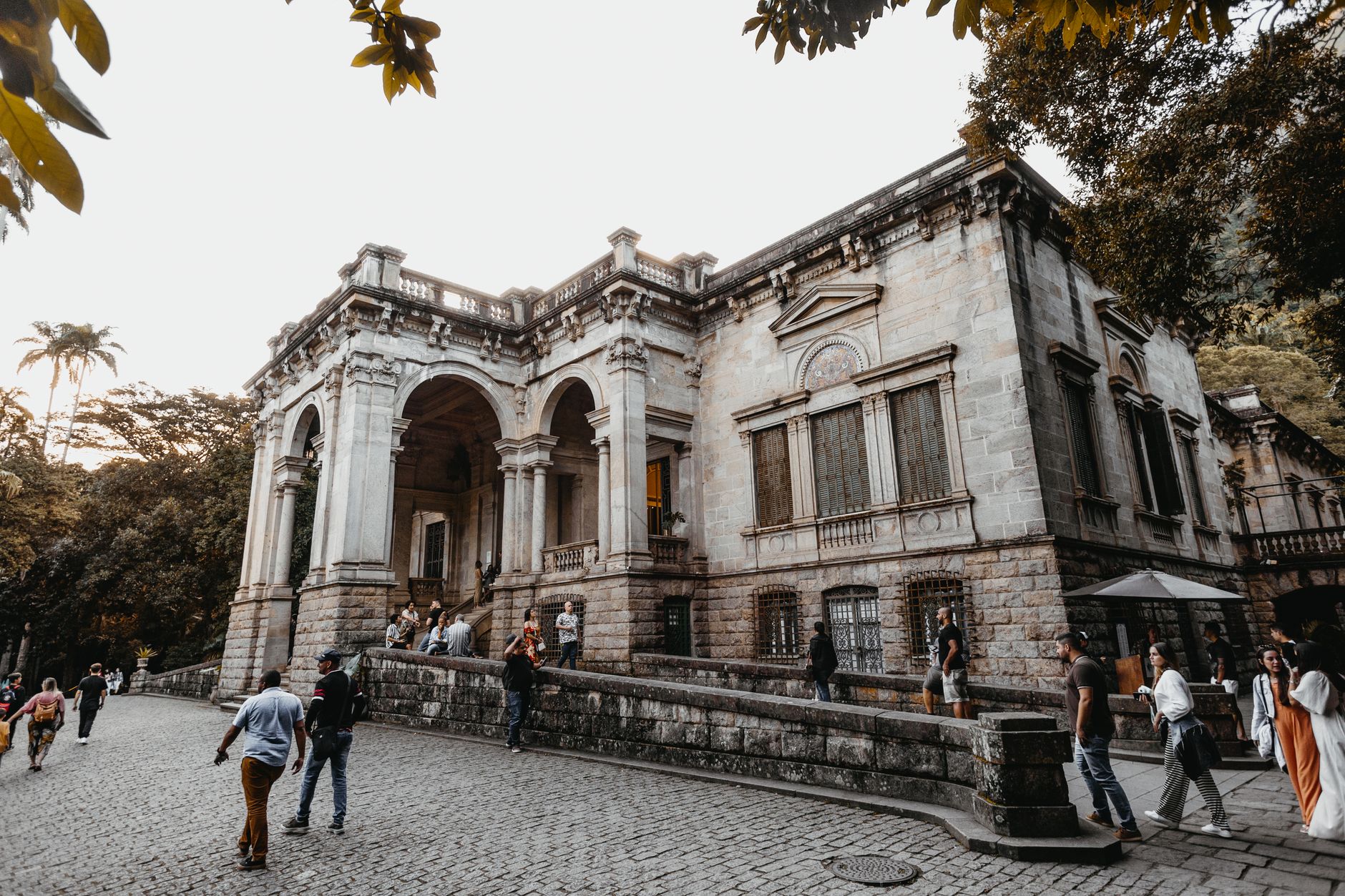
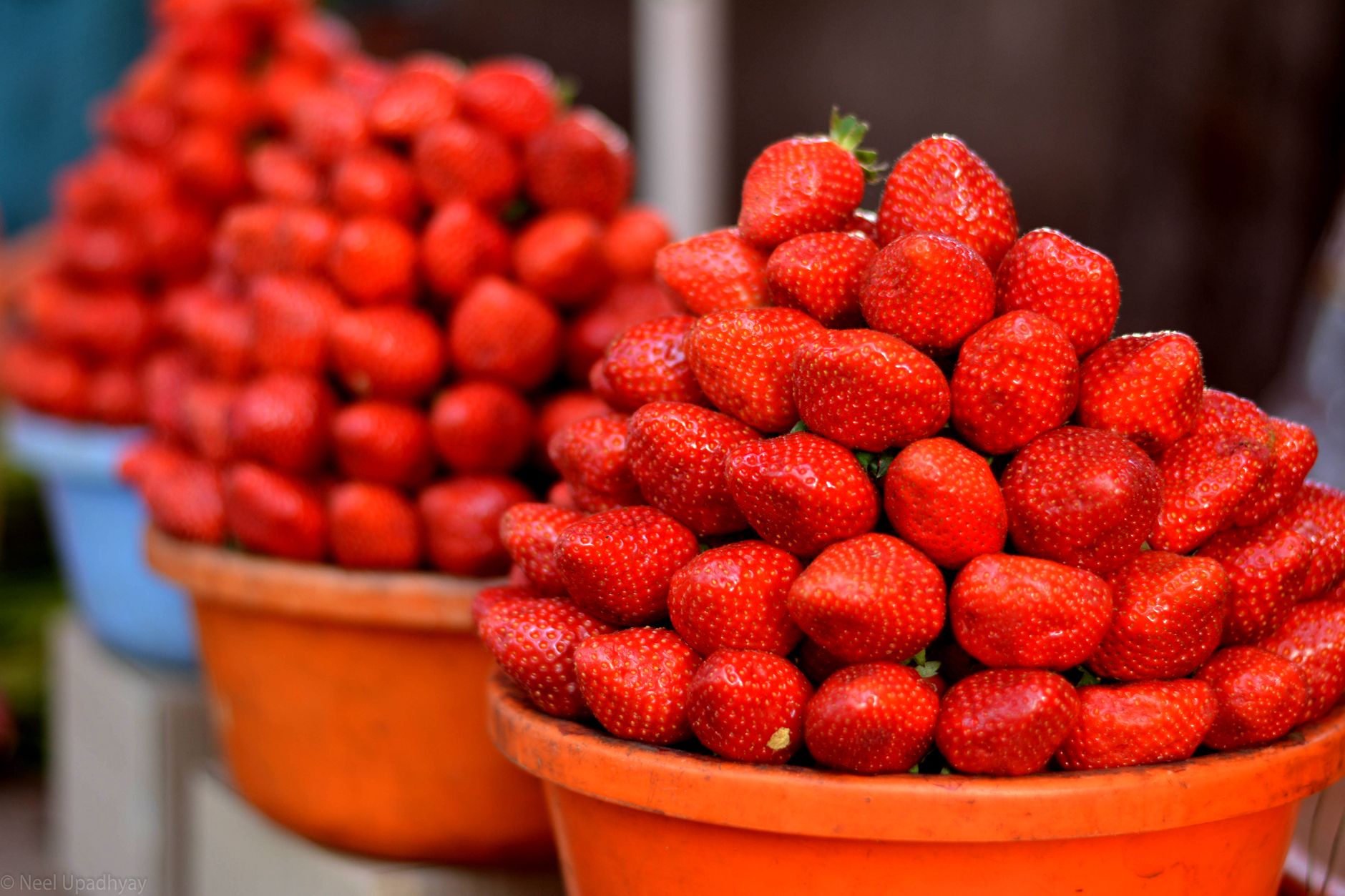
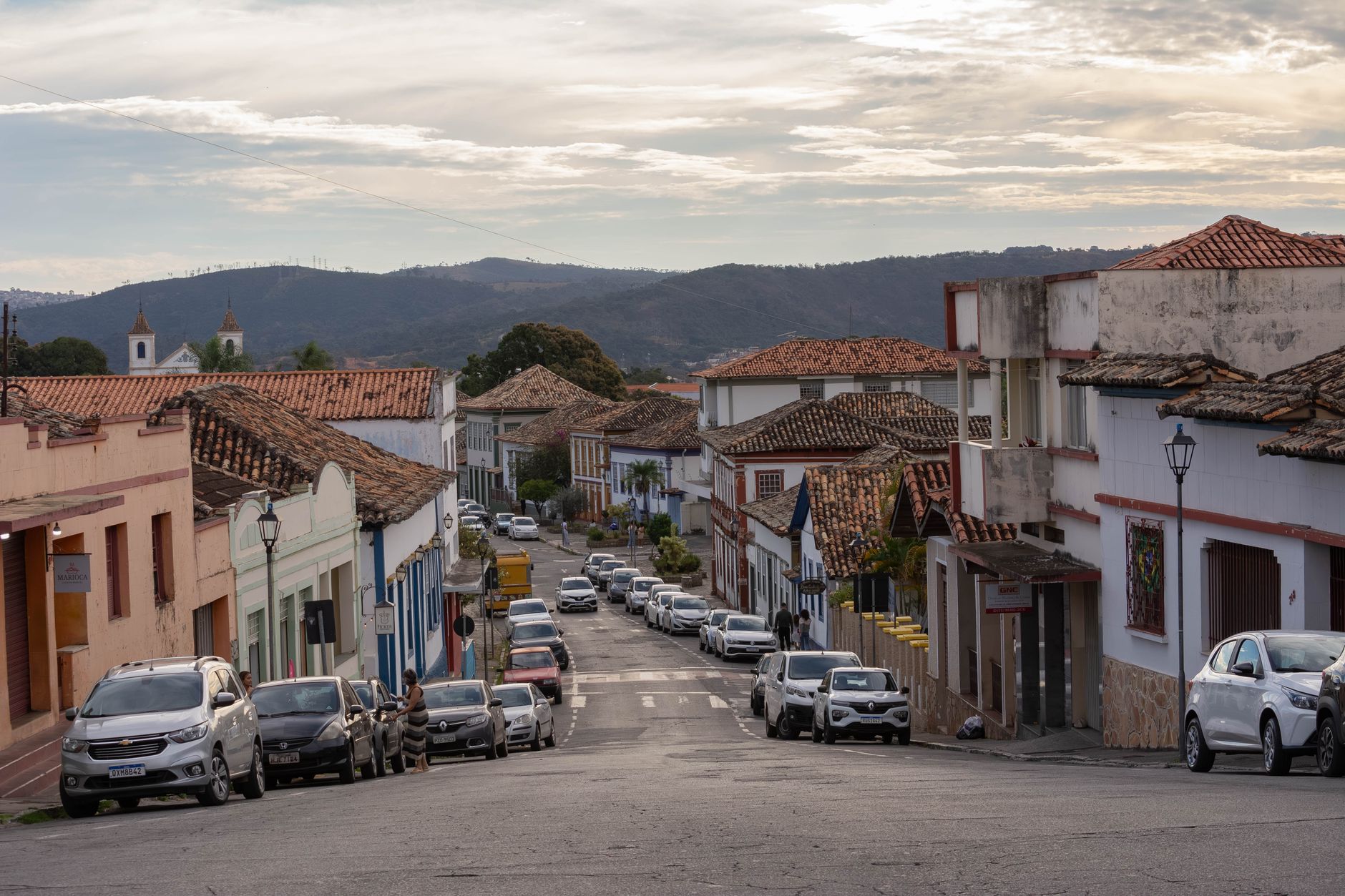
Atibaia earns its federal designation as Brazil's National Strawberry Capital the honest way — through roughly 150 growers working the cool plateau land an hour north-east of São Paulo. You'll see roadside farm stalls stacked with punnets before you've even found a parking spot. But the strawberries are just the entry point. Behind them sits a city with a 17th-century parish church, a granite outcrop called Pedra Grande that rises above the Serra da Mantiqueira foothills, and a small museum crammed with colonial-era arms, furniture and coins that most day-trippers walk straight past.
The name comes from Tupi — roughly, 'healthy water river' — and the river that gave the city its name is still here, running through a landscape that rewards anyone willing to slow down for a day or two.
💛 What travellers fall for
People who keep coming back tend to time it around the strawberry harvest (roughly May through August) and make a point of reaching Pedra Grande early, before cloud rolls in off the Serra. The Museu João Batista Conti, in the old 1836 jail and council house on the central square, is reliably quiet and free — a good hour if colonial-period Brazil is your thing.
Experiences you don't want to miss



Deals in Atibaia
Book directly at the provider

How Atibaia came to be
On June 24, 1665, Bandeirante explorer Jerônimo de Camargo stopped near a river the local Tupi-speaking people called Tubaia and raised a chapel — the first mass was said that same day by Father Matheus Nunes de Siqueira. The chapel was substantially rebuilt and a formal parish established in 1719. That church, the Igreja Matriz de São João Batista, still stands as the city's oldest landmark; in 1911 the artist Benedito Calixto added a mural inside depicting the baptism of Christ by Saint John the Baptist.
Atibaia was elevated to a municipality in 1864. The building that served as both town council and jail from 1836 survives on the central square, now housing the Museu Municipal João Batista Conti — a collection of around 8,750 objects spanning arms, religious art, coins and documents that trace the colonial and imperial periods in the region.
Who and what shaped it
People who shaped it
Landmark buildings
See Atibaia in motion
Plan your visit
On the map
When to go
Summers (December through March) are warm and wet, with January averaging 253 mm of rain and February pushing up to 29°C — beautiful but expect afternoon downpours. The sweet spot runs April to September: temperatures settle between 20°C and 26°C, August is the driest month, and the trails on Pedra Grande are far more forgiving underfoot.
Right now
Background & history adapted from Wikipedia (CC BY-SA) · specs from Wikidata (CC0) · weather from Open-Meteo · map data © OpenStreetMap contributors · photos from Wikimedia Commons / Unsplash with per-image credit. No third-party reviews or social posts reproduced.