
Campinas
Campinas earns its place on the map through specifics: the first highway in Brazil — the Anhanguera, built in 1938 — begins here, and in 1888 the city was the site where the Lei Áurea, the law that abolished slavery in Brazil, was signed. That weight of consequence sits quietly beneath a city that most visitors pass through without stopping, which is their loss.
The downtown cathedral took seventy-six years to build, its walls pressed from clay, its interior lined with dark jacaranda wood. In Cambuí, a few kilometers away, specialty roasters pour some of the country's most serious coffee. Campinas is a place that rewards the slower look.
💛 What travellers fall for
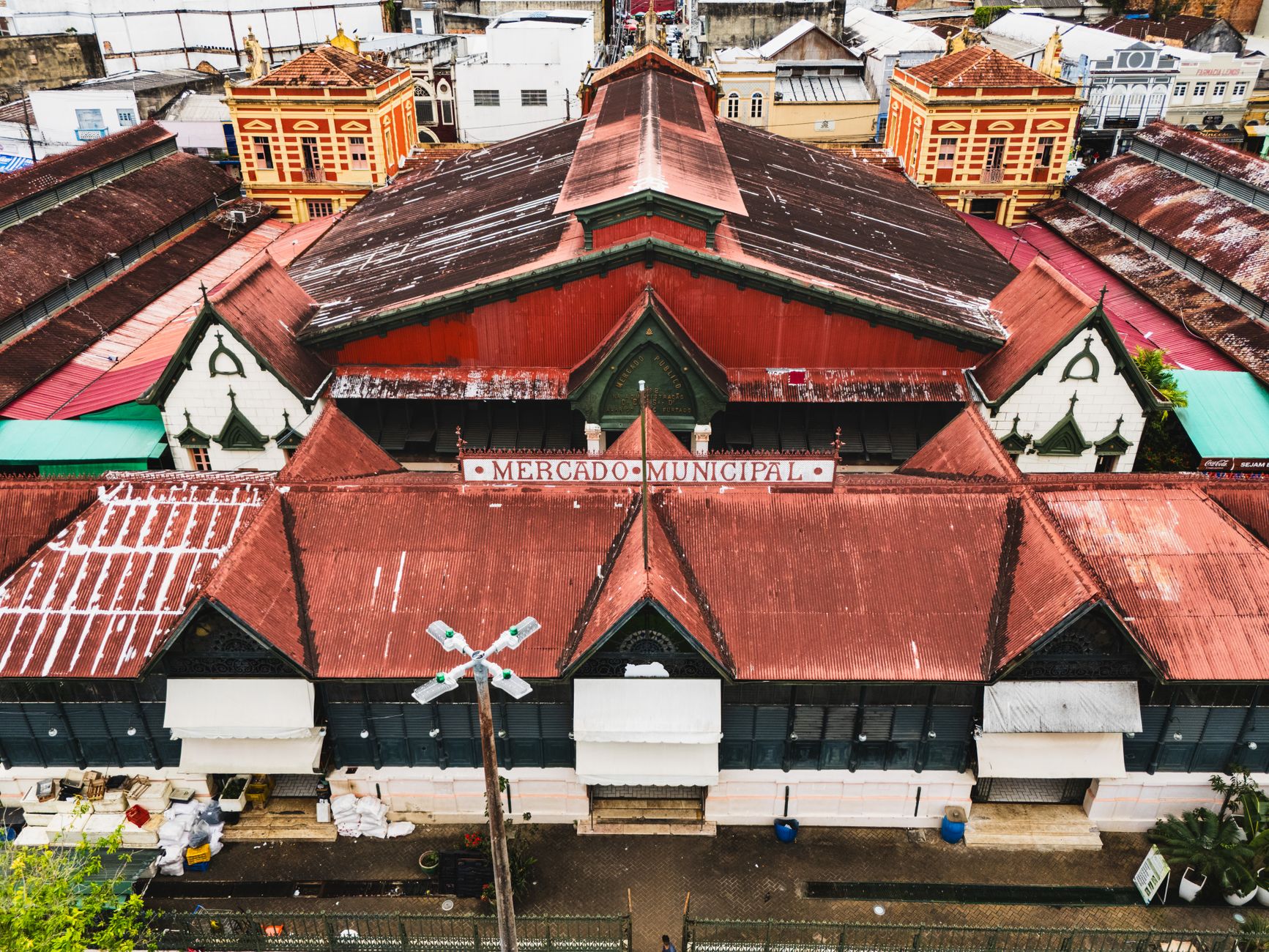
People who come back tend to anchor themselves in Cambuí for the coffee, then walk down to the Mercado Municipal — Francisco de Paula Ramos de Azevedo's 1908 neo-Moorish market hall — early on a weekday when the stalls are still being set up. The Bosque dos Jequitibás is worth a morning; the old-growth trees give you a sense of what this plateau looked like before the coffee farms arrived.
Experiences you don't want to miss




Deals in Campinas
Book directly at the provider
How Campinas came to be
A Portuguese settler named Barreto Leme founded what would become Campinas on July 14, 1774, as a waypoint for gold miners moving from São Paulo into the interior. The settlement cycled through several names before gaining town status in 1797. The railway arrived in 1867, linking Campinas to São Paulo and to the port of Santos, and the coffee economy that followed transformed the city into one of the wealthiest in the province.
Two moments define Campinas in the wider Brazilian story. In 1888, the Lei Áurea — the law ending slavery — was signed here. And in 1938, the Anhanguera Highway between Campinas and São Paulo became the first paved highway in the country, setting a template for how Brazil would move through the twentieth century.
Who and what shaped it
People who shaped it
Landmark buildings
See Campinas in motion
Plan your visit
On the map
When to go
From May to September the city is dry and mild, with daytime temperatures sitting comfortably around 22°C — the clearest time to be here. November through March brings genuine heat (up to 36°C) and heavy afternoon rain, with January averaging 23 wet days.
Right now
Background & history adapted from Wikipedia (CC BY-SA) · specs from Wikidata (CC0) · weather from Open-Meteo · map data © OpenStreetMap contributors · photos from Wikimedia Commons / Unsplash with per-image credit. No third-party reviews or social posts reproduced.