
Guarulhos



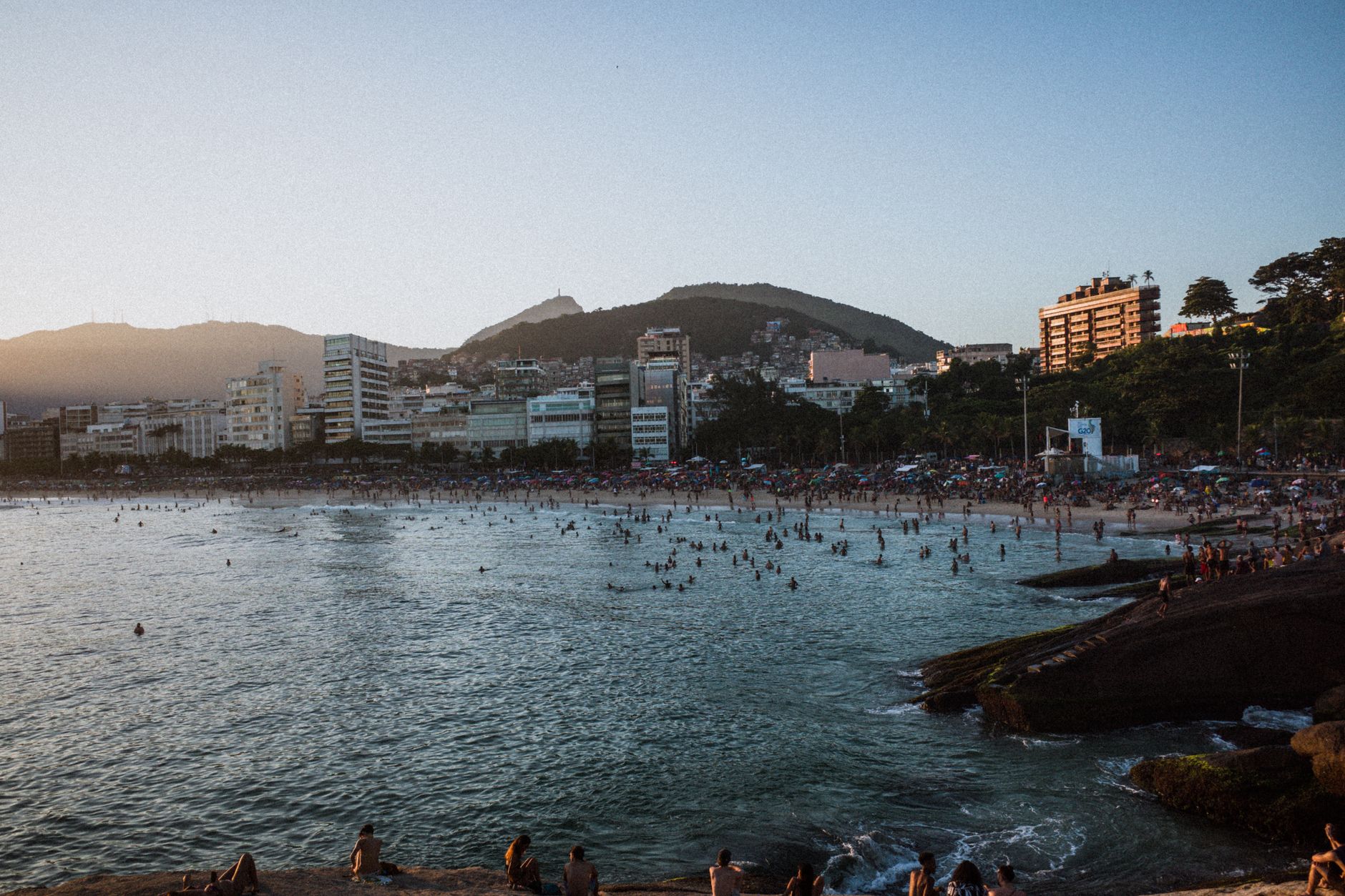
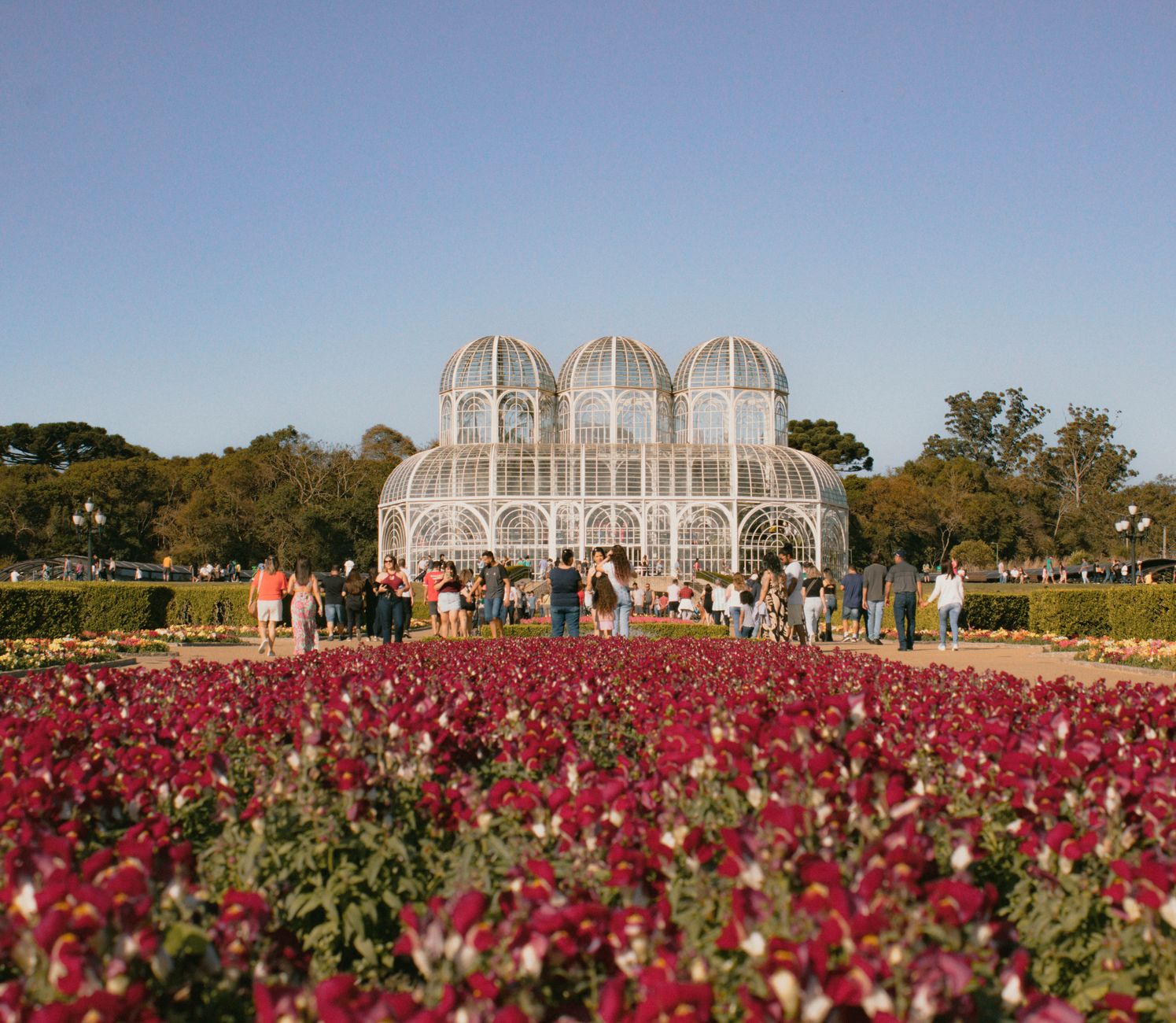
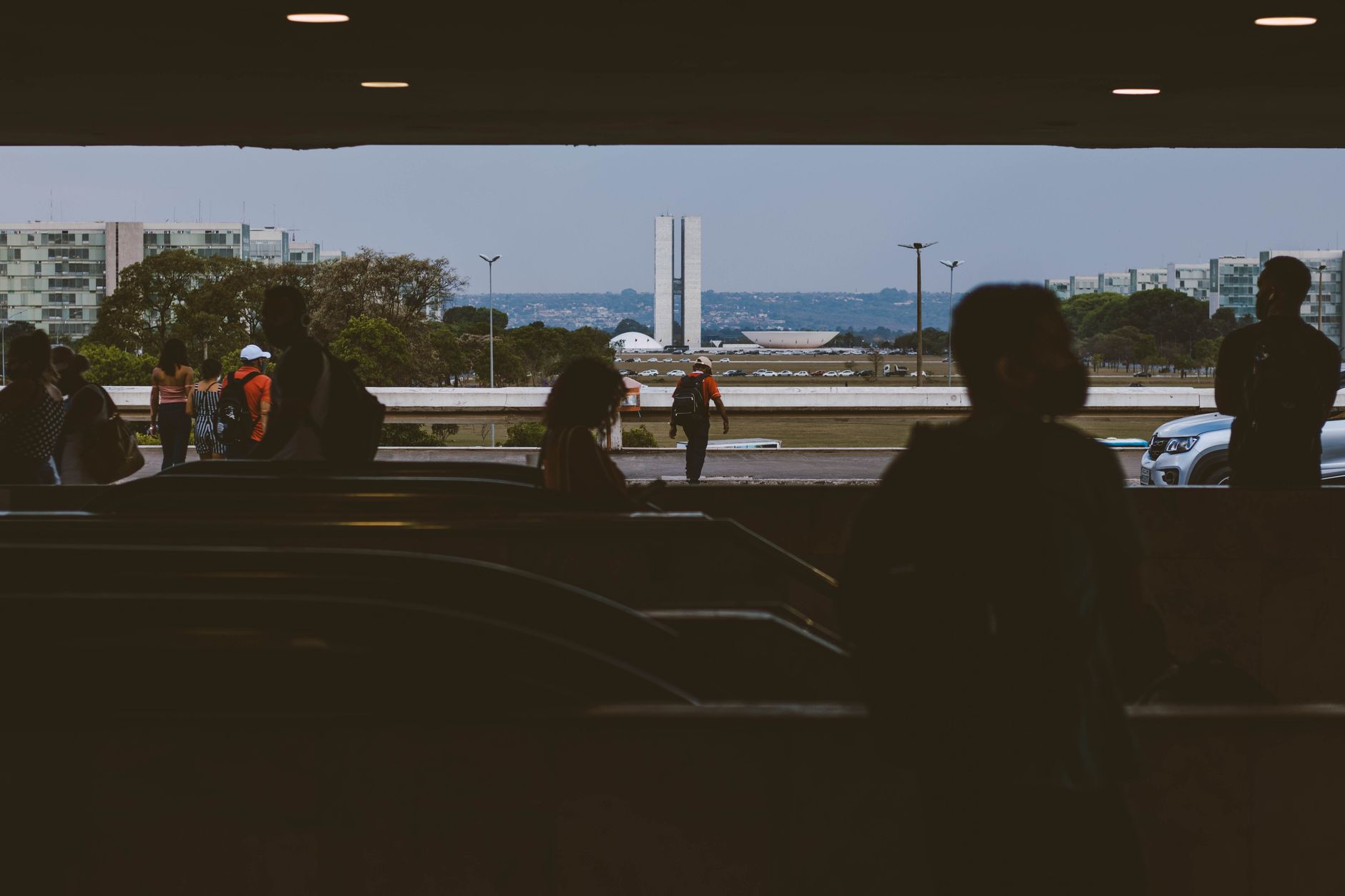
Most people pass through Guarulhos without meaning to — it's where your plane lands when you fly into São Paulo, the gateway that handled over 43 million passengers in 2024 alone. But the city behind the airport is something else: a place that grew from a small Jesuit settlement of a few thousand souls in 1950 to over a million people by the end of the century, carrying that velocity in its bones.
Sit at 760 metres above sea level on the Tietê River and you get a city that is emphatically working, not performing. Cantareira State Park — nearly 8,000 hectares of Atlantic Forest protecting São Paulo's water supply — begins where the urban grid ends, and the municipal zoo charges nothing at the gate.
💛 What travellers fall for
People who spend more than a transit night tend to mention two things: the relief of Cantareira's forest trails after the concrete of the metro region, and Mocotó — the Michelin-recognised spot serving northeastern Sertão cooking. Go early or book ahead; the lines are not theoretical.
Deals in Guarulhos
Book directly at the provider
How Guarulhos came to be
On December 8, 1560, Jesuit Father Manoel de Paiva founded a settlement he called Conceição dos Guarulhos — a mission outpost in what was then deep colonial frontier. For three centuries it existed in São Paulo's administrative shadow, until finally separating as its own municipality in 1880 under the name Nossa Senhora da Conceição dos Guarulhos. The shorter, cleaner name — simply Guarulhos — came in 1906.
The twentieth century rewrote the city entirely. Railway lines arrived, then electricity courtesy of Light & Power, then telephone networks. The population stood at 35,000 in 1950; by 1980 it had crossed half a million. The opening of Cumbica Airport in 1985 — now the International Airport of São Paulo–Guarulhos Governor André Franco Montoro, the largest in Latin America — locked Guarulhos into the global map in a way no municipal decree ever had.
Who and what shaped it
Landmark buildings
See Guarulhos in motion
Plan your visit
On the map
When to go
Guarulhos runs warm year-round, averaging around 26°C, with February pushing toward 29°C and July rarely dropping below 24°C. The rainy season runs December through February, when downpours are heavy and frequent; April through October is drier and more temperate, the easier window for time outdoors.
Right now
Background & history adapted from Wikipedia (CC BY-SA) · specs from Wikidata (CC0) · weather from Open-Meteo · map data © OpenStreetMap contributors · photos from Wikimedia Commons / Unsplash with per-image credit. No third-party reviews or social posts reproduced.