
Ubatuba
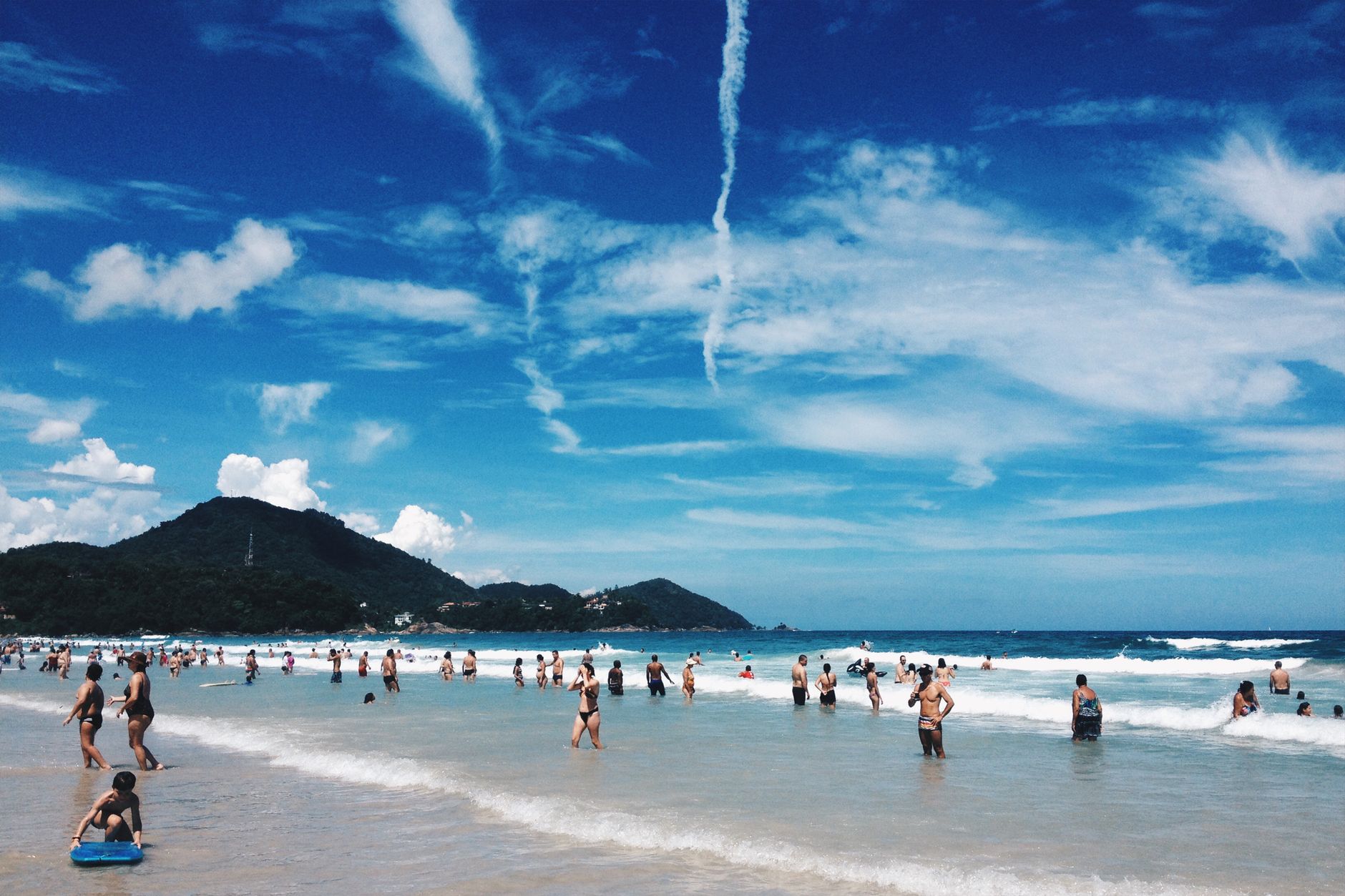
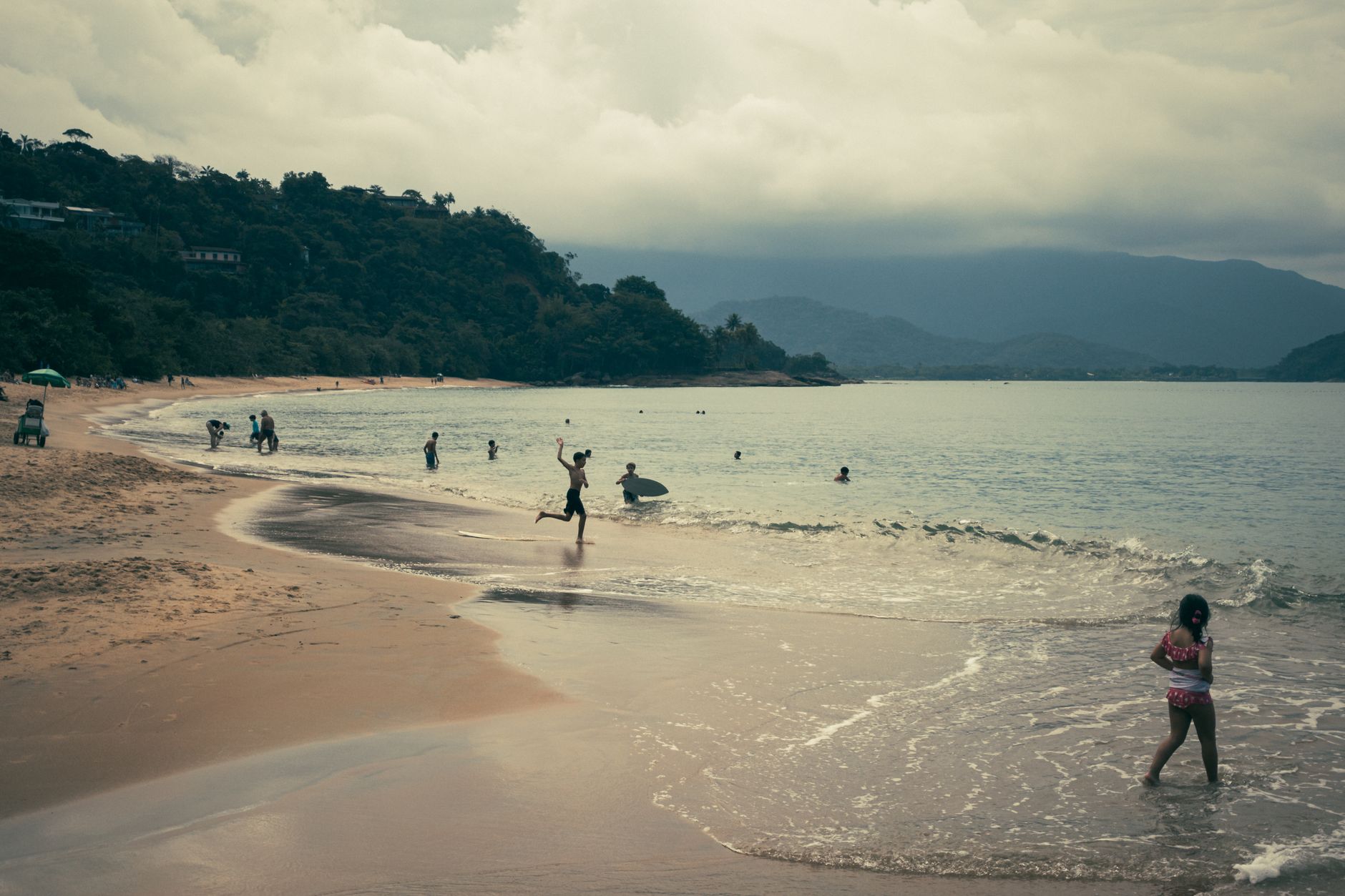
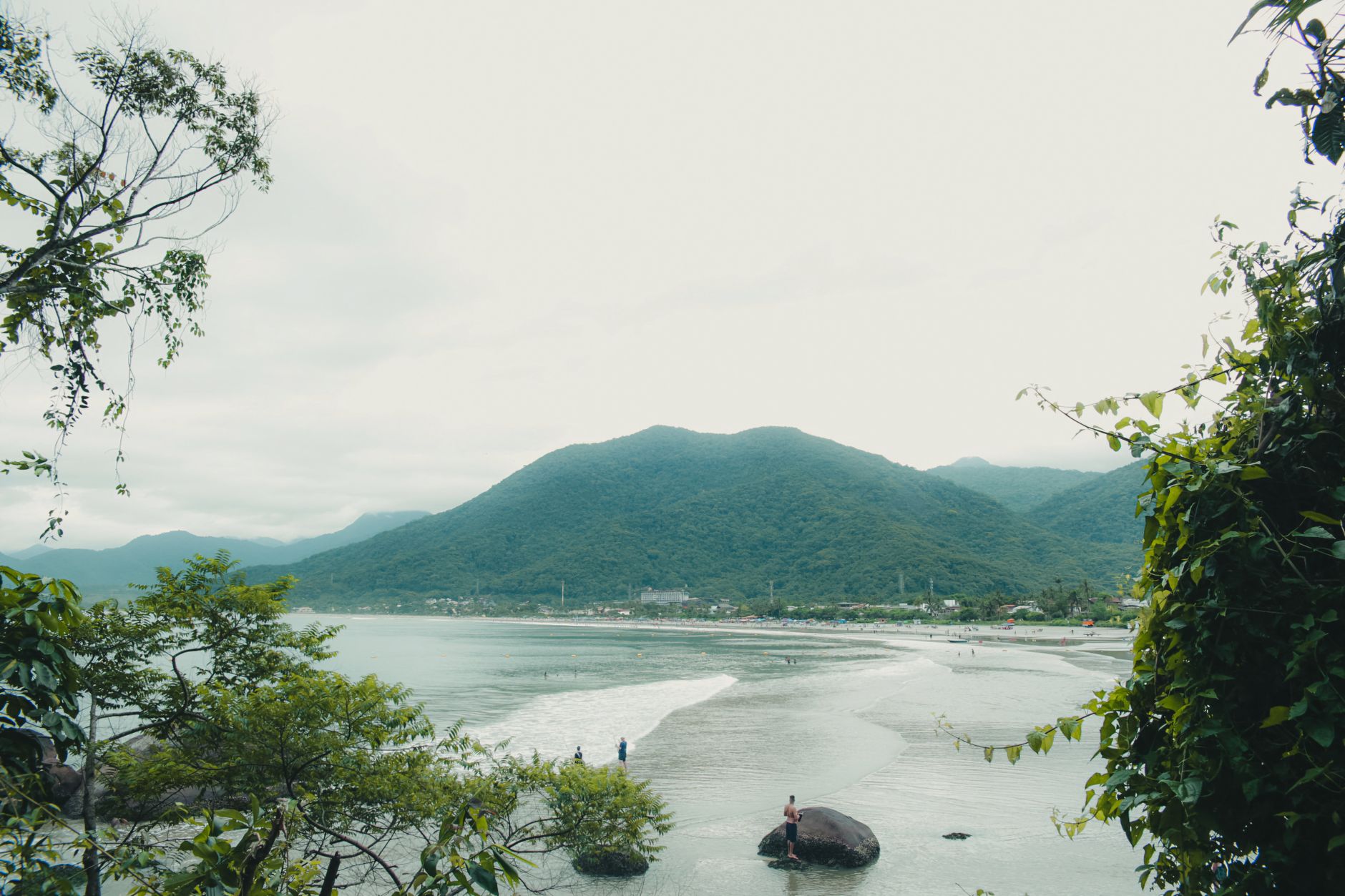
The locals call it 'Uba Chuva' — rain city — and they say it without apology. Ubatuba gets wet, dramatically and often, and the Atlantic rainforest pressing down from the Serra do Mar to the shore is the proof. More than a hundred beaches string along this stretch of São Paulo state's northern coast, from wide open surf breaks to coves you reach only by boat, and the town itself is less a resort than a working place: fishing boats anchored at Itaguá beach, a fish market beside the promenade, an old jail repurposed as a history museum.
What sets Ubatuba apart from Brazil's more polished coastal destinations is that it hasn't been entirely smoothed out. Sea turtle researchers work here in earnest. Ilha Anchieta, a short boat ride offshore, was a maximum-security prison before it became a state park, and the ruins are still there among the trees.
💛 What travellers fall for
People who come back tend to anchor their days at Praia do Itaguá — coffee in the morning, watching the fishing boats, then figuring out the rest from there. The 4 pm turtle feeding at Projeto TAMAR draws a crowd but is worth it. Itamambuca is the beach the surfers know. Saco da Ribeira is where you catch boats to the island.
Deals in Ubatuba
Book directly at the provider


How Ubatuba came to be
Before the Portuguese arrived, the Tupinambá people held this coast. The encounter that opened it to settlement was unusually negotiated: in 1563, Jesuits Manuel da Nóbrega and José de Anchieta brokered the Peace of Iperoig with the Tupinambá, a rare diplomatic agreement that allowed Portuguese presence without immediate bloodshed. Formal settlement followed, and on October 28, 1637, Jordão Homem da Costa established the town as Vila Nova da Exaltação da Santa Cruz do Salvador de Ubatuba.
For two centuries it remained a backwater, then briefly became something more: in the first half of the 1800s, the port was one of Brazil's most active, shipping coffee from the Paraíba Valley. The Sobrado do Porto, a two-story merchant mansion built in 1846, survives from that era. Santos eventually drew the trade away, and Ubatuba contracted — until a road to Taubaté opened in 1933 and, slowly, the beaches did the rest.
Who and what shaped it
People who shaped it
Landmark buildings
See Ubatuba in motion
Plan your visit
On the map
When to go
July is the clearest month and a genuinely good time to visit — warm enough at 22–25°C, far fewer people, and the forest is intensely green from all the rain it absorbed the months before. Summer brings heat up to 30°C but also the heaviest rainfall and the largest crowds; the nickname 'Uba Chuva' is earned any time of year, so a rain layer is never a wrong call.
Right now
Background & history adapted from Wikipedia (CC BY-SA) · specs from Wikidata (CC0) · weather from Open-Meteo · map data © OpenStreetMap contributors · photos from Wikimedia Commons / Unsplash with per-image credit. No third-party reviews or social posts reproduced.