
Rio de Janeiro

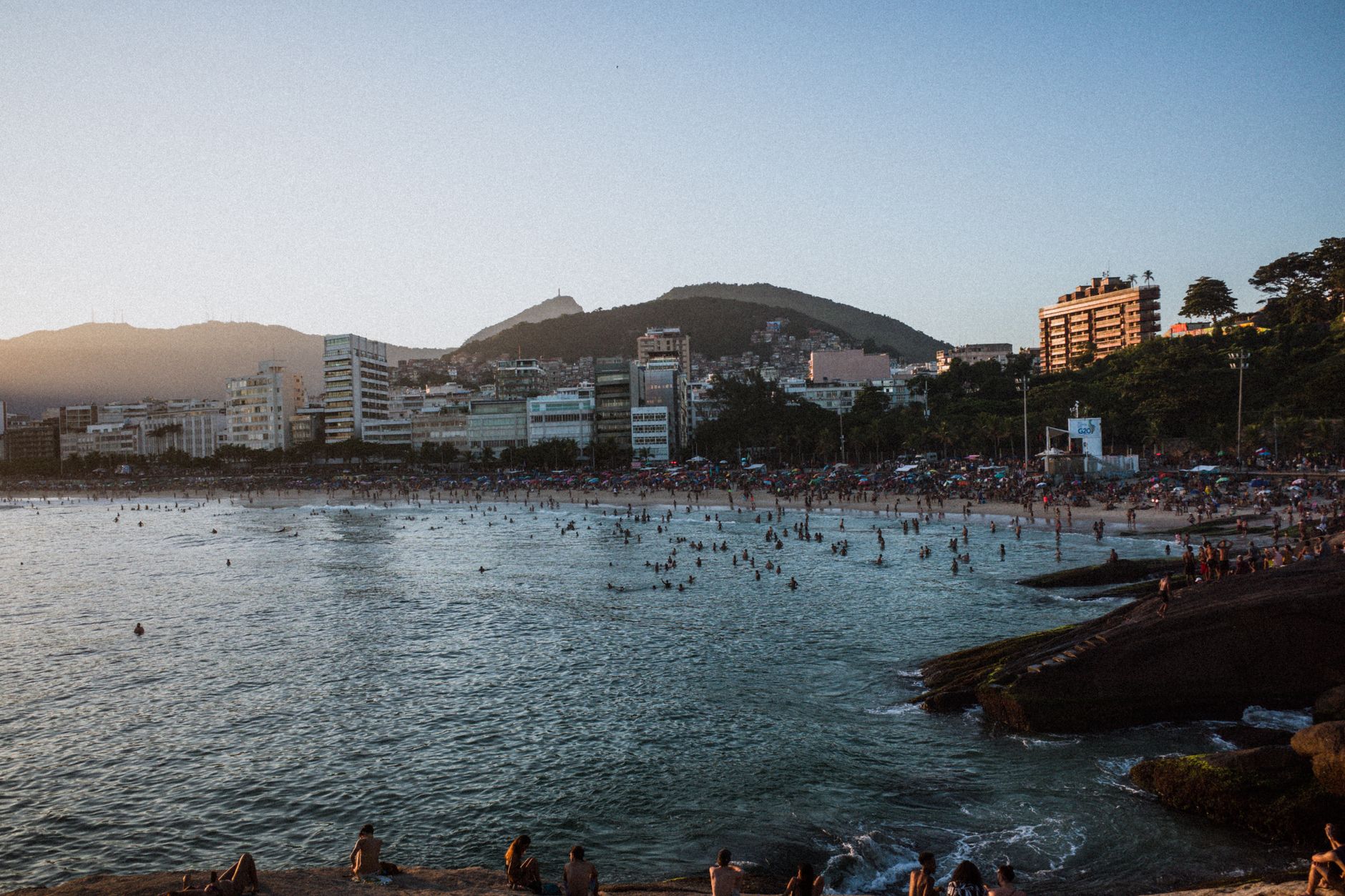
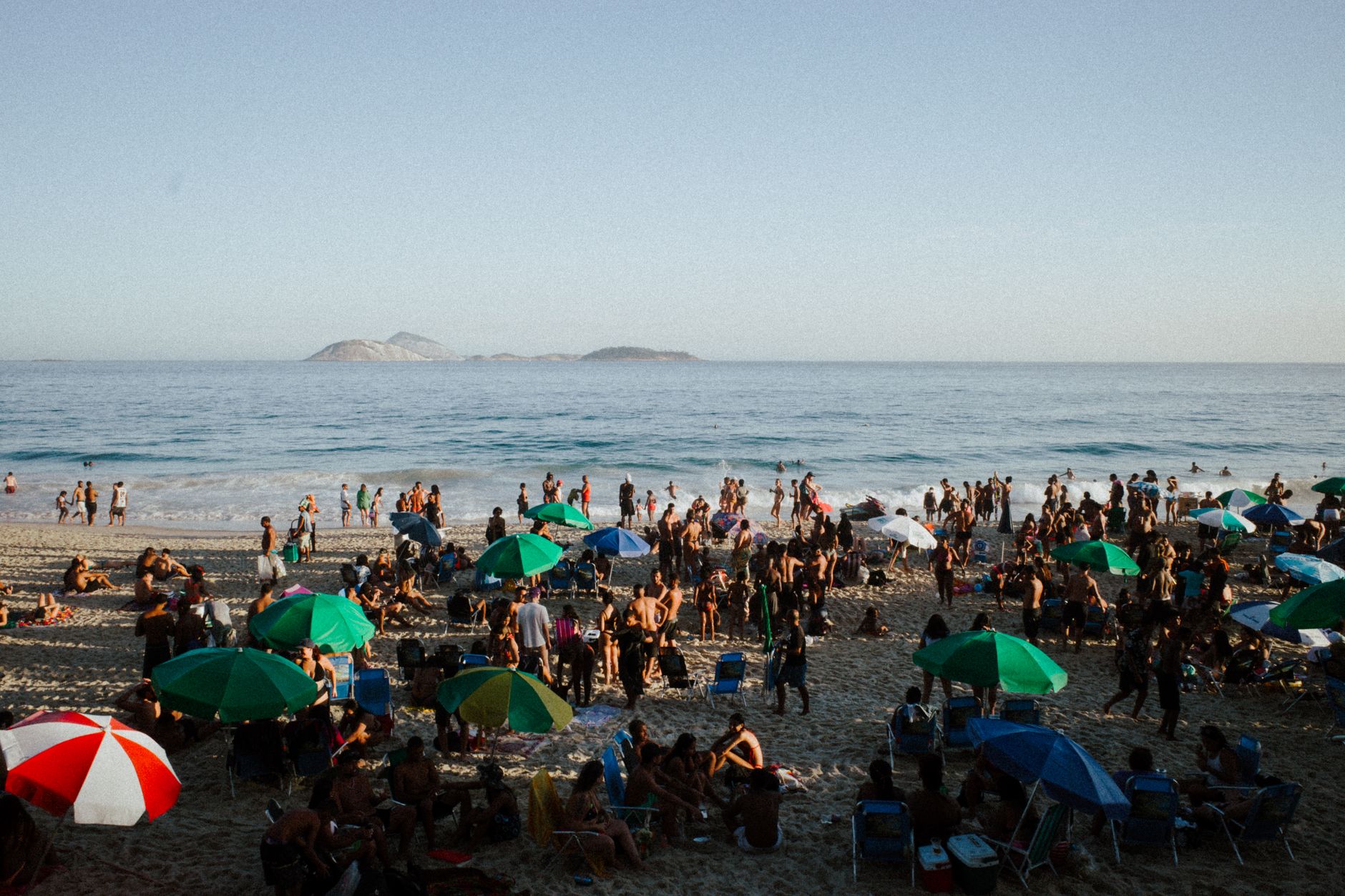
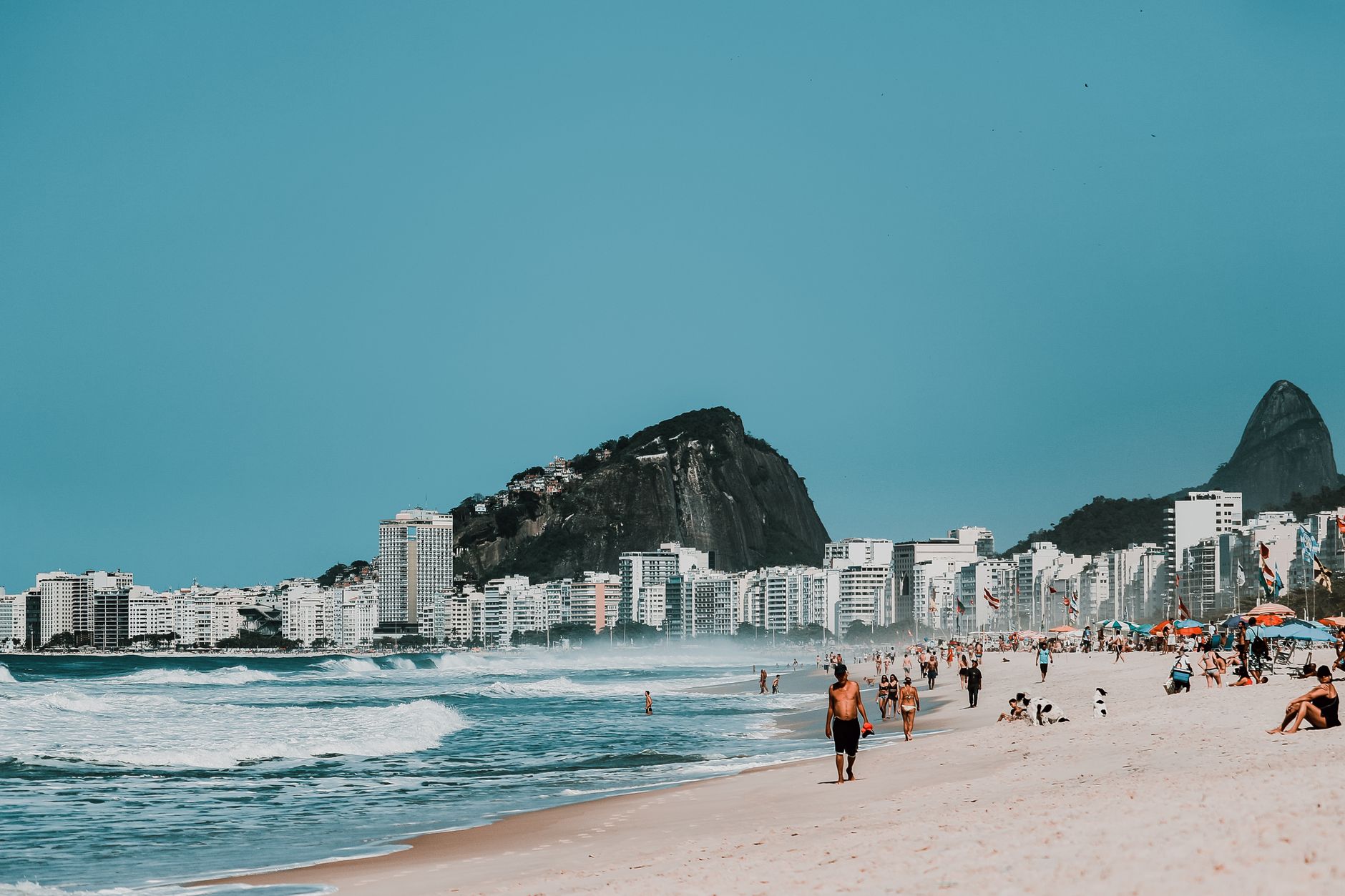
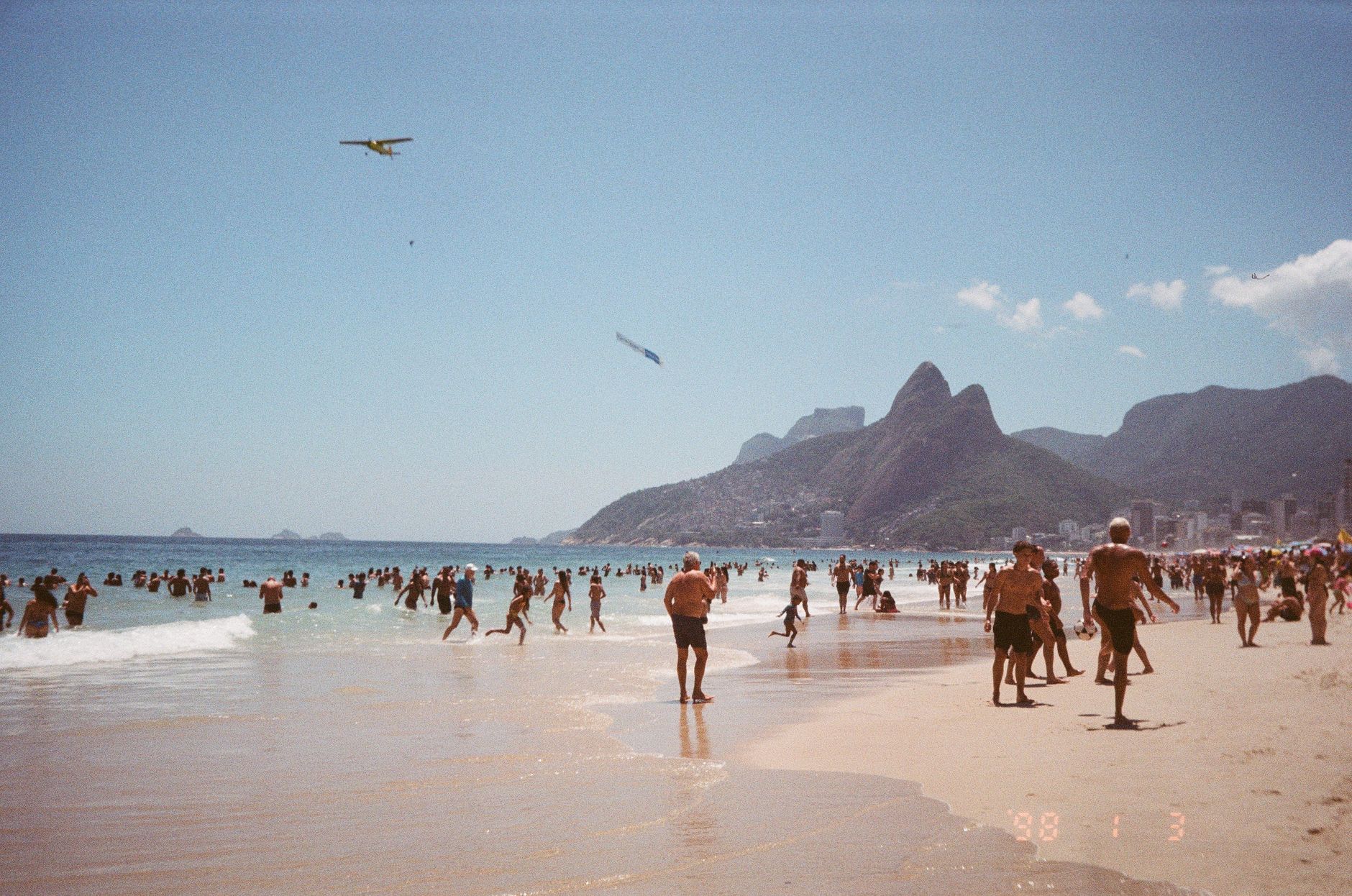
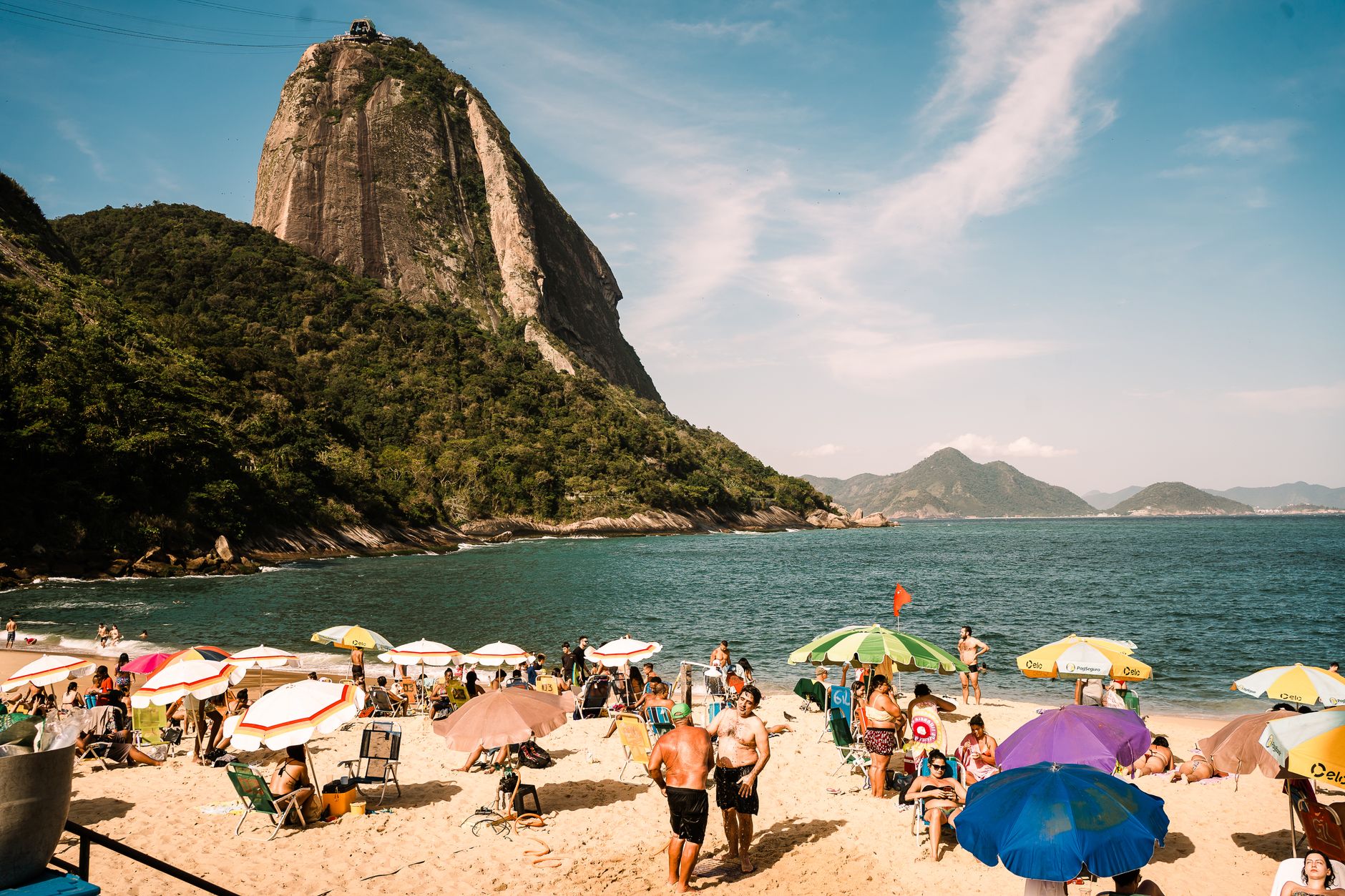
On the first day of January 1502, Portuguese sailors entered a wide bay and mistook it for the mouth of a river. They called it Rio de Janeiro — River of January — and the name stuck to the city that grew up around it. That founding confusion feels apt: Rio is a place that rewards a second look, where the geography alone — granite peaks erupting from the sea, a forest the size of a European city pressing against apartment blocks — keeps shifting what you think you're seeing.
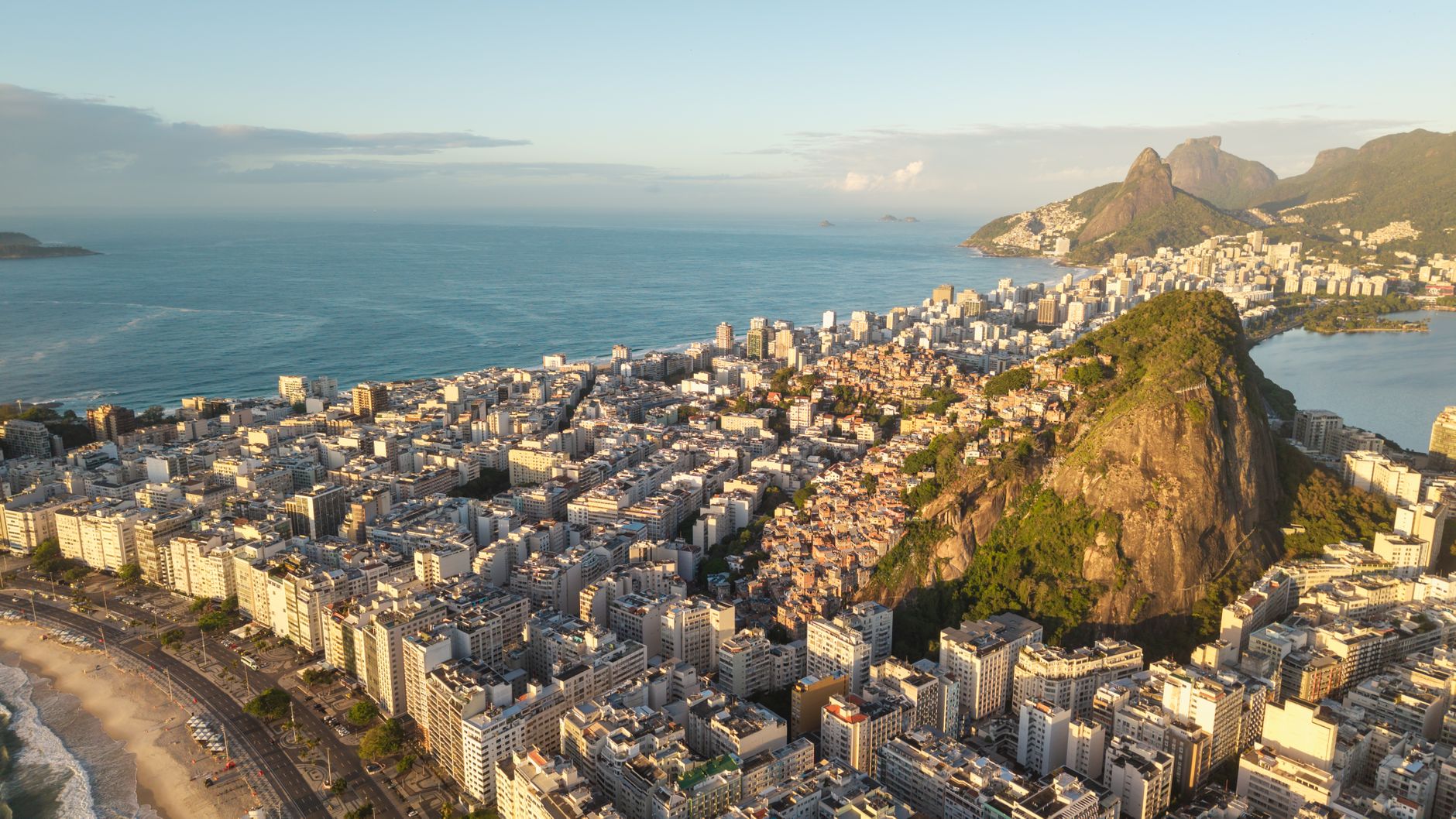
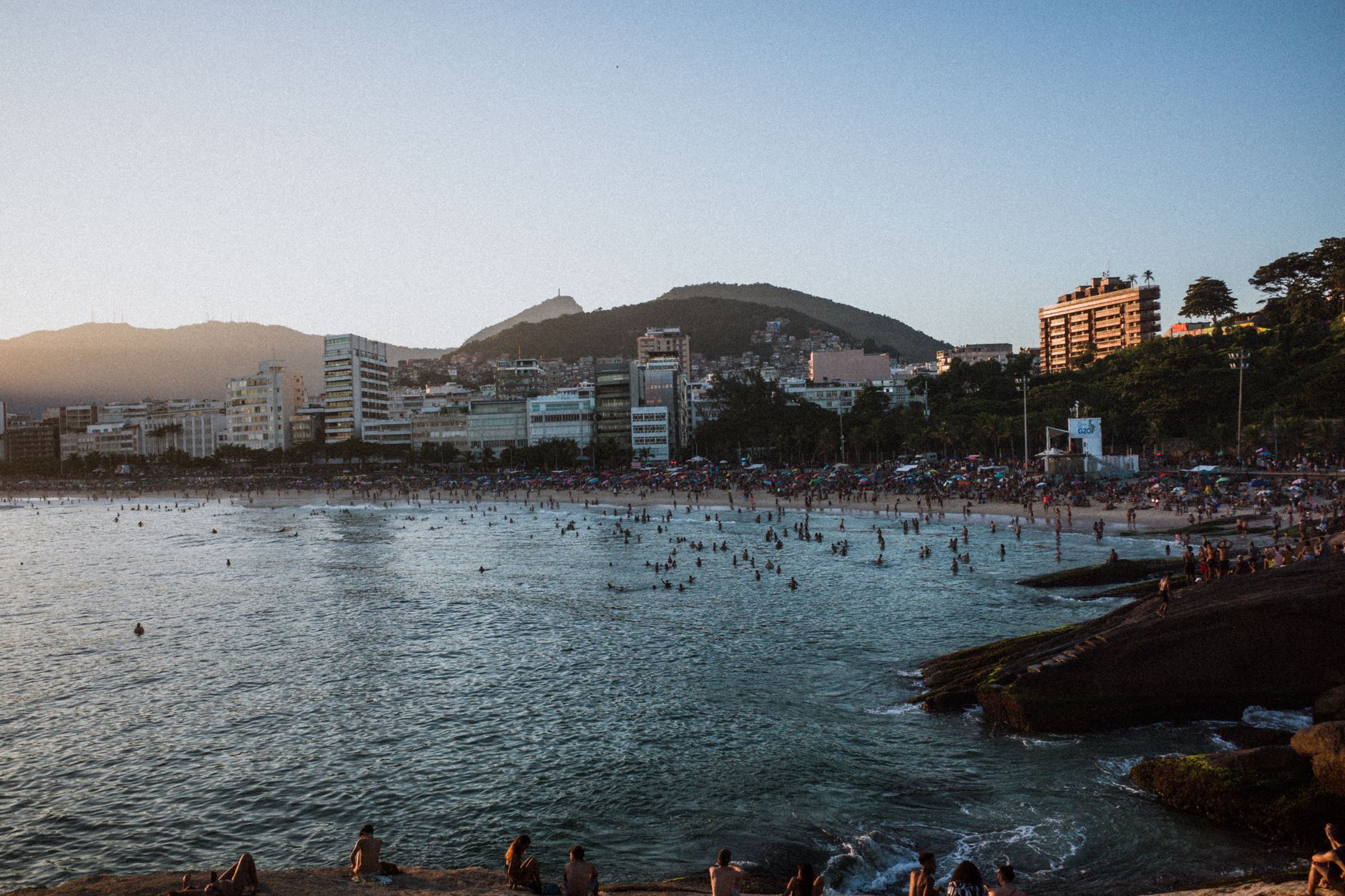
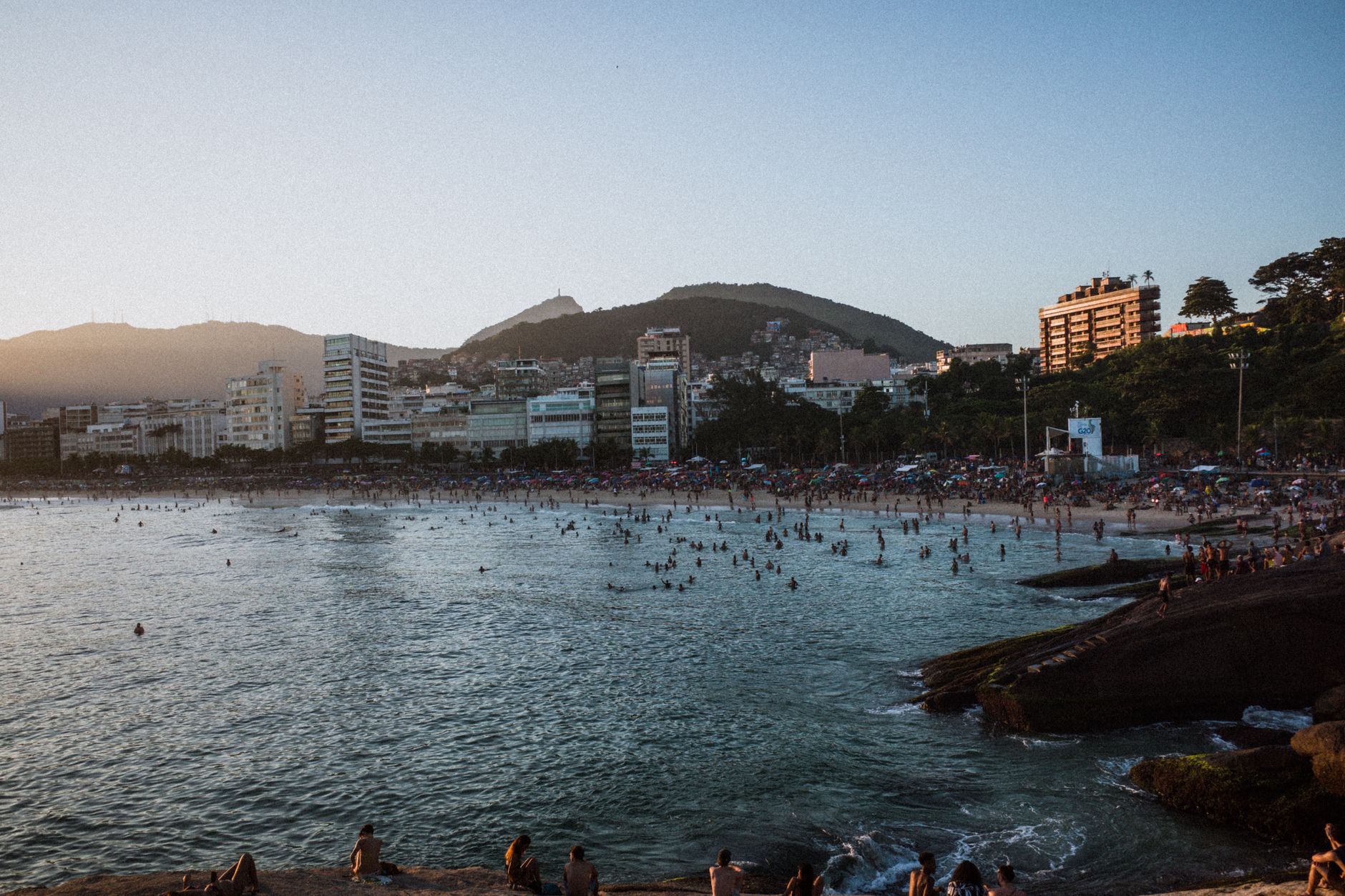
The 30-metre figure of Christ the Redeemer stands at 700 metres on Corcovado, arms open across Guanabara Bay, and from Copacabana's four kilometres of golden sand you can watch the light change on Sugarloaf's granite flank until the sky goes pink.
💛 What travellers fall for
People who return to Rio tend to stop treating the Metro as a last resort. Line 1 runs directly to Copacabana and the city centre; a rechargeable RioCard costs almost nothing to top up. They also learn to read the Carnival calendar early — during those days the Metro runs around the clock, and the Sambódromo crowds move on a schedule all their own.
Deals in Rio de Janeiro
Book directly at the provider

How Rio de Janeiro came to be
On 1 March 1565, the Portuguese explorer Estácio de Sá founded a settlement on Guanabara Bay and named it São Sebastião do Rio de Janeiro, after the patron saint of the reigning monarch. The bay itself had been mapped sixty-three years earlier by an expedition that included the Florentine Amerigo Vespucci and the Portuguese captain Gaspar de Lemos.
The city's political weight grew steadily. In 1763 it became capital of the State of Brazil, and in 1808 the entire Portuguese Royal Court — fleeing Napoleon — relocated here, making Rio the seat of Queen Maria I's government. It served as capital of republican Brazil from 1889 until 1960, when Brasília was inaugurated. For another fifteen years Rio existed as the separate State of Guanabara before merging with the surrounding state in 1975.
Who and what shaped it
People who shaped it
Landmark buildings
See Rio de Janeiro in motion
Plan your visit
On the map
When to go
May through October brings Rio's most comfortable weather — still warm, rarely below 21°C, with far less rain and enough clear sky to make the trip up Corcovado worthwhile. December through March is hot, sticky and wet, with February averaging 27°C and December delivering around 169mm of rain; the sea is warm year-round, but pack accordingly.
Right now
↡ Cities


Background & history adapted from Wikipedia (CC BY-SA) · specs from Wikidata (CC0) · weather from Open-Meteo · map data © OpenStreetMap contributors · photos from Wikimedia Commons / Unsplash with per-image credit. No third-party reviews or social posts reproduced.