
Arraial do Cabo
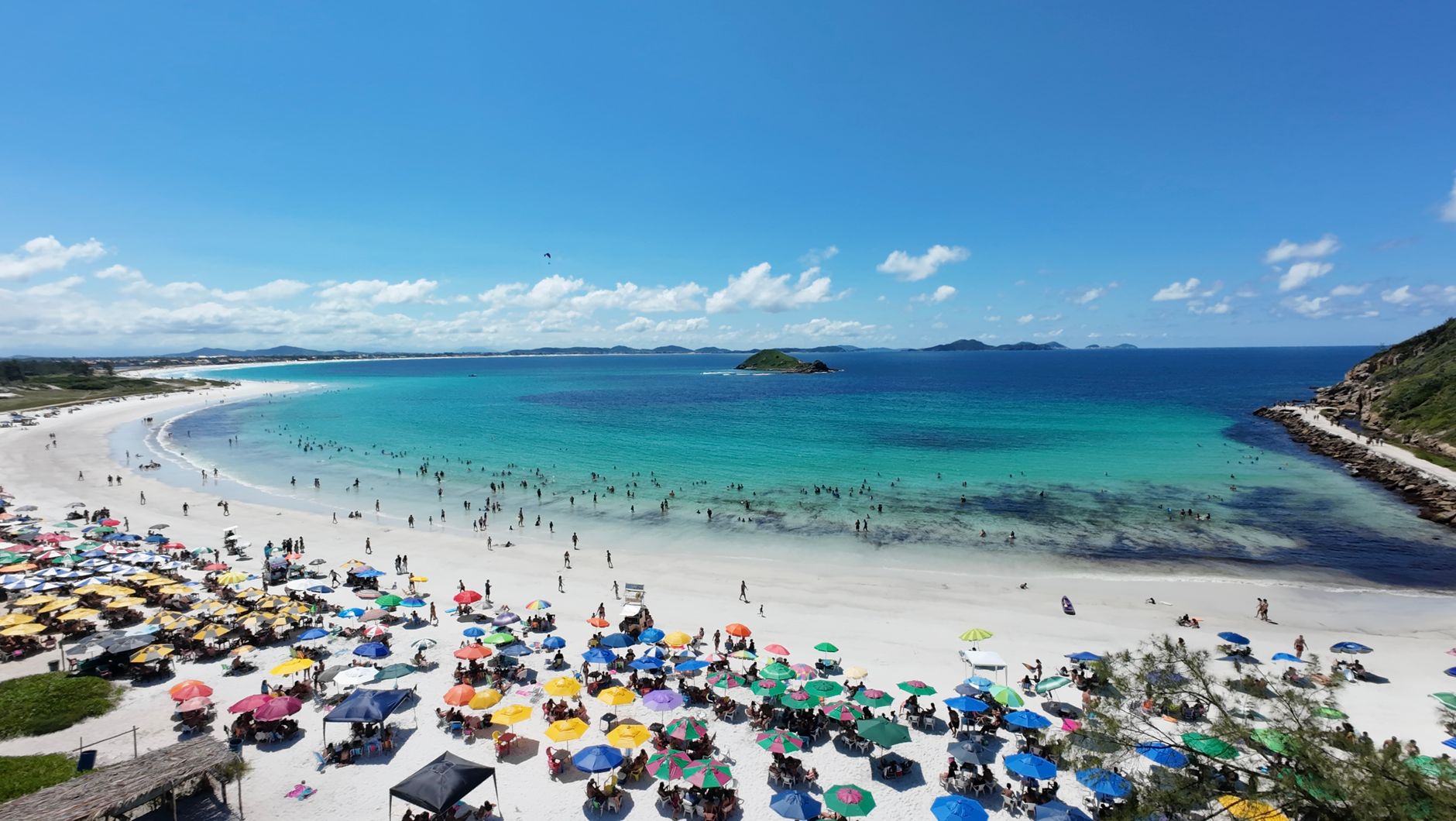
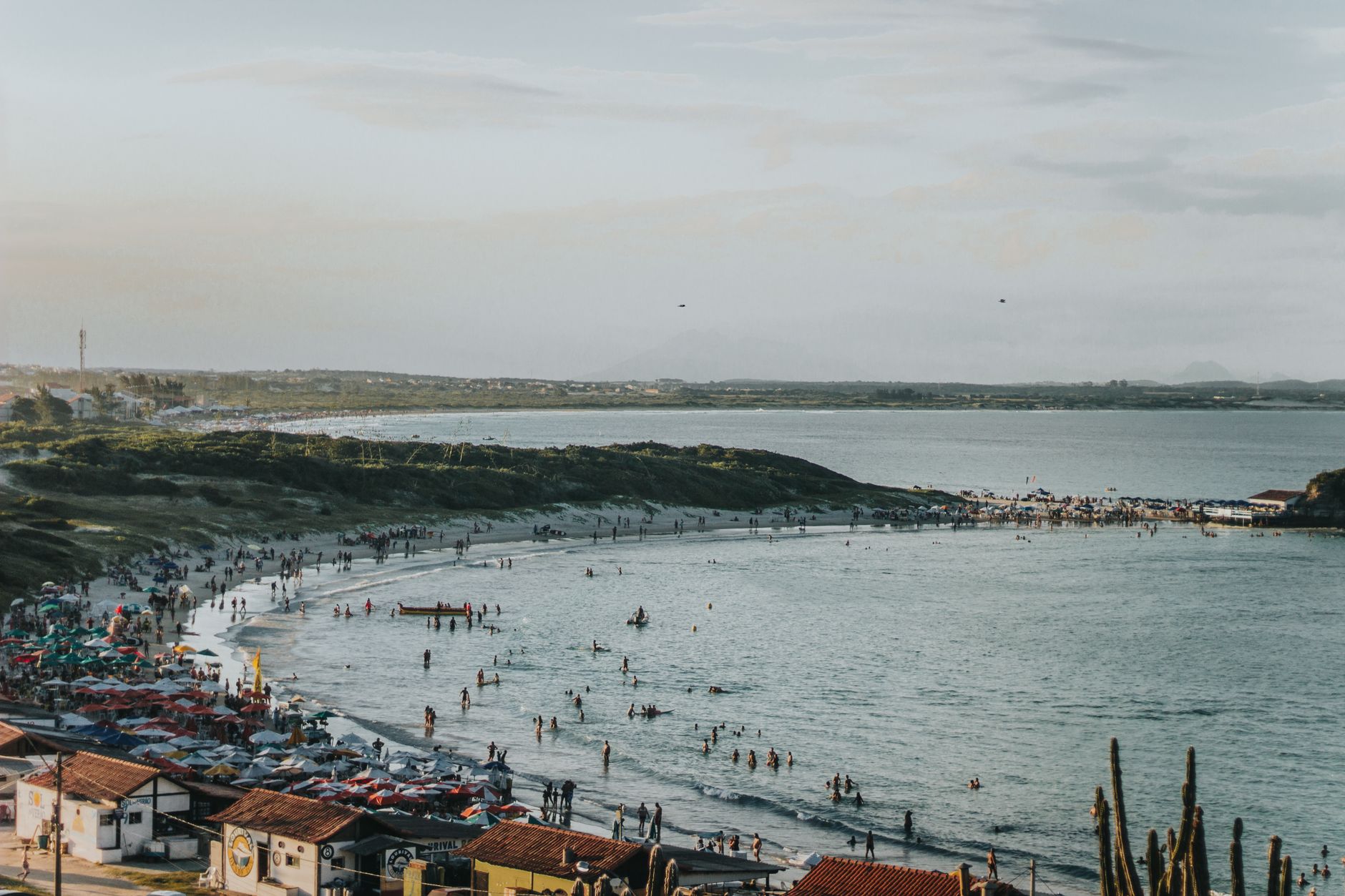
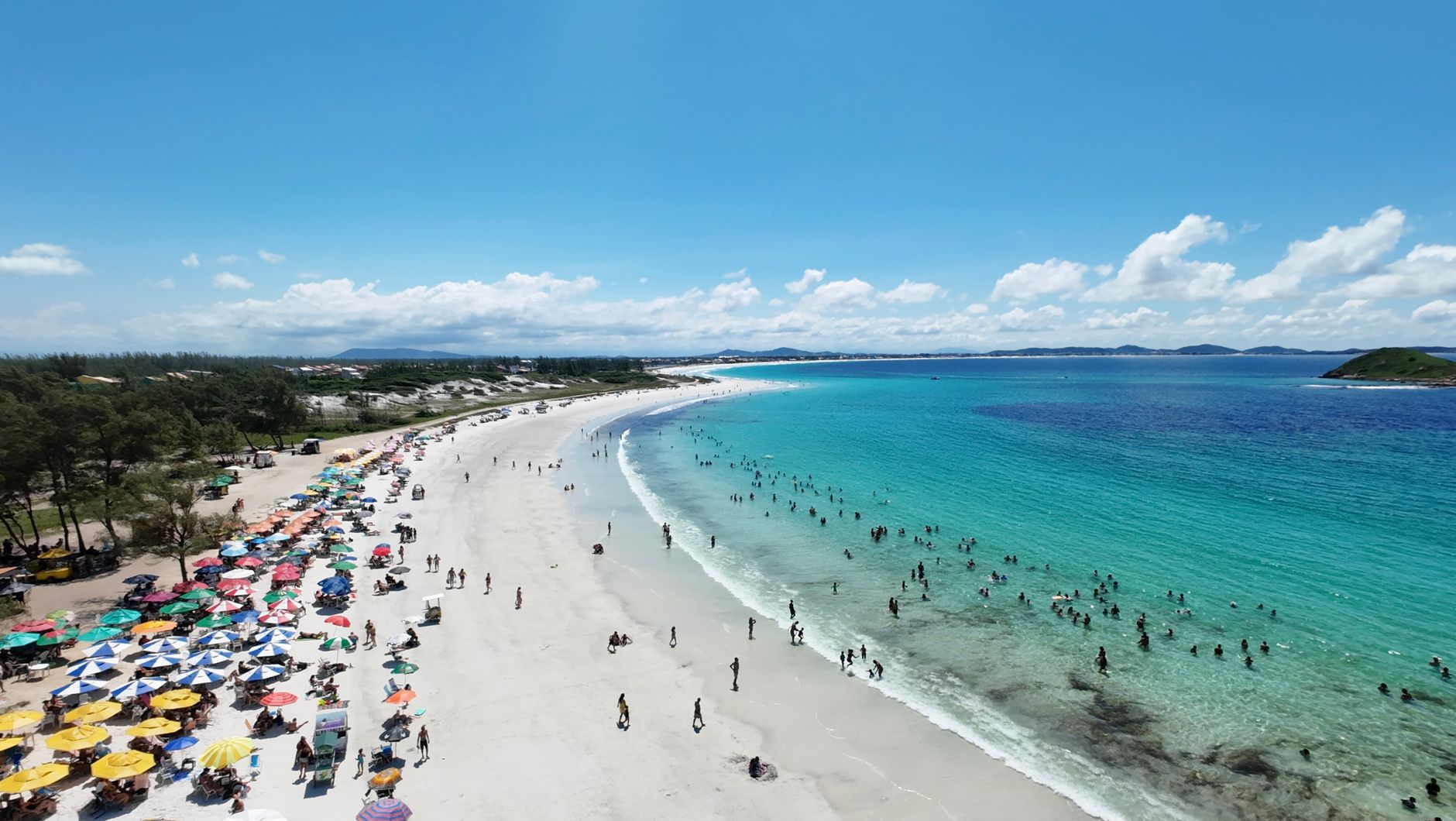
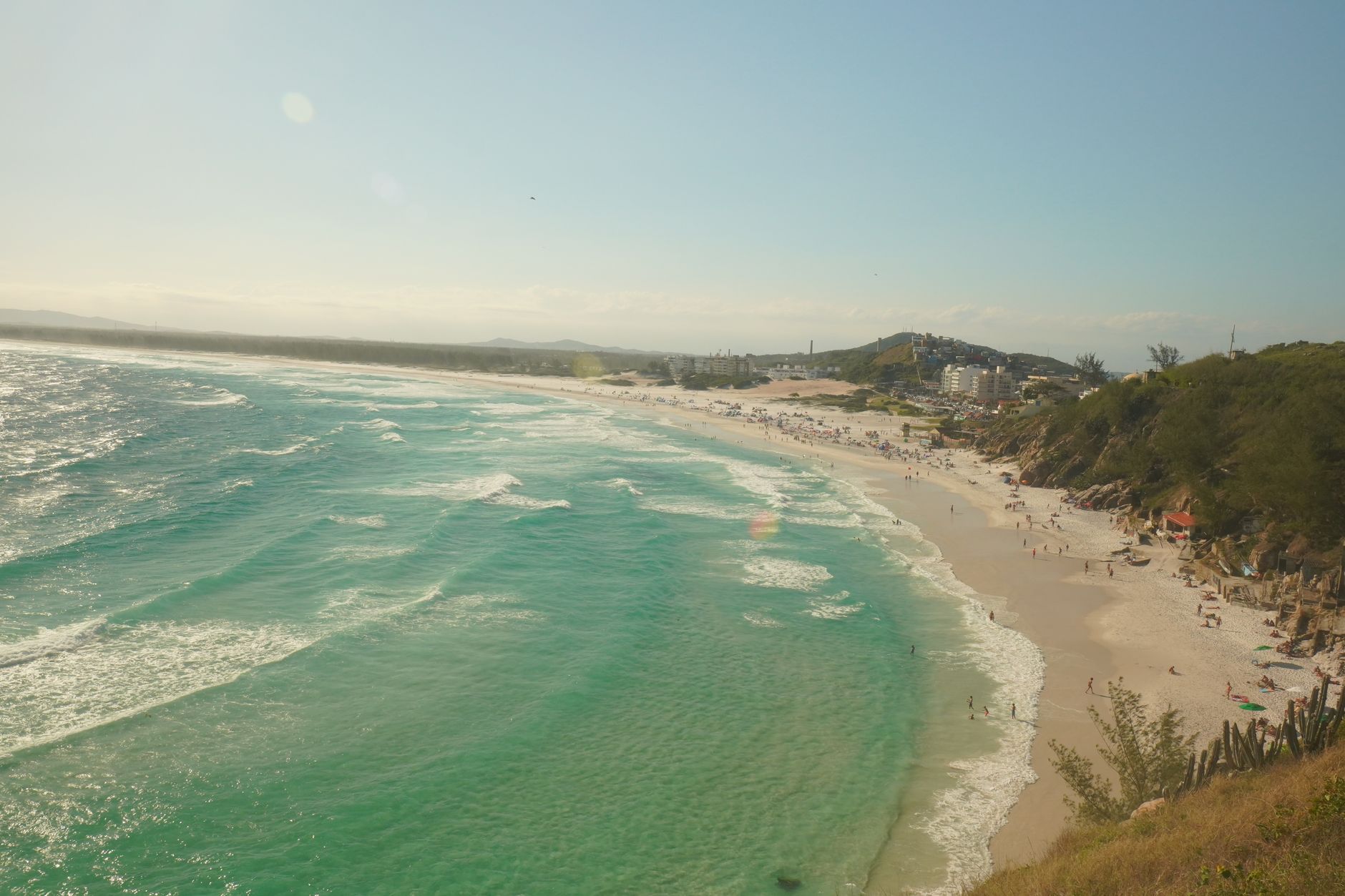
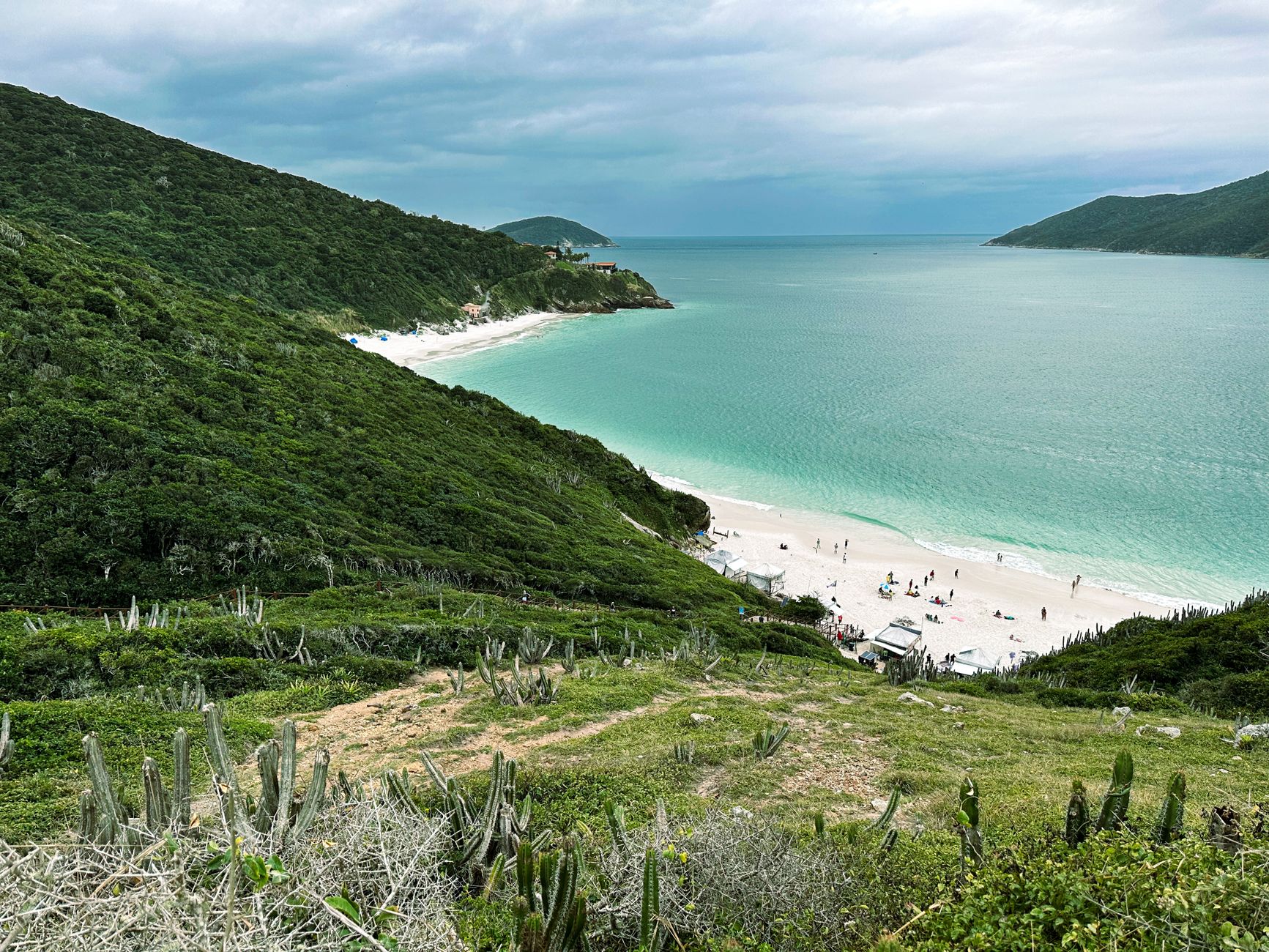
Stand at Praia dos Anjos and the water is so clear you can count the stones on the bottom from the dock. This is where Amerigo Vespucci landed in 1503 and set up Brazil's first brazilwood trading post — a fact the town wears lightly, going about its fishing business as it has for centuries. The schooners that leave from this same port now carry sunbathers rather than timber, but the rhythm of departure and return feels unchanged.
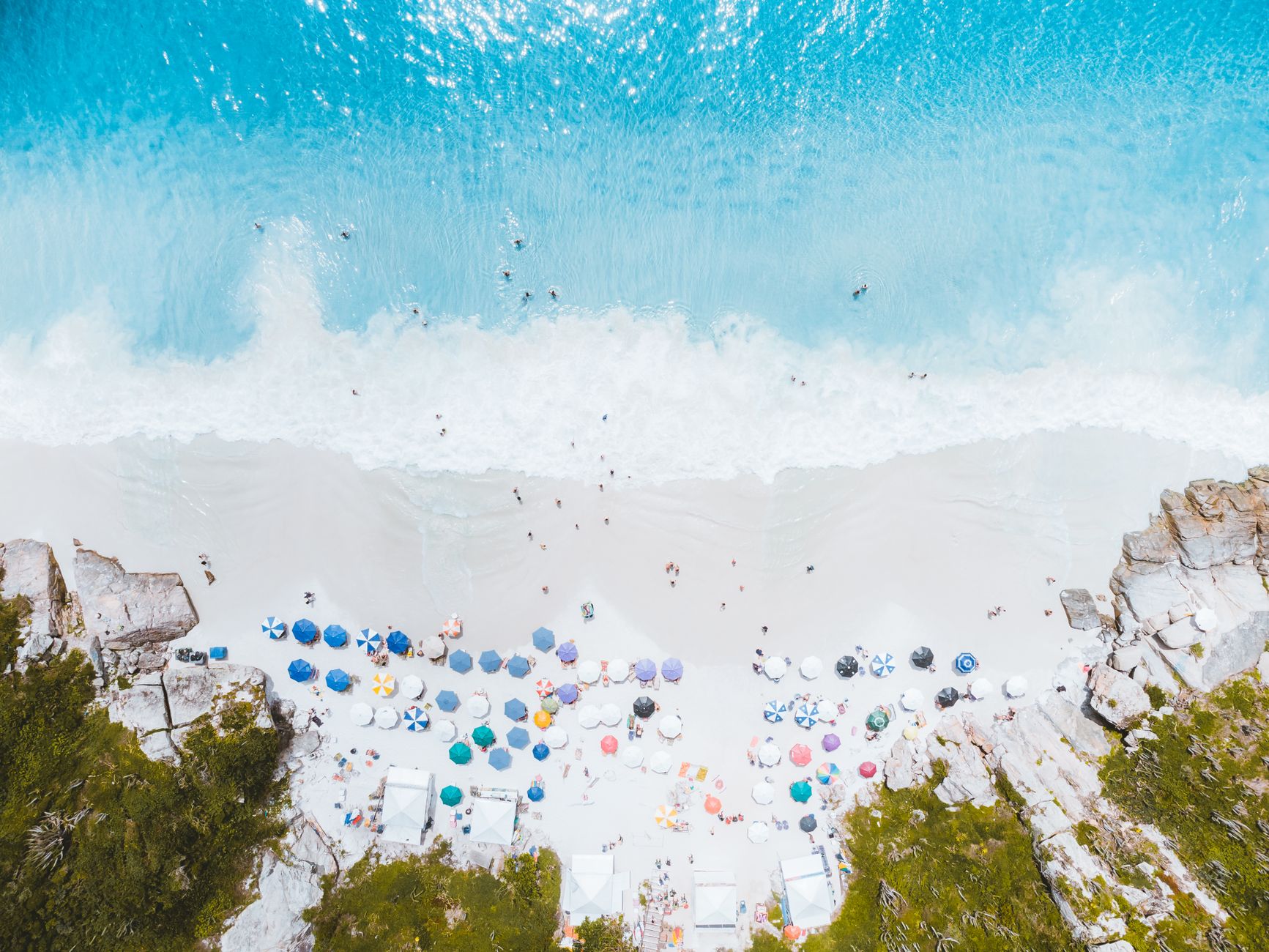
Arraial do Cabo sits about 165 kilometres east of Rio de Janeiro, and the distance matters: the water here is a different colour entirely, cold Atlantic upwellings pushing against the warm current to produce that improbable turquoise. Some beaches you can only reach by boat.
💛 What travellers fall for
People who come back tend to book the boat tour early on day one rather than saving it. Praia do Forno gets crowded by mid-morning. The Atalaia viewpoint is worth the uphill for the view south toward Pontal, and the wooden staircase down to Prainhas is the photograph you'll actually keep. Daniel Barreto de Marco Square handles the evenings.
Experiences you don't want to miss



Deals in Arraial do Cabo
Book directly at the provider

How Arraial do Cabo came to be
In 1503 Amerigo Vespucci established a feitoria — a trading post — at Praia dos Anjos, appointing João Braga as its first feitor with a team of 24 men and six months of supplies. The mission was brazilwood, the red dye-timber that gave the country its name. Three years later, in 1506, a mass was held inside the Church of Our Lady of the Remedies — recorded as the first indoor mass celebrated in Brazil.
For most of its history Arraial do Cabo existed as a district of neighbouring Cabo Frio, gaining independence as its own municipality only on 13 May 1985. In 1960 the town's fishing culture drew filmmakers Mário Carneiro and Paulo Cesar Saraceni, who documented the industry in a documentary that remains a quiet record of how the town once lived.
Who and what shaped it
People who shaped it
Landmark buildings
See Arraial do Cabo in motion
Plan your visit
On the map
When to go
The temperature barely shifts across the year — mid-twenties most days, reaching the high twenties in summer (December to March) when rainfall is also at its peak. June through August is the driest stretch, with high days still touching 25–27°C and sea temperatures around 21–22°C; that's the window most visitors aim for, though it brings the largest crowds.
Right now
Background & history adapted from Wikipedia (CC BY-SA) · specs from Wikidata (CC0) · weather from Open-Meteo · map data © OpenStreetMap contributors · photos from Wikimedia Commons / Unsplash with per-image credit. No third-party reviews or social posts reproduced.