
Nova Friburgo
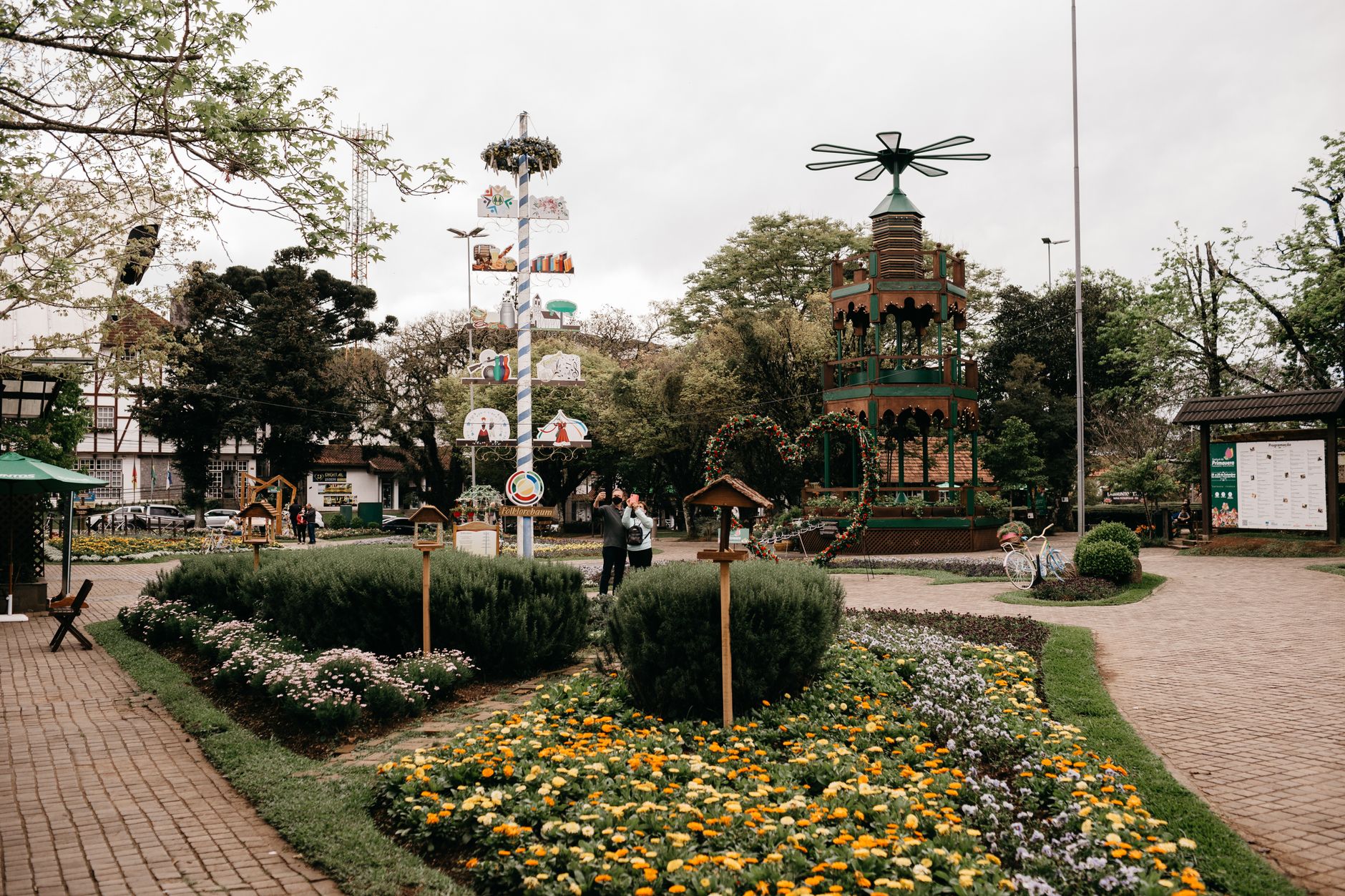
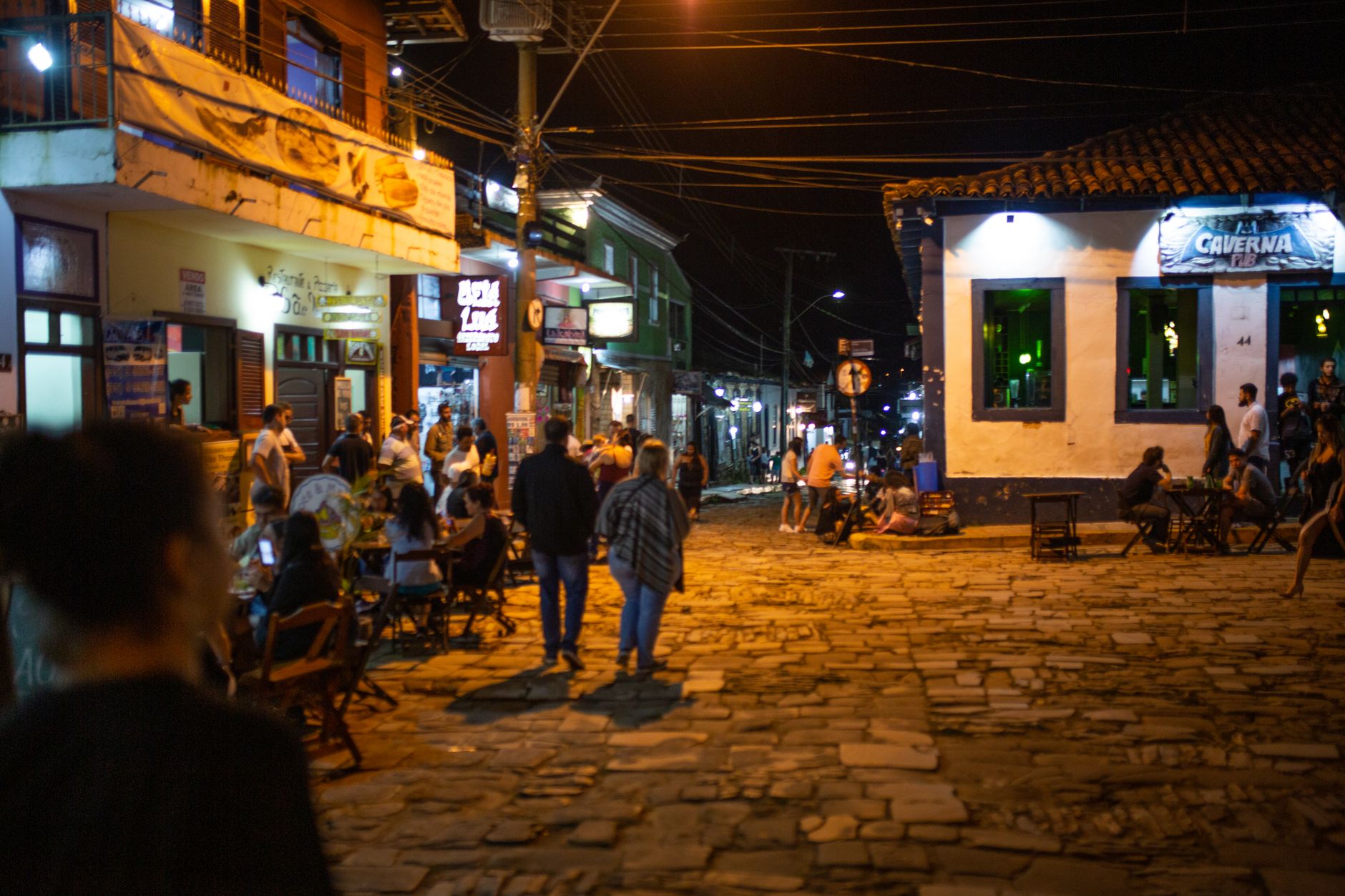
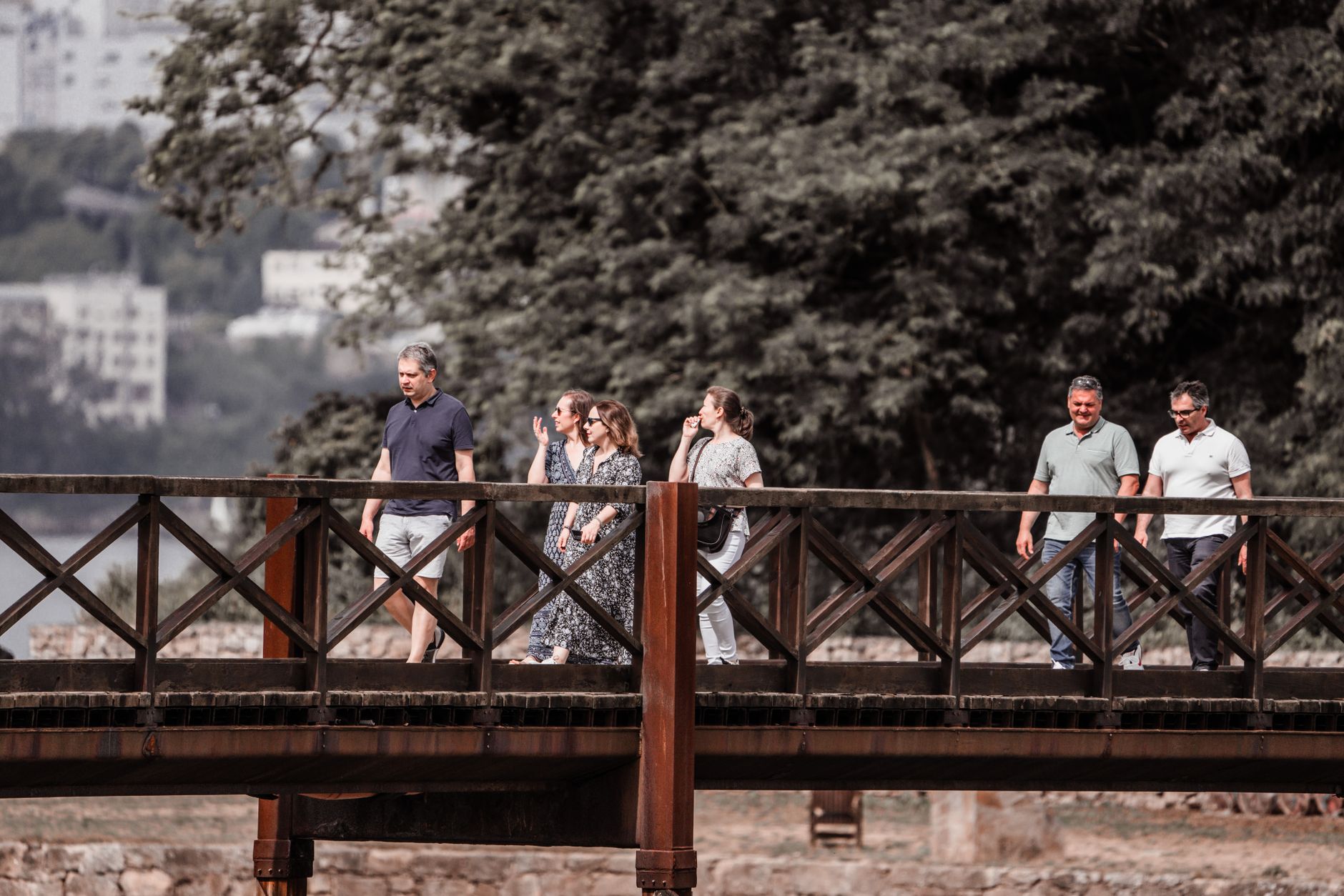
At 846 metres above sea level, Nova Friburgo runs cooler than the coast, and you notice it the moment you step off the bus — the air has weight and a faint green smell that Rio, two and a half hours south, never quite manages. The Serra do Mar closes in on all sides, and Pico da Caledônia, the second-highest peak in the range at 2,257 metres, sits on the skyline like a fact.
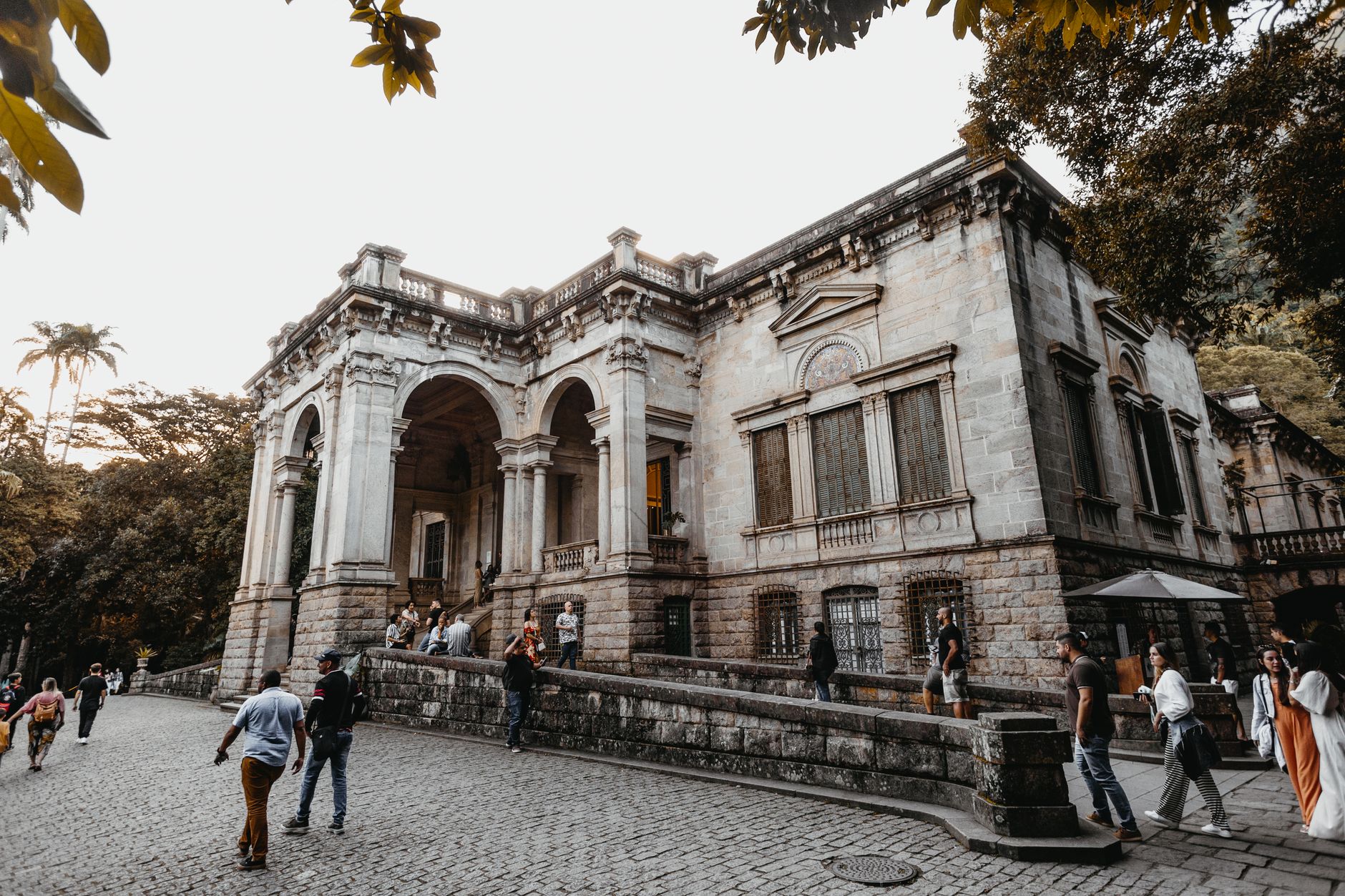
The city's character is an unusual layering: Swiss and German immigrant architecture alongside Brazilian mountain-town life, a cathedral consecrated in 1869, a sculptor's garden spread across 30,000 square metres, and a lingering gravity from the 2011 landslides that took 389 lives here. None of it resolves into a simple story, which is part of why the place stays with you.
💛 What travellers fall for
People who come back tend to mention the same few things: taking the Teleférico do Suspiro up to Morro da Cruz at dusk, spending a weekend morning at the Pavilhão das Artes in Cônego, and finding Jardim do Nêgo — Geraldo Simplício's open-air sculpture museum — nearly empty on a weekday, which is the only way to see it properly.
Deals in Nova Friburgo
Book directly at the provider
How Nova Friburgo came to be
King John VI of Portugal decreed the founding of Nova Friburgo on 16 May 1818, and the following year Sébastien-Nicolas Gachet, acting for the Canton of Fribourg, signed the colonisation treaty that would bring Swiss families to a farm called Morro Queimado. By April 1820, roughly 1,682 immigrants from various Swiss cantons had arrived. Four years later, on 3 May 1824, a second wave — 342 German settlers, including former mercenaries from the Cisplatine War — followed.
The town grew into a refuge: in the second half of the nineteenth century, when yellow fever swept through Rio de Janeiro, Nova Friburgo's altitude made it a retreat for those who could leave. The 1872 arrival of the Leopoldina Railroad opened the region further, carrying coffee down from Cantagalo. That layered history — Swiss, German, Brazilian, colonial, agricultural — is still readable in the streets today.
Who and what shaped it
People who shaped it
Landmark buildings
See Nova Friburgo in motion
Plan your visit
On the map
When to go
The altitude keeps temperatures noticeably mild year-round; June, the coldest month, rarely turns harsh, and summer highs in January and February average around 27°C. December through February brings heavy rain — sometimes dramatically so — while May through August is drier and the mountain air sharpest.
Right now
Background & history adapted from Wikipedia (CC BY-SA) · specs from Wikidata (CC0) · weather from Open-Meteo · map data © OpenStreetMap contributors · photos from Wikimedia Commons / Unsplash with per-image credit. No third-party reviews or social posts reproduced.