
Búzios
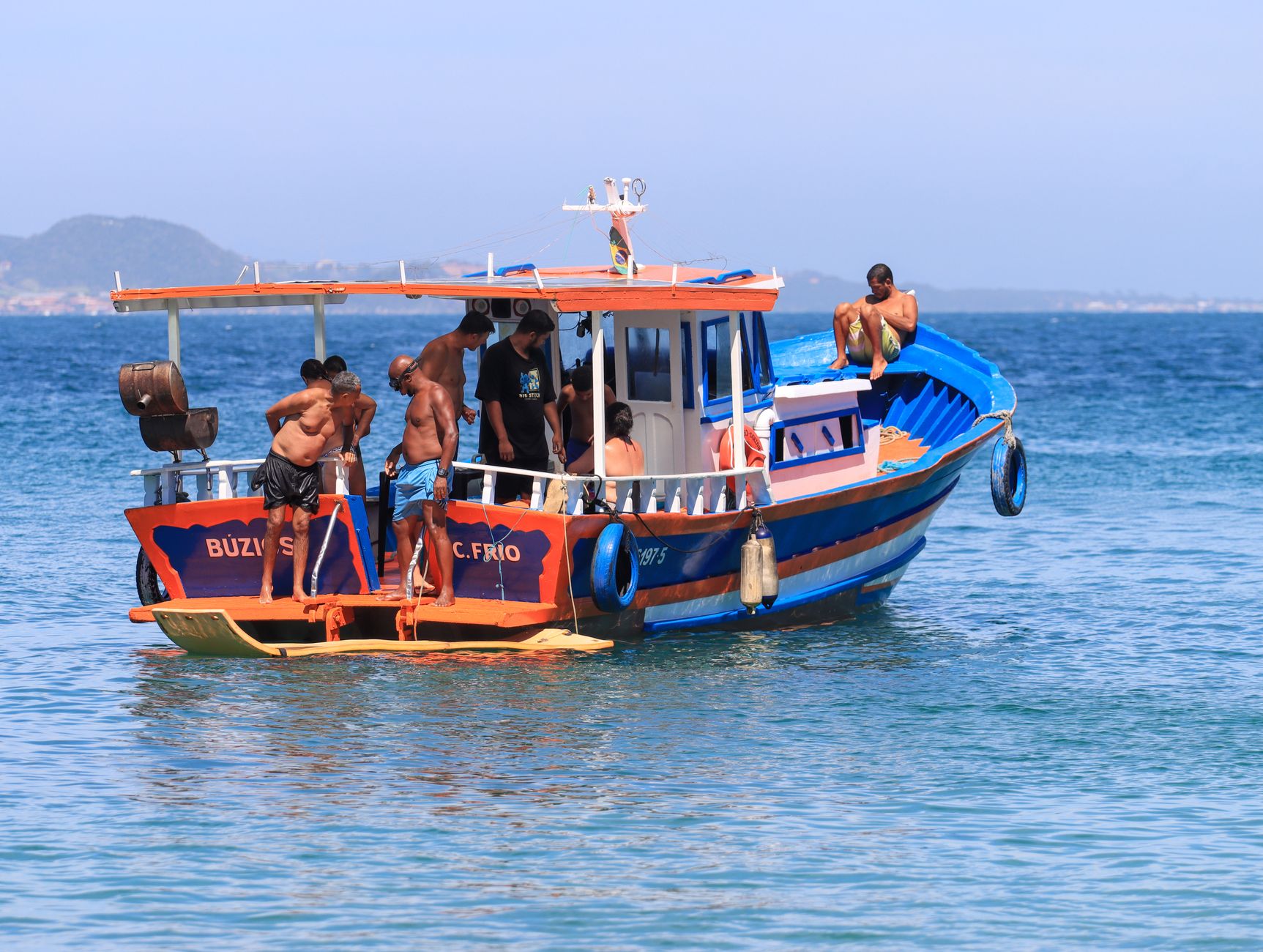
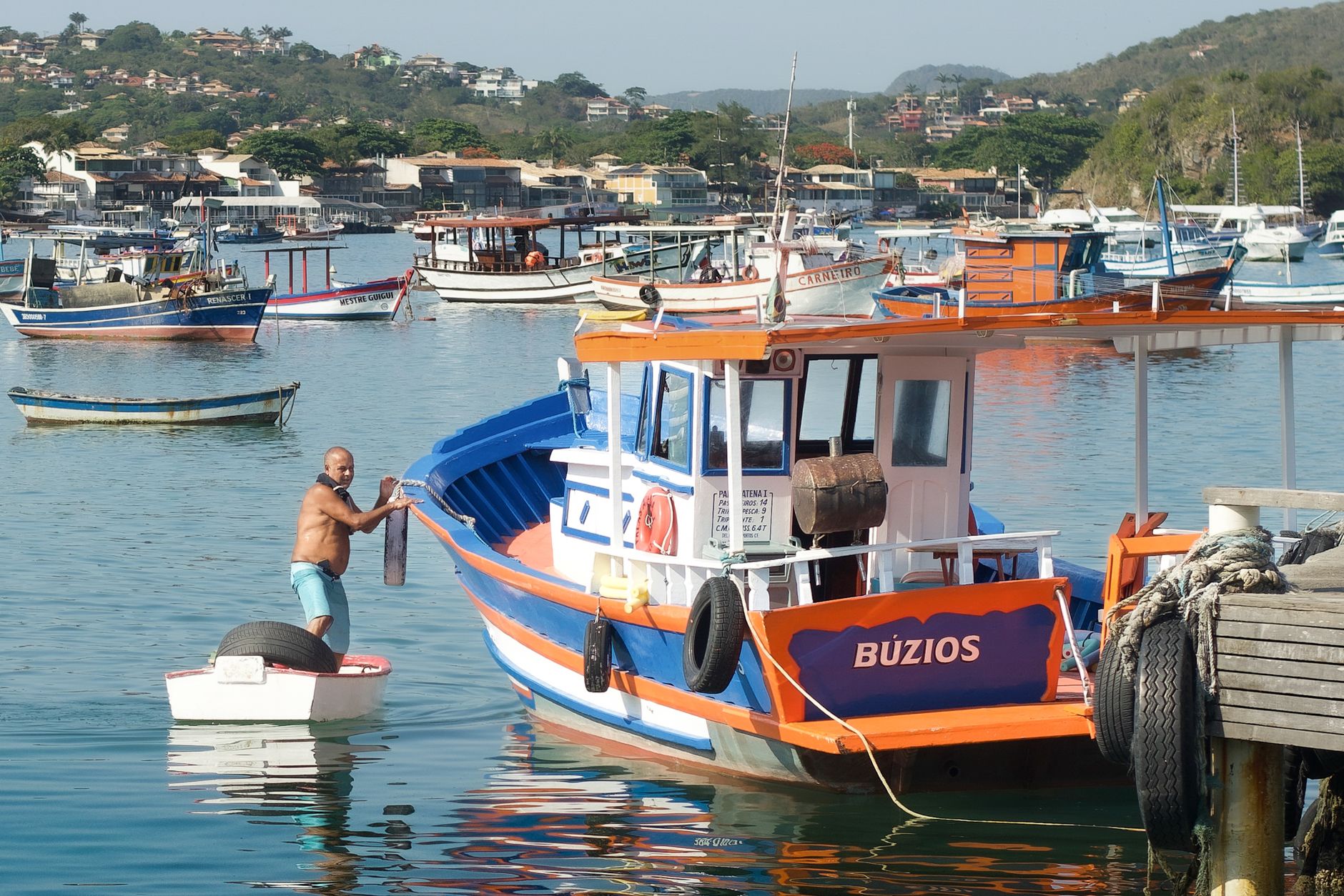
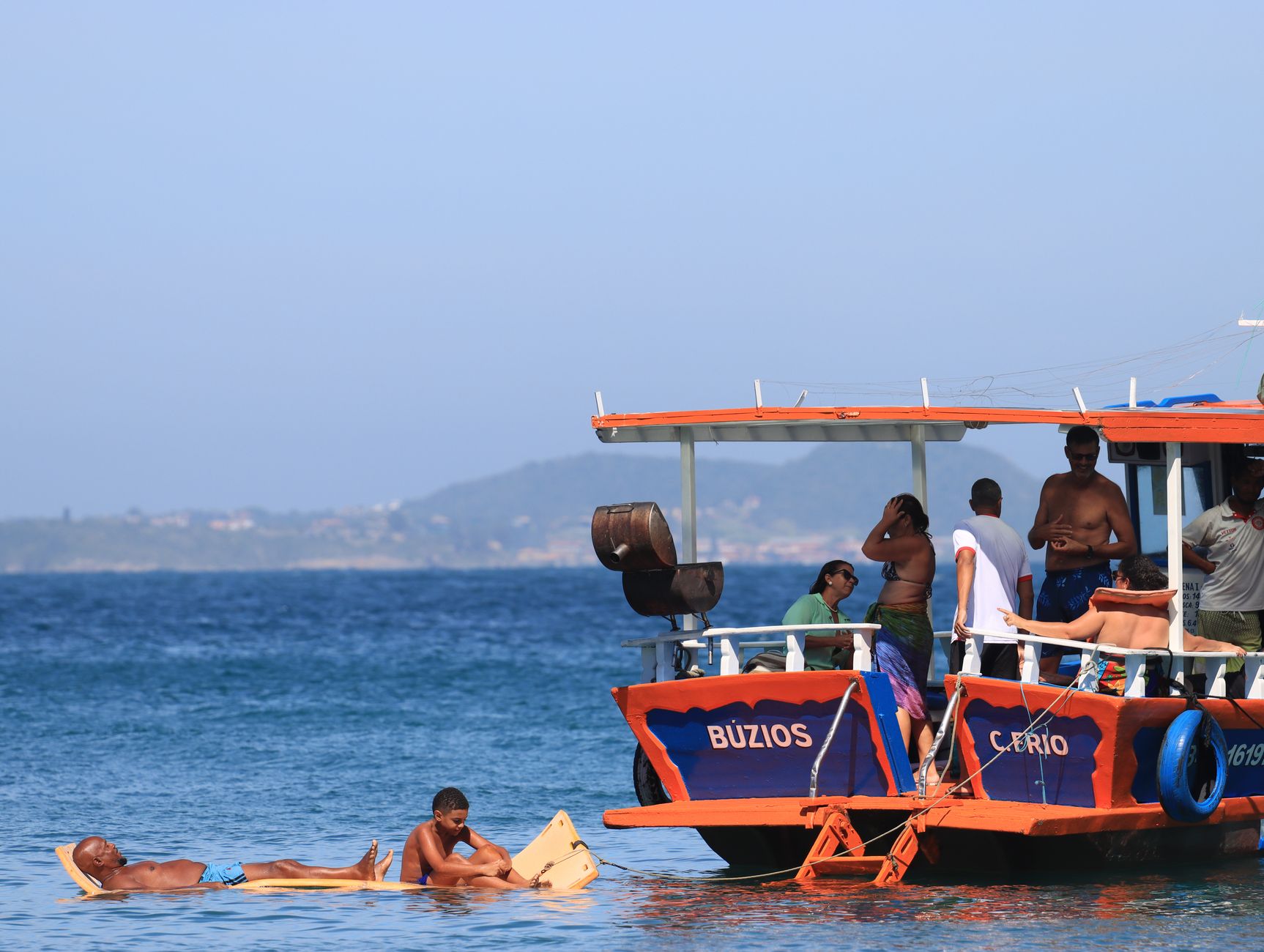
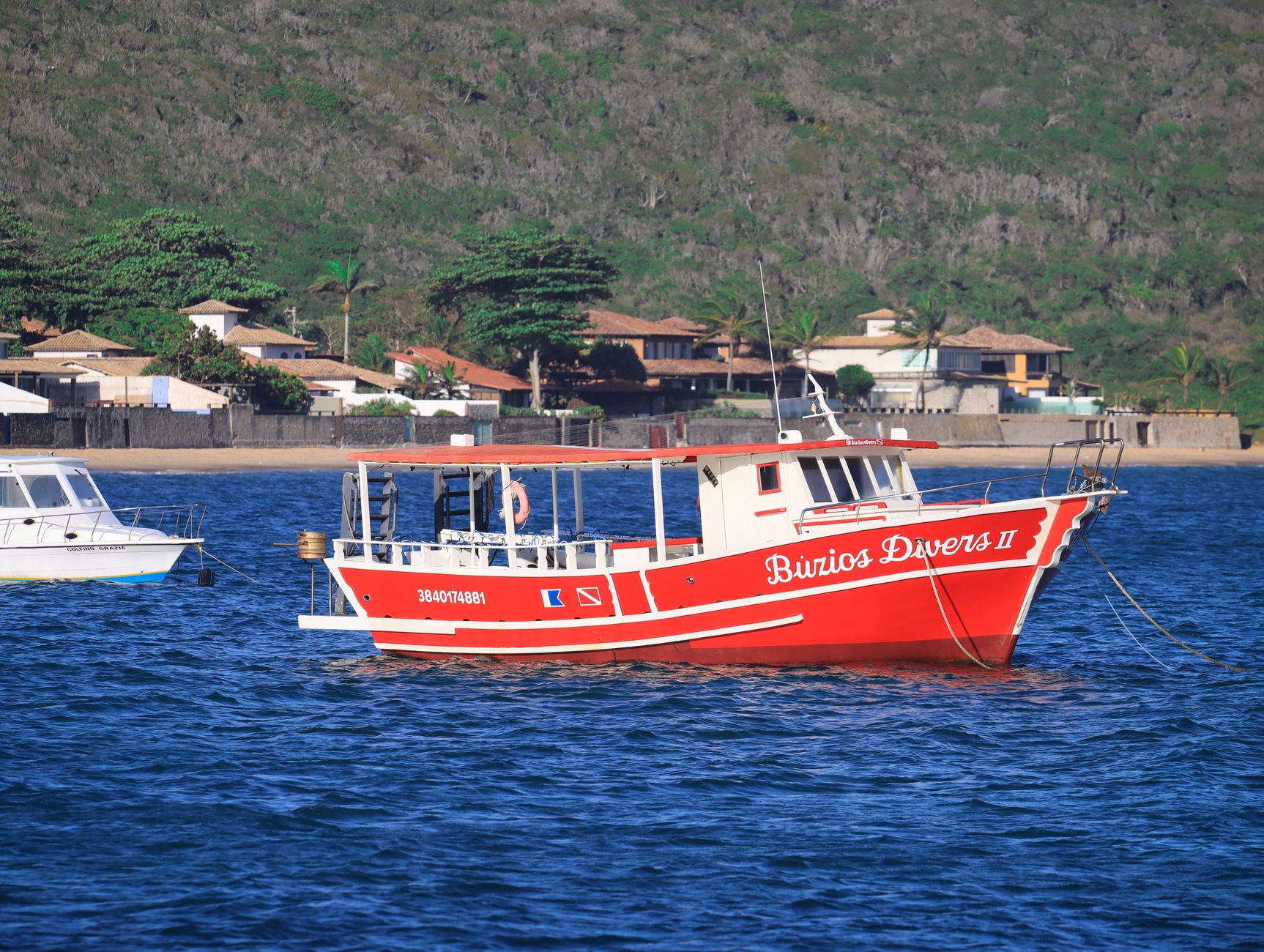
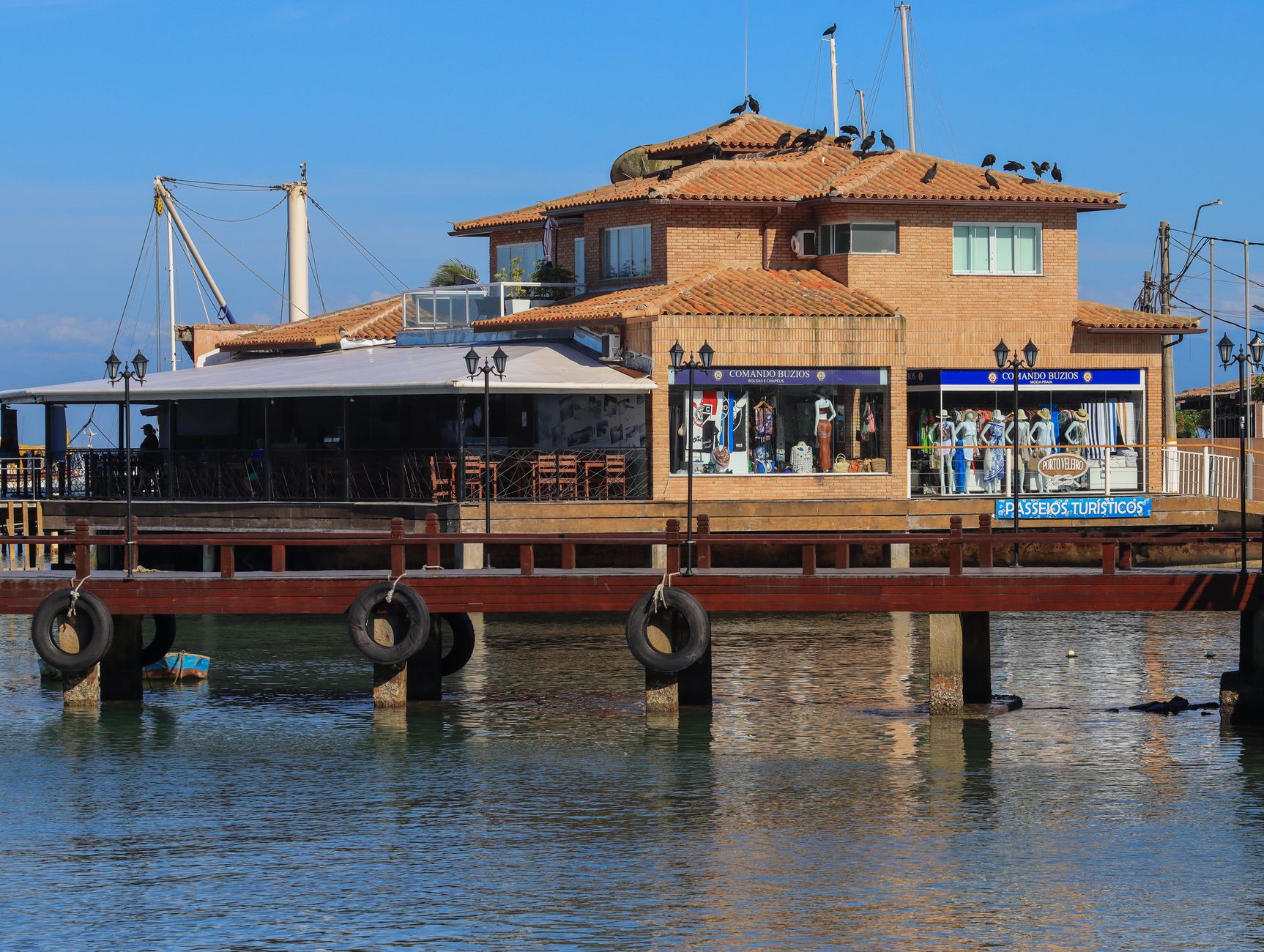
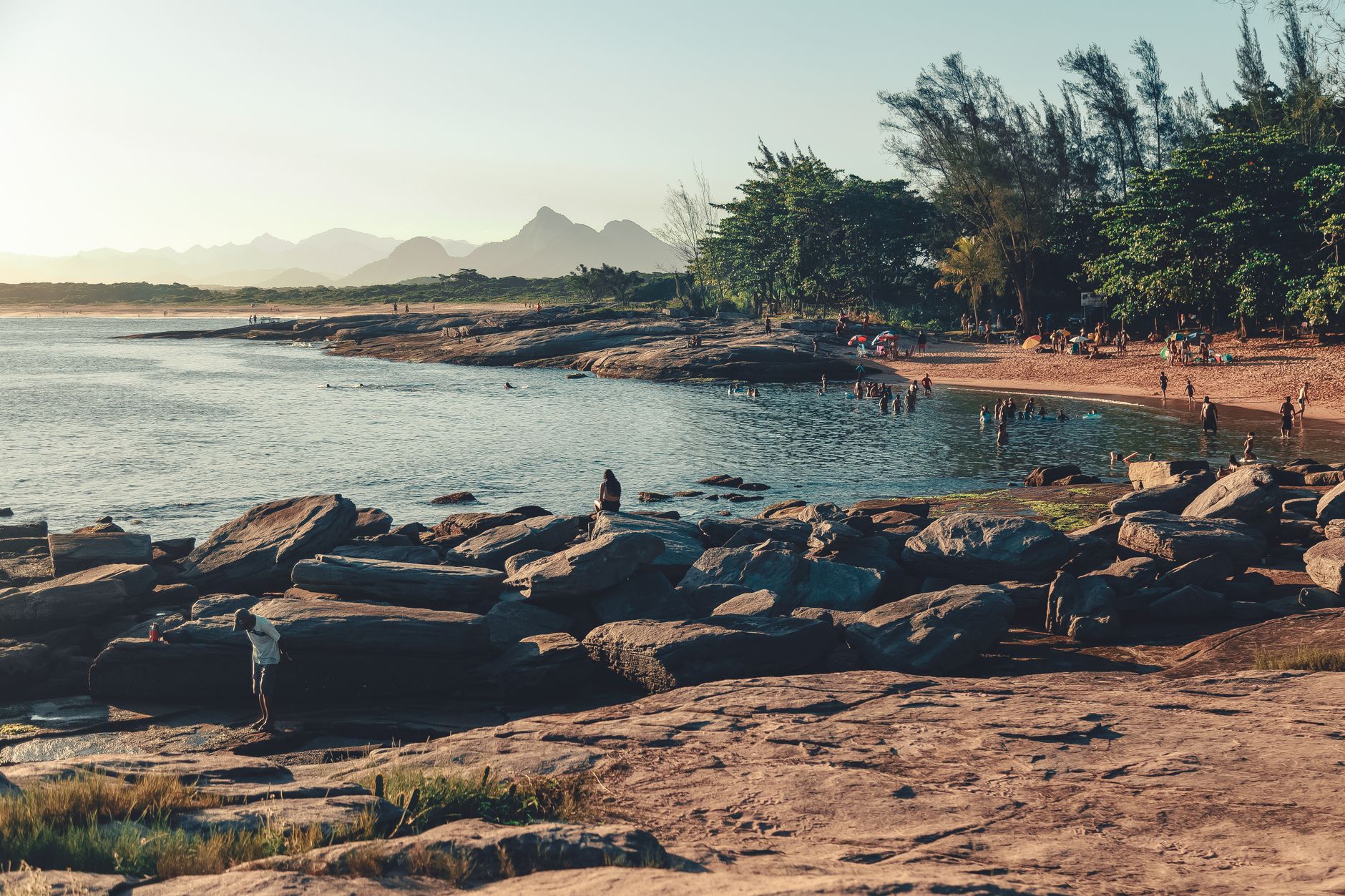
On the Orla Bardot, bronze fishermen cast their nets toward the water while the real fishing boats come in a little further along the shore. That small collision of myth and working life tells you something about Búzios: it has been famous for sixty years and has not entirely forgotten what it was before. The peninsula juts into the Atlantic 173 kilometres east of Rio, its 23 beaches facing different directions — some calm enough for kayaks, some open enough to catch serious swell — so the place rewards moving around rather than planting yourself at the nearest stretch of sand.
💛 What travellers fall for
People who come back tend to know this: walk Rua das Pedras early, before the restaurants set out their boards, when it belongs to delivery guys and café owners opening their shutters. And take a water taxi at least once — fares run R$5 to R$30 depending on the route, and the view of the peninsula from the water is worth the whole trip.
Experiences you don't want to miss


Deals in Búzios
Book directly at the provider

How Búzios came to be
The Tupinambá were fishing and hunting here long before Europeans arrived. French pirates moved in during the 1600s, smuggling pau-brasil and trading enslaved Africans until the Portuguese expelled them — a campaign that began under the Rio de Janeiro governor in 1575 and ran until 1615. The name Armação dos Búzios comes from the whale-processing trade that followed: armação referred to the operation of separating meat from bone. When Brazil abolished the slave trade around 1850, the settlement turned toward agriculture and fishing and stayed quiet for another century.
In 1964, French actress Brigitte Bardot arrived incognito with her Brazilian boyfriend Bob Zagury, and the town's obscurity ended. President Juscelino Kubitschek had already purchased an estate here in the 1950s — the property now known as Solar do Peixe Vivo — lending the area a certain prestige before Bardot made it international. Architect Octávio Raja Gabaglia later codified a local building style using natural materials and clay tiles, and pushed through strict codes that kept high-rises out. In 1997, after residents voted for independence in 1995, Armação dos Búzios became its own municipality.
Who and what shaped it
People who shaped it
Landmark buildings
See Búzios in motion
Plan your visit
On the map
When to go
The dry season, May through October, brings daytime temperatures around 25–26°C and the lowest rainfall — good conditions for water clarity and outdoor dining without the afternoon downpours that characterise November through April. Sea temperatures peak around 25°C in March and drop to 21°C in September, still swimmable either way.
Right now
Background & history adapted from Wikipedia (CC BY-SA) · specs from Wikidata (CC0) · weather from Open-Meteo · map data © OpenStreetMap contributors · photos from Wikimedia Commons / Unsplash with per-image credit. No third-party reviews or social posts reproduced.