
Macaé
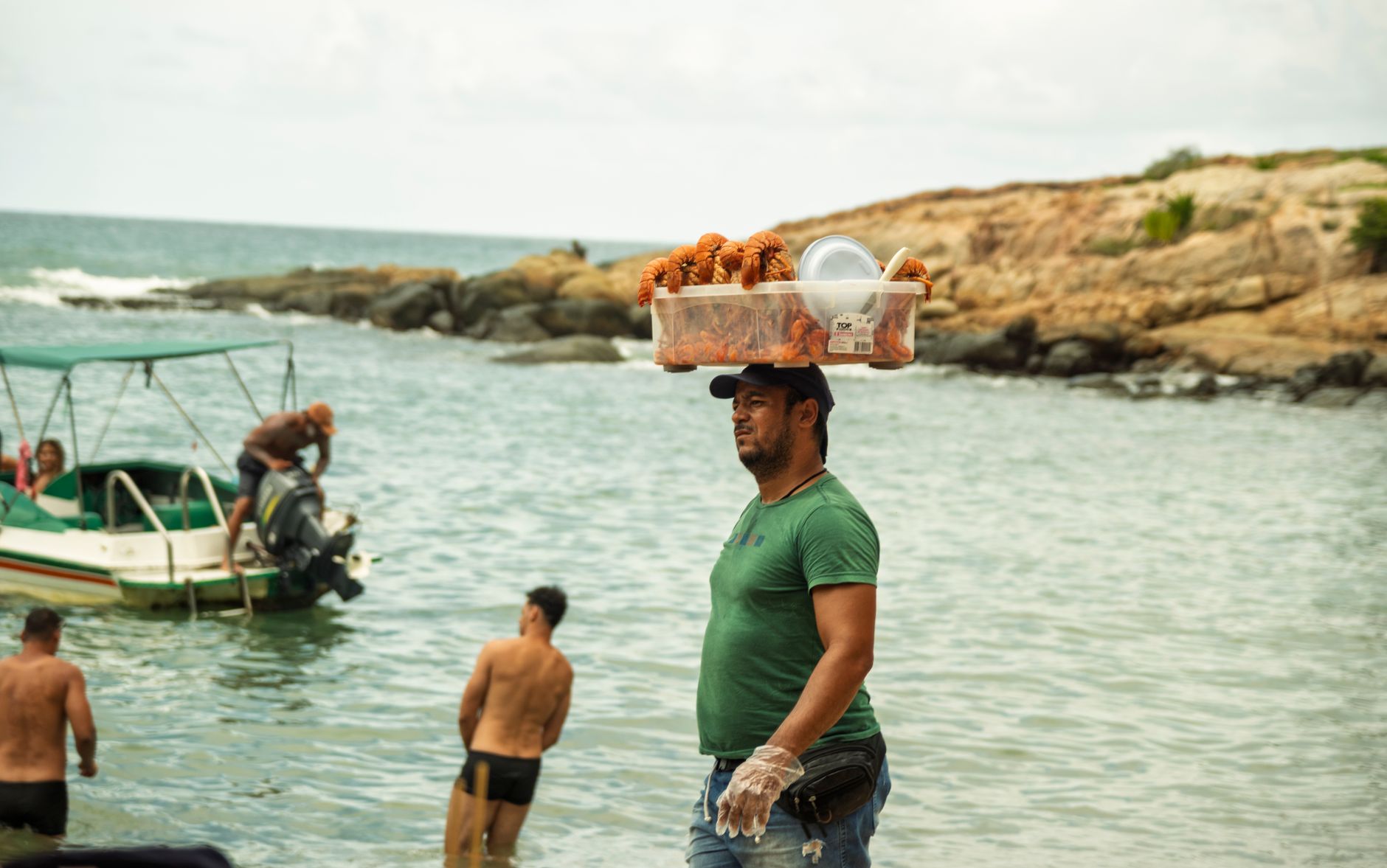
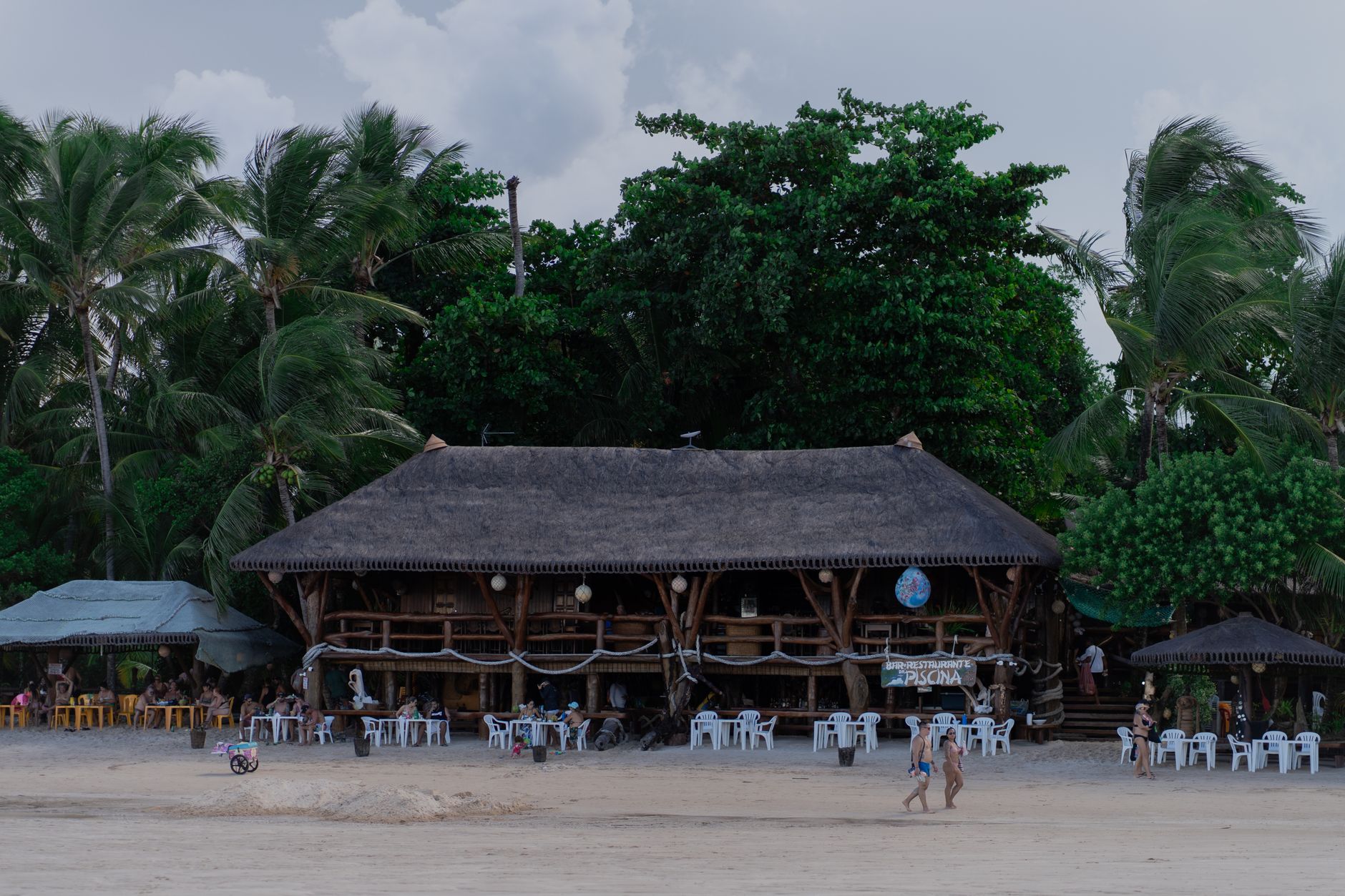
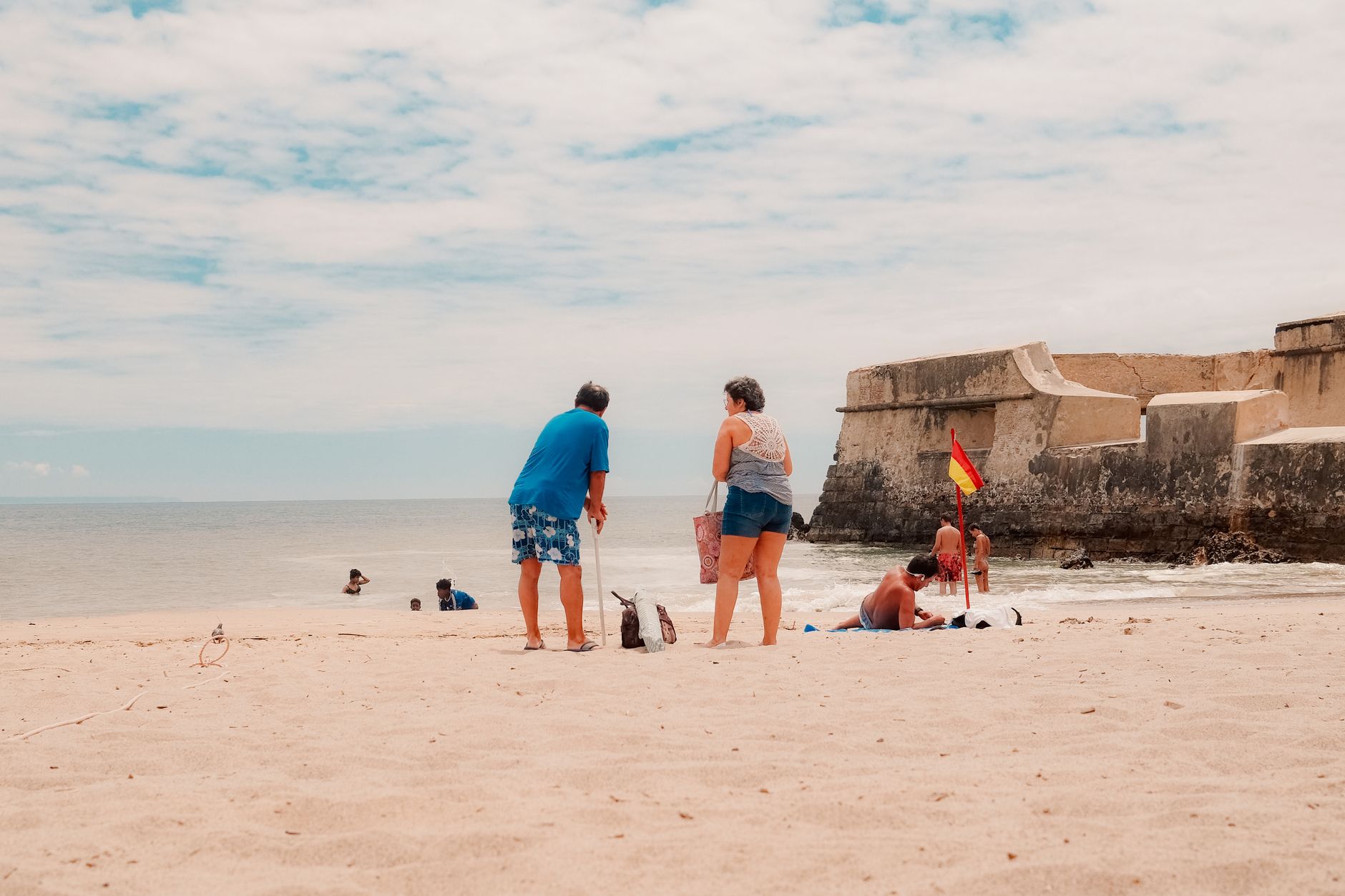
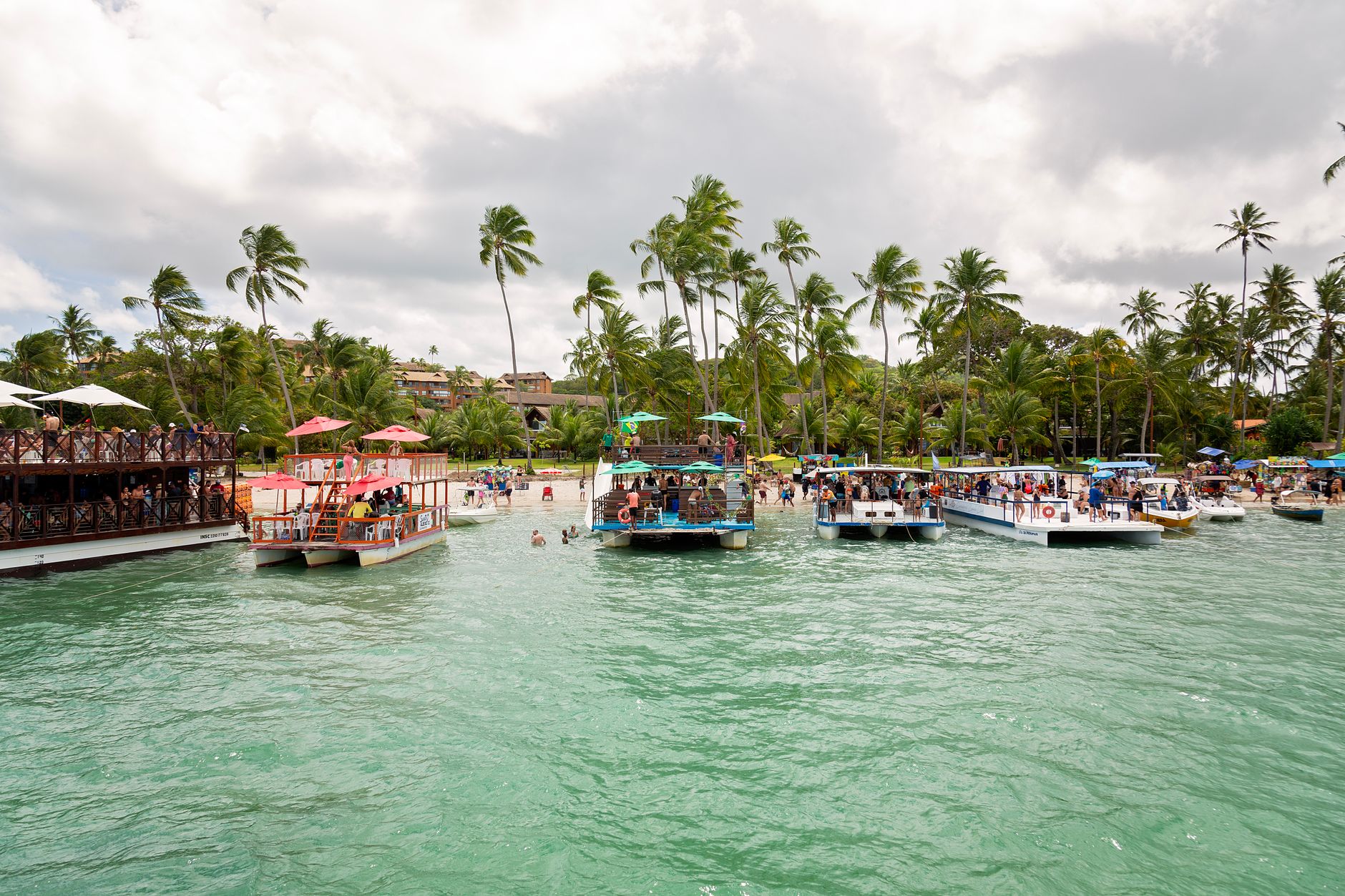
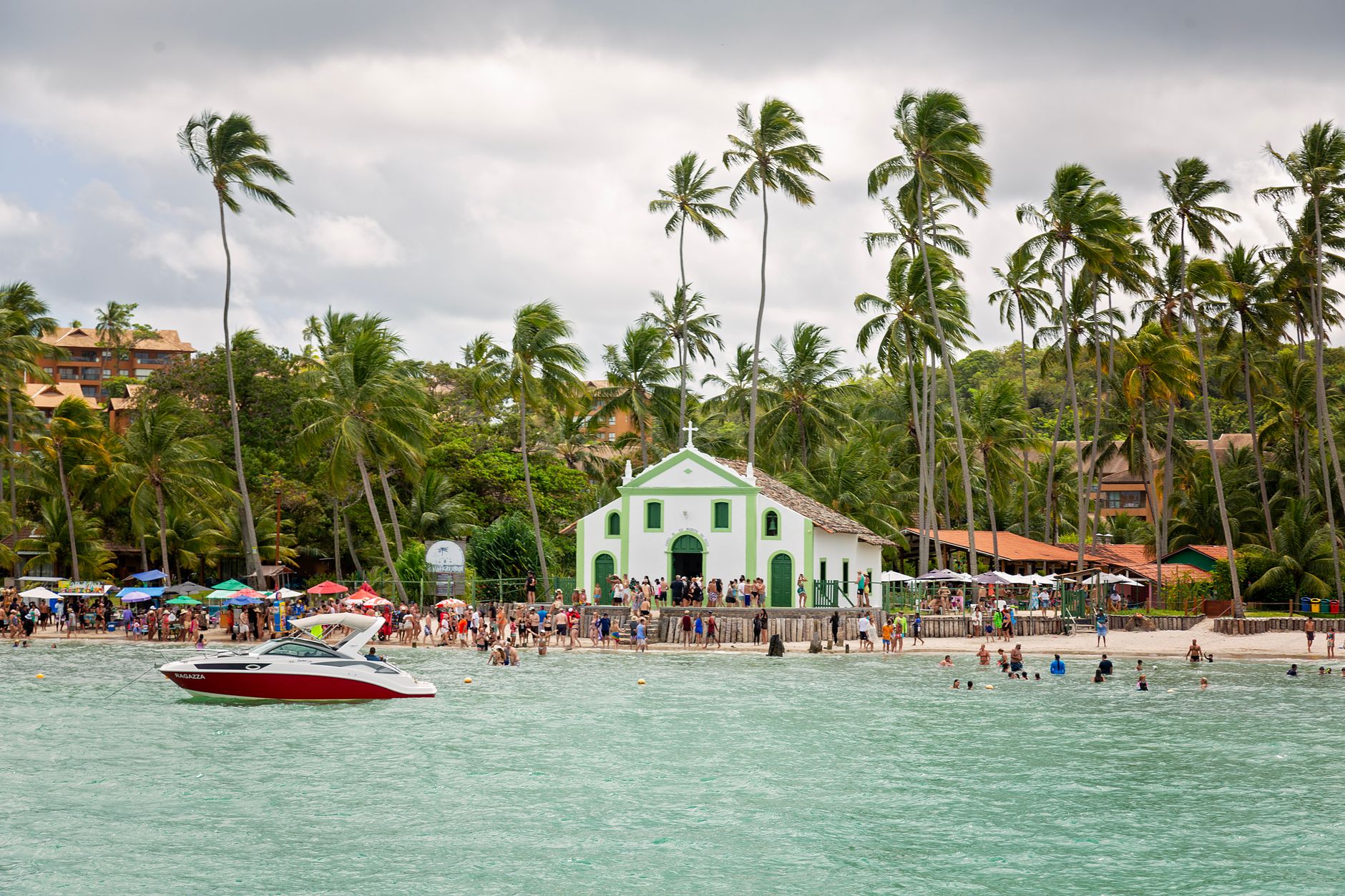
Macaé sits 180 kilometres northeast of Rio along the BR-101, and the offshore oil platforms visible on the horizon tell you something immediate about this city: it runs on a different engine than the rest of the coast. Petrobras put down roots here after oil was discovered in the Campos Basin in the 1970s, and the city has been shaped by that fact ever since — prosperous, practical, and a little surprising.
Yet Macaé also has 23 kilometres of shoreline, a lighthouse built in 1880 that still guides ships into port, and a carnival tradition involving painted oxen that has nothing to do with petroleum. The city holds both versions of itself without apology.
💛 What travellers fall for
People who come back tend to time their visits for a weekend, when the business travellers clear out and hotel prices drop noticeably. Imbetiba Beach is the pick for an early morning — the calm water and the sunrise earn their reputation. Book the Rebio União tamarin reserve by phone well in advance; the group cap is strict.
Deals in Macaé
Book directly at the provider


How Macaé came to be
Colonisation of the area began in the 17th century at the direction of Brazil's general governor, partly to curb pau-brasil smuggling along the coast. The initial settlement grew around 200 Tamoio Indians, and by April 15, 1846, provincial law No. 364 formally elevated Vila São João de Macahé to a city.
The deeper turning point came in the 1970s, when oil exploration in the Campos Basin drew Petrobras to establish an operational base here. A second shift arrived on August 6, 1997, when law 9.478 broke the state oil monopoly and opened the sector to competition — accelerating Macaé's growth into what the industry now calls the Brazilian Oil Capital. The city also holds a quieter distinction: it is the birthplace of Washington Luís, the 13th president of Brazil.
Who and what shaped it
People who shaped it
Landmark buildings
See Macaé in motion
Plan your visit
On the map
When to go
Macaé runs tropical: November through March brings heat and frequent rain, with February daytime temperatures reaching 31°C and up to 22 rainy days in a month. June through August is the drier, milder window — highs around 26°C, nights cooling to around 16°C — and the best time to walk the city without being caught in a downpour.
Right now
Background & history adapted from Wikipedia (CC BY-SA) · specs from Wikidata (CC0) · weather from Open-Meteo · map data © OpenStreetMap contributors · photos from Wikimedia Commons / Unsplash with per-image credit. No third-party reviews or social posts reproduced.