
Angra dos Reis
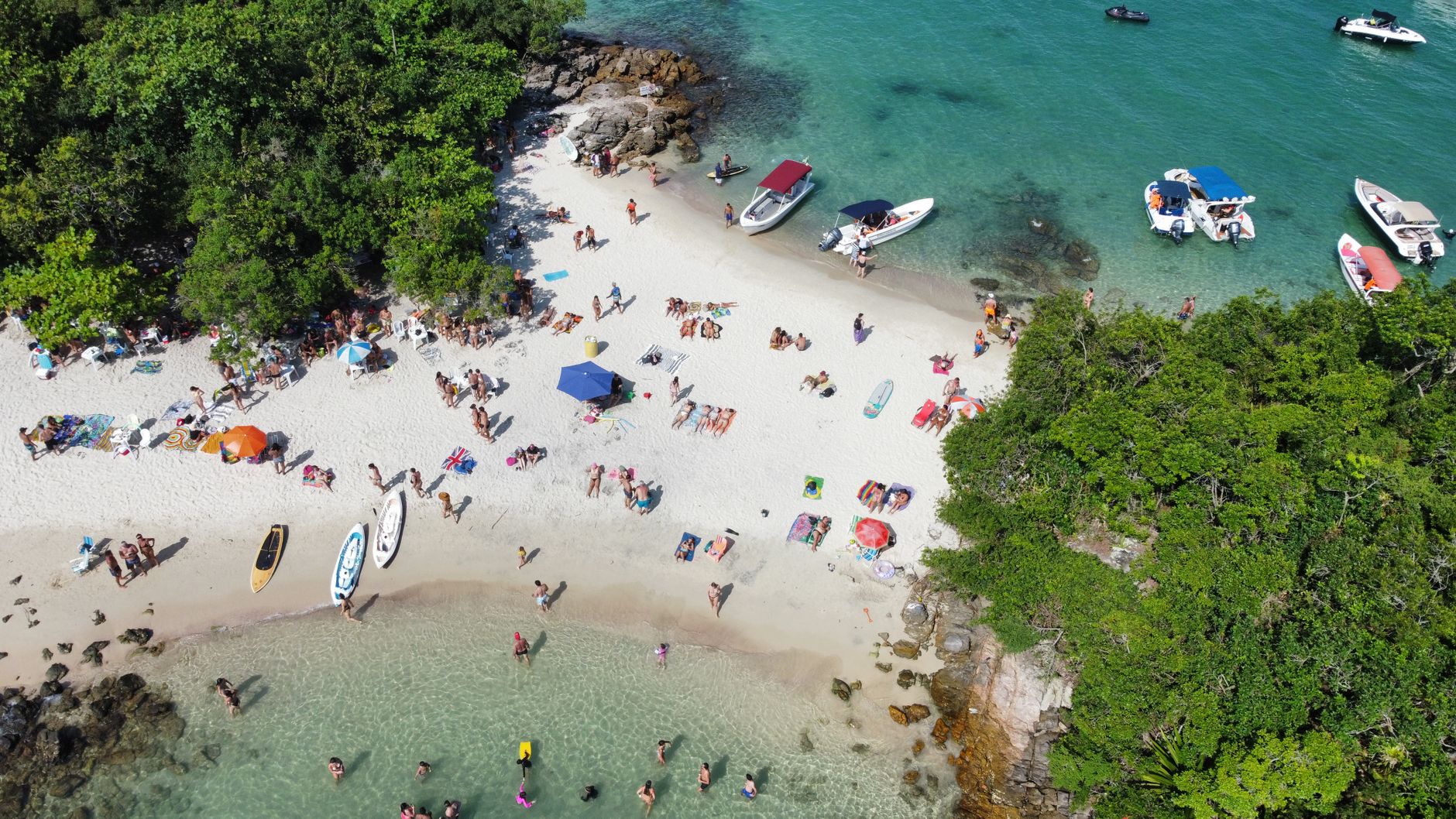
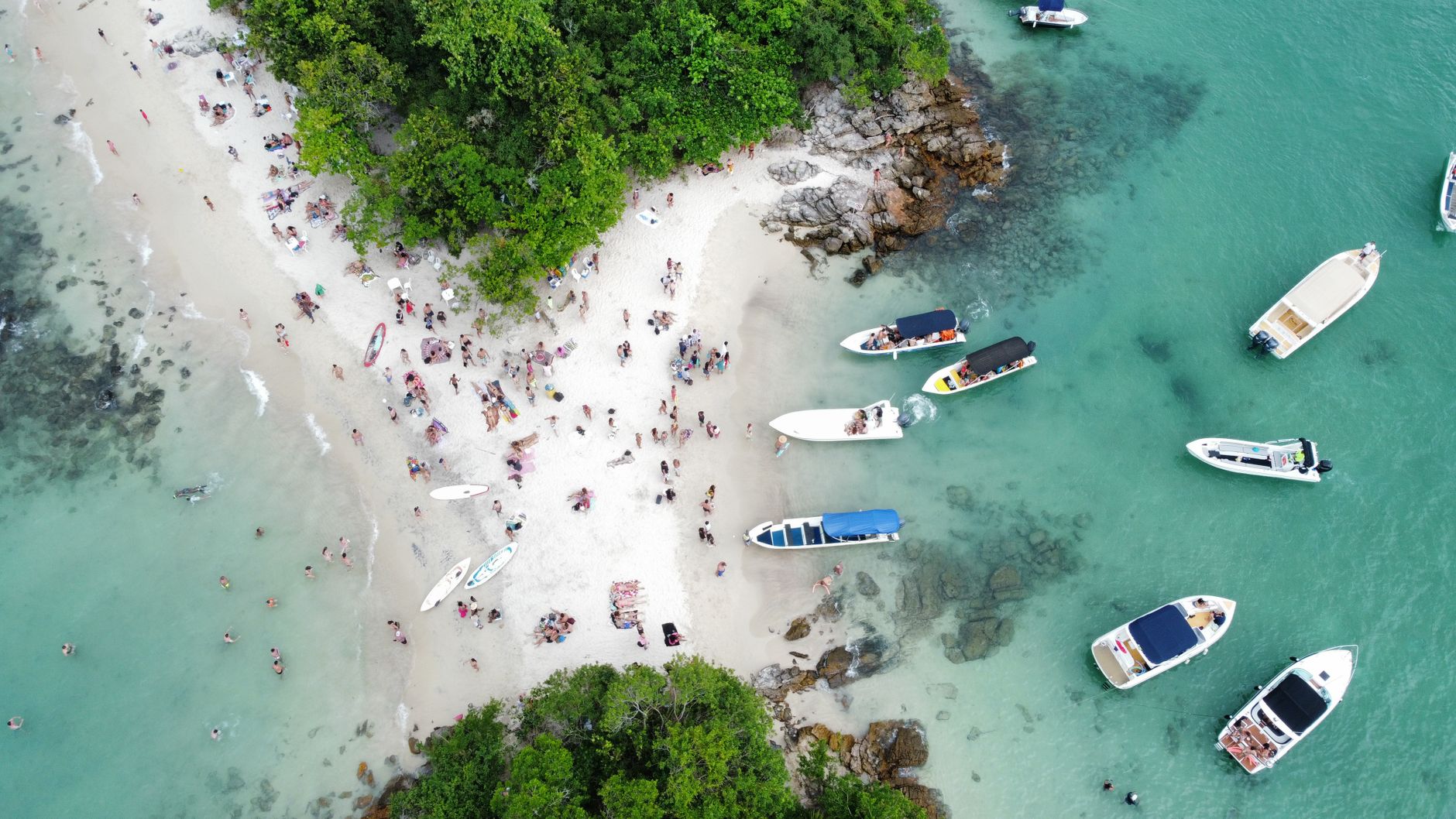
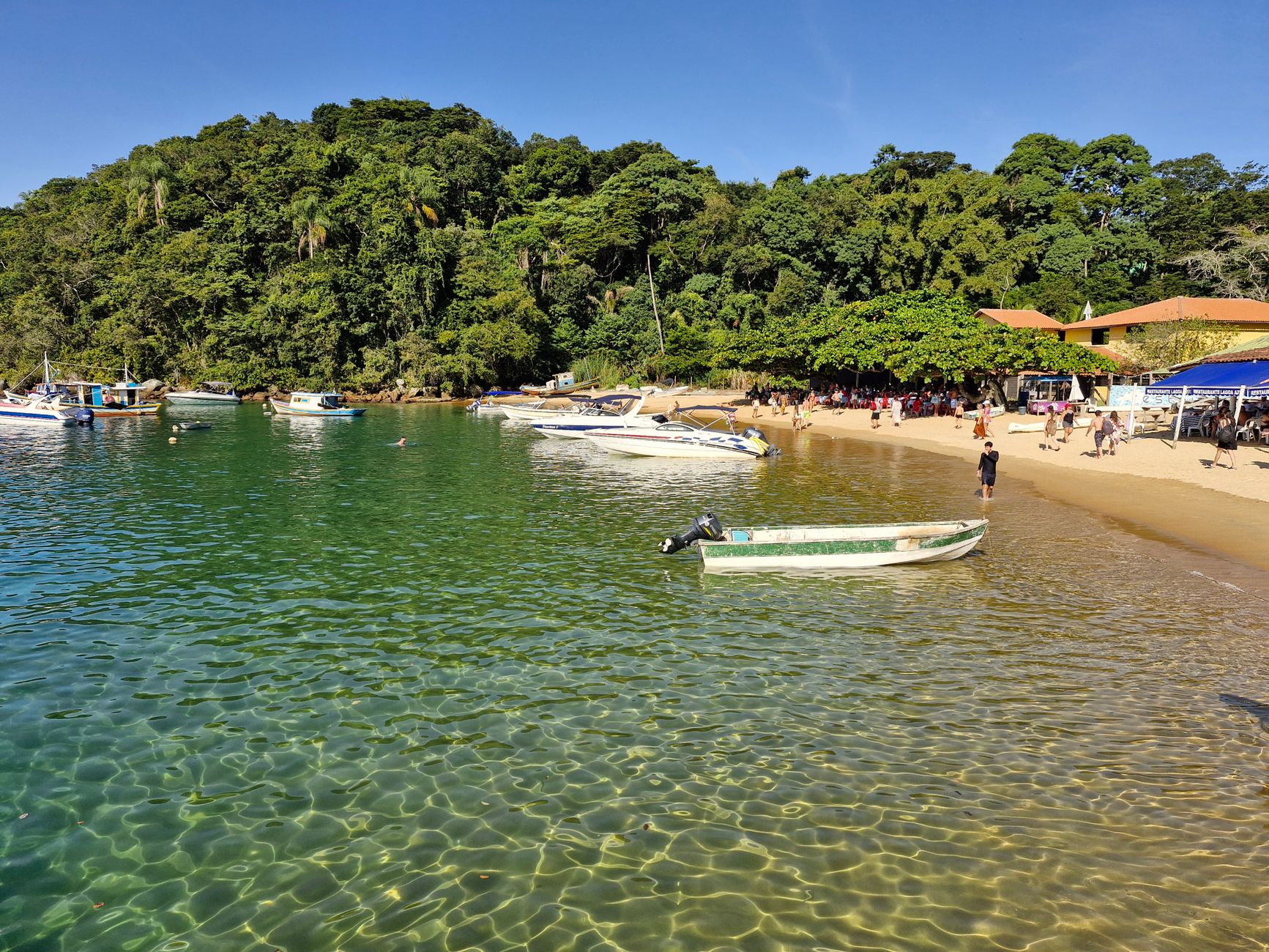
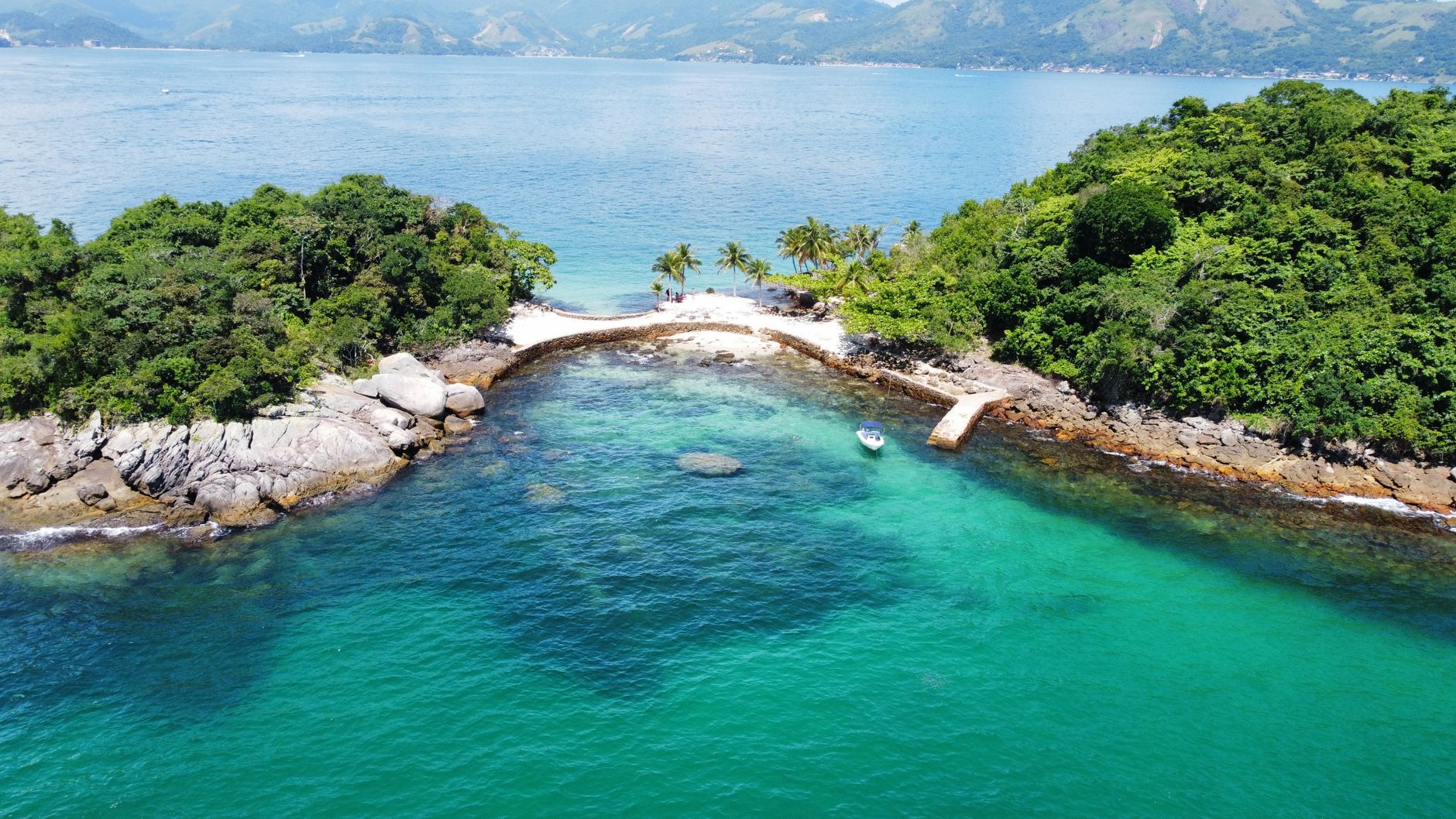
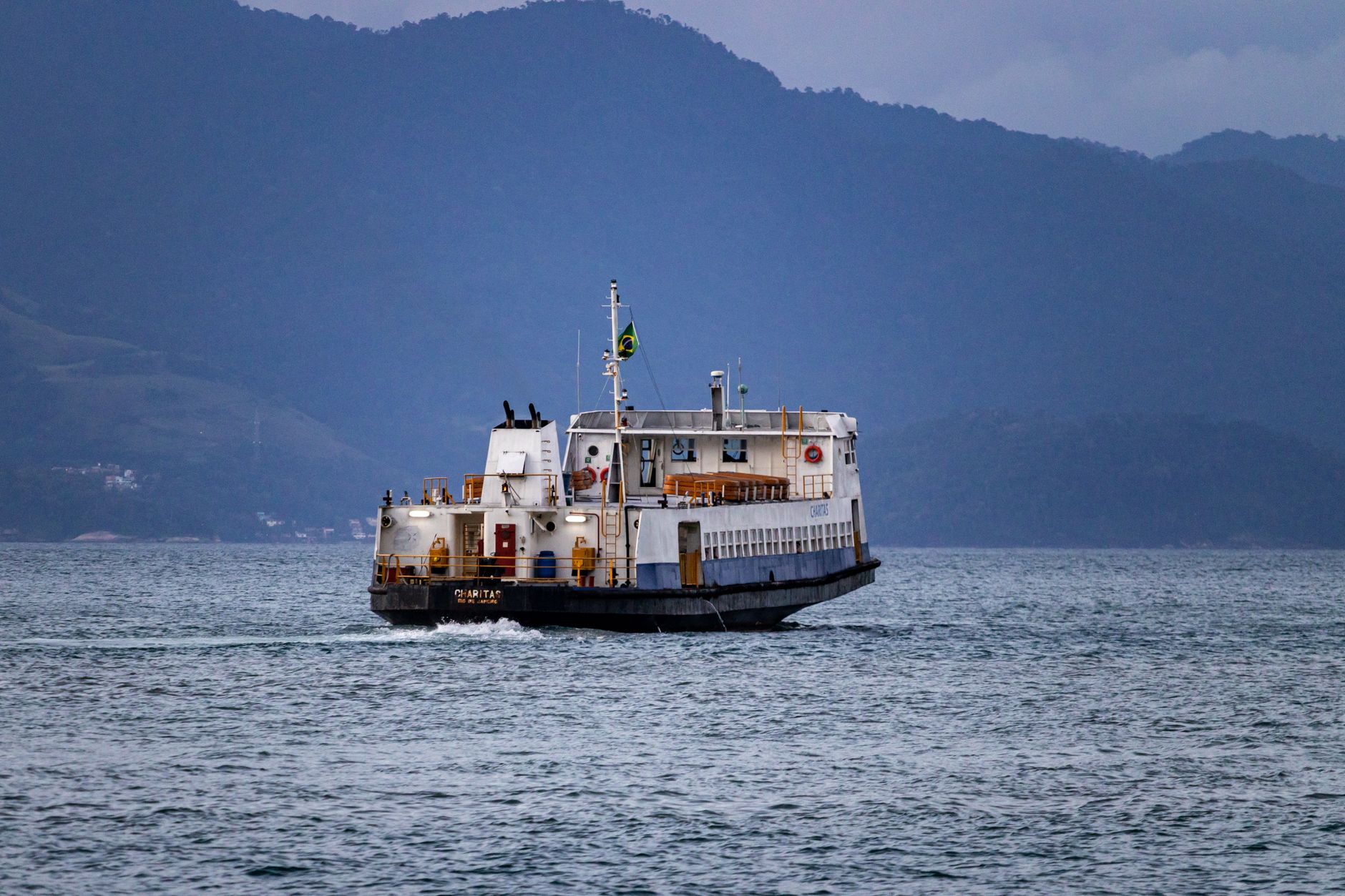
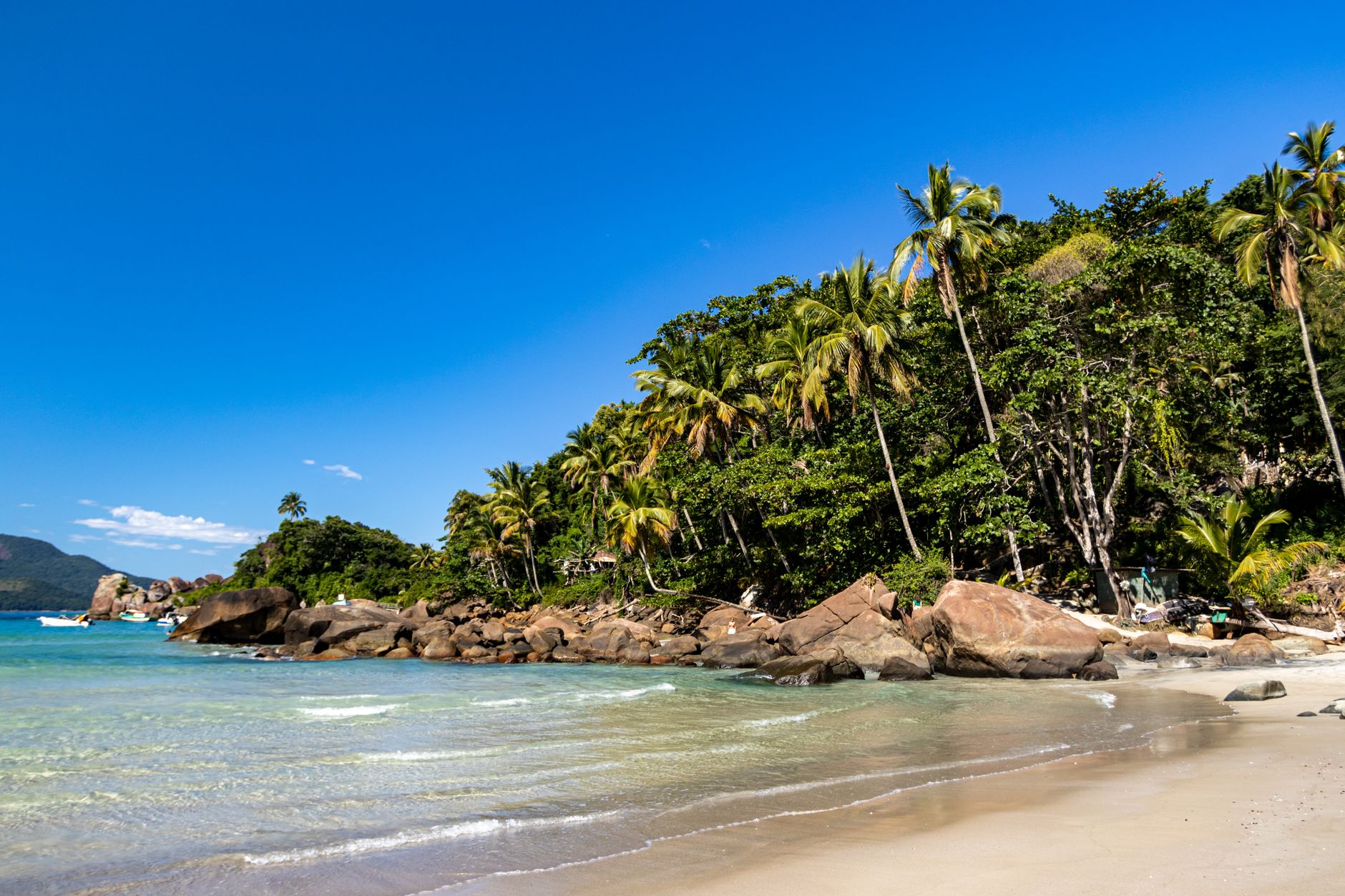
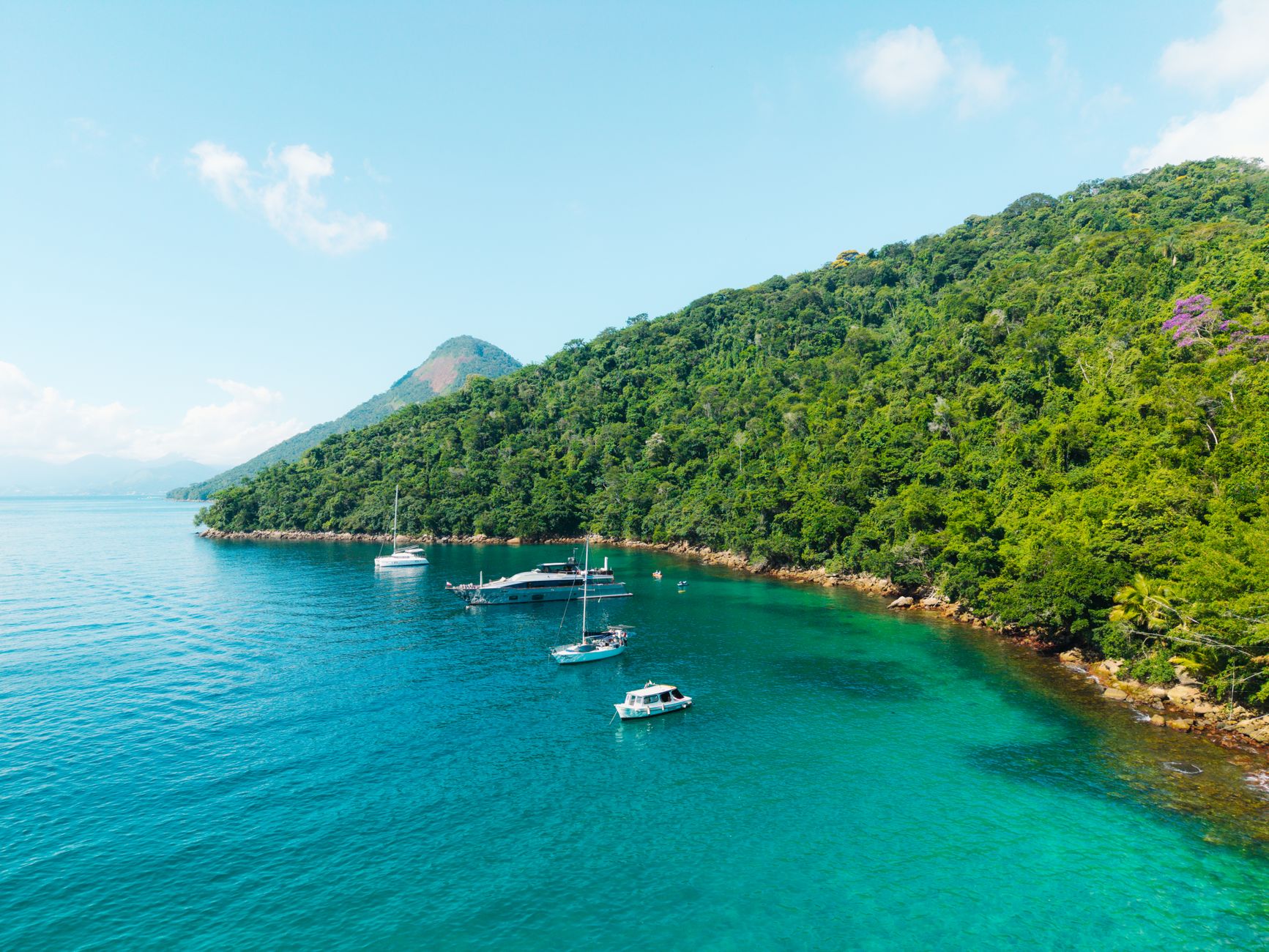
On January 6, 1502 — Kings' Day on the Catholic calendar — Portuguese navigator Gonçalo Coelho sailed into a broad, island-scattered bay and named what he found for the feast: Angra dos Reis, the Anchorage of the Kings. That name still fits. The bay holds more than three hundred islands, the largest being Ilha Grande, and the water between them is the colour of a promise.
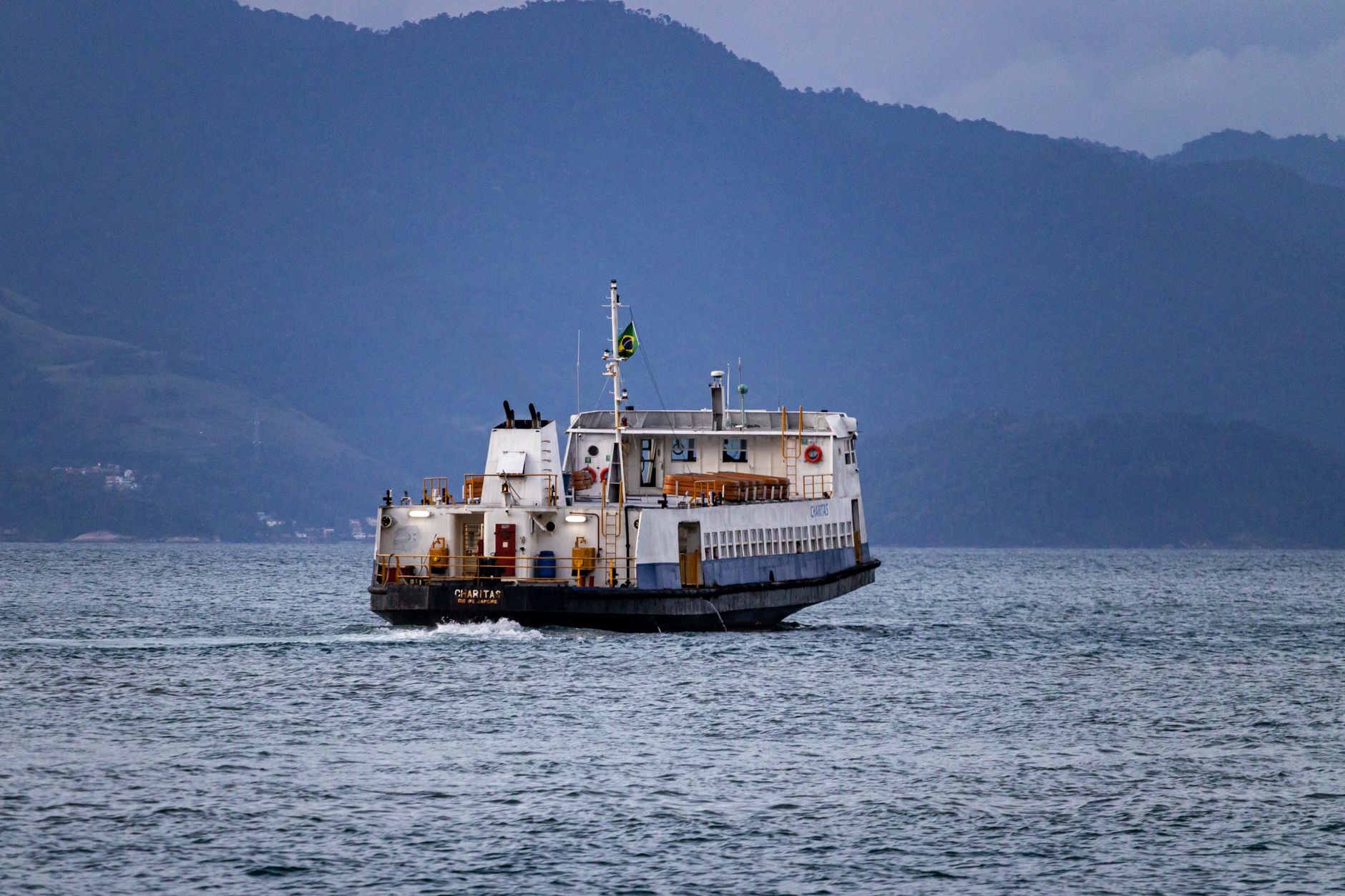
From the Cais Turístico de Santa Luzia, boats leave constantly for those islands. The city itself, population 167,000, layers colonial stone churches against green hills and a working port that handles Petrobras crude — a combination that keeps it from feeling purely decorative.
💛 What travellers fall for
People who come back tend to mention Travessa de Santa Luzia, a short colonial lane where the original stone paving survives, including the worn curb where goods-carts once scraped past. They also note that Rua do Comércio — the city's first street — has a subtle curve to it, which local tradition attributes to a very practical desire to keep the smell of the port from travelling its full length.
Experiences you don't want to miss


Deals in Angra dos Reis
Book directly at the provider

How Angra dos Reis came to be
Settlement here began in earnest in 1556, and by 1608 the Portuguese crown had granted Angra dos Reis official town status. Through the 17th and 18th centuries it ranked as Brazil's second most important port, a position that left its mark in stone: the Monastery of Our Lady of Carmen dates to 1593, the Church of Santa Luzia to 1632, and the Franciscan Convent of São Bernardino de Sena was consecrated in 1763.
The railways undid the port's primacy after 1872 — cargo moved inland by rail, and Angra faded. A railway extension in the 1920s reconnected it to Minas Gerais and Goiás, reviving it as an agricultural terminus. Regular sea cargo operations resumed in 1932, and the Petrobras terminal in Ilha Grande Bay eventually made it one of the country's busiest ports again.
Who and what shaped it
People who shaped it
Landmark buildings
See Angra dos Reis in motion
Plan your visit
On the map
When to go
Angra dos Reis runs hot and wet year-round, with no true dry season; January is the peak of both heat and rain. July to September offers the most comfortable window — mean temperatures between roughly 19 and 25 °C, and far fewer rainy days.
Right now
Background & history adapted from Wikipedia (CC BY-SA) · specs from Wikidata (CC0) · weather from Open-Meteo · map data © OpenStreetMap contributors · photos from Wikimedia Commons / Unsplash with per-image credit. No third-party reviews or social posts reproduced.