
Rio de Janeiro City
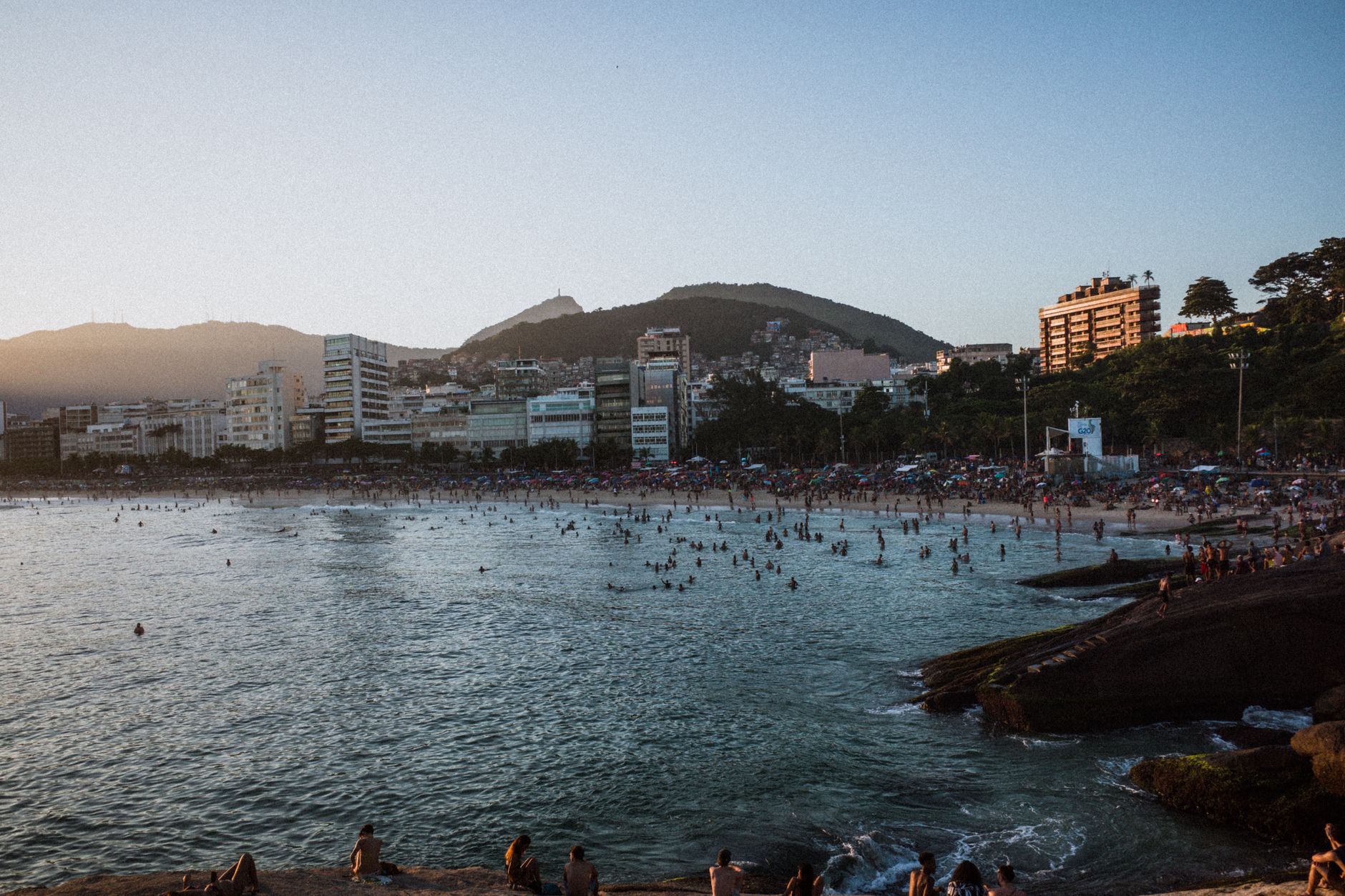
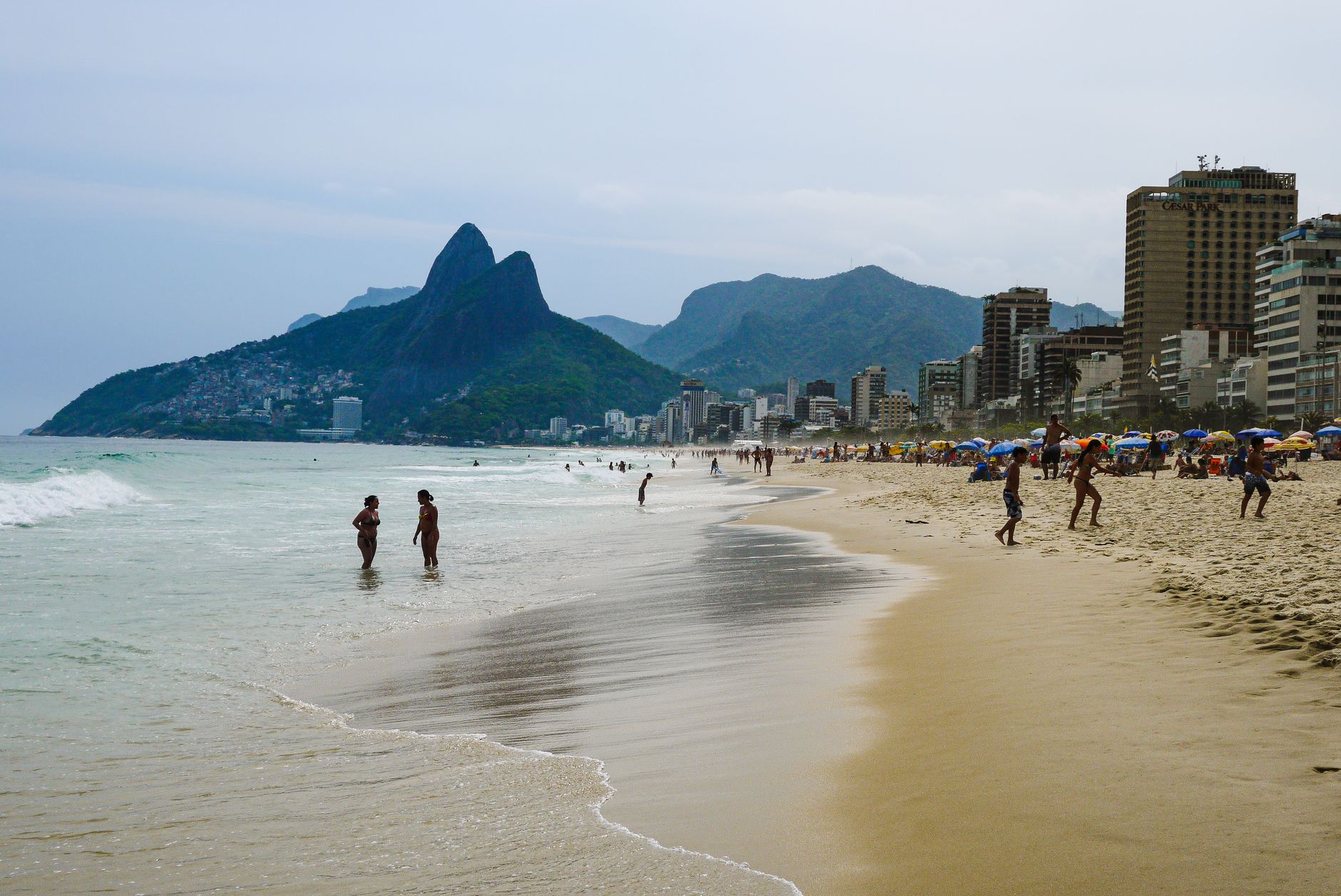
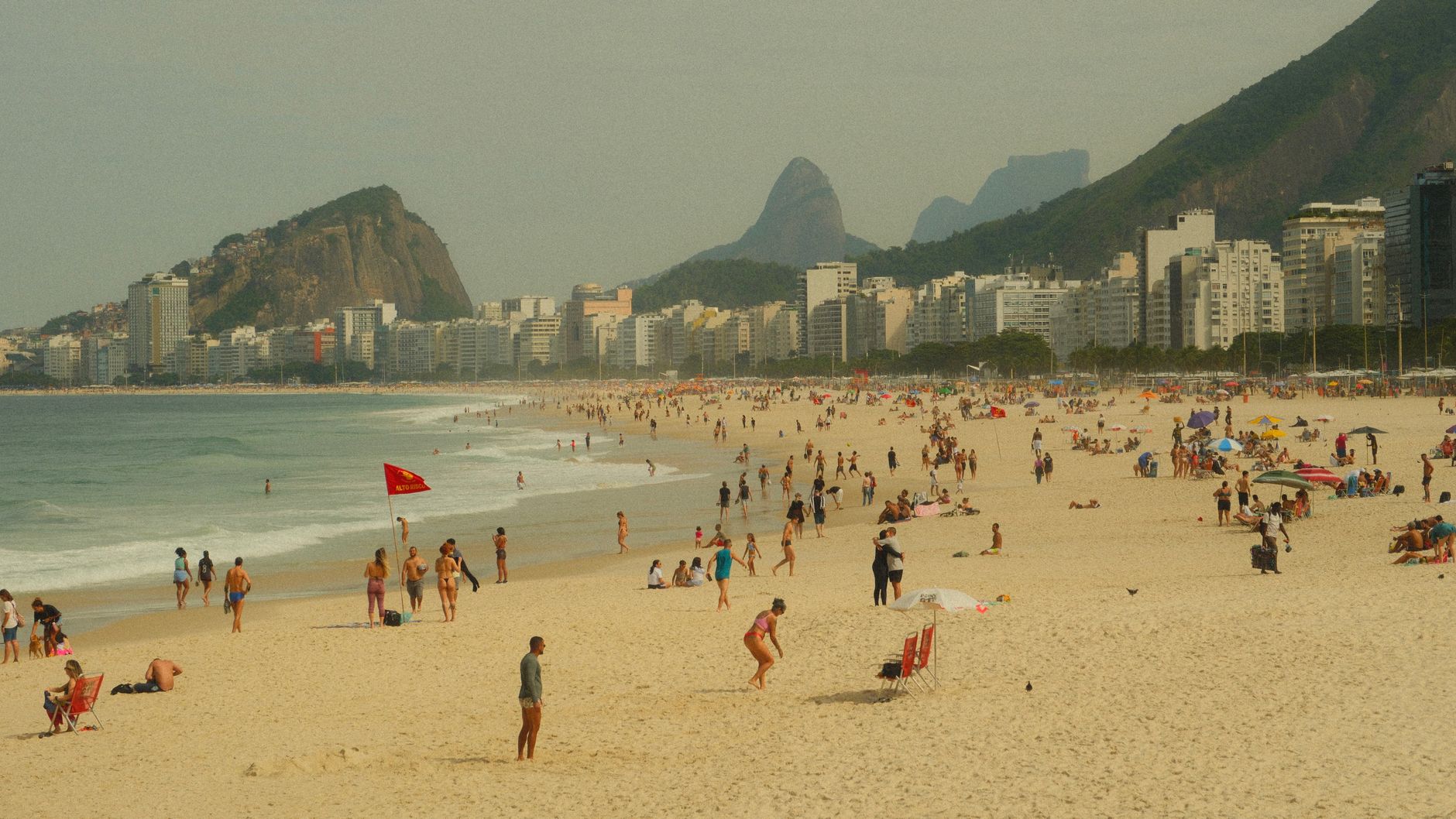
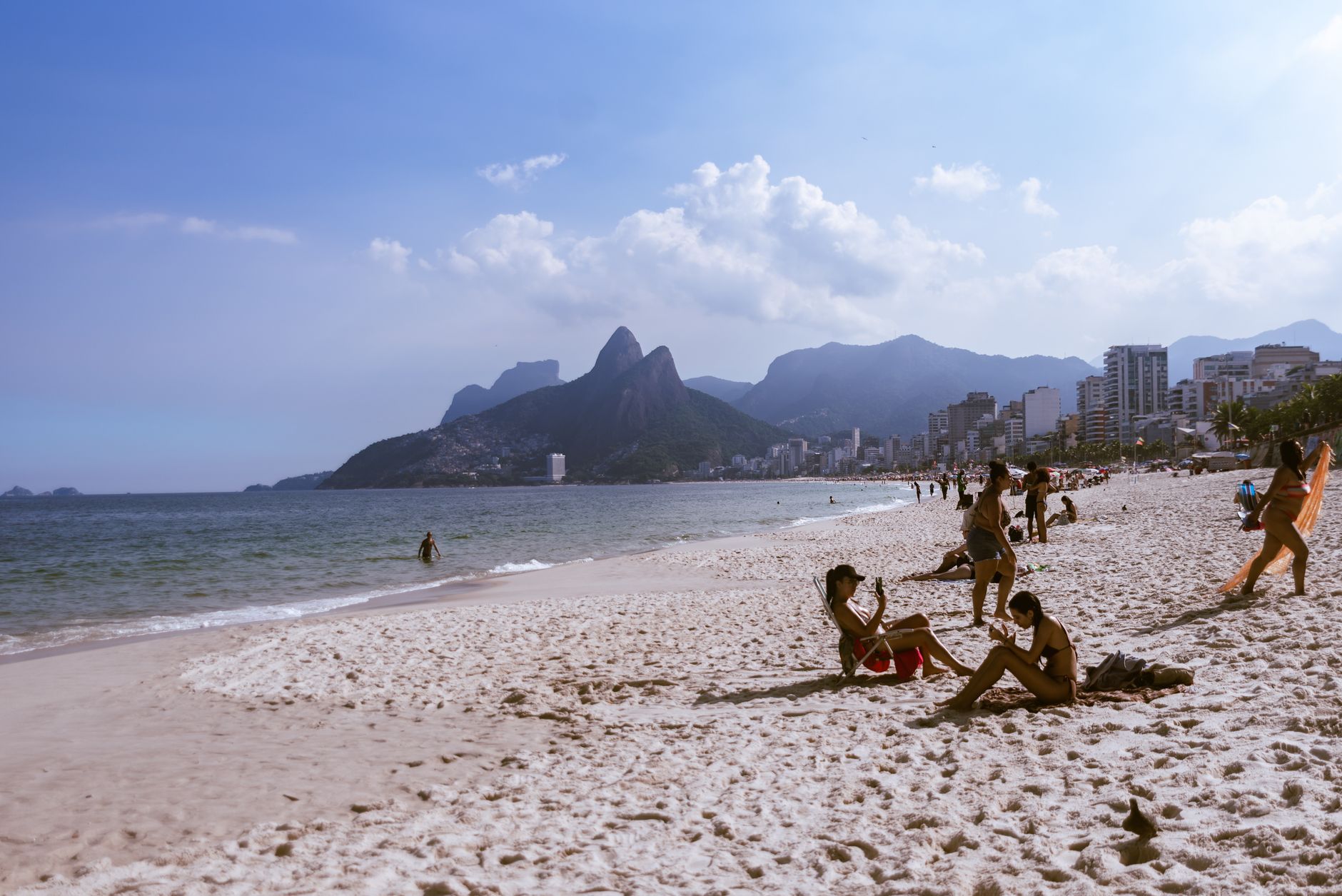
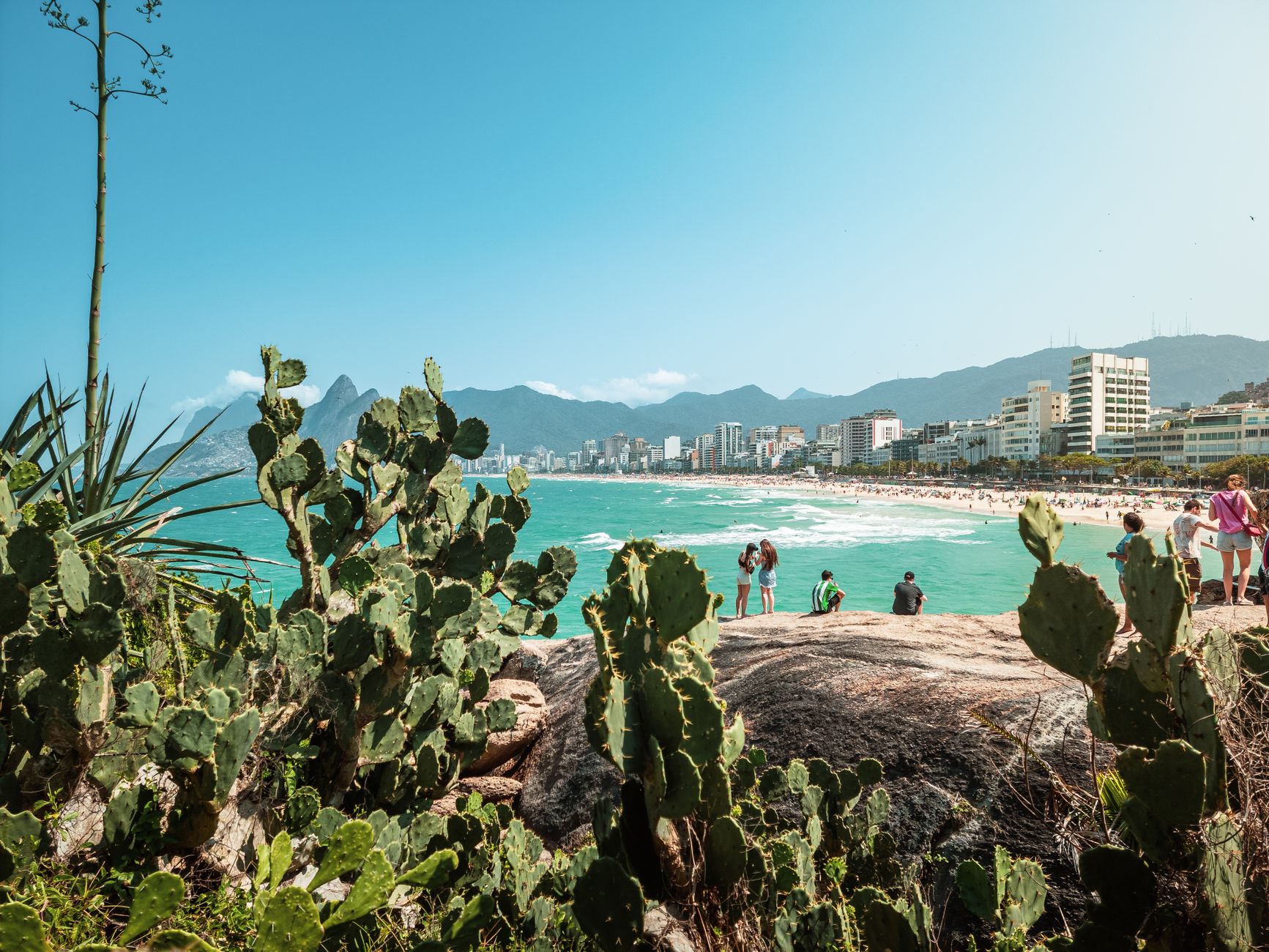
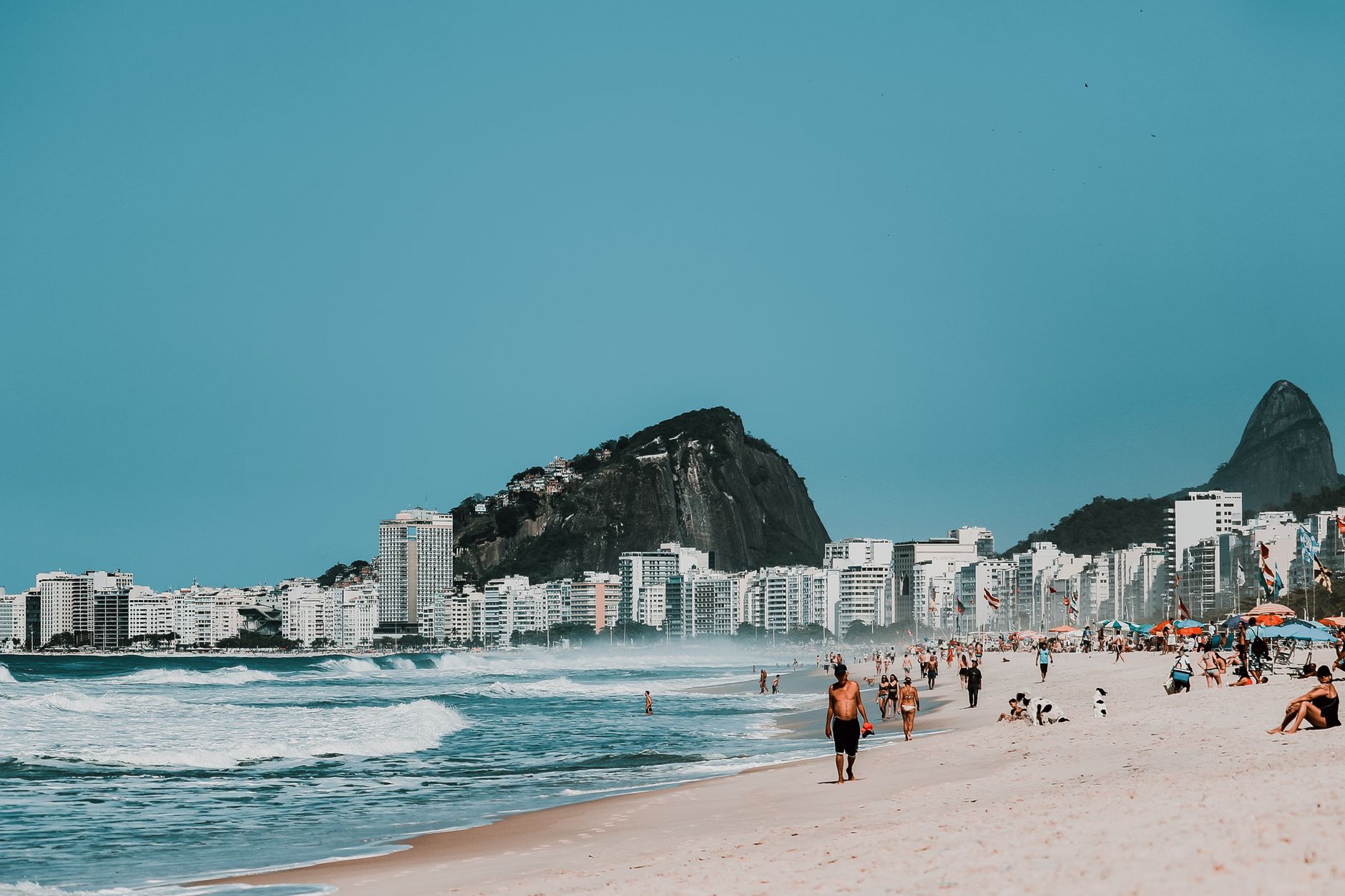
Stand at the base of Corcovado and tilt your head back: 709 metres above you, a 38-metre Art Deco figure spreads its arms over everything — the bay, the favelas climbing the hillsides, the long white sweep of Ipanema. Rio is one of the few cities whose geography arrives before its culture does, and the two have been inseparable since Portuguese sailors sailed into Guanabara Bay on the first day of 1502 and mistook the inlet for a river.
The city that grew from that confusion became, in sequence, a colonial port, a royal capital, a national capital, and finally a place that seemed to exist on its own terms entirely — too singular to be anyone's administrative centre for long.
💛 What travellers fall for
People who keep coming back tend to say the same things: take Line 4 metro out to Barra, but get off at General Osório instead and walk Ipanema at 7am before the beach fills. The cable car to Sugarloaf runs two stages — the second stage, from Urca Hill to the summit, is the one worth lingering on.
Deals in Rio de Janeiro City
Book directly at the provider

How Rio de Janeiro City came to be
On March 1, 1565, the Portuguese military officer Estácio de Sá founded a settlement at the edge of Guanabara Bay and named it São Sebastião do Rio de Janeiro — after the patron saint of the reigning monarch, Sebastião. His uncle, Governor-General Mem de Sá, would consolidate the colony in the years that followed. For its first century and a half the city was harassed by French privateers; Jean-François Duclerc and René Duguay-Trouin both mounted raids before the Portuguese secured their hold.
The city's real weight came later. After gold and diamonds were found in Minas Gerais around 1720, Rio became the port through which that wealth moved. In 1763 the colonial administration relocated here from Salvador. Then in 1808 the entire Portuguese royal court arrived — fleeing Napoleon — and Rio became, briefly, the capital of a European empire. Prince Pedro I proclaimed Brazilian independence in 1822 and kept the city as his capital. It remained Brazil's capital until April 21, 1960, when the government packed up and moved to the newly built Brasília.
Who and what shaped it
People who shaped it
Landmark buildings
See Rio de Janeiro City in motion
Plan your visit
On the map
When to go
May through October brings dry, clear days with highs around 24°C — the most comfortable stretch for walking the city. December through March is hot and humid, regularly hitting 32°C with afternoon downpours and humidity that rarely drops below 75 percent.
Right now
Background & history adapted from Wikipedia (CC BY-SA) · specs from Wikidata (CC0) · weather from Open-Meteo · map data © OpenStreetMap contributors · photos from Wikimedia Commons / Unsplash with per-image credit. No third-party reviews or social posts reproduced.