
Niterói
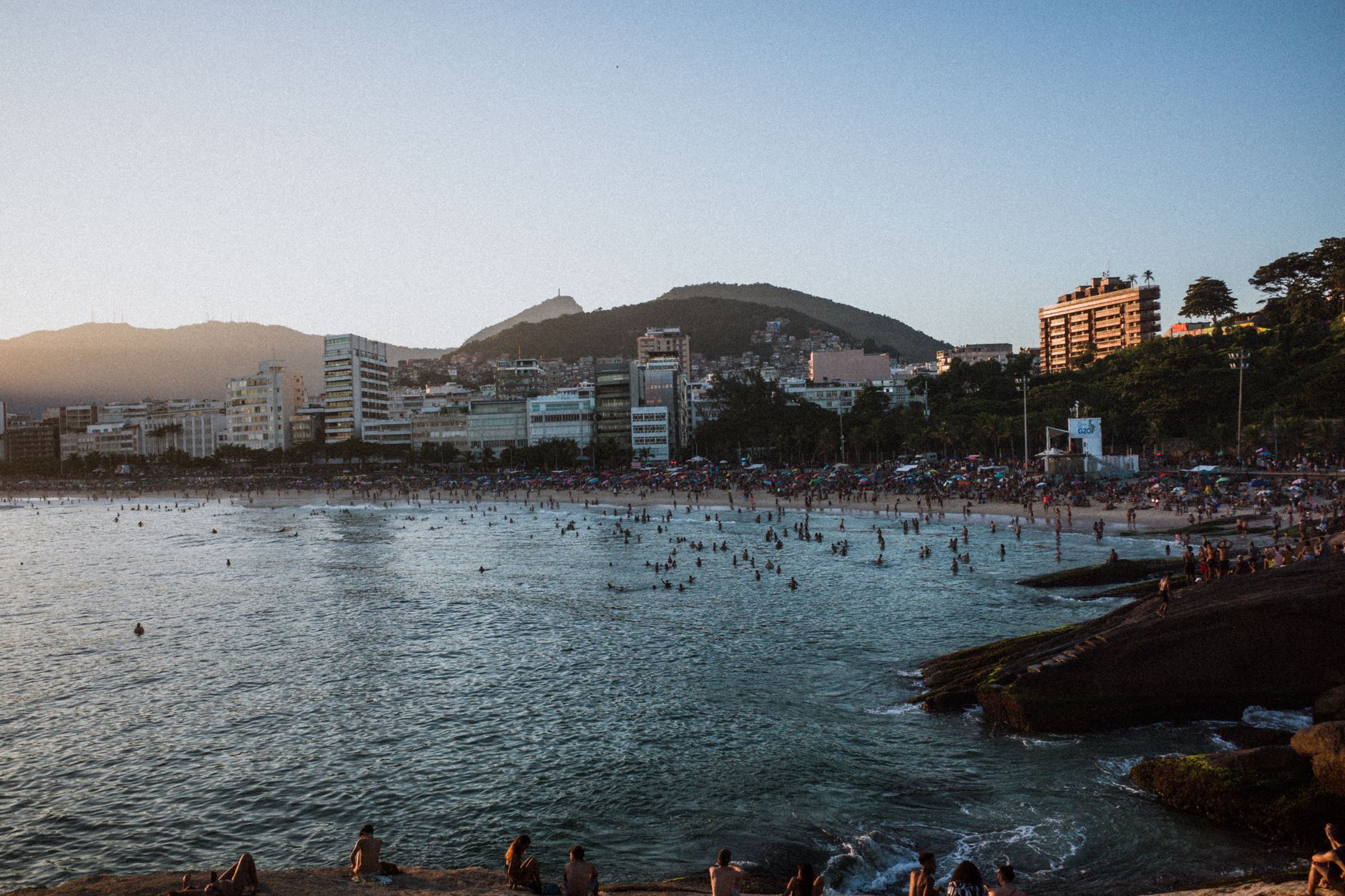
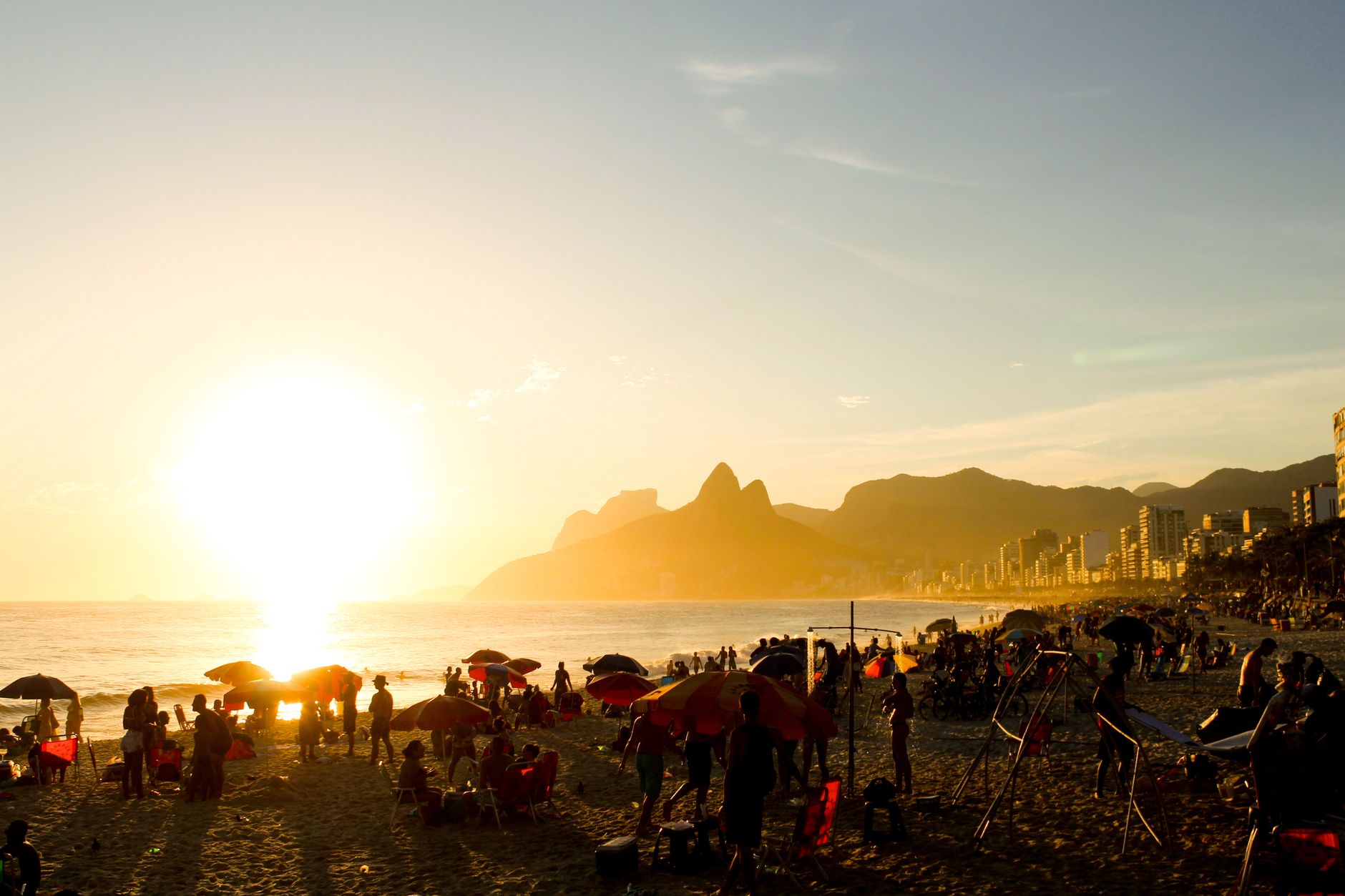
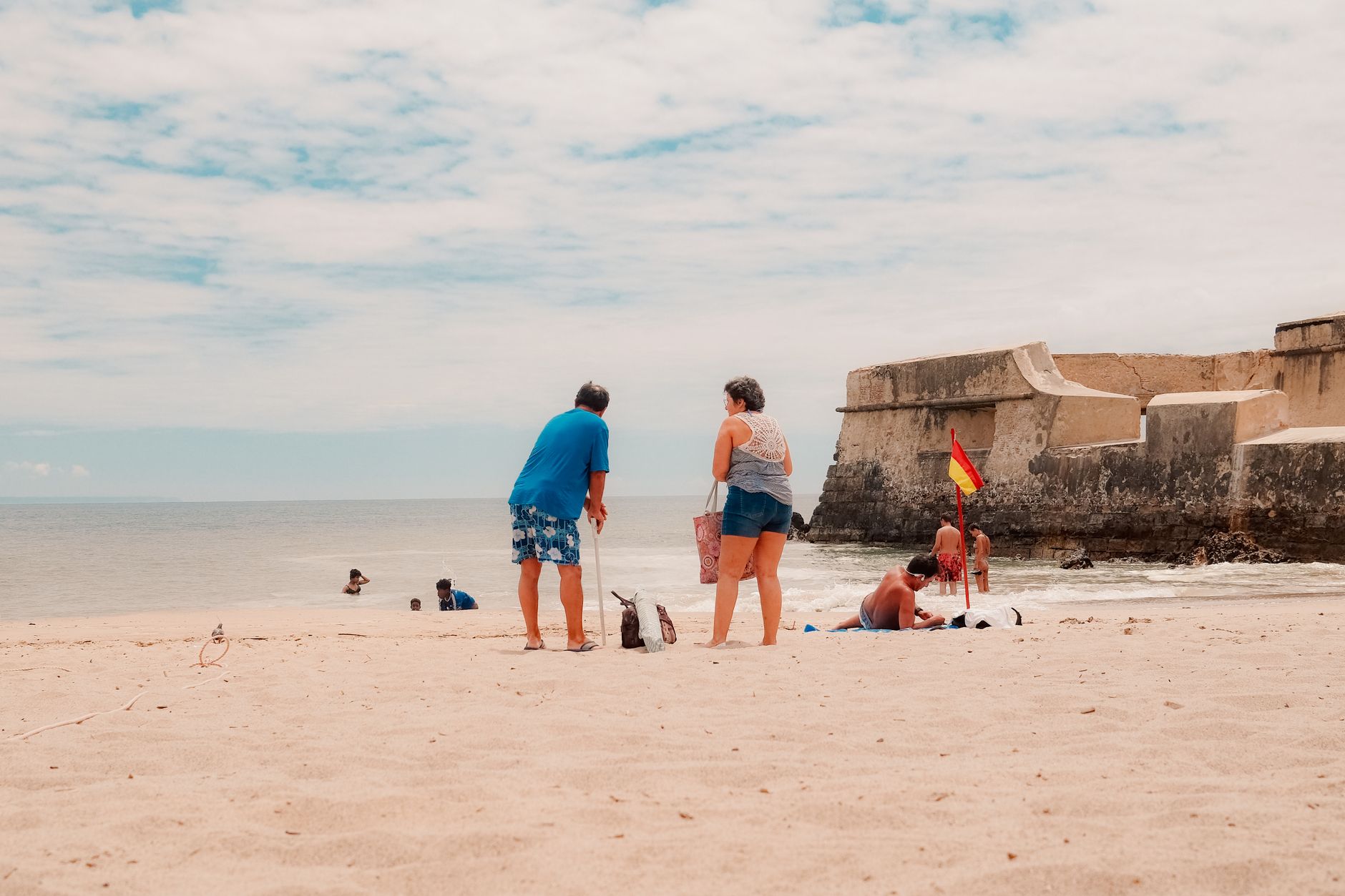
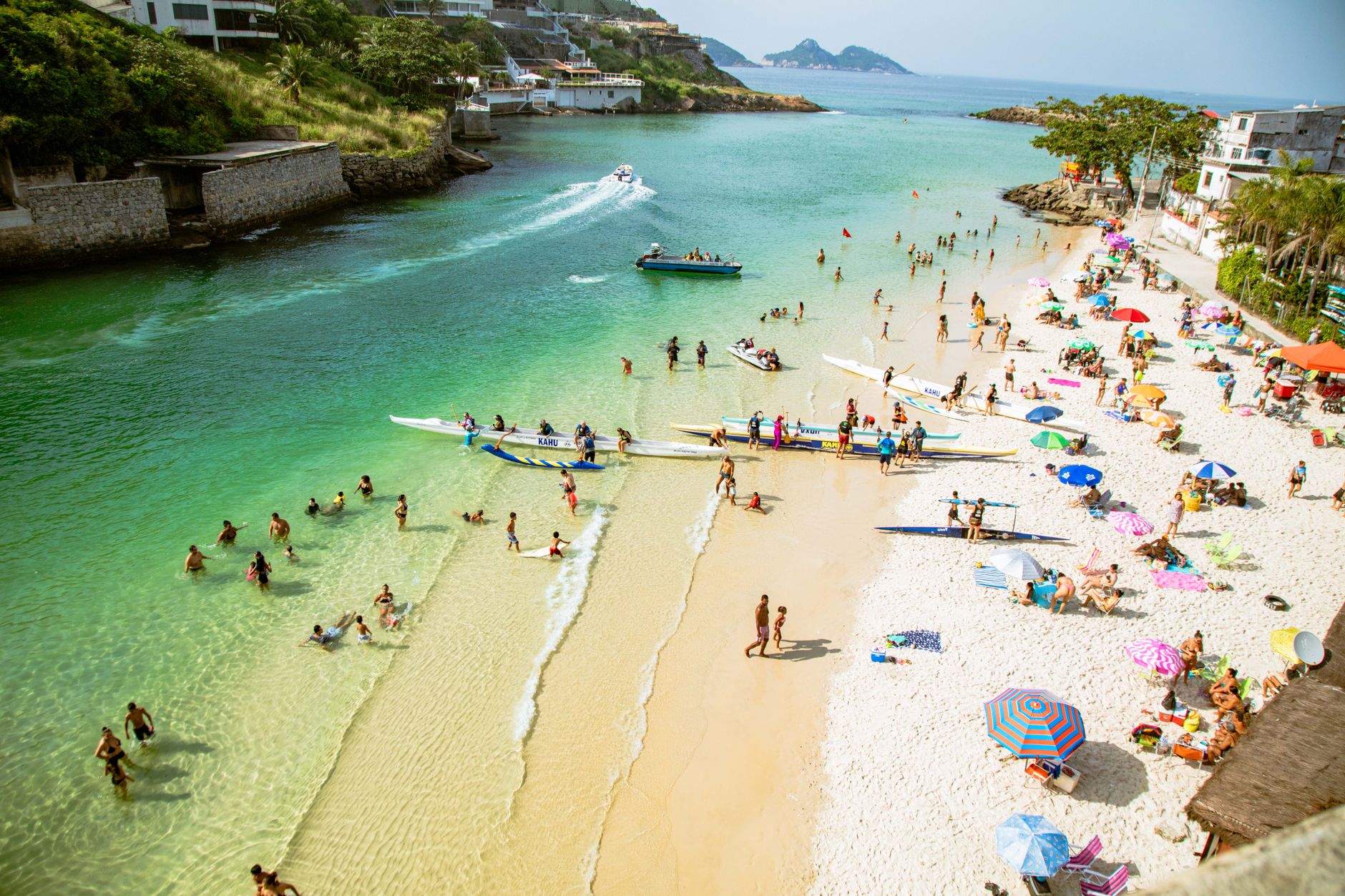
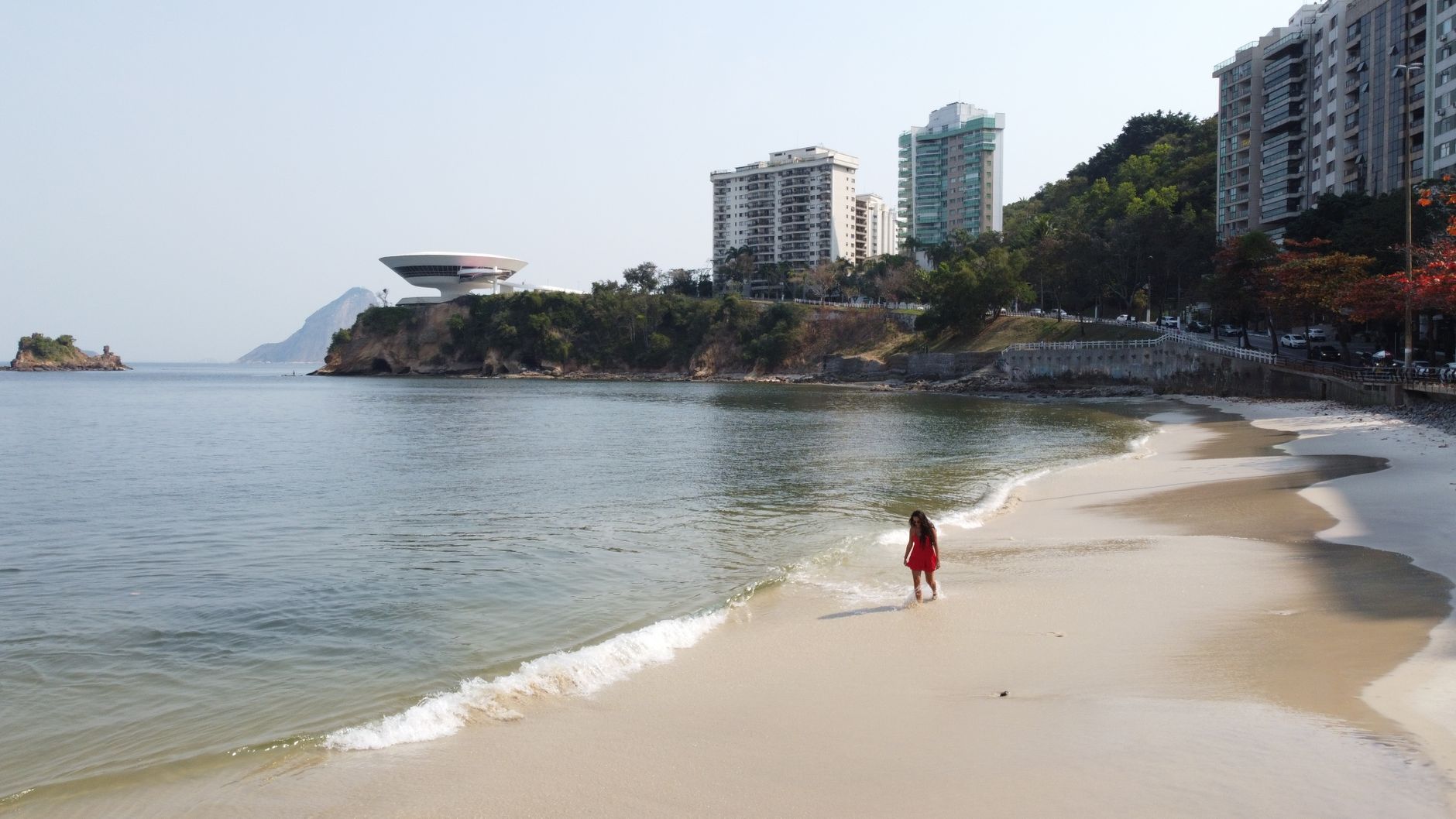
Across Guanabara Bay from Rio, close enough to see the Christ statue on clear days, Niterói earns its own attention rather than borrowing Rio's. The ferry from Praça XV costs about a dollar and takes twenty-two minutes — one of the better-value crossings in South America. On the far shore, Oscar Niemeyer's Museu de Arte Contemporânea sits on a clifftop like a flying saucer that decided to stay.
Niterói was the capital of Rio de Janeiro state for most of the nineteenth century, and that civic confidence still shows in the architecture and the seafront. The Caminho Niemeyer strings seven modernist buildings along eleven kilometres of coast, active rather than ceremonial. The city rewards the visitor who stays past the MAC.
💛 What travellers fall for
People who come back tend to time the ferry for late afternoon, when the light on the bay turns the bridge copper. They walk the Caminho Niemeyer on a Wednesday — free MAC entry — then climb Parque da Cidade before dusk for the view back across to Rio. The bridge looks improbably long from up there.
Deals in Niterói
Book directly at the provider

How Niterói came to be
On 22 November 1573, a Tupi-Temiminó chief named Arariboia was granted lands on the eastern shore of Guanabara Bay by the Portuguese — reward for his role in driving out French settlers. He founded a settlement there, making Niterói the only Brazilian city founded by a non-assimilated indigenous leader. The Portuguese later converted him and renamed him Martim Afonso, but the city's founding story remained his.
King John VI visited in 1816 and renamed the place Vila Real da Praia Grande. It became Niterói in 1835 and served as state capital from 1834 to 1894, when a monarchist naval revolt forced the capital to Petrópolis. Niterói recovered that status in 1903, held it until 1975, then lost it when Guanabara state merged with Rio de Janeiro State — a political reorganisation that left the city its confidence without the title.
Who and what shaped it
People who shaped it
Landmark buildings
See Niterói in motion
Plan your visit
On the map
When to go
February is the warmest month, with daytime highs around 32°C and a distinct rainy season running December through February — afternoon downpours are common but usually short. July is cooler and drier, evenings dropping to around 18°C, which makes it the most comfortable time to walk the seafront and climb the park.
Right now
Background & history adapted from Wikipedia (CC BY-SA) · specs from Wikidata (CC0) · weather from Open-Meteo · map data © OpenStreetMap contributors · photos from Wikimedia Commons / Unsplash with per-image credit. No third-party reviews or social posts reproduced.