
Luxor
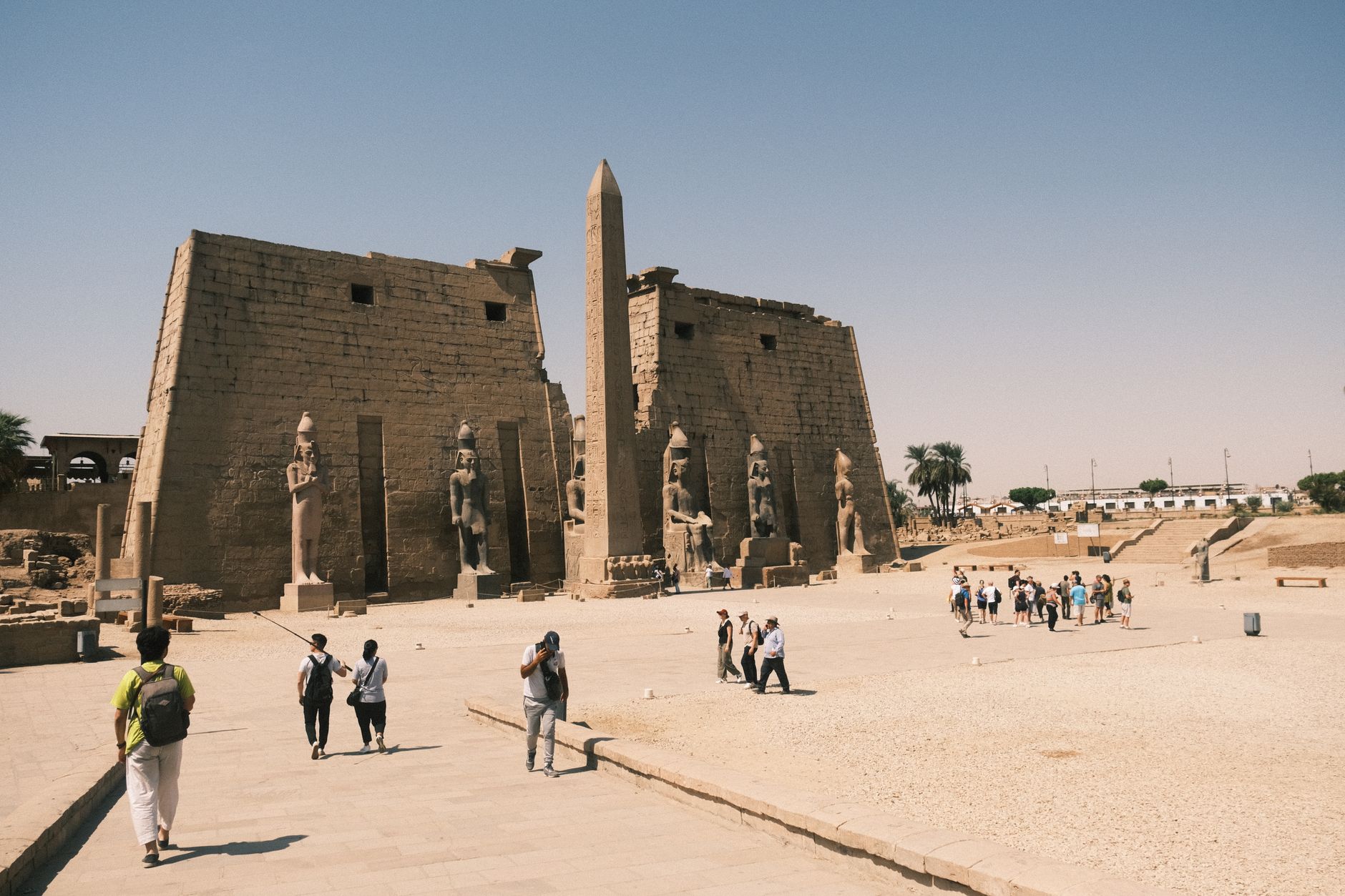
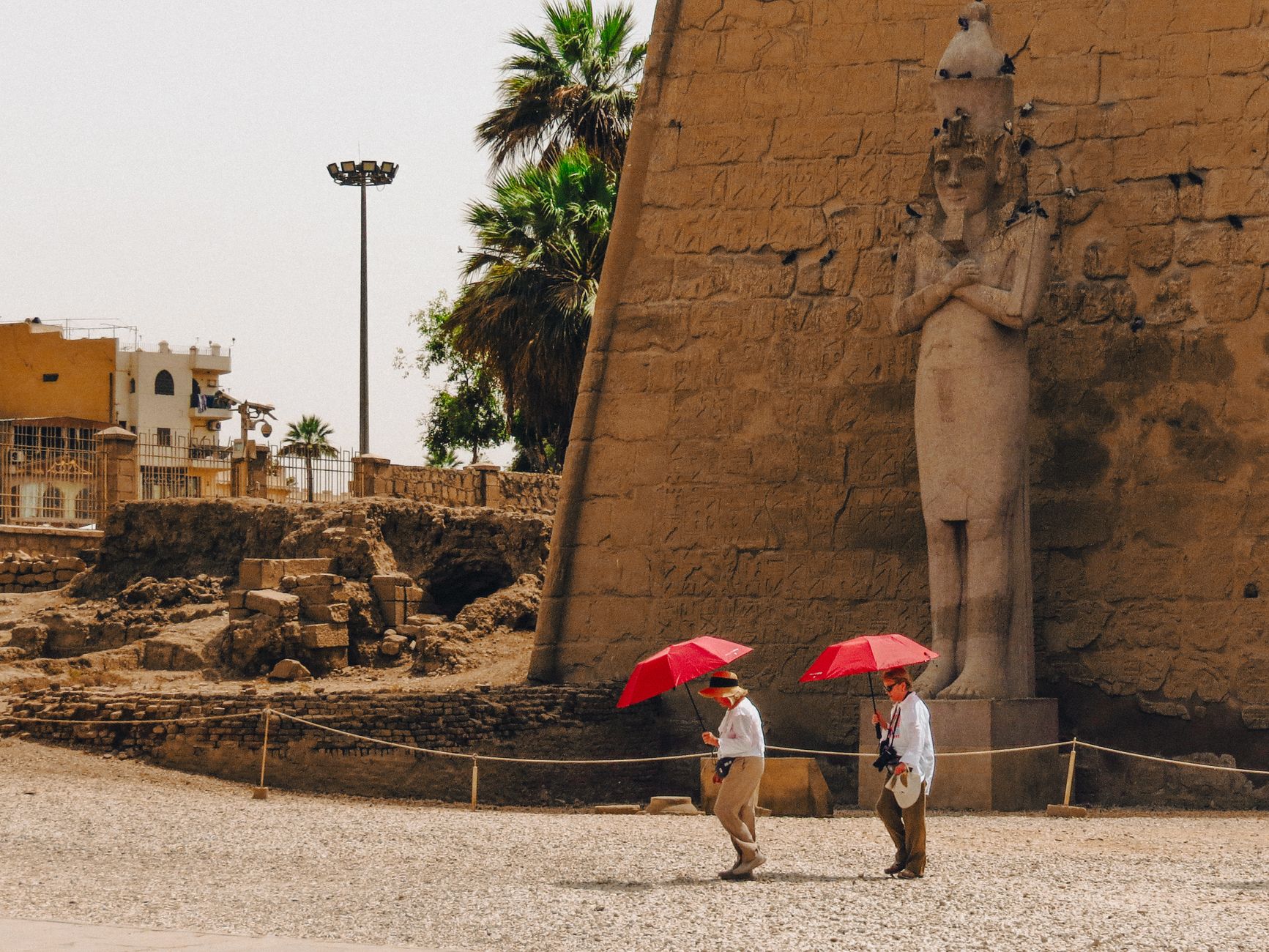
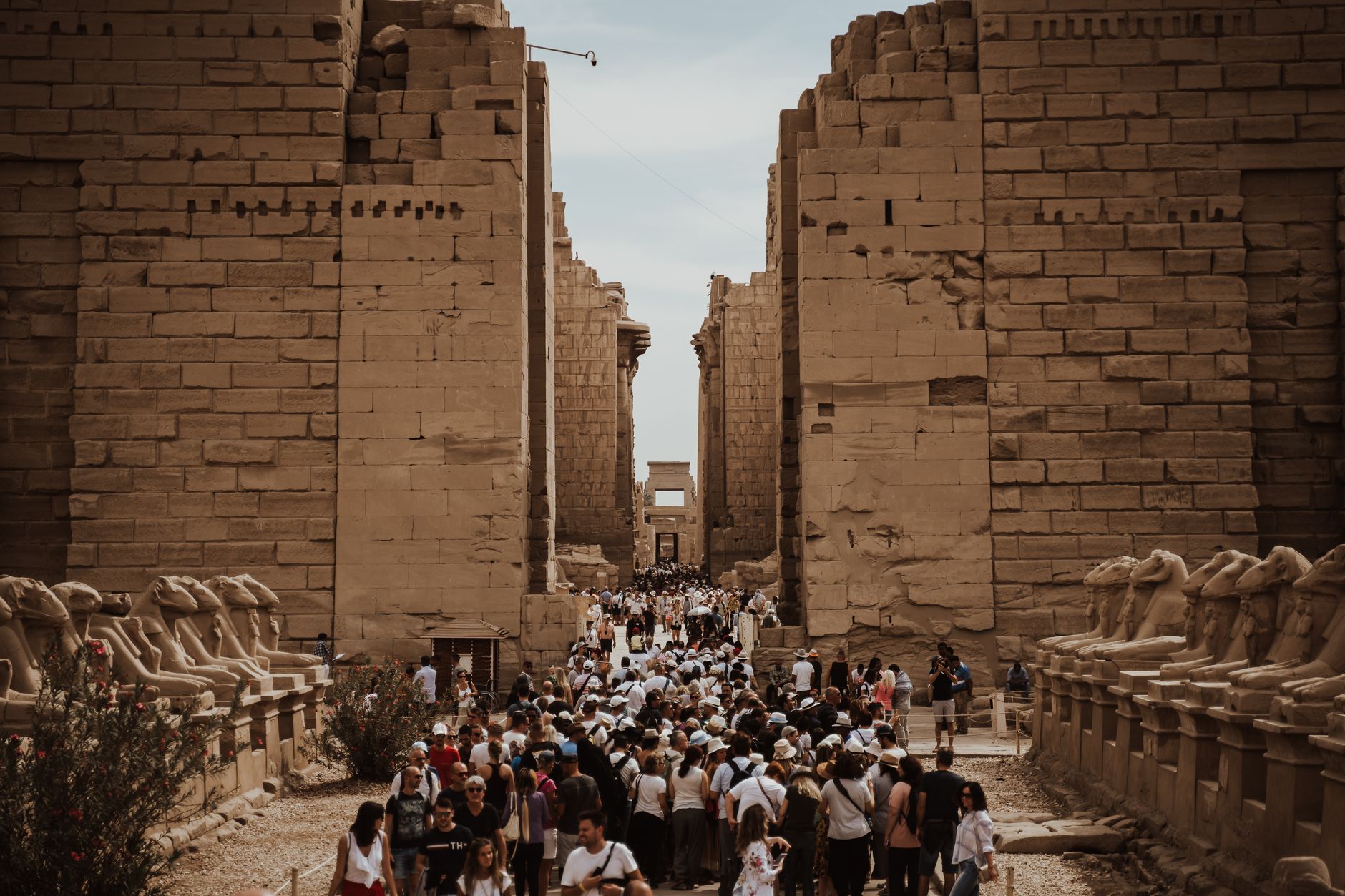
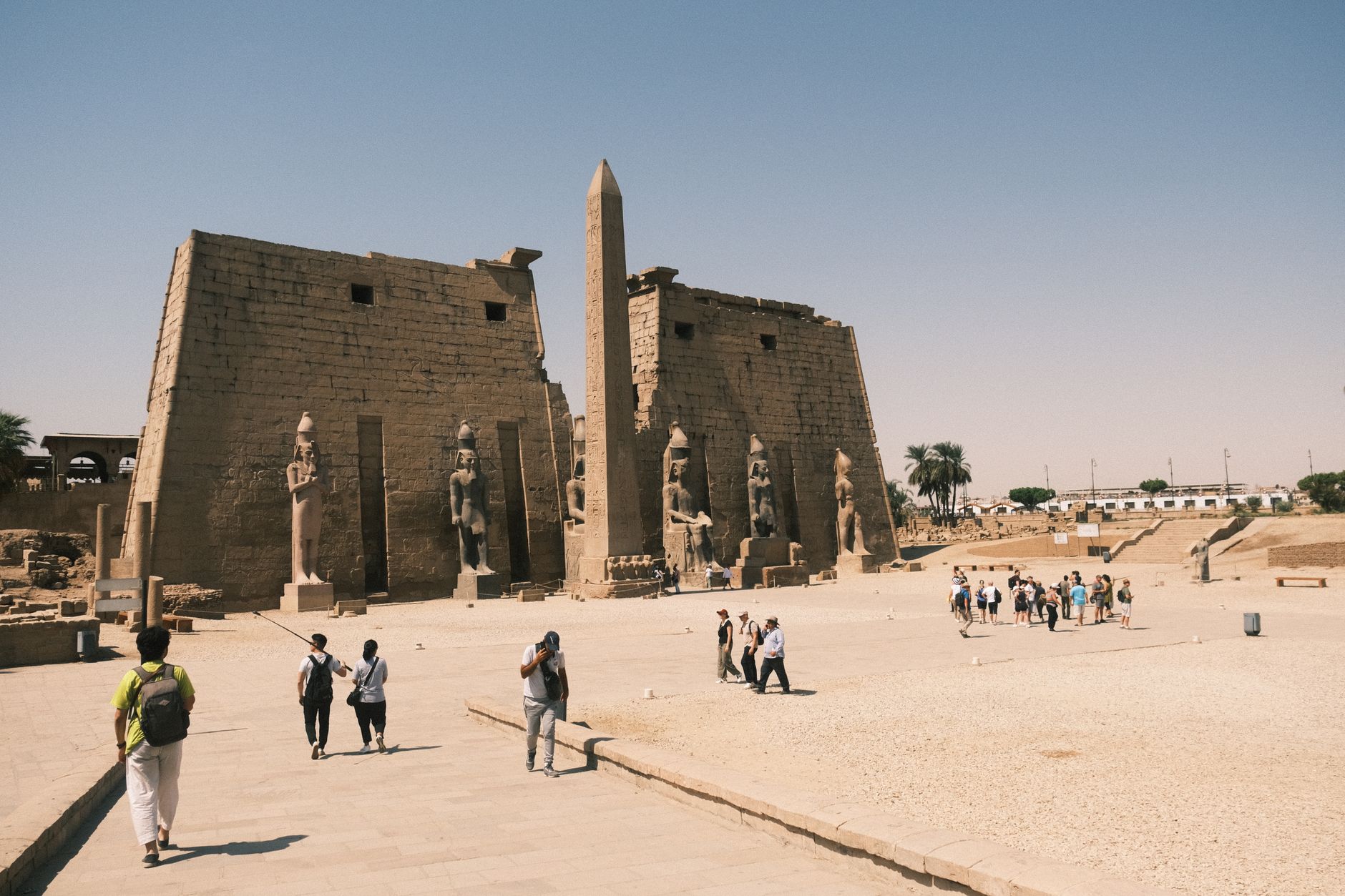
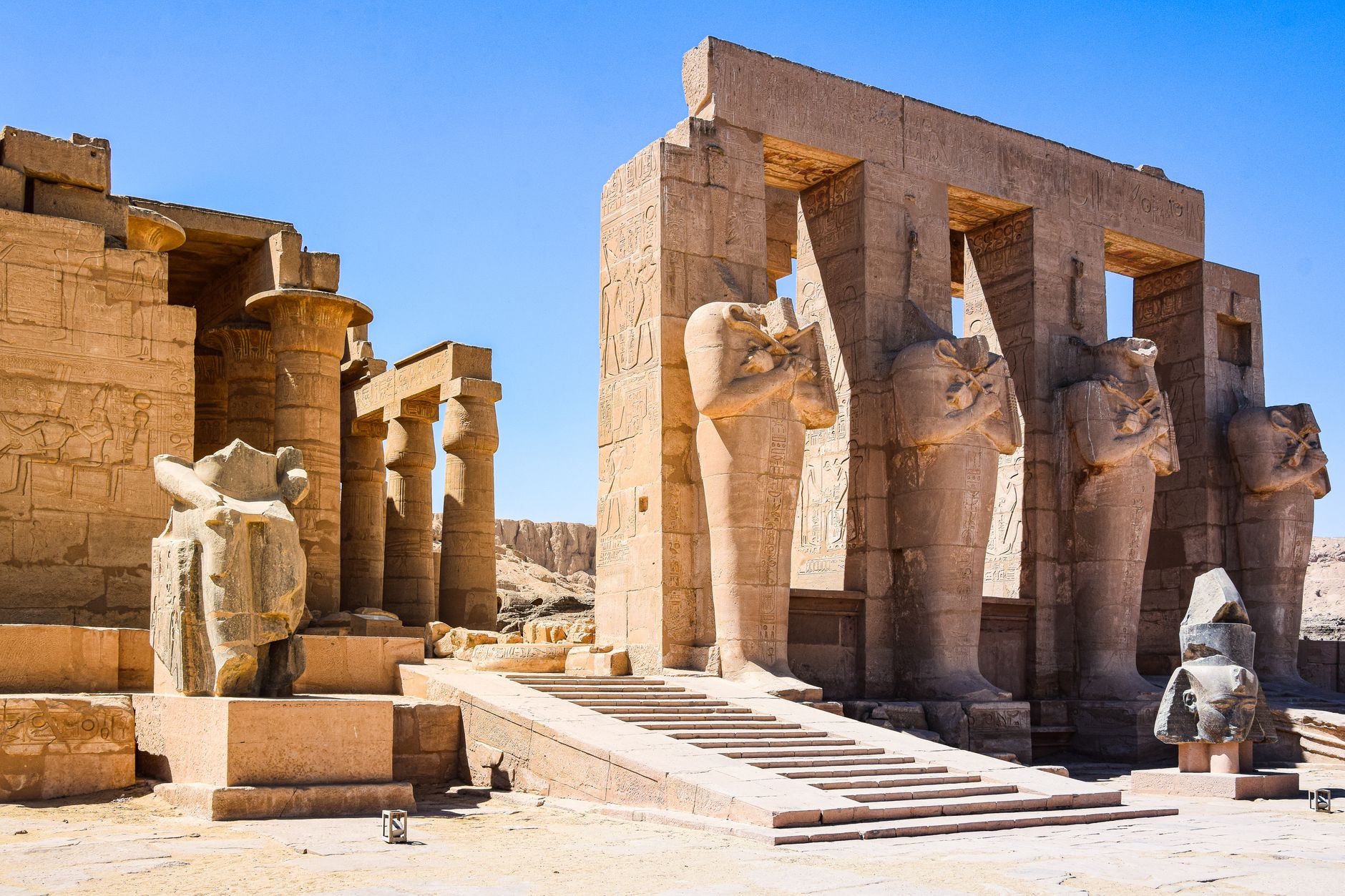
Stand at the entrance to Luxor Temple at dusk and the scale of the place takes a moment to register — the seated stone Ramesses IIs, each one taller than a house, still holding their ground after three thousand years. This is a city built on top of the ancient capital of Thebes, where more than a million people once lived and where the New Kingdom pharaohs raised monuments that have outlasted every empire that came after.
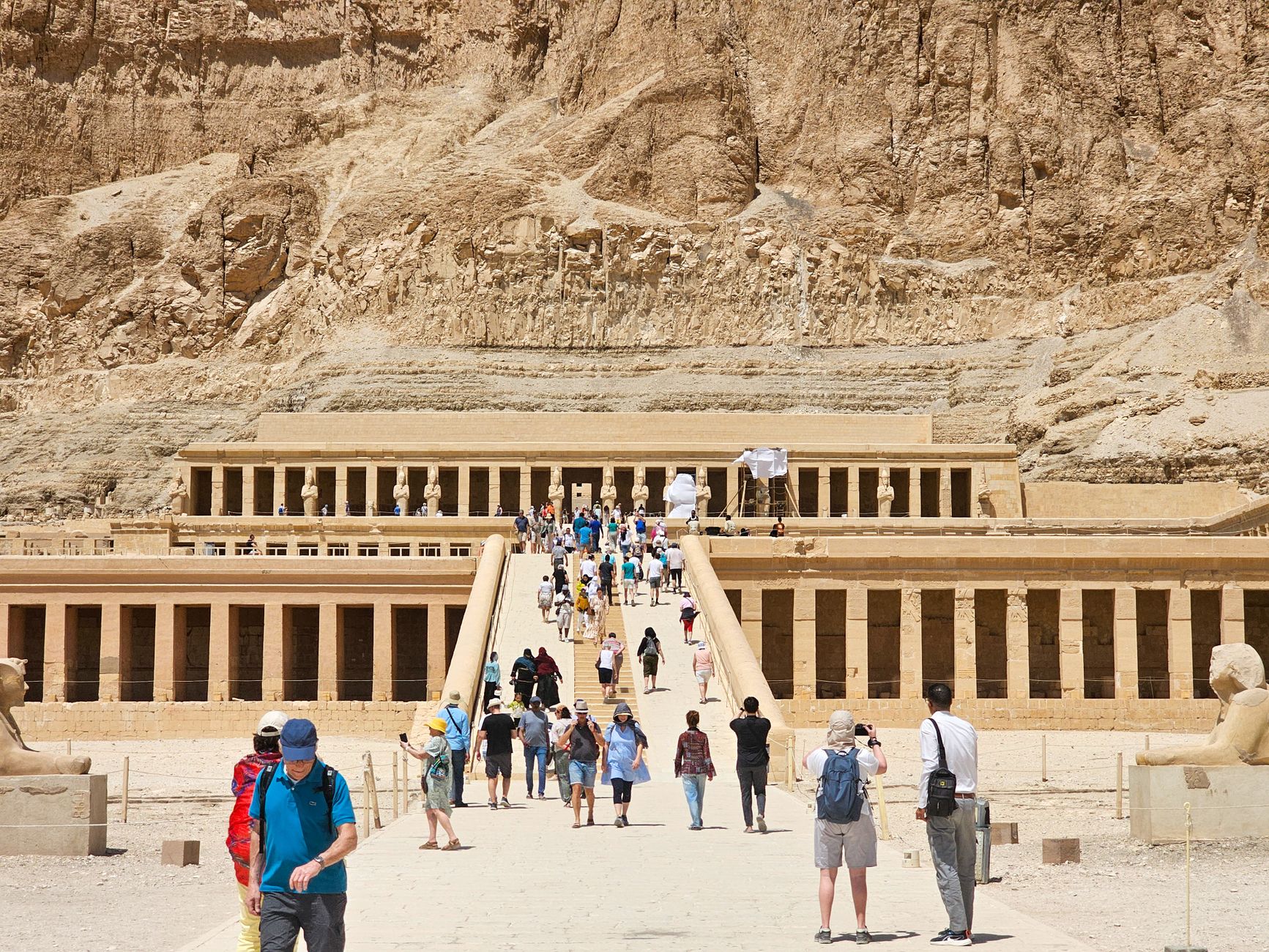
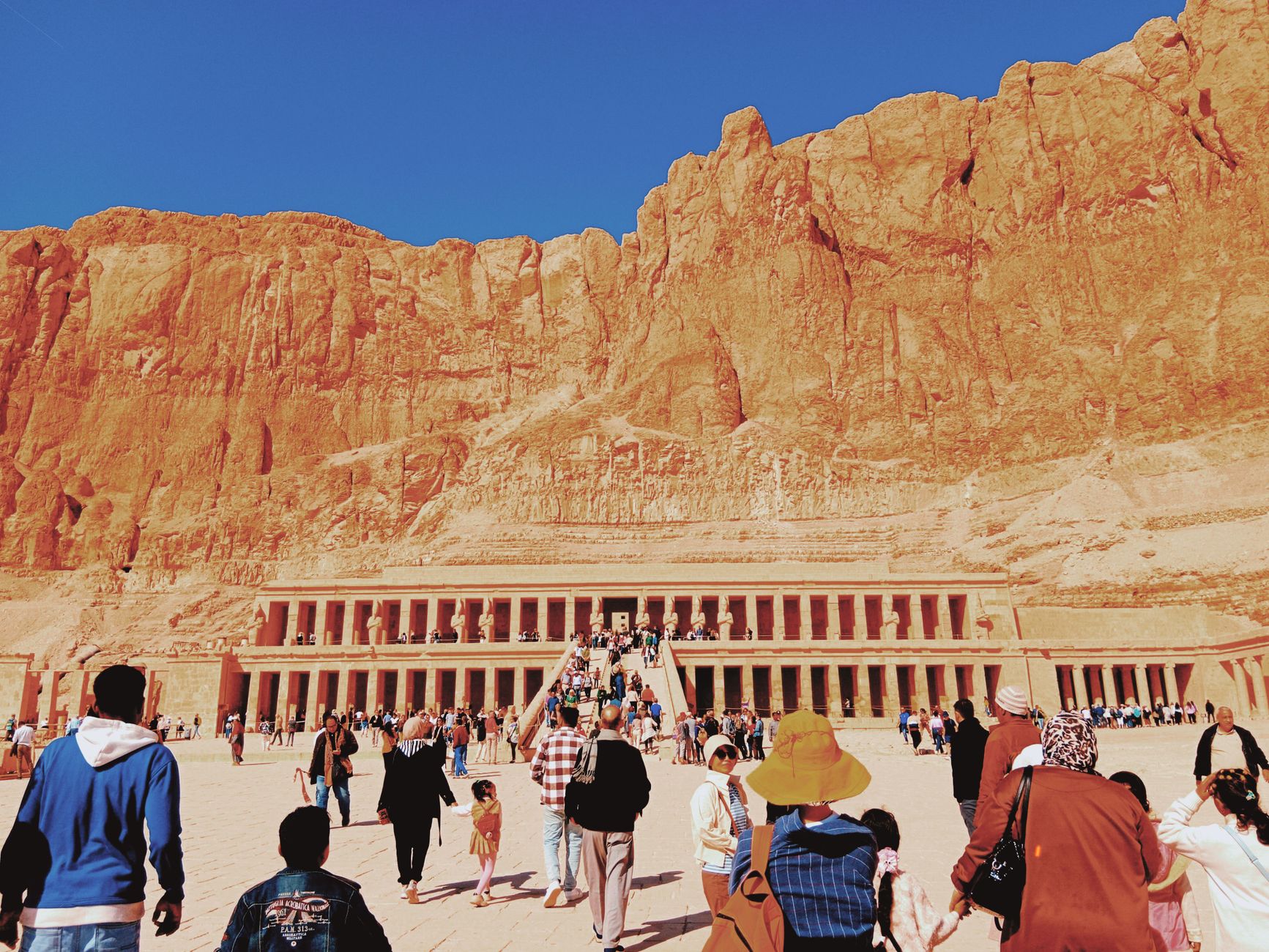
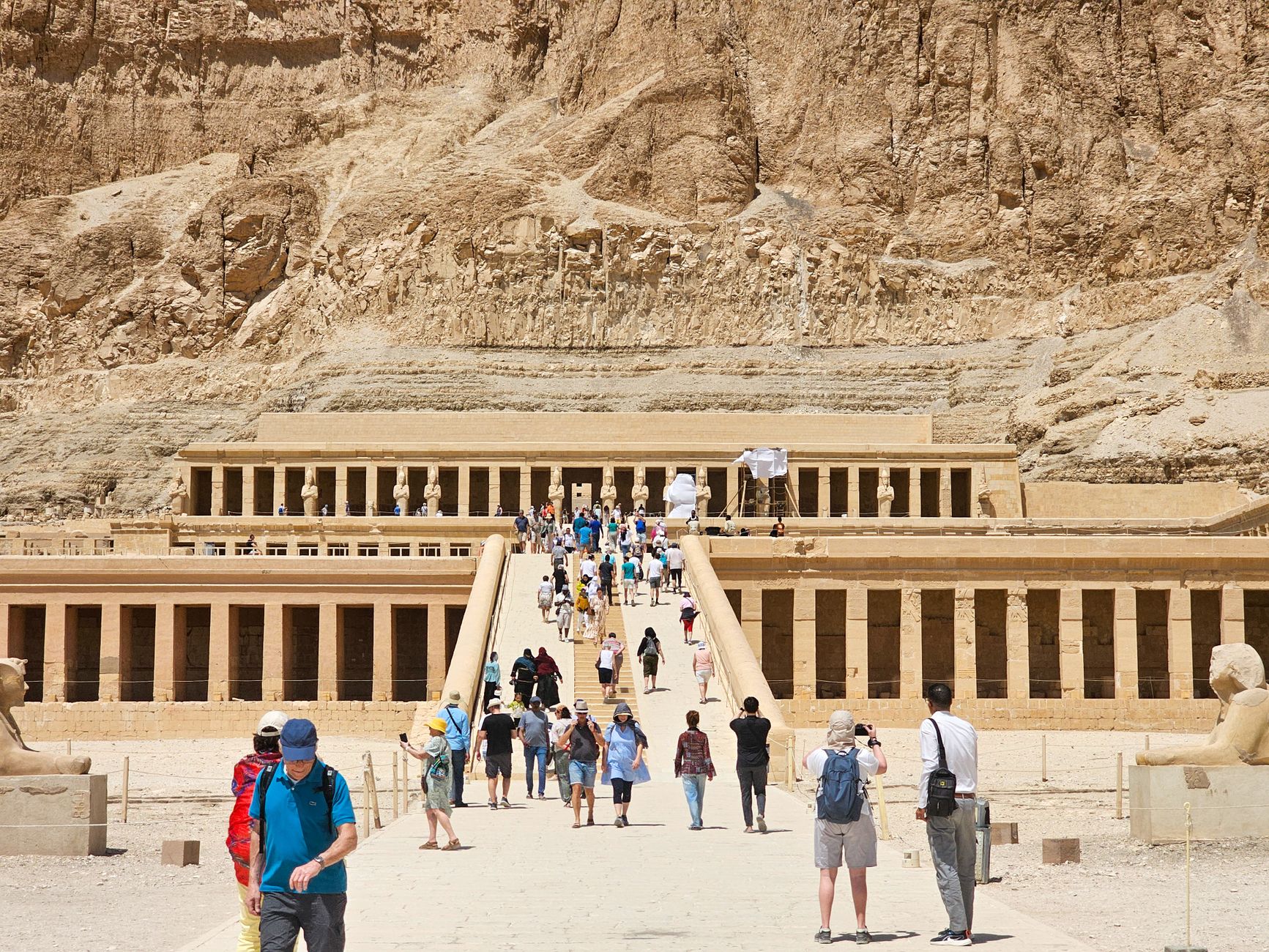
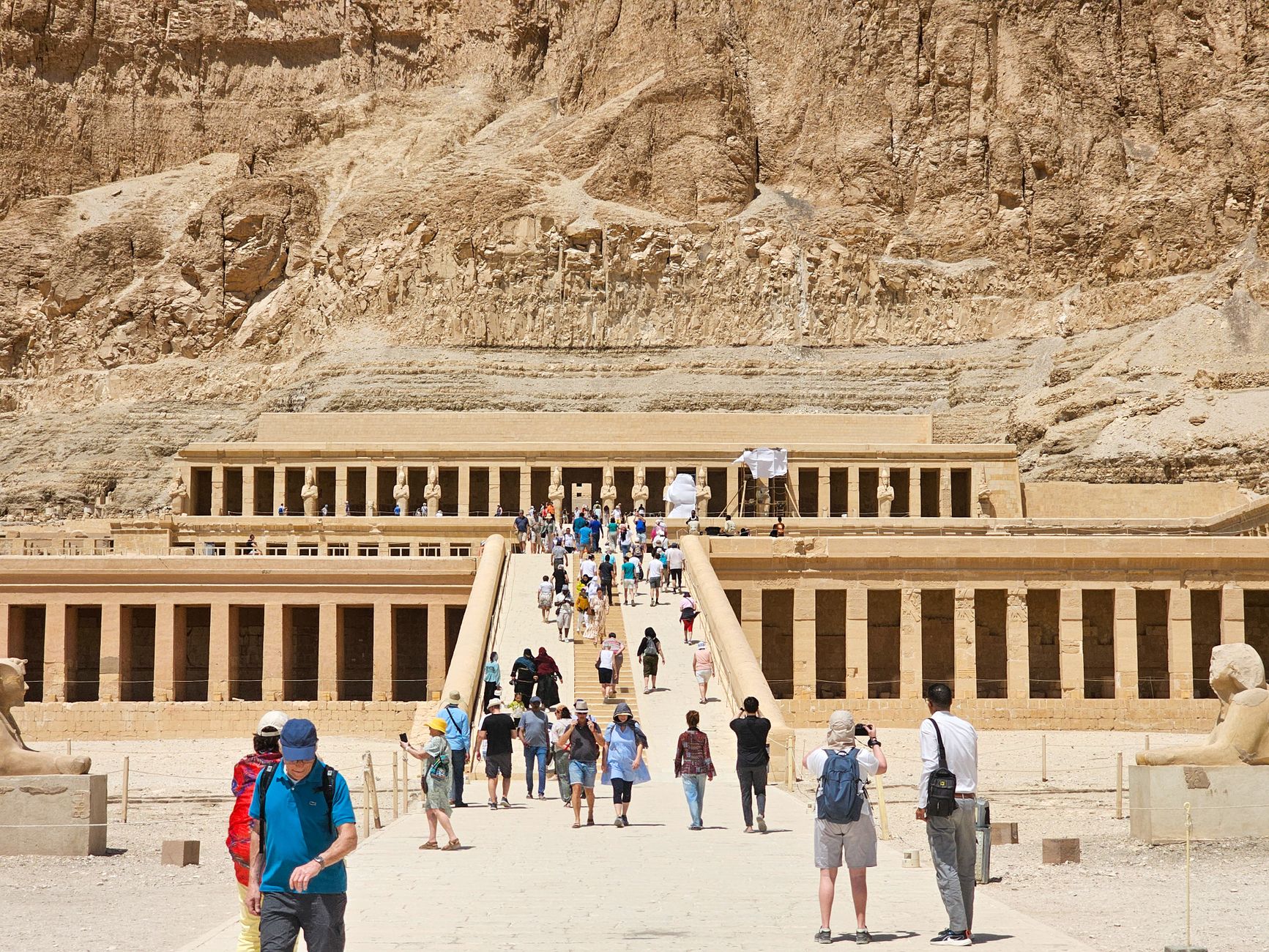
Luxor sits on both banks of the Nile, and the divide is real: the East Bank holds the great temple complexes, the West Bank the tombs and mortuary temples. A few days here barely scratches it.
Popular cities in Luxor

💛 What travellers fall for
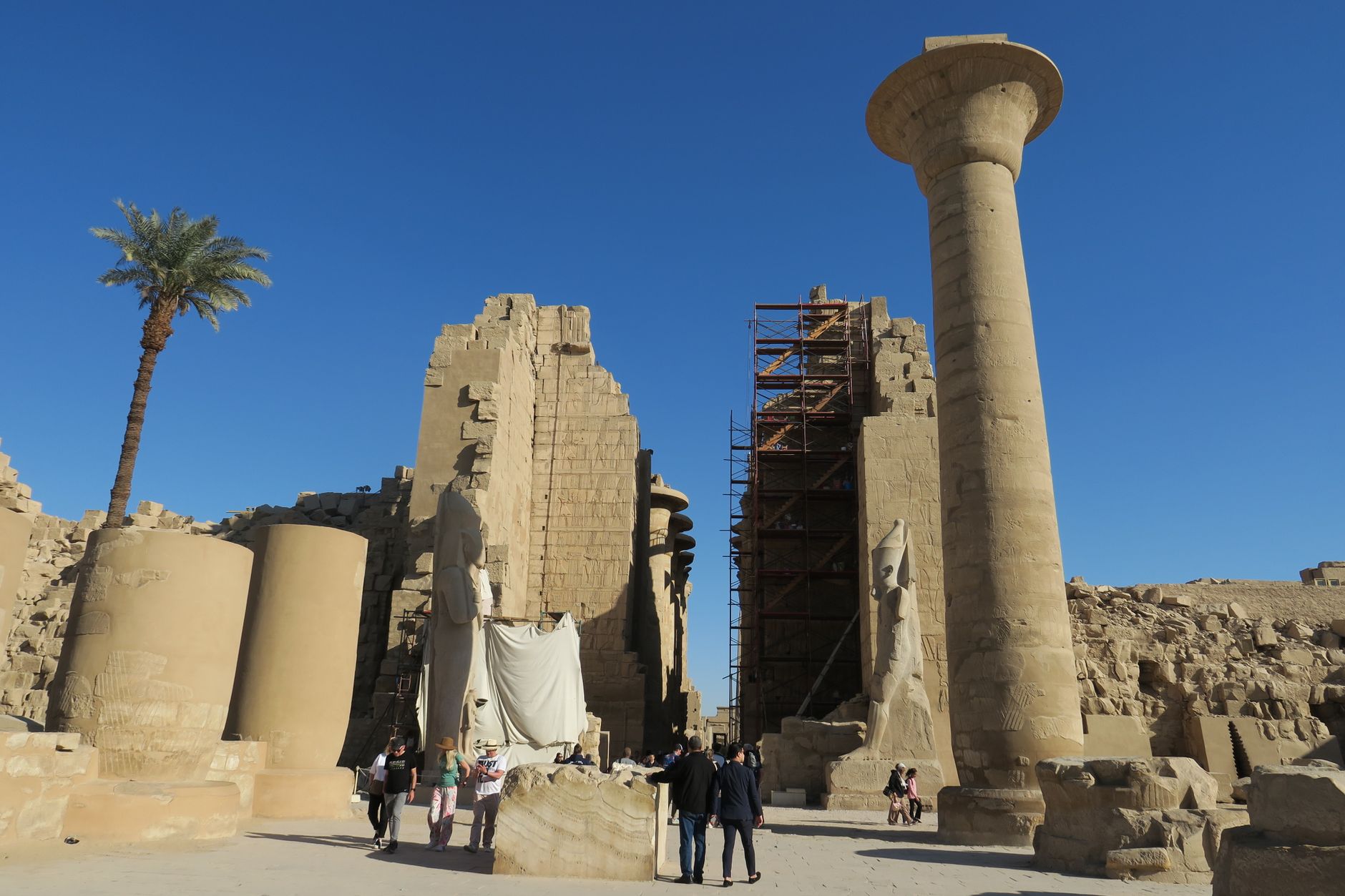
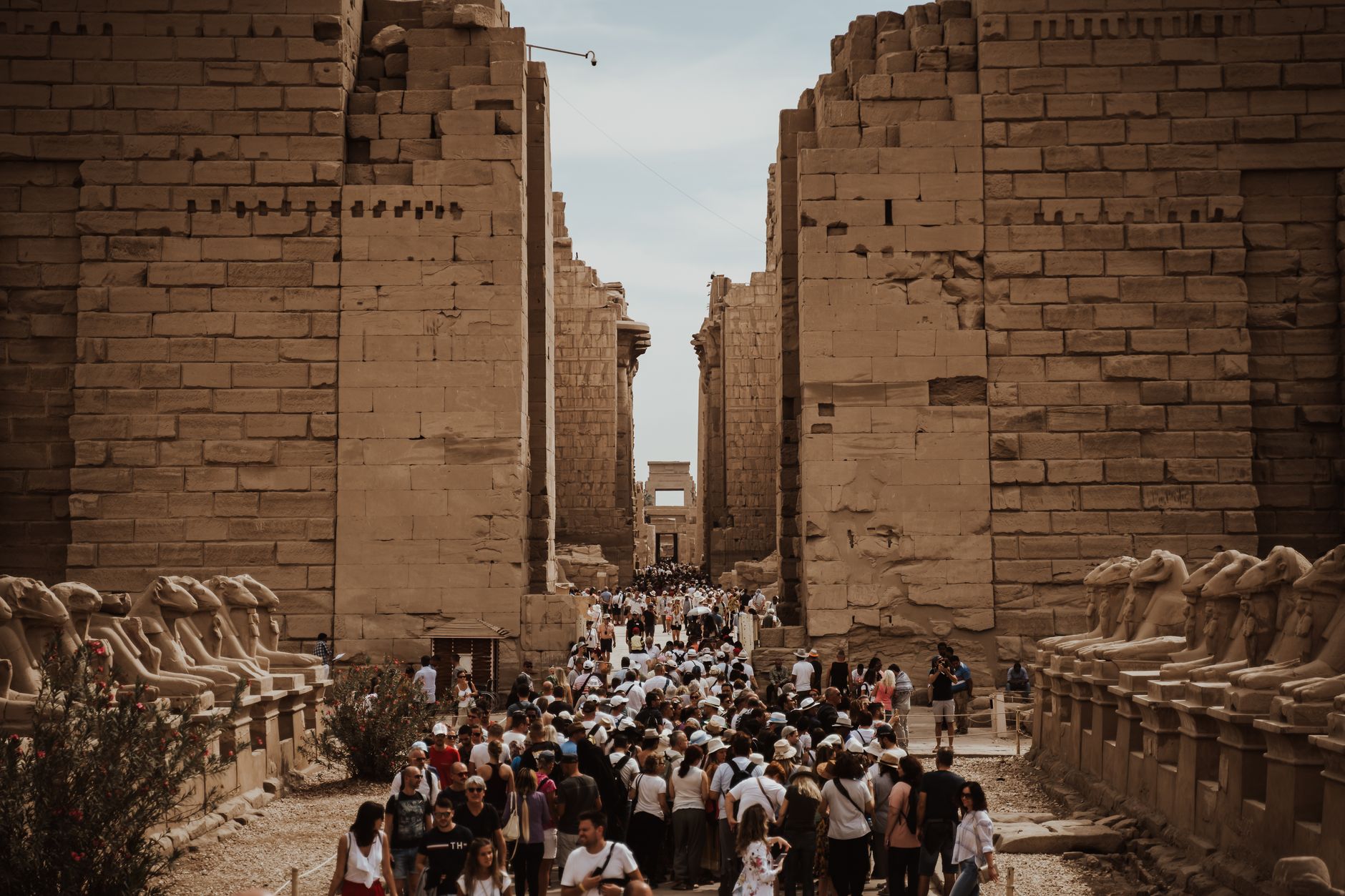
Return visitors tend to head straight to Karnak at opening, before the tour groups arrive. The Great Hypostyle Hall — 134 columns, each one painted in its original day — reads differently in early morning light than at midday. Most also book the Luxor Museum before the Valley of the Kings; the New Kingdom sculptures there put everything you see in the tombs into sharper focus.
How Luxor came to be
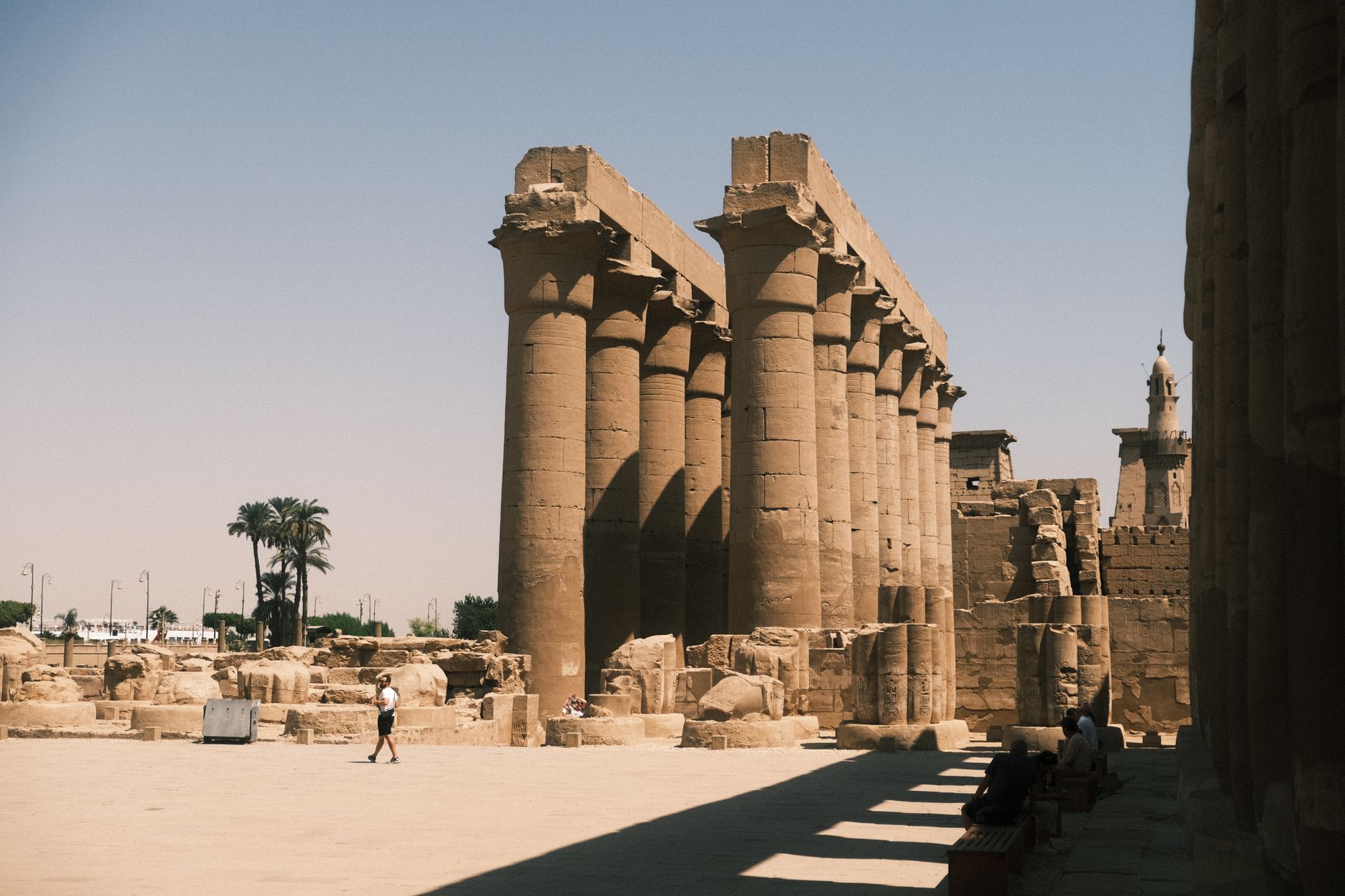
The city's roots reach back to around 2000 BCE, when it was known as Waset — later called Thebes by the Greeks. It rose to its greatest power during the New Kingdom (1549–1069 BCE), serving as the imperial capital at a time when its population exceeded a million people. Karnak Temple began under Senusret I around 1971 BCE and was added to for more than a thousand years, with Hatshepsut, Seti I and Ramesses II all leaving their mark. Luxor Temple followed around 1400 BCE, commissioned by Amenhotep III and extended by Ramesses II.
After the pharaohs came the Romans, who built a military fort on the site. Arab settlers named it Al Uqsur — the fortifications — which became Luxor. In 2025 the city was recognised as the inaugural World Capital of Culture, History and Heritage.
Who and what shaped it
People who shaped it
Landmark buildings
See Luxor in motion
Plan your visit
On the map
When to go
Luxor has a subtropical desert climate: winters (October to February) are warm and dry, with daytime temperatures in the low-to-mid twenties Celsius — genuinely comfortable for walking between sites. Summers are severe, with temperatures regularly exceeding 40°C; if you visit then, plan all outdoor movement before 9 AM.
Right now
↡ Cities

Background & history adapted from Wikipedia (CC BY-SA) · specs from Wikidata (CC0) · weather from Open-Meteo · map data © OpenStreetMap contributors · photos from Wikimedia Commons / Unsplash with per-image credit. No third-party reviews or social posts reproduced.