
Luxor City
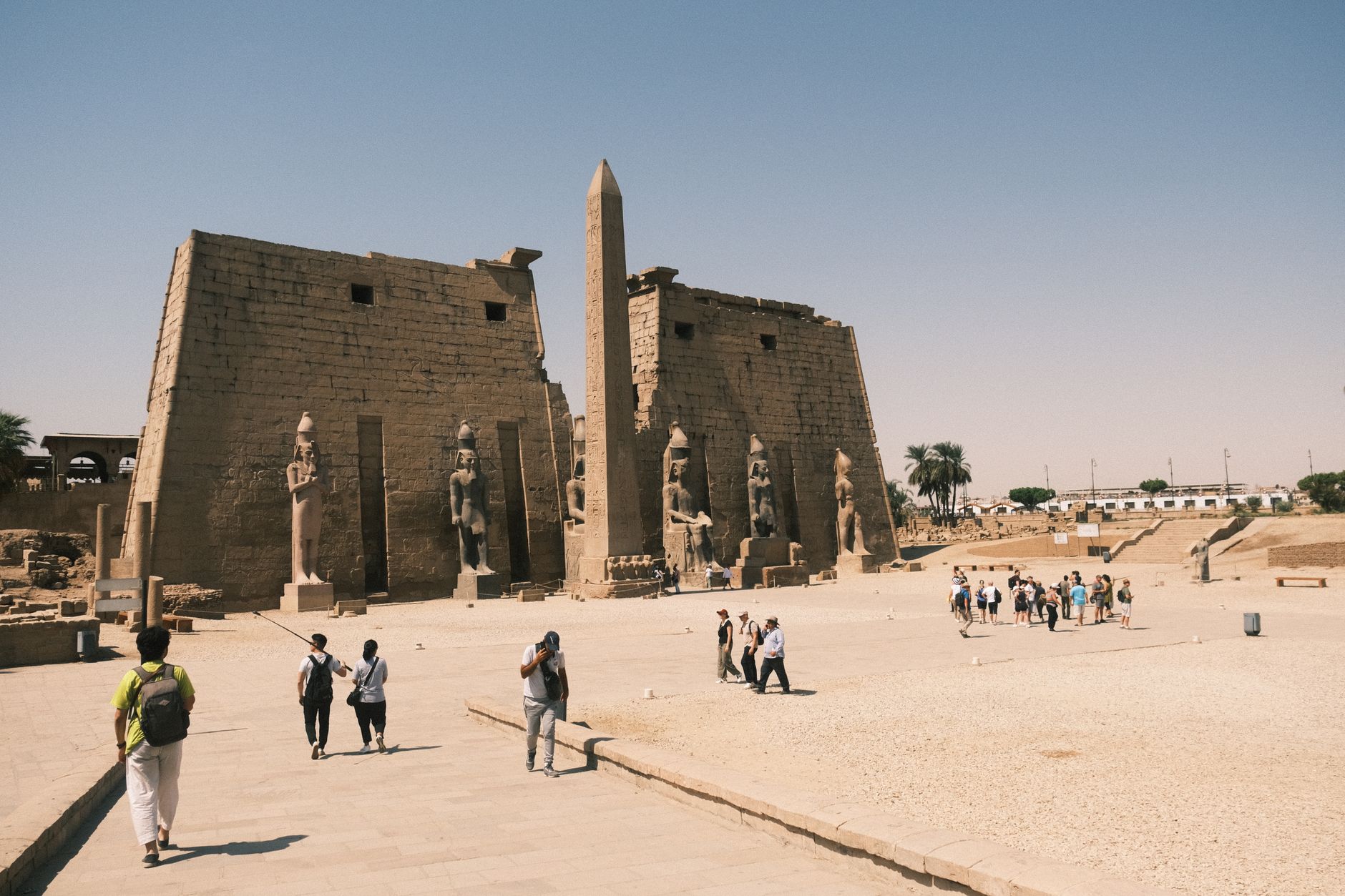
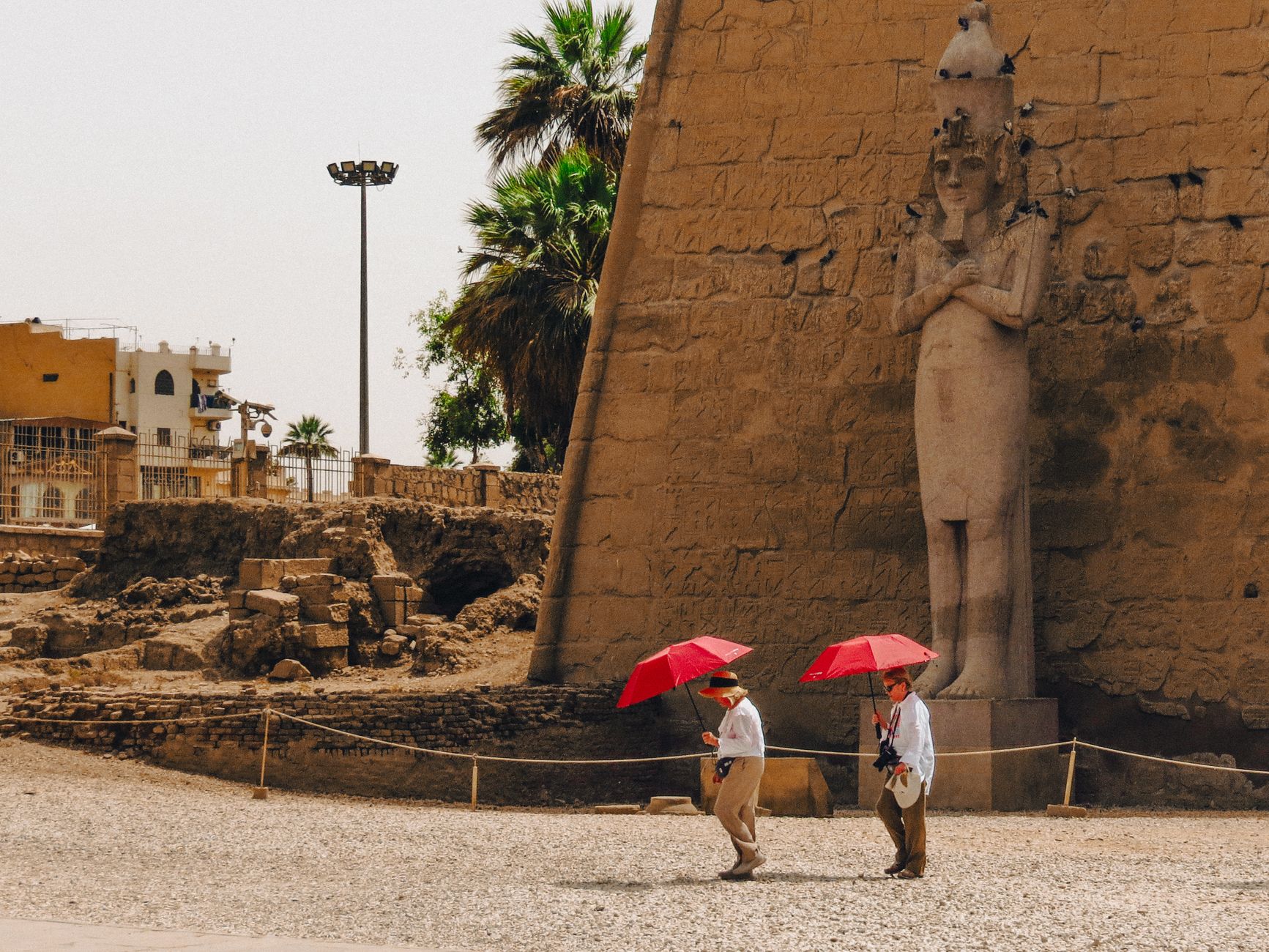
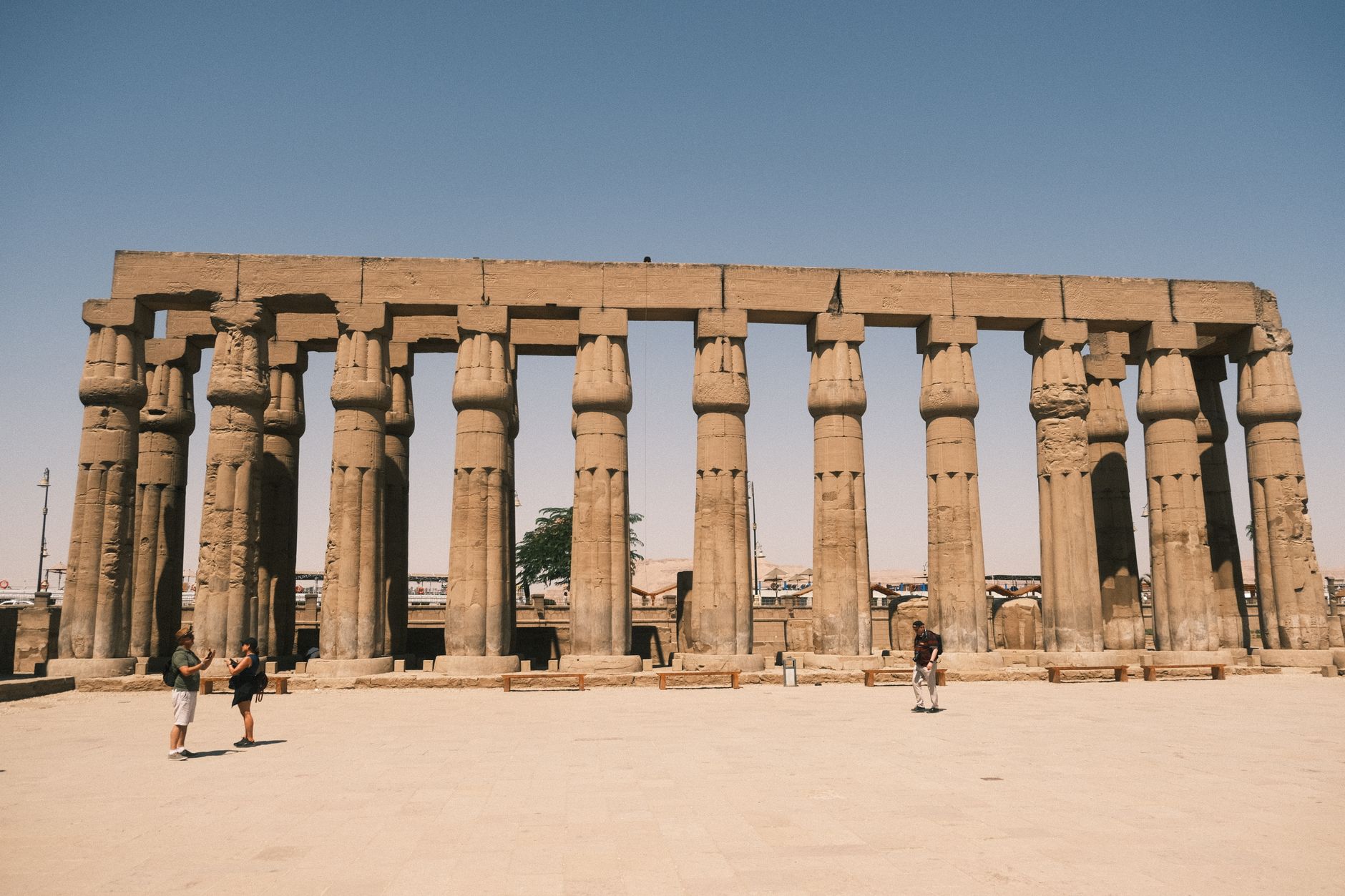
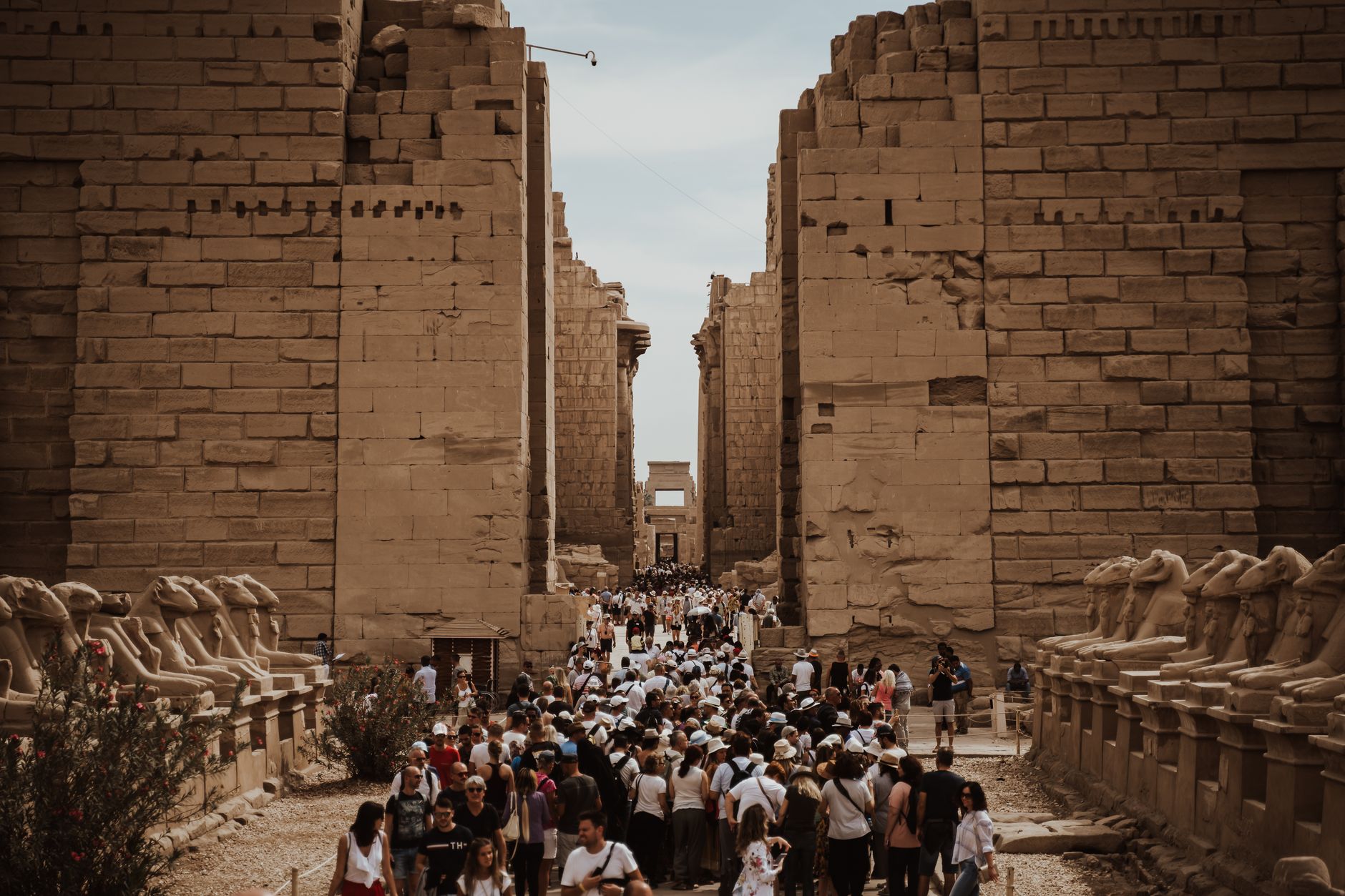
One obelisk still stands at the entrance to Luxor Temple — the other was shipped to Paris in 1833 and now rises above the Place de la Concorde. That detail tells you something about this city: its monuments have been coveted, borrowed, built over and built upon for three thousand years, and they are still here, still in use, still at the centre of daily life on the east bank of the Nile.
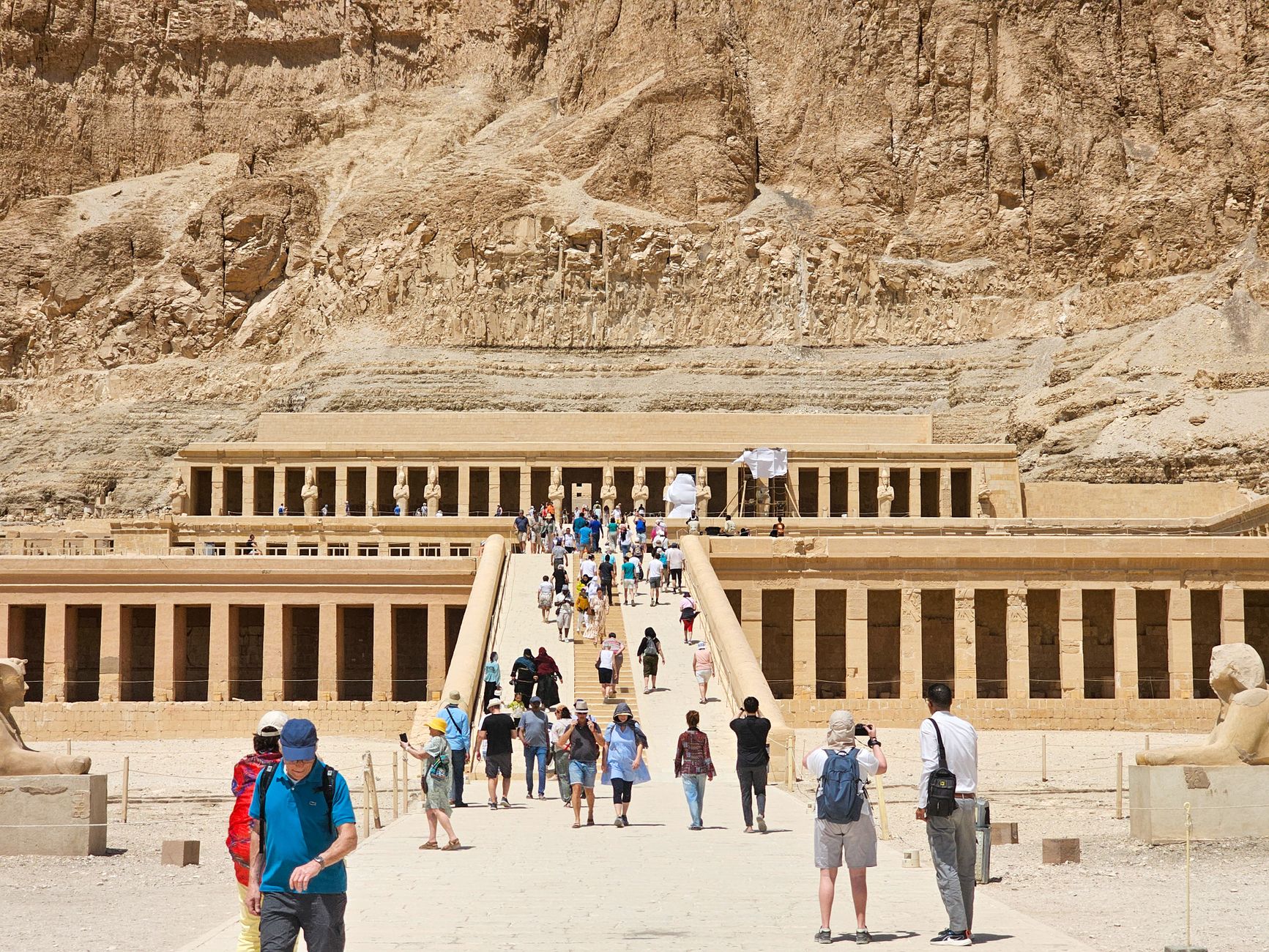
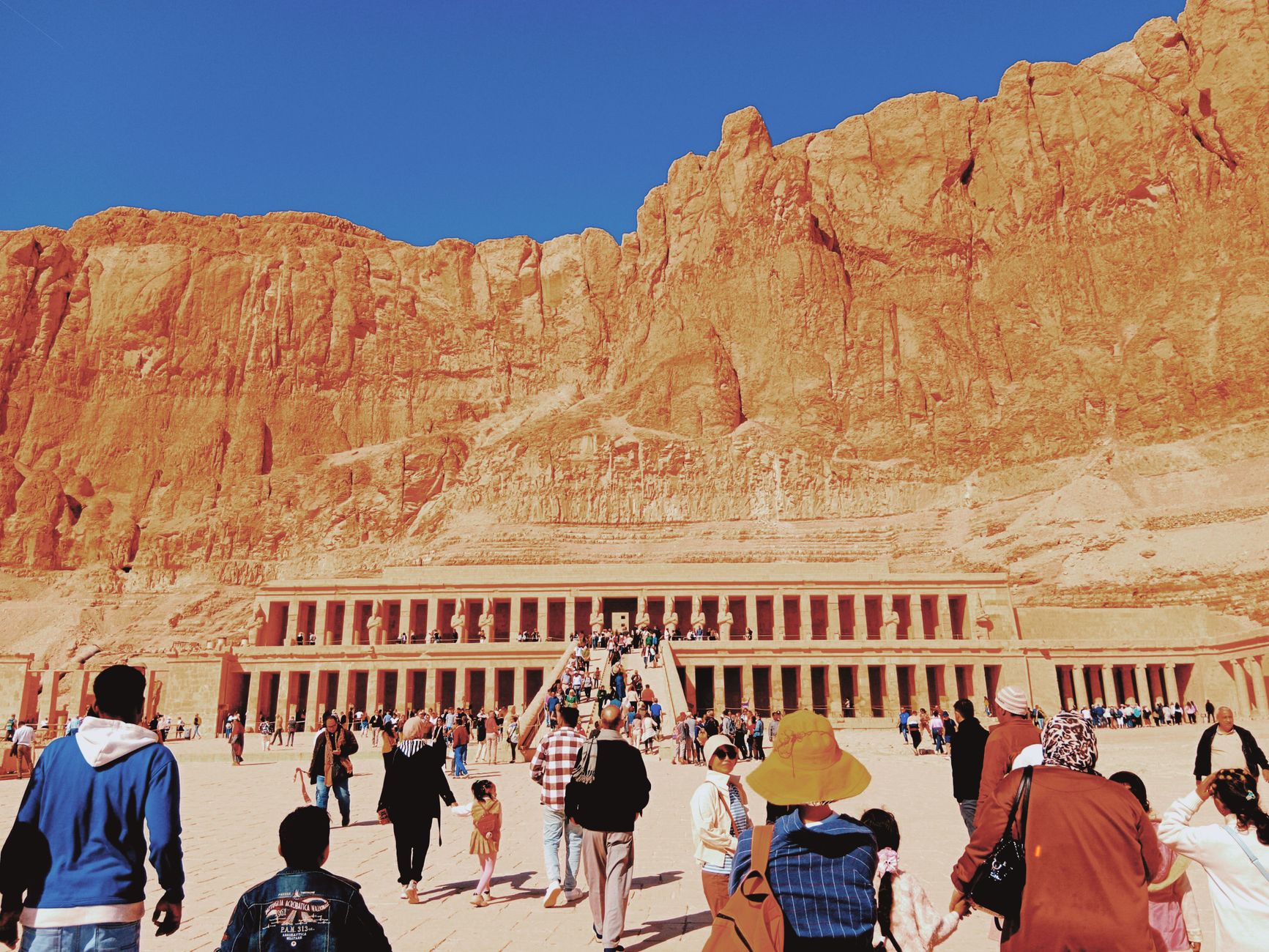
Luxor is a small city of roughly 285,000 people that happens to sit on the ruins of ancient Thebes, capital of the Egyptian empire at its height. The Temple of Luxor stands in the city centre. The Avenue of Sphinxes runs 2.7 kilometres to Karnak. The West Bank — with the Valley of the Kings, Medinet Habu, and the Colossi of Memnon — is a short ferry ride across the river.
💛 What travellers fall for
People who come back tend to say the same thing: go to Luxor Temple in the evening, after the heat breaks, when the floodlights turn the sandstone amber. The crowds thin, the calls to prayer layer over each other across the city, and the mosque of Sheikh Yūsuf al-Ḥaggāg — built on top of the temple's Ramesside court — glows above you. It earns the return visit.
Deals in Luxor City
Book directly at the provider


How Luxor City came to be
Settlement here reaches back to around 3200 BCE, but Luxor's defining chapter opened in the 11th Dynasty, roughly 2000 BCE, when the city known as Waset — later called Thebes by the Greeks — began its rise. By the New Kingdom it was the capital of an empire. Amenhotep III commissioned the Temple of Luxor around 1390 BCE to honour Amun, Mut, and Khons; Ramses II expanded it, adding the great pylon and his own colossal statues. The Avenue of Sphinxes connecting it to Karnak was begun in the New Kingdom and completed under Nectanebo I in the 4th century BCE.
Layers accumulated over millennia. A Roman legion made its headquarters inside the 18th-dynasty temple. Coptic Christians built churches within the complex. In the Fatimid period a mosque rose over those church foundations, dedicated to the local saint Sheikh Yūsuf al-Ḥaggāg. When Alexander the Great arrived at the temple of Amun during the Opet Festival, he was already entering a place ancient by his own standards. In 1979, UNESCO designated the site — together with Karnak, the Valley of the Kings, and the Valley of the Queens — a World Heritage site.
Who and what shaped it
People who shaped it
Landmark buildings
See Luxor City in motion
Plan your visit
On the map
When to go
Winter (December through February) brings cool mornings, warm afternoons, and almost no rain — the most comfortable time to spend hours outdoors among the monuments. Summer temperatures regularly exceed 40°C by midday; if you visit between June and August, the very early morning hours are when the sites are bearable.
Right now
Background & history adapted from Wikipedia (CC BY-SA) · specs from Wikidata (CC0) · weather from Open-Meteo · map data © OpenStreetMap contributors · photos from Wikimedia Commons / Unsplash with per-image credit. No third-party reviews or social posts reproduced.