
Al-Manshiyya
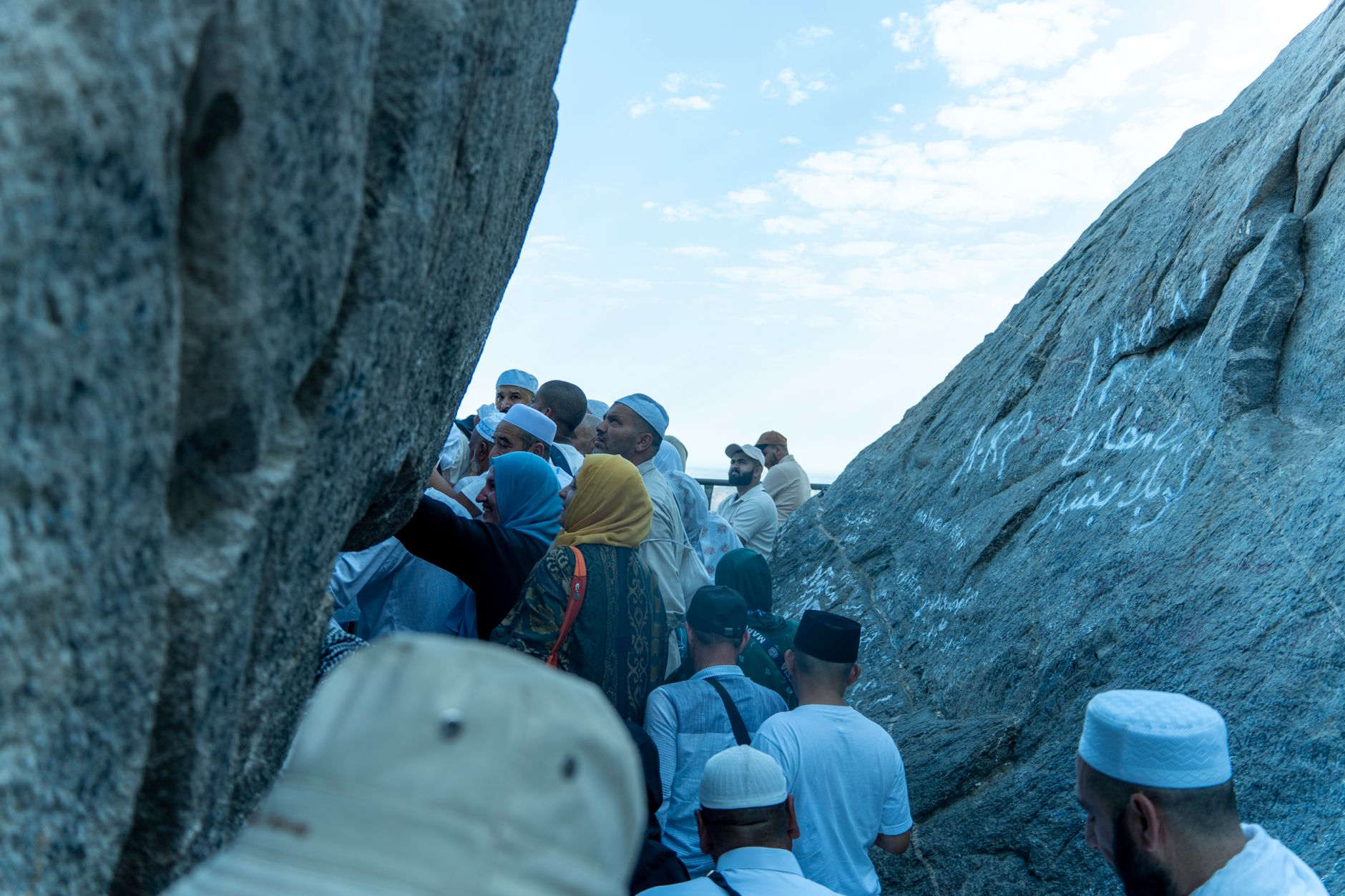
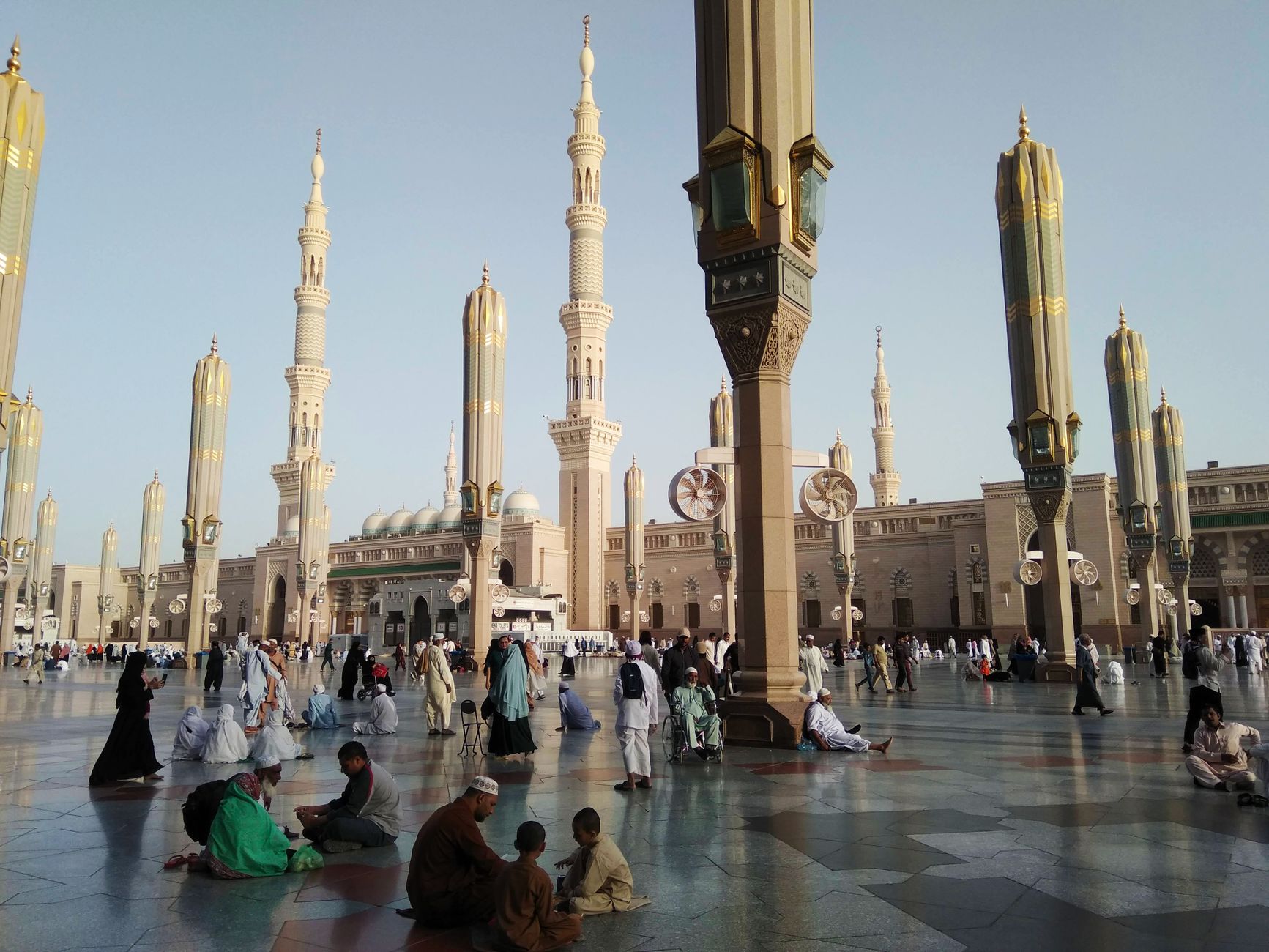
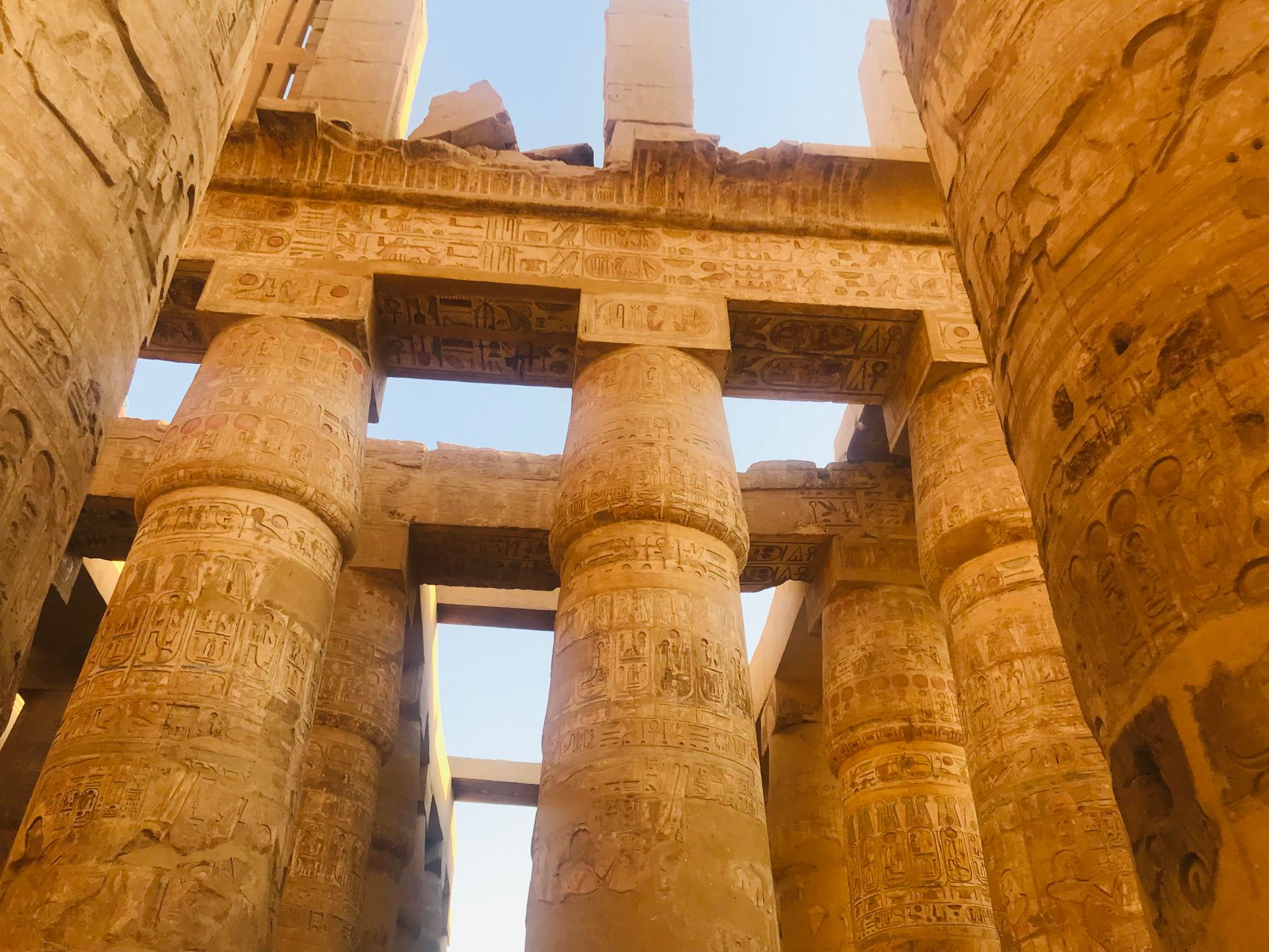
Al-Manshiyya is one of five villages that together make up the body of modern Luxor — the others being Karnak, Karnak al-Gadid, Gurna, and Awammiya. It sits within one of the most archaeologically dense stretches of land on earth, yet it is itself a place where people simply live: growing things, going to market, moving through days that have little to do with the pharaonic spectacle drawing visitors from every continent.
Coming here means stepping into the residential grain of a city that tourism has remade around its edges — cruise ships doubling on the Nile, new hotels rising — while the village interior holds its own quieter rhythm. The monuments are nearby; Al-Manshiyya is the space between them.
💛 What travellers fall for
People who keep coming back to this part of Luxor tend to say the same thing: the real texture of the place is in the hours before and after the temple visits. Early mornings here, when the heat is still manageable and the streets belong to locals rather than tour groups, are worth protecting.
Experiences you don't want to miss


Deals in Al-Manshiyya
Book directly at the provider


How Al-Manshiyya came to be
Al-Manshiyya's specific founding story has not been recorded in sources available today, which itself says something about its character — it is a working village rather than a monument, shaped by the agricultural and domestic life of the Nile Valley rather than by a single decisive event or patron.
What is documented is its place within the structure of Luxor as a whole: one of five constituent villages that grew into and around one of antiquity's great cities. While Egyptologists and tourists have mapped Luxor's ancient layers with obsessive care since the nineteenth century, the native towns that share the same ground have largely been left to define themselves on their own terms.
See Al-Manshiyya in motion
Plan your visit
On the map
When to go
Winters are mild and sunny with cool nights — genuinely pleasant for walking. Summers are extreme, with July highs reaching above 41°C; if you visit then, plan everything around the early morning and late evening.
Right now
Background & history adapted from Wikipedia (CC BY-SA) · specs from Wikidata (CC0) · weather from Open-Meteo · map data © OpenStreetMap contributors · photos from Wikimedia Commons / Unsplash with per-image credit. No third-party reviews or social posts reproduced.