
Al-Bayadiyya
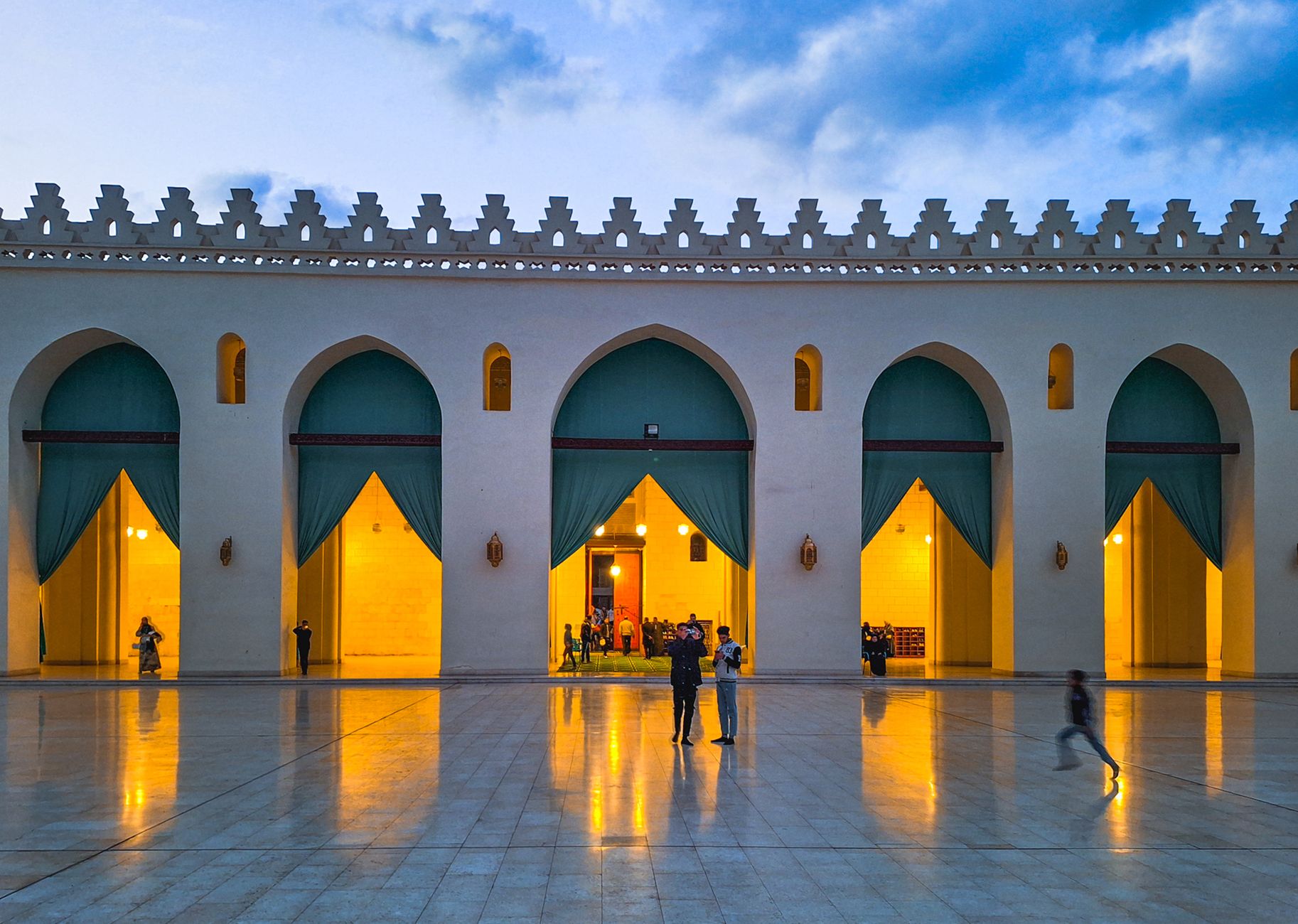
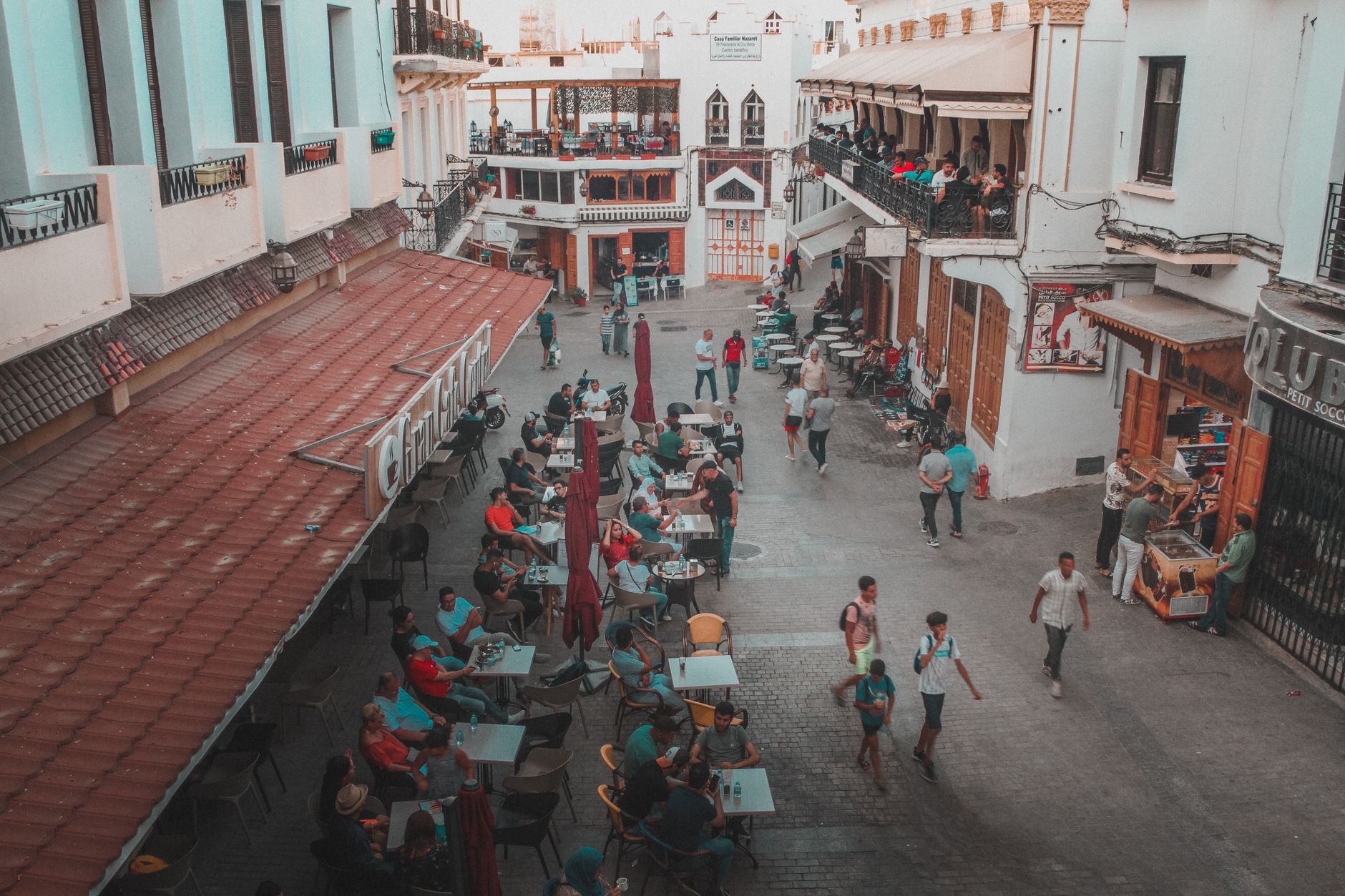
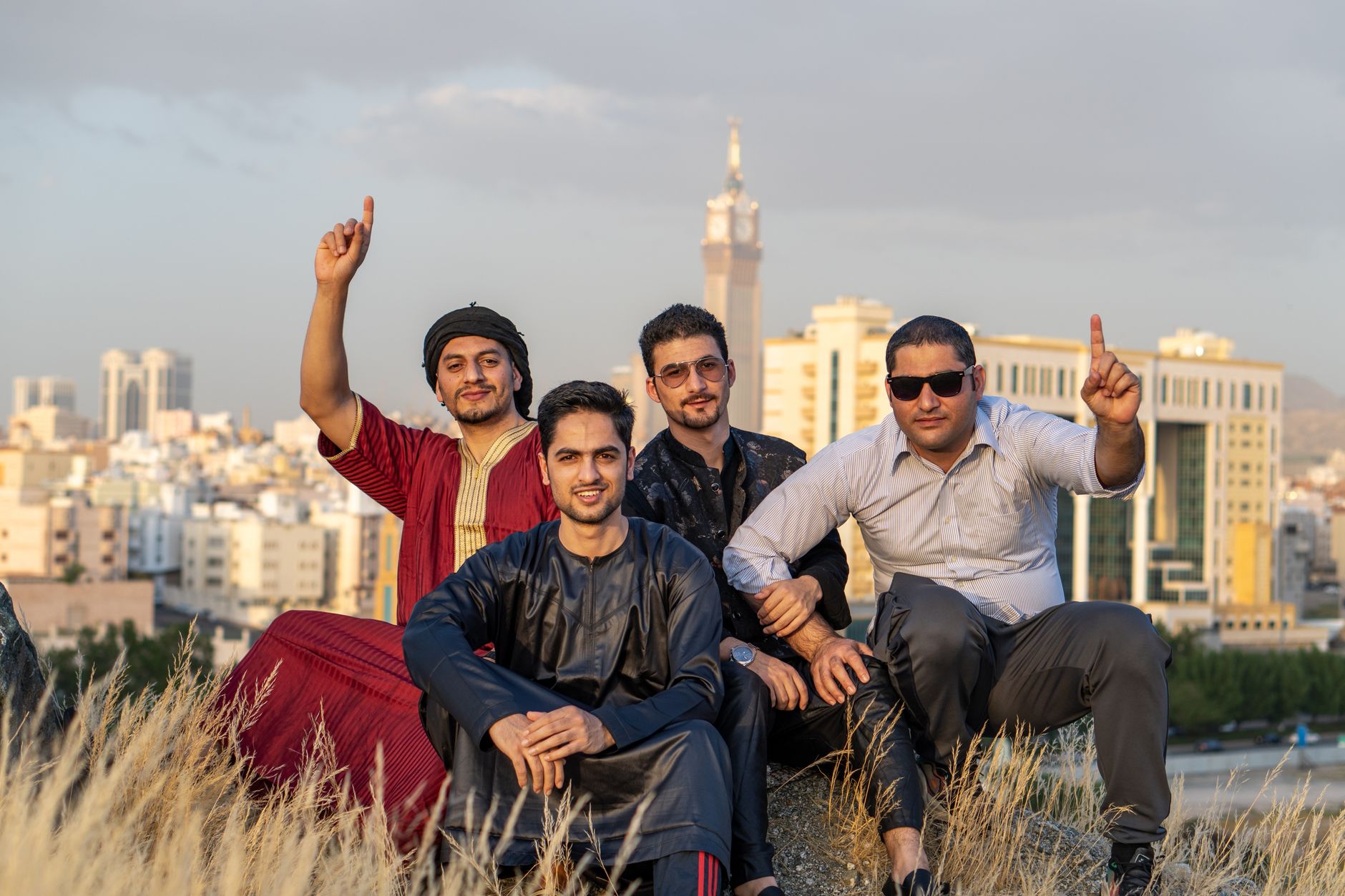
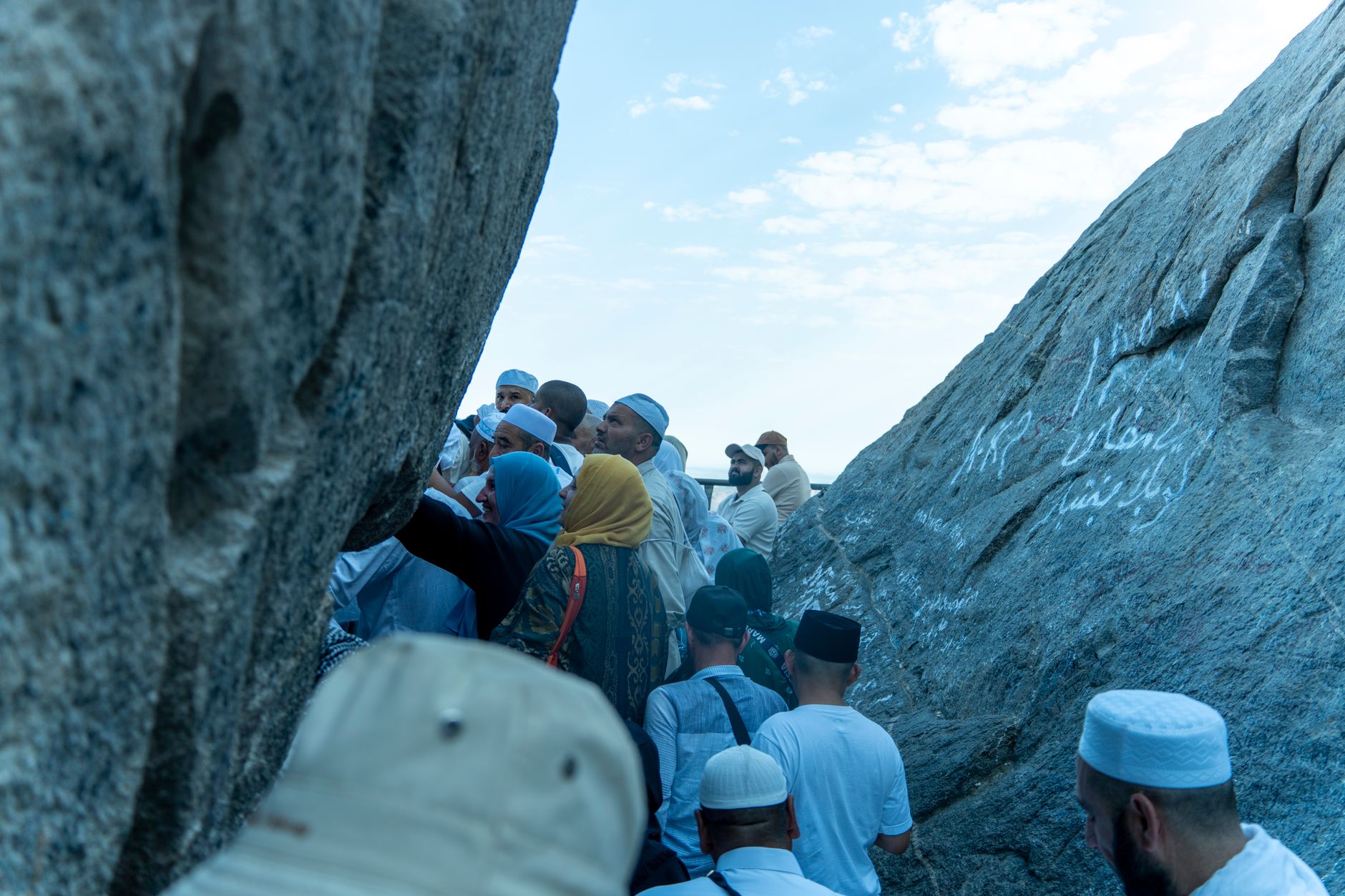
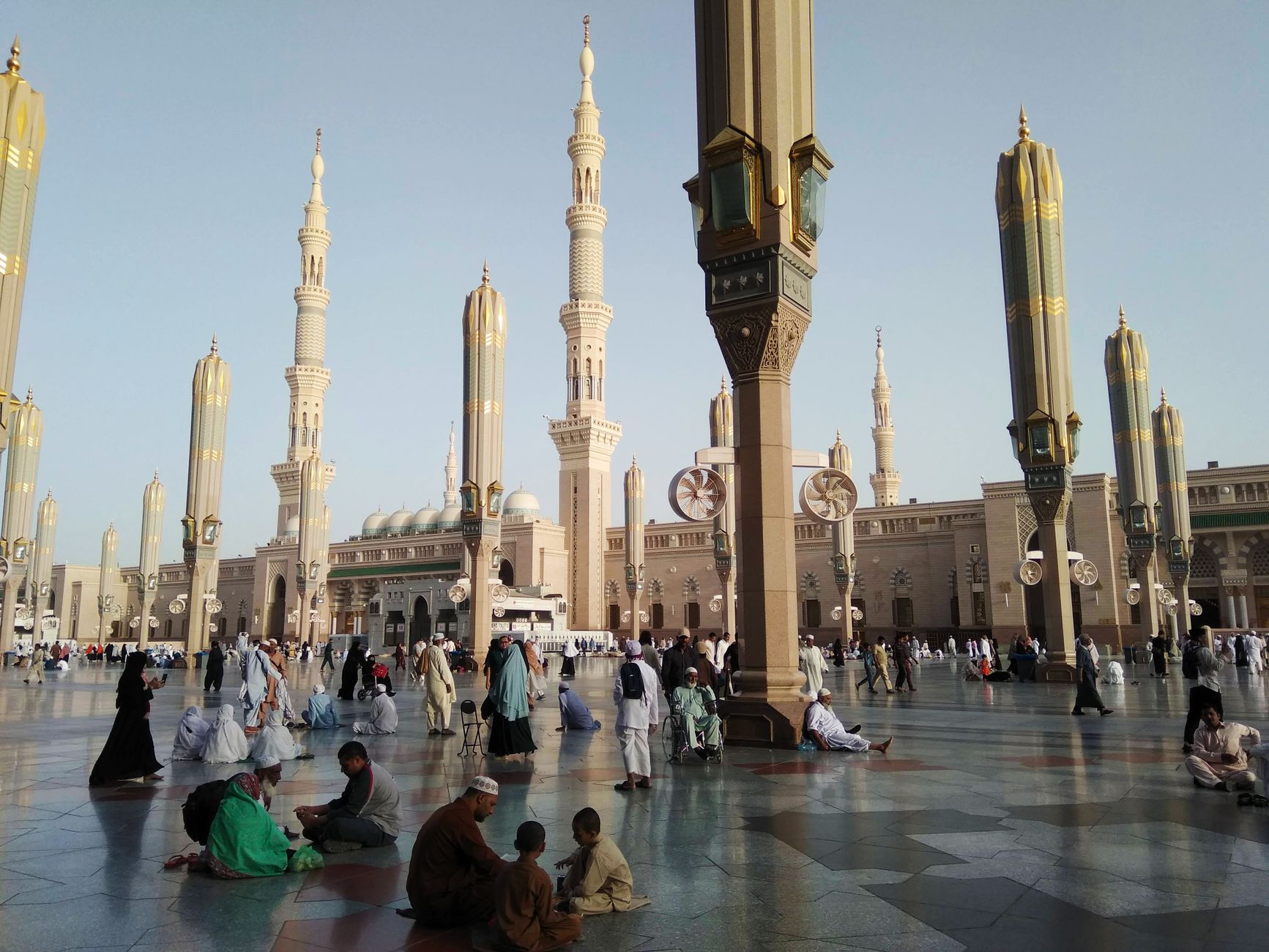
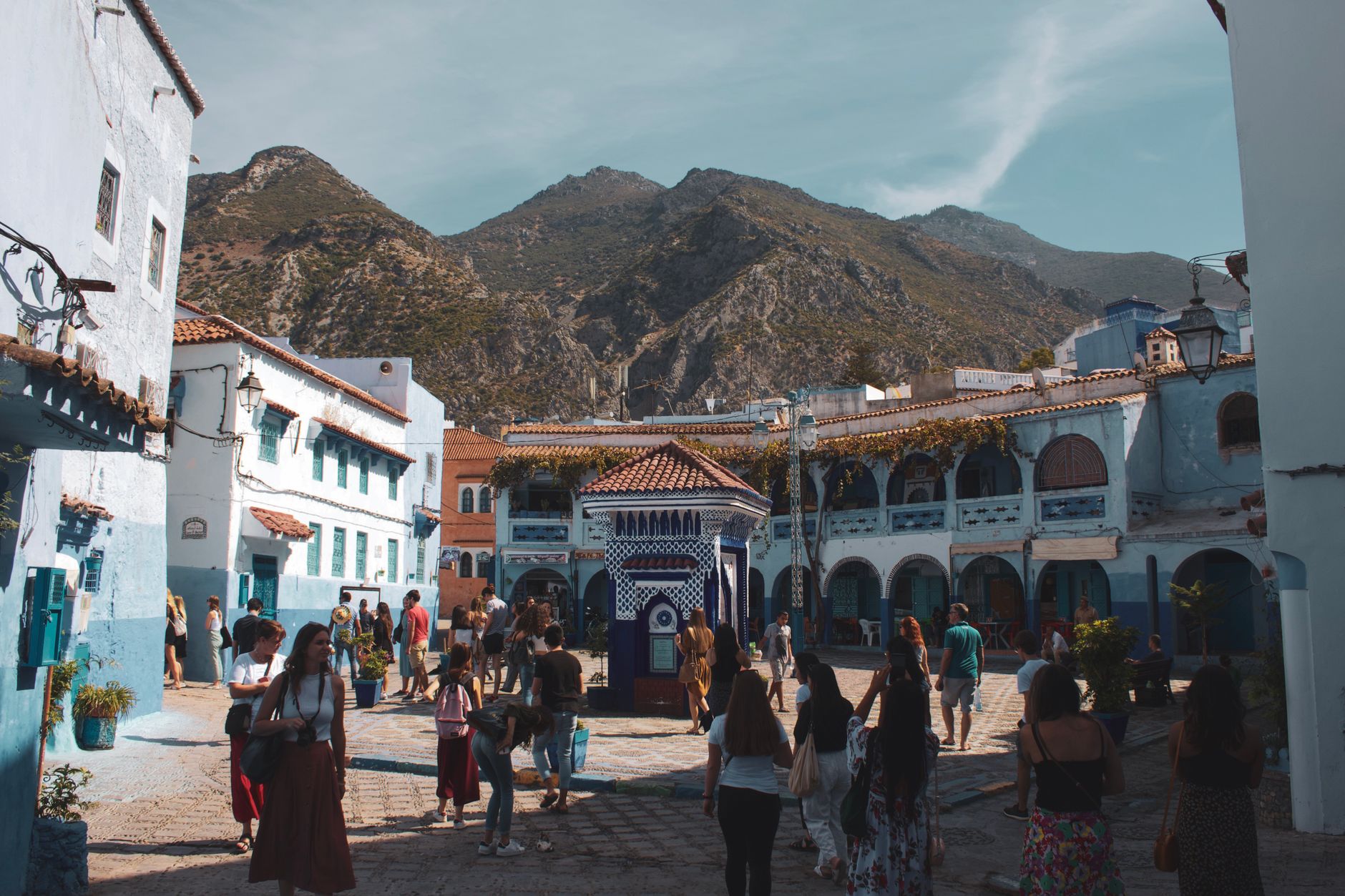
Al-Bayadiyya sits on the west bank of the Nile, where the fields thin out and the desert plateau begins its slow rise toward the cliffs that hide the Valley of the Kings. It is a working rural settlement, not a resort — the kind of place where you wake to the sound of a donkey cart rather than a hotel breakfast bell, and where the hot air balloons drifting at dawn over the necropolis are simply part of the morning sky.
Most people arrive here because they want to be close to the great archaeological sites without the noise of the east bank. Al-Bayadiyya gives you that proximity, and a slower pace — a base from which Medinet Habu, Deir el-Bahari and Al-Qurna are all within easy reach, yet far enough from the tourist circuit to feel like you've stepped slightly to the side of it.
💛 What travellers fall for
People who come back tend to say the same thing: cross the Nile by local ferry rather than the tourist boat. It costs almost nothing, takes ten minutes, and puts you on the west bank the way residents actually use it. From there, a tuk-tuk or bicycle gets you almost anywhere you need to go before the midday heat sets in.
Experiences you don't want to miss




Deals in Al-Bayadiyya
Book directly at the provider

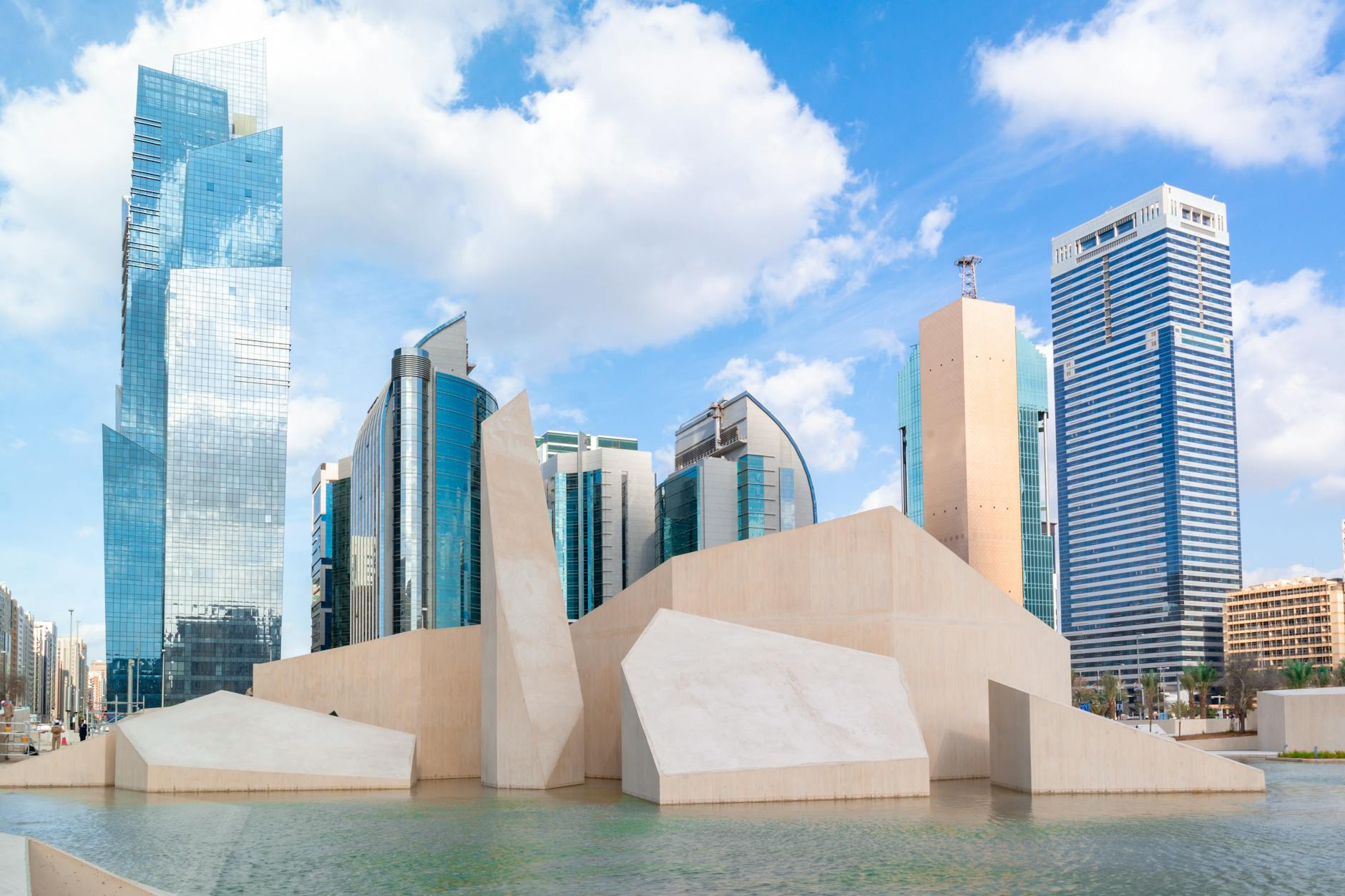
How Al-Bayadiyya came to be
Al-Bayadiyya has no documented founding date or named founder in the historical record. It developed as a settlement on the agricultural fringe of Luxor's west bank, shaped less by any single event than by the slow accumulation of farming families living alongside one of the world's densest concentrations of ancient ruins. The west bank has been continuously inhabited in some form for millennia — ancient Egyptians, later Arab settlers, and eventually modern Egyptians all made lives in the shadow of the same limestone cliffs.
In more recent decades, as Luxor's tourism economy expanded, small villages like Al-Bayadiyya began to absorb visitors looking for quieter, cheaper accommodation close to the archaeological sites. That shift from purely agricultural settlement to informal tourism hub is the most legible chapter of its modern story.
See Al-Bayadiyya in motion
Plan your visit
On the map
When to go
Winters are mild and sunny with cool nights that can drop to around 7–10°C — bring a layer for after dark. Summers are intense, with afternoon highs regularly clearing 40°C and essentially zero chance of rain in any season.
Right now
Background & history adapted from Wikipedia (CC BY-SA) · specs from Wikidata (CC0) · weather from Open-Meteo · map data © OpenStreetMap contributors · photos from Wikimedia Commons / Unsplash with per-image credit. No third-party reviews or social posts reproduced.