
Luxor East Bank
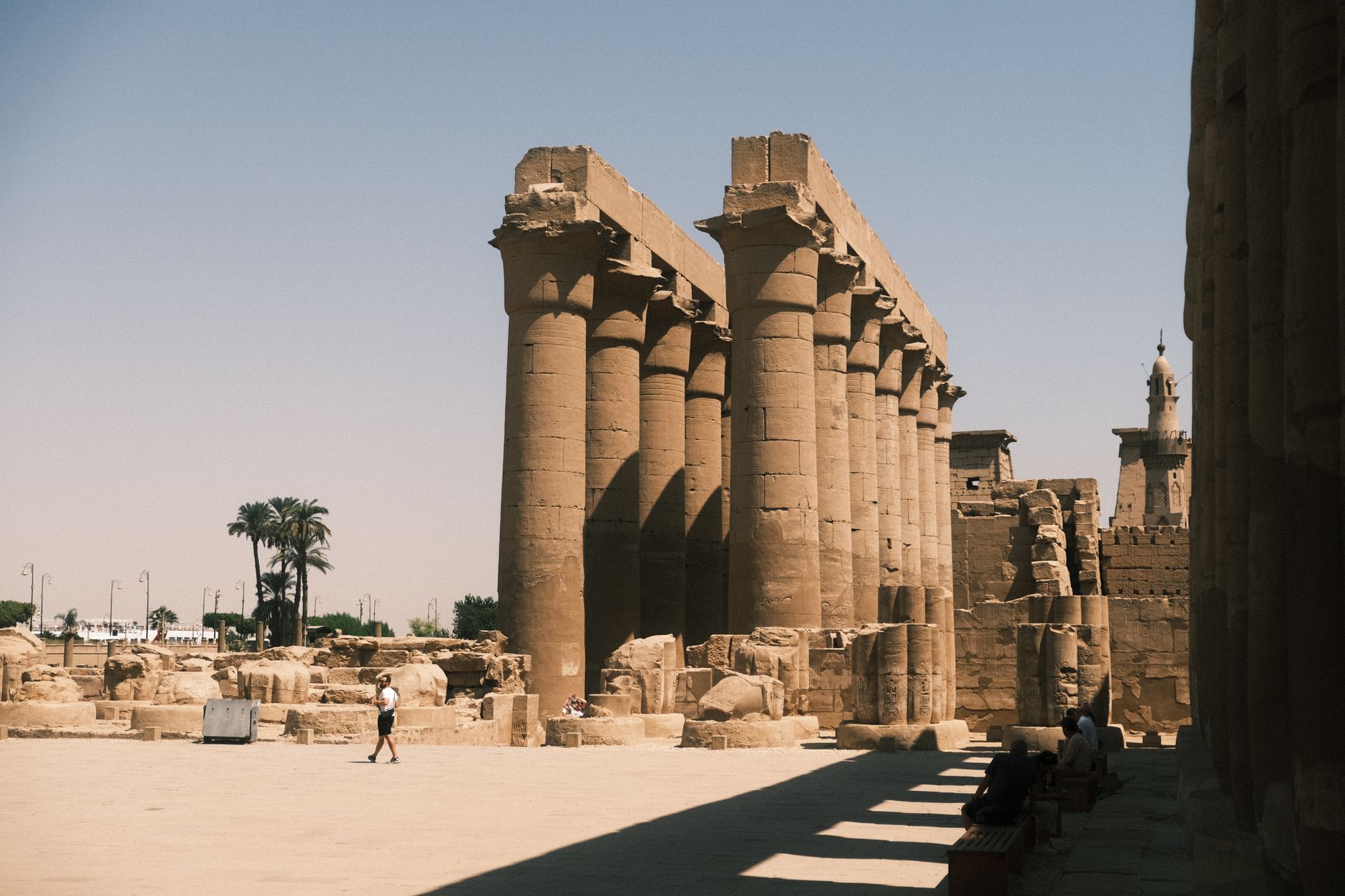
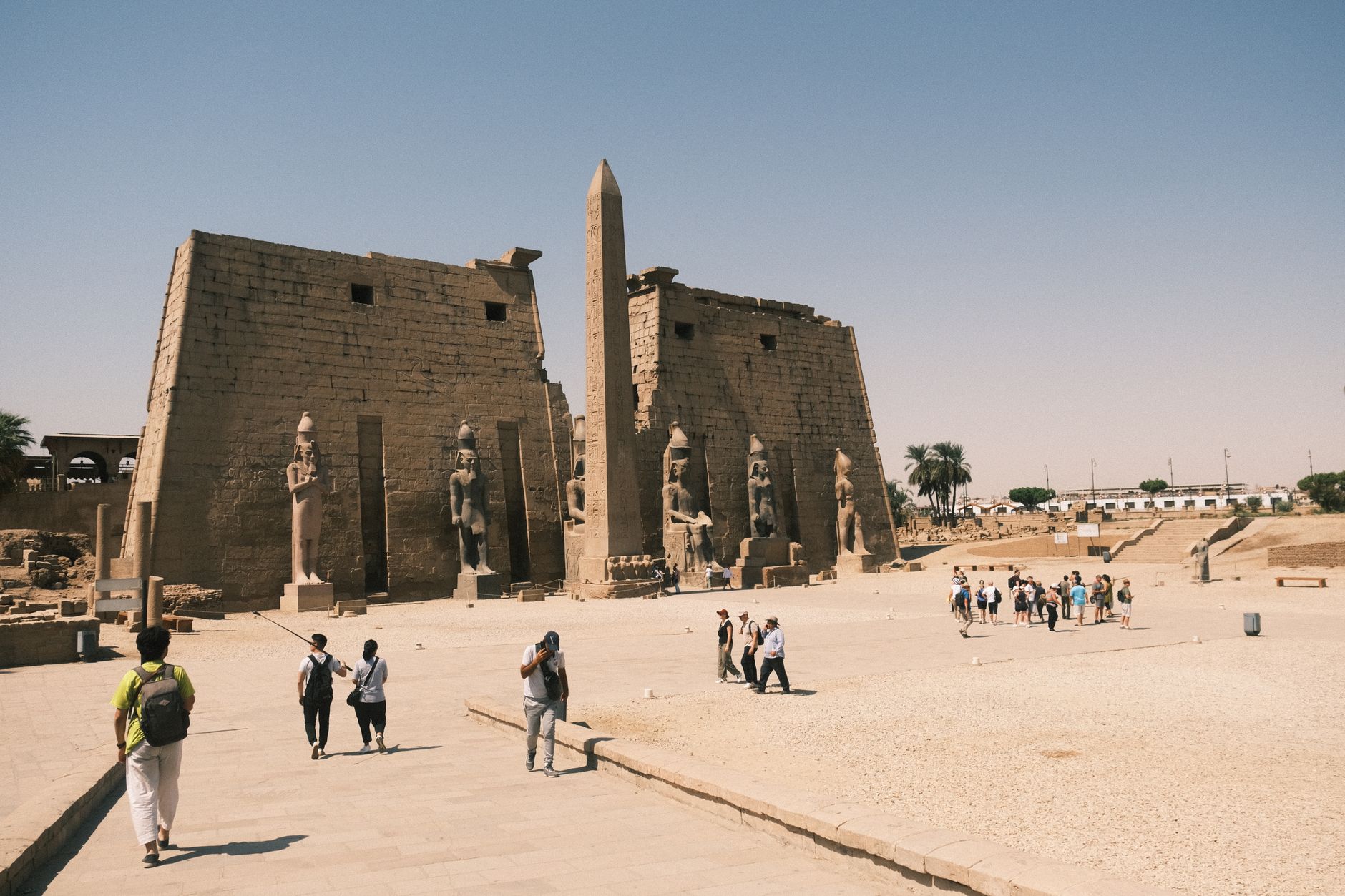
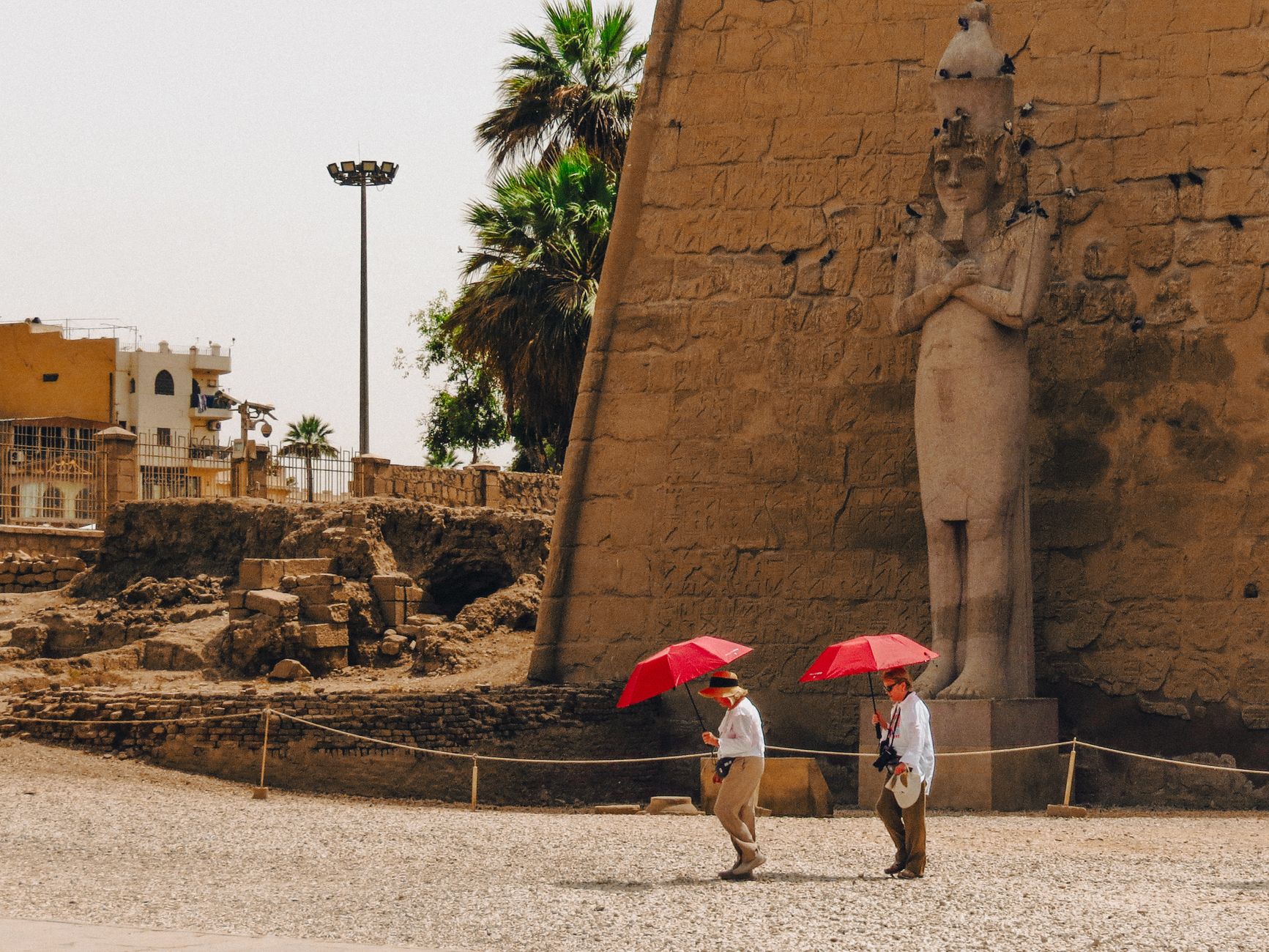
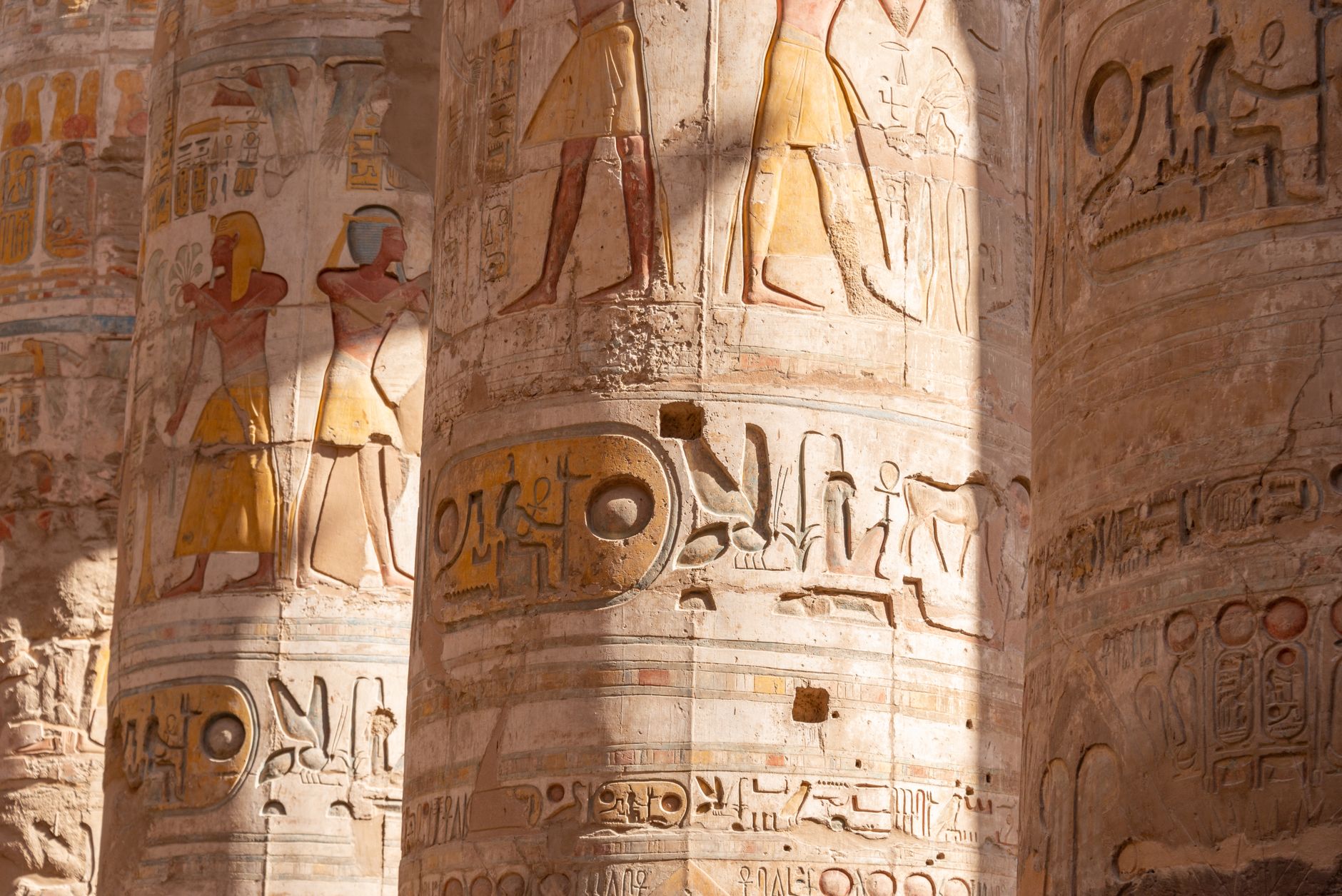
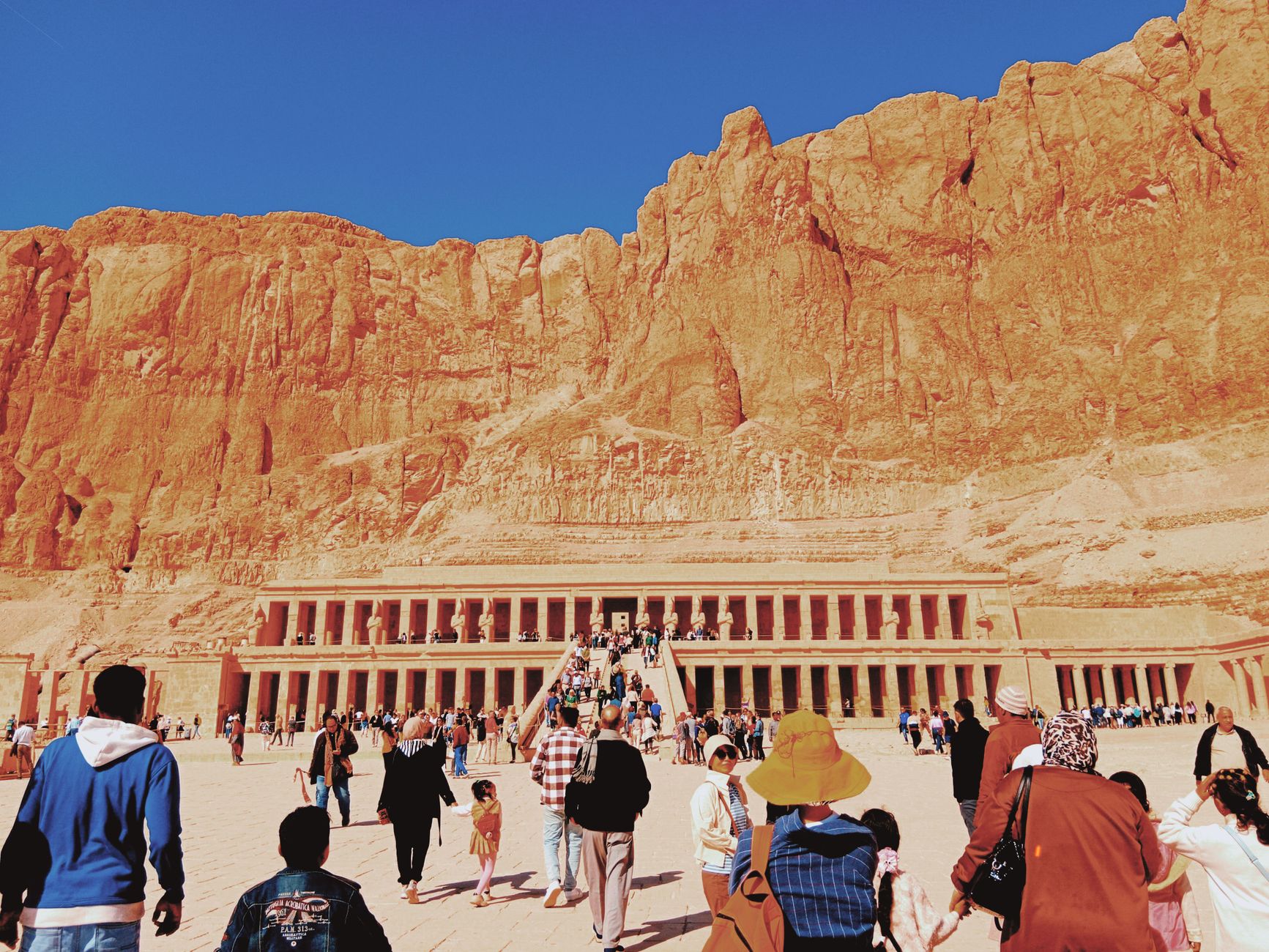
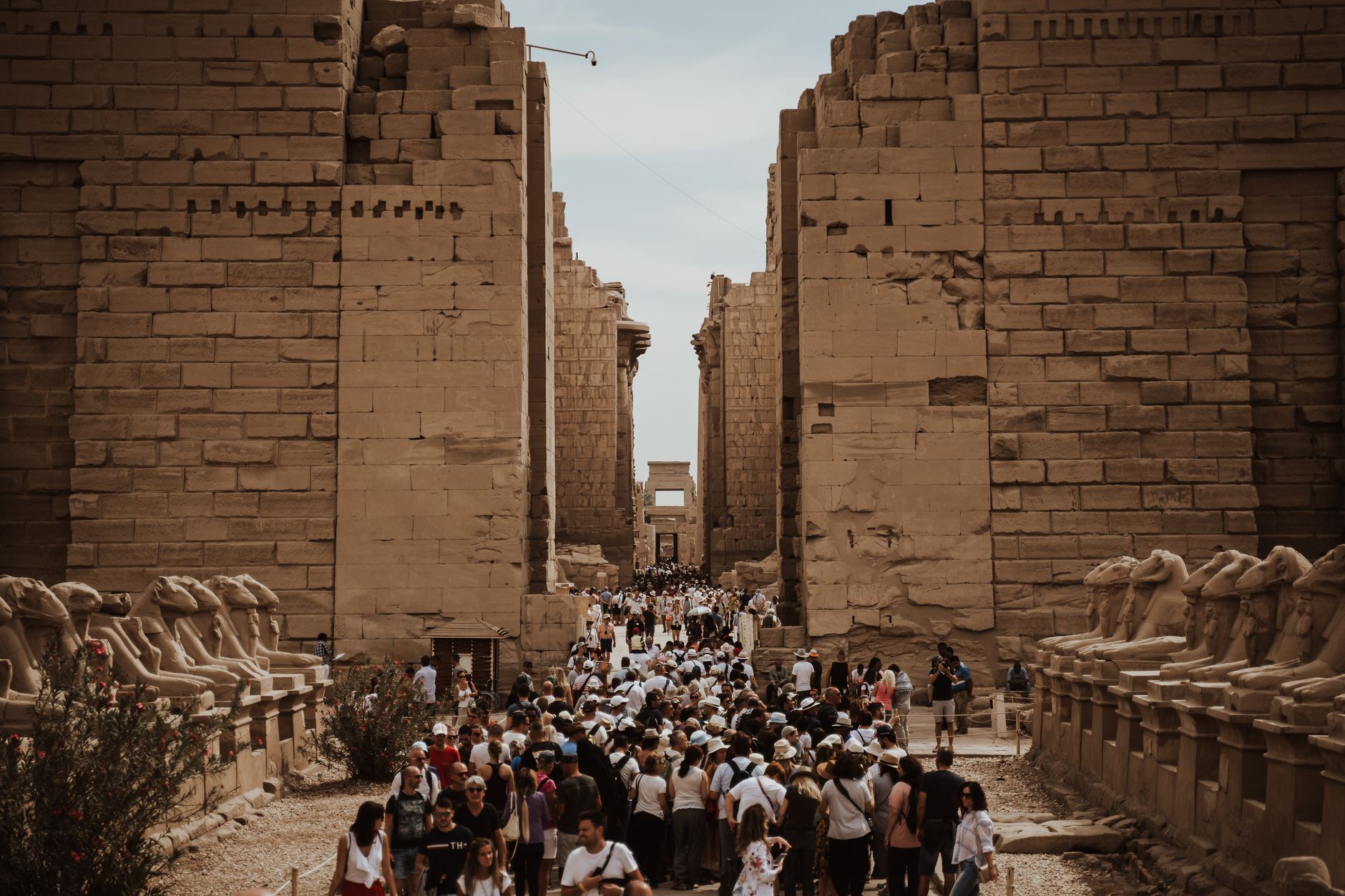
The East Bank is where Luxor keeps its living face — the railway station, the corniche, the calèches clip-clopping past the temple entrance at dusk. But it is also where two of the largest religious structures ever raised by human hands sit within walking distance of each other: Luxor Temple, begun around 1400 BCE on what the ancient Egyptians called ipet resyt, 'the southern sanctuary', and the Karnak complex to the north, whose Great Hypostyle Hall alone contains 134 columns wide enough to park a car between.
The thing that stops people mid-stride, usually, is the Avenue of the Sphinxes — 2.7 kilometres of processional road lined by an estimated 1,350 stone figures, connecting the two temples along the route that priests once walked in the annual festival of Amun. It opened to the public only in late 2021, which means most photographs of it still look fresh.
💛 What travellers fall for
People who come back tend to say the same thing about Luxor Temple at night: go after dinner, when the crowds thin and the floodlighting turns the sandstone a deep amber. The working mosque inside the complex — still in use, never dismantled — is easier to notice in the quiet. The Mummification Museum, just along the corniche, makes a good follow-up; it's small, specific, and genuinely odd in the best way.
Deals in Luxor East Bank
Book directly at the provider

How Luxor East Bank came to be
For roughly 2,500 years — from around 2000 BCE to 500 CE — the East Bank was the seat of Amun-Re, king of the Egyptian gods, and the city that grew around his temples was the most powerful in the empire. Karnak's construction began under Senusret I in the Middle Kingdom and continued through the Ptolemaic period; Luxor Temple was commissioned by Amenhotep III of the 18th Dynasty to honour Amun, Mut, and Khons, with later additions by Tutankhamun, Ramesses II, and Alexander. The Avenue of the Sphinxes linking them was built by Nektanebo.
The modern excavation of Luxor Temple began with Professor Gaston Maspero after 1884, though work remained intermittent until 1960. The Luxor Museum opened in 1975, expanded in 1989 to display statues found in a cache beneath the temple floor. The entire Theban site, including Karnak and the West Bank, was designated a UNESCO World Heritage site in 1979.
Who and what shaped it
People who shaped it
Landmark buildings
See Luxor East Bank in motion
Plan your visit
On the map
When to go
Winters (November to February) are the most comfortable for walking the open-air sites — warm days, cool evenings, and no humidity to speak of. Summer temperatures routinely exceed 40°C by midday, so if you visit between June and August, the early morning hours at Karnak or a late-evening ticket to Luxor Temple are not optional.
Right now
Background & history adapted from Wikipedia (CC BY-SA) · specs from Wikidata (CC0) · weather from Open-Meteo · map data © OpenStreetMap contributors · photos from Wikimedia Commons / Unsplash with per-image credit. No third-party reviews or social posts reproduced.