
West Bank (Luxor)
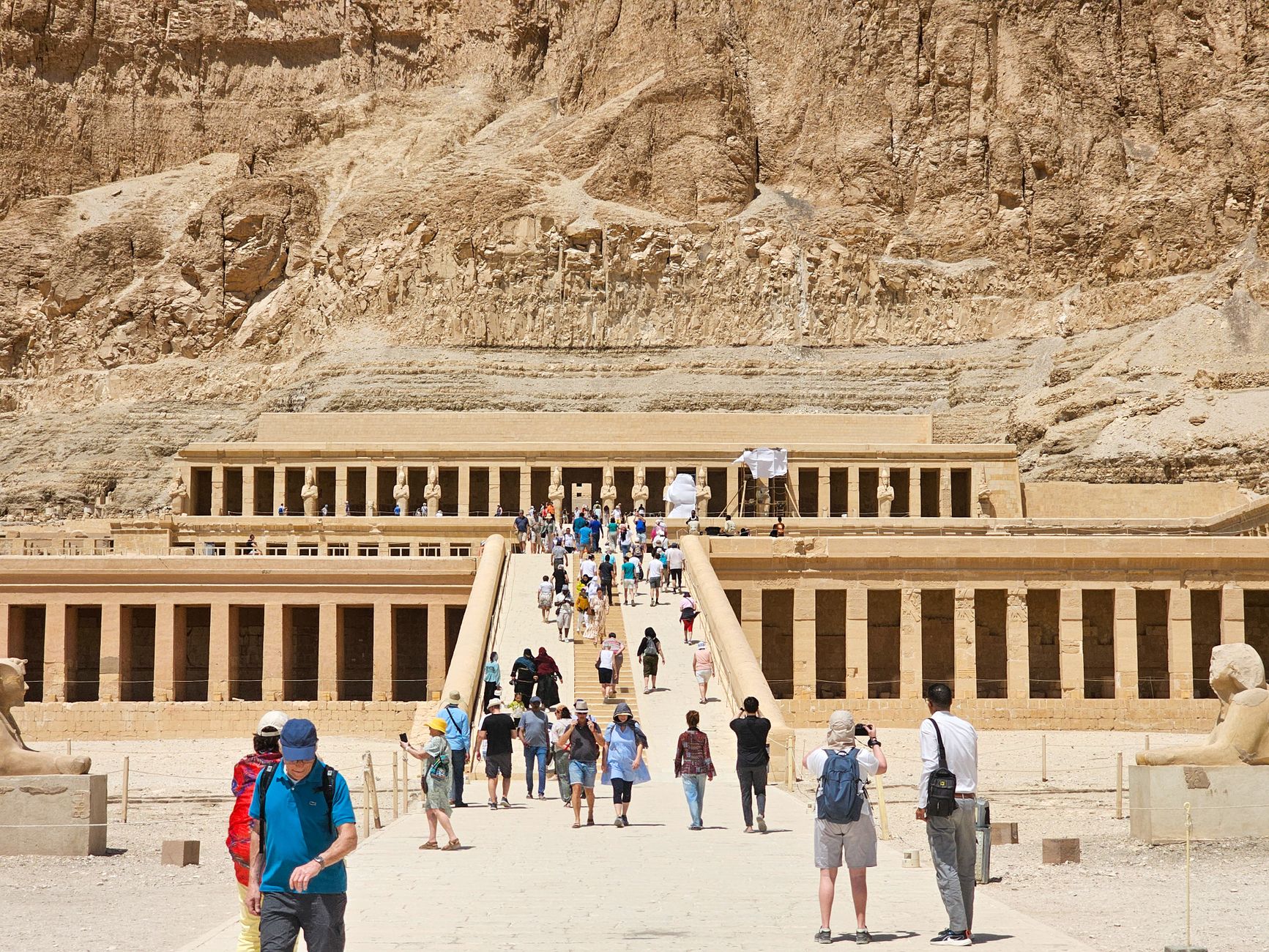
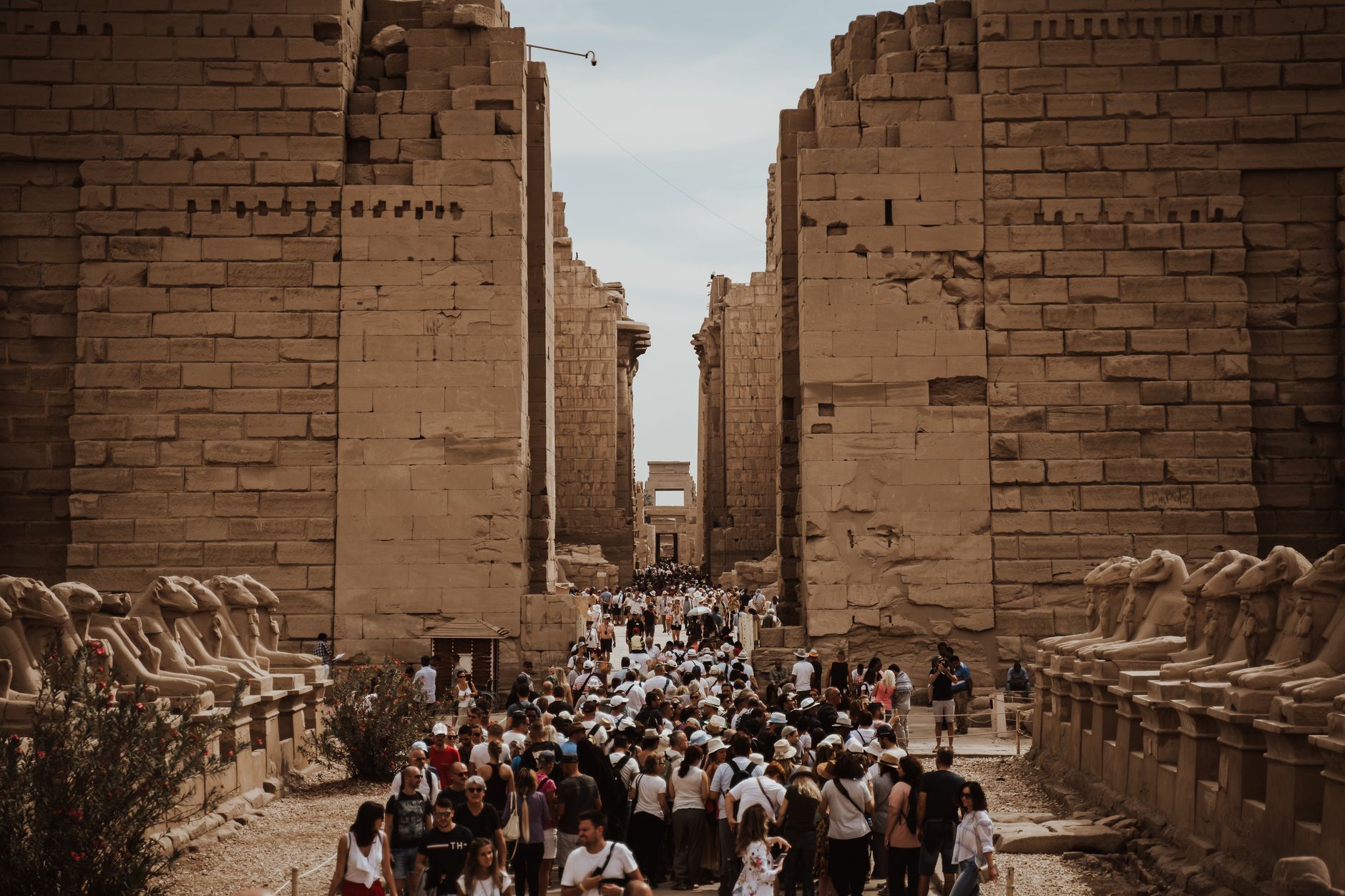
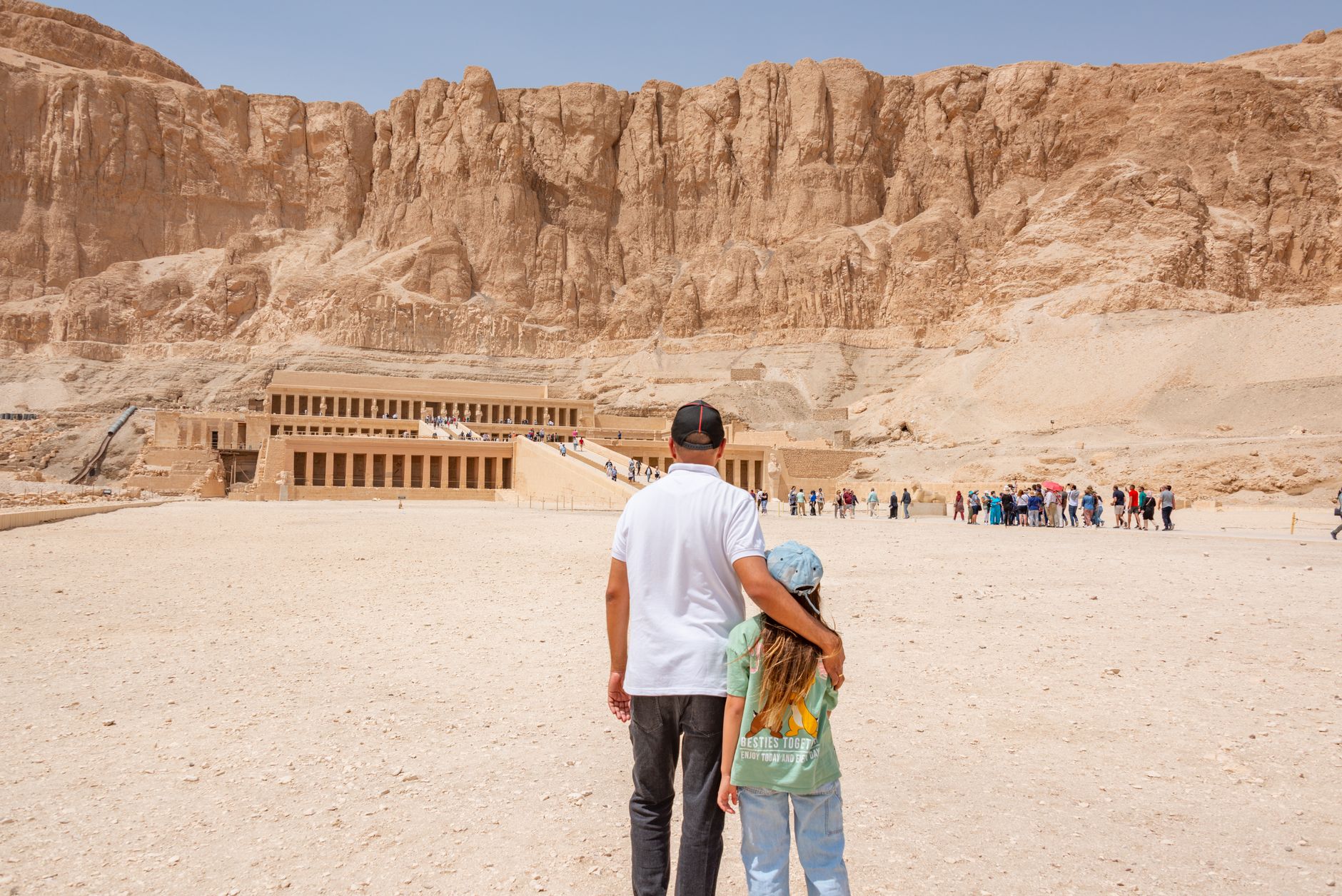
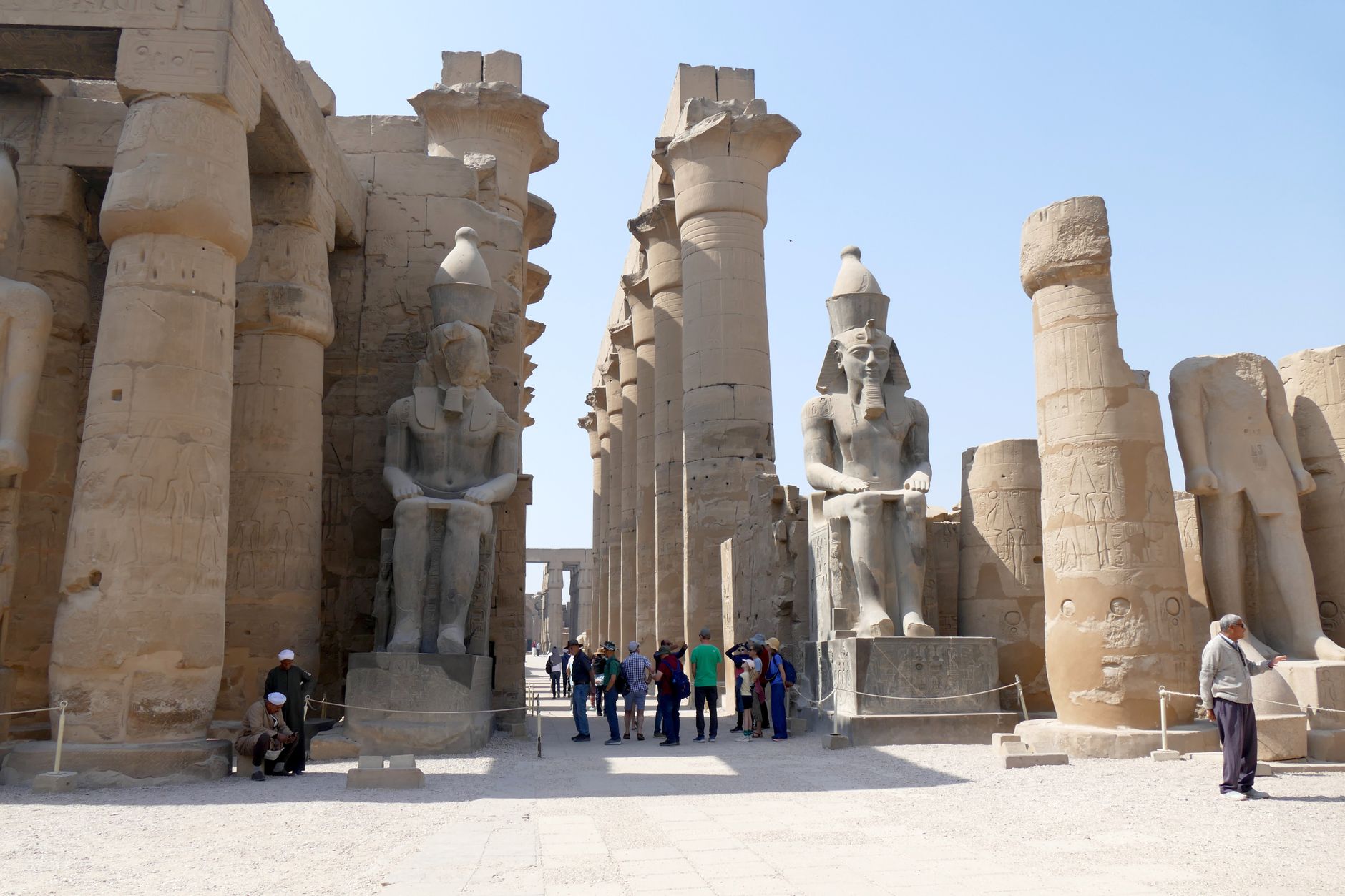
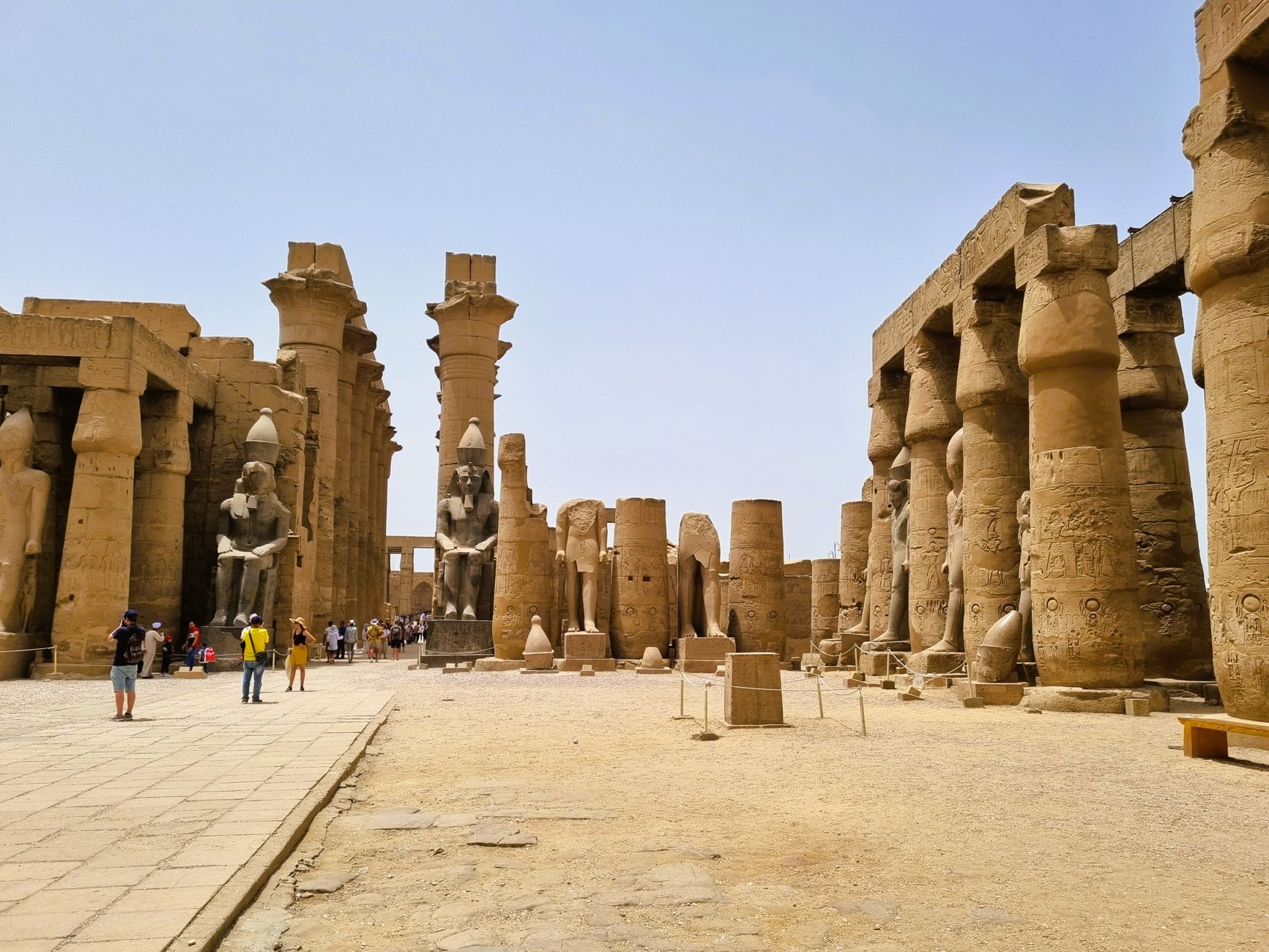
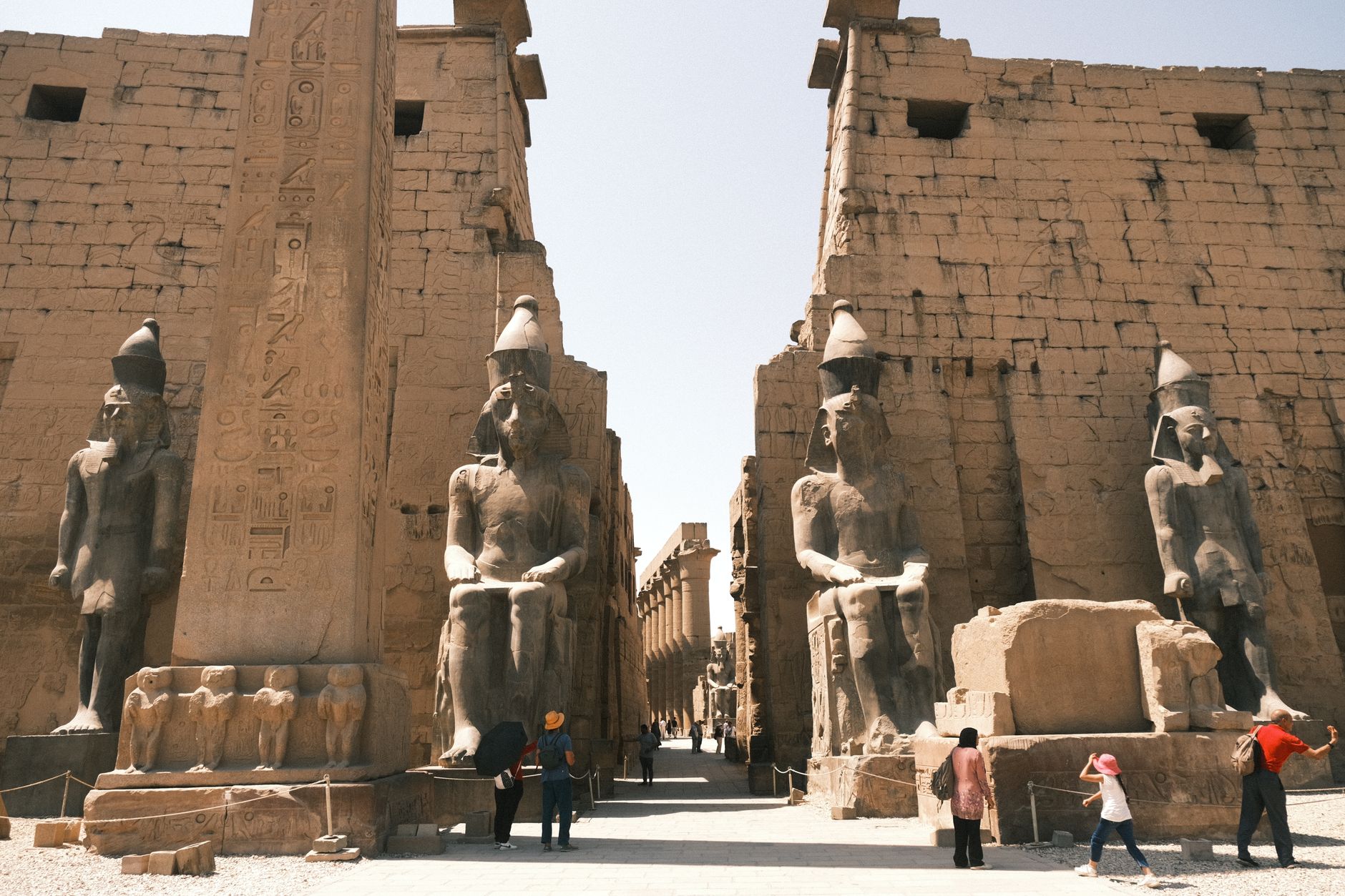
The ancient Egyptians buried their dead on the west bank of the Nile because that is where the sun went to die each evening — and where it would be reborn. That logic, followed for five centuries during the New Kingdom, turned this strip of desert cliffs and limestone ravines into the largest concentration of royal tombs on earth. More than sixty are cut into the Valley of the Kings alone, and the queens, princes, and craftsmen who served them lie in their own necropolises nearby.
Crossing from Luxor's east bank takes about ten minutes by ferry. Once you step off, the scale of what was built here — and the silence that still holds it — does the rest of the work.
💛 What travellers fall for
People who come back tend to say the same thing: go to Medinet Habu before anywhere else, when the light is low and the tour groups haven't arrived. The painted reliefs inside the first court are still vivid in a way that stops you mid-step. Then save the Valley of the Kings for a second morning, when you've learned to read the walls.
Deals in West Bank (Luxor)
Book directly at the provider

How West Bank (Luxor) came to be
The decision to bury pharaohs here dates to the New Kingdom, around 1550 BCE, when rulers of the 18th Dynasty began commissioning rock-cut tombs in the limestone cliffs west of Thebes. Amenhotep III, who reigned from 1391 to 1353 BCE, left one of the most visible marks — the two colossal seated statues that still stand 18 metres high at what was once the entrance to his mortuary temple. Queen Hatshepsut, one of the most consequential rulers of the same dynasty, built her three-tiered temple at Deir el-Bahari. Ramesses III followed centuries later with the fortress-like Medinet Habu.
The west bank drew scholars as well as worshippers. Howard Carter's 1922 discovery of Tutankhamun's tomb — the only royal burial found with its funerary goods intact — made the valley famous beyond Egypt. More recently, Dr. Zahi Hawass led an Egyptian mission that uncovered an ancient settlement here dating to the reign of Amenhotep III, confirming the west bank was a living community as much as a city of the dead.
Who and what shaped it
People who shaped it
Landmark buildings
See West Bank (Luxor) in motion
Plan your visit
On the map
When to go
October through April is the window when the west bank is genuinely comfortable to walk — February days reach around 25°C with cool nights that can drop to 10°C, so a layer helps at dawn when the sites open. Summer temperatures are severe; if you visit between June and August, the 6 AM opening hour is less a suggestion than a necessity.
Right now
Background & history adapted from Wikipedia (CC BY-SA) · specs from Wikidata (CC0) · weather from Open-Meteo · map data © OpenStreetMap contributors · photos from Wikimedia Commons / Unsplash with per-image credit. No third-party reviews or social posts reproduced.