
Medinet Habu
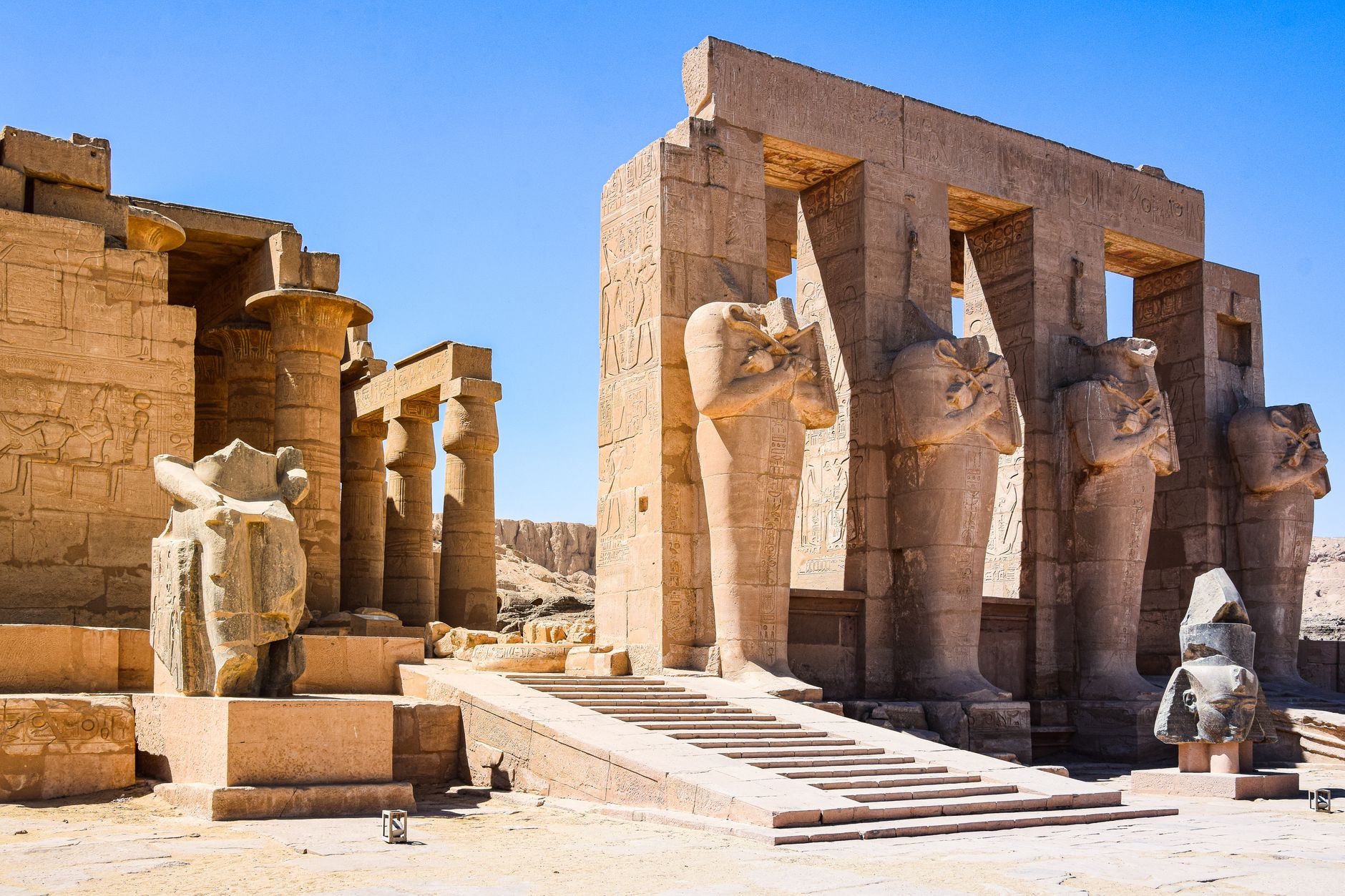
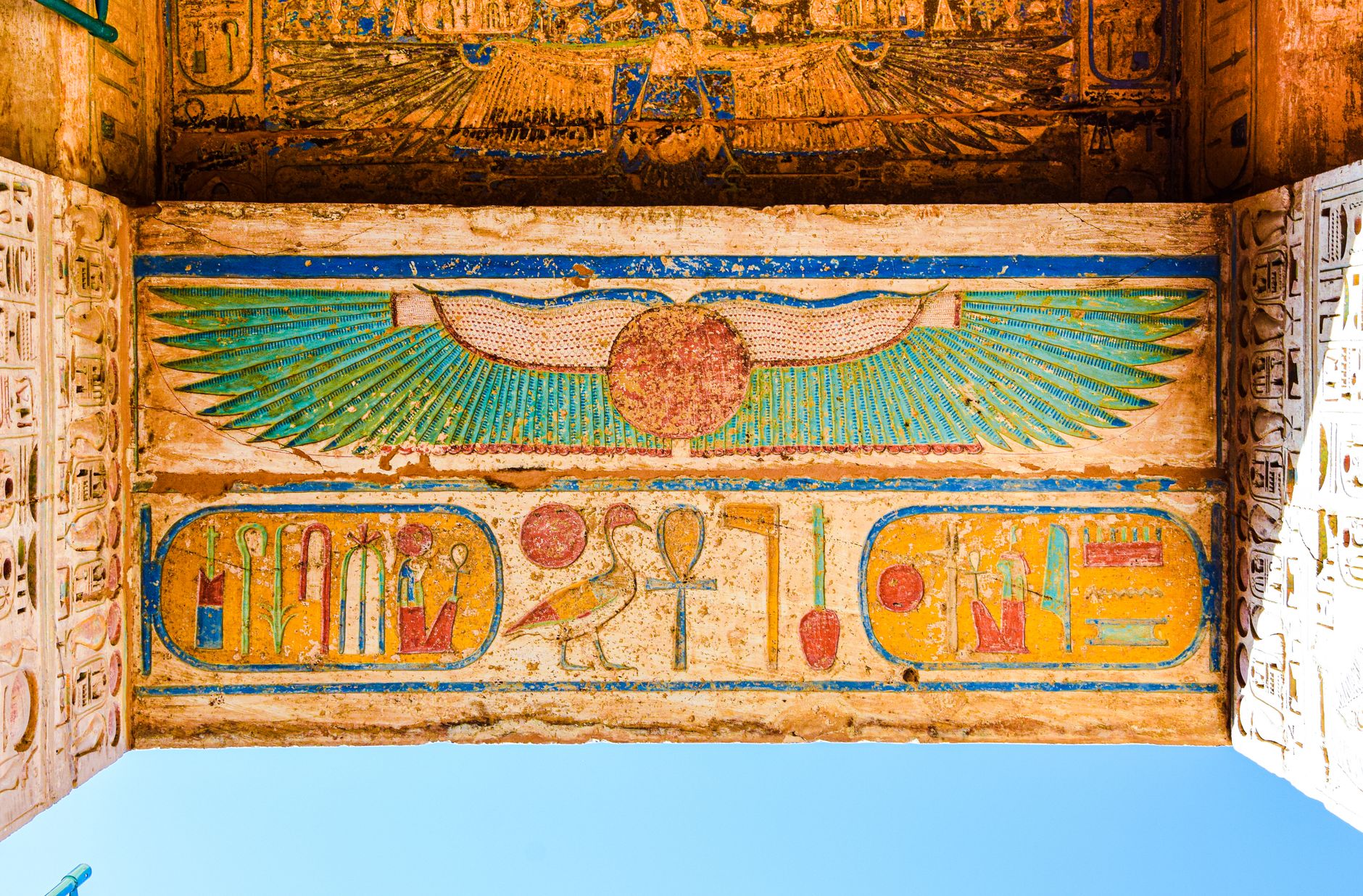
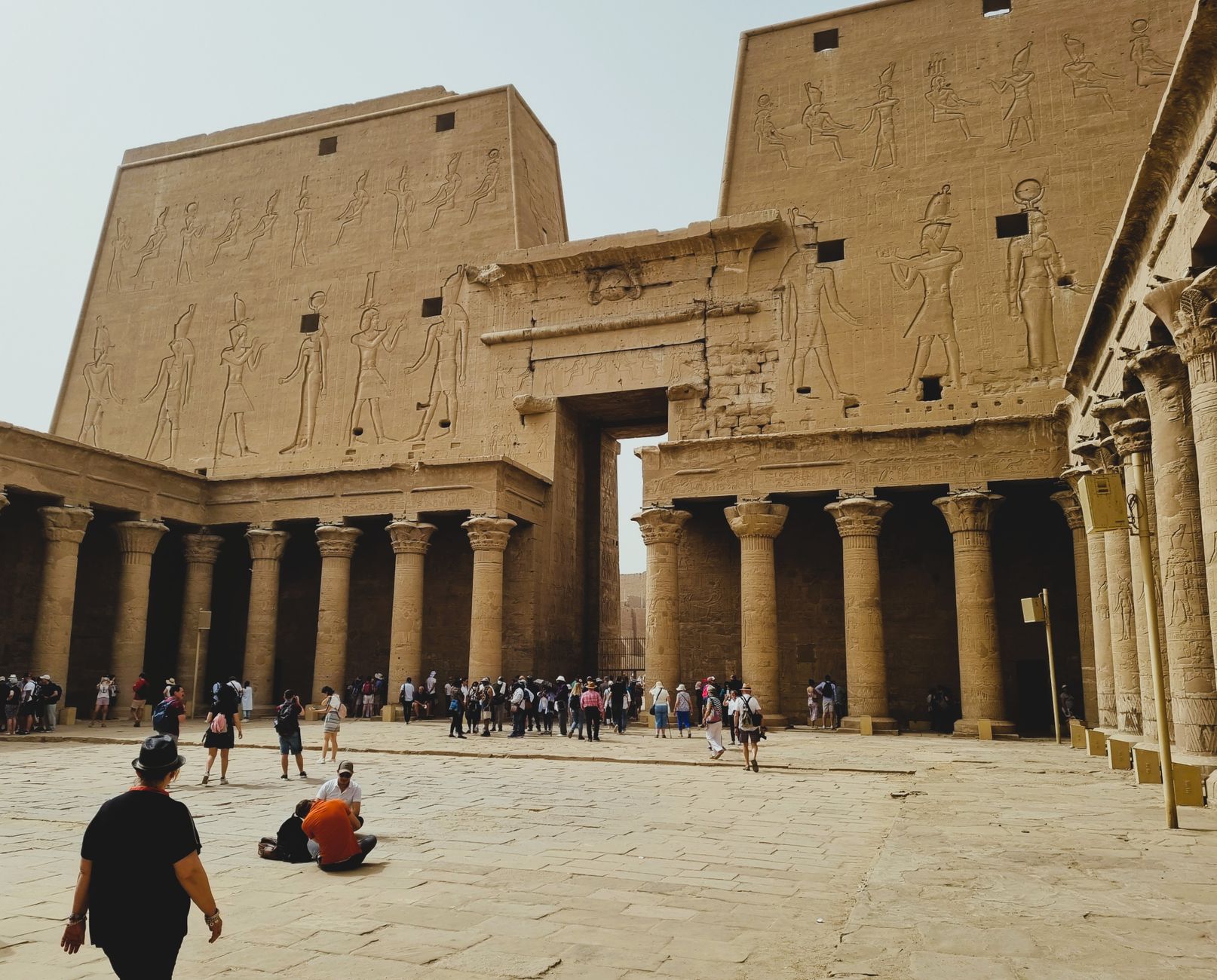
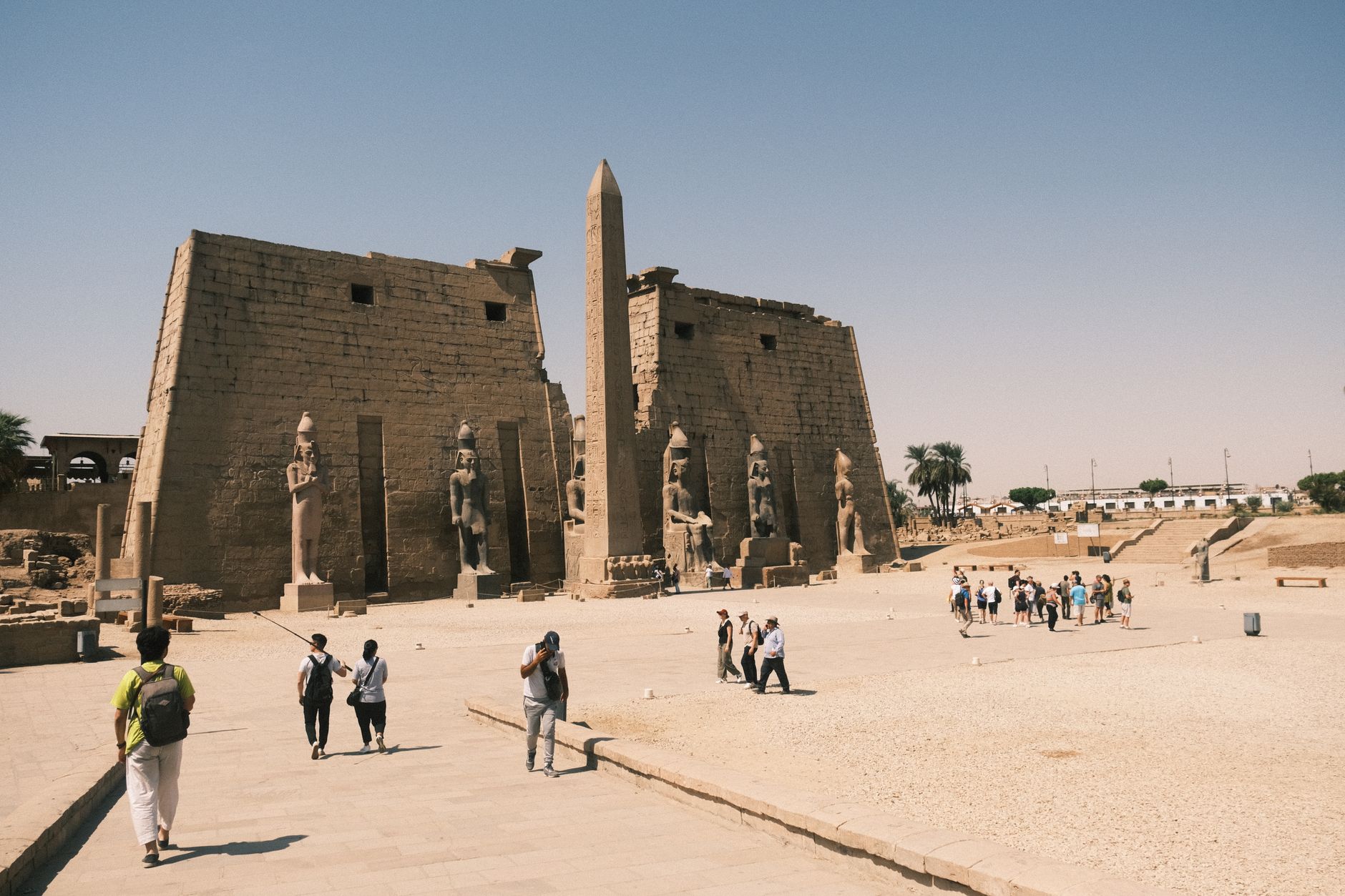
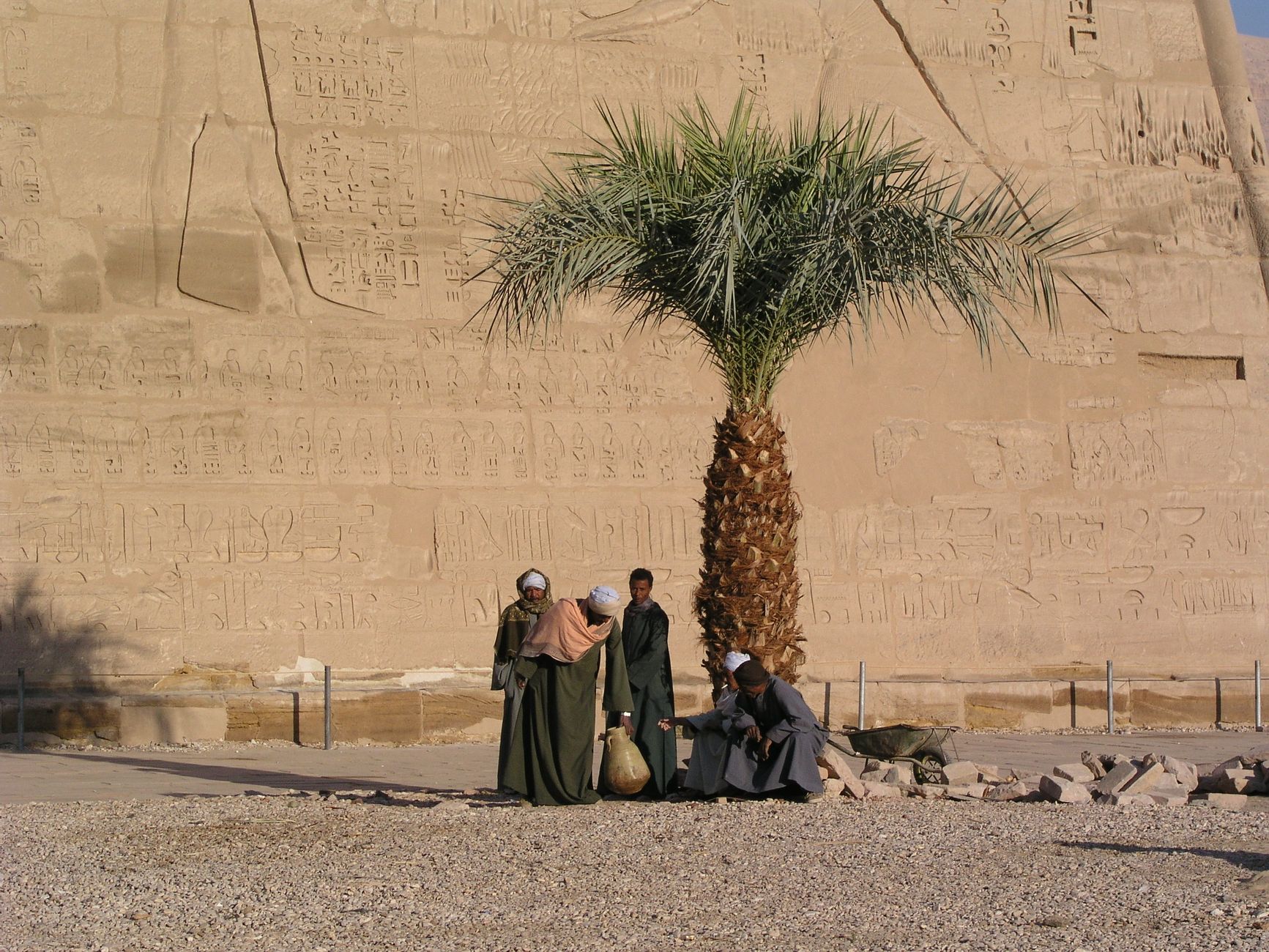
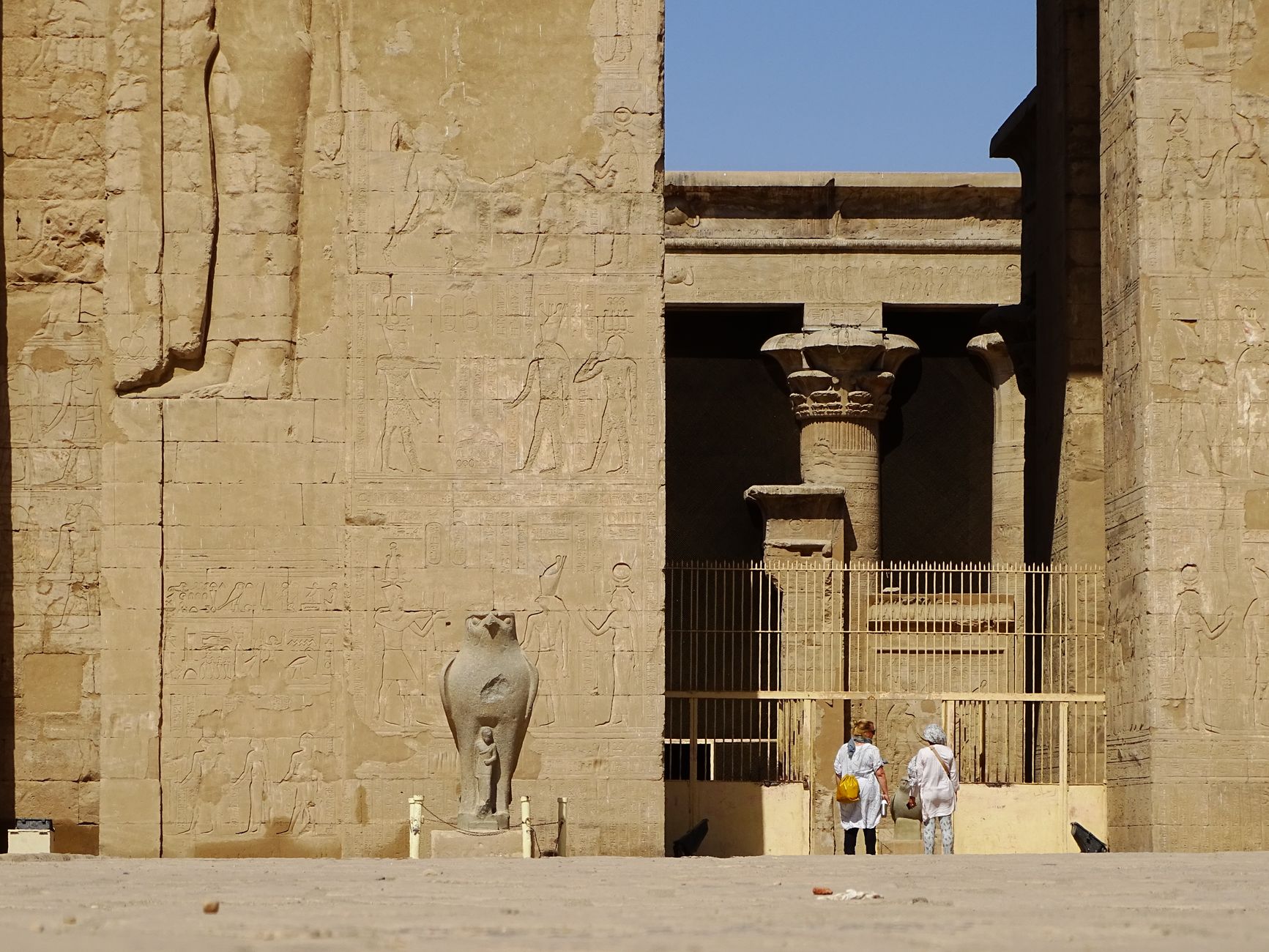
Stand at the Migdol Gate — a fortress entrance modeled on the Syrian citadels Ramesses III had actually fought his way through — and the scale of what follows starts to register. The mud brick walls that once flanked it were 35 feet thick and 60 feet high. Behind them sits one of the largest and best-preserved mortuary temple complexes in Egypt, some 7,000 square metres of decorated wall reliefs still reading clearly in the West Bank light.
Medinet Habu is the mortuary temple of Ramesses III, built and expanded across his reign during the 20th Dynasty, roughly 1186 to 1155 BCE. But the site itself is older than that, and longer-lived: a small Amun shrine here carries foundations from the 11th Dynasty, and a Coptic settlement called Jeme occupied the grounds until the 9th century CE.
💛 What travellers fall for
People who've come back more than once tend to single out the inner wall of the First Pylon — specifically the relief of scribes tallying severed hands and genitals of defeated enemies. Brutal, yes, but also oddly bureaucratic. The Royal Palace's Window of Appearances, where the king rewarded commanders with golden collars, is easy to walk past without knowing what it was. Pause there.
Deals in Medinet Habu
Book directly at the provider

How Medinet Habu came to be
The ground beneath Medinet Habu has been sacred for a long time. An 11th Dynasty shrine — foundations only now — predates the visible structures by centuries. The core of the Small Temple of Amun was raised during the reigns of Hatshepsut and Thutmose III, around 1504 to 1450 BCE. Hatshepsut called it a sacred place and began restoration work; Thutmose III completed it and, as he did elsewhere, excised her name from the stonework.
The dominant structure came later: Ramesses III built his mortuary temple complex here during the 20th Dynasty, partly incorporating materials salvaged from the destroyed temple of his predecessor Tausret. After Ramesses III, the site kept accumulating lives — a royal scribe named Butehamon had his residence in the outer court around 1070 BCE, and the Coptic town of Jeme occupied the precinct until the 9th century CE, when it was gradually cleared away.
Who and what shaped it
People who shaped it
Landmark buildings
See Medinet Habu in motion
Plan your visit
On the map
When to go
October through March is the practical window — winter days are mild and the light is good for reading the reliefs. From May through September, temperatures in Luxor regularly exceed 40°C (104°F), and the site offers very little shade; if you go in summer, the 6:00 am opening is not a suggestion.
Right now
Background & history adapted from Wikipedia (CC BY-SA) · specs from Wikidata (CC0) · weather from Open-Meteo · map data © OpenStreetMap contributors · photos from Wikimedia Commons / Unsplash with per-image credit. No third-party reviews or social posts reproduced.