
Deir el-Bahari
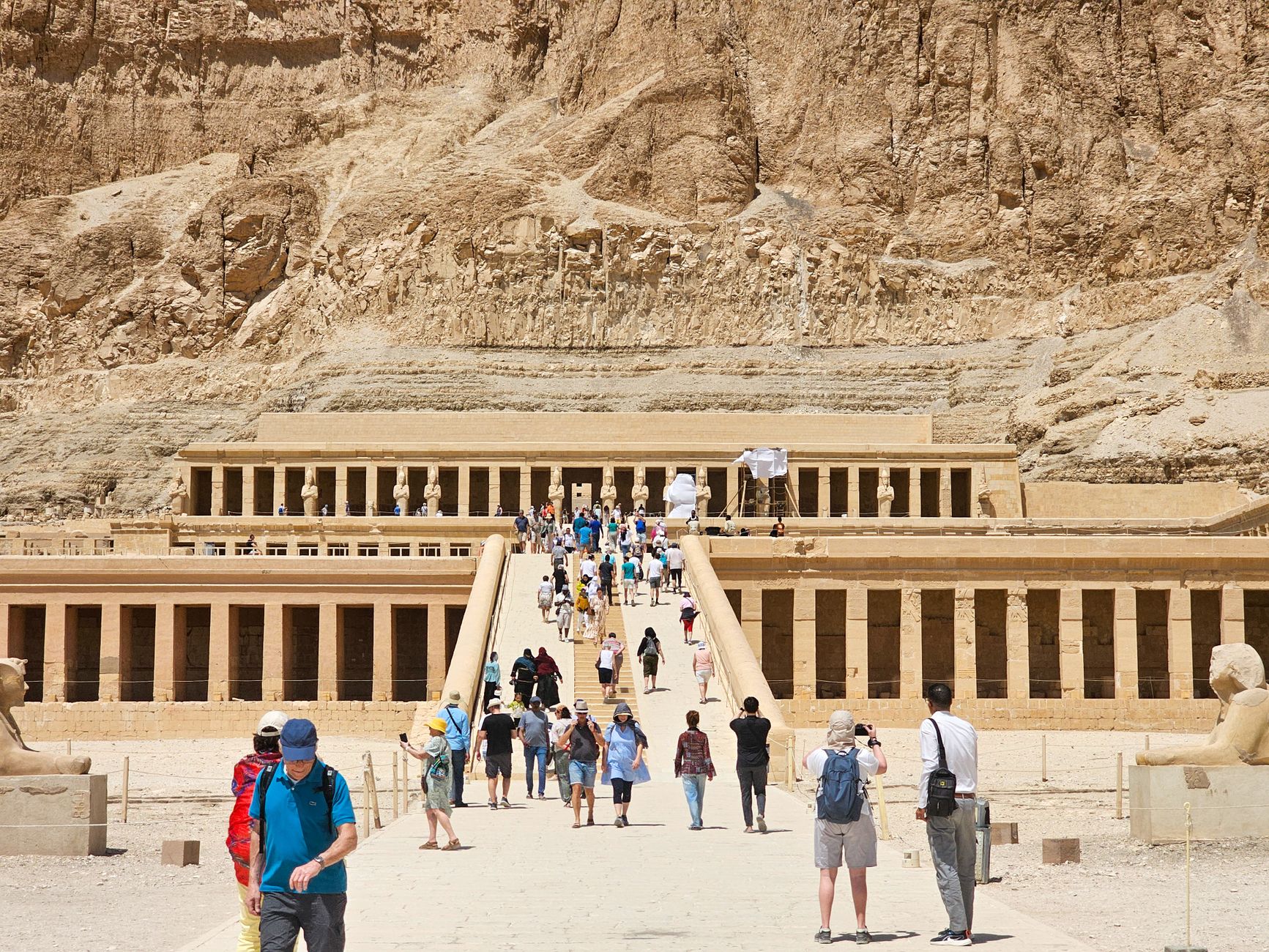
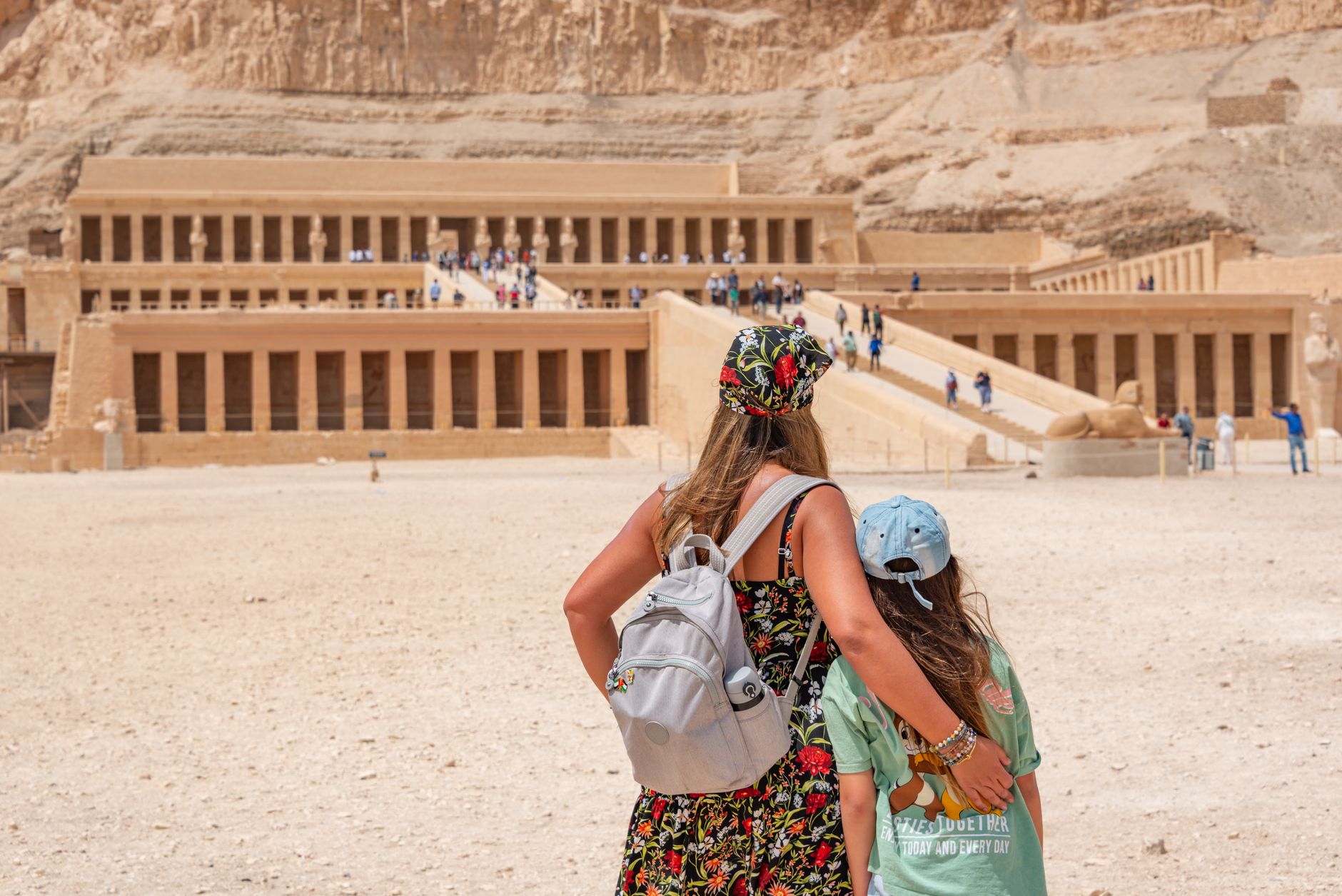
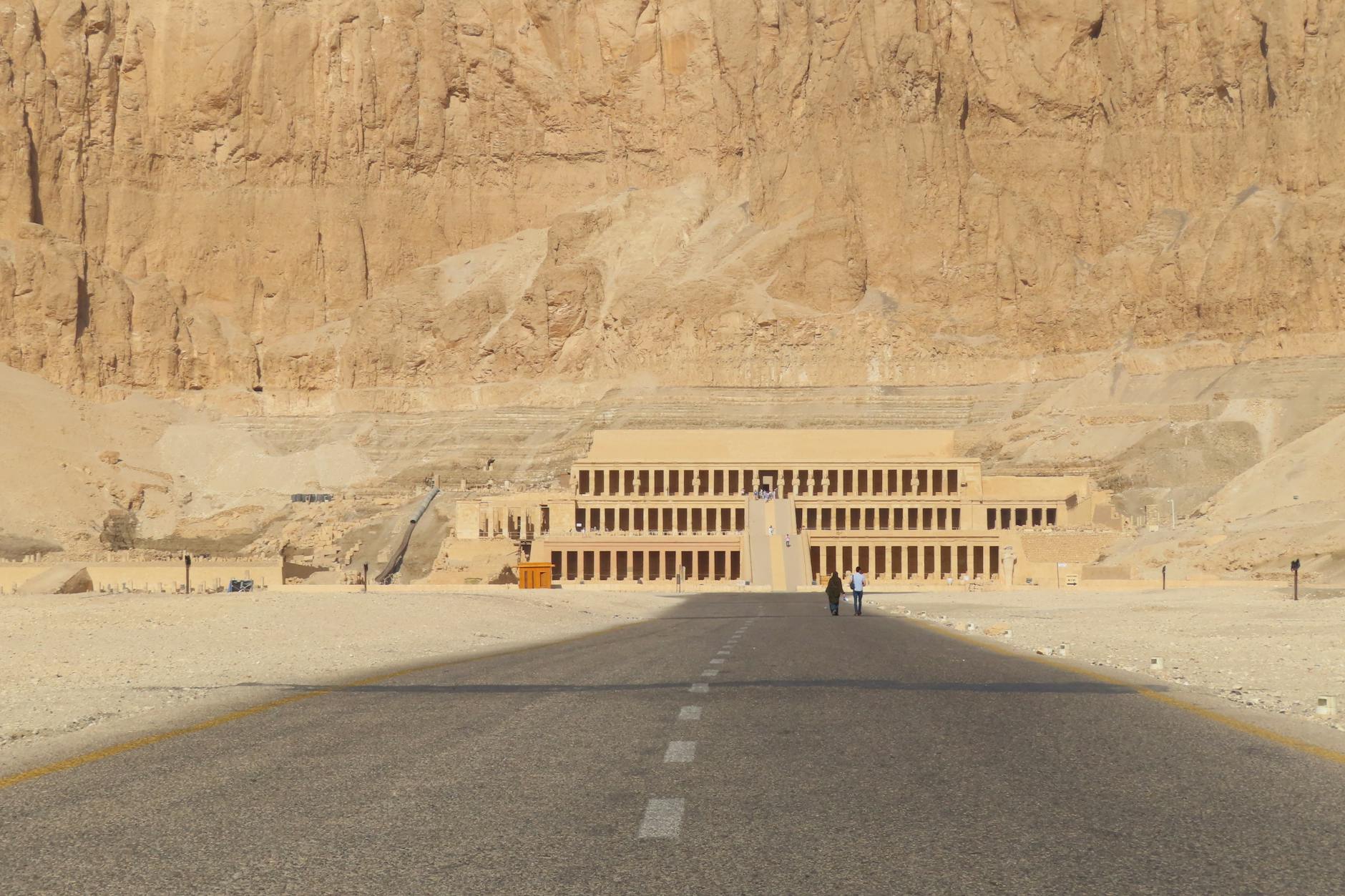
The cliff face at Deir el-Bahari does something unusual: it holds three complete temples in a single bay of pale limestone, stacked across thirty-five centuries of Egyptian ambition. The one that draws the eye first is Djeser-Djeseru — "the Holy of Holies" — Hatshepsut's mortuary temple, 273 metres wide and rising in three colonnaded terraces to 30 metres, built in limestone at a time when every other pharaoh was building in sandstone.
The Arabic name means "northern monastery," a reminder that a Coptic community lived here in the seventh century CE before archaeologists arrived. Between 1894 and 1896, excavators pulled the temple out from under those monastery ruins. The site has been in the process of being reassembled ever since.
💛 What travellers fall for
People who come back tend to say the same thing: go before 8 a.m., before the tour groups arrive from the East Bank. The Hathor Shrine — cut partly into the rock just south of Hatshepsut's temple, a hemispeos — gets overlooked in the rush toward the main colonnades. That's where the light is quietest and the carvings closest to eye level.
Deals in Deir el-Bahari
Book directly at the provider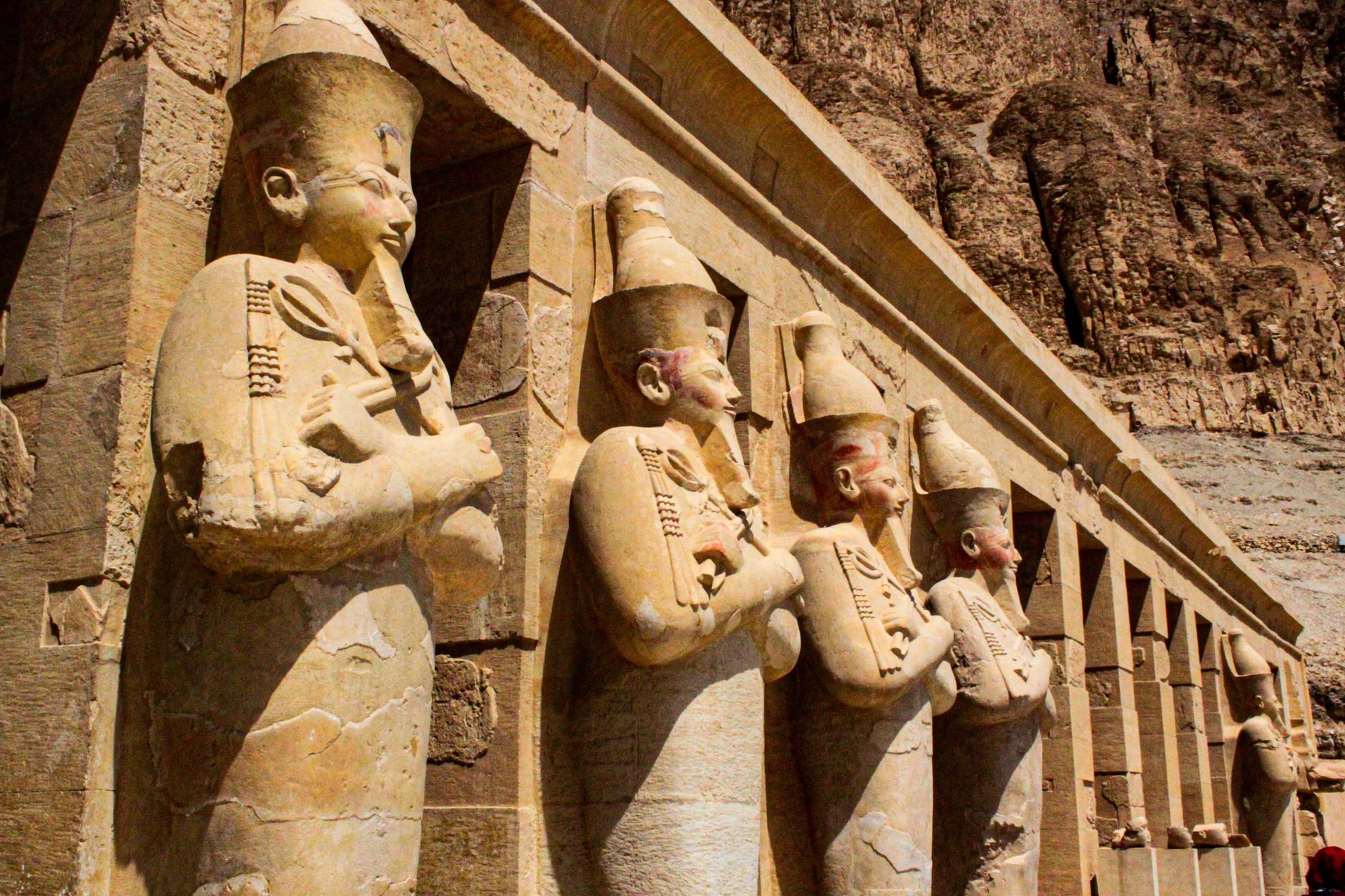

How Deir el-Bahari came to be
The bay at Deir el-Bahari was first claimed by Mentuhotep II around 1970 BCE. His funerary temple commemorated something specific: the reunification of Egypt after the fractured First Intermediate Period. Much of its superstructure is gone now, but the site choice established the location as sacred ground.
Five centuries later, Hatshepsut — fifth pharaoh of the Eighteenth Dynasty, ruling from around 1479 to 1458 BCE — commissioned her architect Senenmut to build Djeser-Djeseru on the same terrace axis. Construction ran approximately fifteen years. After her death, her successor Thutmose III systematically removed her image and name from the walls. A third temple, built by Thutmose III around 1435 BCE with an unusual hypostyle hall whose columns resemble tent poles, was discovered above and between the two earlier structures by a Polish archaeological mission that also began a fuller restoration of Hatshepsut's sanctuary in 1968.
Who and what shaped it
People who shaped it
Landmark buildings
See Deir el-Bahari in motion
Plan your visit
On the map
When to go
October through April brings mild days and cool nights — the only season the site is genuinely comfortable to walk. From June through August, midday temperatures can reach 42°C in the open limestone courtyard, and there is no meaningful shade until you reach the colonnades.
Right now
Background & history adapted from Wikipedia (CC BY-SA) · specs from Wikidata (CC0) · weather from Open-Meteo · map data © OpenStreetMap contributors · photos from Wikimedia Commons / Unsplash with per-image credit. No third-party reviews or social posts reproduced.