
Sinai Peninsula
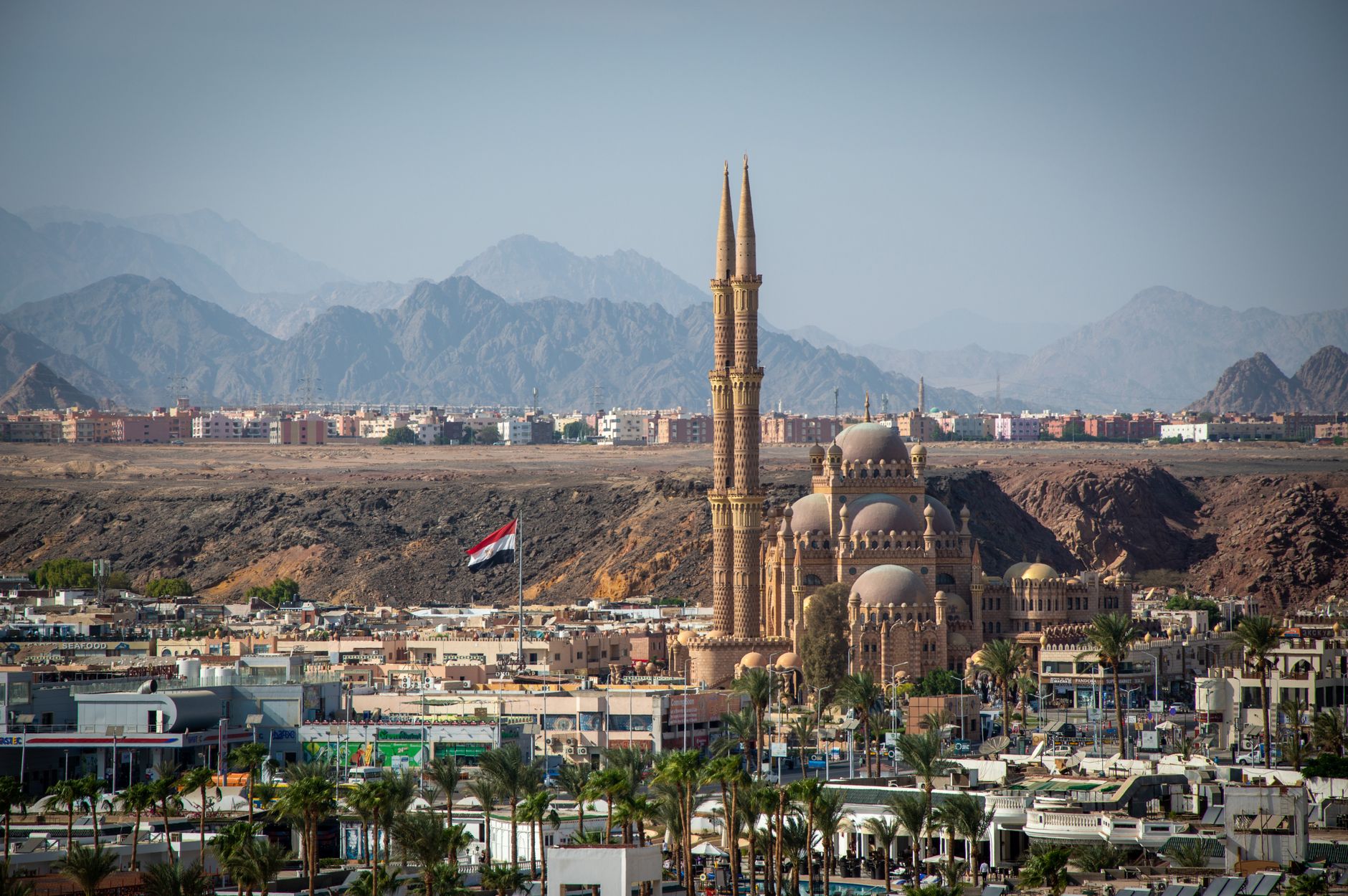
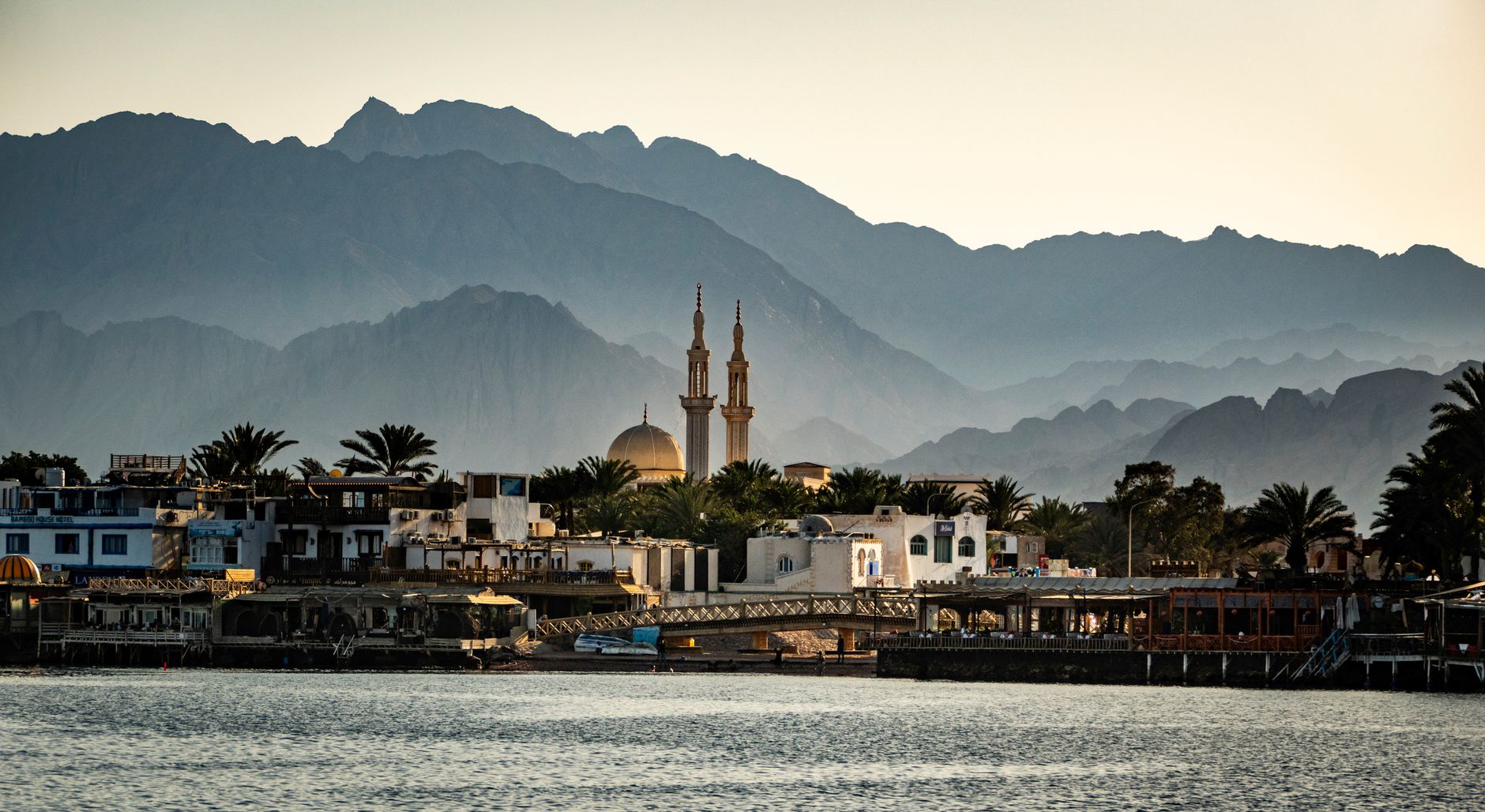
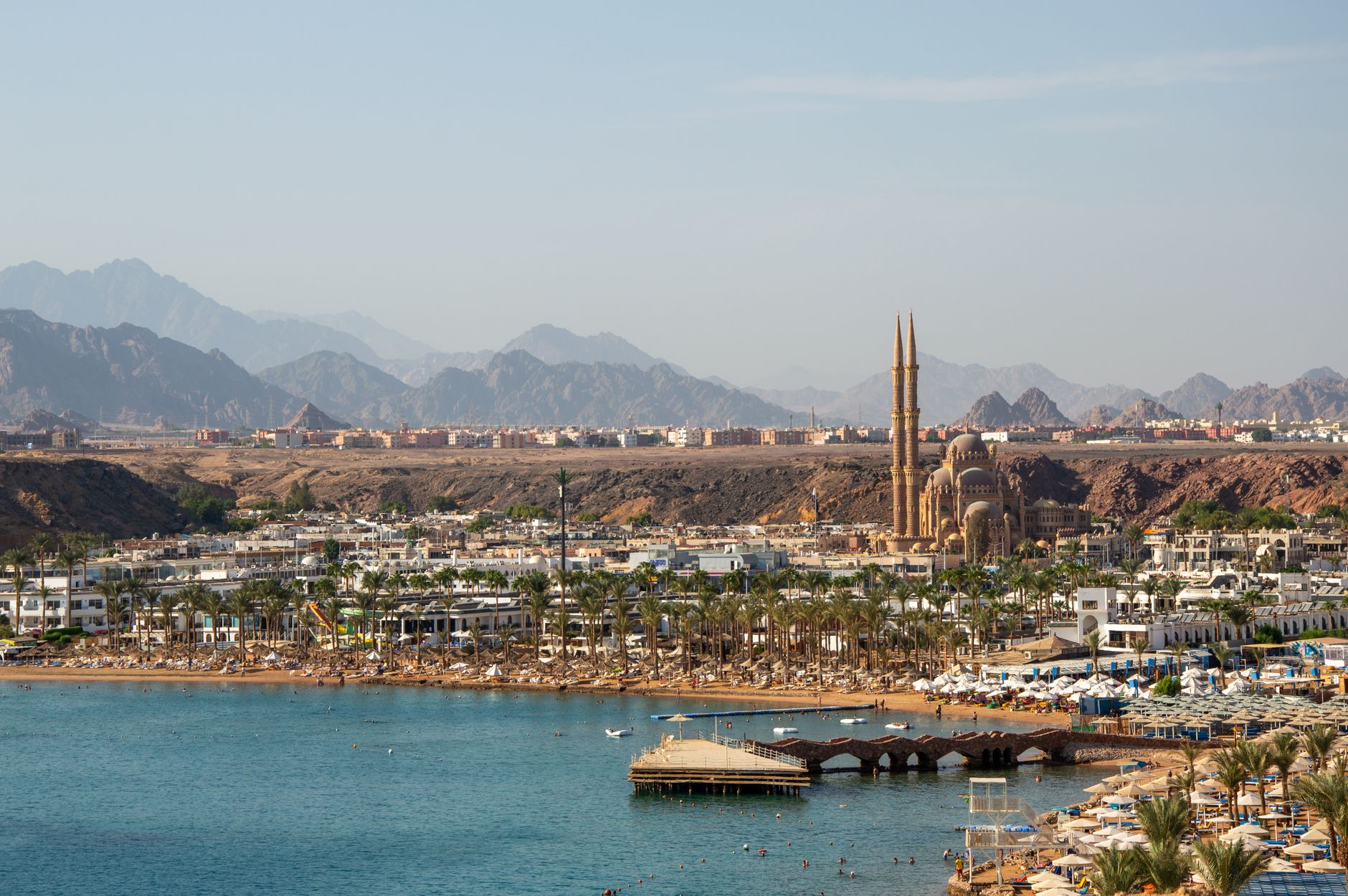
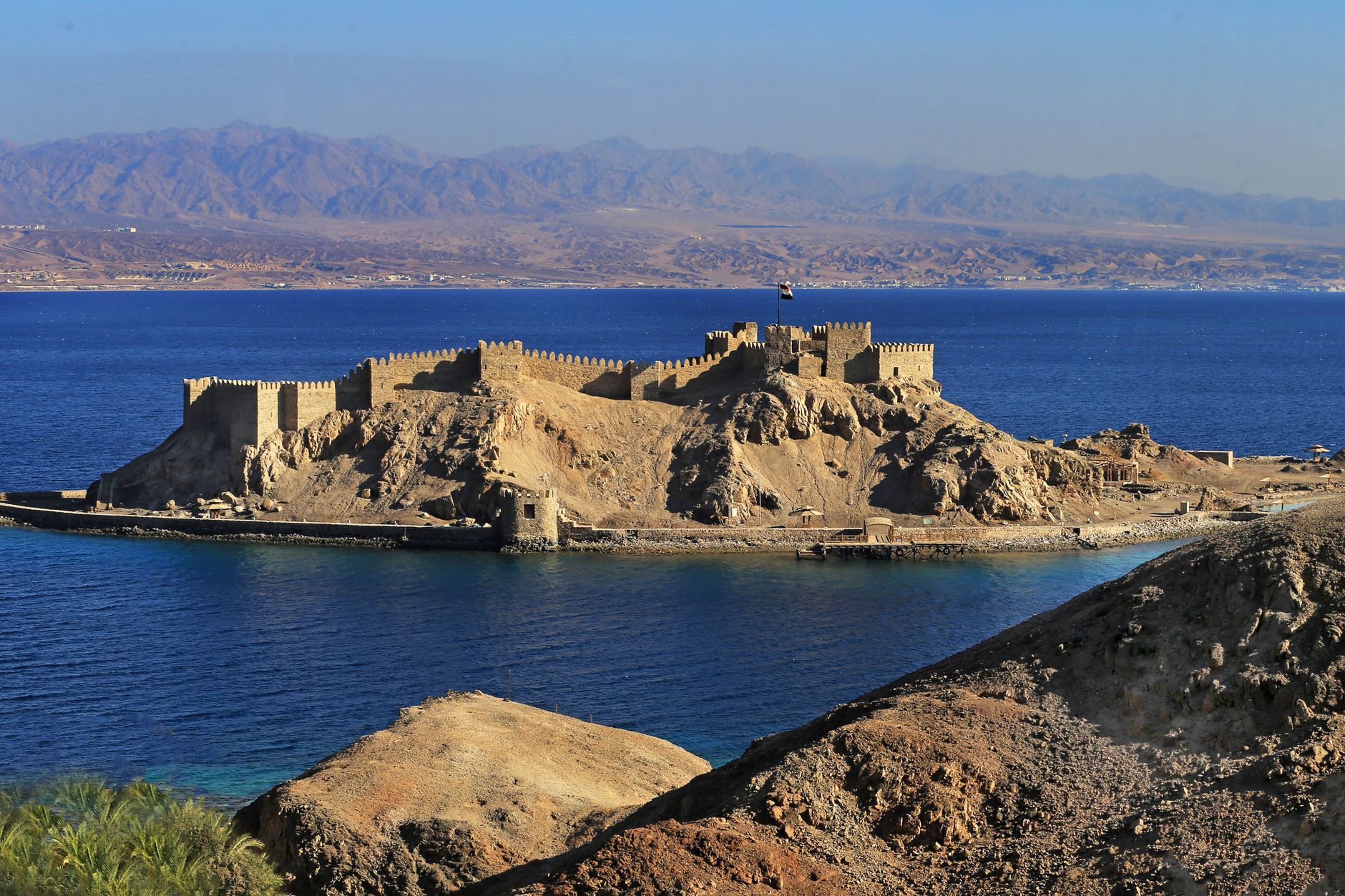
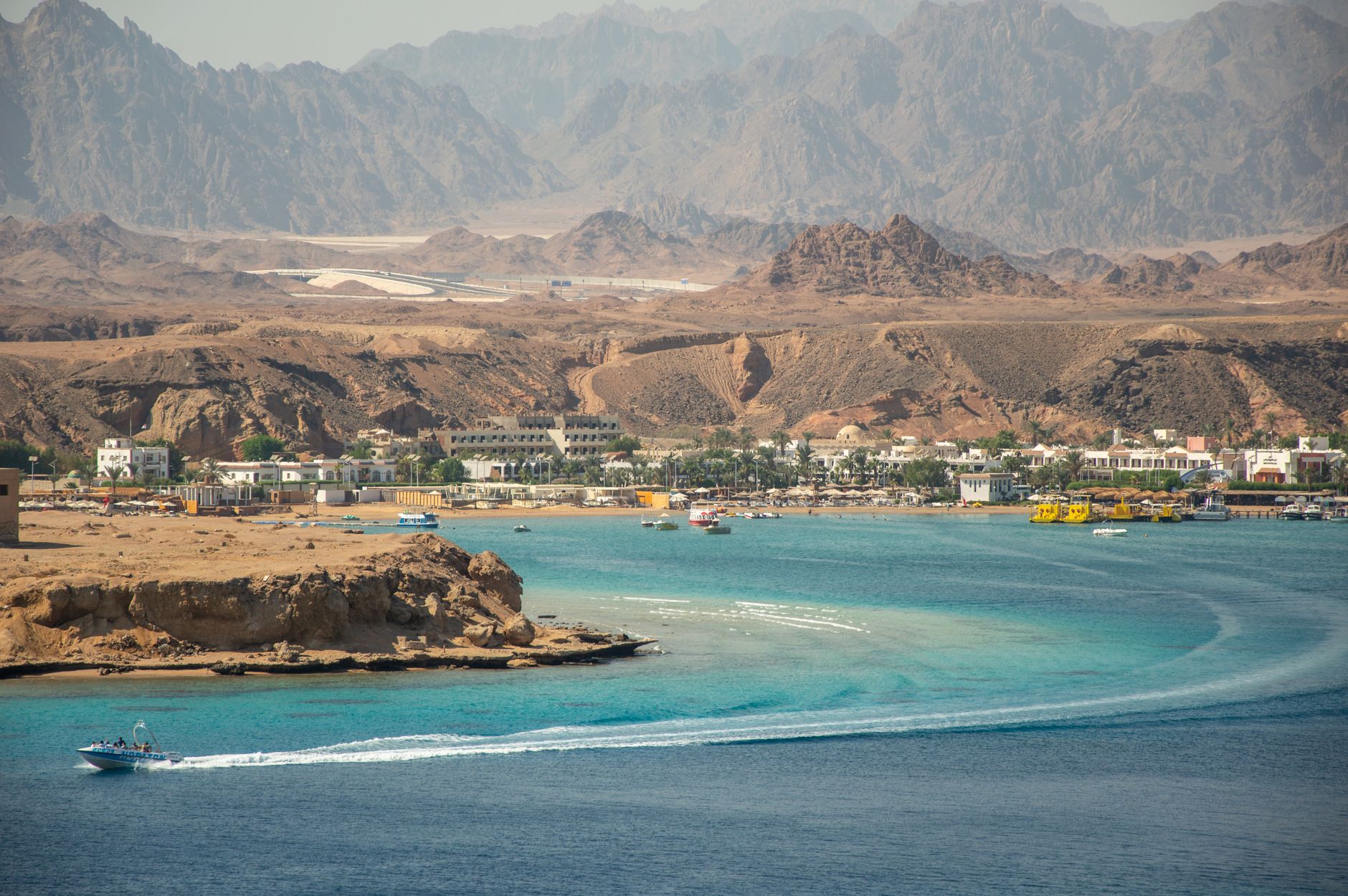

The Sinai Peninsula is a triangle of land caught between two seas — the Gulf of Suez to the west, the Gulf of Aqaba to the east — and it holds within that shape something close to a full world. The south is coral reef and granite mountain; the interior is desert plateau and sudden oasis; the north fades into dunes and the Mediterranean coast. Ancient Egyptians called it Khetiu Mafkat, the Ladders of Turquoise, and mined its peaks for copper and stone as early as 3000 BCE.
Today roughly 600,000 people live here, including Bedouin communities whose roots stretch back more than two millennia, and whose seven tribes form the Tawara federation. The Jebaliya tribe — descendants of Byzantine monks and servants — still serve as hereditary guardians of Saint Catherine's Monastery. That continuity, between the ancient and the very much present, is what sets Sinai apart from the Red Sea coast destinations nearby.
How Sinai Peninsula came to be
Egypt has claimed Sinai since the First Dynasty, around 3100 BCE, but the peninsula spent much of recorded history as a corridor — for armies, pilgrims, and miners. The Byzantine emperor Justinian I raised the walls of Saint Catherine's Monastery in 530 CE; the Ottomans arrived in 1517 and held it for three and a half centuries. Britain administered the territory from 1882 until Egyptian independence in 1956, the same year the Suez Crisis brought Israeli, French, and British forces across its borders.
Israel occupied the peninsula again after the Six-Day War of 1967, holding it for fifteen years. The 1979 Egypt-Israel peace treaty set in motion a staged withdrawal, completed in 1982, with the small enclave of Taba returning only in 1989 after international arbitration — the last piece of a long negotiation.
Who and what shaped it
Landmark buildings
See Sinai Peninsula in motion
Plan your visit
On the map
When to go
Summers in the interior can be fierce, with temperatures well above 40°C in the desert valleys; the coasts are hot but tempered by sea breezes. Spring (March–May) and autumn (September–November) are the most comfortable seasons for hiking to Mount Sinai or exploring Serabit el-Khadim. Winter nights at altitude drop sharply — bring layers if you're making the pre-dawn climb.
Right now
Background & history adapted from Wikipedia (CC BY-SA) · specs from Wikidata (CC0) · weather from Open-Meteo · map data © OpenStreetMap contributors · photos from Wikimedia Commons / Unsplash with per-image credit. No third-party reviews or social posts reproduced.