
Region

Alexandria

Alexandria
Photo by Muhammed Fatih Beki on Pexels
Alexandria
Photo by Muhammed Fatih Beki on Pexels
Alexandria
Photo by Muhammed Fatih Beki on Pexels
Alexandria
Photo by Ahmed fahmy on Pexels
Alexandria
Photo by Rewan Ahmed on Pexels
Alexandria
Photo by Agung Pandit Wiguna on Pexels
City break Culture & history Beach & sun

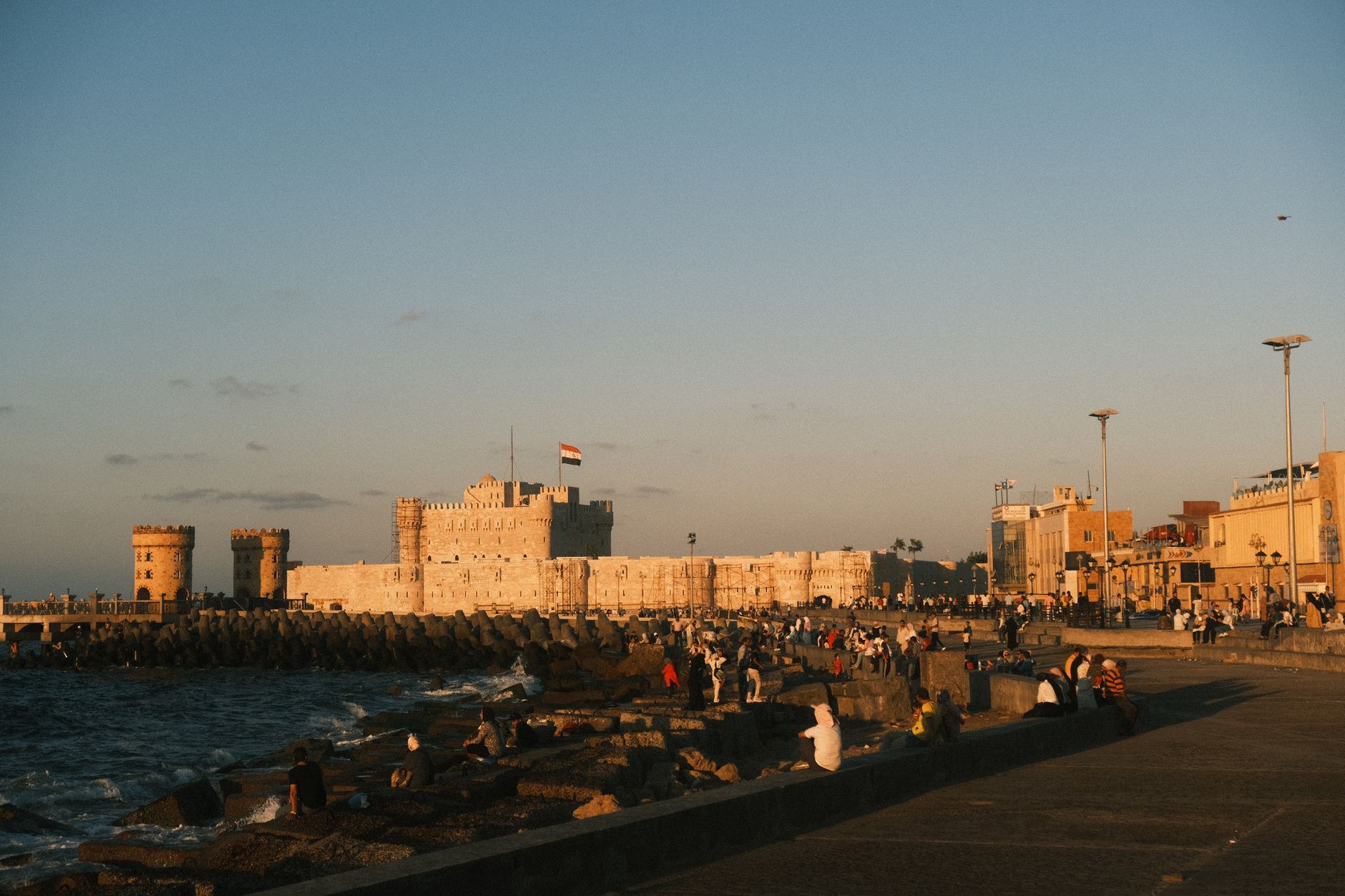
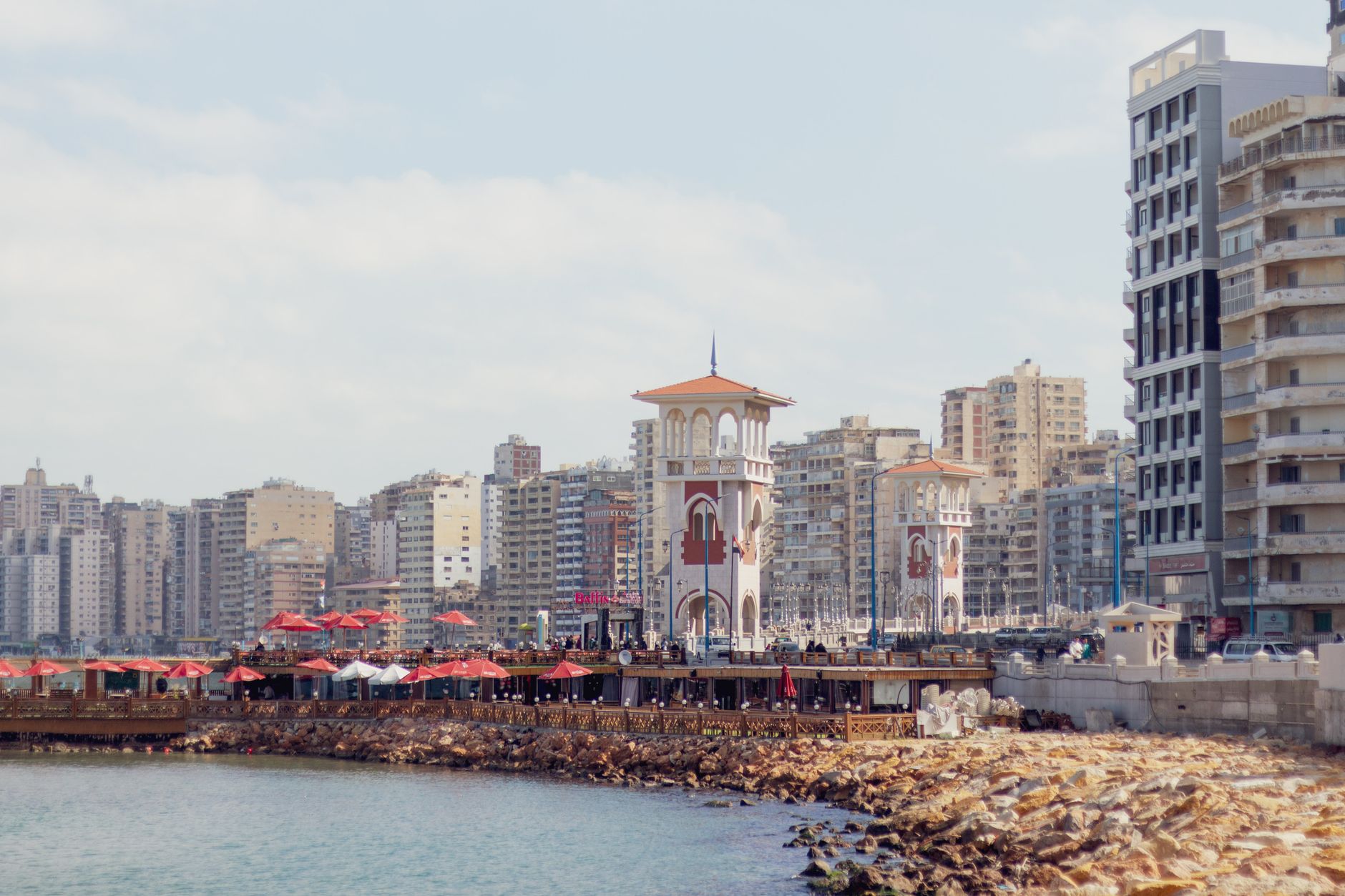
Alexandria begins at the water. The Corniche runs along the Mediterranean for miles, and on a clear morning the light off the sea is sharp enough to make you squint before you've had coffee. This is a city that has been remade repeatedly — by Ptolemies, Romans, Arabs, Napoleon, the British — and the layers show in the stones if you know where to look.

The modern Bibliotheca Alexandrina, completed in 2002, sits close to where scholars once worked alongside Euclid and Eratosthenes. The Roman theatre at Kom al-Dikka, discovered by accident in 1960, still has its 13 tiers of white and grey marble intact. Alexandria rewards the curious walker more than the itinerary-follower.

Good to know
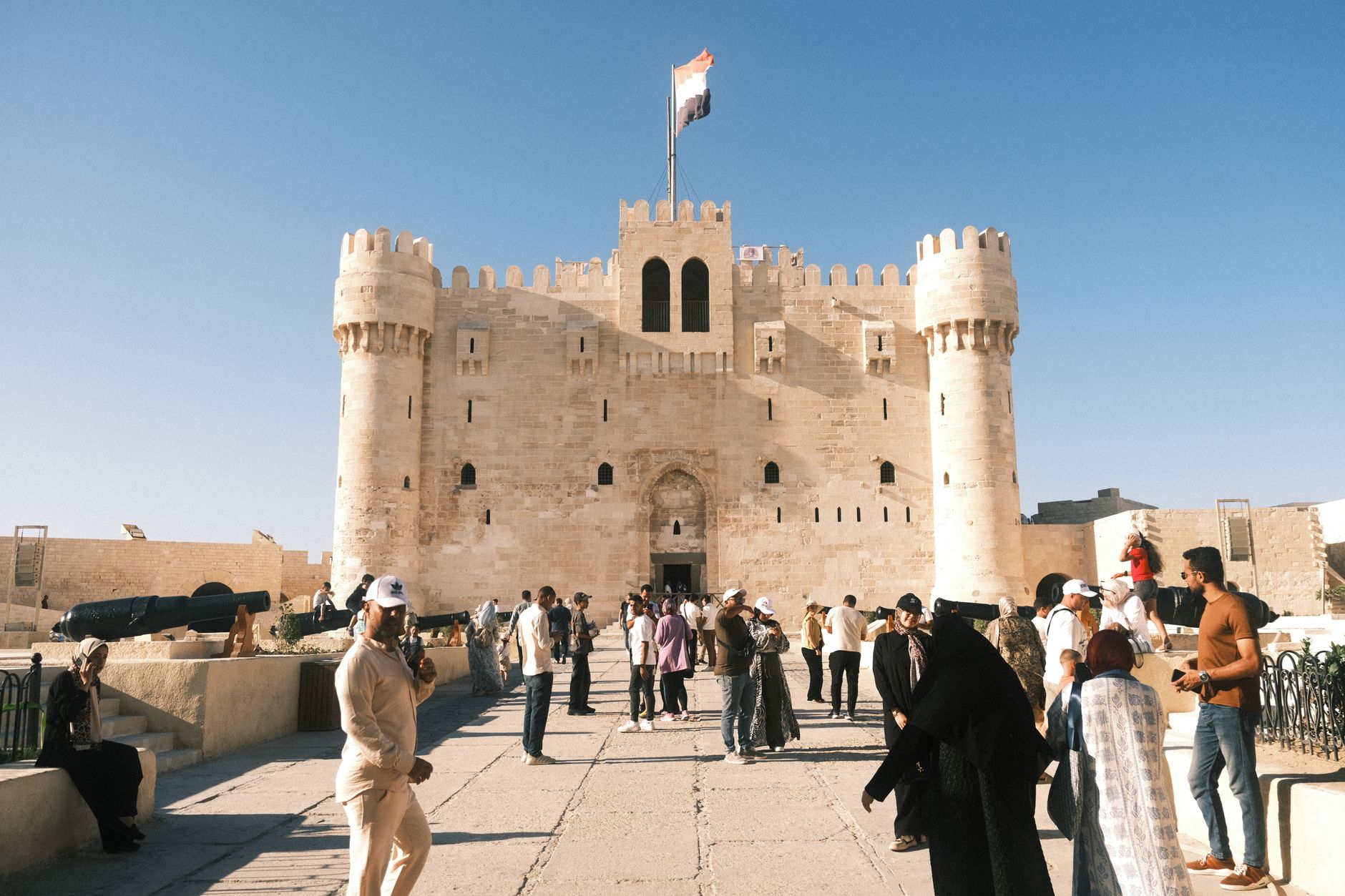
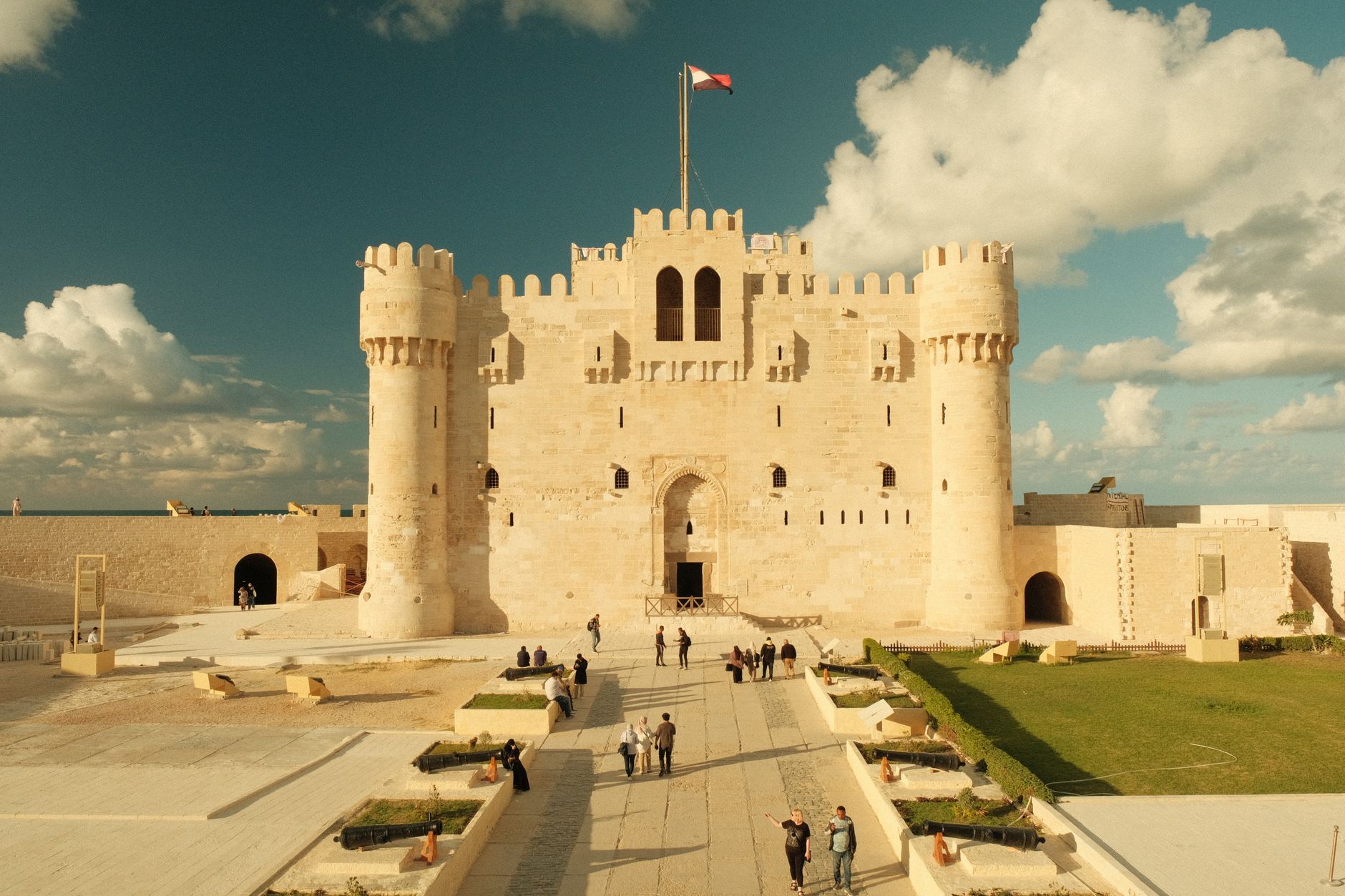
Alexandria is two hours from Cairo by train — the intercity rail is the most comfortable option. Spring (March–May) and autumn (October–November) give you the city at its most agreeable. The Catacombs of Kom el Shoqafa and Qaitbay Citadel are best visited on weekday mornings before tour groups arrive.
The story

How Alexandria came to be

Alexander the Great chose this site in 332 BCE for its deep anchorage off the island of Pharos and the freshwater access provided by Lake Maryūṭ — practical reasons that would underpin one of antiquity's most consequential cities. After Alexander's death in 323 BCE, Ptolemy I Soter took control and founded the dynasty that would turn Alexandria into the Mediterranean's foremost centre of scholarship. The Mouseion research institute drew Archimedes, Ptolemy and Eratosthenes. The Pharos lighthouse, erected in 279 BCE, stood for over a thousand years.

Rome absorbed the city in 30 BCE under Octavian. The Arabs took it in 641 CE and shifted Egypt's capital to Fustat on the Nile, beginning a long decline. Napoleon's army arrived in 1798; the British followed. It was the viceroy Mohammad Ali who rebuilt Alexandria's importance in the early 19th century, setting the stage for the layered, sea-facing city you find today.

People & landmarks

Who and what shaped it

People who shaped it

Alexander the Great
Founded Alexandria in 332 BCE as a naval base and capital of his Egyptian dominion.
Ptolemy I Soter
Took control of Alexandria after Alexander's death in 323 BCE and founded the Ptolemaic Dynasty.
Euclid
Mathematician who studied and worked at the Mouseion research institute in 3rd century BCE Alexandria.
Eratosthenes
Geographer and scholar who studied at the Mouseion in Alexandria.
Archimedes
Mathematician and physicist who studied at the Mouseion in Alexandria.
Cleopatra
Courted by Julius Caesar in Alexandria in 47 BCE; besieged in the city by her brother and rival.
St. Mark
Author of the second gospel, said to have preached in Alexandria in the mid-1st century CE.
Origen
Bible scholar and theologian educated in Alexandria; headed the city's famous catechetical school (c. 185–c. 254).
Dinocrates
Chief architect of Alexandria under Alexander the Great.

Landmark buildings

Pharos (Lighthouse of Alexandria)
One of the seven wonders of the ancient world, erected 279 BCE; stood over 110 metres high for more than a thousand years before demolition in 14th–15th centuries.
Library of Alexandria (Mouseion)
Research institute and library established probably by Ptolemy II (r. 282–246 BCE); gathered scholars including Euclid, Archimedes, and Eratosthenes.
Bibliotheca Alexandrina
Modern library completed in 2002; stands as tribute to Alexandria's intellectual legacy with research, exhibitions, and cultural spaces.
Roman Amphitheatre (Kom al-Dikka)
Only known ancient Roman theatre in Egypt, dating 2nd–4th century AD; seated 600–800 spectators across 13 tiers of marble; discovered accidentally in 1960.
Catacombs of Kom el Shoqafa
Underground burial site from 2nd century AD blending Egyptian, Greek, and Roman influences with ornate tombs and carvings.
Pompey's Pillar (Diocletian's Column)
Red granite column erected 297 AD to honour Roman Emperor Diocletian; stands 88 feet high and is one of the world's tallest monolithic columns.
Qaitbay Citadel
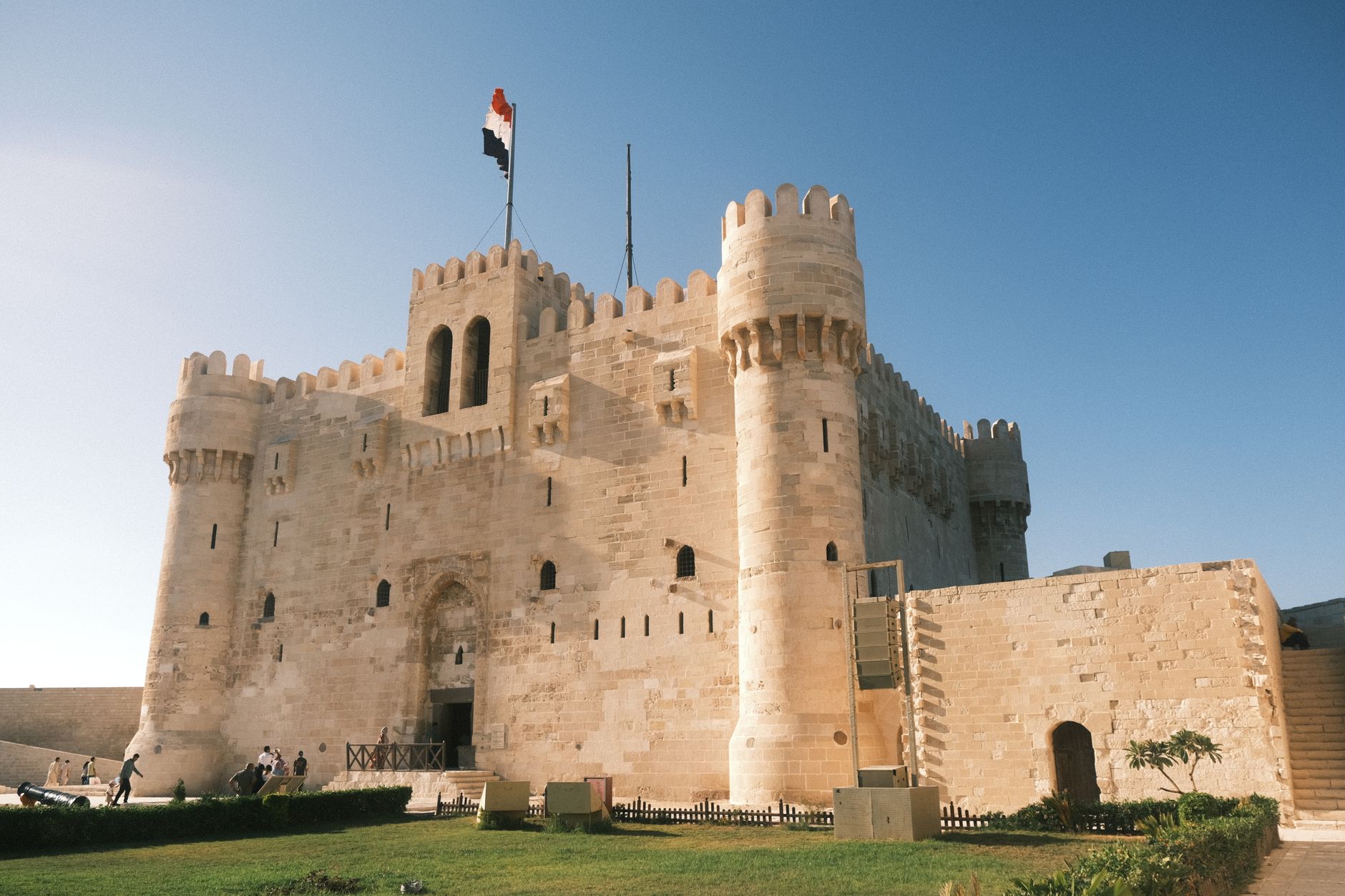
Mamluk fortress built 1477–1479 AD over the ruins of the ancient Pharos lighthouse; open 9 am–5 pm (7 pm summer); entry EGP 60.
Serapeum
Principal temple of Serapis, the national god during the Roman period; destroyed in 391 AD when Byzantine Emperor Theodosius outlawed paganism.
Alexandria National Museum
Housed in a 1926 palace; displays 1,800 artifacts across three floors from prehistoric to Islamic periods, including Abu Qir Bay finds.
Montaza Palace and Gardens
Royal palace with lush gardens and coastal views along the Mediterranean.
Alexandria Corniche
Waterfront promenade running miles along the Mediterranean with sea views and cafes.
Watch

See Alexandria in motion

Practical

Plan your visit

On the map

When to go

Summers (June–August) are hot and humid along the coast, though sea breezes keep temperatures more bearable than inland Egypt. Winters are mild but can bring rain and occasional grey stretches; spring and autumn are the most reliably pleasant seasons for walking the city.

Right now

☀️
25°C
Clear
Sat
30°
25°
Sun
30°
25°
Mon
30°
25°
Tue
31°
25°
Weather data: Open-Meteo

Background & history adapted from Wikipedia (CC BY-SA) · specs from Wikidata (CC0) · weather from Open-Meteo · map data © OpenStreetMap contributors · photos from Wikimedia Commons / Unsplash with per-image credit. No third-party reviews or social posts reproduced.

Top