
Khan el-Khalili Bazaar, Cairo
Established in 1382 on the site of a Fatimid royal cemetery, Khan el-Khalili is one of the oldest continuously operating markets in the world — a labyrinth of copper-smiths, spice vendors, perfume blenders and jewellers packed into medieval lanes in the heart of Islamic Cairo. It is simultaneously a working neighbourhood market and a sensory spectacle unlike anything else in Africa.
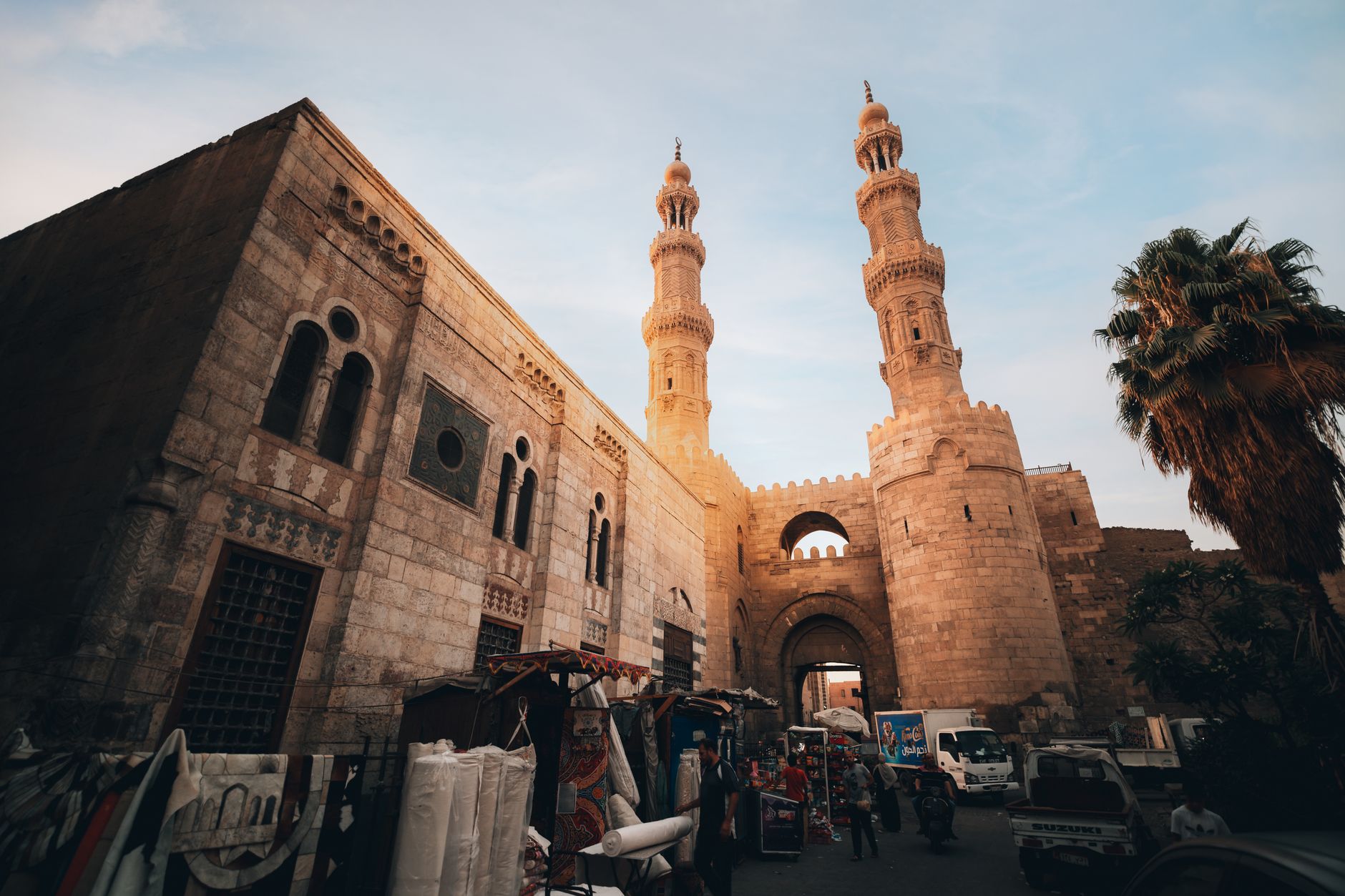
What to Buy & Where to Find It
The main tourist thoroughfare on Muizz Street sells papyrus, alabaster and silver cartouche jewellery, but the real character lies in the specialist lanes branching off it: Sharia el-Badestan for antique brass and inlaid woodwork, Sharia el-Muski for wholesale fabric and galabiya robes, and the spice souk on the western edge for ras el-hanout, dried hibiscus (karkadeh) and black seed oil priced for locals, not tourists.
Haggling is expected everywhere except in shops that display fixed-price signs. A useful benchmark: a hand-hammered copper tray that opens at LE 800 will usually settle at LE 400–500; a 100 g bag of loose-leaf karkadeh should cost no more than LE 50.

Eating & Lingering
El-Fishawy Café, tucked into a narrow alley just inside the main gate, has served mint tea and shisha without interruption since 1773 — the mirrored walls, brass lanterns and marble tables are original. Order a glass of freshly pressed sugarcane juice (asab) and watch the lane traffic from a wicker chair.
For a proper meal, Naguib Mahfouz Restaurant on Sikket el-Badestan (named after the Nobel laureate who set novels in these streets) serves reliable kofta, grilled hamam (pigeon) and fatteh in a restored Mamluk-era building. Book ahead for Friday lunch when it fills with Egyptian families.

More of Egypt
Discover where to stay, what to do and the best deals for your trip.
Explore Egypt →


