
Giza
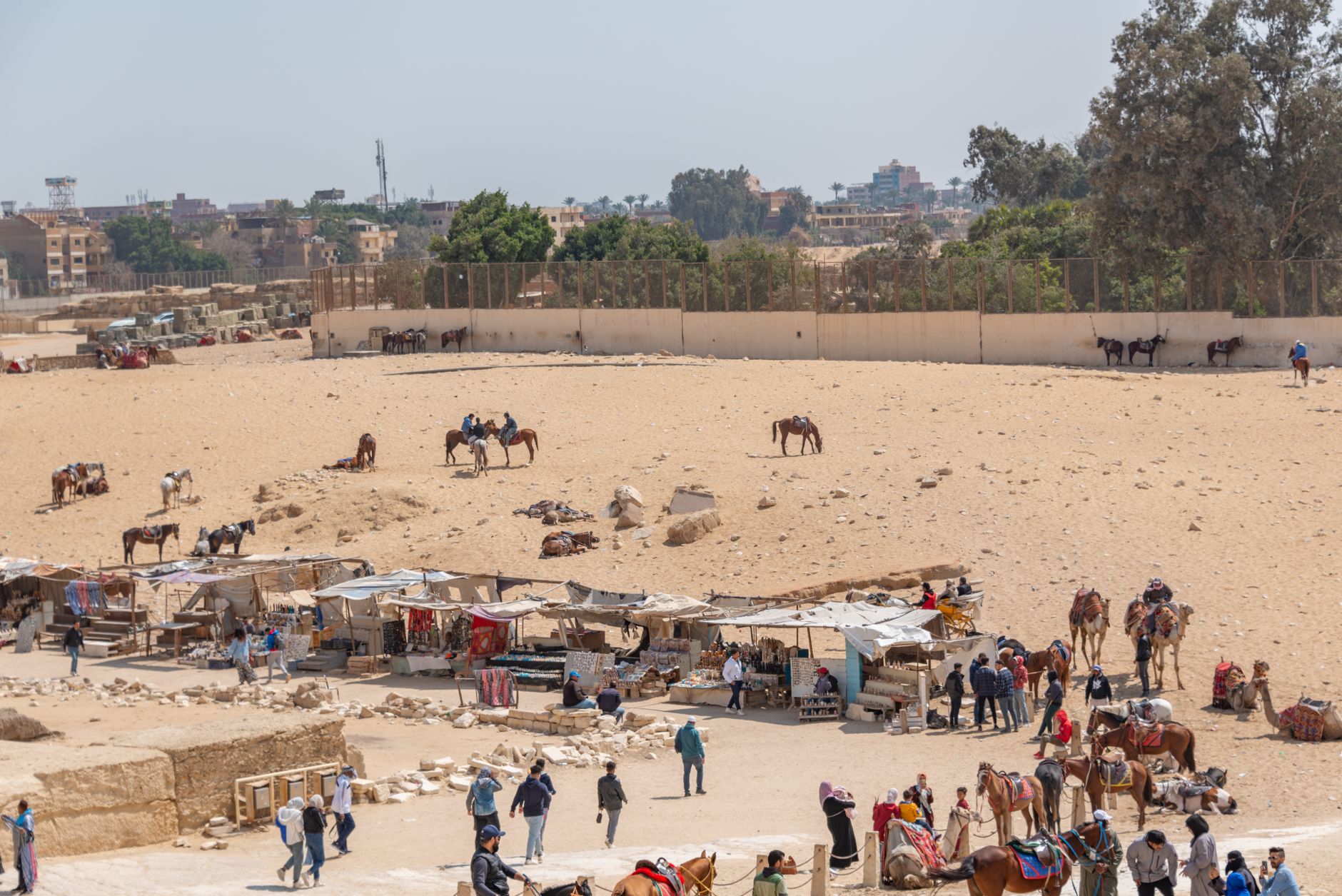
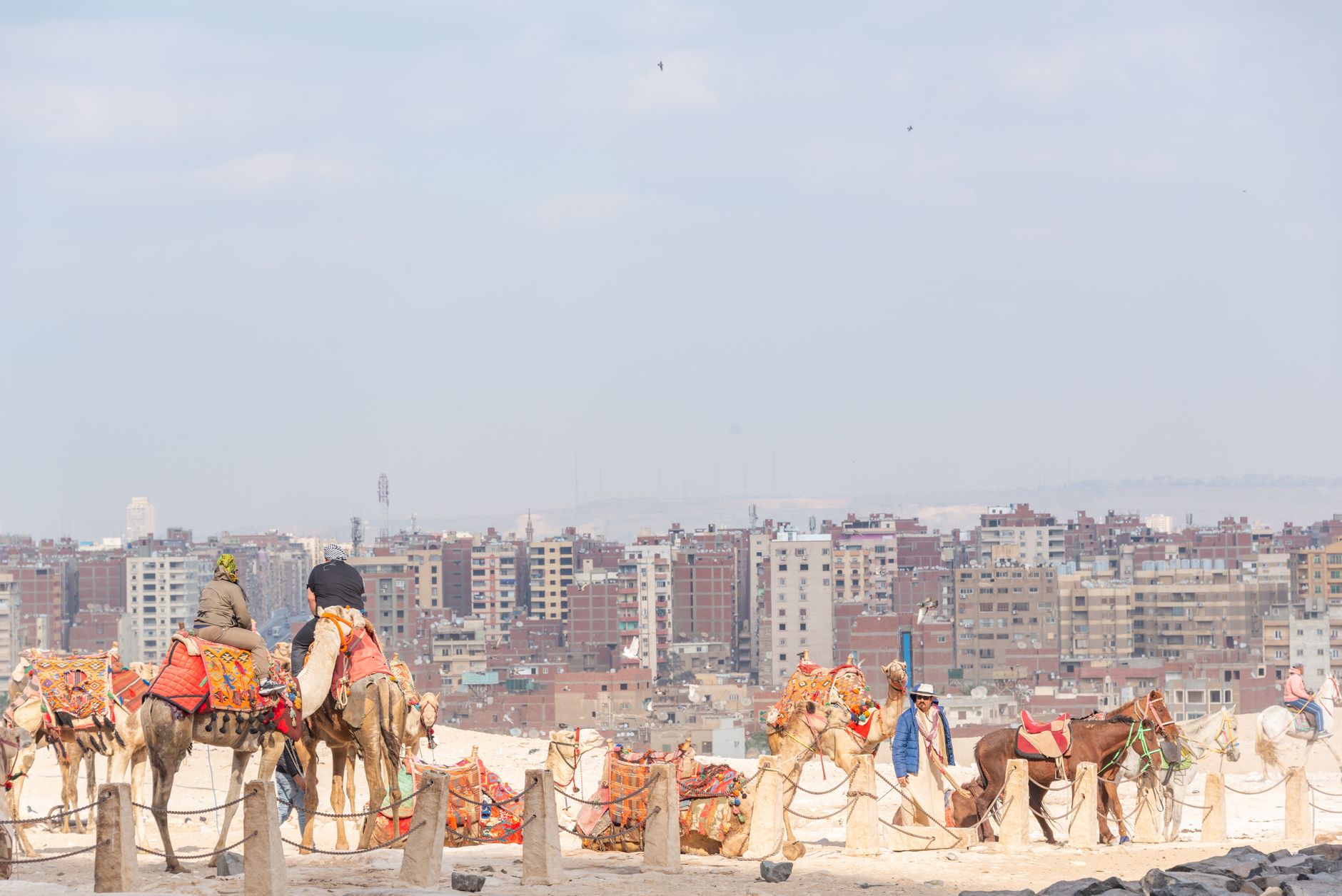
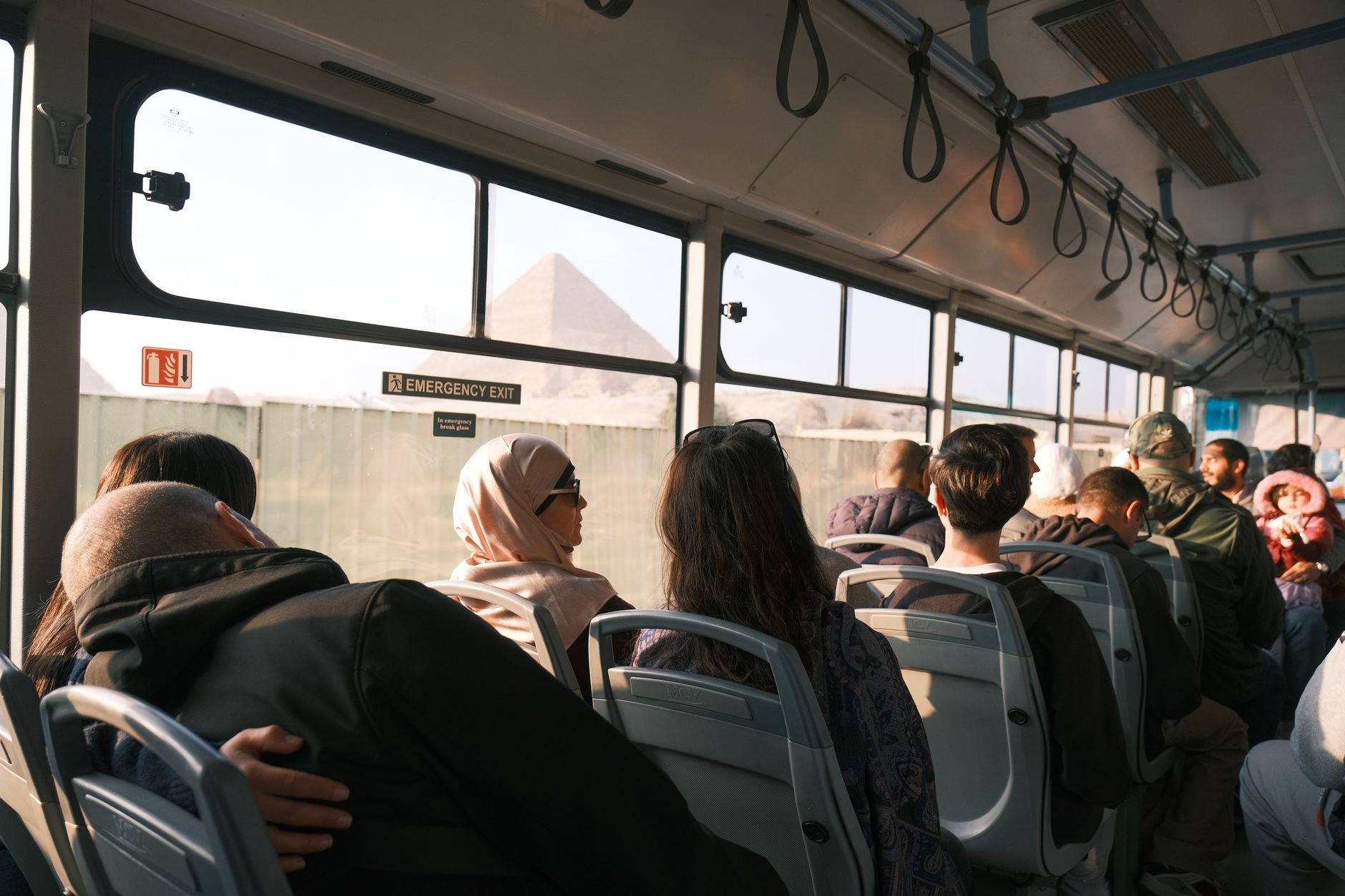
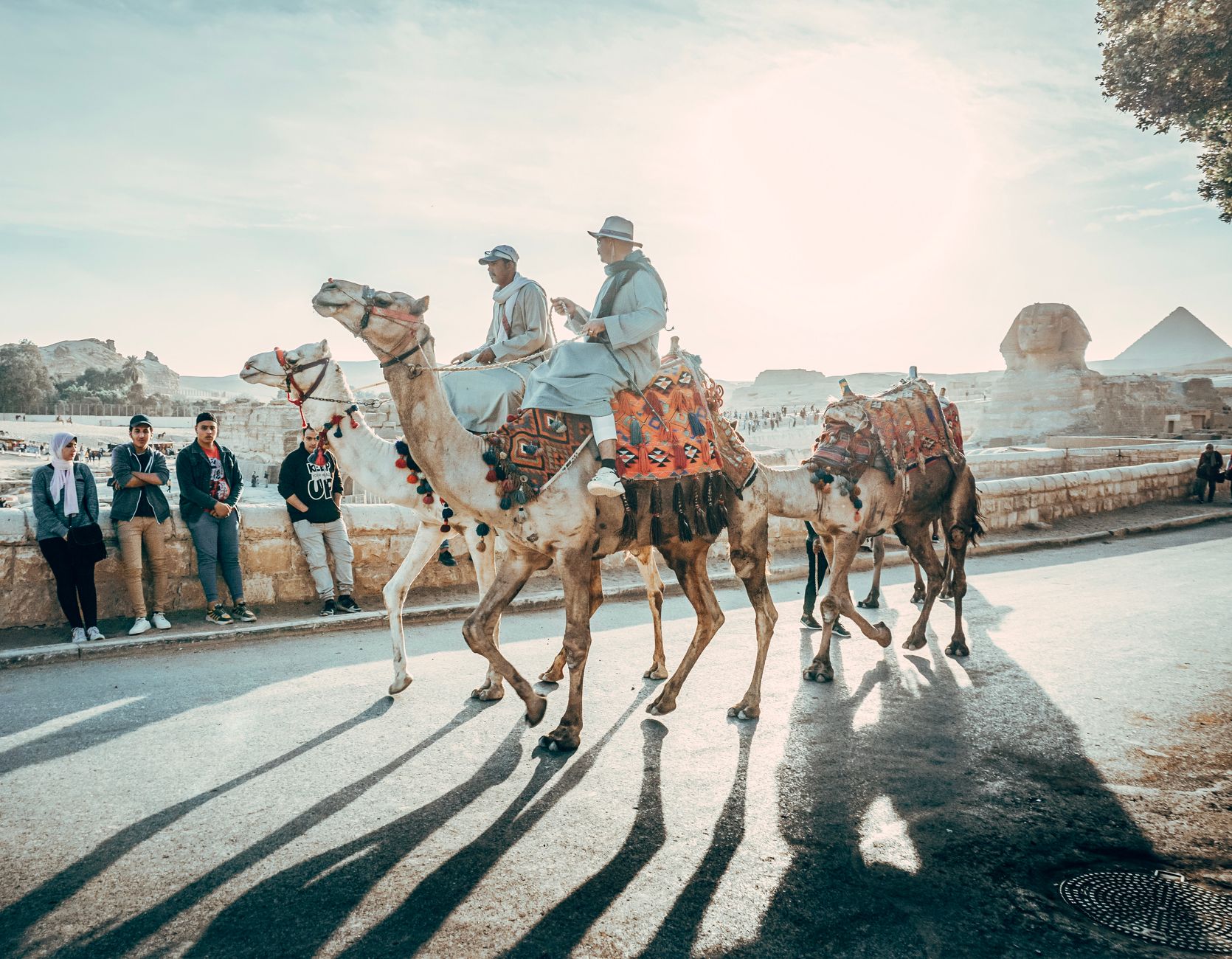
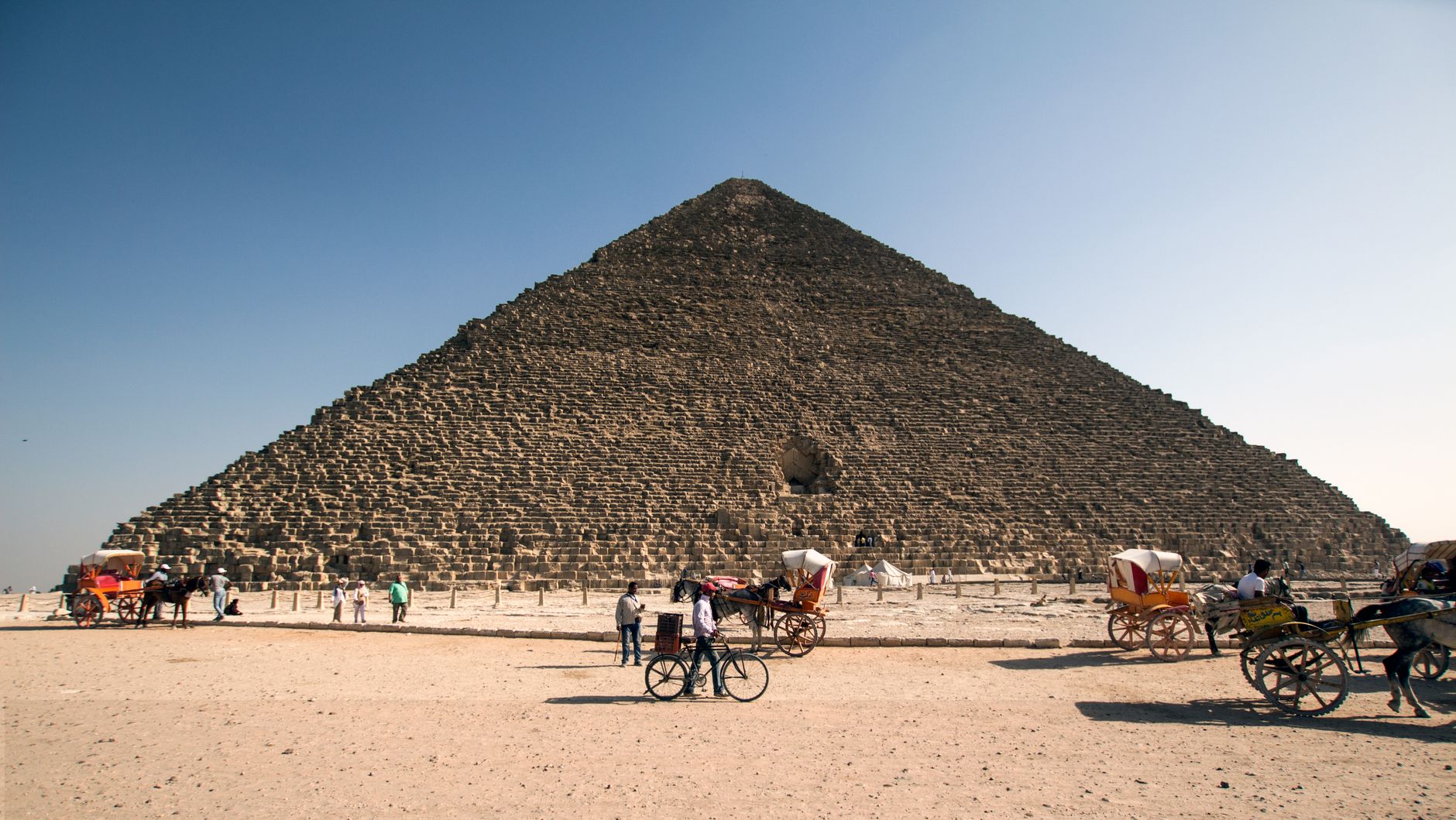
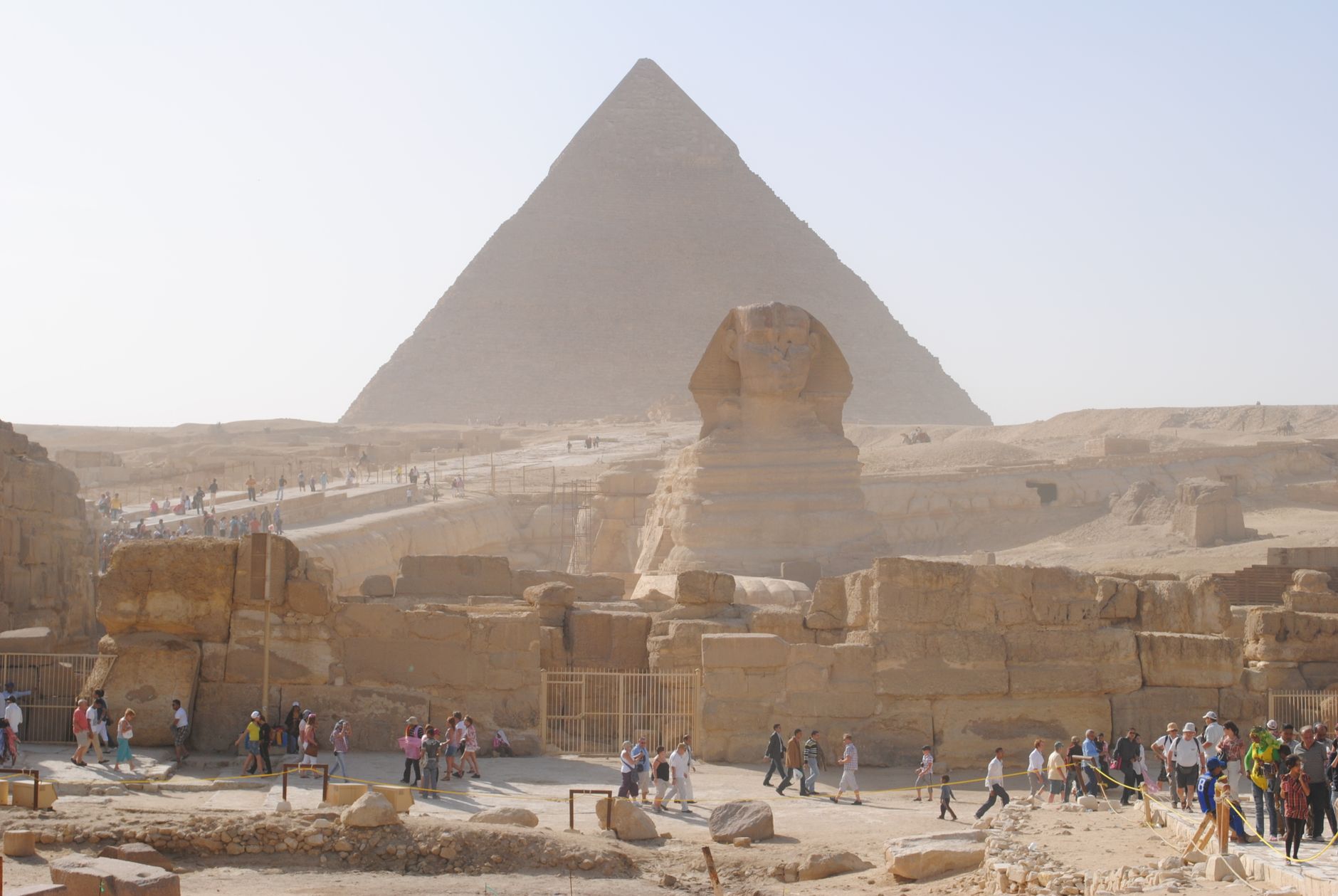
The pyramids are larger than photographs prepare you for. Standing at the base of the Great Pyramid of Khufu — built around 2560 BC from an estimated 2.3 million stone blocks, each weighing between two and fifteen tons — the scale stops being a number and becomes something physical. Giza is a working city on Cairo's western edge, and the plateau rises straight out of it, the desert beginning exactly where the streets end.
Beyond the three main pyramids, the site holds the Great Sphinx, queens' pyramids, causeways, and the excavated remains of a workers' settlement complete with bakeries, breweries, and a hospital — evidence that the people who built these monuments lived and were cared for here.
💛 What travellers fall for
People who return tend to arrive right at the 8 AM opening, before the tour groups consolidate. The Panoramic Point on the plateau's southern ridge gives you all three pyramids in one sightline. If the Great Pyramid interior is on your list, book that ticket separately and early — daily capacity is limited and it sells out.
How Giza came to be
People were burying their dead on this plateau long before the pharaohs arrived. Artifacts from the Maadi culture date the site to around 3800–3400 BC, and First Dynasty tomb evidence pushes continuous use back further still. The pyramid complex as we know it took shape across three reigns: Khufu commissioned the Great Pyramid around 2580 BC; his son Khafre added the second pyramid and, most likely, the Great Sphinx; Khafre's son Menkaure completed the third. The vizier Hemiunu is thought to have designed the Great Pyramid.
The workers' settlement — uncovered by archaeologist Mark Lehner in 1988 — showed that a rotating workforce of around 10,000 labourers, organised in three-month shifts, built each pyramid over roughly 30 years. The modern city of Giza itself dates to the early 7th century AD, growing substantially in the 19th century when a rail terminus and a causeway for European tourists followed the 1869 opening of the Suez Canal.
Who and what shaped it
People who shaped it
Landmark buildings
See Giza in motion
Plan your visit
On the map
When to go
Winters (November through February) are the most comfortable for walking the exposed plateau — warm and dry, with cool evenings. Summer temperatures regularly exceed 40°C with almost no shade, making early-morning visits in those months less a preference than a necessity.
Right now
Background & history adapted from Wikipedia (CC BY-SA) · specs from Wikidata (CC0) · weather from Open-Meteo · map data © OpenStreetMap contributors · photos from Wikimedia Commons / Unsplash with per-image credit. No third-party reviews or social posts reproduced.