
Region

Aswan

City break Culture & history Nature & outdoors

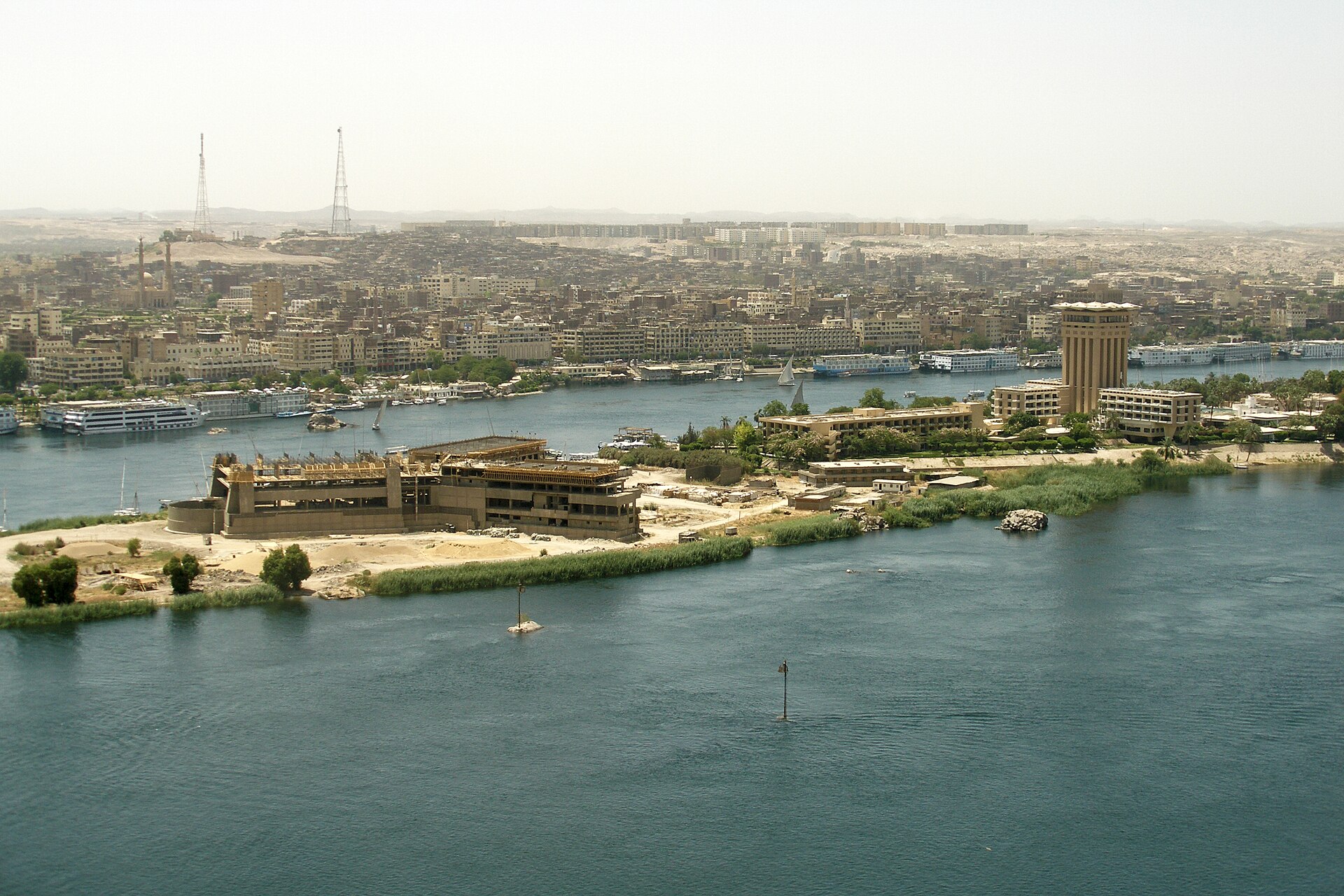
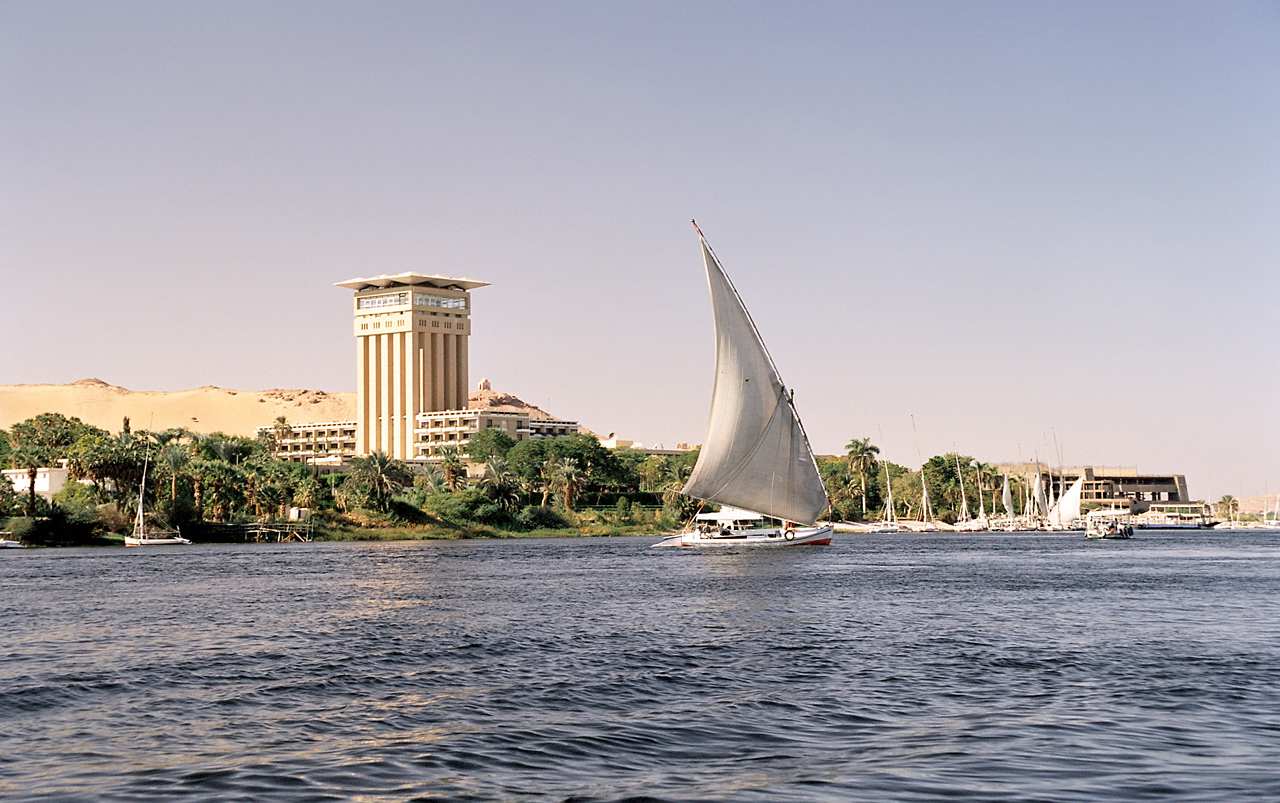
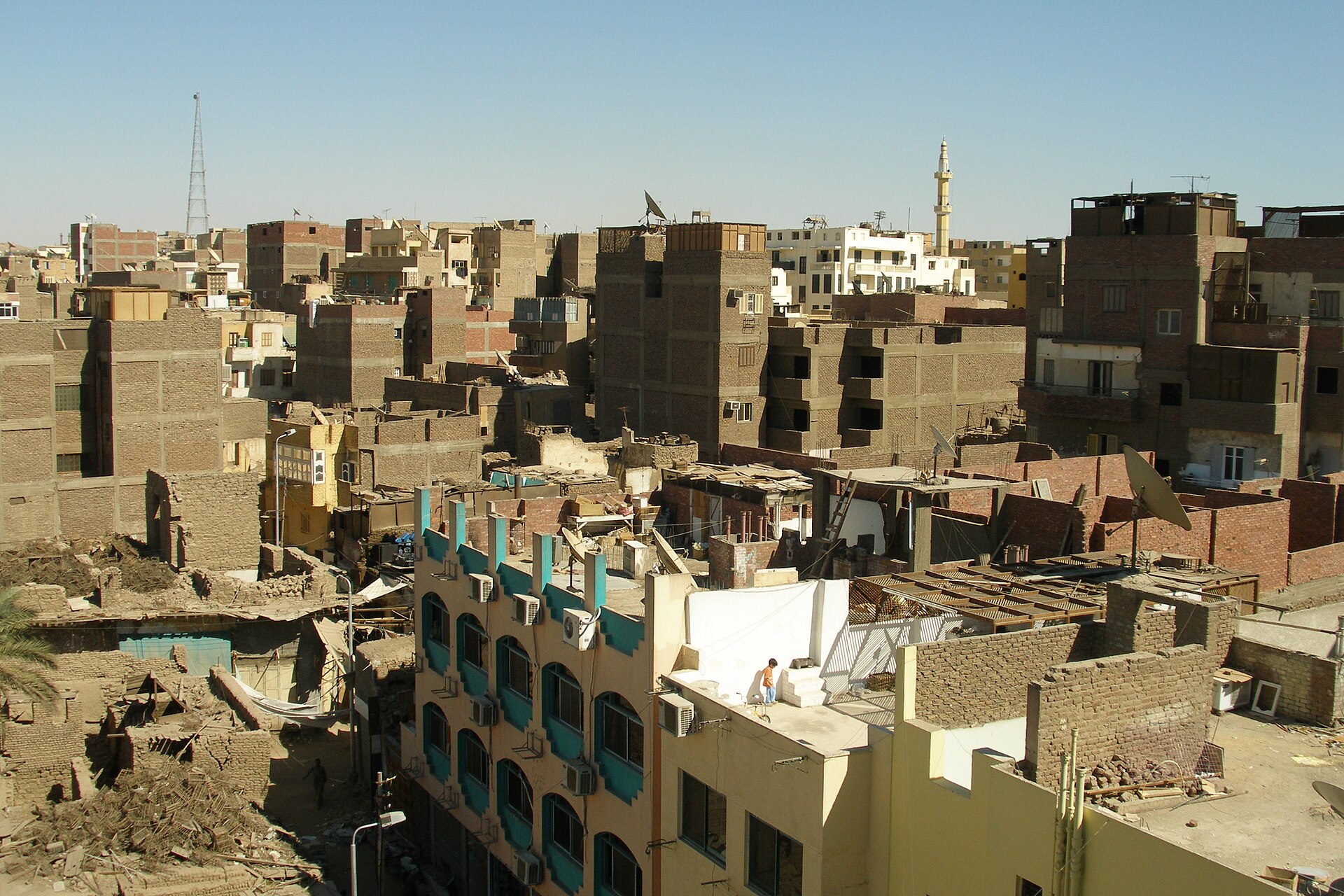
Aswan sits at the old edge of things — the point where ancient Egypt ended and Nubia began, where the Nile narrows and the desert presses close on both banks. The light here is different from Cairo or Luxor: drier, more golden, and the river runs slower. Feluccas still cross between the islands at dusk the way they always have.

This is a region shaped by granite and water. The same quarries that supplied stone for the great pyramids are still working. The High Dam remade the landscape in the twentieth century, drowning villages and creating Lake Nasser, one of the largest reservoirs on earth. Aswan holds all of that history without much ceremony.

Good to know
Aswan Airport sits about 10 km from the city centre; trains connect the region to the rest of the Nile Valley via Nubaria Station. Abu Simbel is a separate day-trip to the south — Yeppa covers it independently. October through February is the window to aim for.
The story

How Aswan came to be

Founded around 3000 BC as Swenett, Aswan was Egypt's southern frontier — a garrison town, a trading post, and a quarry. Old Kingdom pharaohs extracted granite here for pyramids and temples; the stone moved north by river. The Unfinished Obelisk, abandoned in the quarry after a crack appeared, gives the clearest sense of the scale of that industry: it would have stood 42 metres tall and weighed over a thousand tonnes.

The city drew a different kind of attention in the late nineteenth century, when European aristocracy arrived for the winter season. The Old Cataract Hotel opened in 1899, and Agatha Christie later wrote Death on the Nile within its walls. The Aswan High Dam, completed in 1970, was the defining modern event — engineering that controlled the Nile's floods, generated electricity, and submerged an entire ancient landscape beneath Lake Nasser.

People & landmarks

Who and what shaped it

People who shaped it

Eratosthenes
Ancient Greek mathematician used Aswan's latitude to calculate Earth's circumference via summer solstice observations.
Abbas al-Aqqad
20th-century Arab writer, poet, and literary critic born in Aswan; authored over 100 books on philosophy and history.
Aga Khan III
48th Imam of the Ismaili Muslims; enshrined in the Mausoleum of the Aga Khan in Aswan after his death in 1957.
Agatha Christie
Wrote 'Death on the Nile' while staying at the Old Cataract Hotel in Aswan.

Landmark buildings

Philae Temple
Ancient temple to Isis, Osiris, and Horus built in Ptolemaic period (332–30 BC); relocated to Agilkia Island to save from High Dam flooding.
Abu Simbel Temples
Carved from mountain in 13th century BC under Ramses II; Great Temple features four 20-metre colossal statues at entrance.
Kom Ombo Temple
Greco-Roman temple built 205–180 BC under Ptolemy V; divided into two sections devoted to Sobek and Horus the Elder.
Monastery of St. Simeon
Founded 7th century, rebuilt 10th century; one of Egypt's largest and best-preserved Coptic monasteries, fortress-like structure on west bank.
Unfinished Obelisk
Abandoned in quarry after crack appeared; would have measured 42 metres and weighed 1,088.5 tonnes, largest obelisk attempted by ancient Egyptians.
Old Cataract Hotel
Opened 1899; elite winter resort for European aristocracy and setting for Agatha Christie's 'Death on the Nile'.
Nubian Museum
Modern museum opened 1997; extensive collection spanning millennia of Nubian history.
Aswan Botanical Garden
17-acre garden divided into seven sections showcasing rare and perennial plant life; occupies entire island.
Qubbet el-Hawa tombs
Over 100 ancient Egyptian tombs containing remains of approximately 1,000 people, mostly from Old and New Kingdoms.
Elephantine Island Archaeological Site
Spans 4,000 years of Egyptian history from 3000 BC to late Medieval times (12th–14th centuries).
Watch

See Aswan in motion

Practical

Plan your visit

On the map

When to go

Aswan is one of the driest, sunniest cities on earth. Summers (May through September) are genuinely extreme, with temperatures regularly above 40°C; most visitors avoid this window entirely. From October through February the heat relents to something comfortable, with cool evenings and clear skies.

Right now

☀️
31°C
Clear
Sat
☀️
42°
27°
Sun
☀️
44°
29°
Mon
☀️
43°
29°
Tue
☀️
43°
30°
Weather data: Open-Meteo

Background & history adapted from Wikipedia (CC BY-SA) · specs from Wikidata (CC0) · weather from Open-Meteo · map data © OpenStreetMap contributors · photos from Wikimedia Commons / Unsplash with per-image credit. No third-party reviews or social posts reproduced.

Top