
Faiyum
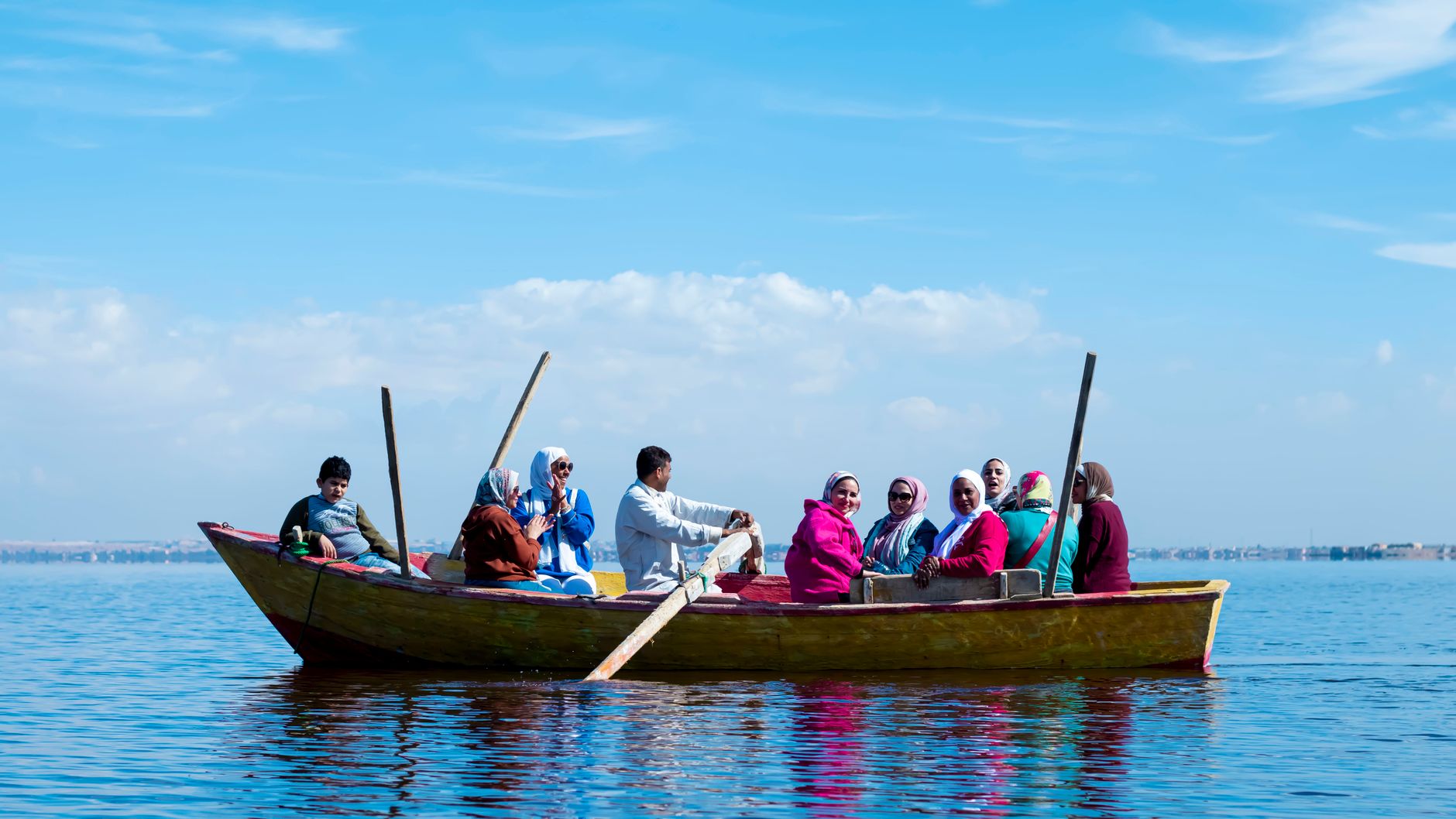
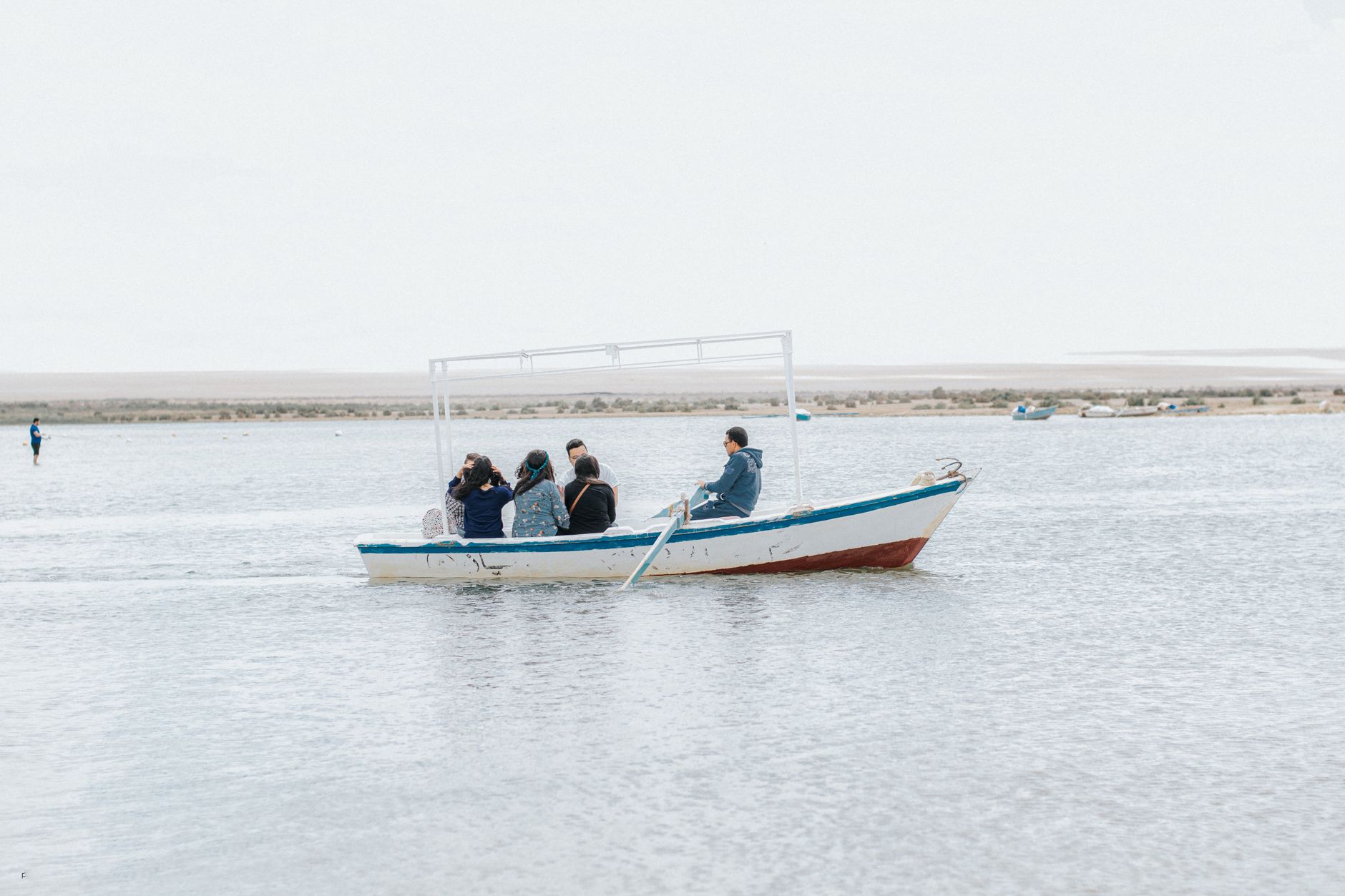
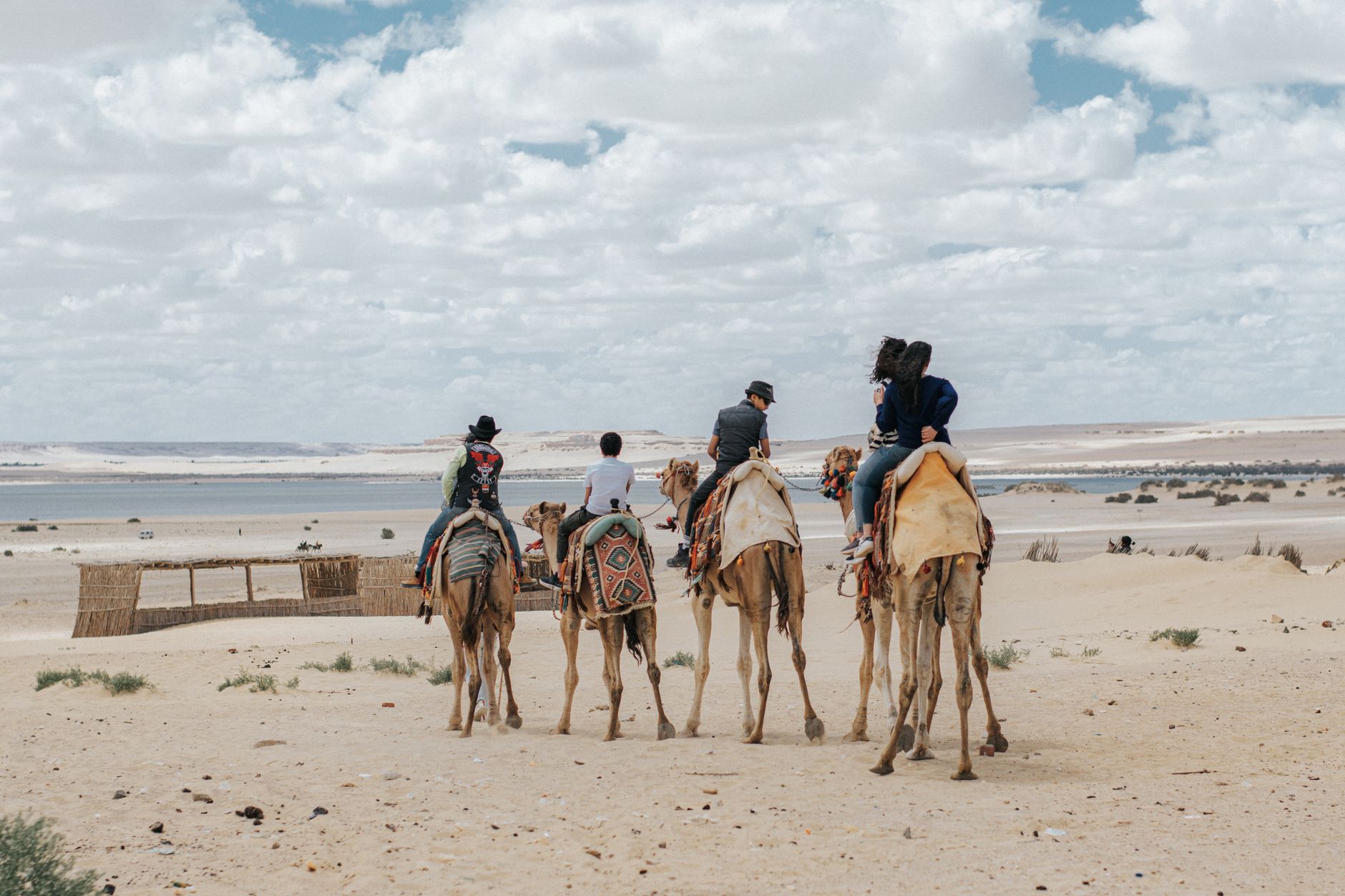
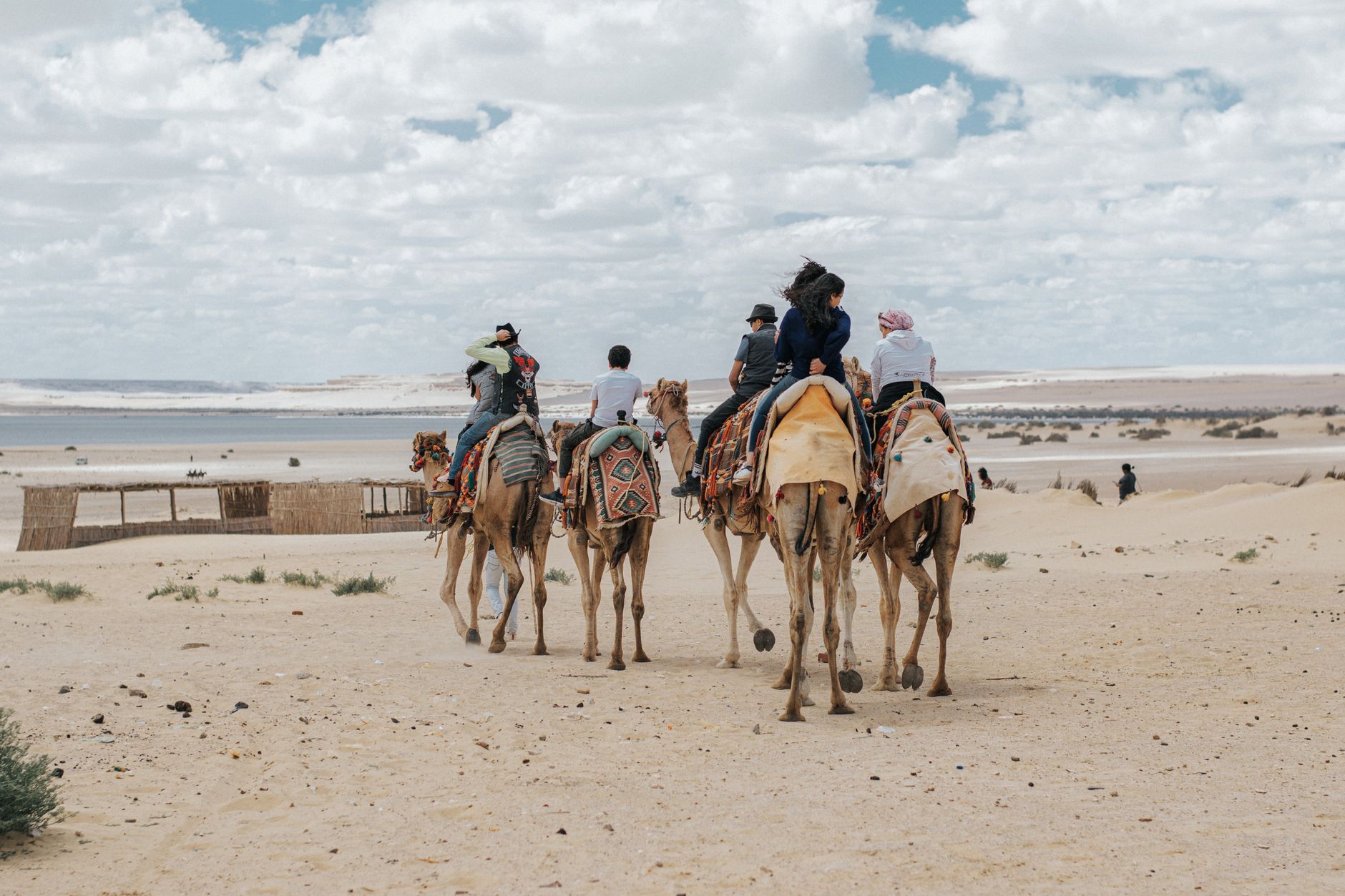
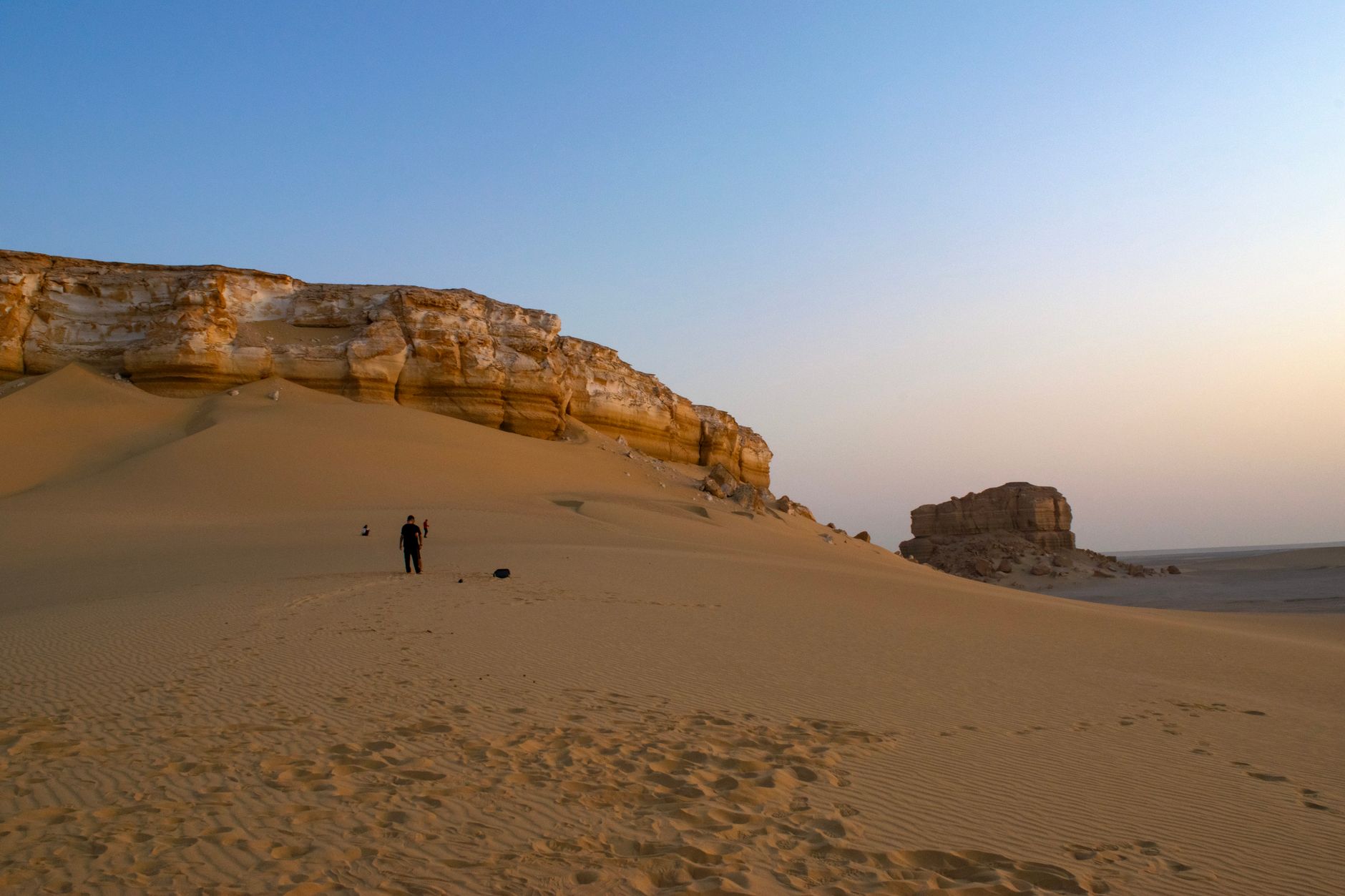
About 100 kilometres southwest of Cairo, Faiyum is not desert — or not only desert. It is a depression fed by the Bahr Yussef, a canal that has been pulling Nile water into this basin since at least 2300 BCE, sustaining farms, orchards and a lake that has been shrinking and swelling for millennia. Around 200 wooden waterwheels still turn in the irrigation channels today, doing essentially the same job Ptolemaic engineers designed them to do in the third century BCE.
The region holds an improbable range of things: fossilised whale skeletons in a UNESCO-listed desert valley, the ruins of a Ptolemaic grid-plan city, temples to a crocodile god, and a farming village that a Swiss potter quietly turned into an artists' community in the 1980s. It rewards slow travel.
💛 What travellers fall for
People who return tend to time a visit to Qasr Qaroun around the winter solstice — 21 December is the one day sunlight reaches the innermost chambers of the yellow limestone temple. The rest of the year it stays dark inside, which is its own kind of atmosphere. The village of Tunis, where Evelyne Porret's pottery school still operates, is worth an afternoon even if you buy nothing.
How Faiyum came to be
People have lived in this depression for a very long time — traces of farming communities here date to around 5200 BCE, and pottery found nearby to 5500 BCE. The ancient Egyptians founded the city they called Shedet, and by the Middle Kingdom the Faiyum had become a favoured project of the pharaohs. Senusret II founded Kahun; Amenemhat III and IV built the temple at Medinet Madi; the Hawara Pyramid went up around the 19th century BCE.
The Ptolemies reshaped the region again, draining marshland and installing their waterwheel irrigation system. Ptolemy II Philadelphus planted a new city called Philadelphia on the basin's edge, laid out on a Greek grid with baths and a theatre. Rome later folded the Faiyum into its grain supply network, establishing settlements from around 27 BCE that lasted until the Arab conquest in the seventh century CE.
Who and what shaped it
People who shaped it
Landmark buildings
See Faiyum in motion
Plan your visit
On the map
When to go
Winters (November through February) are mild and dry — the practical window for walking archaeological sites without much discomfort. Summers push well above 35°C and the desert sites offer little shade, so visits outside the cooler months require early starts and realistic expectations.
Right now
Background & history adapted from Wikipedia (CC BY-SA) · specs from Wikidata (CC0) · weather from Open-Meteo · map data © OpenStreetMap contributors · photos from Wikimedia Commons / Unsplash with per-image credit. No third-party reviews or social posts reproduced.