
Dahab
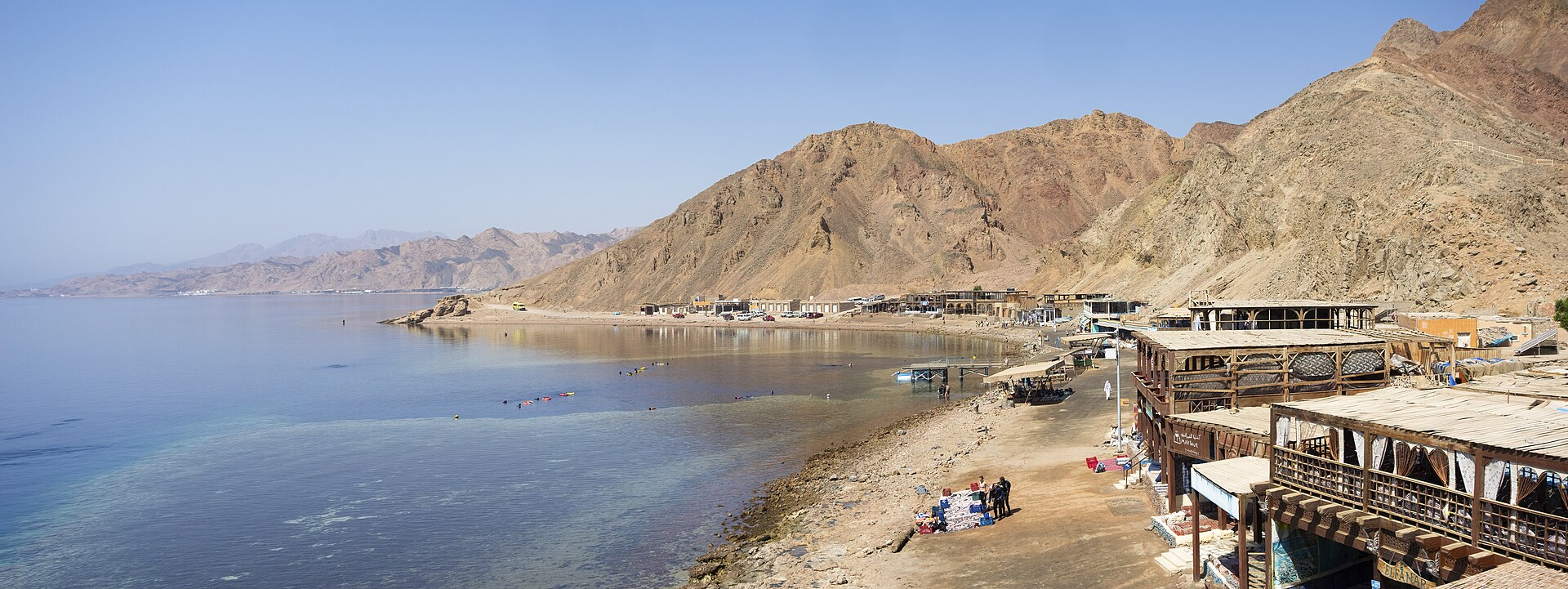
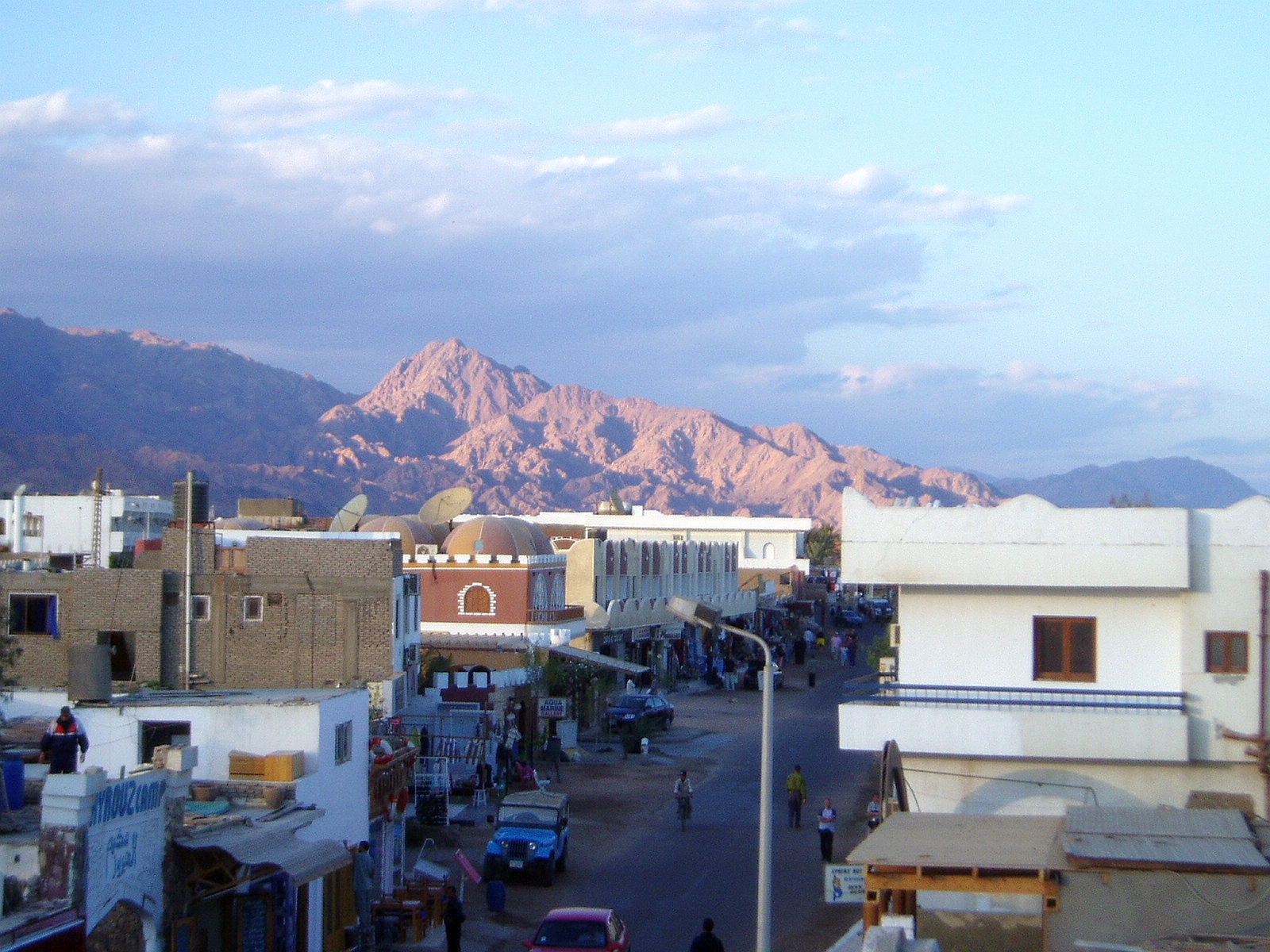

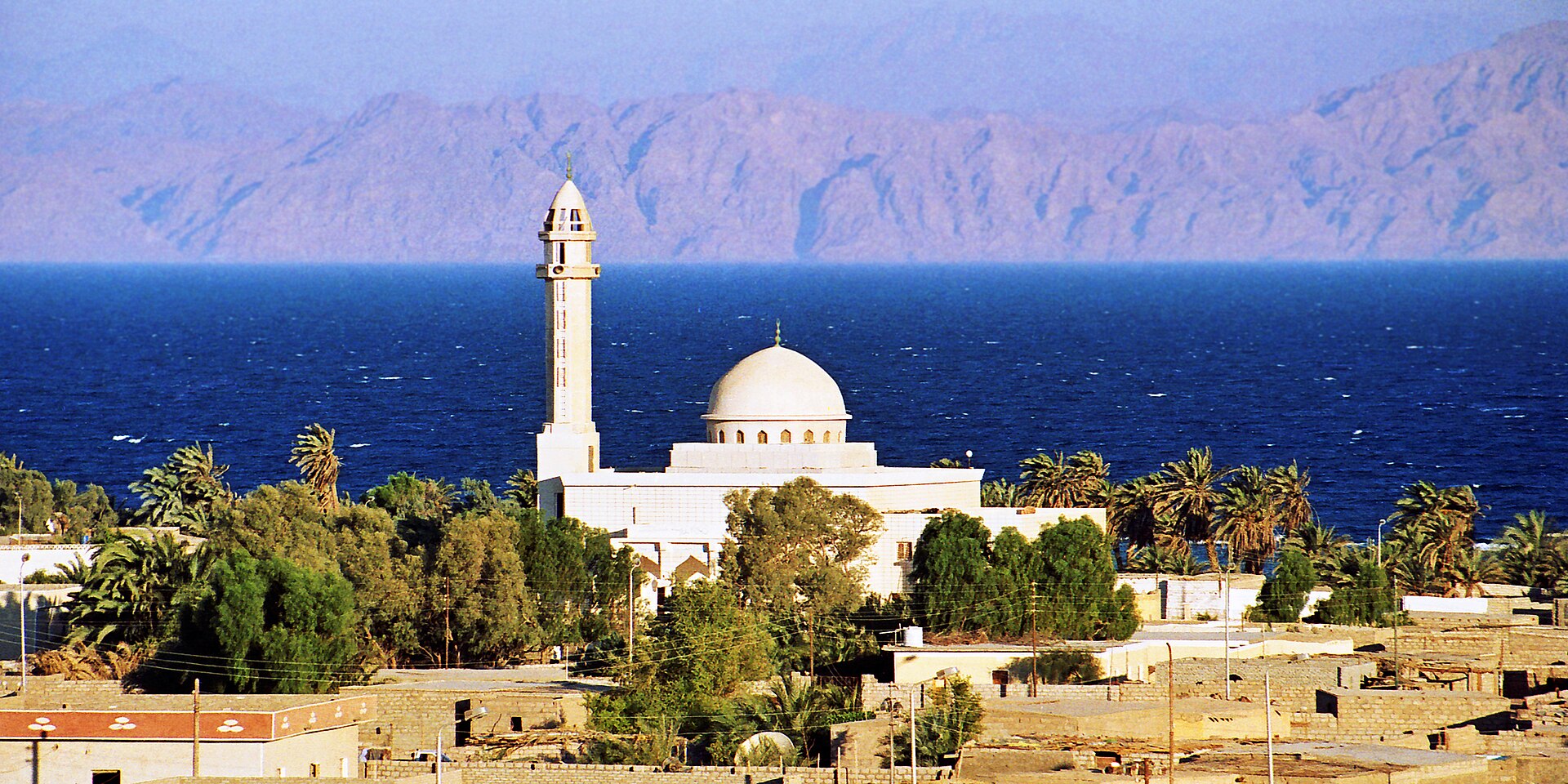
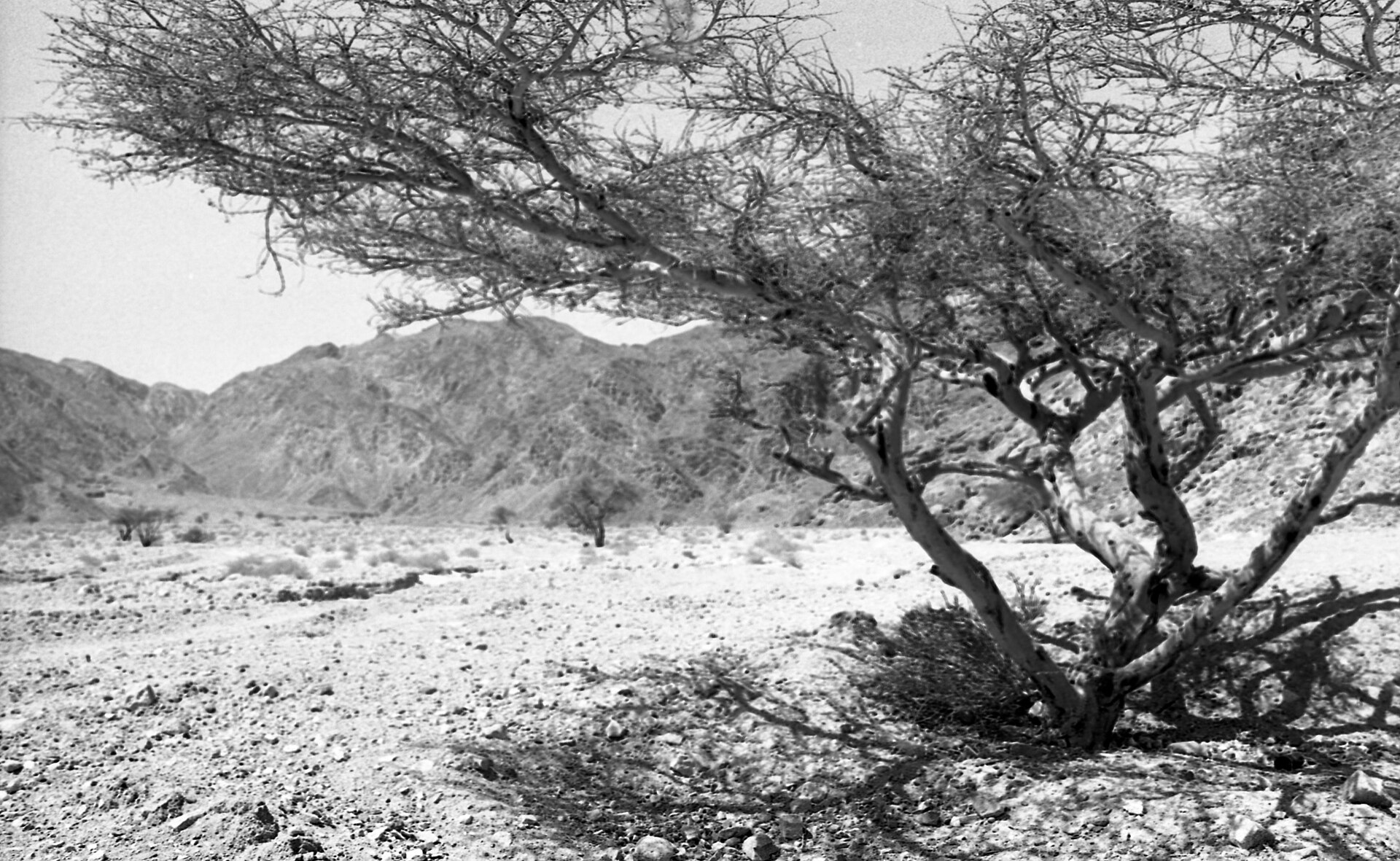
Dahab sits on the Gulf of Aqaba where the Sinai desert meets the Red Sea, and the contrast is immediate: rust-coloured mountains at your back, water so clear you can count the coral heads from shore. It started as a Bedouin fishing settlement shaded by palms, and something of that unhurried pace has survived the dive shops and the kite-surf schools.
The town draws a particular kind of traveller — people who come for a week and quietly renegotiate their flights. A Russian community of around a thousand has put down permanent roots here, running their own businesses and school. The Mezzaina Bedouin are still the original thread running through it all.
💛 What travellers fall for
Regulars tend to agree on a few things: hire a pickup truck early for the Blue Hole rather than waiting for afternoon crowds, always settle the fare before you get in, and give the Underwater Museum at the Lighthouse at least one night dive — the elephant sculpture reads completely differently after dark.
How Dahab came to be
The ground under Dahab has been useful for a long time. Nabataean navigators established a strategic outpost here around the 1st century BC, and the site is thought to have served as an ancient port through the early centuries AD. By the 20th century it was a quiet Bedouin settlement — quiet enough that it attracted free-spirited travellers in the 1960s who were looking for exactly that quality.
The Israeli occupation of the Sinai between 1967 and 1982 brought the local Mezzaina Bedouin into contact with paid employment, healthcare and formal education for the first time. When Egypt regained sovereignty in 1982 the town began to grow, and Egyptian government promotion of the Sinai through the 1990s turned Dahab into a recognised destination. In 2006 a bomb attack killed around 23 people — a rupture the town has carried since.
Who and what shaped it
Landmark buildings
See Dahab in motion
Plan your visit
On the map
When to go
Winter days hover between 18°C and 22°C with cool nights, making it comfortable for everything except swimming in just a shorty wetsuit. Summer pushes past 35°C by day; spring and autumn — roughly 23°C to 30°C — are the most forgiving seasons for being active outdoors.
Right now
Background & history adapted from Wikipedia (CC BY-SA) · specs from Wikidata (CC0) · weather from Open-Meteo · map data © OpenStreetMap contributors · photos from Wikimedia Commons / Unsplash with per-image credit. No third-party reviews or social posts reproduced.