
Shanghai
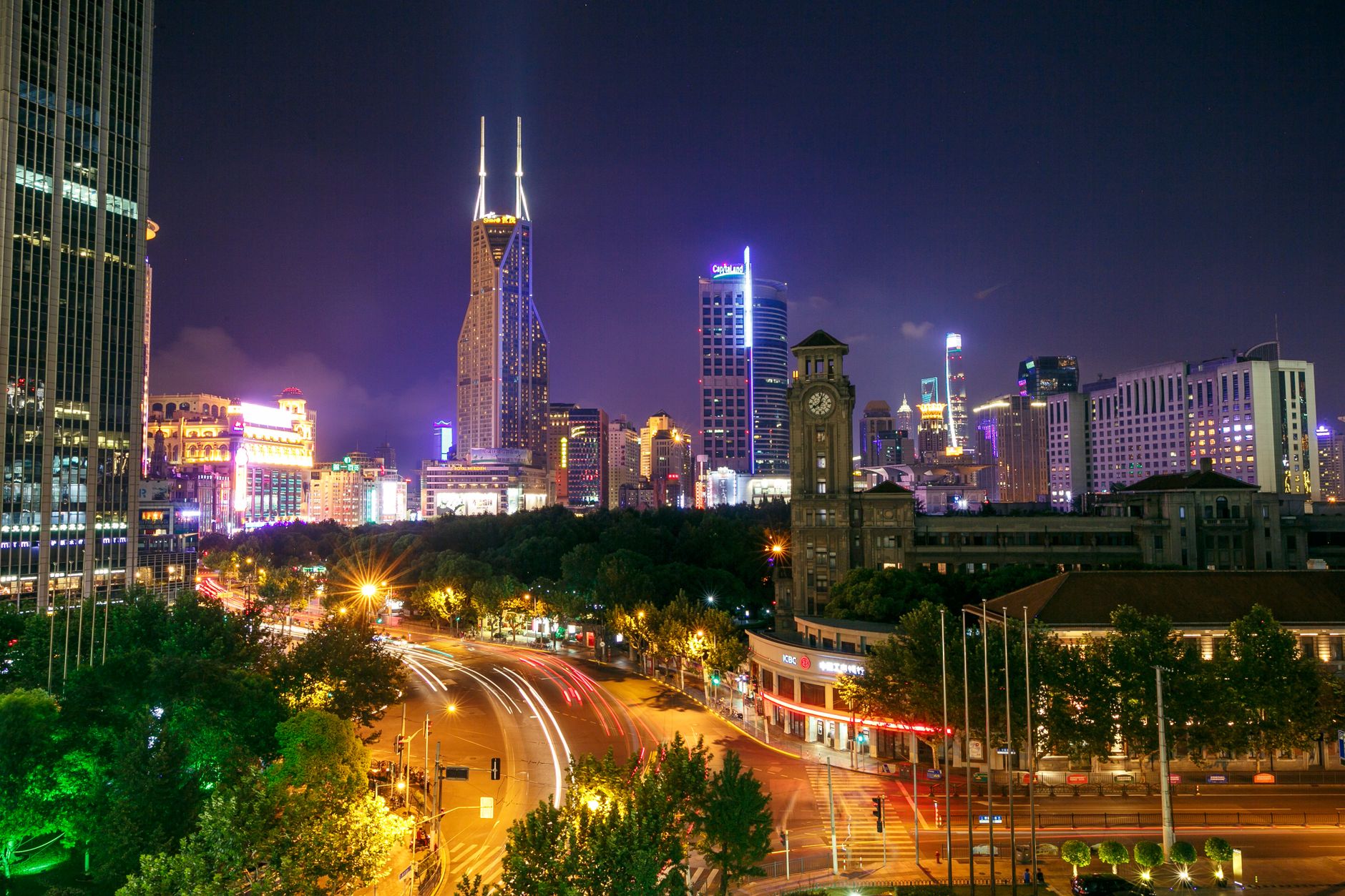
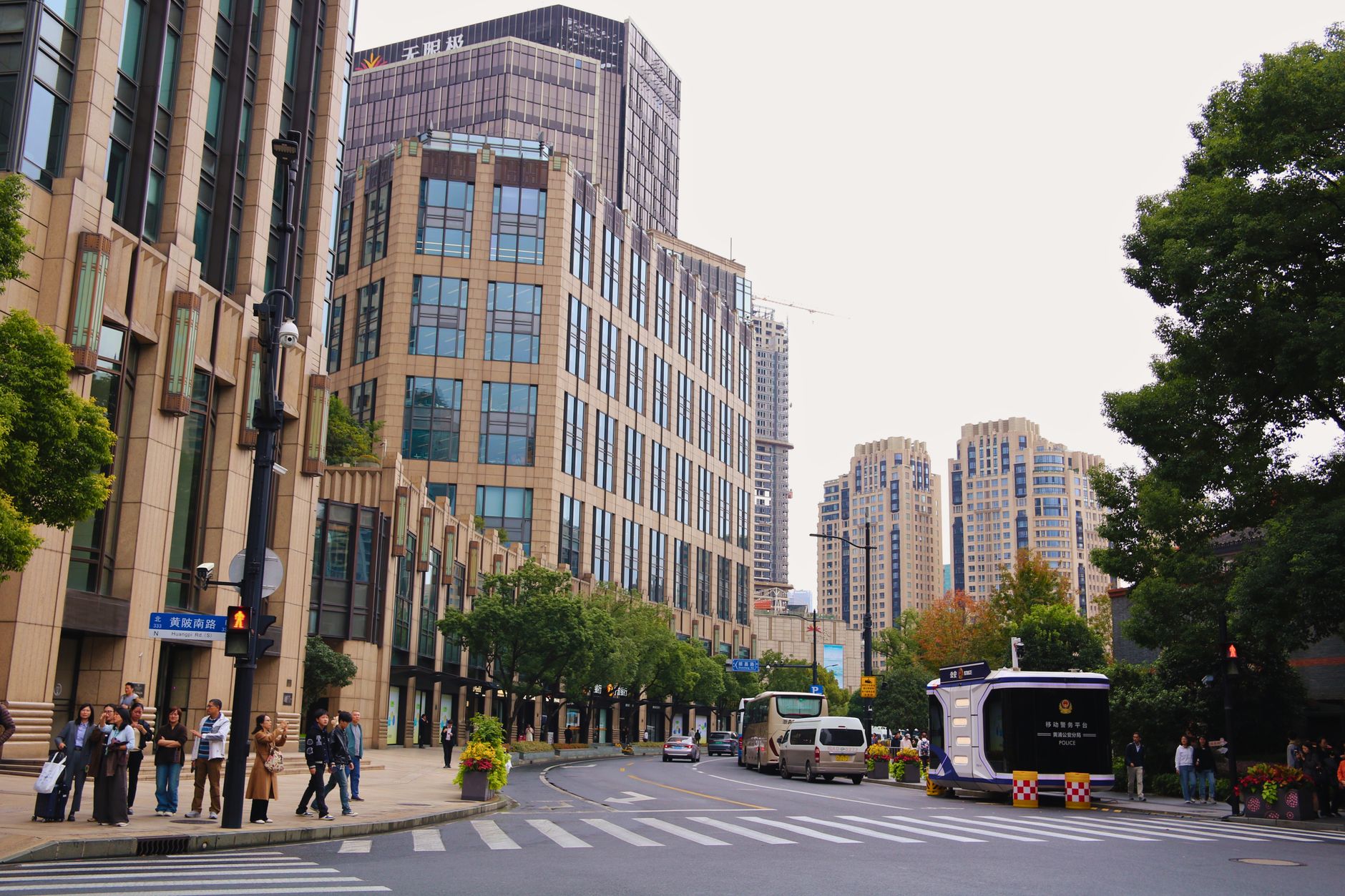
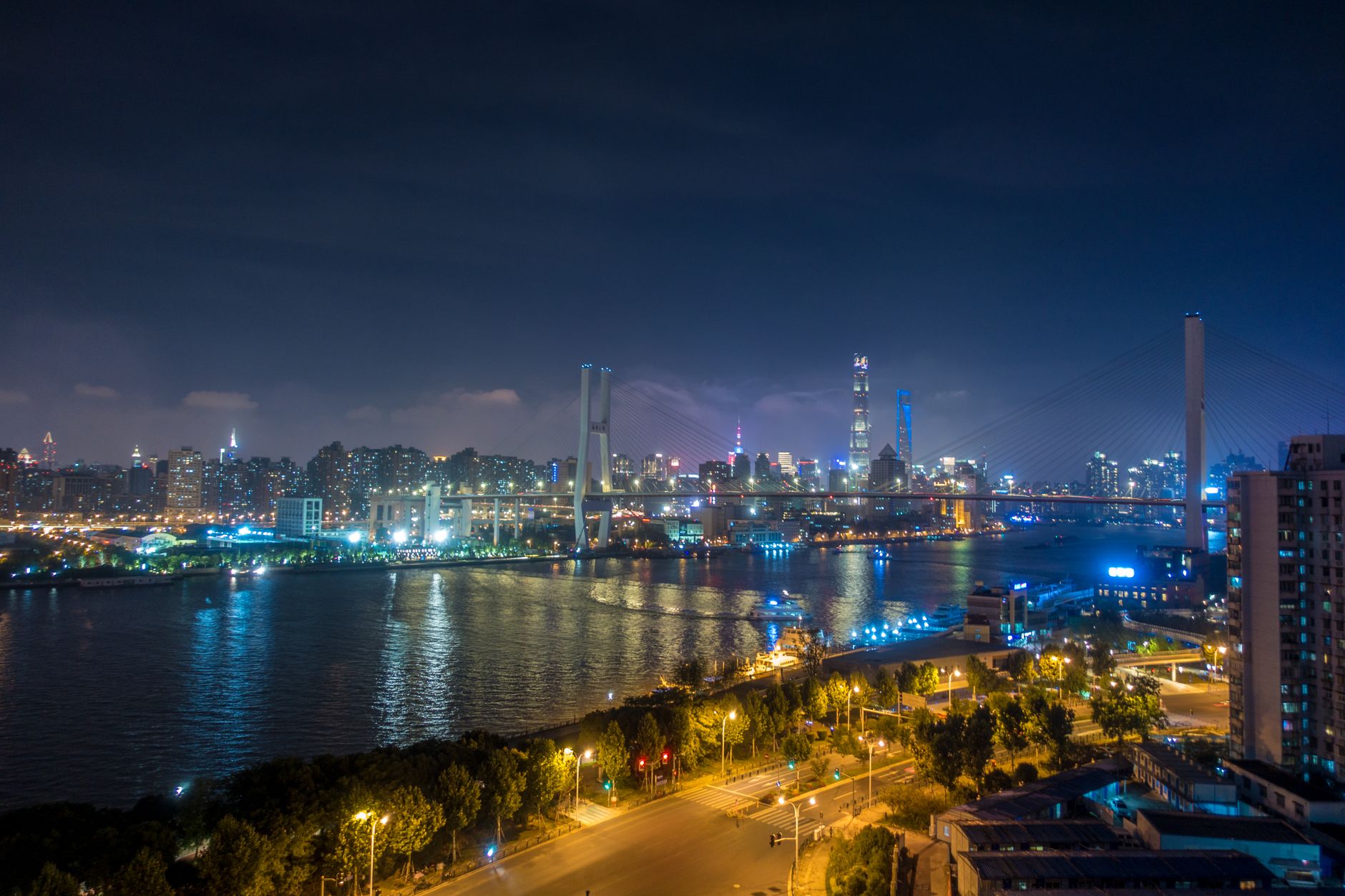
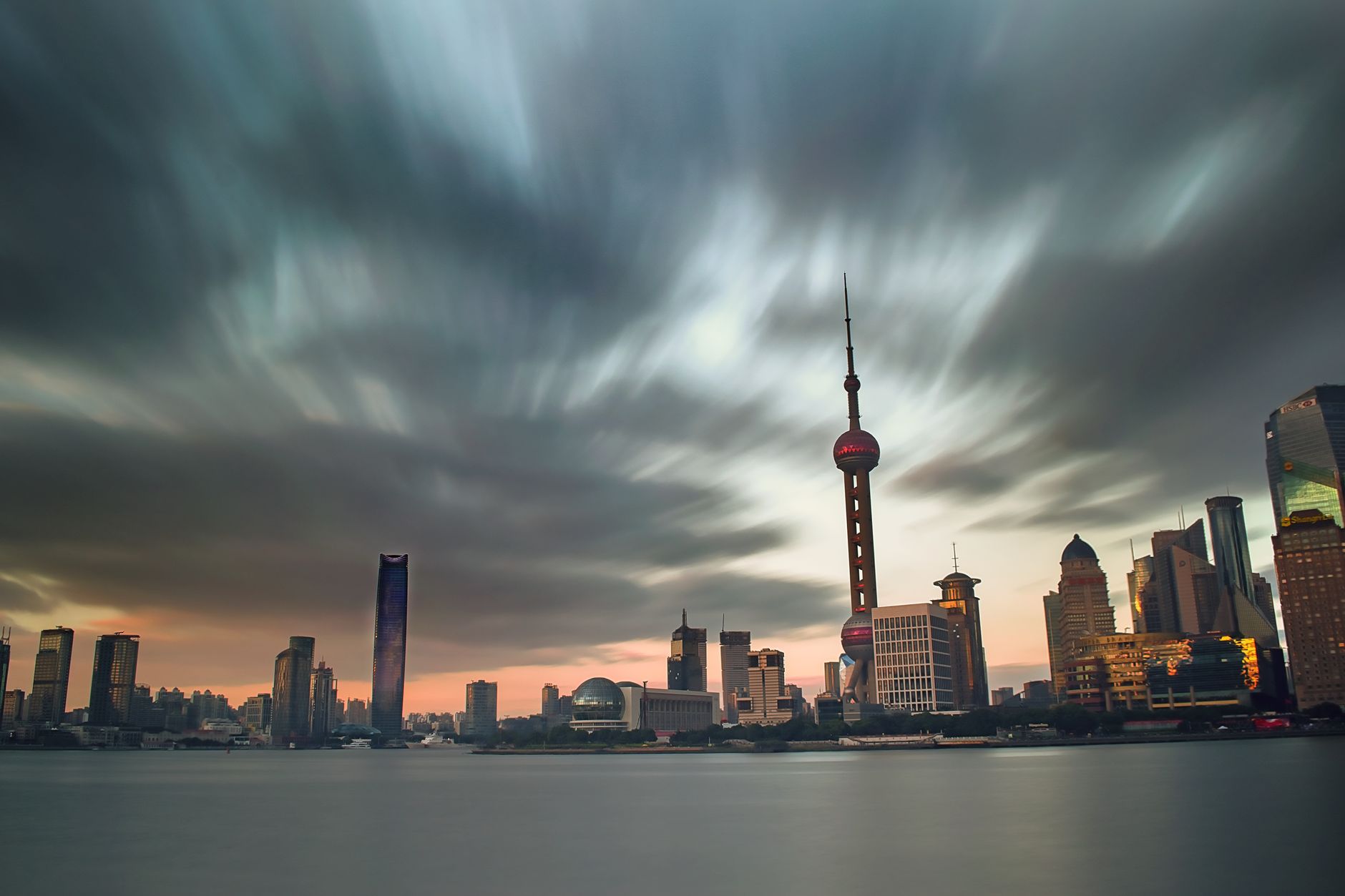
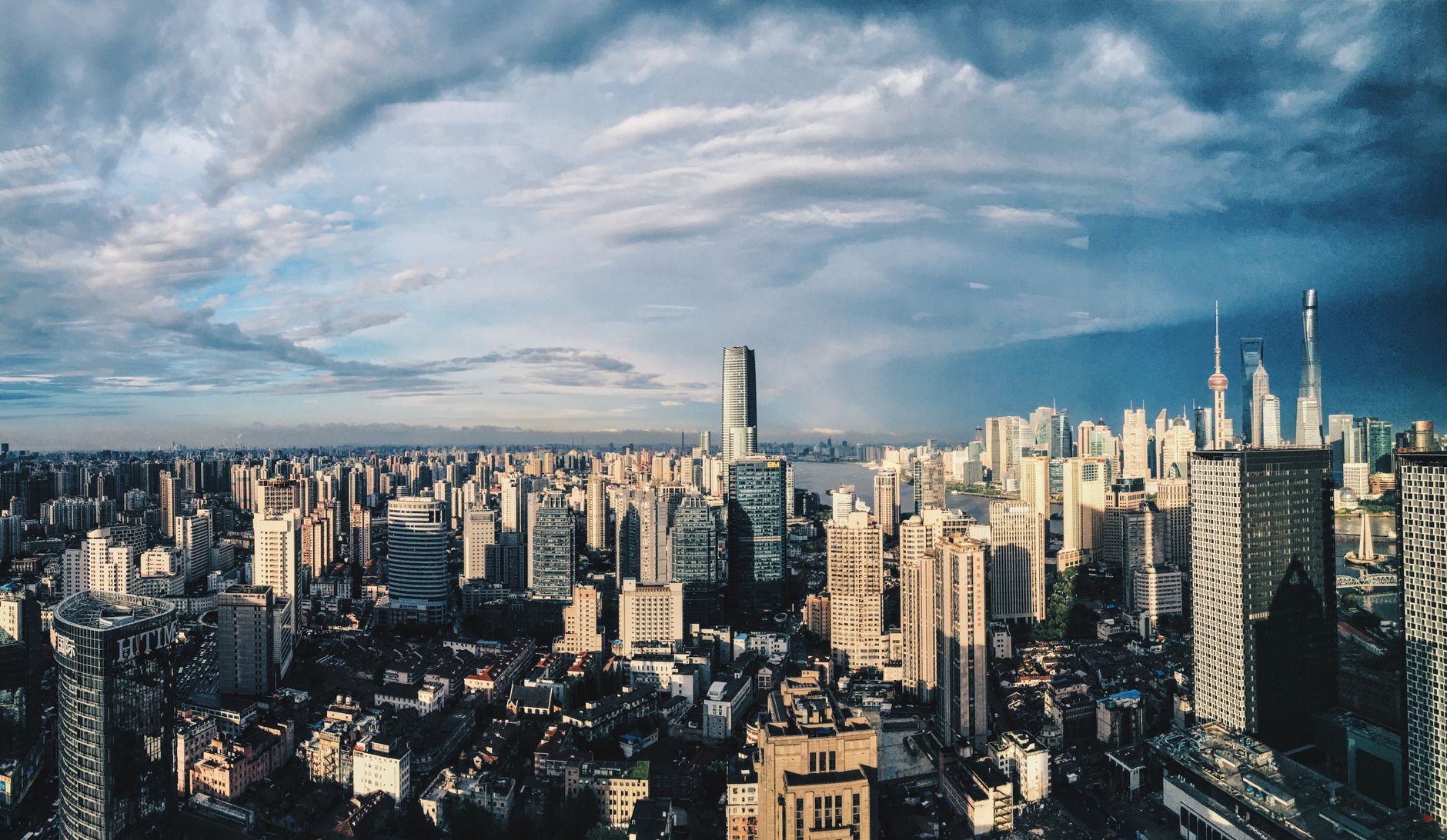
Stand on the Bund at night and the city lays out its contradictions plainly: a 1.5-kilometre row of colonial-era banks and trading houses on one bank, and across the Huangpu River, the blinking skyline of Pudong — the Oriental Pearl Tower from 1995, the Jin Mao from 1999, and the Shanghai Tower spiralling 632 metres into the air, finished in 2016. Shanghai holds both sides without apology.
This is a city that has been a Tang garrison, a Ming county seat, a treaty port carved up among British, American and French concessions, a crucible of revolution, and now one of the largest metro systems on earth. Arriving here, you are not arriving at one place but at several centuries stacked on top of each other.
💛 What travellers fall for
People who return tend to pick a neighbourhood and slow down — the old French Concession's plane-tree streets, or Hongkou north of Suzhou Creek, where the American concession once sat. The metro's 18-RMB day pass makes covering ground effortless, so most of the day can be spent standing still somewhere worth standing.
How Shanghai came to be
The area's first county capital was established in 1292, though Neolithic settlement here dates back to the Majiabang culture around 5000 BCE and a Tang-dynasty garrison called Qinglong Zhen was founded in 746. What transformed Shanghai into a world city was the First Opium War: after British forces occupied the city in 1839–42, the Treaty of Nanjing opened it as a treaty port. The British established their concession in 1845, the Americans followed in 1848 in Hongkou, and the French set up south of the old Chinese city in 1849. By 1863 the British and American settlements had merged into the Shanghai International Settlement.
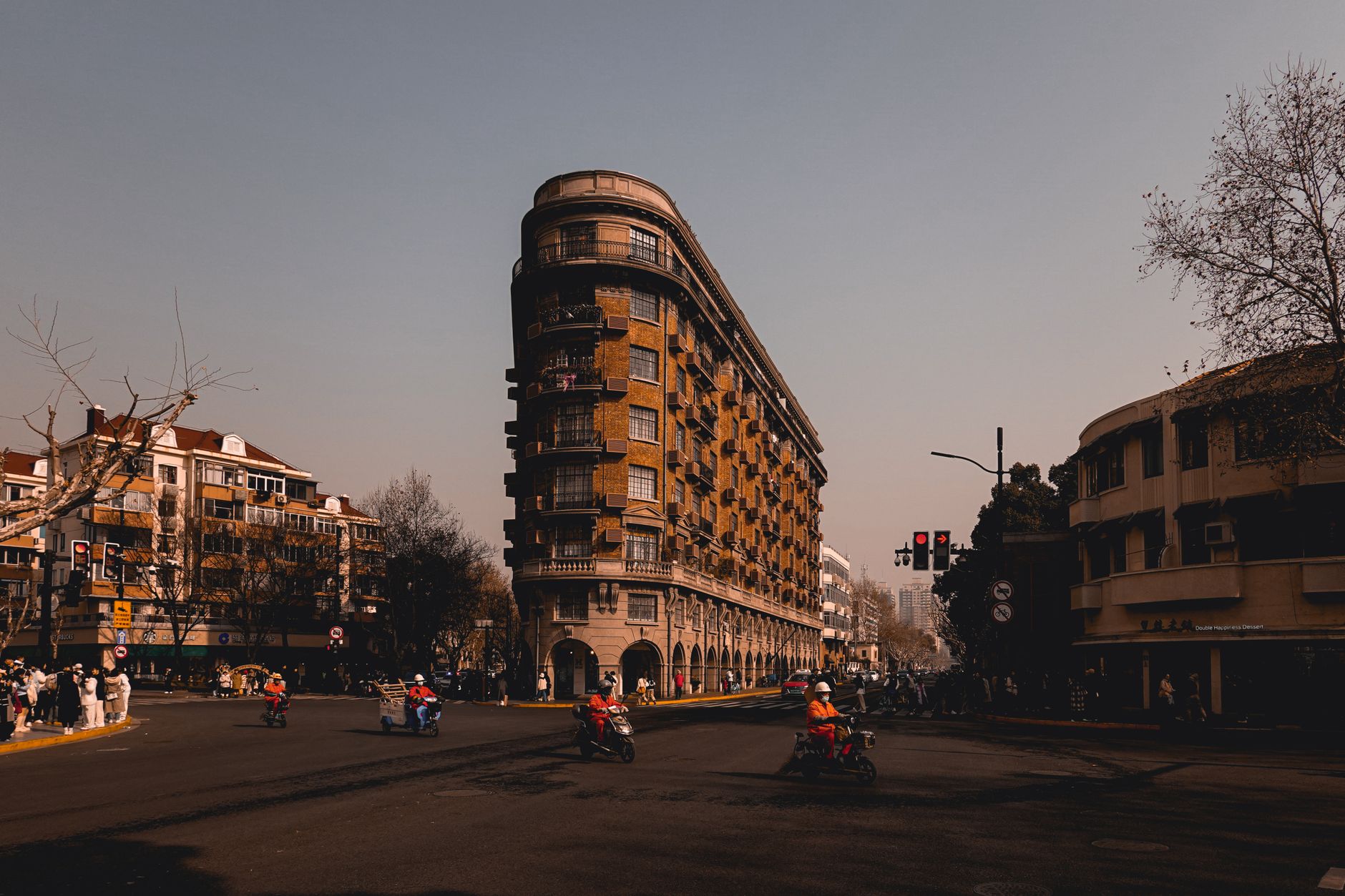
The Chinese Communist Party was founded here in 1921. Japan captured the city in 1937 and held it until 1945, after which four more years of civil war ended when the People's Liberation Army took Shanghai on 25 May 1949. The concession-era architecture — Art Deco cinemas and hotels designed by figures like Hungarian-Slovak architect László Hudec — survived all of it and still lines the streets today.
Who and what shaped it
People who shaped it
Landmark buildings
See Shanghai in motion
Plan your visit
On the map
When to go
Spring and autumn bring mild temperatures and manageable humidity, making them the most comfortable windows for extended walking. Summer (June–September) is genuinely hot and muggy; winter is overcast and damp, with temperatures that rarely drop below freezing but feel colder than the numbers suggest.
Right now
Background & history adapted from Wikipedia (CC BY-SA) · specs from Wikidata (CC0) · weather from Open-Meteo · map data © OpenStreetMap contributors · photos from Wikimedia Commons / Unsplash with per-image credit. No third-party reviews or social posts reproduced.