
Guangzhou
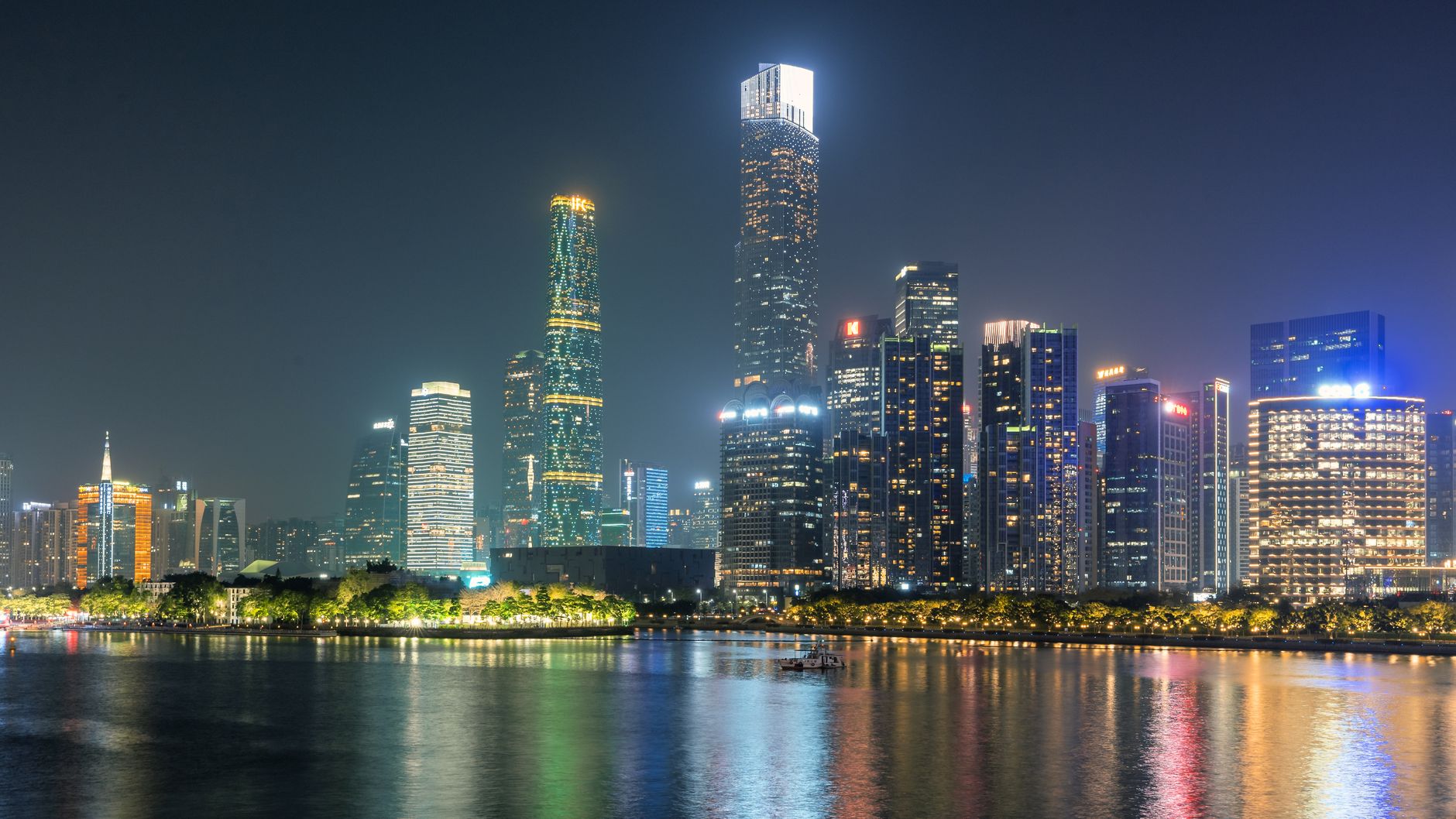
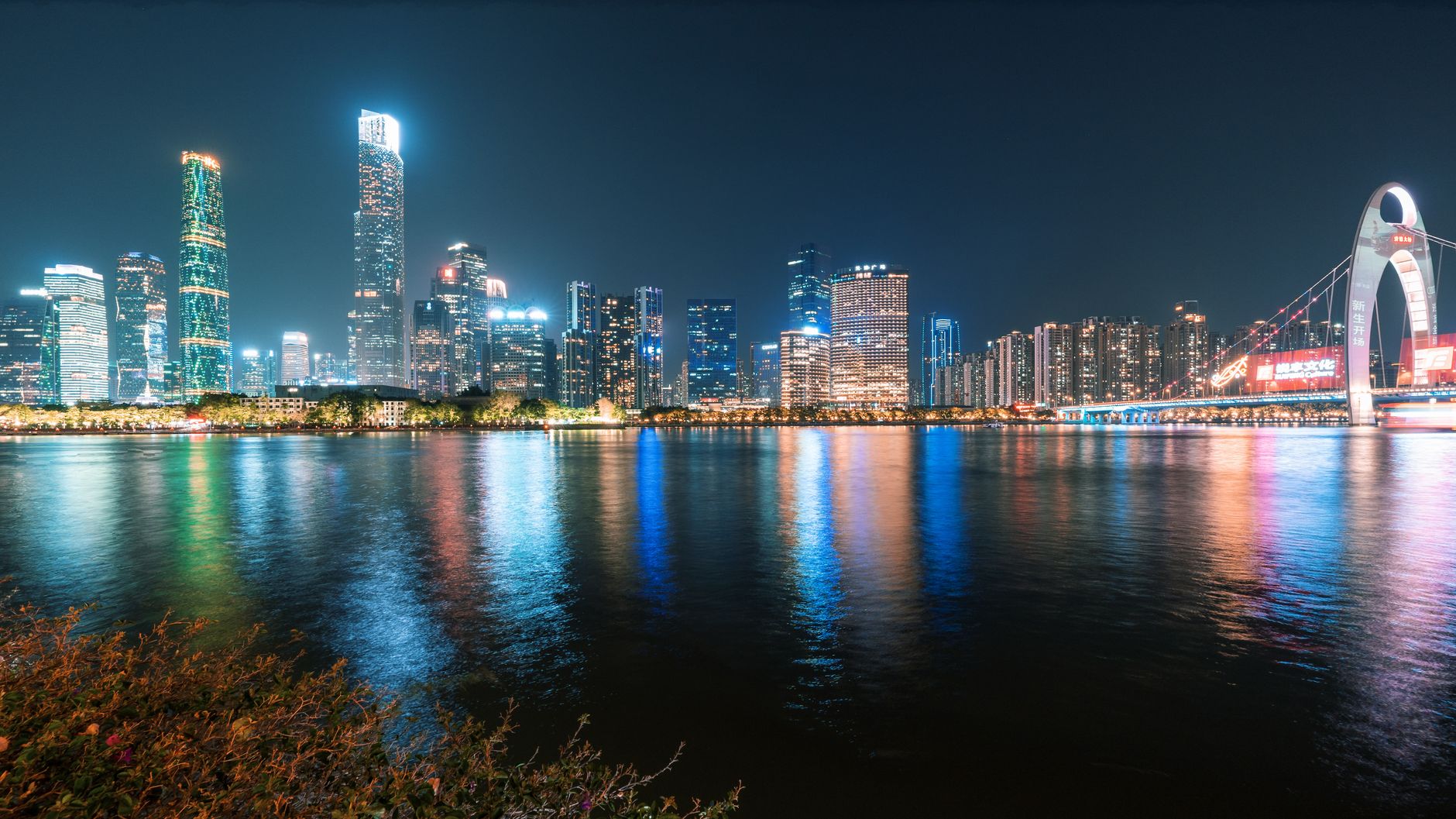
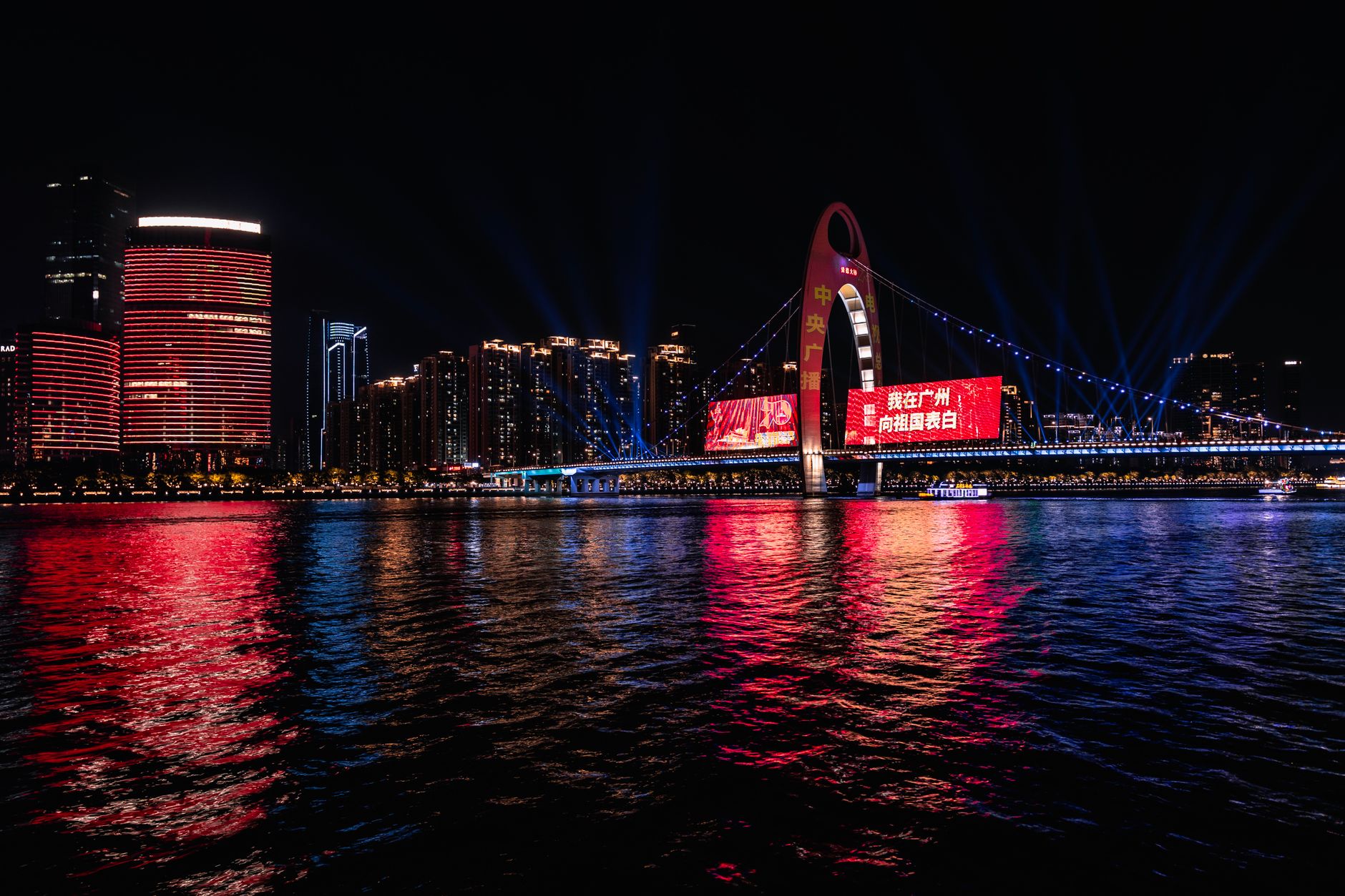
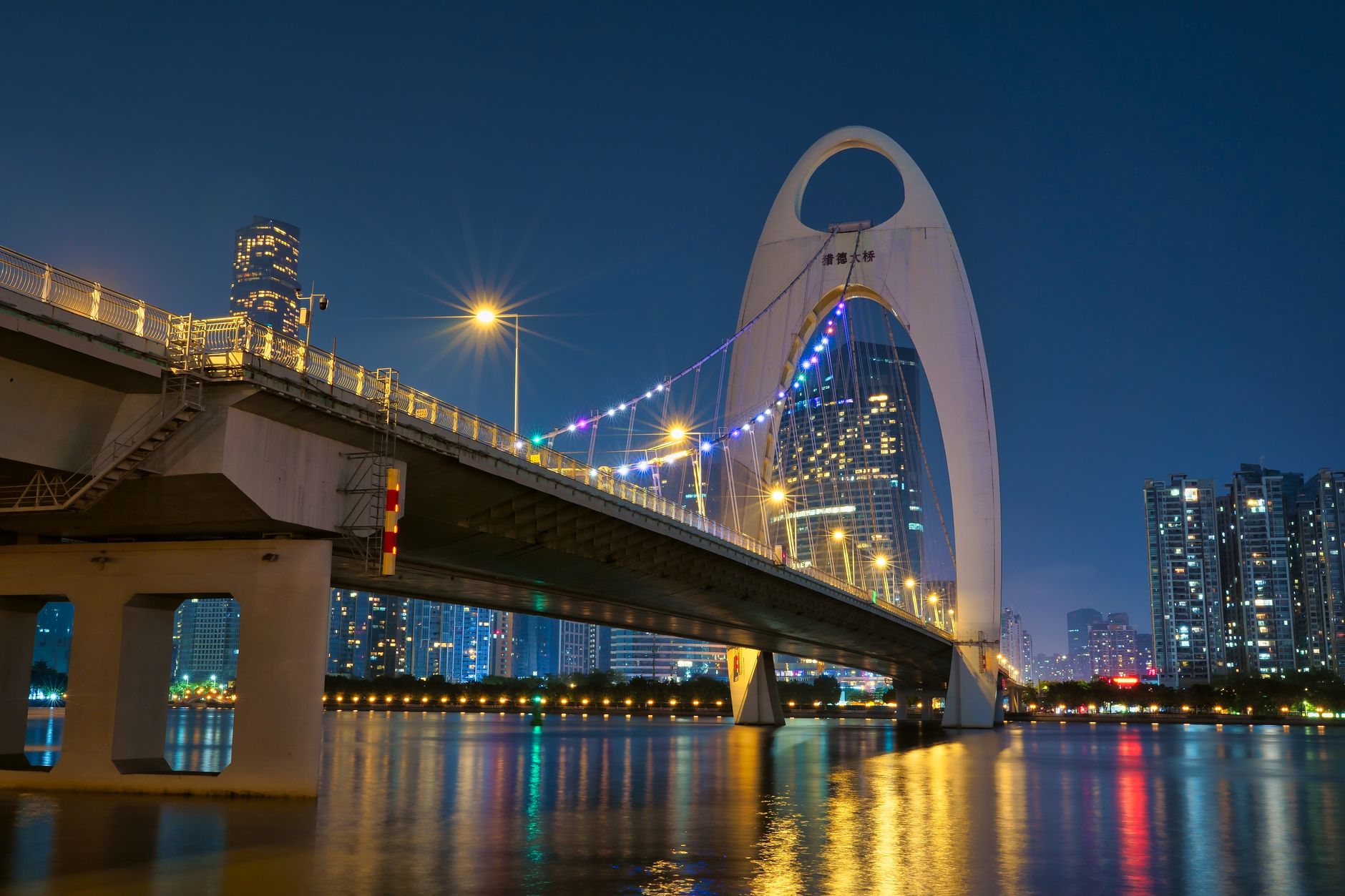
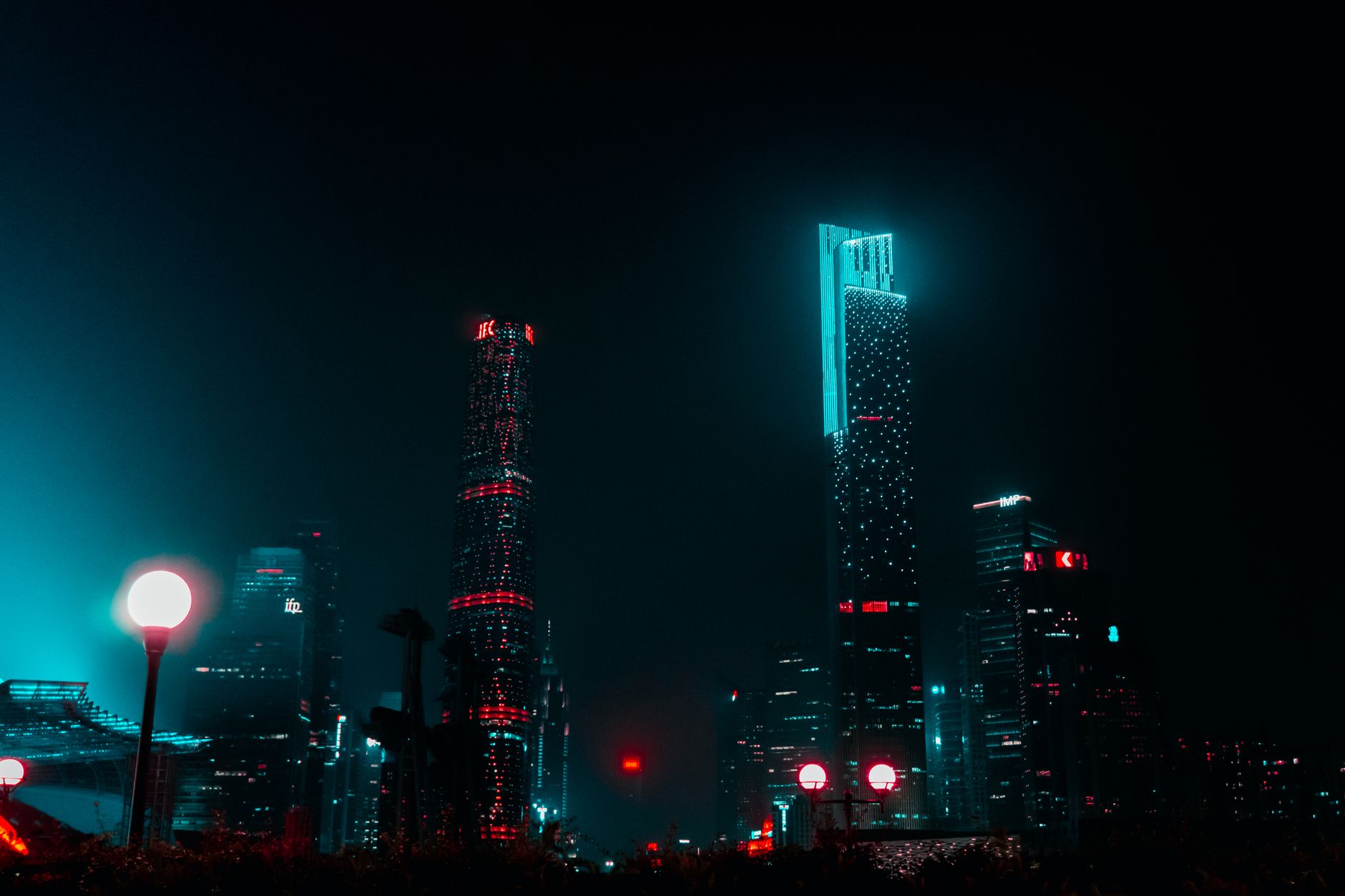
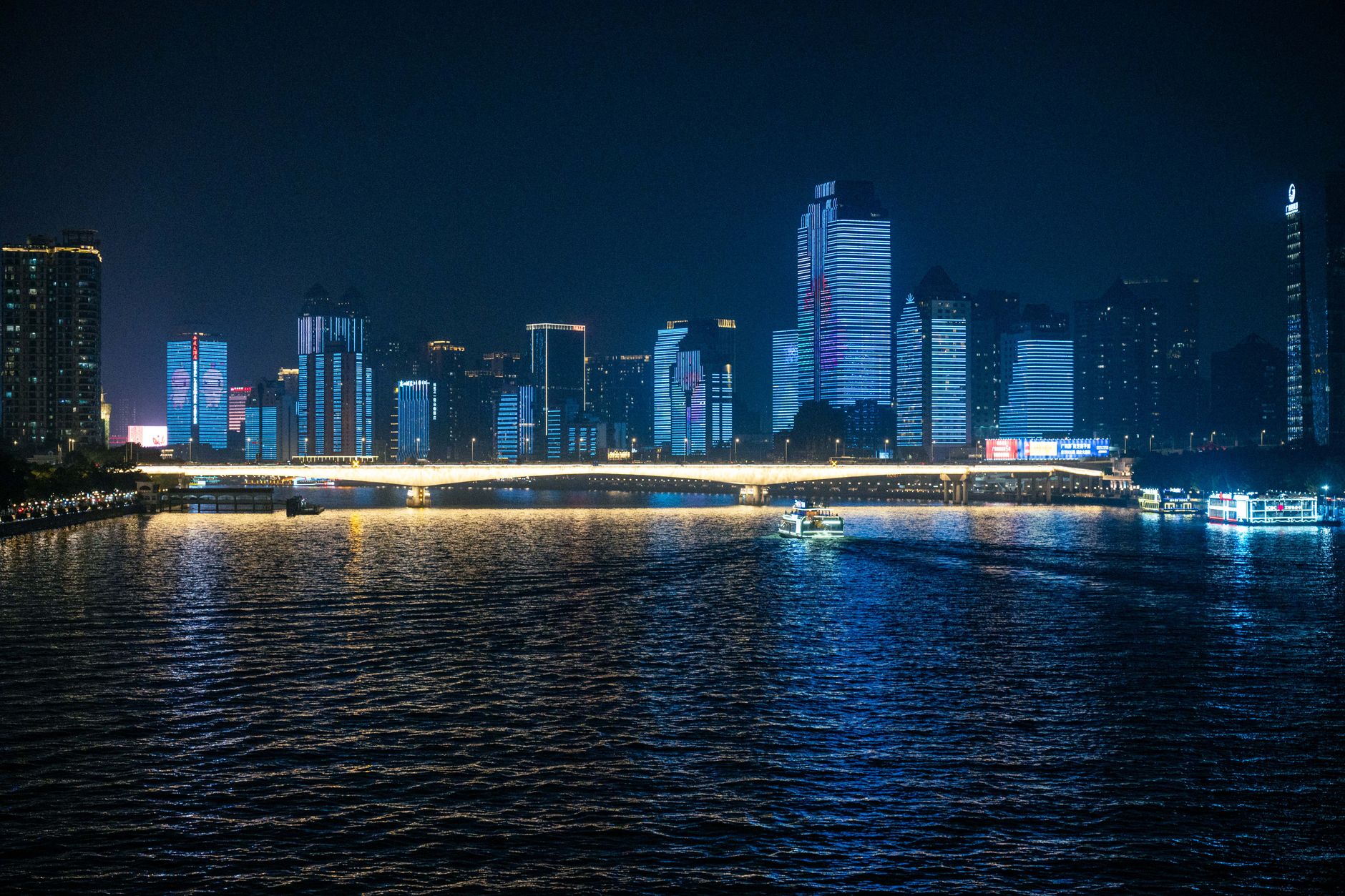
Guangzhou sits at the top of the Pearl River Delta, a city that has been doing serious business with the outside world for longer than most countries have existed. It is loud, humid, and deeply practical — but look past the trade fairs and the tower cranes and you find a Buddhist temple still active since AD 537, a Gothic cathedral built by hand over twenty-seven years, and a food culture that the rest of China quietly defers to.
Plan two to four days. The metro, nineteen lines strong, reaches both airport terminals and the main train stations, so you can move across a sprawling city without much friction. The Pearl River gives you a geographic anchor; most of what you'll want to see sits within a few stops of its banks.
How Guangzhou came to be
The city's recorded life begins in 214 BC as Panyu, a settlement on the Pearl River's eastern bank. After the Qin collapsed, the general Zhao Tuo declared the independent kingdom of Nanyue and made Panyu its capital in 204 BC. The name Guangzhou arrived in 226 AD, when the Wu state of the Three Kingdoms period established a prefecture here.
The twentieth century reshaped the city physically and politically. In 1919, workers began tearing down the old city wall to make way for trams and wider streets — a project that took three years. Sun Yat-sen, who was born nearby, used Guangzhou as his base for a series of attempted uprisings before the protests he set in motion brought down the Qing Dynasty in 1911 and produced the Republic of China. Japanese forces occupied the city from October 1938 until September 1945; Communist troops entered on 14 October 1949.
Who and what shaped it
People who shaped it
Landmark buildings
See Guangzhou in motion
Plan your visit
On the map
When to go
Summers are long, hot, and genuinely wet — typhoon season runs from June through September, so expect sudden downpours and thick humidity. Spring (March to May) and autumn (October to November) are the most comfortable windows, with lower humidity and temperatures that stay reasonable for walking.
Right now
Background & history adapted from Wikipedia (CC BY-SA) · specs from Wikidata (CC0) · weather from Open-Meteo · map data © OpenStreetMap contributors · photos from Wikimedia Commons / Unsplash with per-image credit. No third-party reviews or social posts reproduced.