
Chengdu
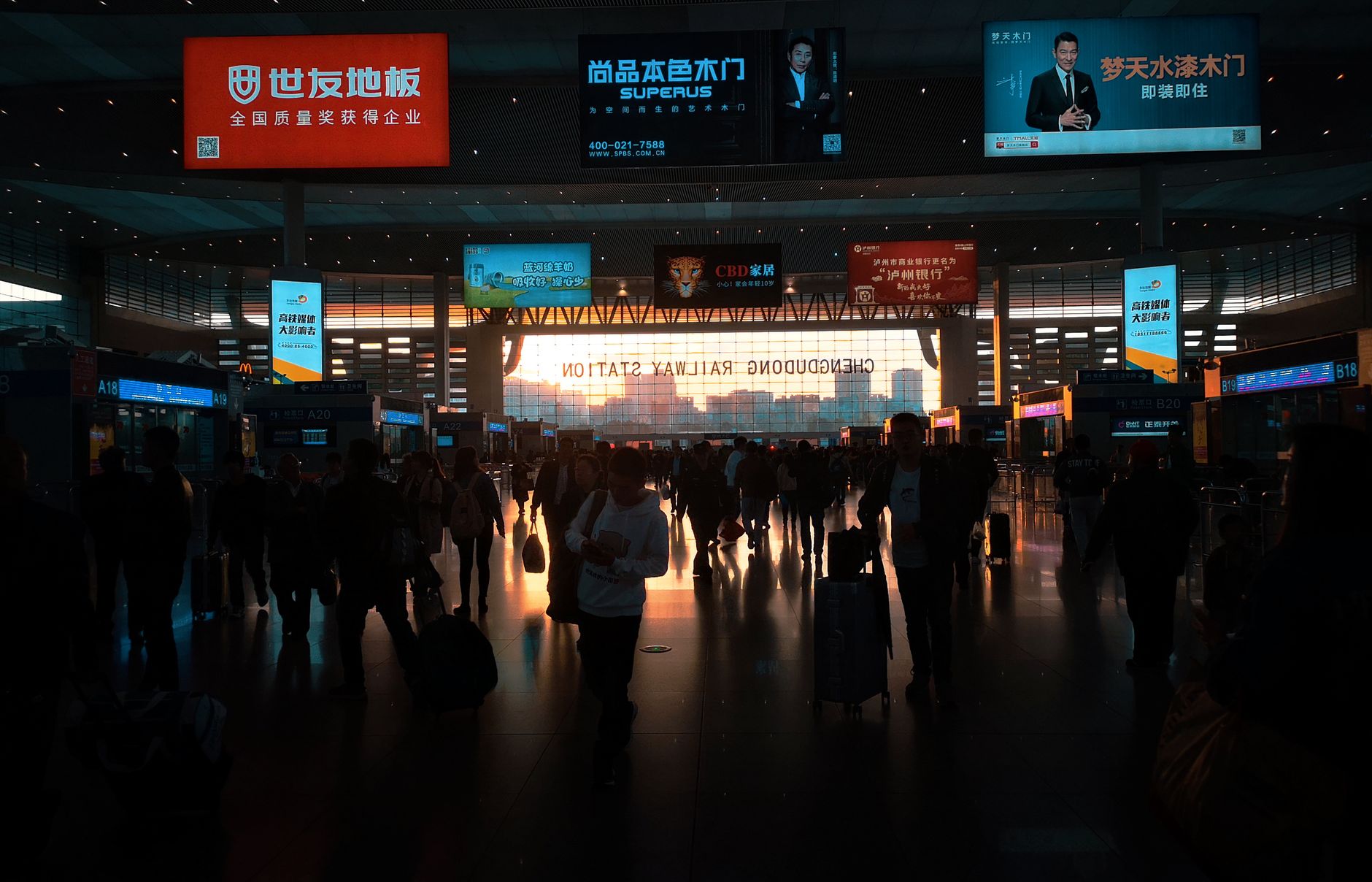
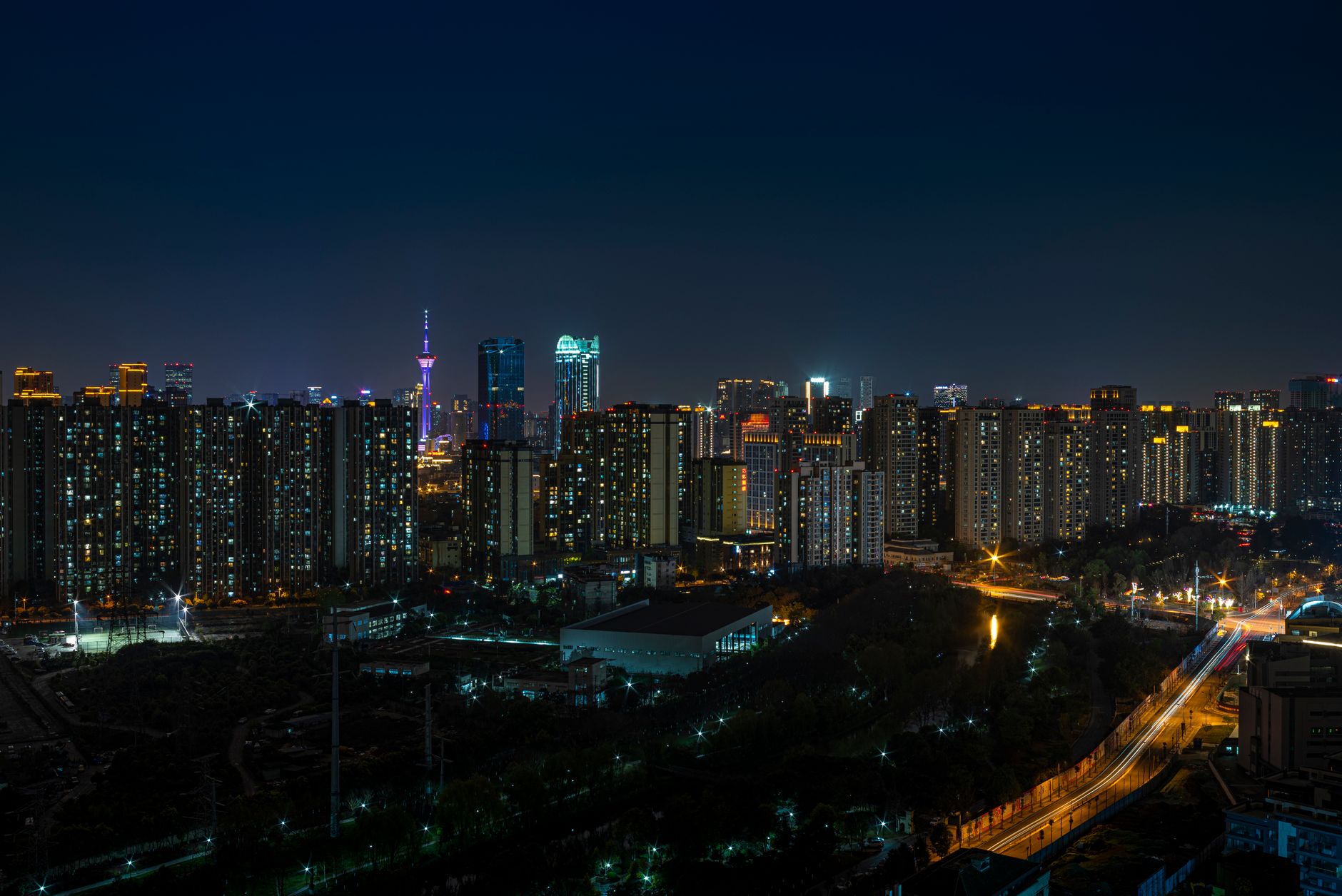
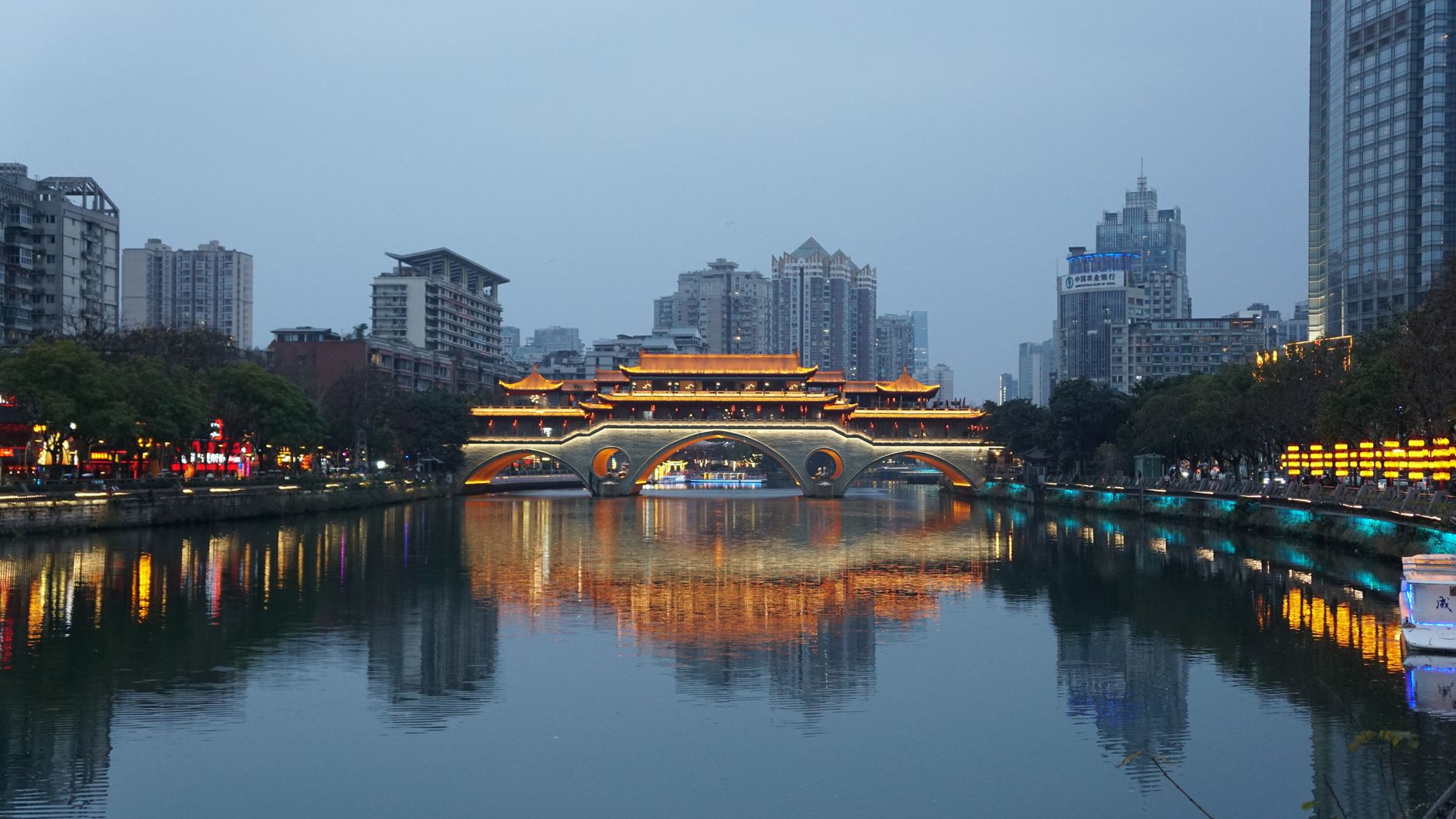
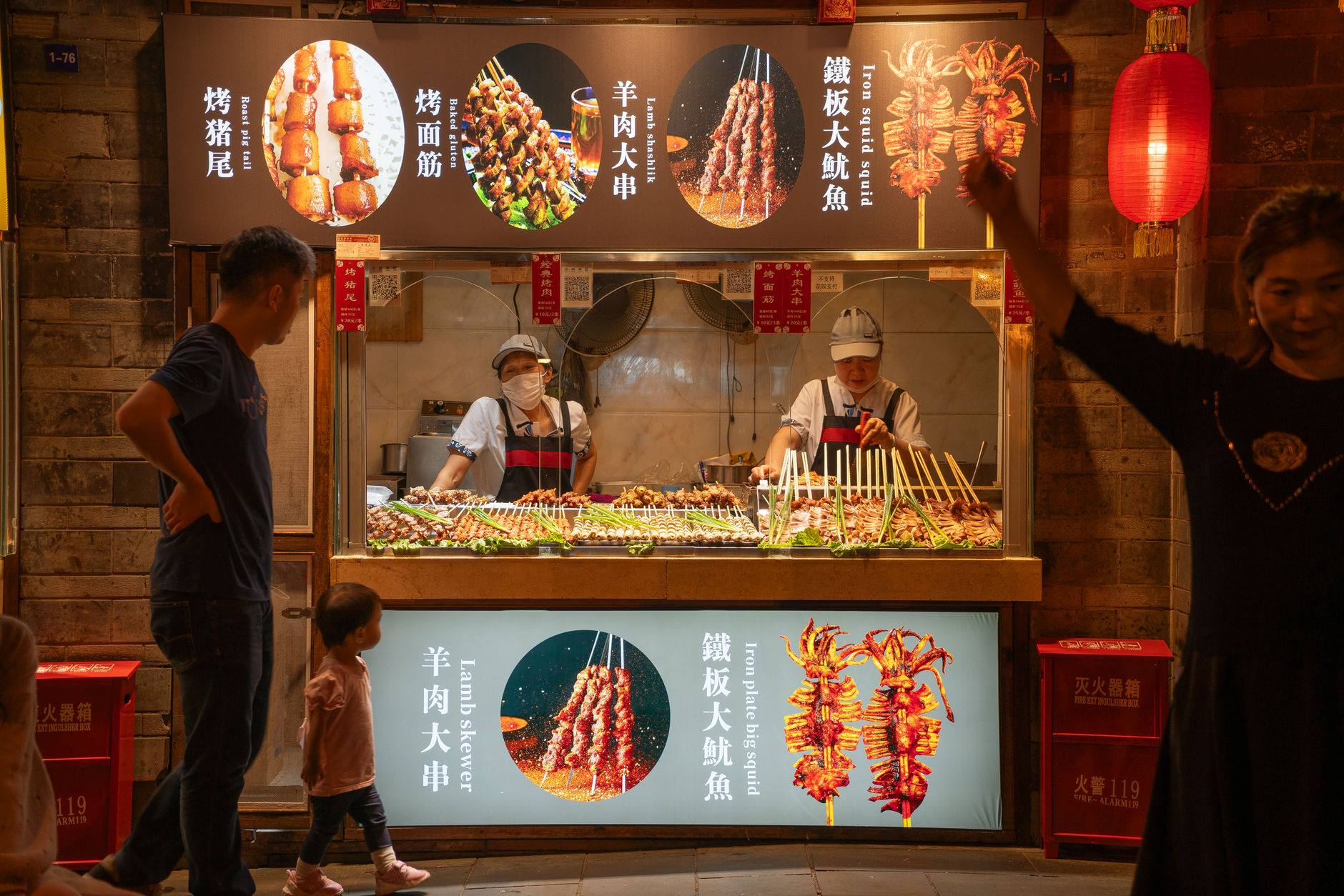
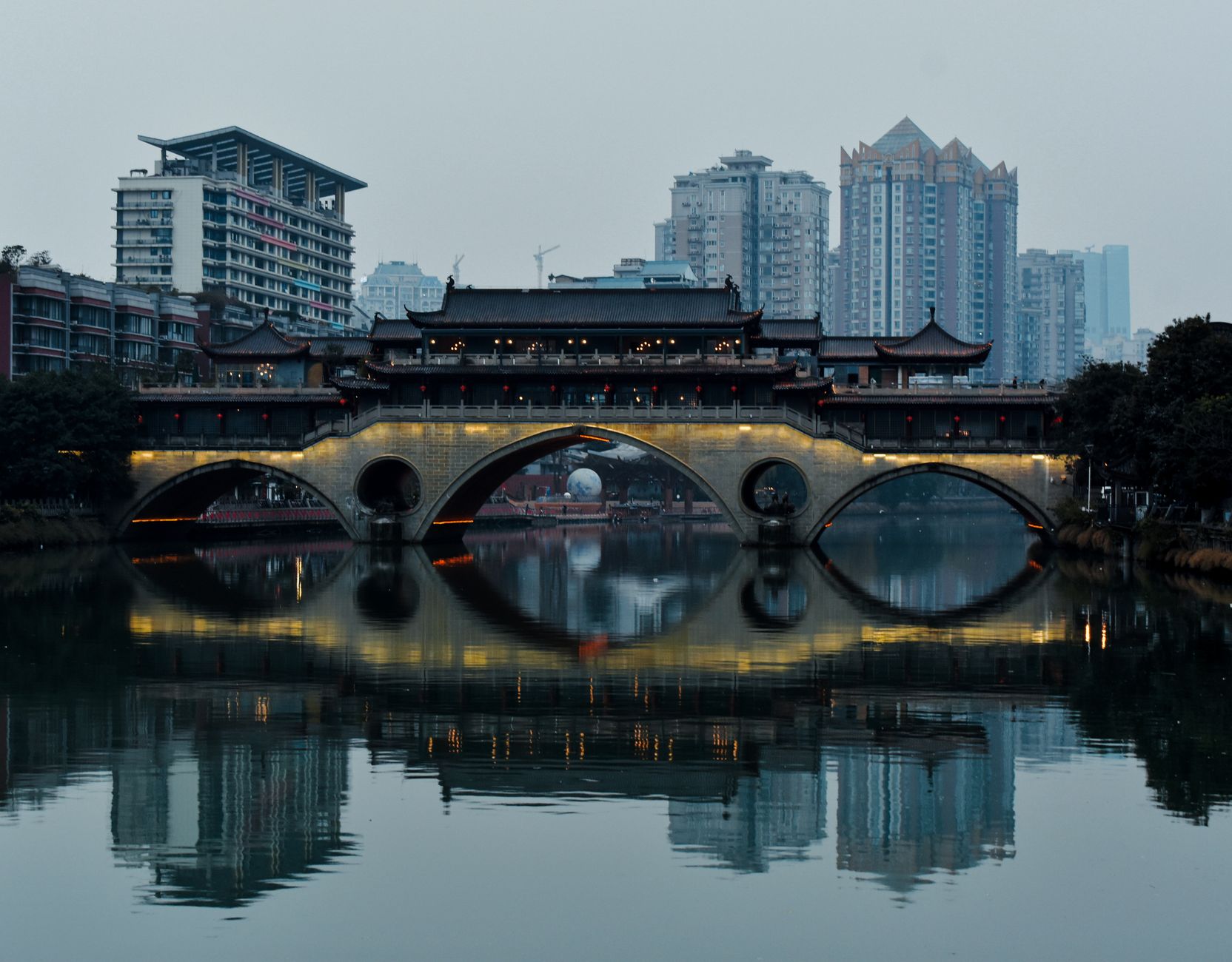
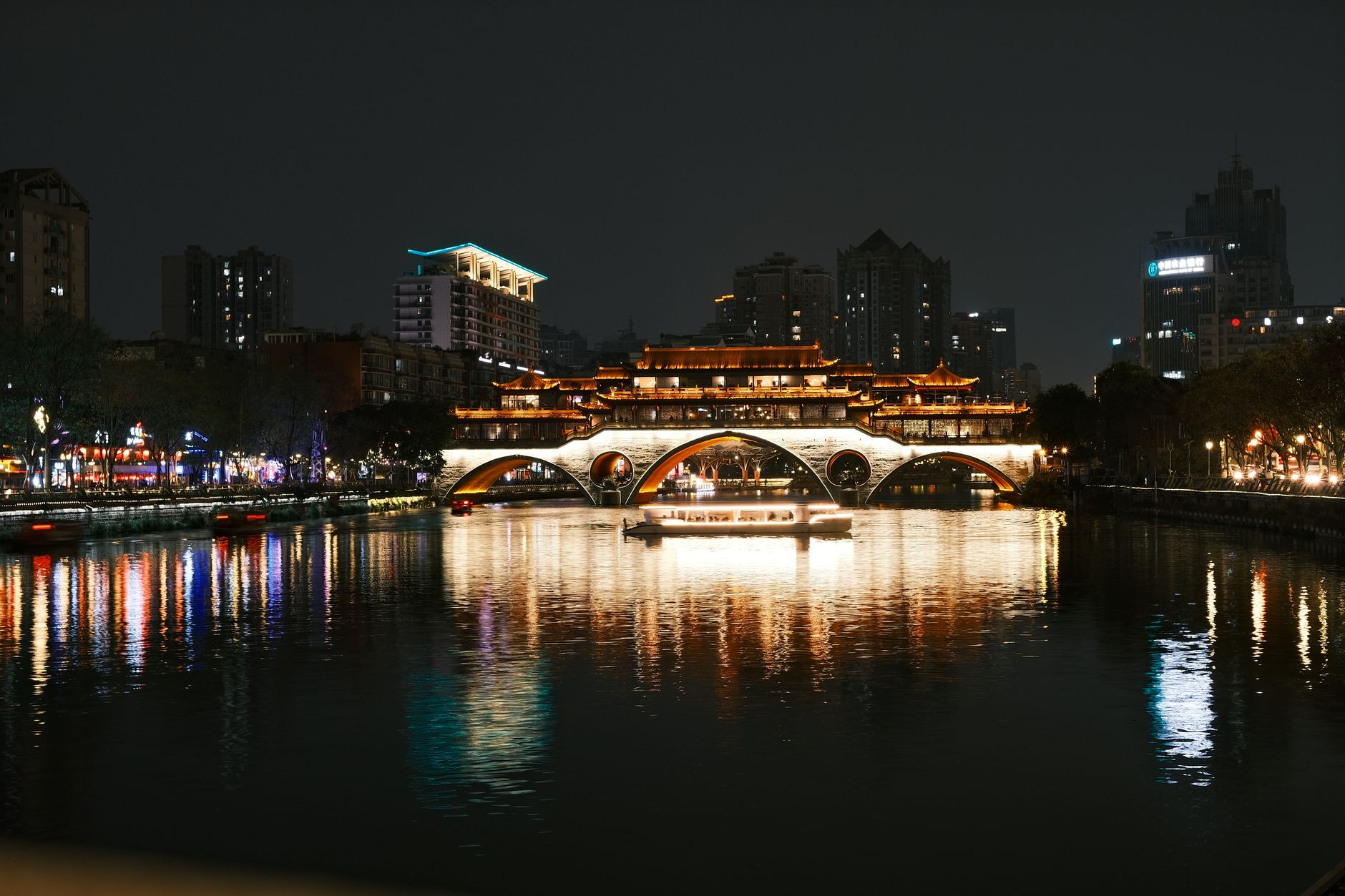
Chengdu has held its name for over two thousand years — through dynasties, invasions, and revolutions — without once being renamed. That continuity says something about the place: it has always known what it is. Capital of the ancient Shu kingdom, later of Liu Bei's Shu Han empire, and now the economic and cultural anchor of southwest China, it sits in the Sichuan Basin surrounded by mountains it has learned, over centuries, to ignore.
The city moves at its own pace. Teahouses fill up in the morning and stay full. The giant panda breeding base opens at dawn and rewards early arrivals. Beneath it all runs one of the most extensive metro systems in the world — 17 lines, foreign cards accepted at the turnstiles.
💛 What travellers fall for
Regulars tend to mention the same thing: go to the Panda Base before 9 a.m., when the animals are fed and actually moving. Line 3 to Panda Avenue, then Bus 408 from Exit A. Also, Kuanzhai Alley is best on a weekday morning — the Qing-dynasty lanes belong to a different city once the afternoon crowds arrive.
How Chengdu came to be
The city's founding is conventionally dated to 311 BC, when Qin general Zhang Yi laid out the Great City and Lesser City after the Kingdom of Shu was absorbed into the Qin state. A generation later, the administrator Li Bing designed the Dujiangyan Irrigation System — still functioning some 2,300 years on — which turned the Min River basin into some of the most productive farmland in China.
Under the Tang dynasty Chengdu ranked second only to Yangzhou in prosperity, and it was here that the poet Du Fu spent four years in exile, producing more than 240 poems in a modest thatched dwelling later memorialized as the Caotang. During the Song dynasty the city gave the world its first paper currency, the jiaozi. In the twentieth century it served briefly as the last Nationalist capital before the government withdrew to Taiwan in 1949.
Who and what shaped it
People who shaped it
Landmark buildings
See Chengdu in motion
Plan your visit
On the map
When to go
Chengdu sits in a basin that traps cloud cover for much of the year — overcast skies and mild humidity are the default, with summers warm and wet, winters cool but rarely severe. Spring (March–May) and autumn (September–November) bring the clearest days and the most comfortable temperatures for time spent outside.
Right now
Background & history adapted from Wikipedia (CC BY-SA) · specs from Wikidata (CC0) · weather from Open-Meteo · map data © OpenStreetMap contributors · photos from Wikimedia Commons / Unsplash with per-image credit. No third-party reviews or social posts reproduced.