
Jiuzhaigou Valley
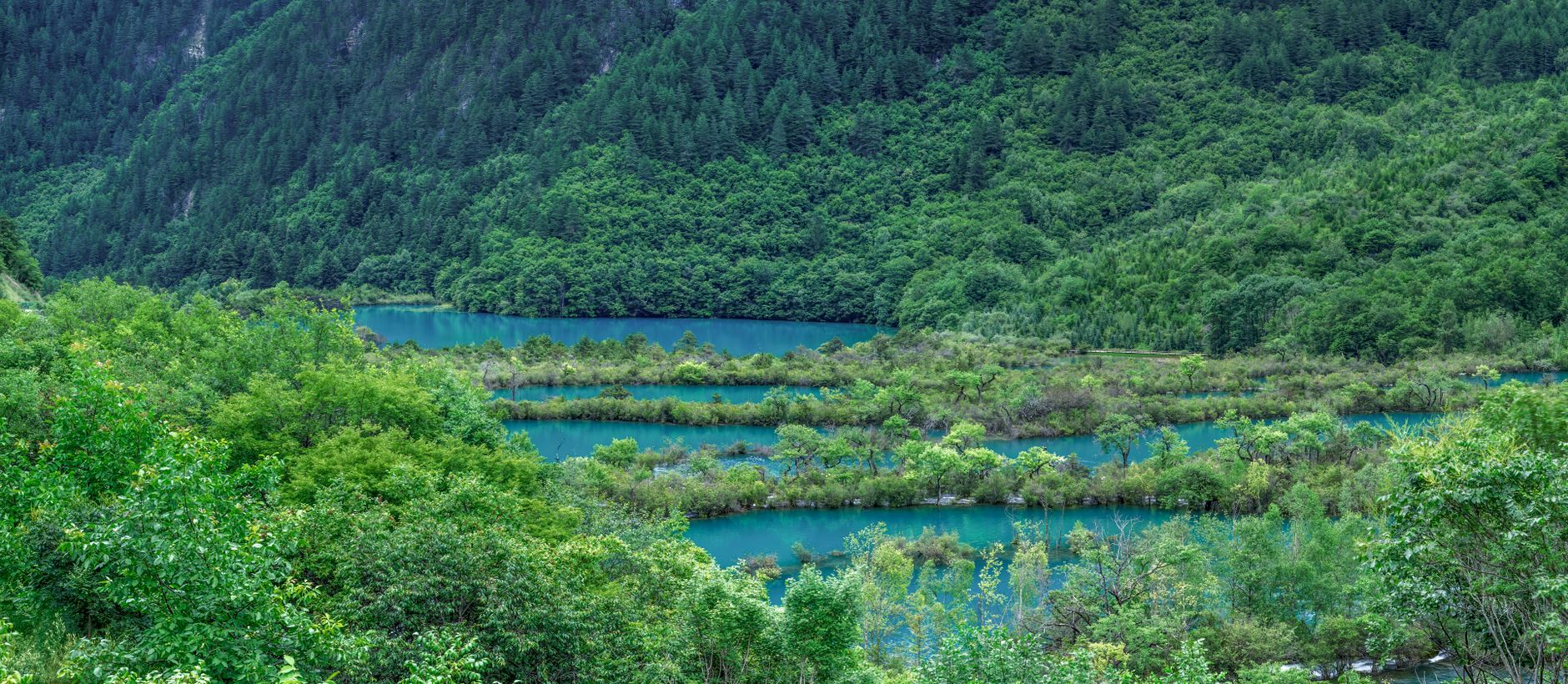
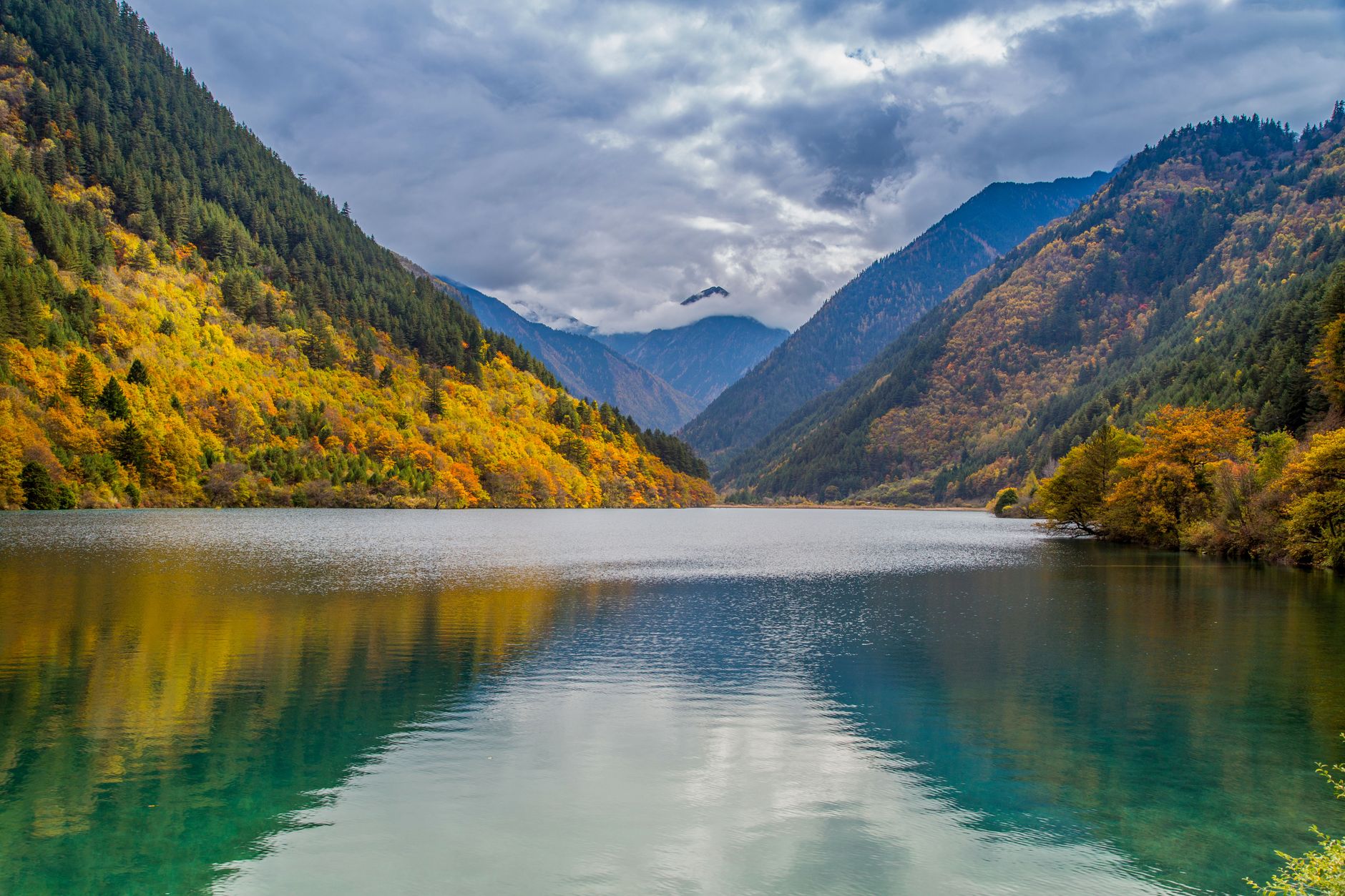
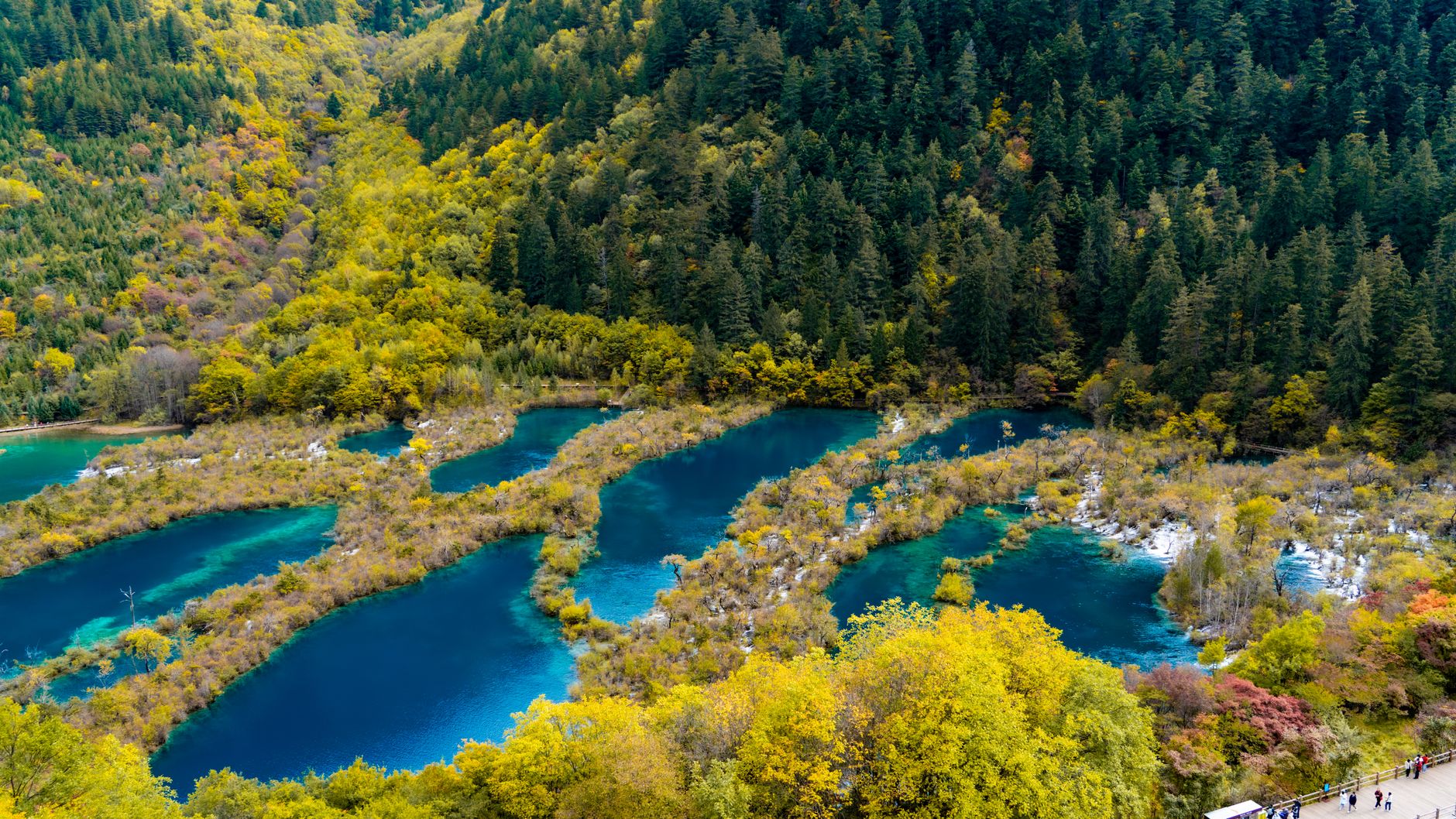
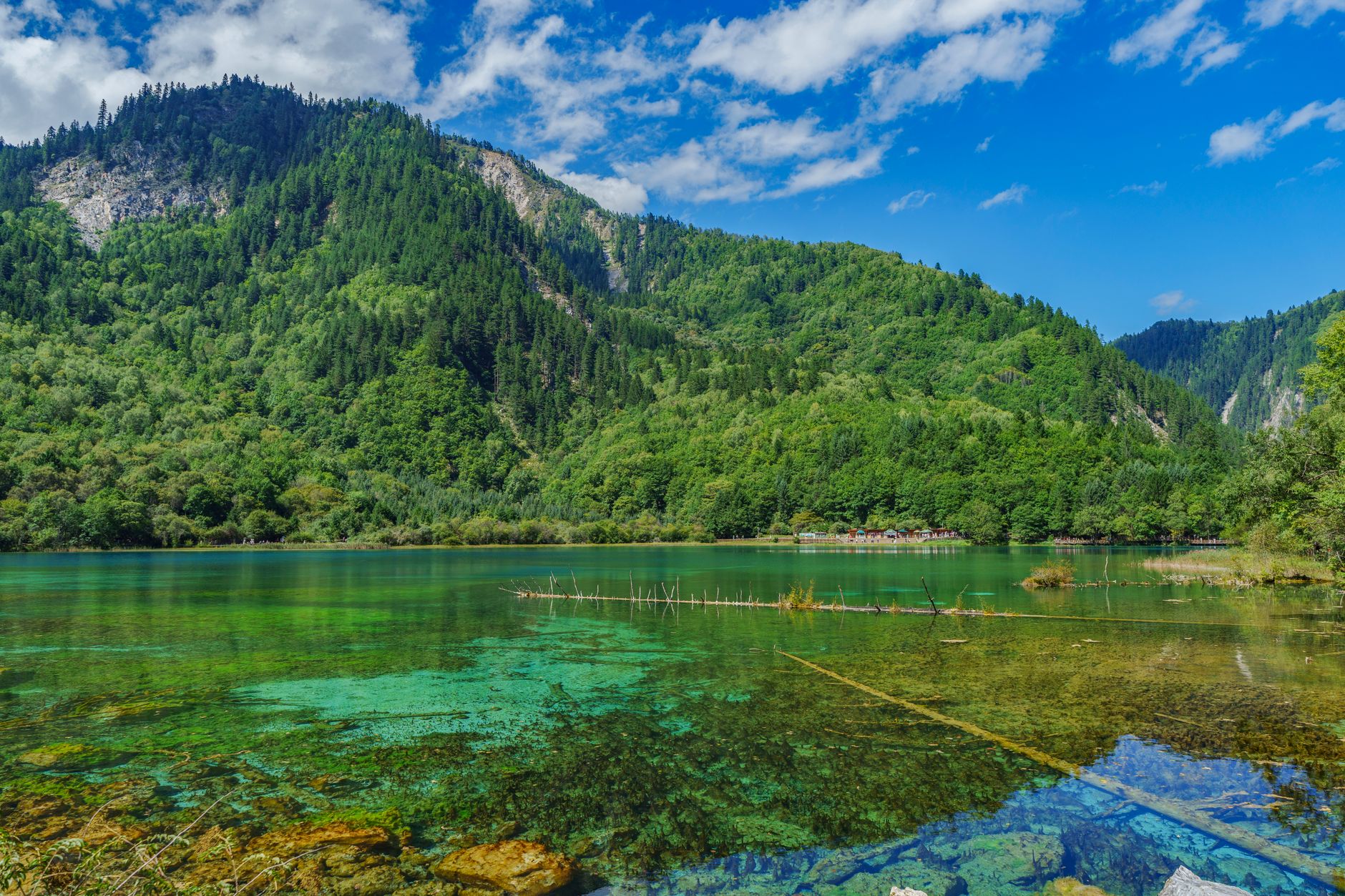
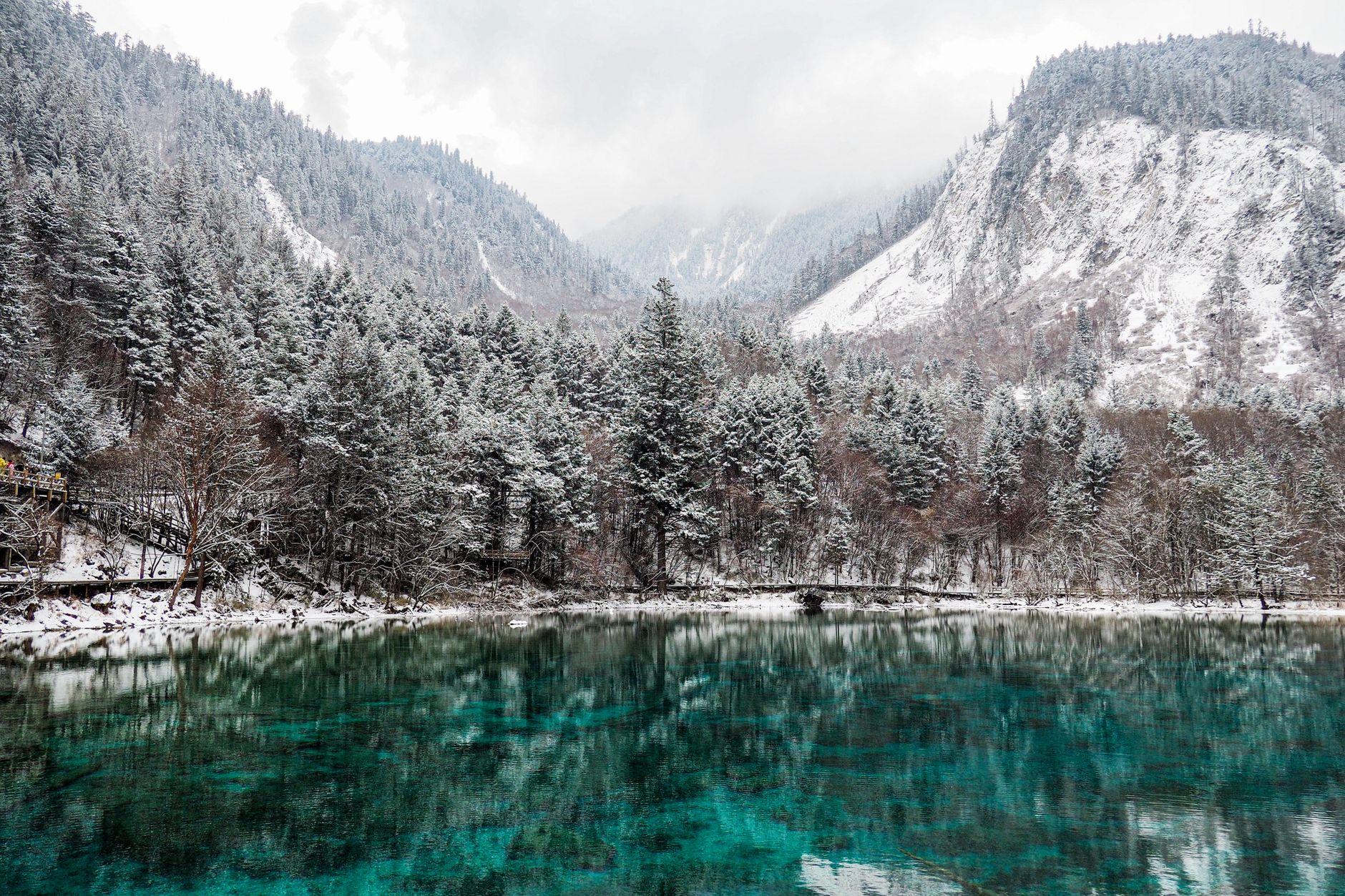
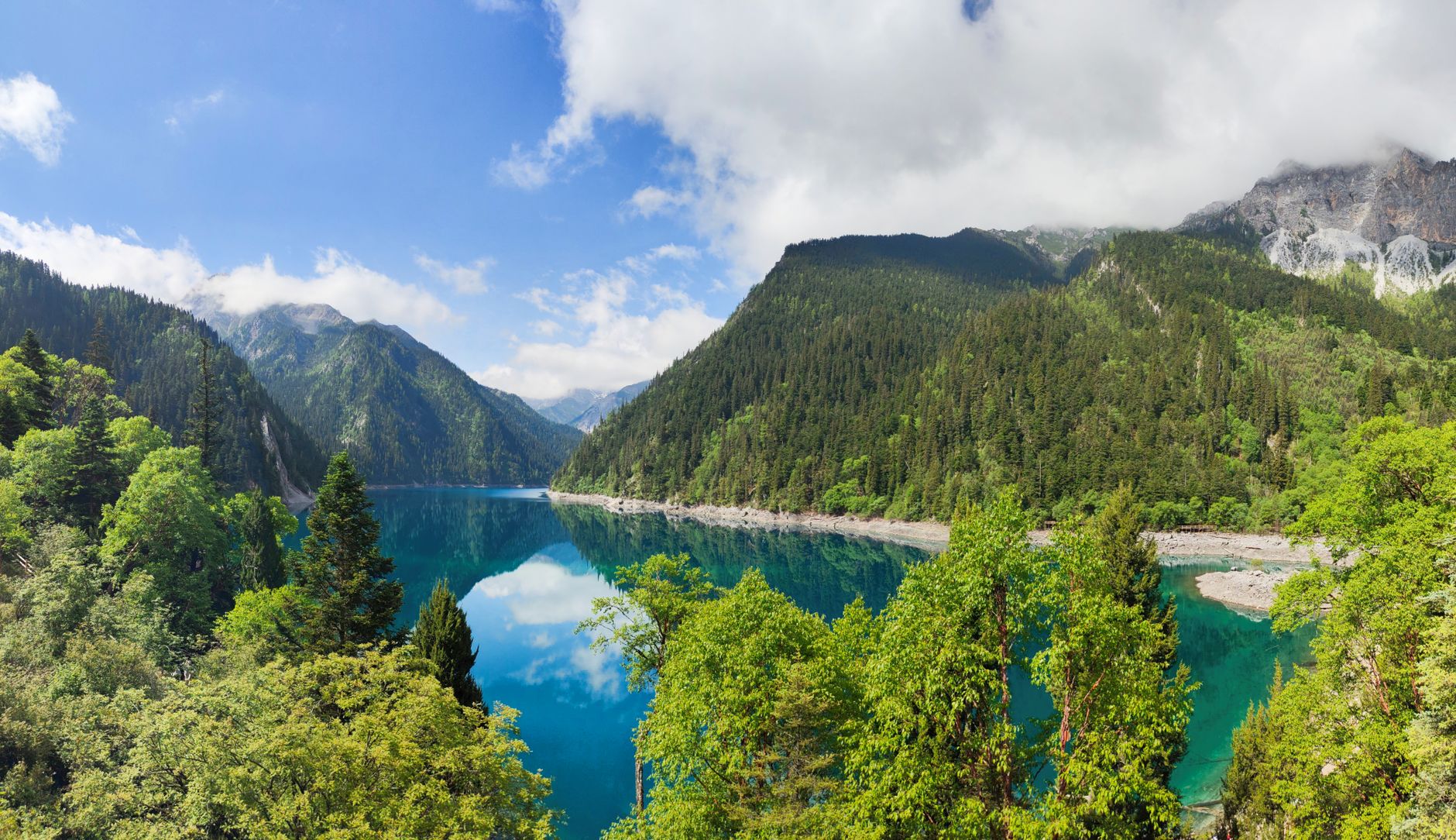
The water here does something you won't quite believe until you're standing over it: it turns colours that have no business existing in nature. Mineral-rich lakes shift from turquoise to deep cobalt to a bruised purple depending on the angle of light, and the travertine terraces that hold them are crusted white, like salt flats lifted into the mountains. Jiuzhaigou is a high-altitude valley system in northern Sichuan, home to roughly 100 lakes, five major waterfalls, and just over a thousand Tibetan villagers spread across nine settlements — people who have lived inside this landscape far longer than any tourist infrastructure.
Nuorilang Falls, near the junction of the three main valleys, stretches 320 metres wide and drops 20 metres — reportedly the widest highland waterfall in China. The valley begins at the Zharu Buddhist monastery and reaches up toward peaks approaching 5,000 metres. You'll need more than a morning.
How Jiuzhaigou Valley came to be
For most of the twentieth century, Jiuzhaigou was known mainly to the Tibetan communities who farmed and grazed within it. That changed in 1975, when forestry scientist Wu Zhonglun conducted a comprehensive survey of the valley. He had travelled widely in Europe and North America, and he wrote urgently to Sichuan's provincial authorities urging protection and an end to logging. His letters helped shift policy: logging was banned, and in 1982 the area became a national park.
The Nature Reserve had been formally established in 1980, and tourism infrastructure followed through the mid-1980s. UNESCO inscribed Jiuzhaigou as a World Heritage Site in 1992 and a World Biosphere Reserve in 1997. A 7.0-magnitude earthquake in 2017 closed the park for two years; it reopened to visitors in late 2019.
Who and what shaped it
People who shaped it
Landmark buildings
See Jiuzhaigou Valley in motion
Plan your visit
On the map
When to go
The valley runs subtropical to temperate, with January averages around -3.7°C and July averages near 16.8°C — meaning autumn (September to November) brings crisp air and the most dramatic foliage colours against the lakes, while summer is mild but busy. Winter visits are quieter and the snow-dusted terraces are striking, though some trails may be restricted.
Right now
Background & history adapted from Wikipedia (CC BY-SA) · specs from Wikidata (CC0) · weather from Open-Meteo · map data © OpenStreetMap contributors · photos from Wikimedia Commons / Unsplash with per-image credit. No third-party reviews or social posts reproduced.