
Hangzhou
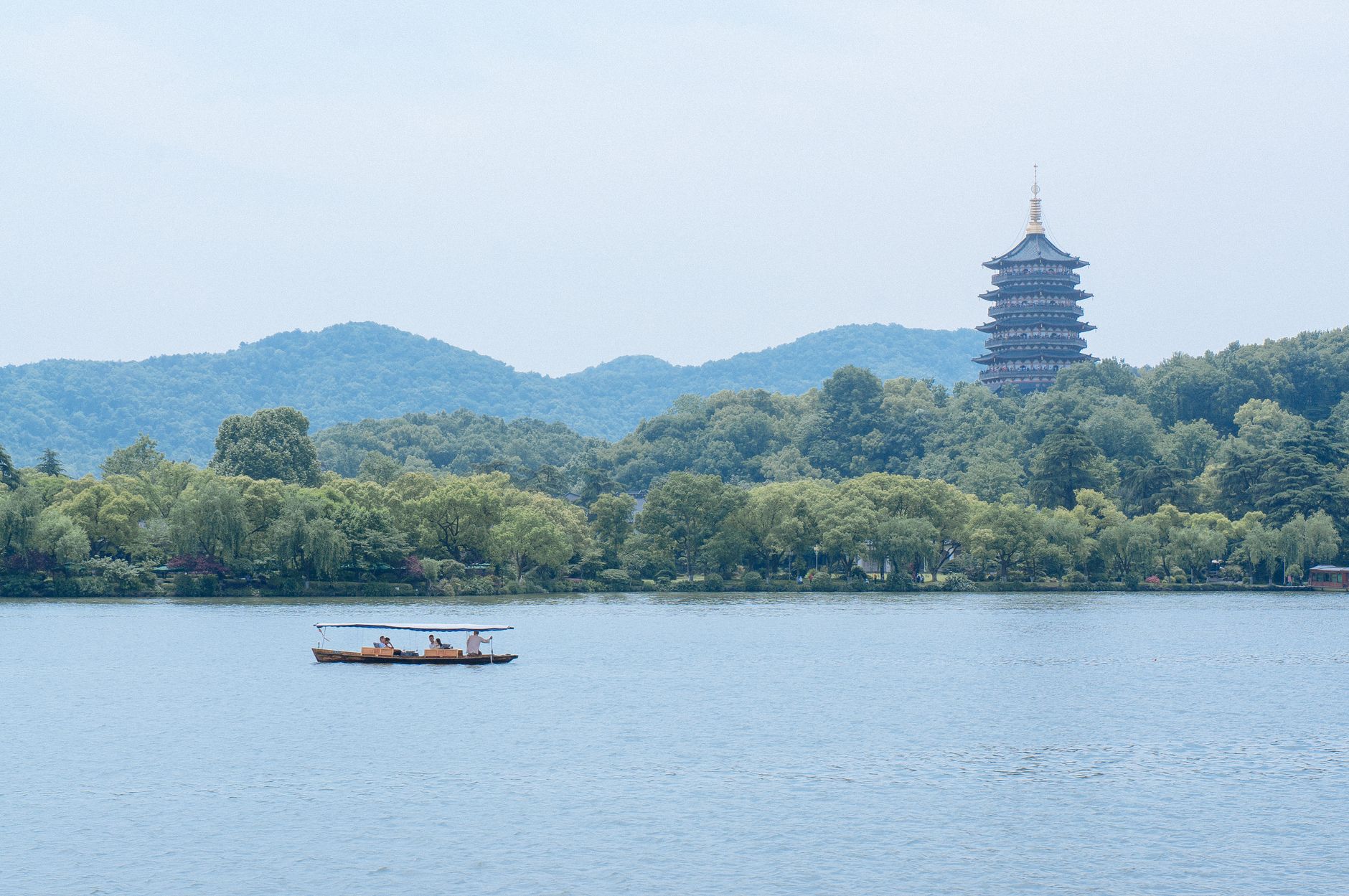
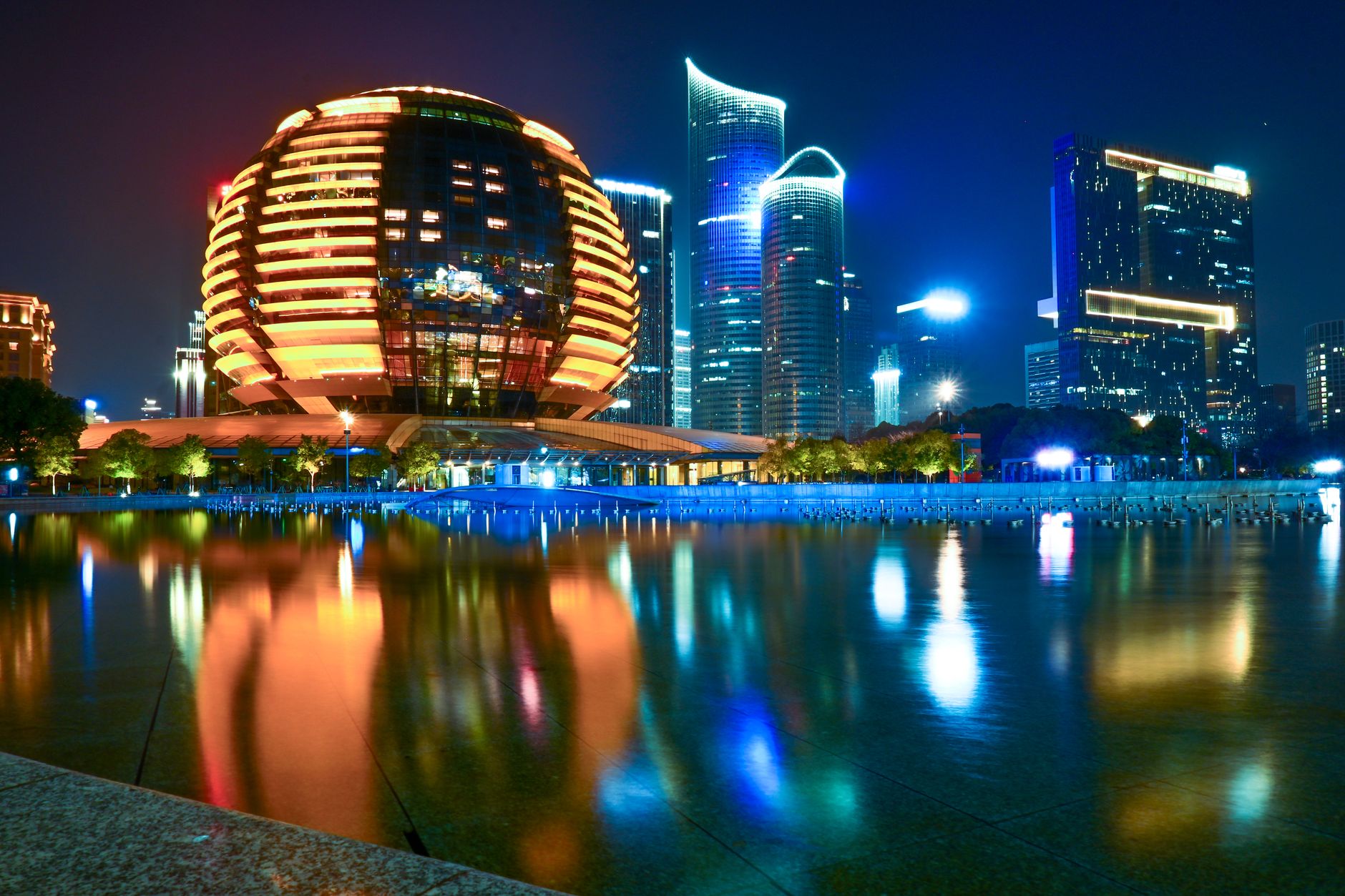
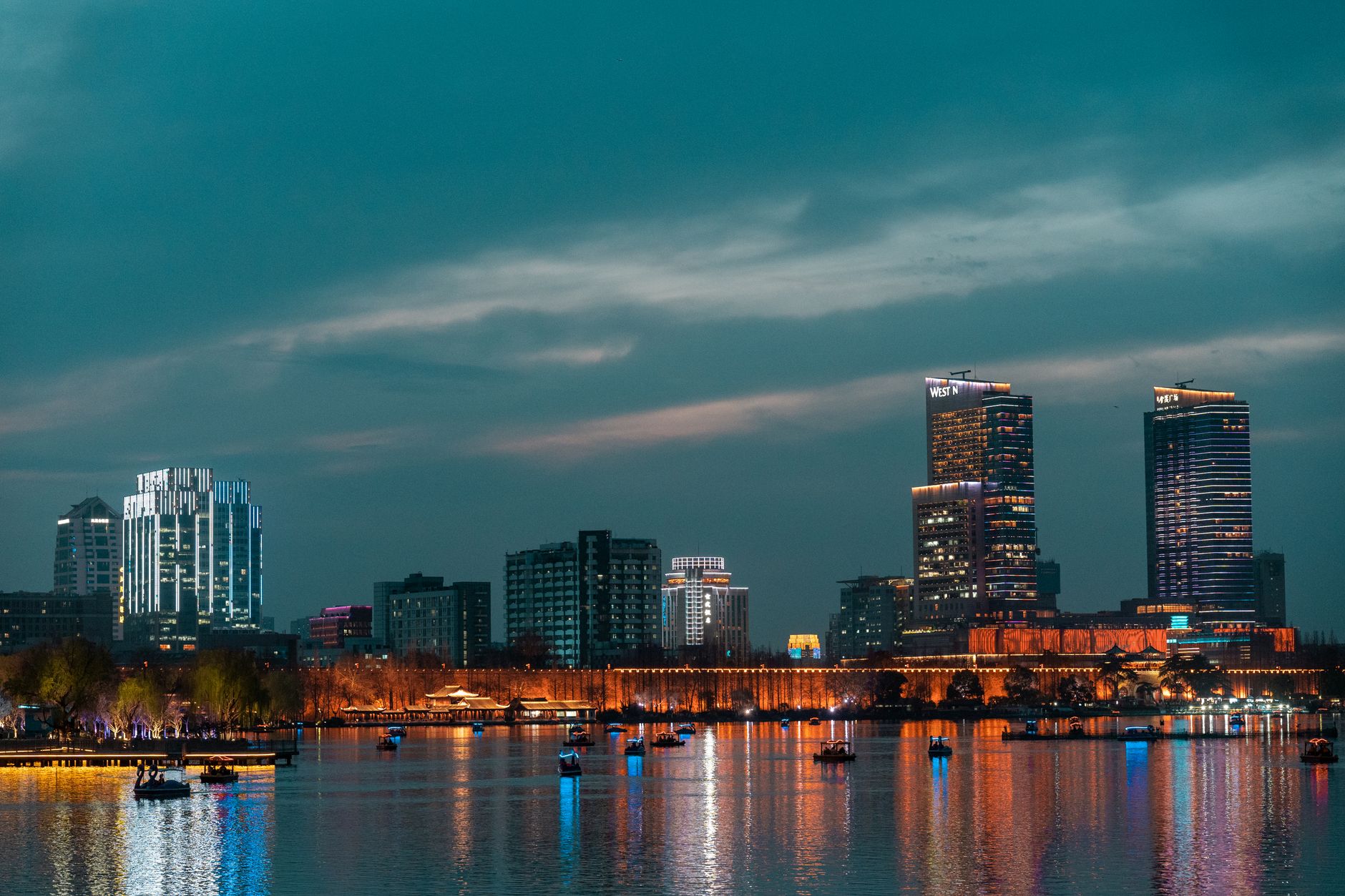
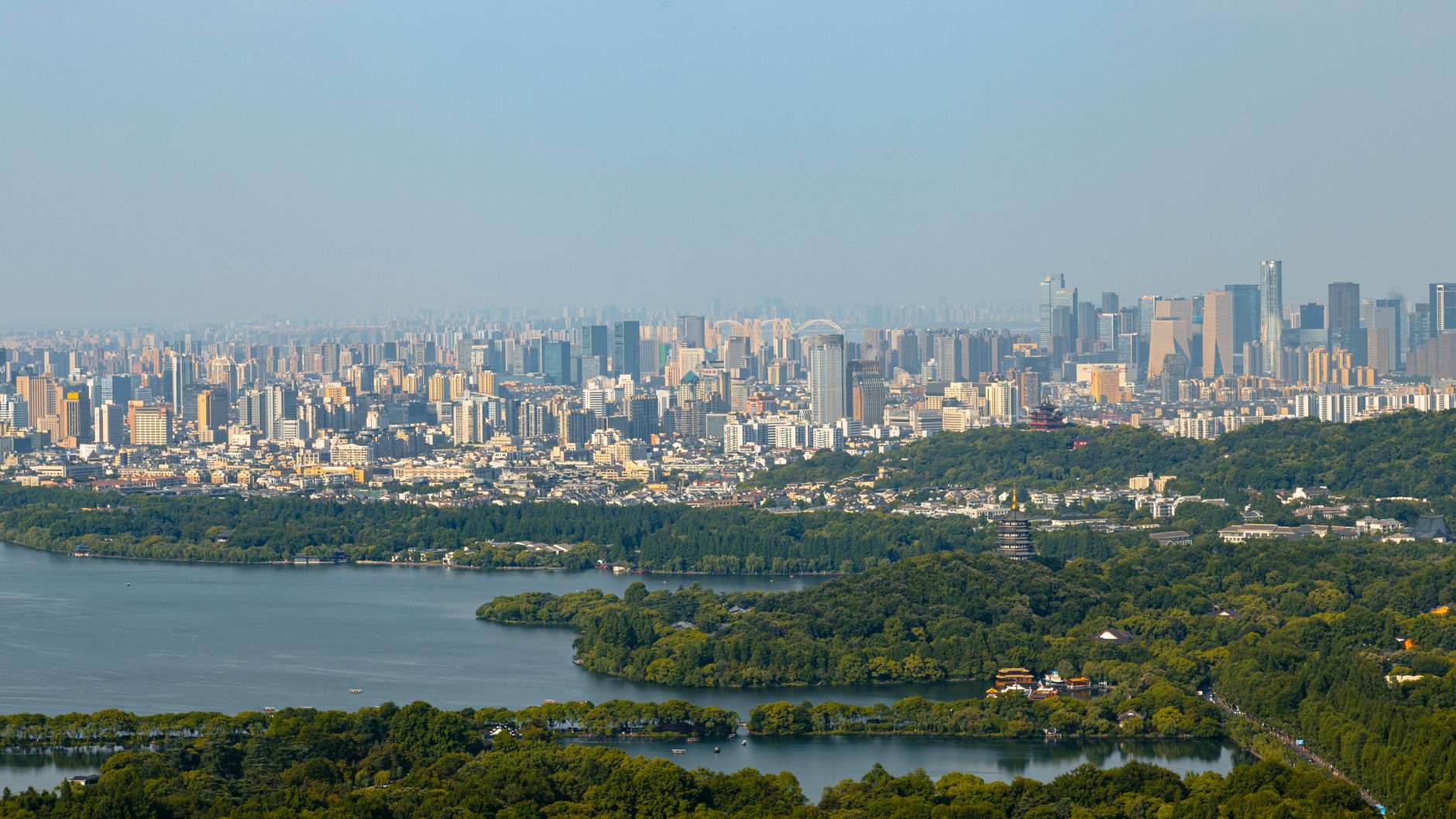
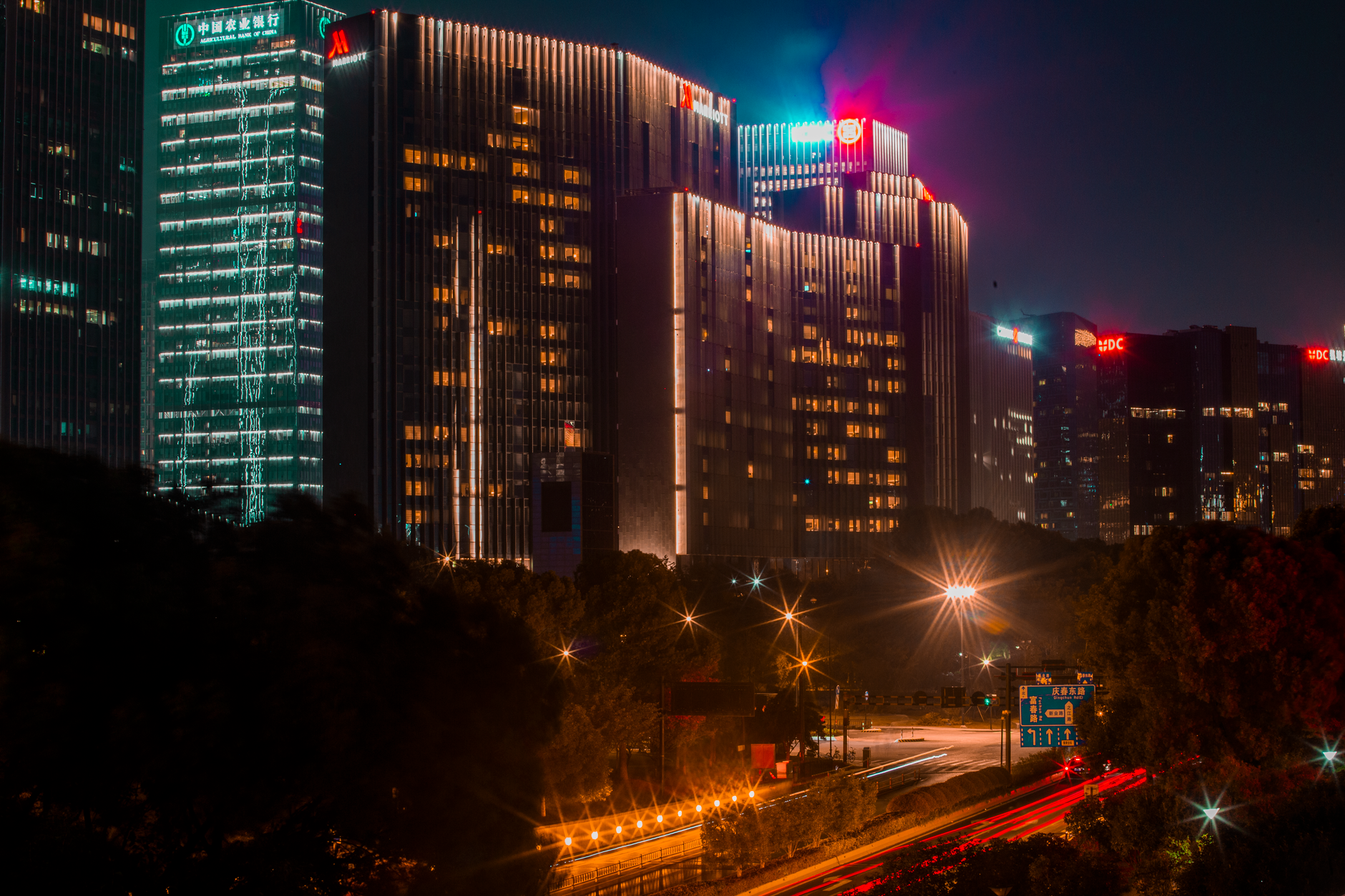
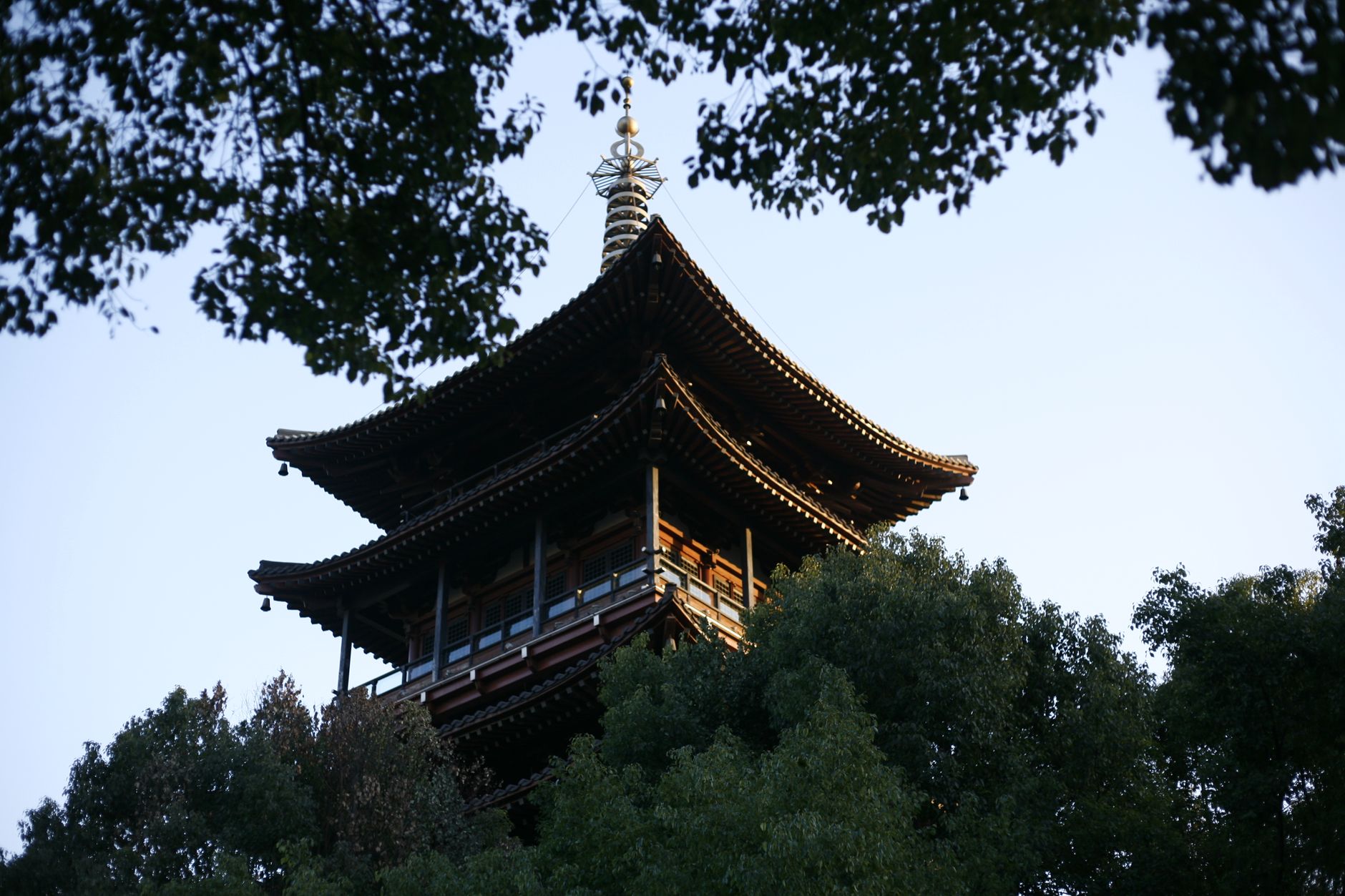
Hangzhou sits at the southern end of the world's longest canal, where the Grand Canal — more than 2,000 kilometres of waterway running down from Beijing — finally stops. That geographical fact shaped everything: trade, poets, emperors, and eventually Jack Ma, who chose this city to build Alibaba. The anchor of it all is West Lake, a UNESCO World Heritage Site since 2011, whose shores have been arranged and rearranged over centuries into something that feels less like nature than like a very considered argument about beauty.
This is a city that has been important for a long time — the largest in the world, by some estimates, during parts of the 12th and 14th centuries — and it carries that history lightly, in temple courtyards, a preserved Song-dynasty street, and a pagoda that collapsed in 1924 and was eventually rebuilt.
How Hangzhou came to be
Hangzhou was established as a prefectural seat in AD 589 under the Sui Dynasty, but its first real flourishing came during the Wuyue Kingdom (907–978), when Lingyin Temple — already six centuries old — reached its peak with 72 halls and more than 3,000 monks. The city's defining chapter began in 1127, when the Southern Song court fled north China and made Hangzhou, then called Lin'an, its capital. For nearly 150 years it functioned as the cultural and political centre of southern China, drawing poets Su Shi, Lu You, and Xin Qiji, and the scientist Shen Kuo, who was born and buried here.
That era ended in 1276 when Kublai Khan's armies took the city. Marco Polo visited in the decades that followed and reportedly described it as the finest city in the world — a claim the city's own records, counting its medieval population, don't entirely contradict.
Who and what shaped it
People who shaped it
Landmark buildings
See Hangzhou in motion
Plan your visit
On the map
When to go
Spring brings mild temperatures and the famous Longjing tea harvest, while autumn is crisp and clear — both seasons offer the lake at its most photogenic. Summers are genuinely hot and humid; winters are cool and occasionally wet, though rarely severe.
Right now
Background & history adapted from Wikipedia (CC BY-SA) · specs from Wikidata (CC0) · weather from Open-Meteo · map data © OpenStreetMap contributors · photos from Wikimedia Commons / Unsplash with per-image credit. No third-party reviews or social posts reproduced.