
Hong Kong
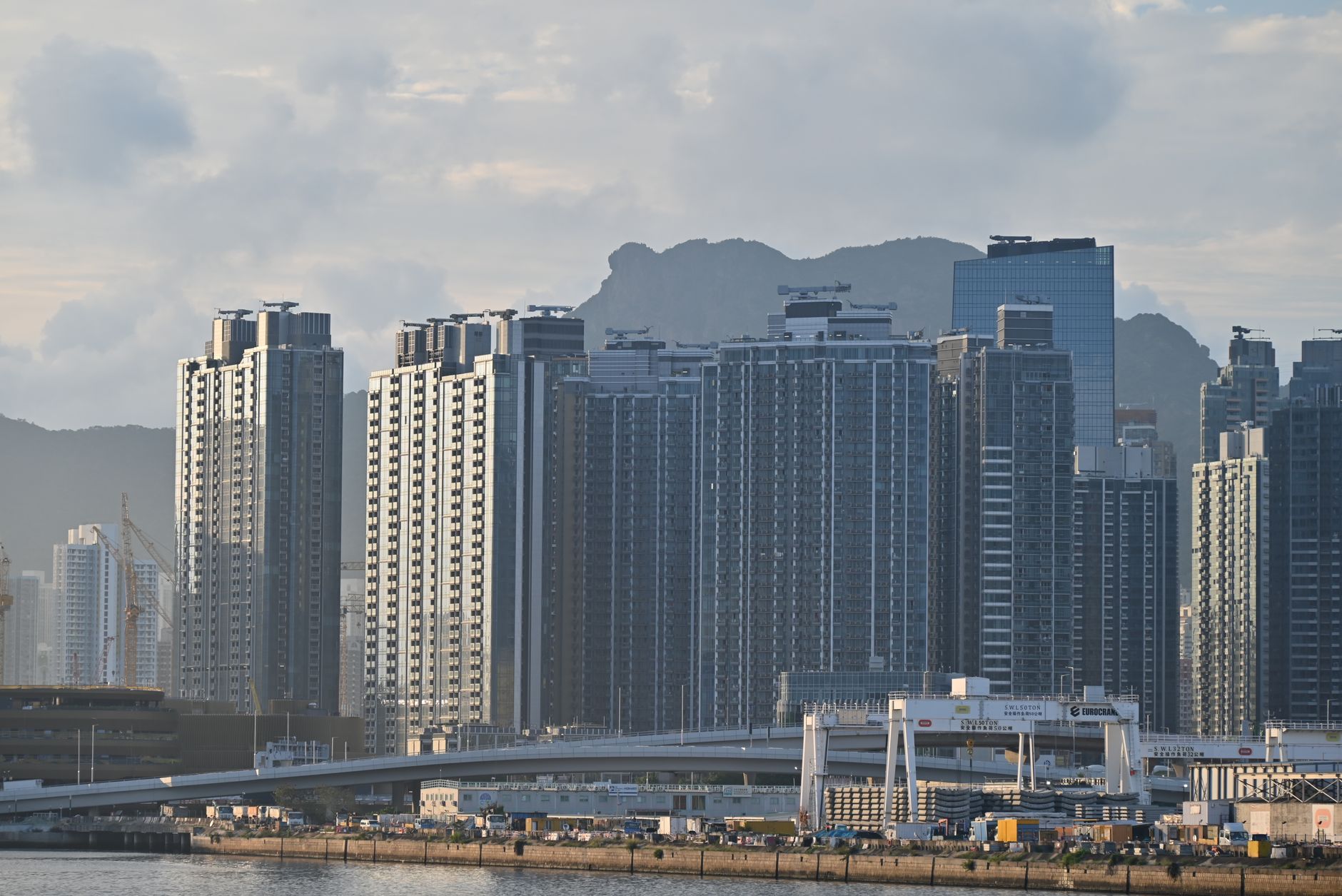
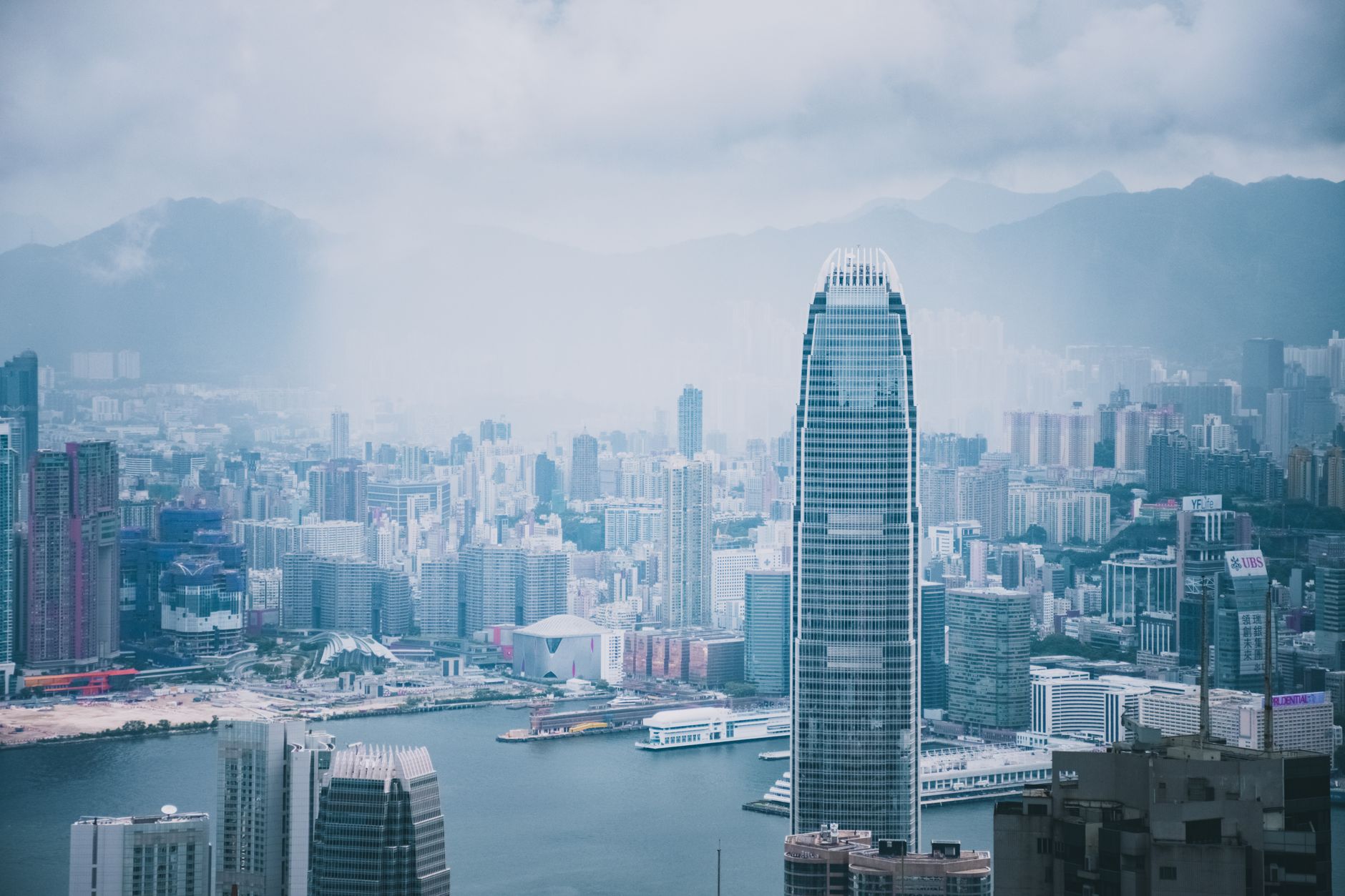
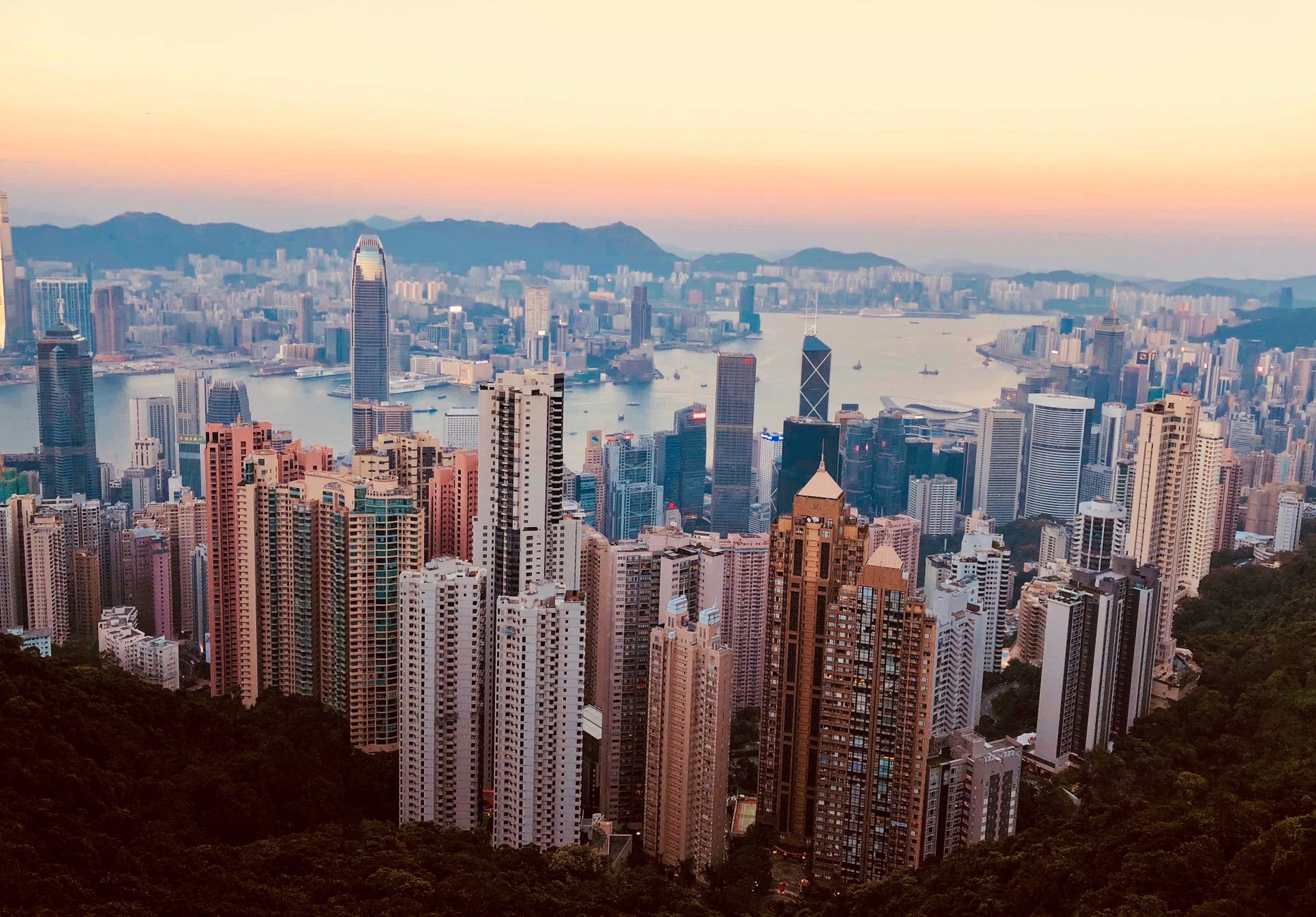
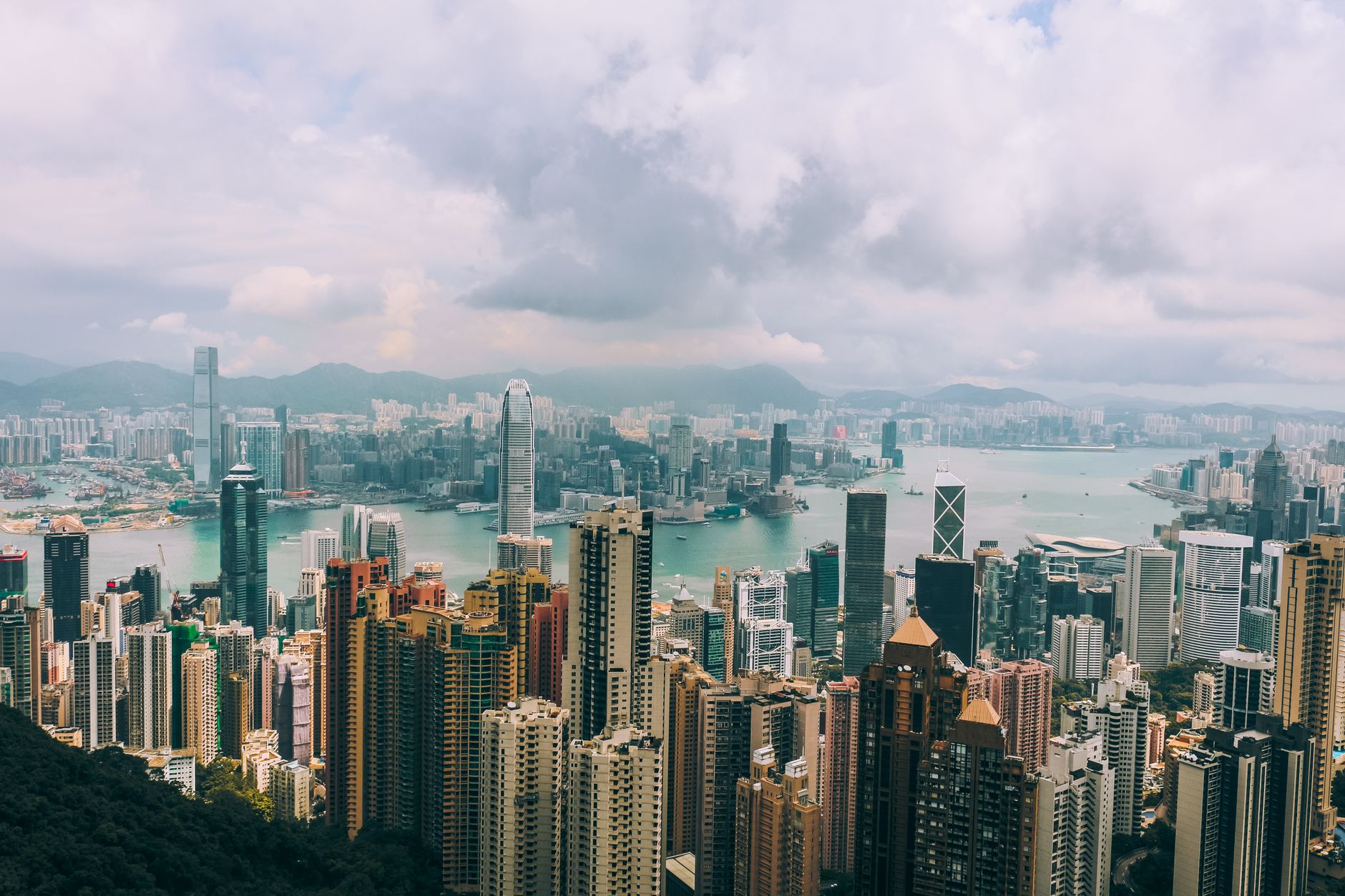
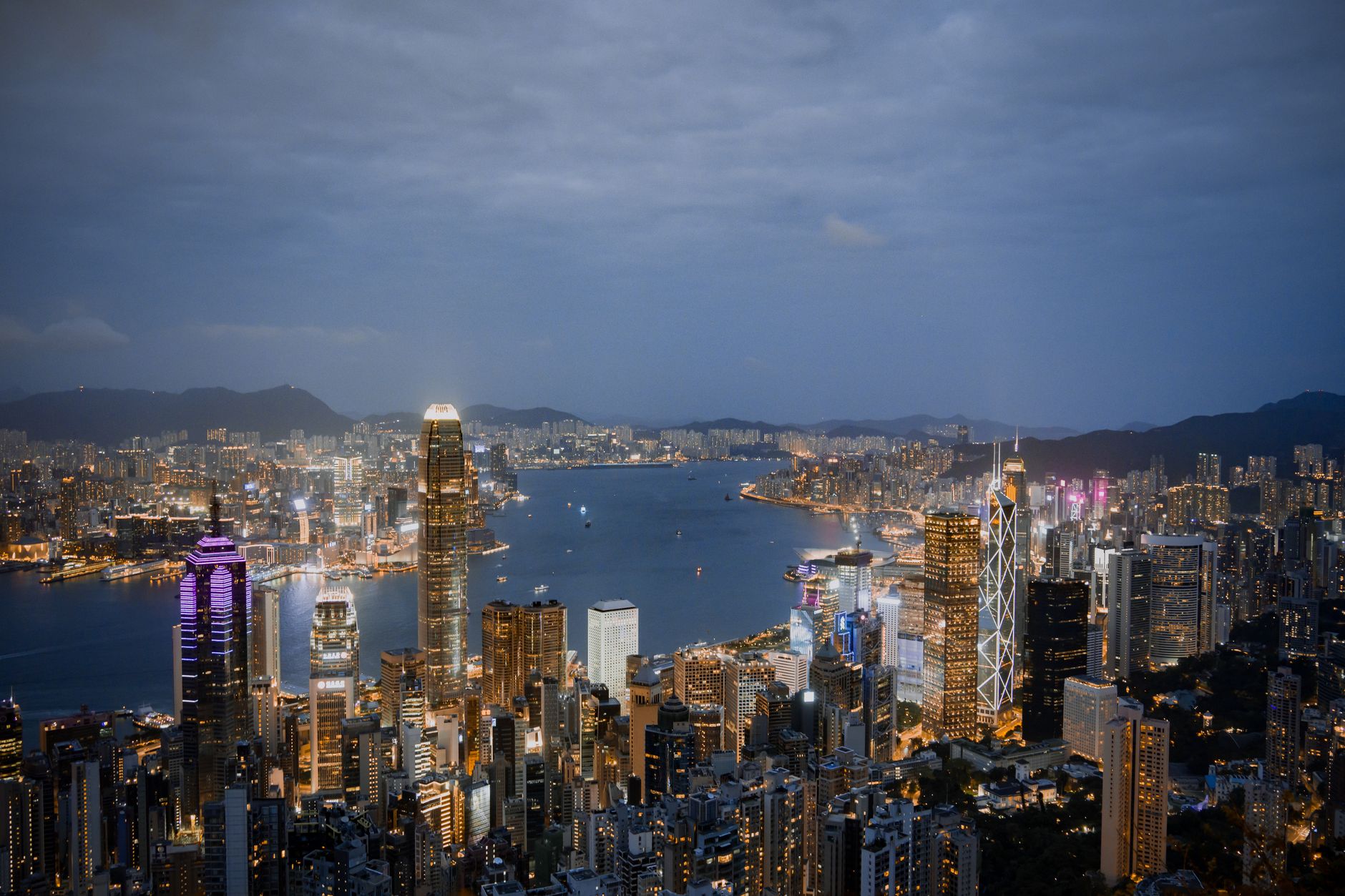
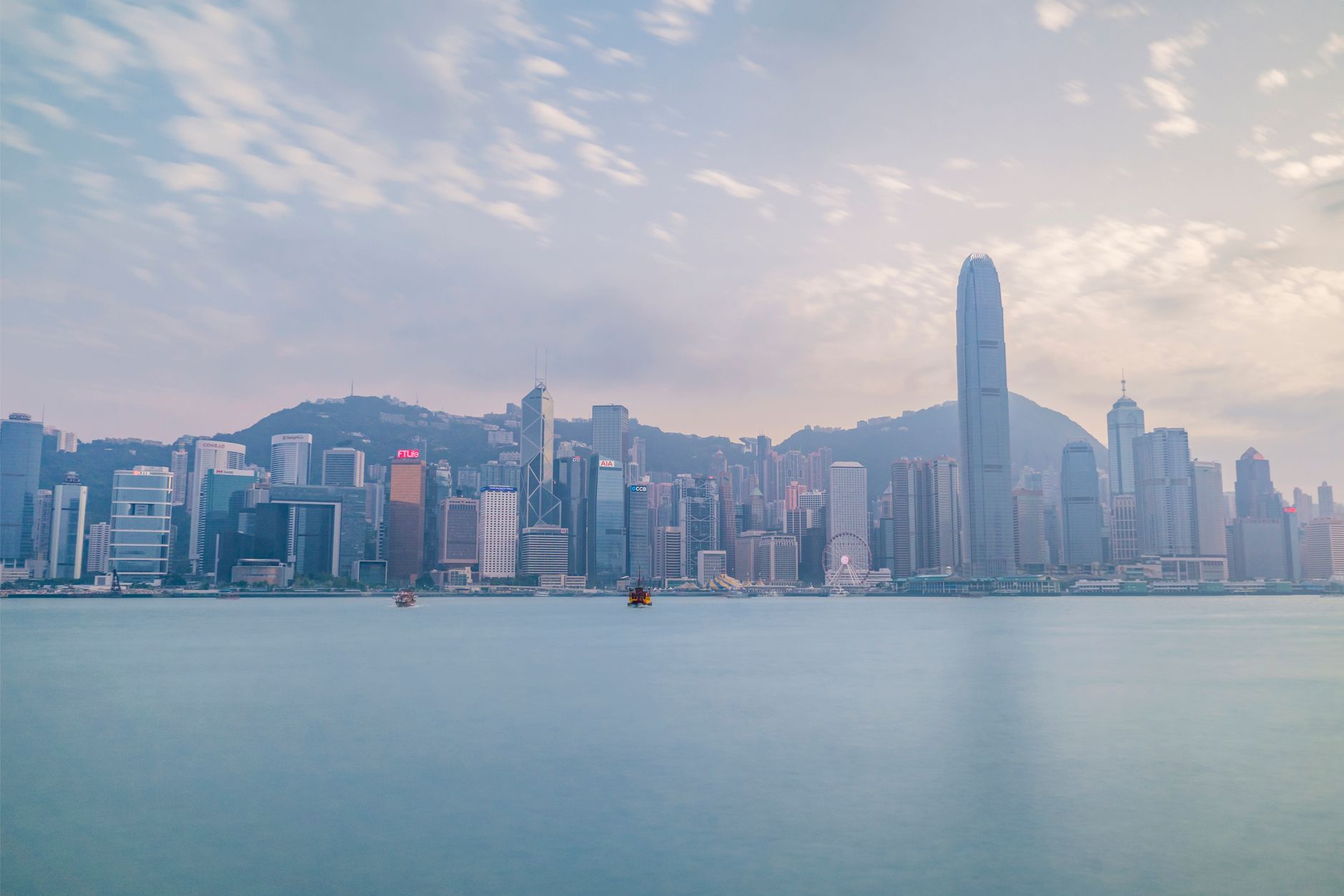
Stand on the Star Ferry as it crosses Victoria Harbour — water the colour of pewter, towers rising on both shores — and the particular density of Hong Kong makes immediate sense. This is a place where a Tin Hau temple built for sailors in the eleventh century sits a short walk from a glass skyscraper, and where the Peak Tram, running since 1888, still delivers you to a viewpoint at 428 metres above the South China Sea.
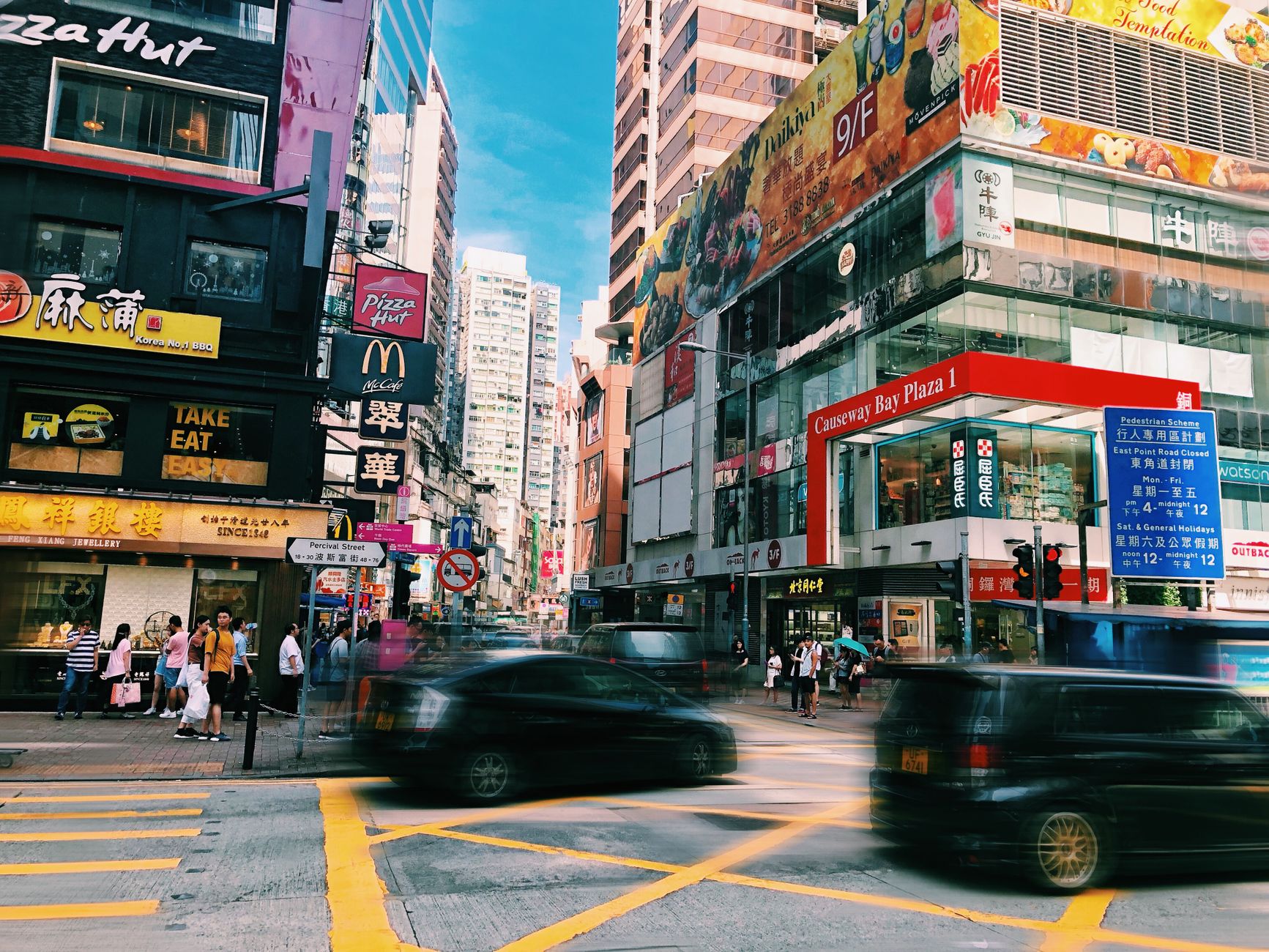
Hong Kong operates as a Special Administrative Region of China, with its own legal system, currency, and rhythms distinct from the mainland. The MTR runs every few minutes until past midnight, the harbour ferry costs less than a dollar, and the city's scale — dense, vertical, relentlessly practical — rewards those who slow down long enough to look sideways.
Popular cities in Hong Kong

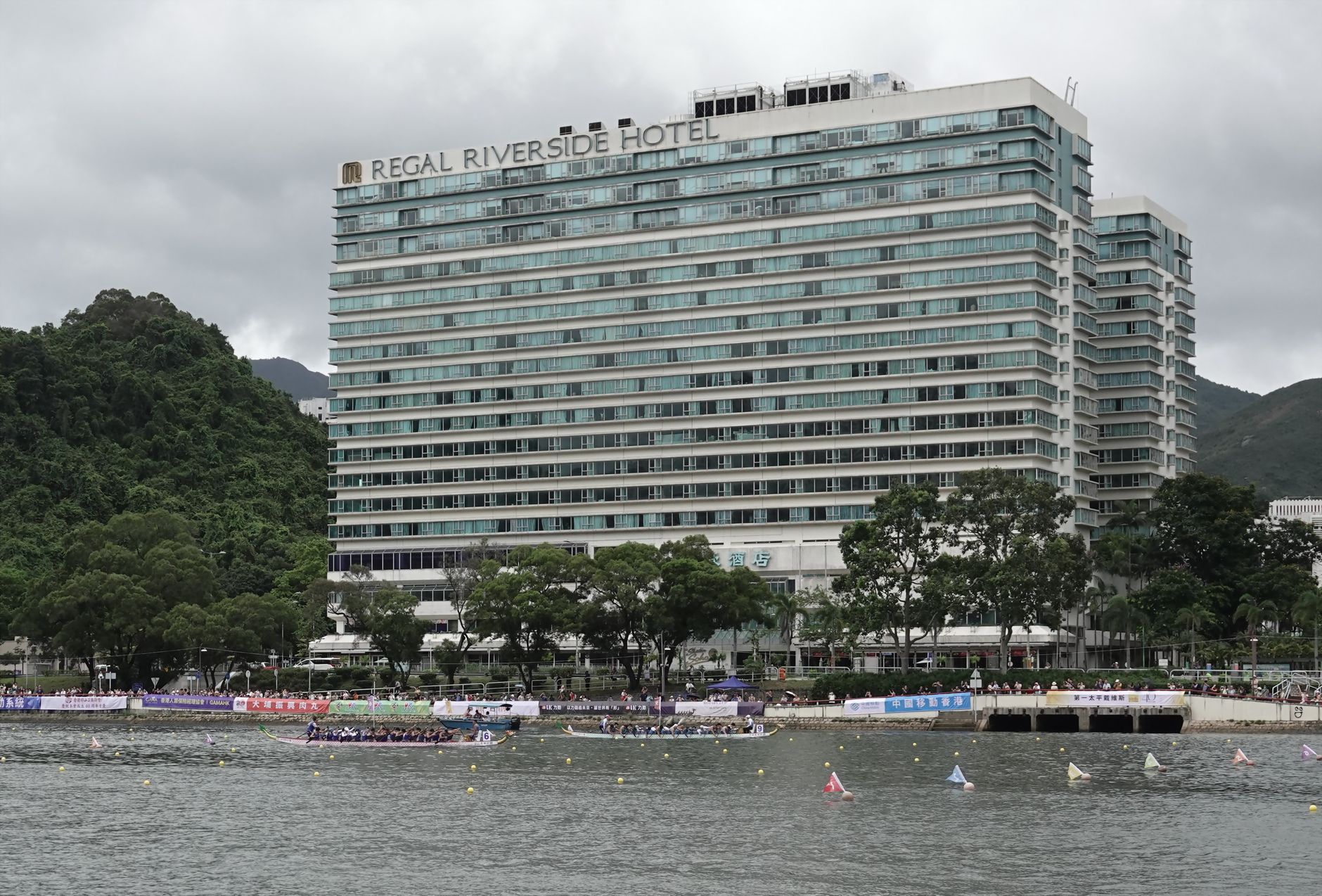
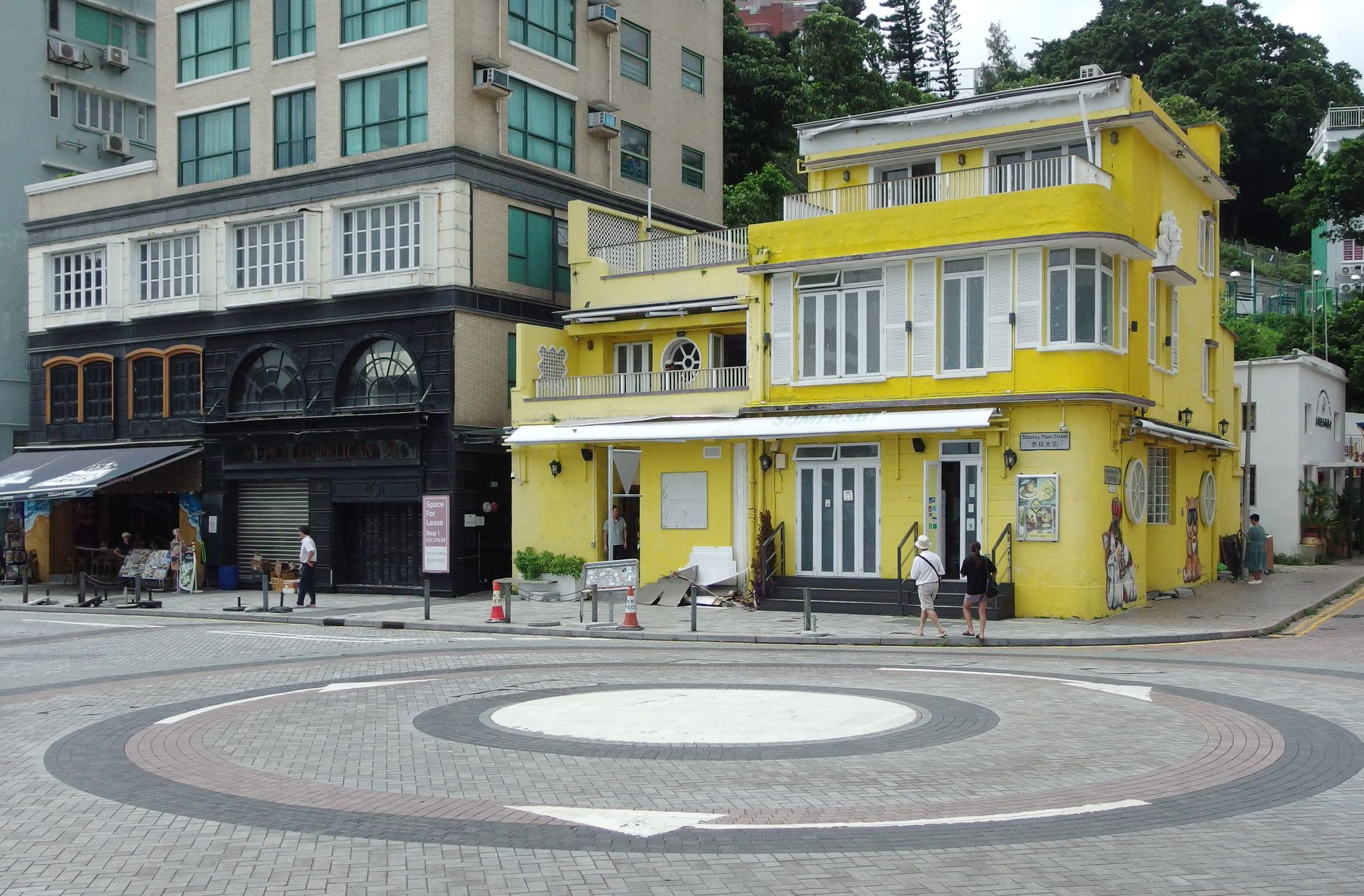
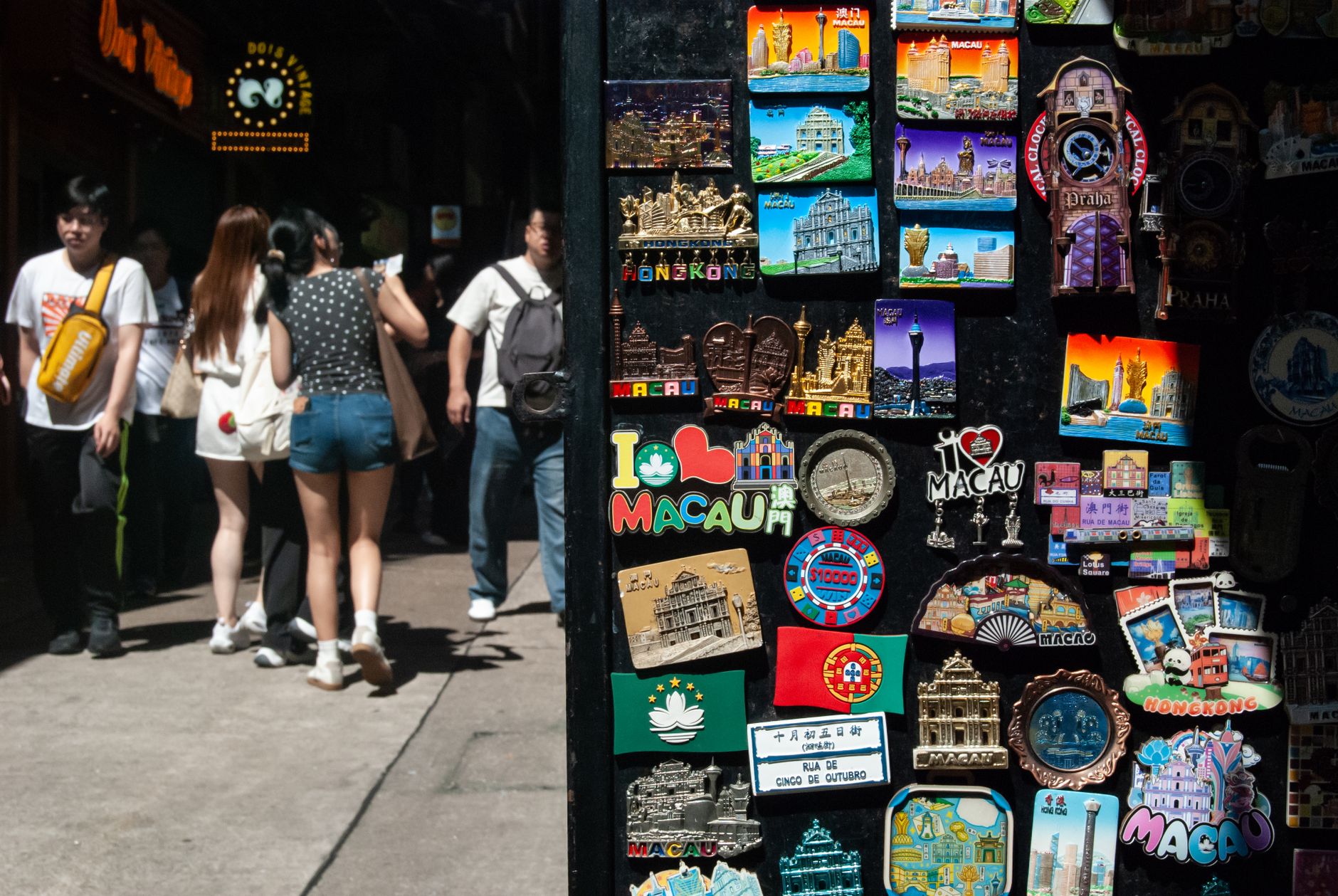
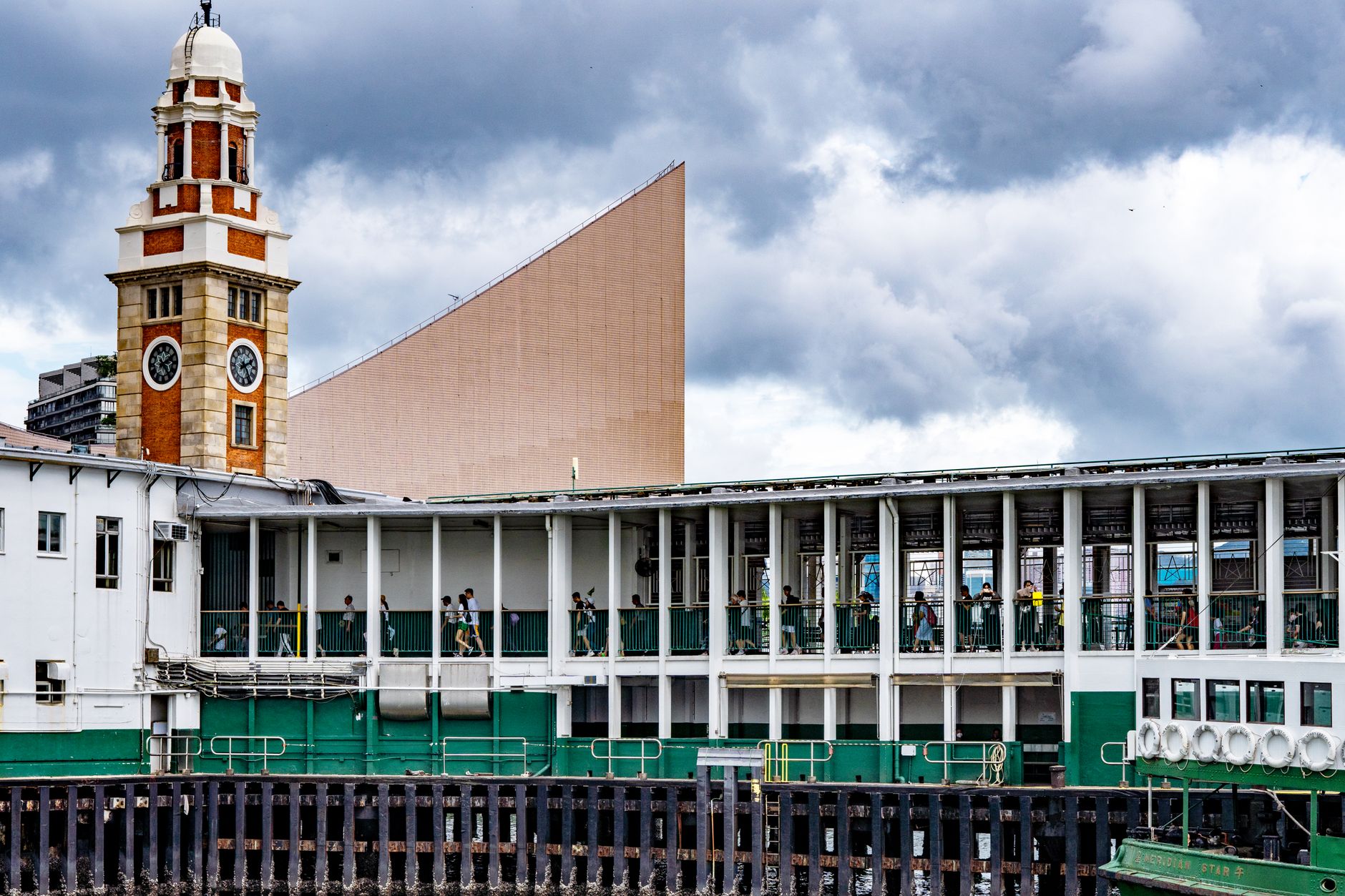
💛 What travellers fall for
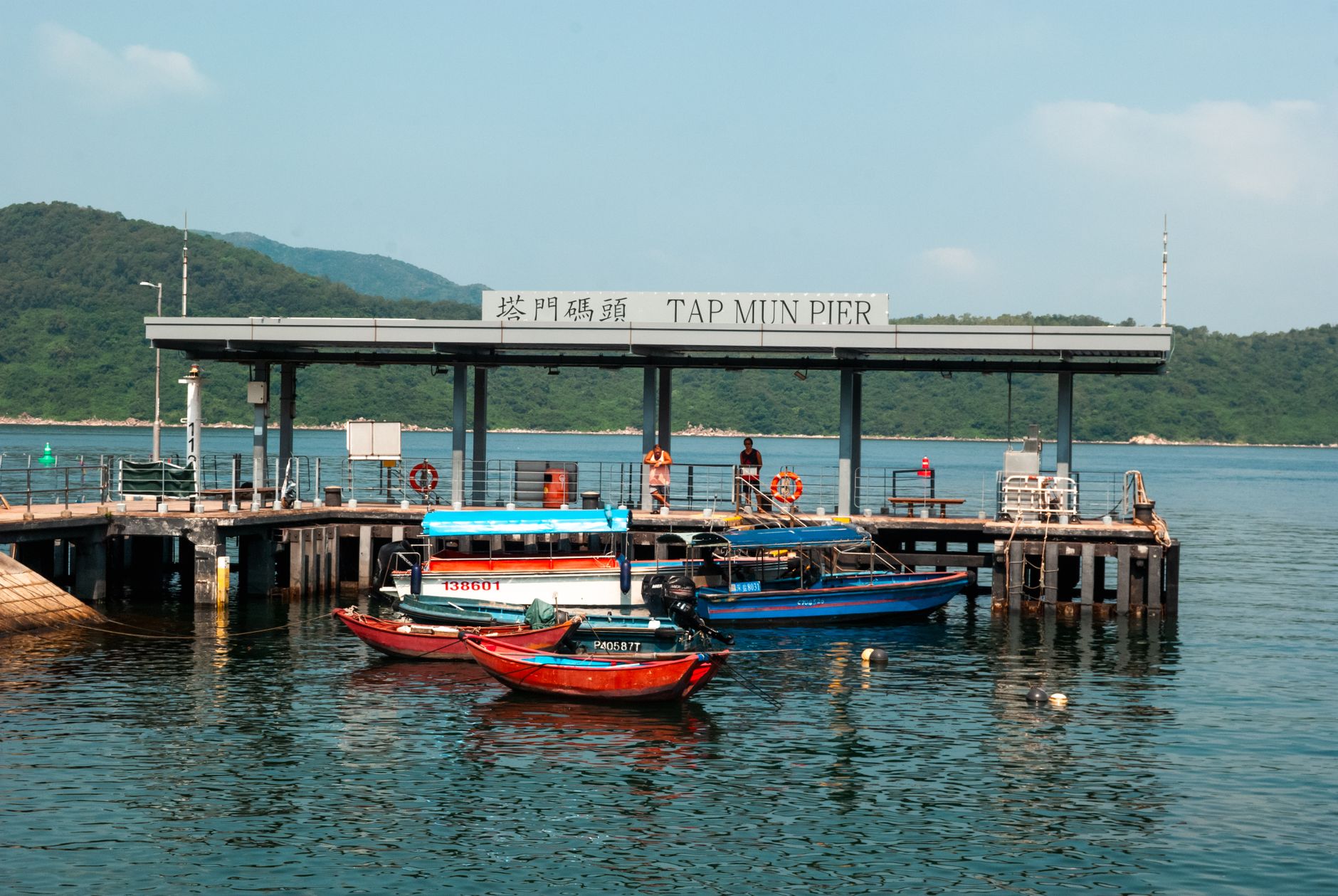
People who keep coming back tend to ride the Star Ferry at least once per trip, not for nostalgia but because the ten-minute crossing from Central Pier 7 still earns its HK$3.40. They also learn to time the free Symphony of Lights laser show from the Kowloon waterfront at 8 PM — a better vantage than the island side.
How Hong Kong came to be
Britain took possession of Hong Kong Island on 26 January 1841, when Commodore Gordon Bremer landed under the Convention of Chuenpi. The Treaty of Nanking in 1842, ending the First Opium War, made the cession permanent, and the Crown colony was formally established in 1843. Kowloon followed in 1860, and a 99-year lease on the New Territories was signed in 1898 — the lease whose expiry date would eventually determine everything.
Japanese occupation from 1941 to 1945 interrupted colonial life, but the city rebuilt quickly. The Sino-British Joint Declaration of 1984 set the clock: on 1 July 1997, the entire territory transferred to China, becoming a Special Administrative Region with its own systems guaranteed until at least 2047. The handover ceremony took place at the Hong Kong Convention and Exhibition Centre, which had opened specifically to mark the occasion.
Who and what shaped it
People who shaped it
Landmark buildings
See Hong Kong in motion
Plan your visit
On the map
When to go
Winter (December to February) is mild and relatively dry, with January averaging around 17°C — the most comfortable time to walk the city. From May to September, heat, humidity and heavy rain dominate, and typhoons can arrive anytime between June and October; if a storm signal goes up, plans change fast.
Right now
↡ Cities
Background & history adapted from Wikipedia (CC BY-SA) · specs from Wikidata (CC0) · weather from Open-Meteo · map data © OpenStreetMap contributors · photos from Wikimedia Commons / Unsplash with per-image credit. No third-party reviews or social posts reproduced.