
Yuen Long
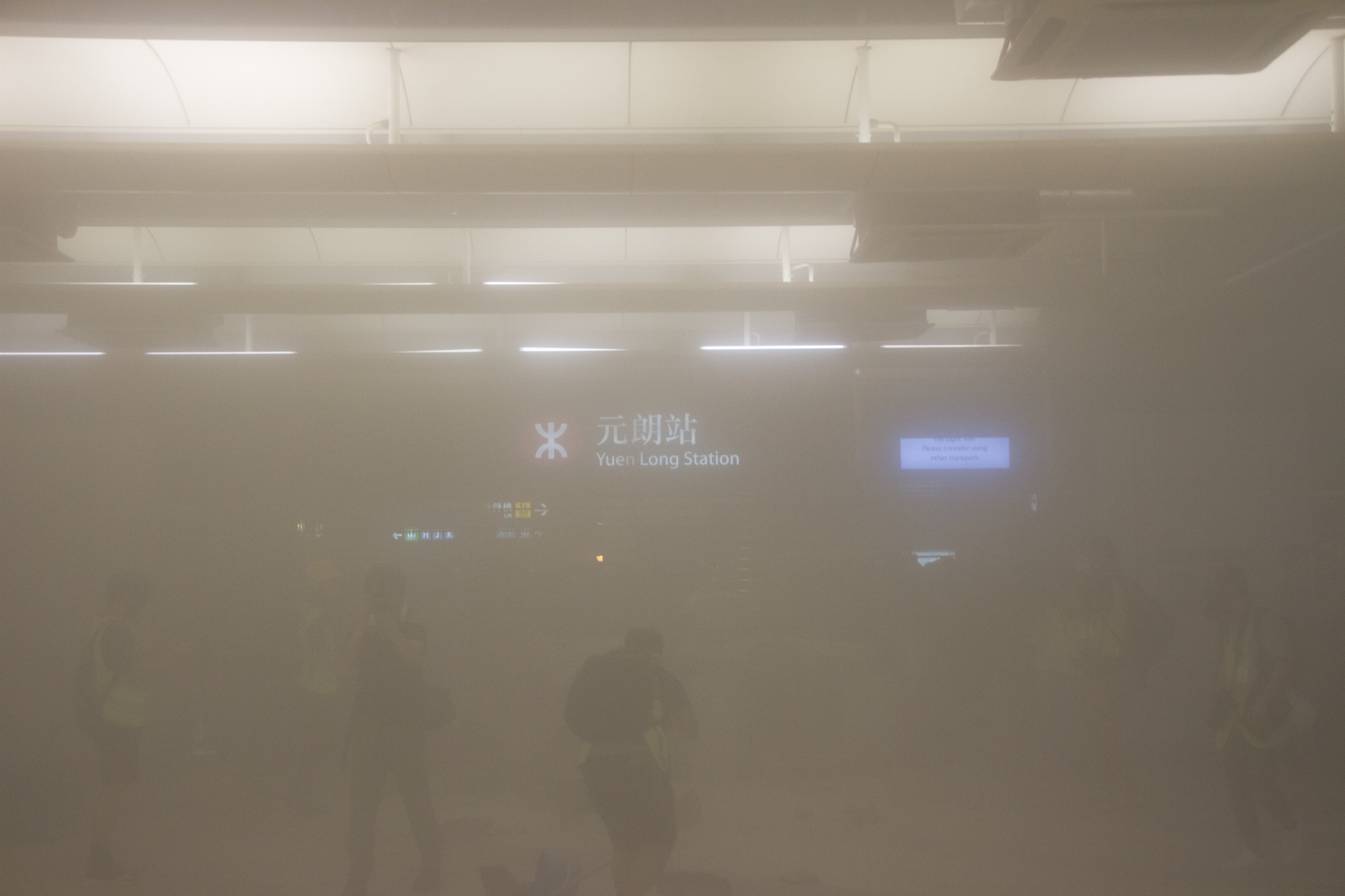
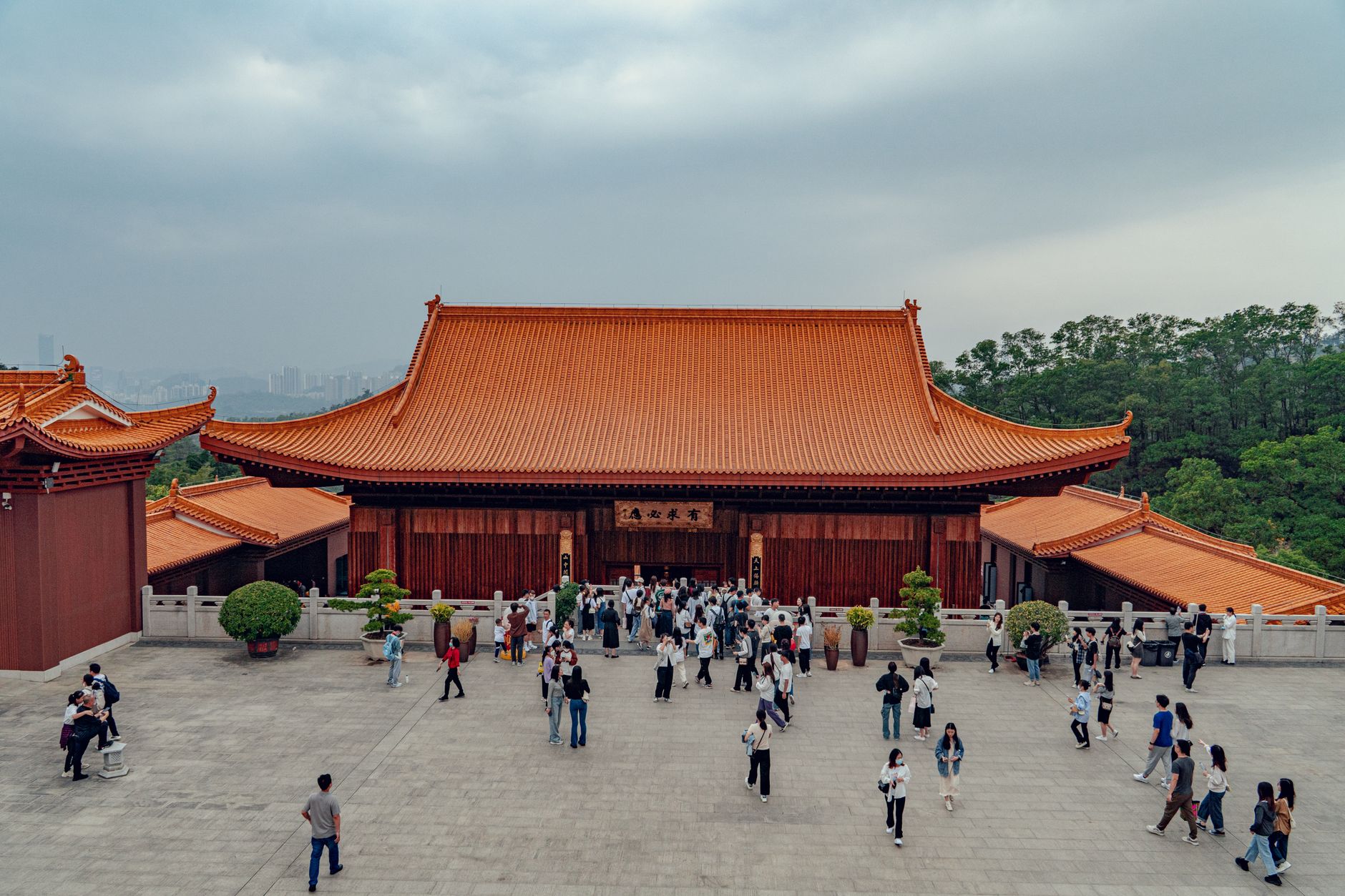
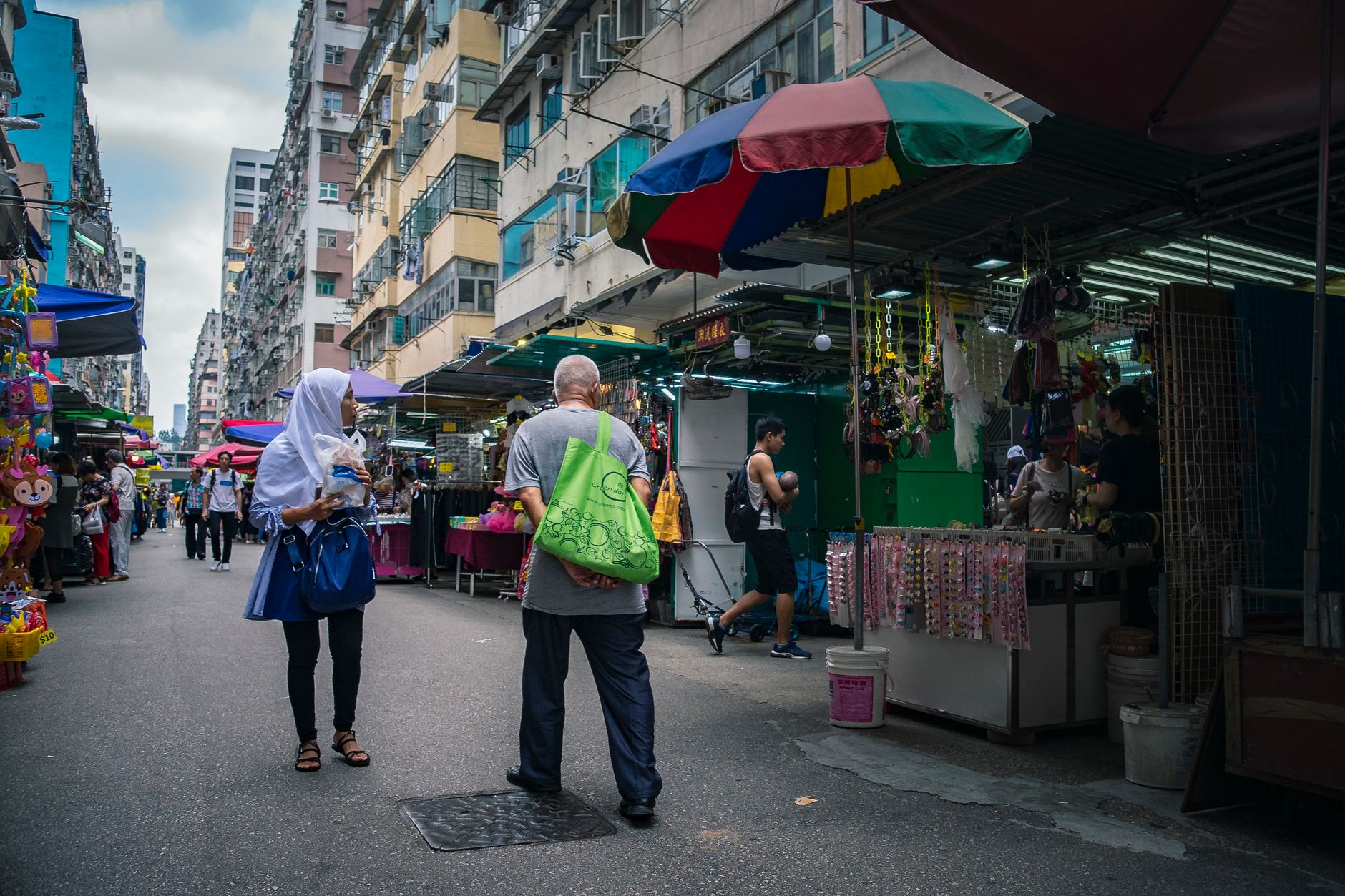
At the western edge of Hong Kong's New Territories, Yuen Long runs at a different pace from the harbour districts. The old market town core — Yau San Street with its wonton noodle shops, the covered arcades, the Light Rail trams threading through at street level — sits alongside a new-town grid of malls and housing blocks that went up from the mid-1970s onward. It is a place where the Tang clan has farmed the same alluvial plain since the Sung dynasty, and where you can walk from a 500-year-old walled village to a twelve-storey shopping landmark in under twenty minutes.
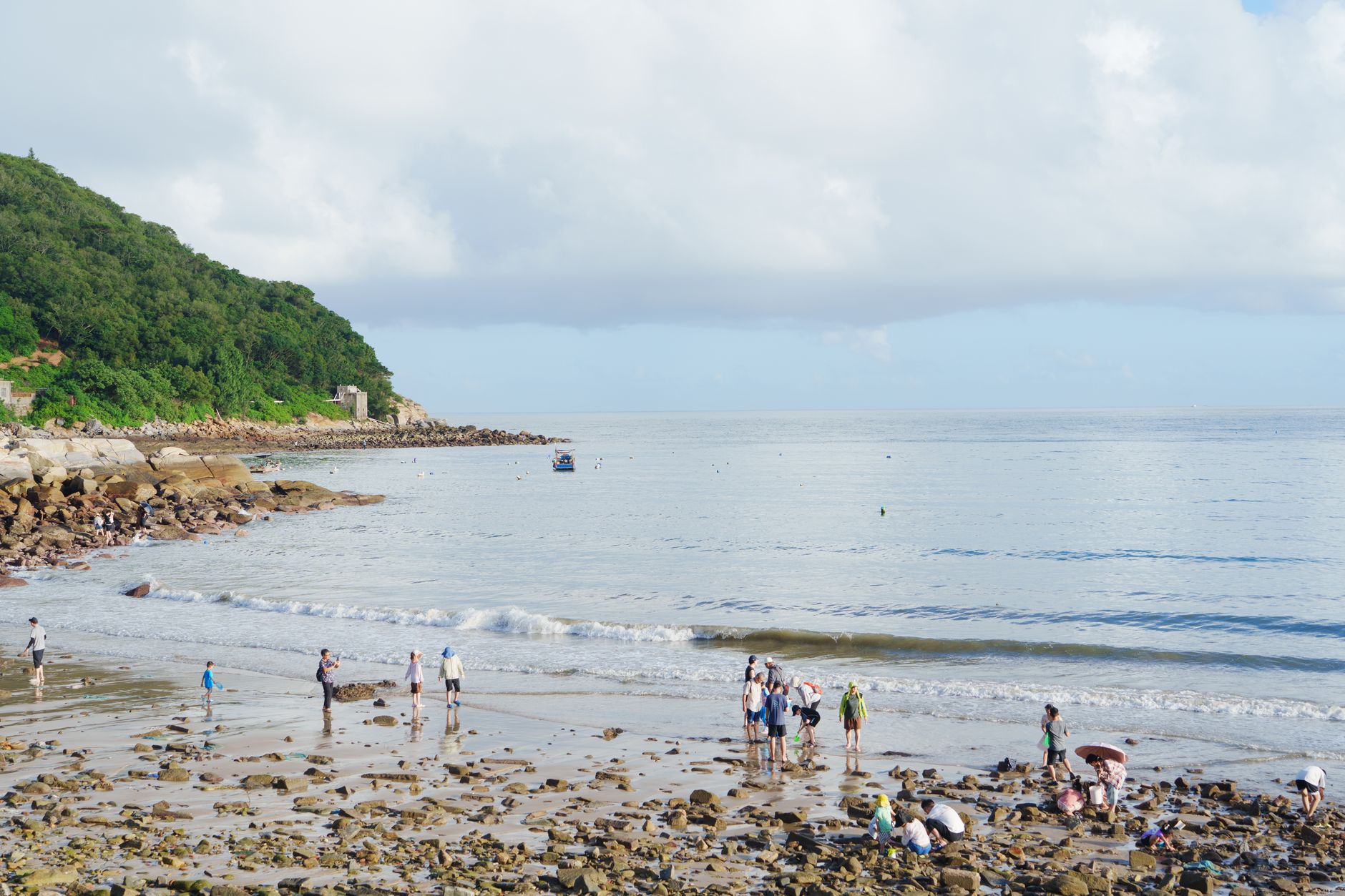
Head west and the density dissolves. Ha Pak Nai is a mangrove shoreline on Deep Bay where the mountains of Shenzhen show across the water at dusk — Hong Kong's quietest sunset, known mainly to people who live nearby.
💛 What travellers fall for
Regulars tend to arrive for the Ping Shan Heritage Trail in the morning, when the ancestral halls are cooler and the village lanes are quiet, then loop back into town for wonton noodles on Yau San Street before catching the Light Rail out to Ha Pak Nai in the late afternoon. The free Light Rail interchange at Yuen Long station is the detail worth knowing before you go.
Deals in Yuen Long
Book directly at the provider

How Yuen Long came to be
Yuen Long's earliest recorded settlers arrived during the Sung dynasty (960–1279), and the Tang clan — one of the territory's Five Great Clans — has been rooted here ever since. Their walled village, Kat Hing Wai, was built roughly 500 years ago: a rectangular enclosure of 100 by 90 metres that still stands. When Britain leased the New Territories in 1898, local militias from the Tang and neighbouring villages mounted a six-day armed resistance before the handover was completed.
For most of the twentieth century Yuen Long remained a market town. The Hong Kong government added it to the new-towns programme in 1972, construction began in 1974, and the population grew steadily through the 1980s and 1990s. The West Rail line — now the Tuen Ma Line — opened in December 2003 and tied the district into the wider rail network for the first time.
Who and what shaped it
Landmark buildings
See Yuen Long in motion
Plan your visit
On the map
When to go
Winters (December to February) are dry, mostly clear and often windy, with daily temperatures around 14–15°C — the most comfortable time to walk the Ping Shan trail or reach the coast at Ha Pak Nai. Summer brings heat and humidity from May through September; July averages above 30°C and rain can arrive suddenly, so a light layer and an umbrella are worth carrying.
Right now
Background & history adapted from Wikipedia (CC BY-SA) · specs from Wikidata (CC0) · weather from Open-Meteo · map data © OpenStreetMap contributors · photos from Wikimedia Commons / Unsplash with per-image credit. No third-party reviews or social posts reproduced.