
Tsim Sha Tsui
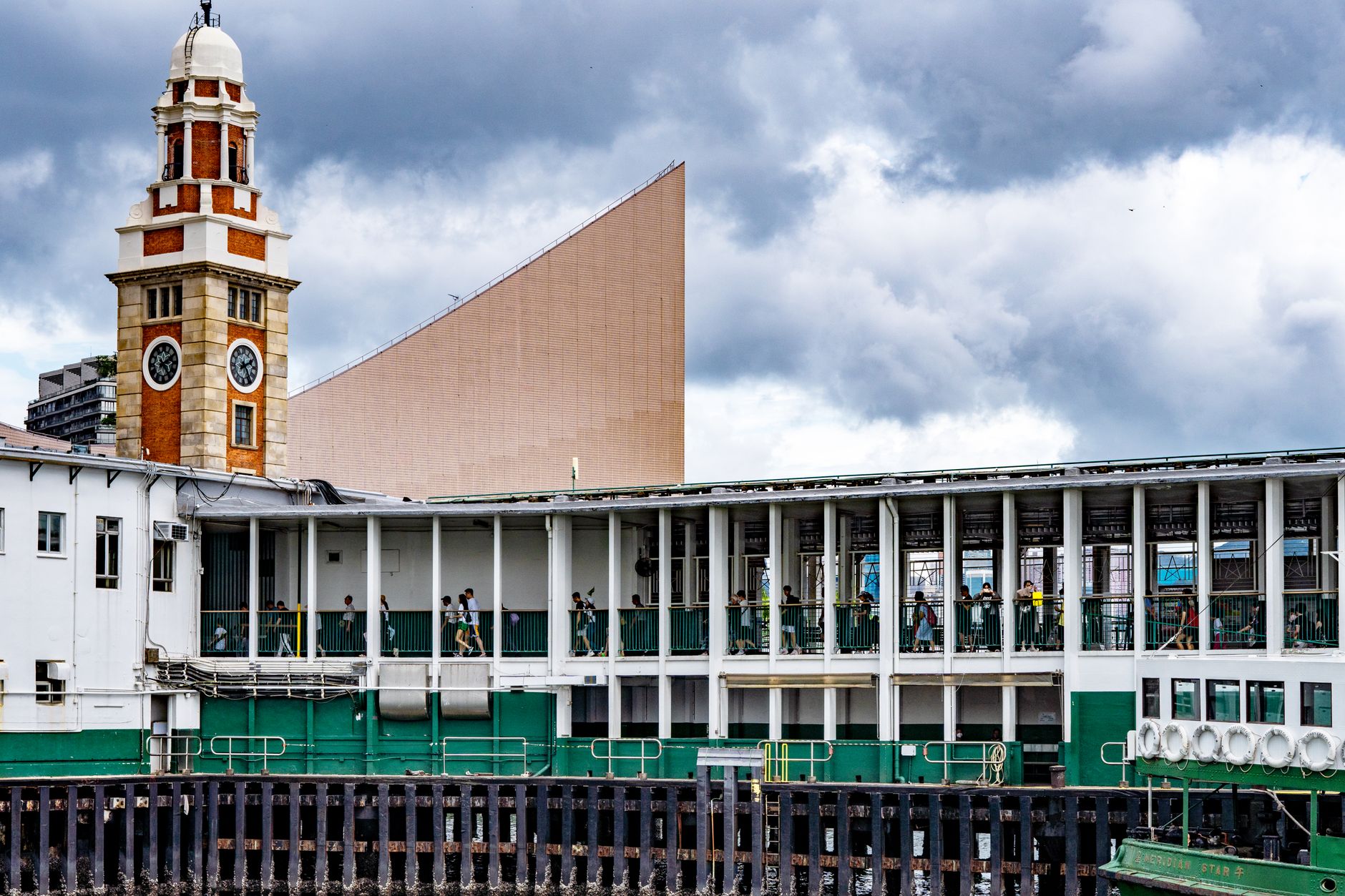
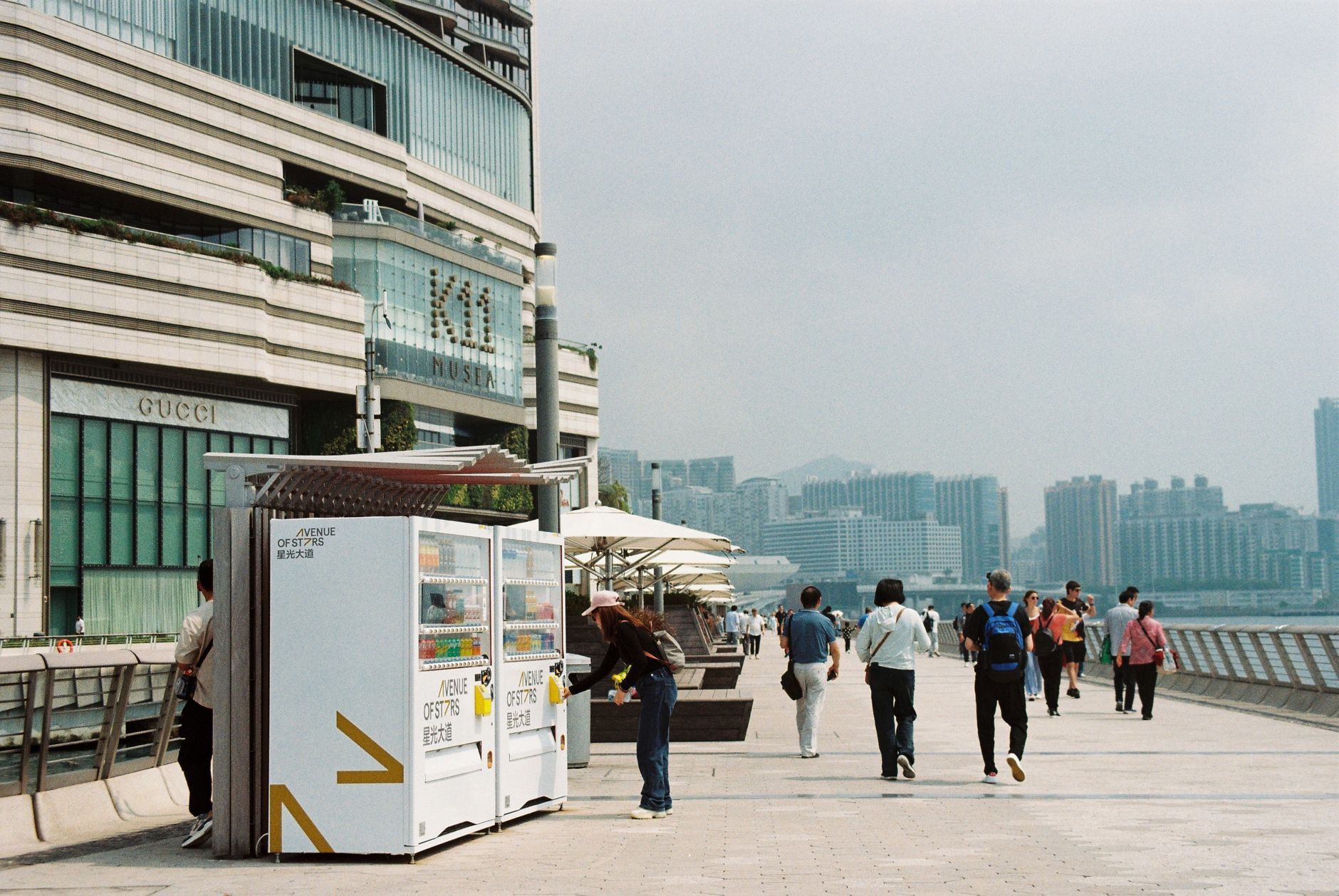
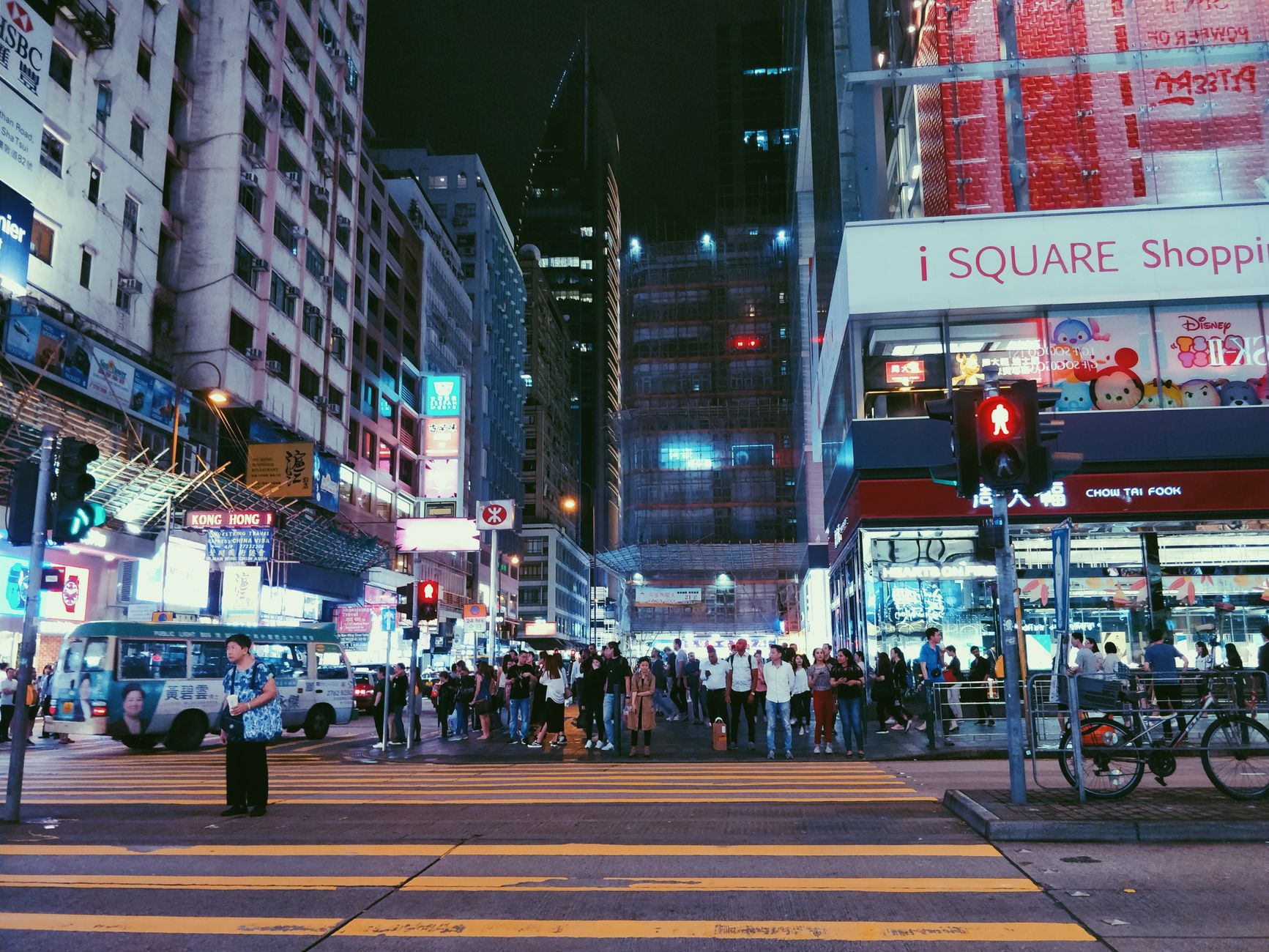
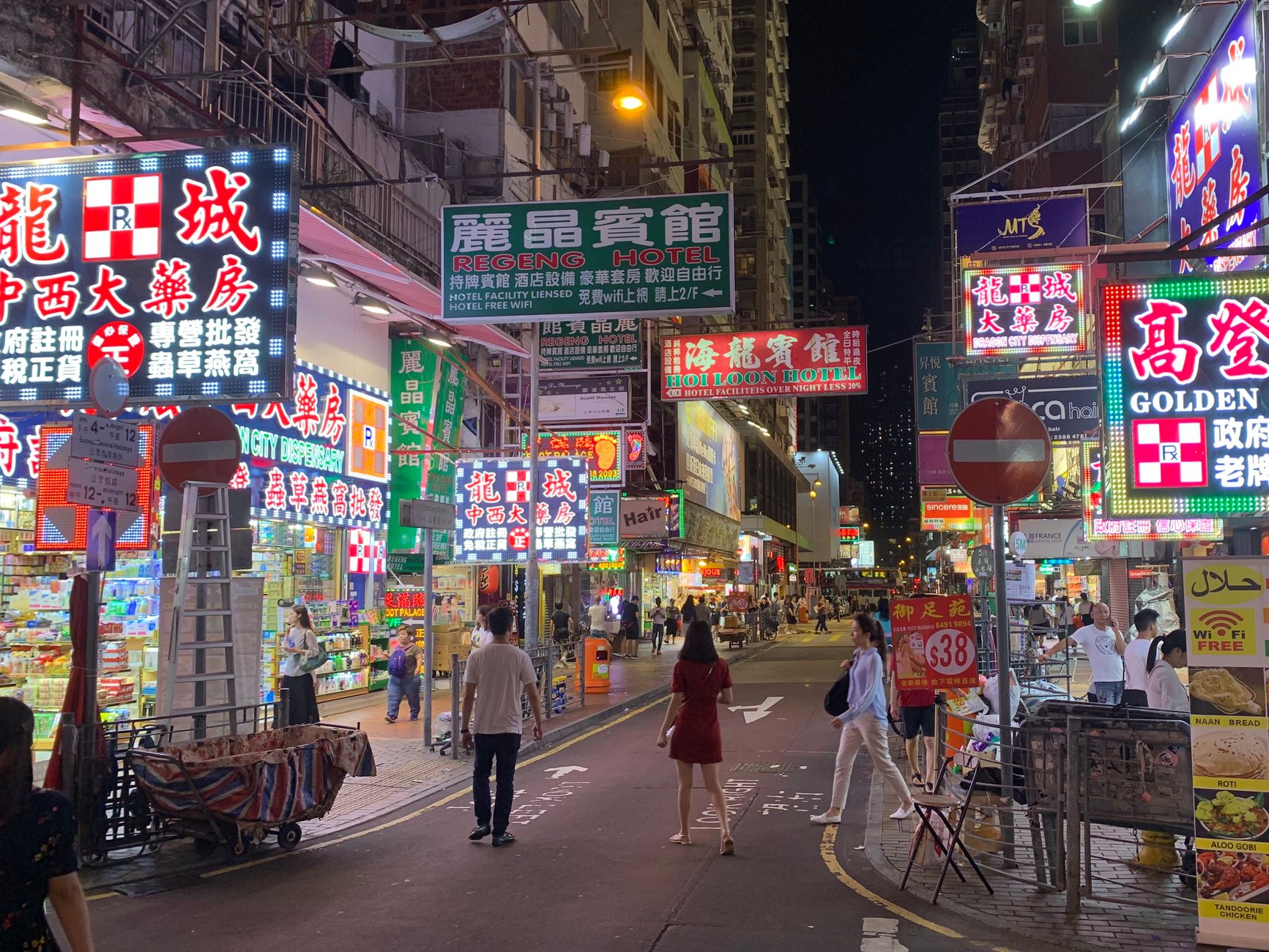
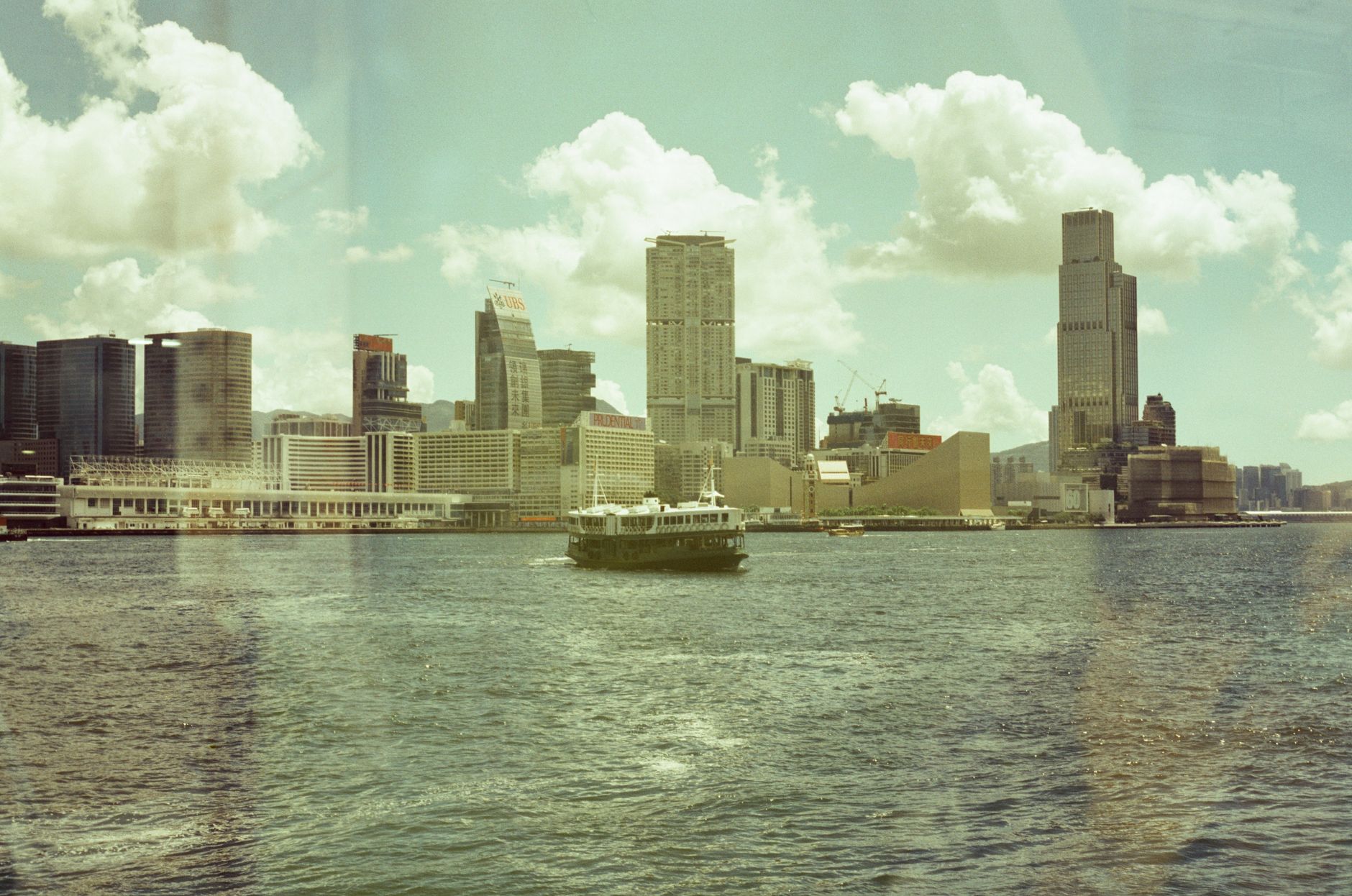
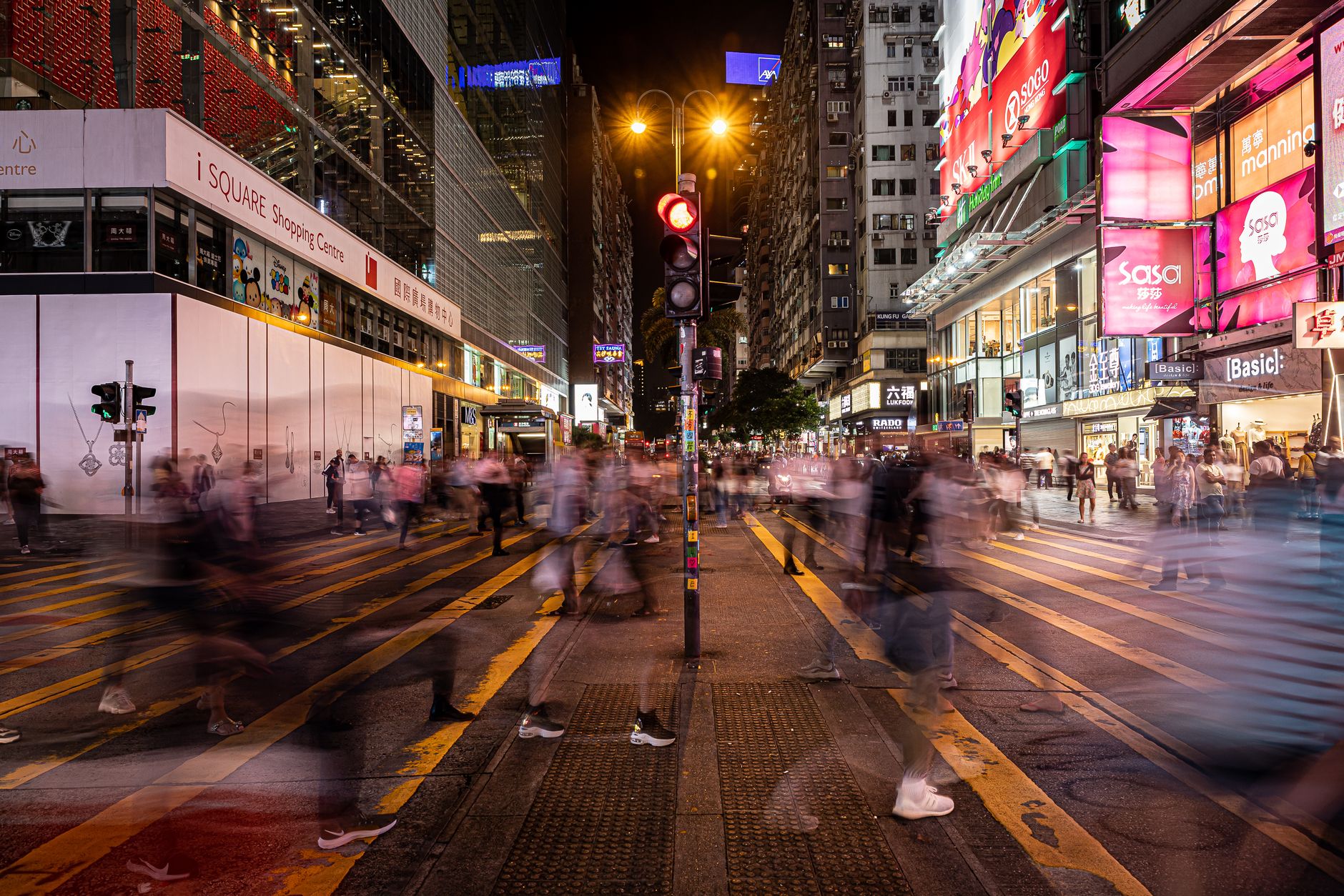
Stand at the southern tip of Kowloon and the harbour opens up in front of you — wide, working, crossed by the Star Ferry every few minutes as it has been since 1888. Tsim Sha Tsui is the part of Hong Kong where the city's competing impulses are most legible at once: the red-brick Clock Tower standing alone on the waterfront, a tailor on Nathan Road who learned his trade from a father who arrived from the subcontinent in the 1950s, and the egg-shaped dome of the Space Museum catching the afternoon light.
This is a peninsula that has been remade several times over — by colonial trade, by reclaimed land, by the film industry, by money — and each layer is still visible if you know where to look. The Avenue of Stars traces one version of the city's story; Chungking Mansions, a few blocks inland, tells a completely different one.
💛 What travellers fall for
People who return regularly tend to time their evening around the waterfront. The Symphony of Lights runs nightly at 8pm — 10 or 15 minutes of coordinated light across the skyline — and the promenade clears out surprisingly fast afterwards, leaving you the Avenue of Stars almost to yourself. Kowloon Park, a short walk north, rewards an early morning.
Deals in Tsim Sha Tsui
Book directly at the provider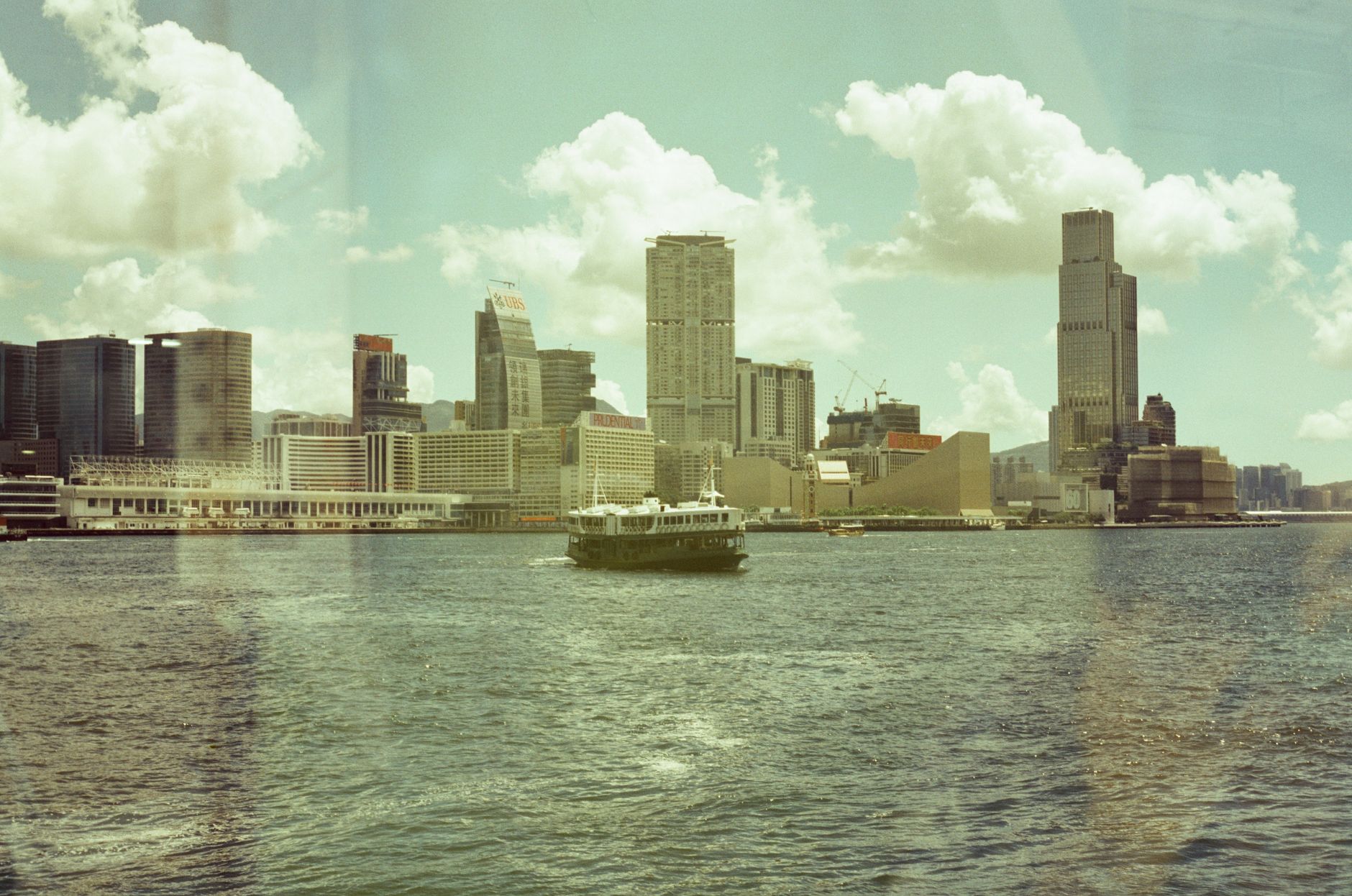


How Tsim Sha Tsui came to be
In Ming Dynasty records, the area appears as a cluster of coastal villages used to ship incense grown further inland. It remained modest until 18 October 1860, when the Convention of Peking ceded Kowloon to Britain at the close of the Second Opium War, and Tsim Sha Tsui found itself at the edge of a rapidly expanding colonial port. Developers including Hormusjee Naorojee Mody and Catchick Paul Chater helped shape its commercial character through the late nineteenth century.
The Kowloon-Canton Railway began running on 1 October 1910, with a waterfront terminus on reclaimed land completed by 1915 — the Clock Tower is all that remains of it. The Peninsula hotel opened in 1928. When the railway station relocated to Hung Hom in 1975, the site was given over to what became the Cultural Centre and the Space Museum, returning the waterfront to public life in a different register entirely.
Who and what shaped it
People who shaped it
Landmark buildings
See Tsim Sha Tsui in motion
Plan your visit
On the map
When to go
Winters are dry and mild — January averages around 15°C, which makes it the most comfortable season for walking the promenade and the park. Summers run hot and humid into the high twenties and low thirties, with August the peak; spring brings rising humidity before the heat fully arrives.
Right now
Background & history adapted from Wikipedia (CC BY-SA) · specs from Wikidata (CC0) · weather from Open-Meteo · map data © OpenStreetMap contributors · photos from Wikimedia Commons / Unsplash with per-image credit. No third-party reviews or social posts reproduced.