
Stanley
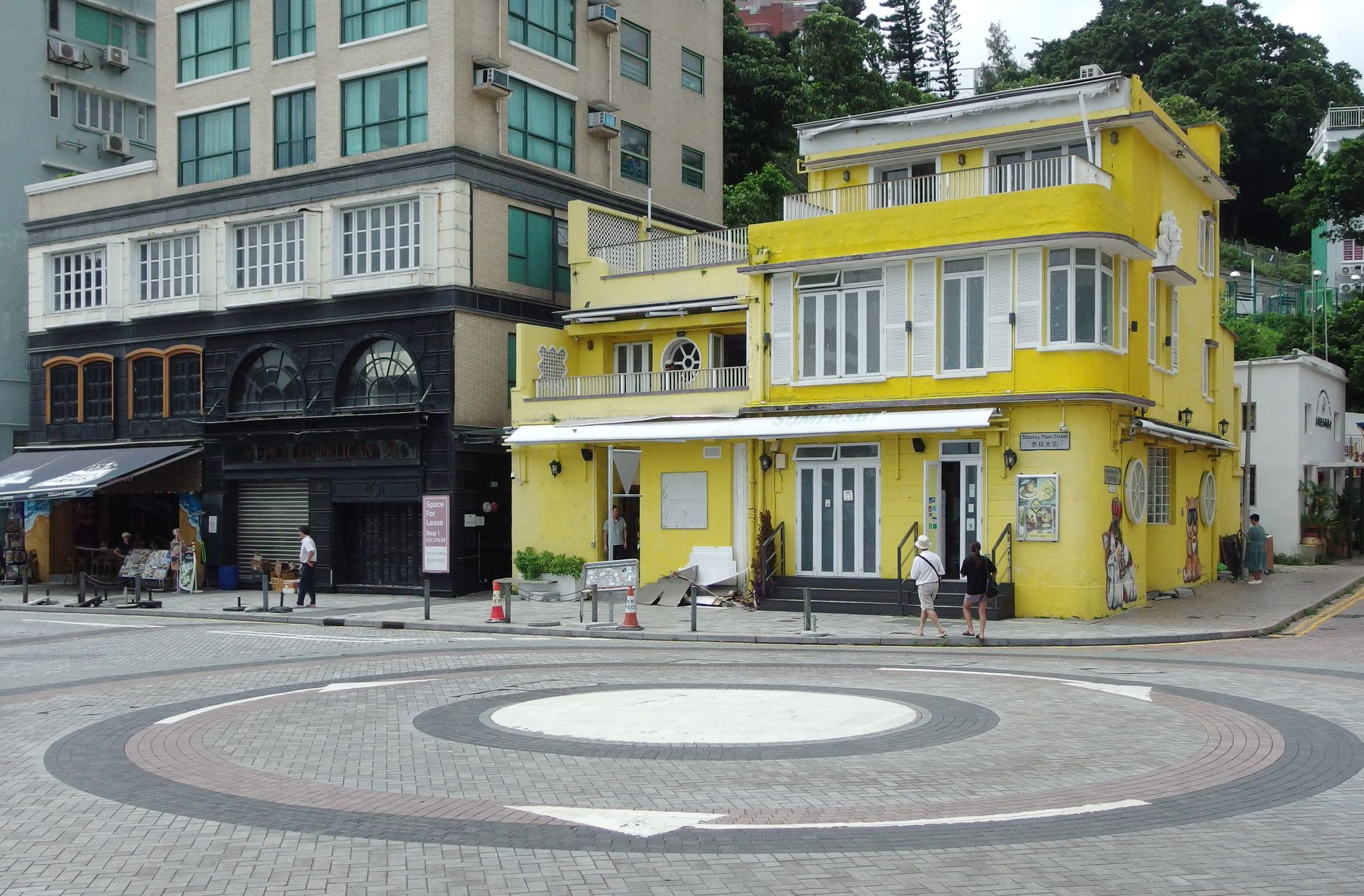
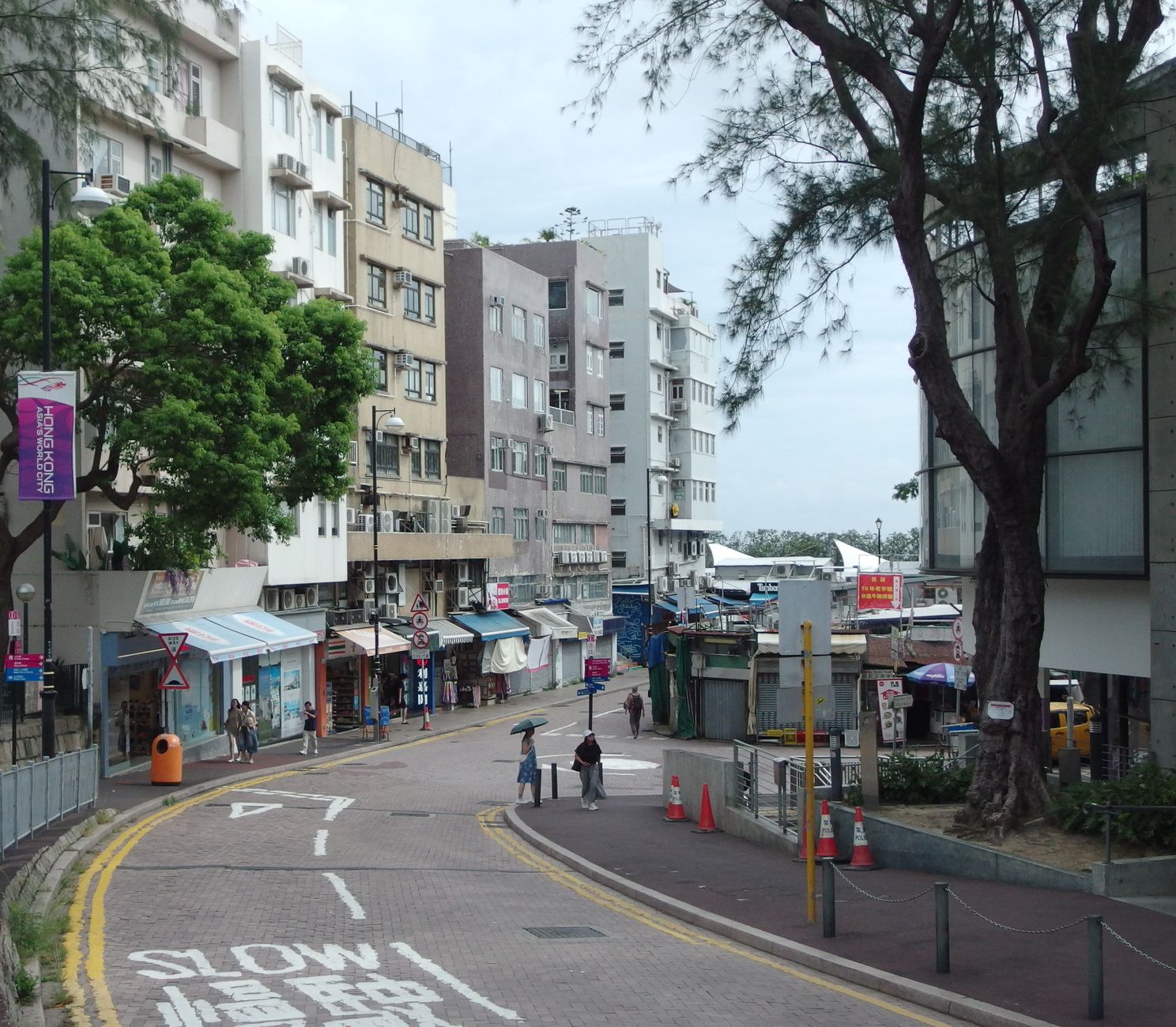
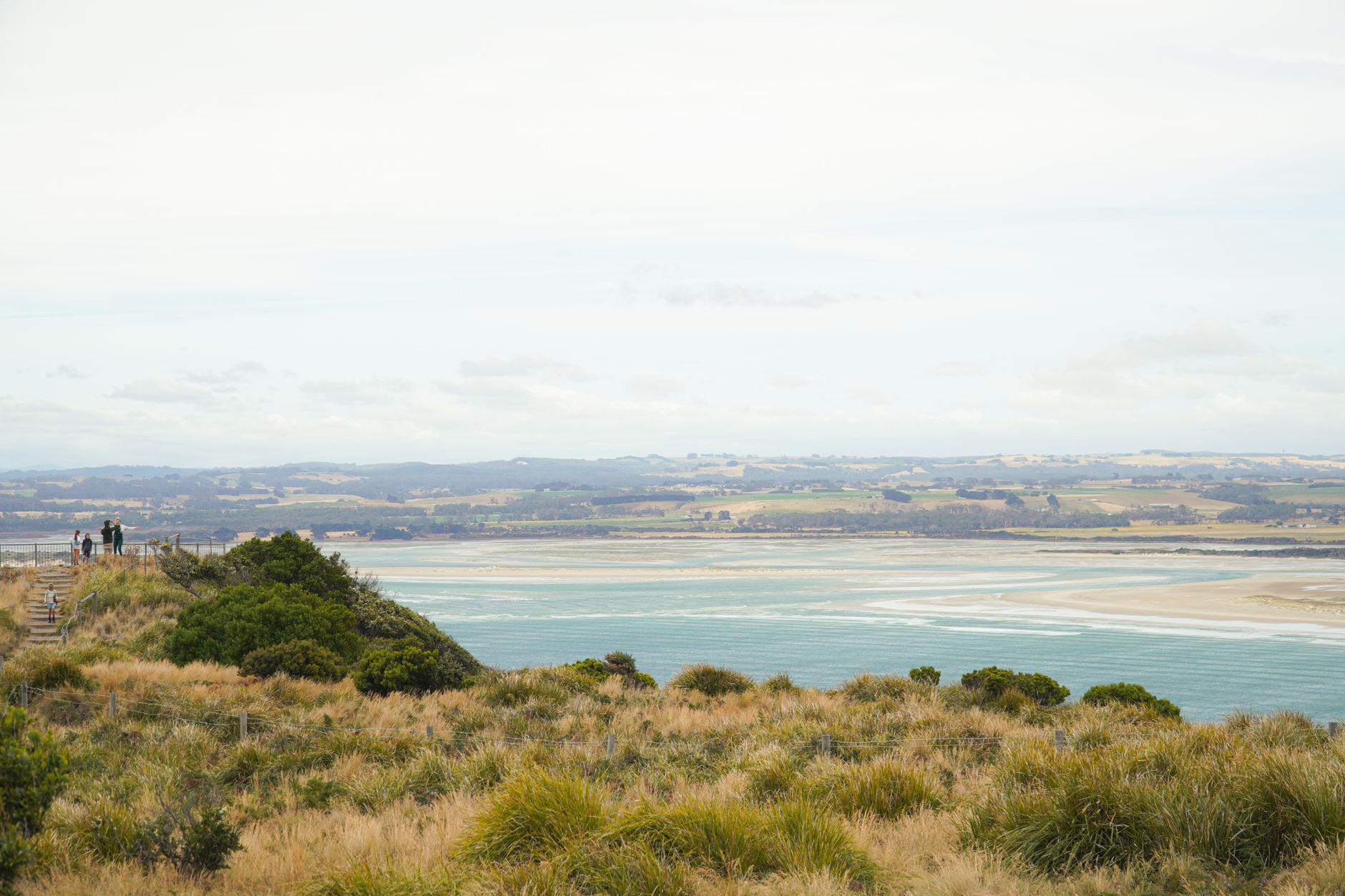
Stanley announces itself slowly. The bus from Central takes the long way around the island's southern flank, and by the time it drops you at the terminus, the air has changed — salt and mild decay, the particular atmosphere of a place that still earns its living from the water. A cast-iron pier, a Victorian building reassembled stone by stone from another part of the city, a temple whose bell was cast in 1767: Stanley layers its centuries without making a fuss about it.
The market runs daily along the waterfront, selling linen and pottery and things you probably don't need. Past it, Stanley Main Beach curves around the bay, and in June the water fills with dragon boats racing for Tuen Ng Festival. The pace here is different from the rest of Hong Kong Island — not slower exactly, just less pressured.
💛 What travellers fall for
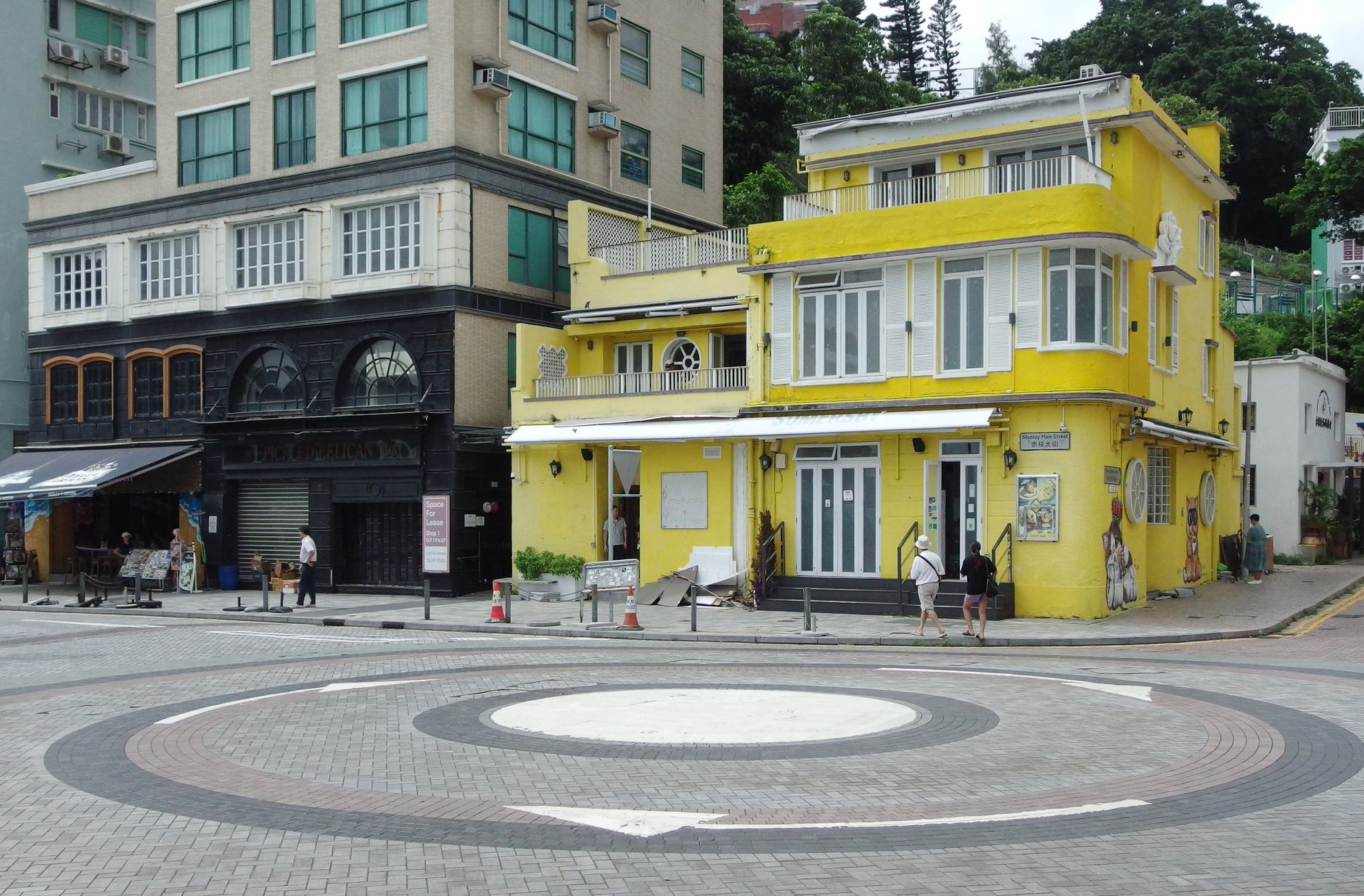
People who come back tend to arrive mid-morning, walk the market without buying much, then settle into one of the waterfront restaurants on Stanley Main Street for lunch with a view across the bay. The Tin Hau Temple and the old police station — built in 1859, still standing — reward a slower look than most visitors give them.
Deals in Stanley
Book directly at the provider
How Stanley came to be
Stanley was already on Ming-dynasty maps between 1577 and 1595, known as Chek-chu, a fishing settlement of around 2,000 people. When British forces occupied Hong Kong Island in 1841 following the Convention of Chuenpi, it was the largest town they found. They renamed it Stanley — after Lord Stanley, the colonial secretary — and briefly made it an administrative centre before shifting authority to the newly founded Victoria City.
The Military Cemetery, opened in 1841, and the police station, built in 1859 and now Hong Kong's oldest, mark the pace of early colonial settlement. The darkest chapter came in December 1941, when British and Canadian troops made their last stand at Stanley Fort before surrendering to Japanese forces during the Battle of Hong Kong. Murray House — originally built in Central in 1846 as officers' quarters — was dismantled in 1982 and painstakingly reassembled here by 2000, its Victorian bones intact on a different shore.
Who and what shaped it
People who shaped it
Landmark buildings
See Stanley in motion
Plan your visit
On the map
When to go
Mid-March to mid-April and mid-October to late November offer the most comfortable conditions — mild temperatures, low humidity, manageable crowds. Summer (May through September) brings heat above 32°C, heavy rain and the real possibility of typhoons; the beach lifeguards are out, but so is the weather at its most unpredictable.
Right now
Background & history adapted from Wikipedia (CC BY-SA) · specs from Wikidata (CC0) · weather from Open-Meteo · map data © OpenStreetMap contributors · photos from Wikimedia Commons / Unsplash with per-image credit. No third-party reviews or social posts reproduced.