
Kowloon
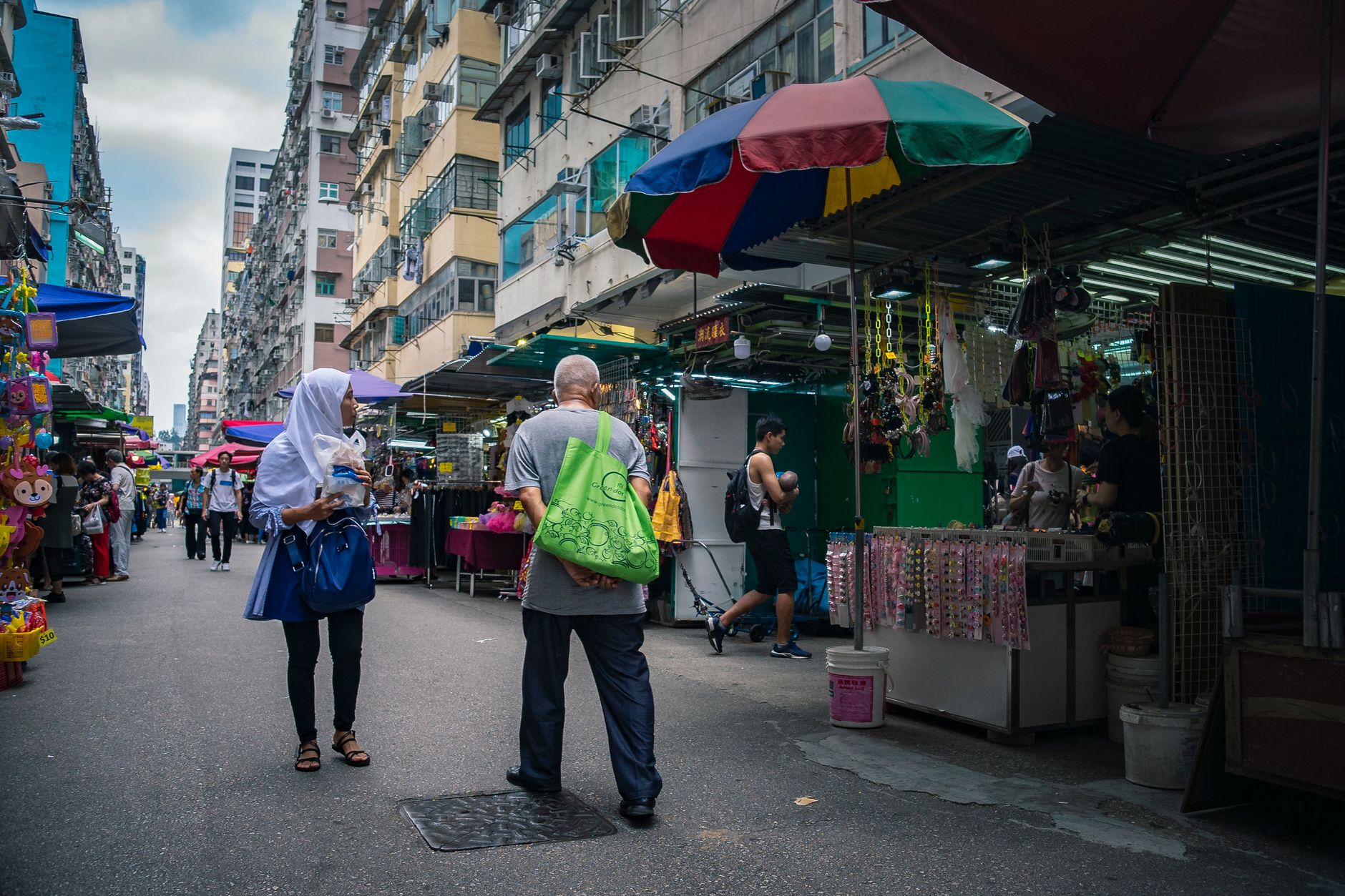
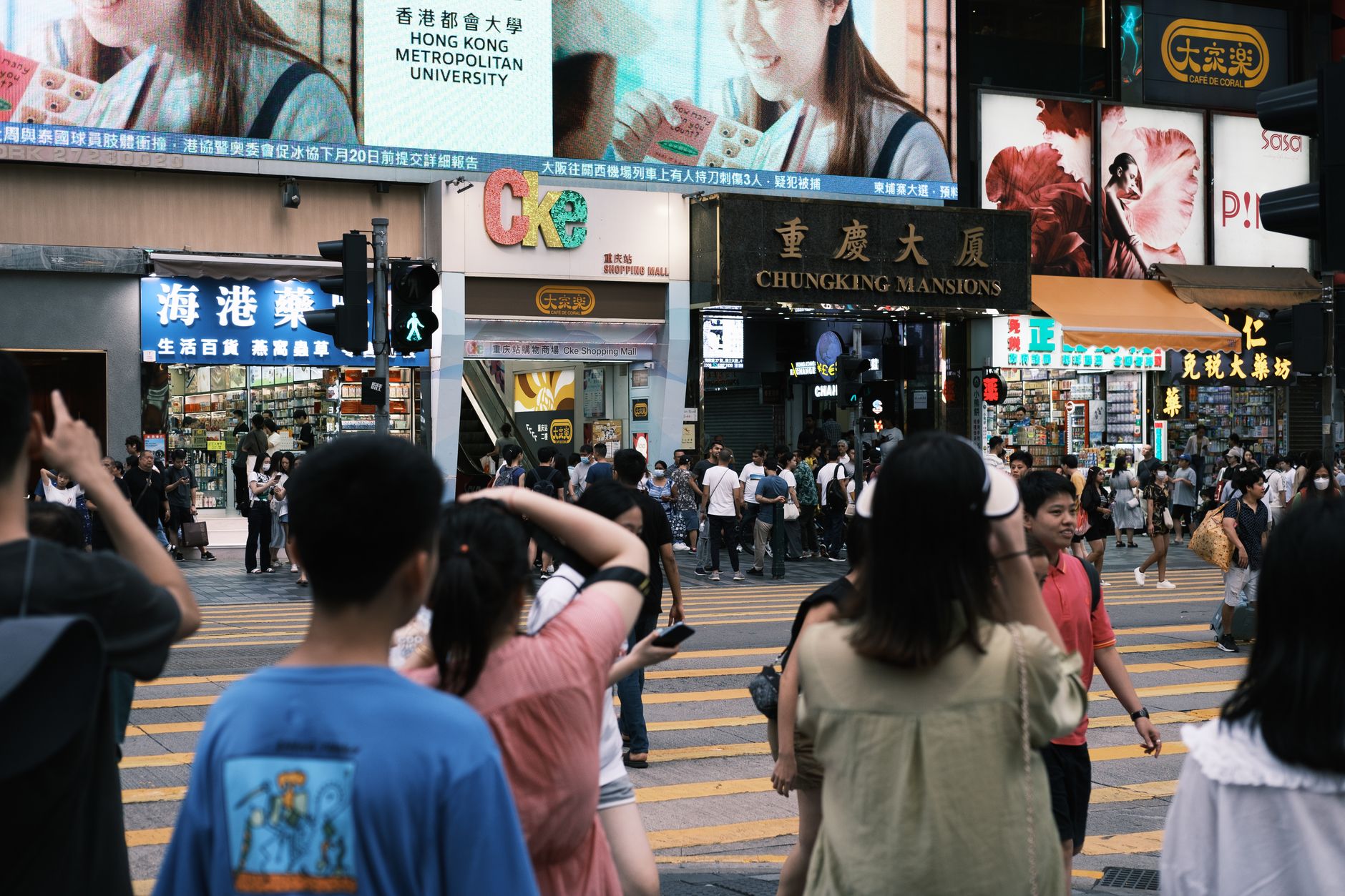
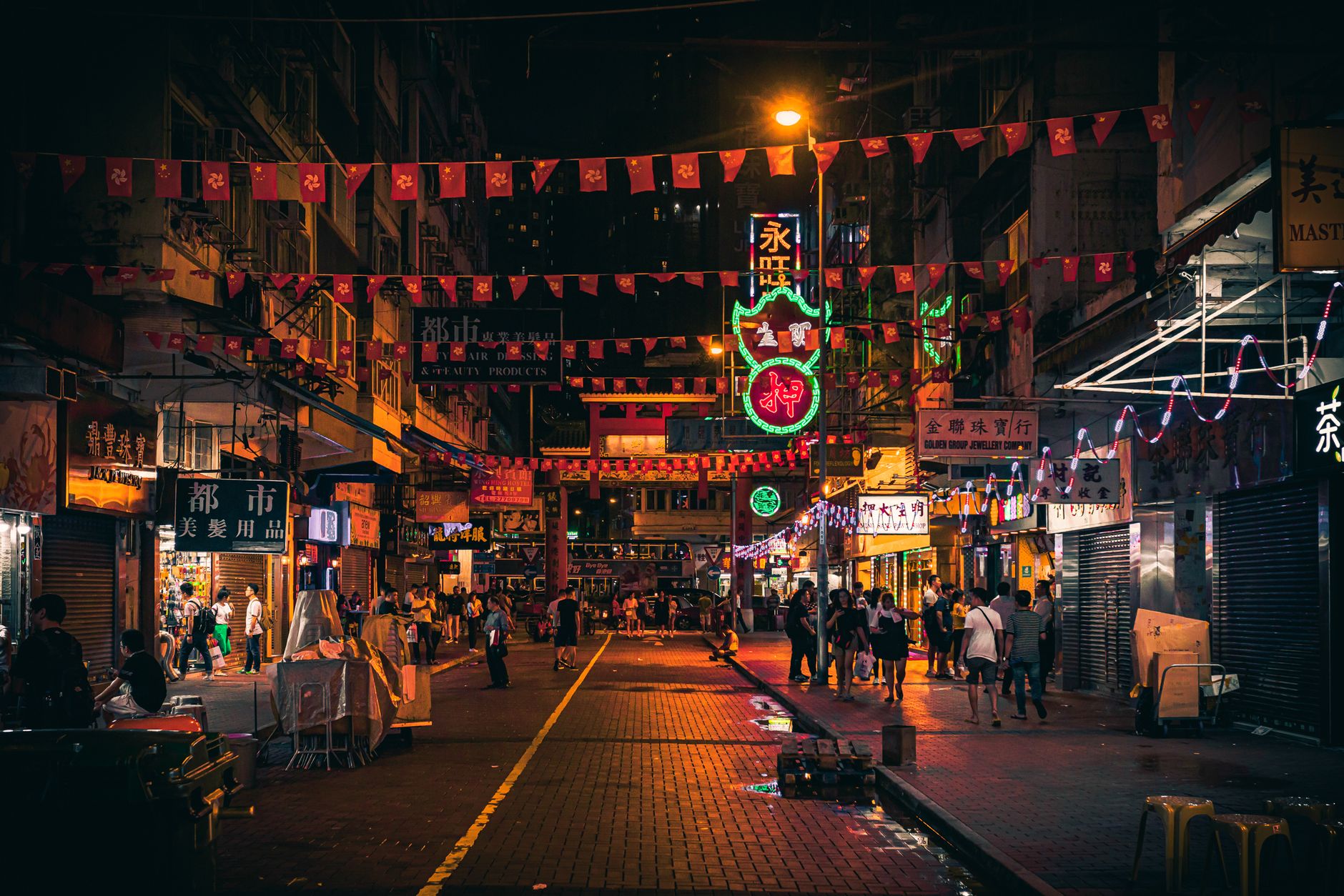
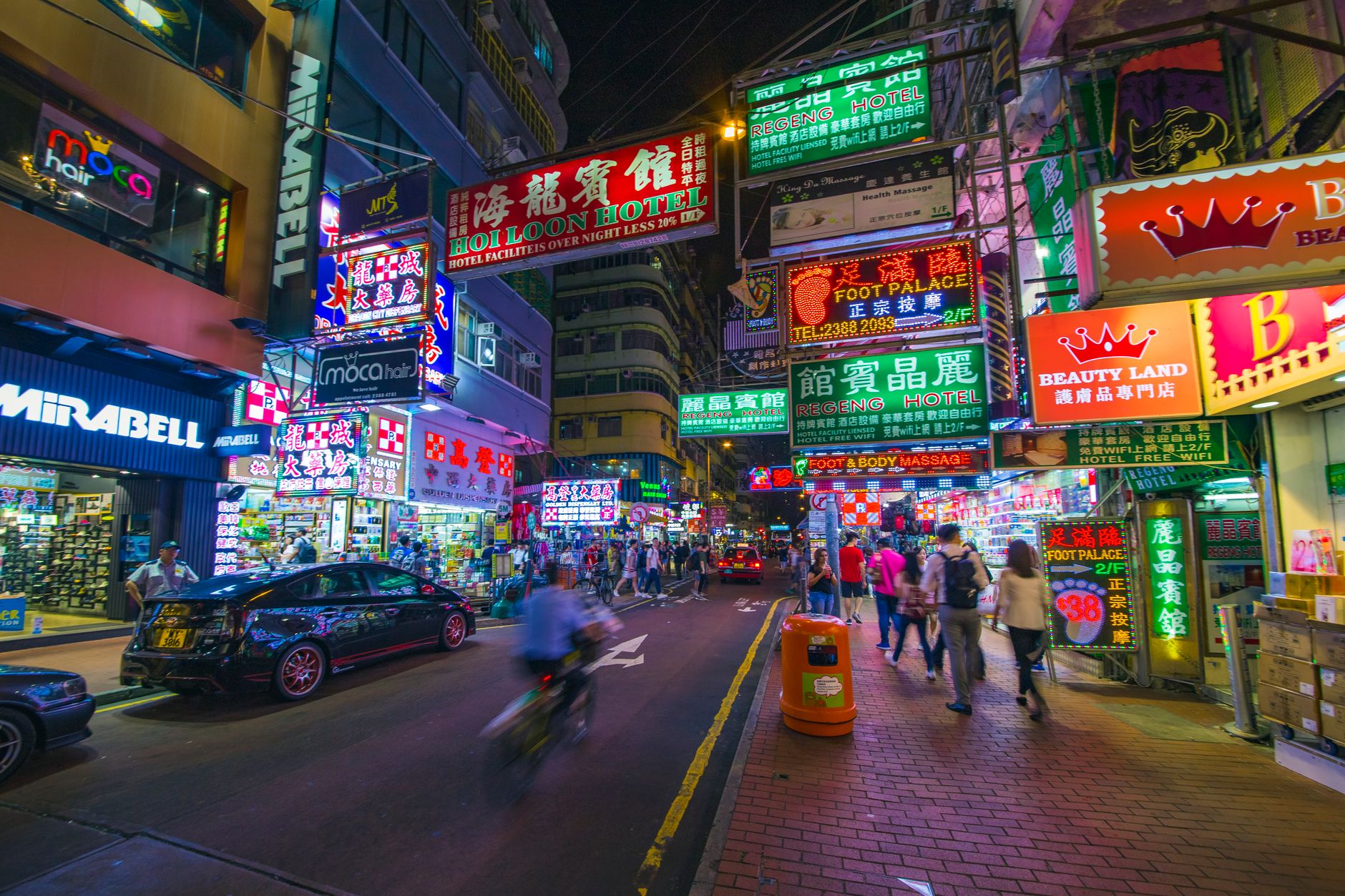
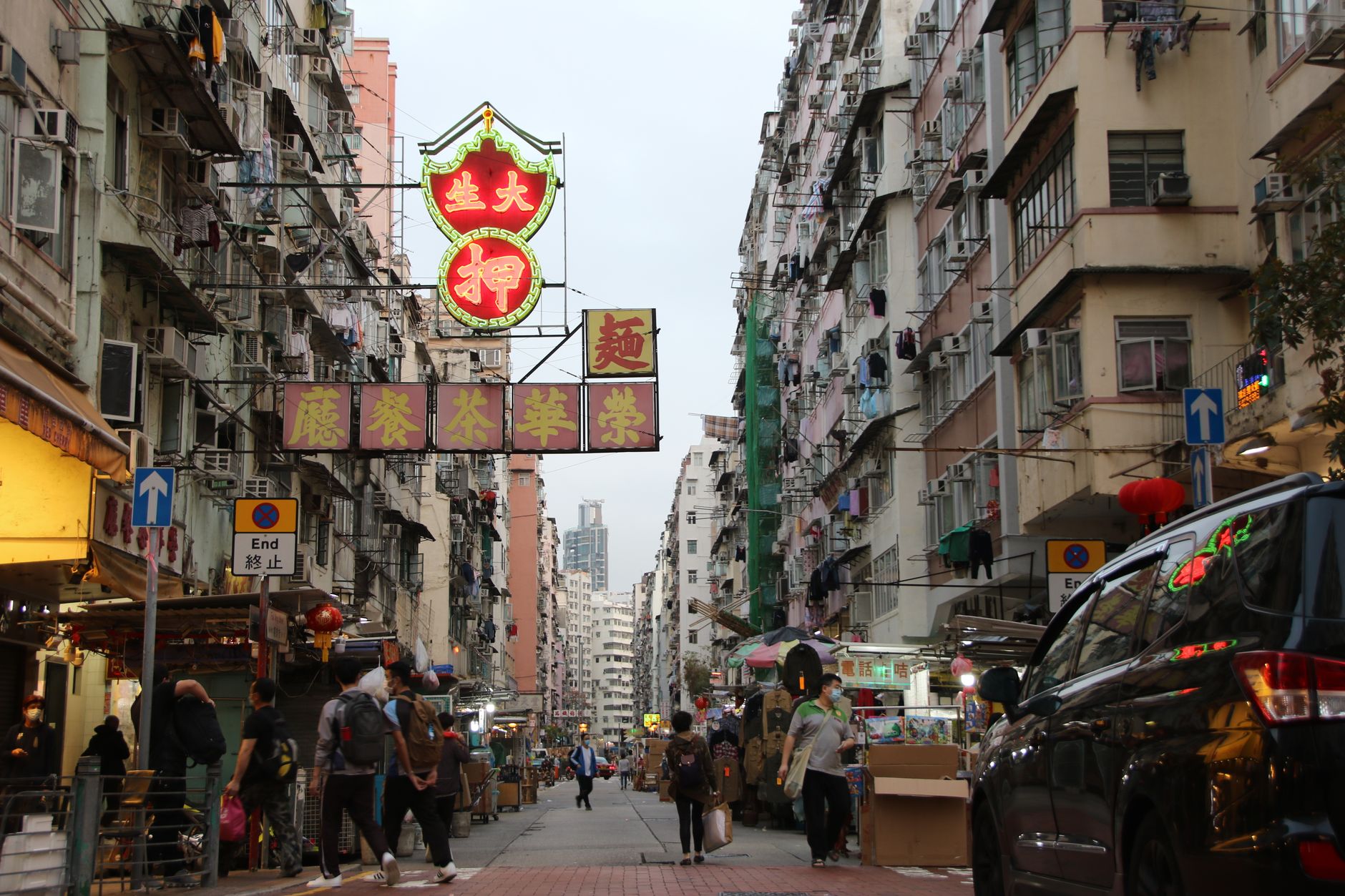
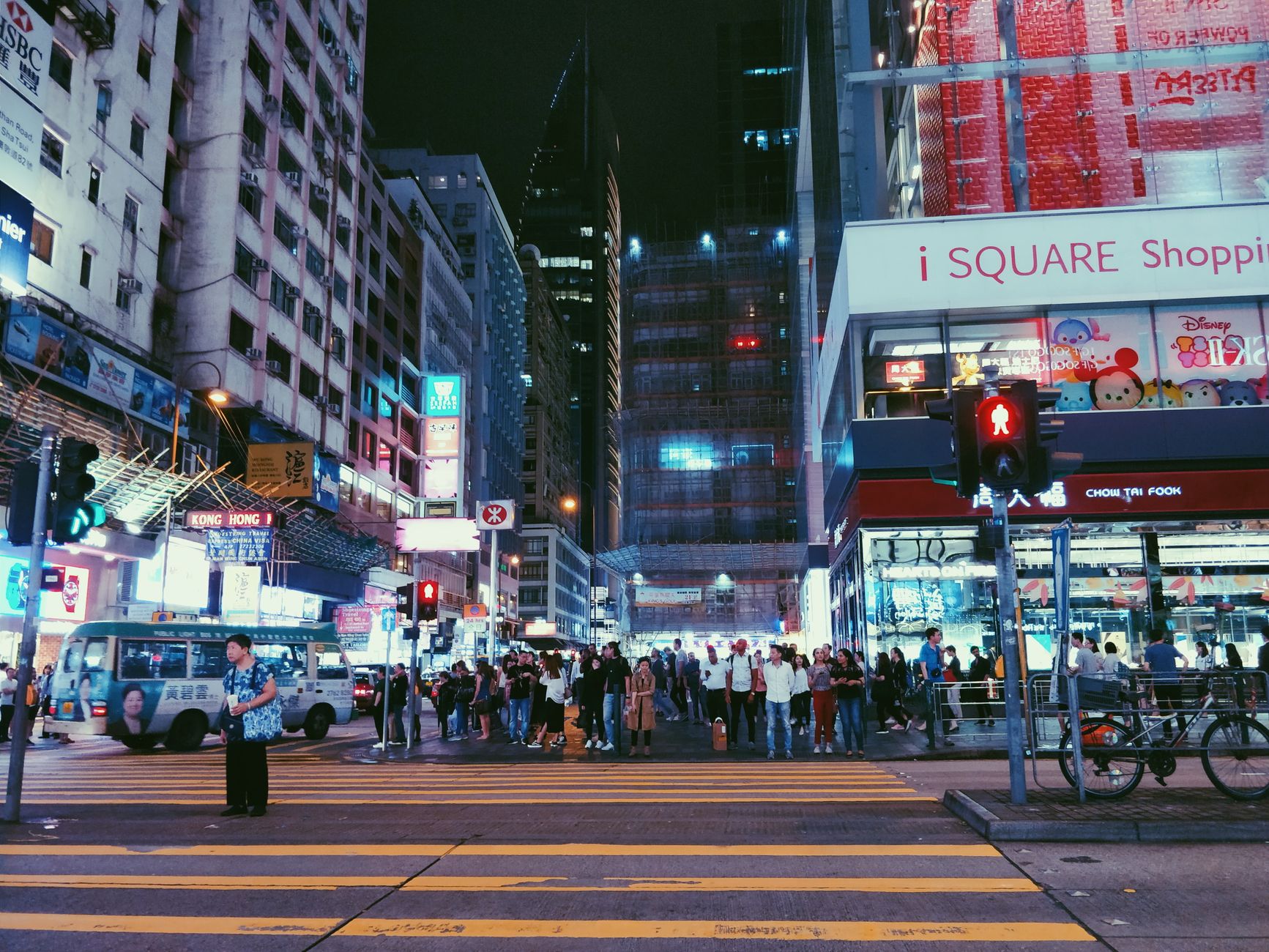
Kowloon begins at the water's edge, where the 1915 Clock Tower stands in red and white brick — its combat scars from the Battle of Hong Kong still legible if you look closely — and stretches north across a peninsula dense with a century of layered living. It is the older, more textured counterpart to the island across the harbour: temples and tea houses alongside a 484-metre glass tower, a fruit market that has been sorting mangoes and lychees since 1913, a nunnery assembled without a single nail.
The peninsula holds its contradictions without apology. Refugees built slums here after World War II; those slums became public housing estates; the most notorious of all, the Walled City, was demolished and turned into a park where two cannons from 1802 now stand at the entrance.
💛 What travellers fall for
People who keep coming back to Kowloon tend to anchor themselves to a few specifics: the morning quiet inside Chi Lin Nunnery before the tour groups arrive, a circuit of the Yau Ma Tei Fruit Market around dawn, and at least one evening spent reading Wong Kar-wai's Tsim Sha Tsui into the street scene around them — Chungking Express works particularly well for this.
Deals in Kowloon
Book directly at the provider


How Kowloon came to be
Settlement on the peninsula dates to the Song Dynasty (960–1279), when an outpost was established to manage the salt trade. After Britain took Hong Kong Island, China built a coastal fort here in 1847 to hold its ground. It didn't hold for long: the Convention of Peking in October 1860 ceded the southern peninsula and Stonecutters Island to Britain in perpetuity. In 1898, a second Convention added the northern reaches and the New Territories on a 99-year lease.
The Kowloon-Canton Railway and Kowloon Wharf drove early 20th-century growth, but the defining pressure came after World War II, when waves of mainland refugees packed the peninsula into one of the most densely inhabited places on earth. The Walled City — a jurisdictional anomaly neither fully British nor Chinese — became its extreme expression. Demolition ran from March 1993 to April 1994; the park that replaced it opened in December 1995.
Who and what shaped it
People who shaped it
Landmark buildings
See Kowloon in motion
Plan your visit
On the map
When to go
Winters (December to February) are mild and dry — the most straightforward time to walk the peninsula for hours. Summers bring heat, high humidity and typhoon-season downpours from June through September; mornings are usually clearer before the afternoon storms roll in.
Right now
Background & history adapted from Wikipedia (CC BY-SA) · specs from Wikidata (CC0) · weather from Open-Meteo · map data © OpenStreetMap contributors · photos from Wikimedia Commons / Unsplash with per-image credit. No third-party reviews or social posts reproduced.