
Wan Chai
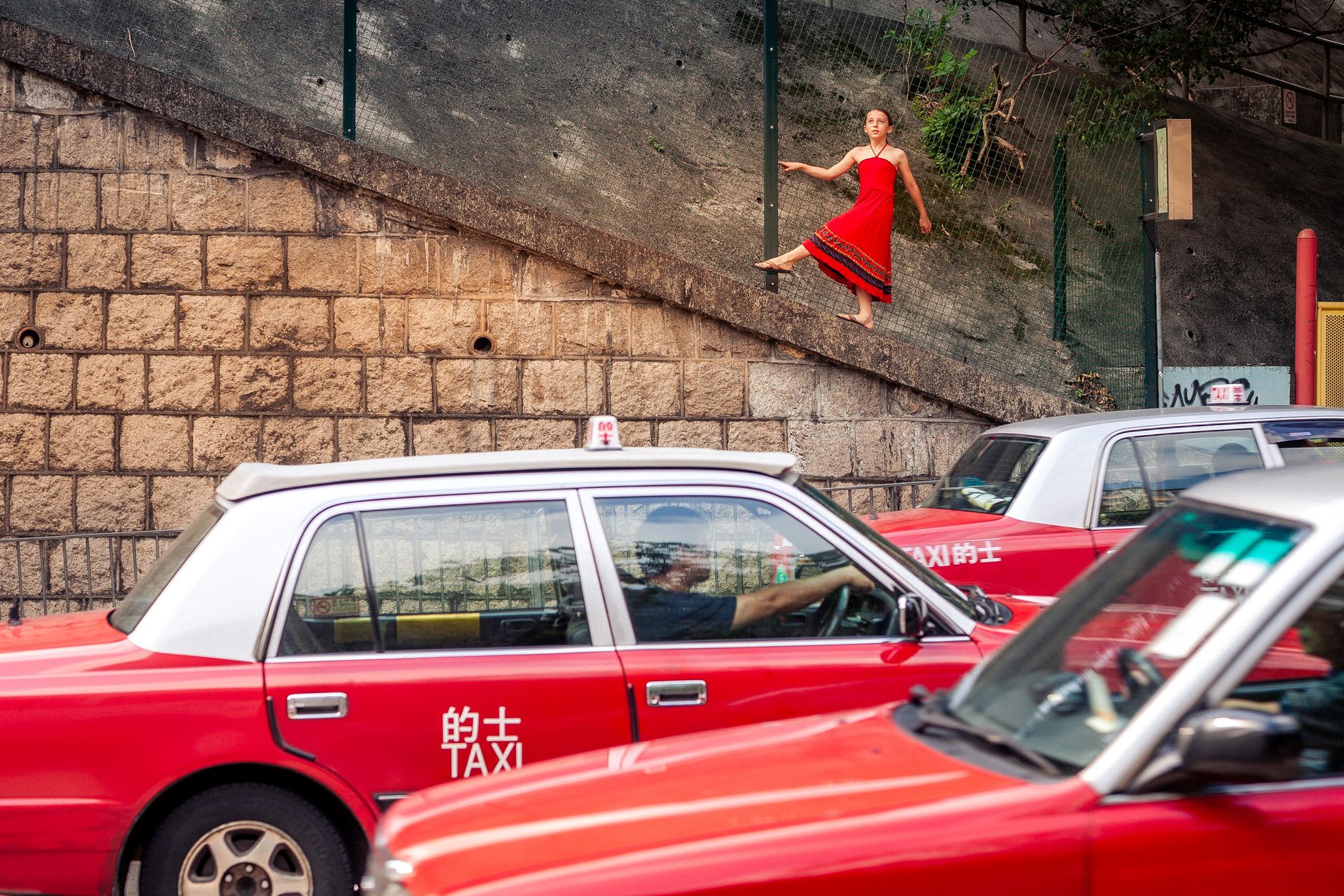
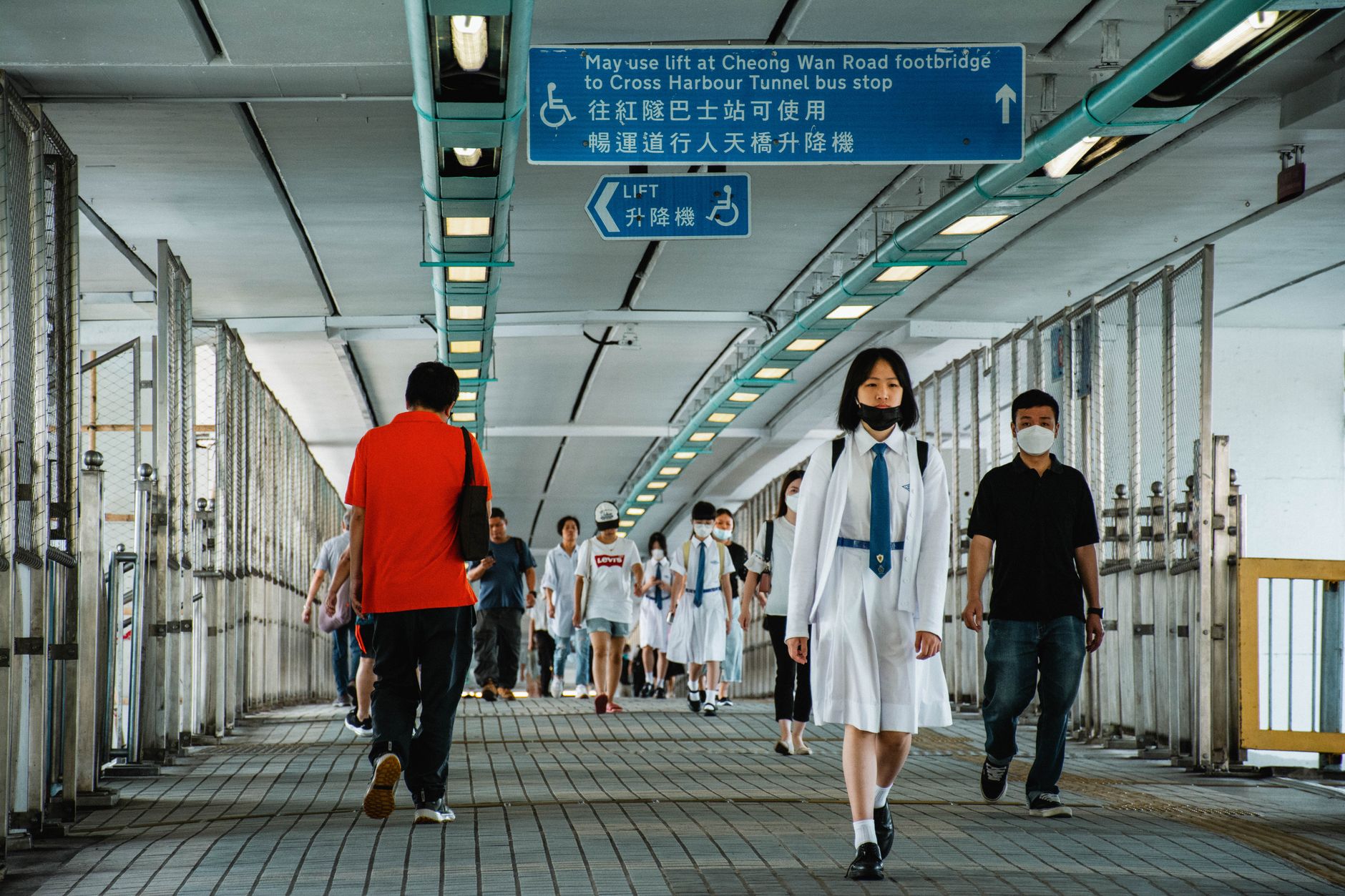
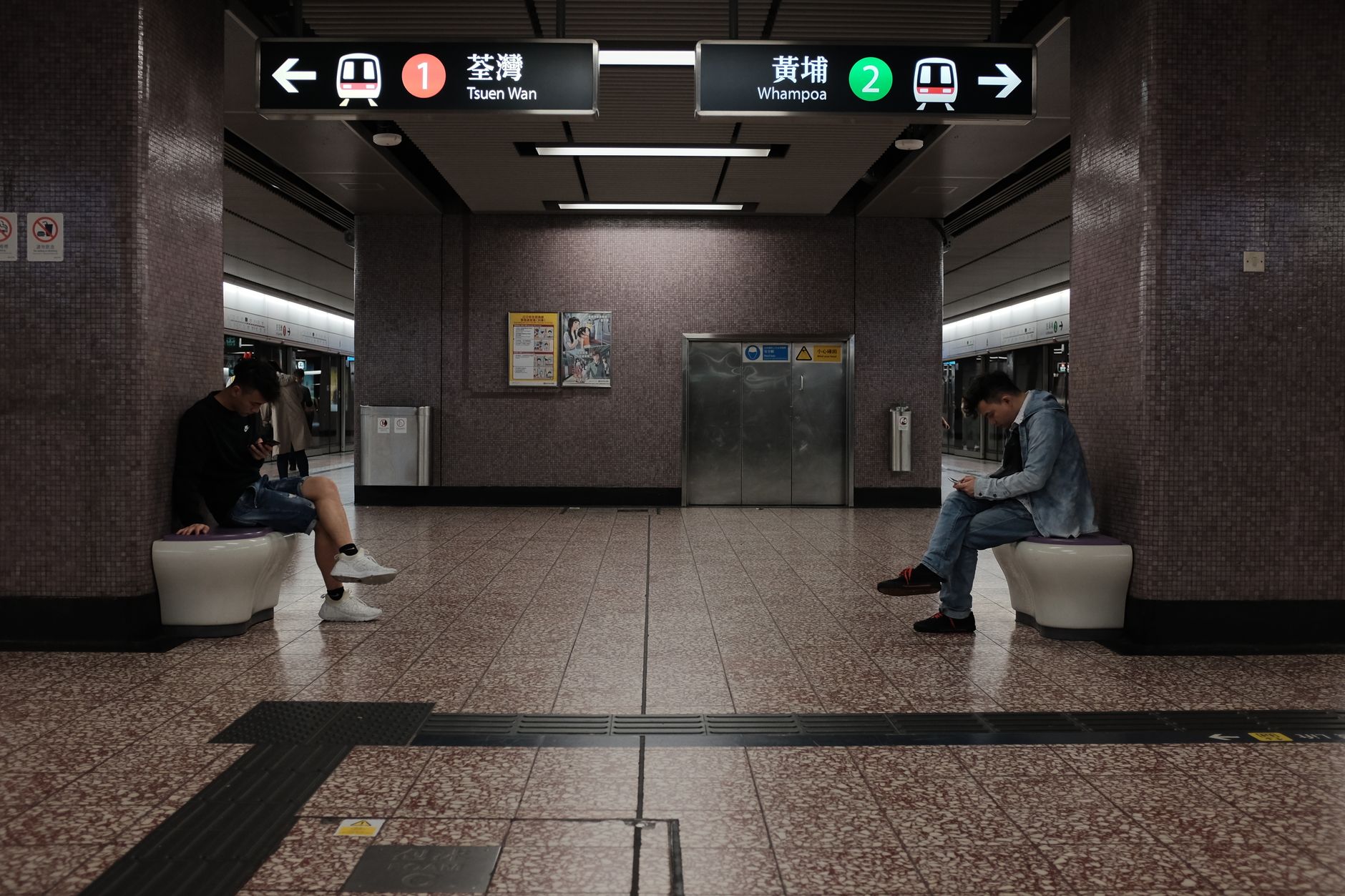
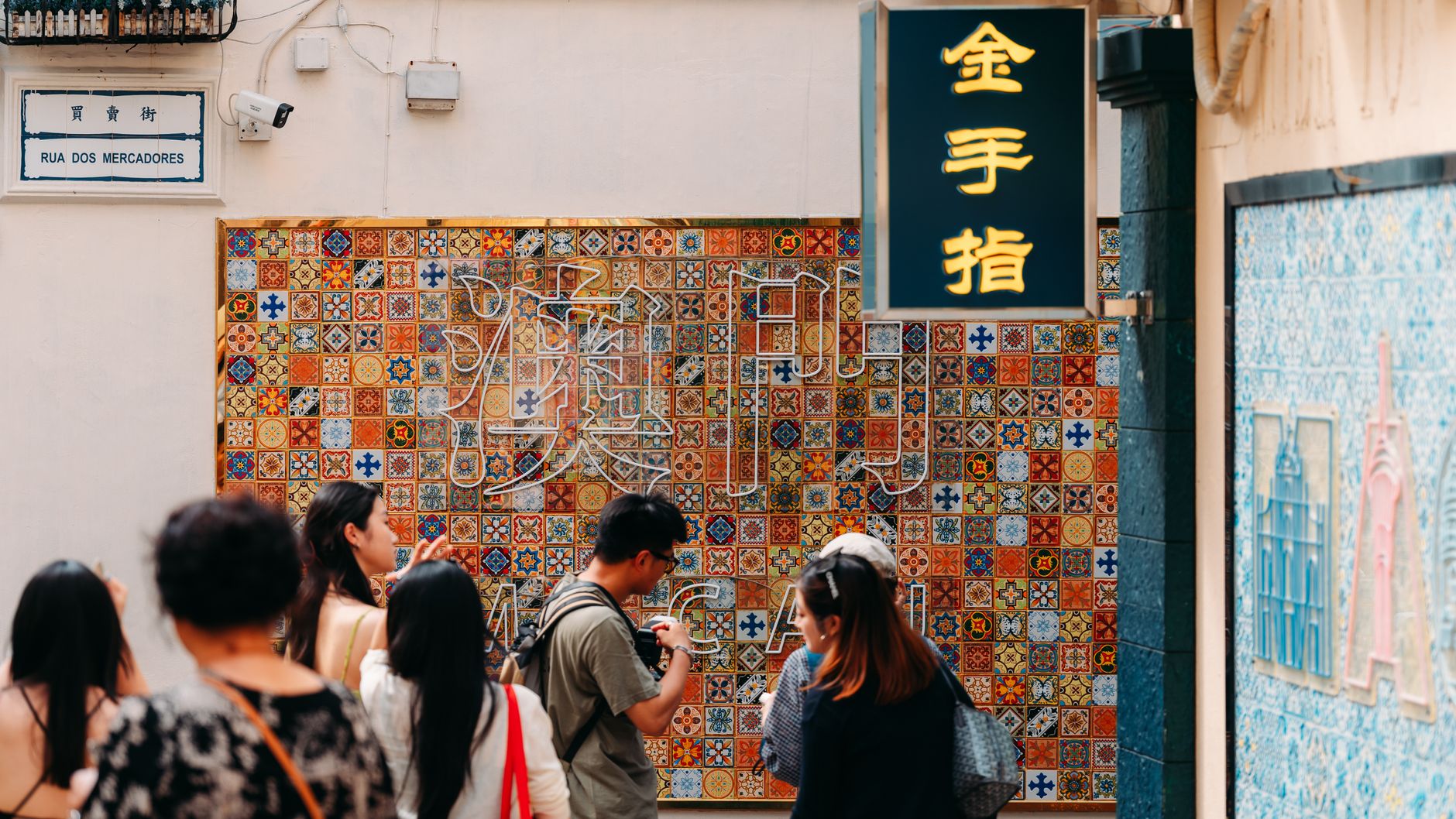
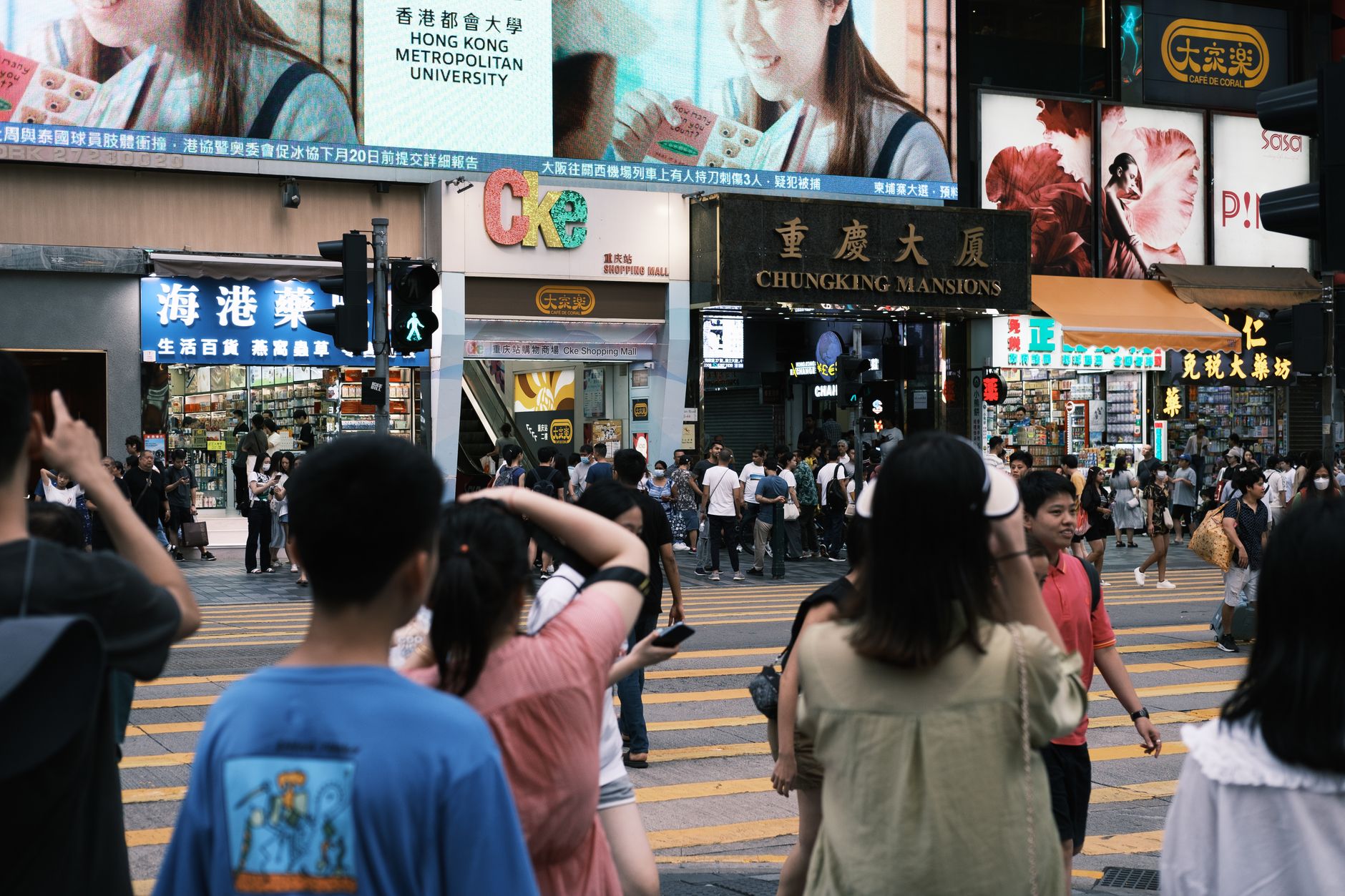
Wan Chai sits on the northern shore of Hong Kong Island with a name that simply means 'small bay' — a modest label for a district that has spent two centuries refusing to stay in one identity. Walk Stone Nullah Lane on a weekday morning and you pass the Blue House, a Tong Lau tenement painted the colour of a faded sky, then the incense smoke drifting from Pak Tai Temple, then a craft coffee window doing brisk business in the same block.
The district holds its contradictions without apology: the glass-and-steel curve of the Convention Centre where Hong Kong's handover was signed in 1997 sits minutes from a post office building that predates the tram line, which itself has been running since 1904.
💛 What travellers fall for
People who keep coming back tend to mention the same circuit: up to the 46th-floor Sky Lobby of Central Plaza for the free 360-degree view early in the morning before the haze builds, then down to the Woo Cheong Pawn Building on Johnston Road for lunch, and eventually a slow walk along the reclaimed waterfront toward Golden Bauhinia Square as the light goes flat.
Deals in Wan Chai
Book directly at the provider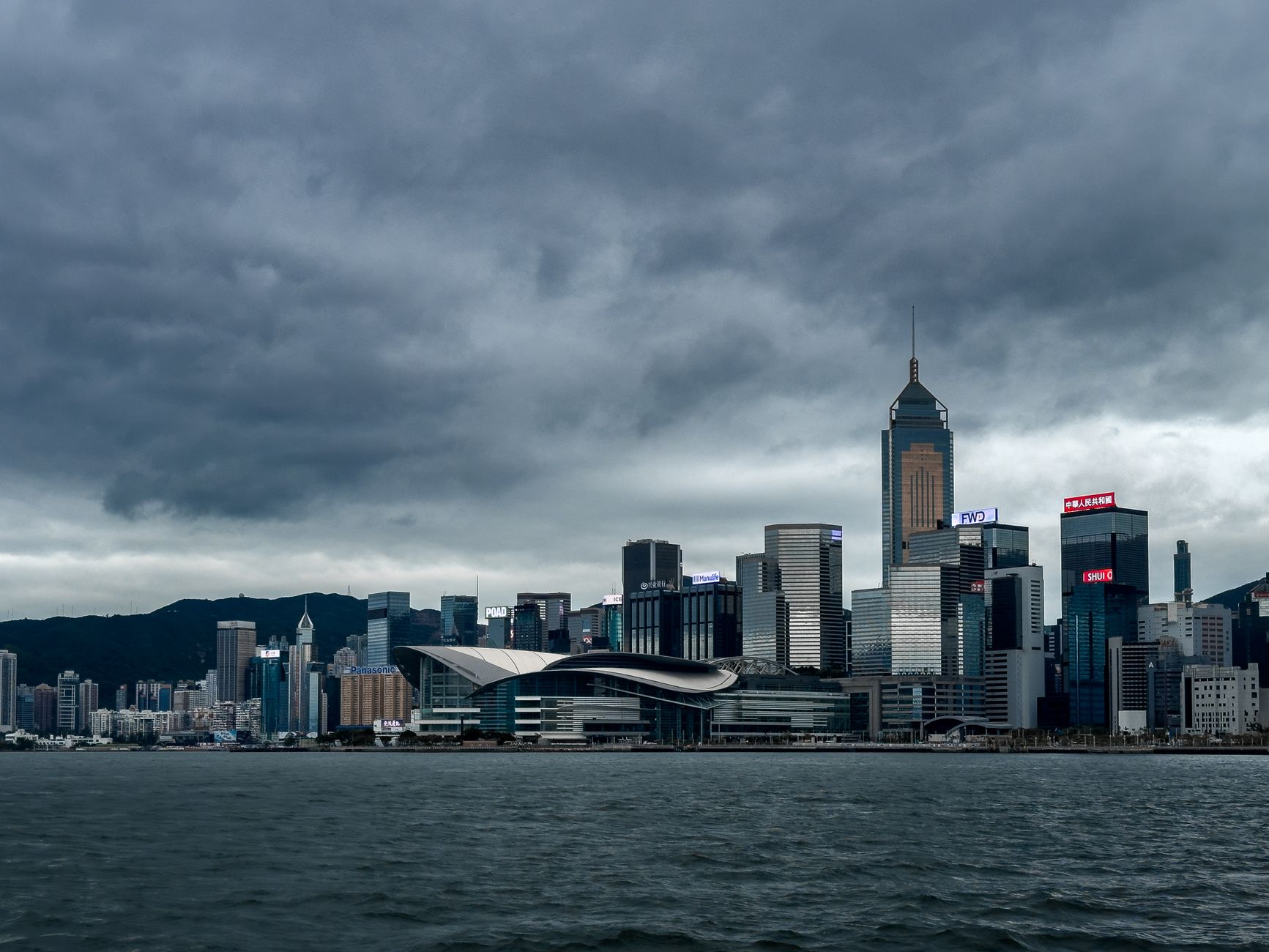

How Wan Chai came to be
Before the British arrived, Wan Chai was a fishing settlement on the harbour shore. In the 1840s, merchant Lancelot Dent recognised the geography and built a substantial mansion on what became Spring Garden Street — a private estate that shaped the district's early layout. By 1867, Dent's company had collapsed, the mansion was gone, and local Chinese families moved into the land he left behind.
The 1920s Praya East Reclamation Scheme pushed the shoreline outward, creating Lockhart, Jaffe, and Gloucester Roads where water had been, and reserving one parcel — Southorn Playground, open since 1934 — for recreation at the suggestion of Colonial Secretary Thomas Southorn. The district's most recent historical pivot came in 1997, when the Convention Centre, built in 1988, became the site of the ceremony that transferred Hong Kong from British to Chinese sovereignty.
Who and what shaped it
People who shaped it
Landmark buildings
See Wan Chai in motion
Plan your visit
On the map
When to go
Wan Chai has a humid subtropical climate: winters from December to February are mild and occasionally cool, making them the most comfortable time to walk the streets for long stretches. Summer brings heat, high humidity, and typhoon risk from June through September — the HKCEC and indoor venues become welcome retreats.
Right now
Background & history adapted from Wikipedia (CC BY-SA) · specs from Wikidata (CC0) · weather from Open-Meteo · map data © OpenStreetMap contributors · photos from Wikimedia Commons / Unsplash with per-image credit. No third-party reviews or social posts reproduced.