
Sha Tin
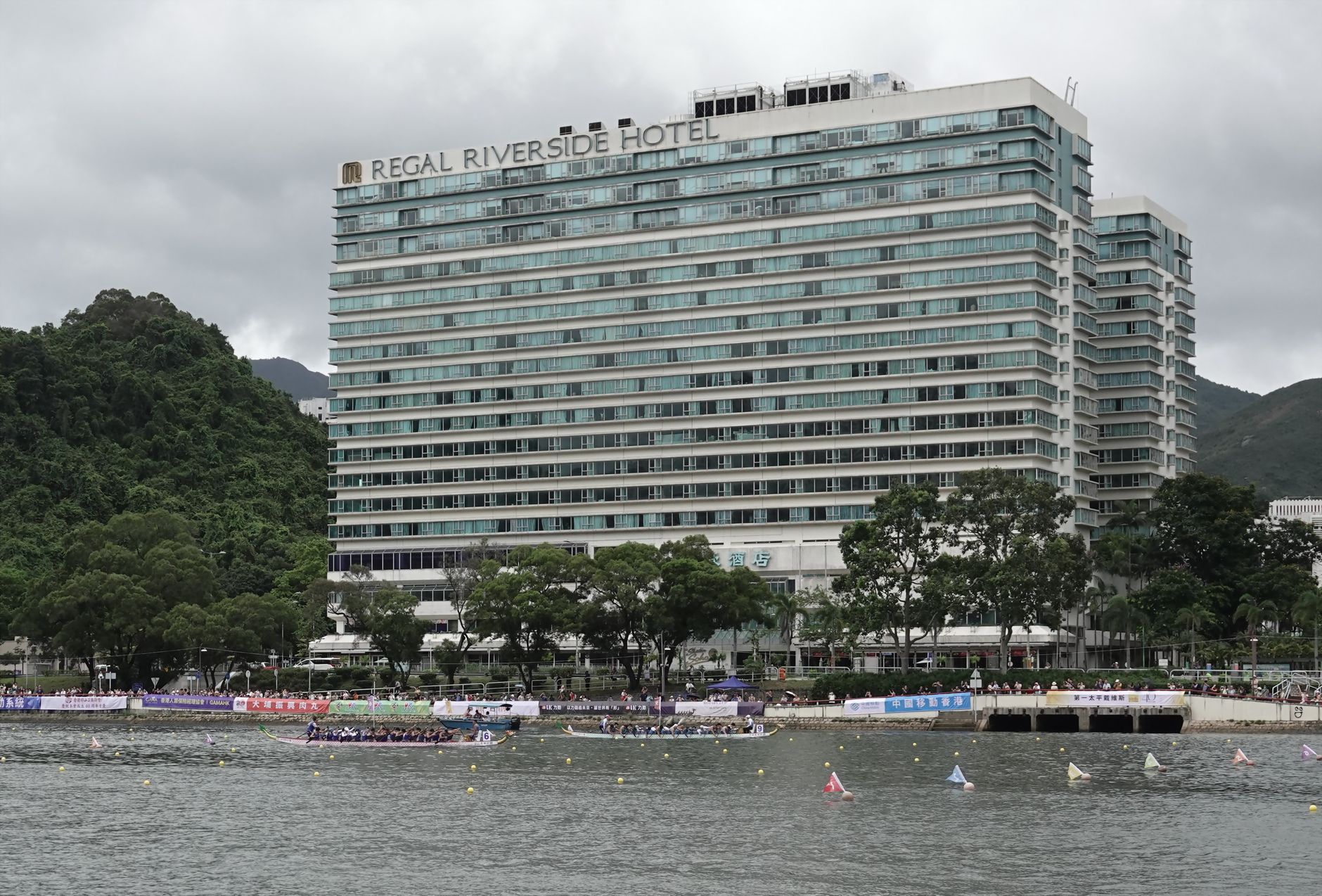
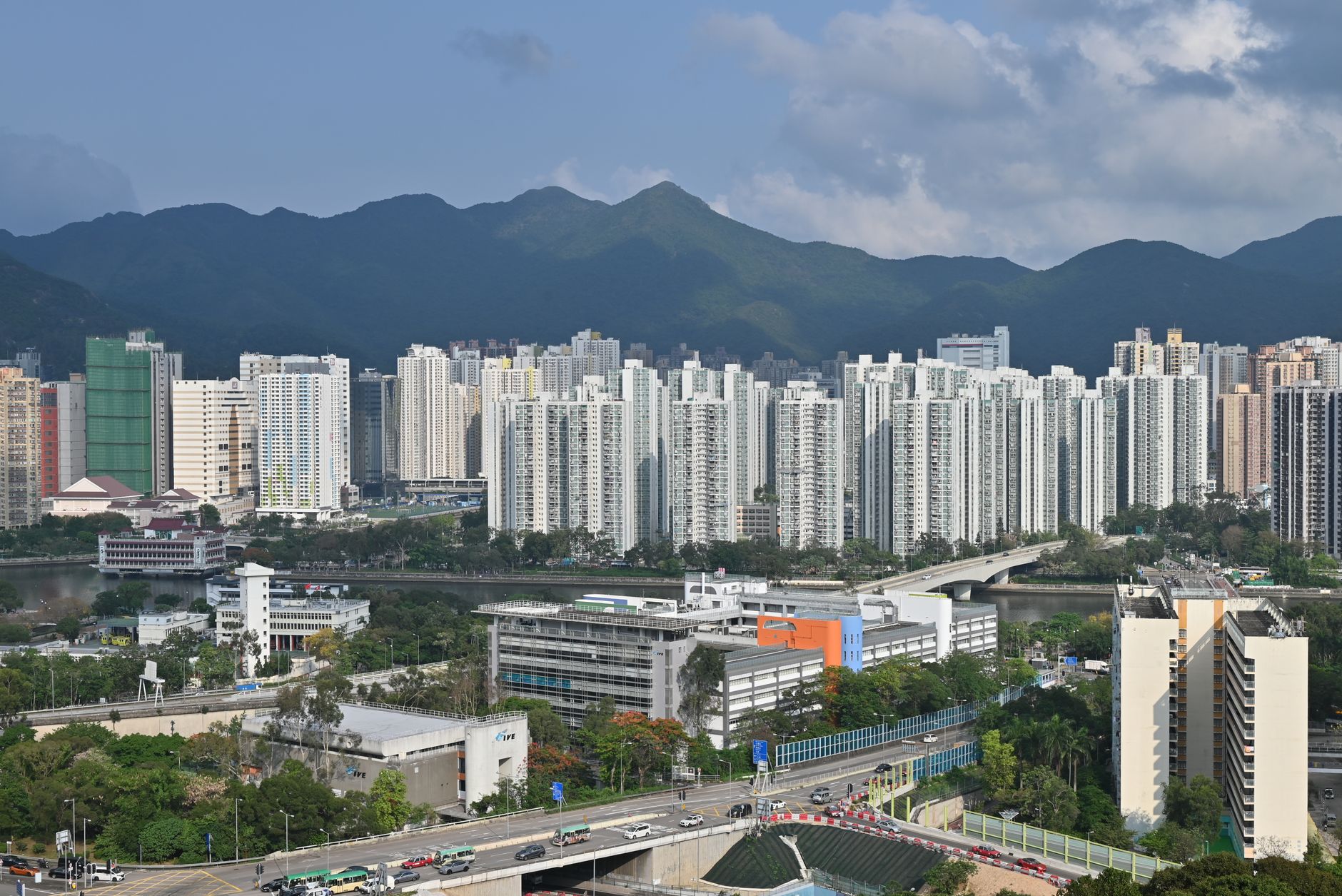

Sha Tin's name translates as Sand Fields, which gives you some idea of what it once was — and how completely it has been remade. The Shing Mun River runs through the middle of it now, flanked by tower blocks and a promenade, and the East Rail Line has been stopping here since 1910, making it one of the oldest rail stations in Hong Kong. What the district offers is not a single attraction but a density of genuinely different things: a Hakka walled compound from 1847, a monastery lined with 12,800 golden figures, a racecourse that held Olympic equestrian events, and the territory's largest museum.
Most visitors come on a day trip from Kowloon or the island, and the logistics are easy enough that you can move between several sites without a plan feeling forced.
💛 What travellers fall for
People who come back tend to time it around a race day at Sha Tin Racecourse — the atmosphere on a Wednesday evening is quieter than the weekend crowds, and the views from the stands across the valley are worth the trip alone. On non-racing days, Penfold Garden inside the track opens to the public, which almost nobody seems to know.
Deals in Sha Tin
Book directly at the provider

How Sha Tin came to be
Before it was a new town, Sha Tin was farmland and fishing villages — home to perhaps 30,000 people in the early 1970s. In 1973 the Hong Kong government designated it for development under the New Towns Programme, and within a decade the population had multiplied several times over. The first public housing estate, Lek Yuen, was completed in 1976; New Town Plaza opened in 1981 on land that had once held a market township damaged by Typhoon Wanda in 1962.
But the district's roots go considerably deeper. Tai Wai Village was walled in 1574 during the Ming Dynasty. The Tsang clan, Hakka migrants who arrived in the 17th century, built their fortified compound Tsang Tai Uk in 1847. And in 1911, a Belgian aviator named Charles Van den Born made the first powered aircraft flight in Hong Kong from a field here, in a Farman biplane later called the Spirit of Sha Tin.
Who and what shaped it
People who shaped it
Landmark buildings
See Sha Tin in motion
Plan your visit
On the map
When to go
Sha Tin sits in a valley and can feel noticeably warmer and more humid than the coast in summer (June–September), when afternoon thunderstorms are routine. October through March is cooler and drier, and the best time to spend a full day outdoors moving between sites.
Right now
Background & history adapted from Wikipedia (CC BY-SA) · specs from Wikidata (CC0) · weather from Open-Meteo · map data © OpenStreetMap contributors · photos from Wikimedia Commons / Unsplash with per-image credit. No third-party reviews or social posts reproduced.