
Tai Po
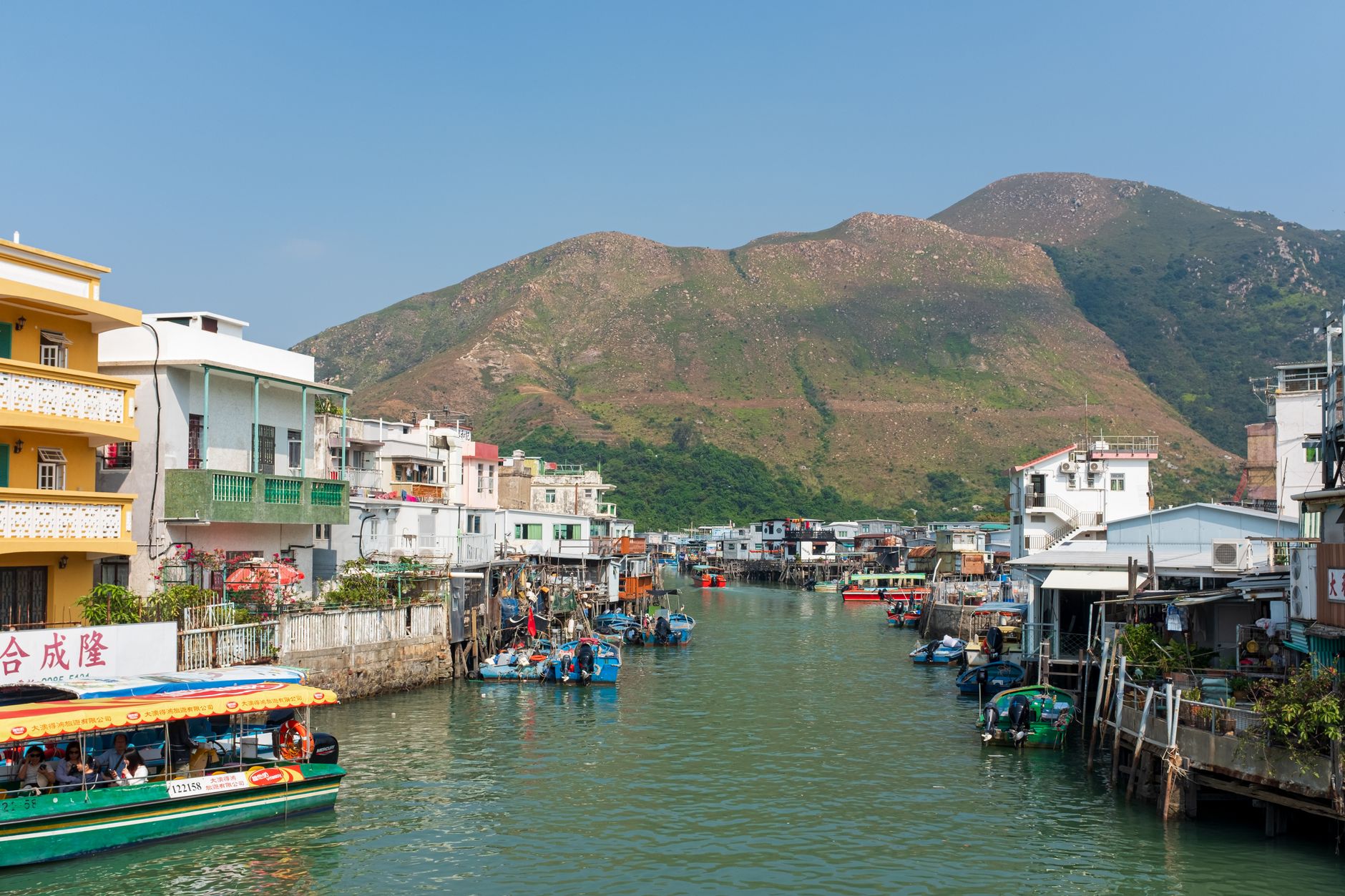

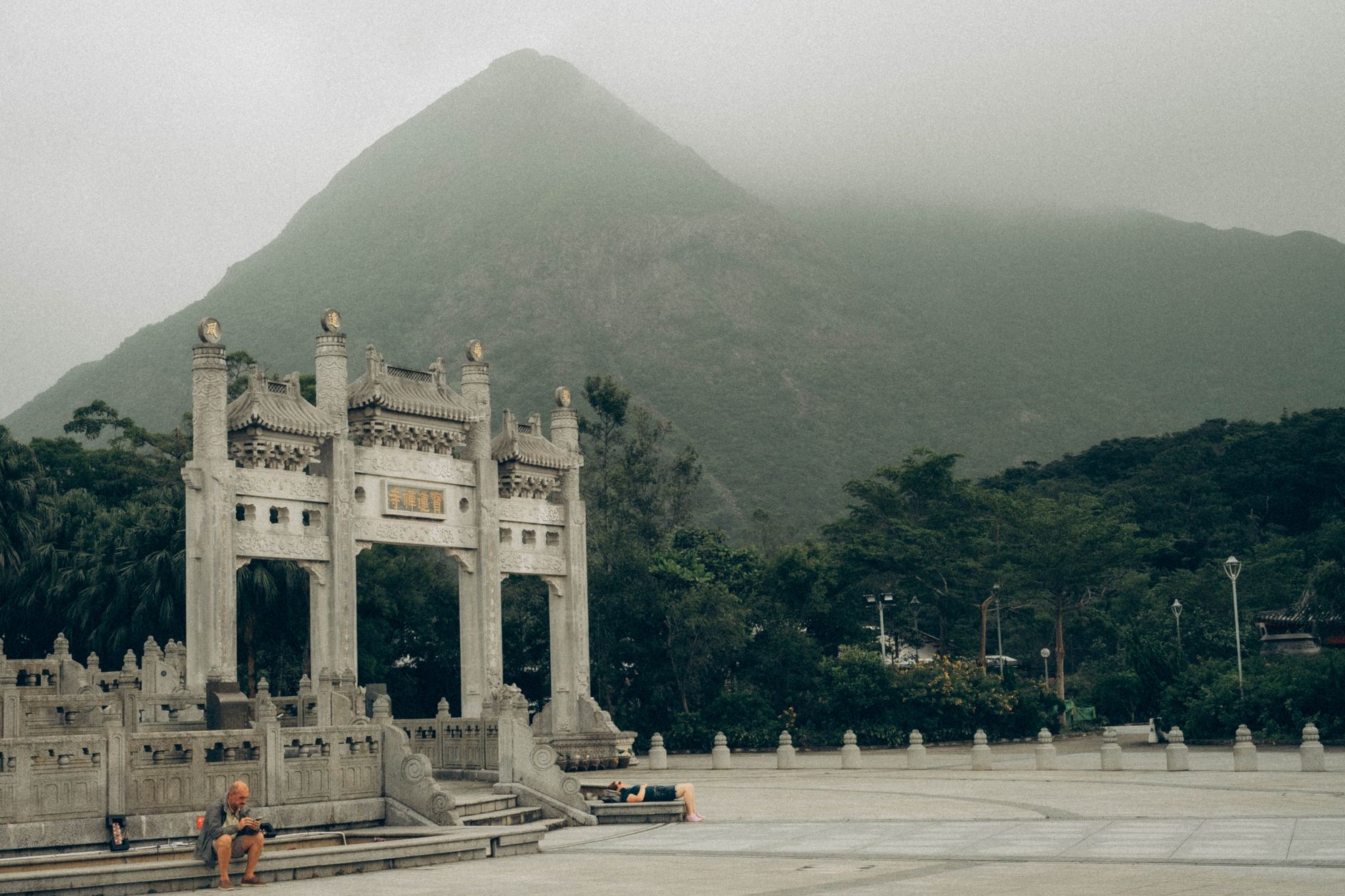
Tai Po sits at the northern end of Tolo Harbour where the land opens into low hills and the East Rail line runs close enough to the water that you can watch egrets from the train window. It is one of Hong Kong's New Towns — purpose-built from the late 1970s to absorb the city's overflow — but it carries older bones: two rival market towns, a Tang clan village, and a railway station from 1913 whose pitched roof borrowed the lines of a Chinese temple.
Today the district runs on two speeds. The newer estates around Tai Wo station are orderly and residential. Closer to Tai Po Market station, the older streets still have the weight of a working town — wet market stalls, temple incense, and a bicycle track that traces the harbour edge out toward the countryside.
💛 What travellers fall for
People who come back tend to arrive on a weekday, take minibus 20T straight from Tai Po Market station to Tsz Shan Monastery before the crowds, then loop down to Fu Shin Street to look in at the Man Mo Temple. The Railway Museum is small but the 1913 station building alone is worth the detour — closed Tuesdays.
Deals in Tai Po
Book directly at the provider


How Tai Po came to be
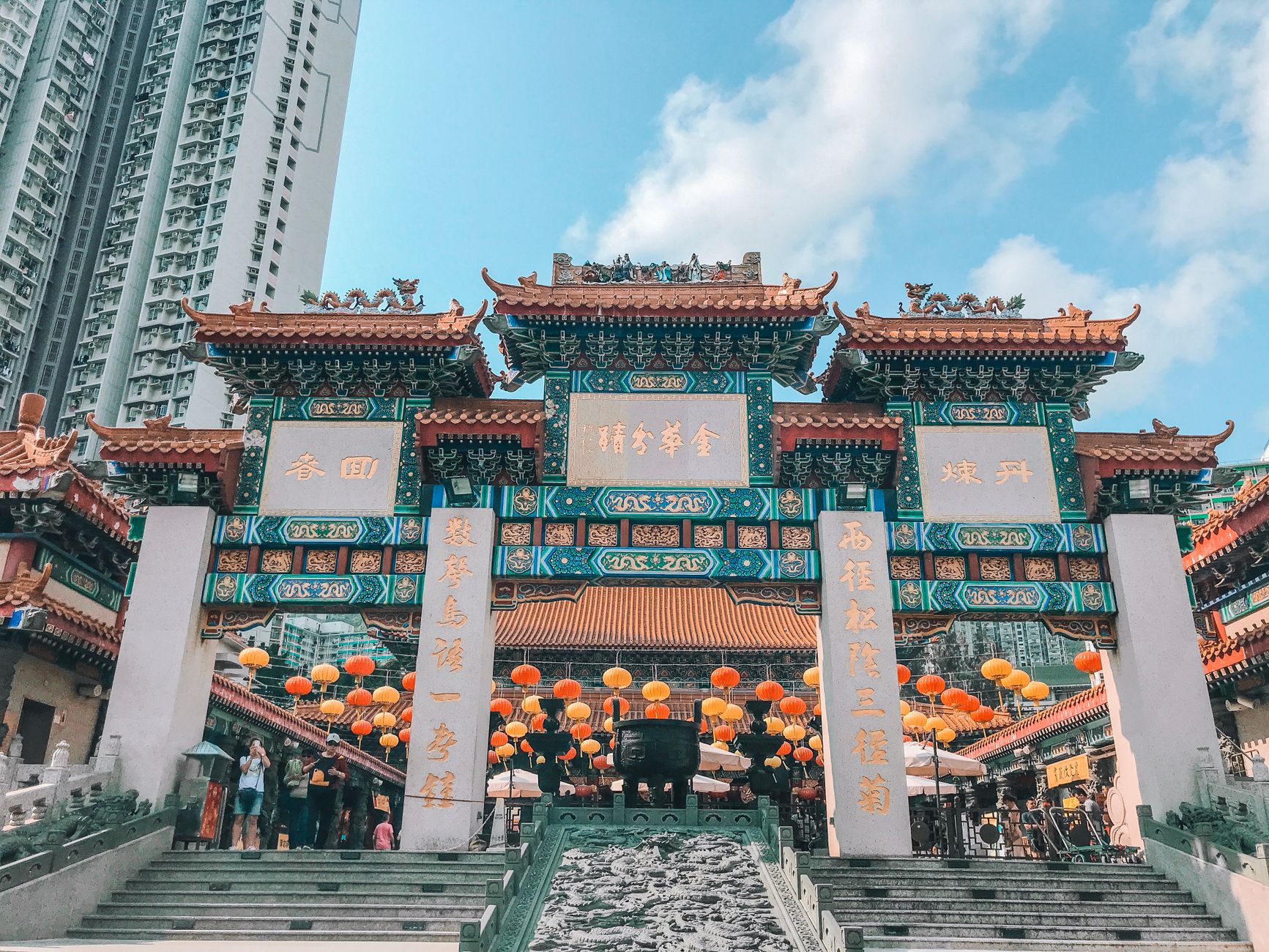
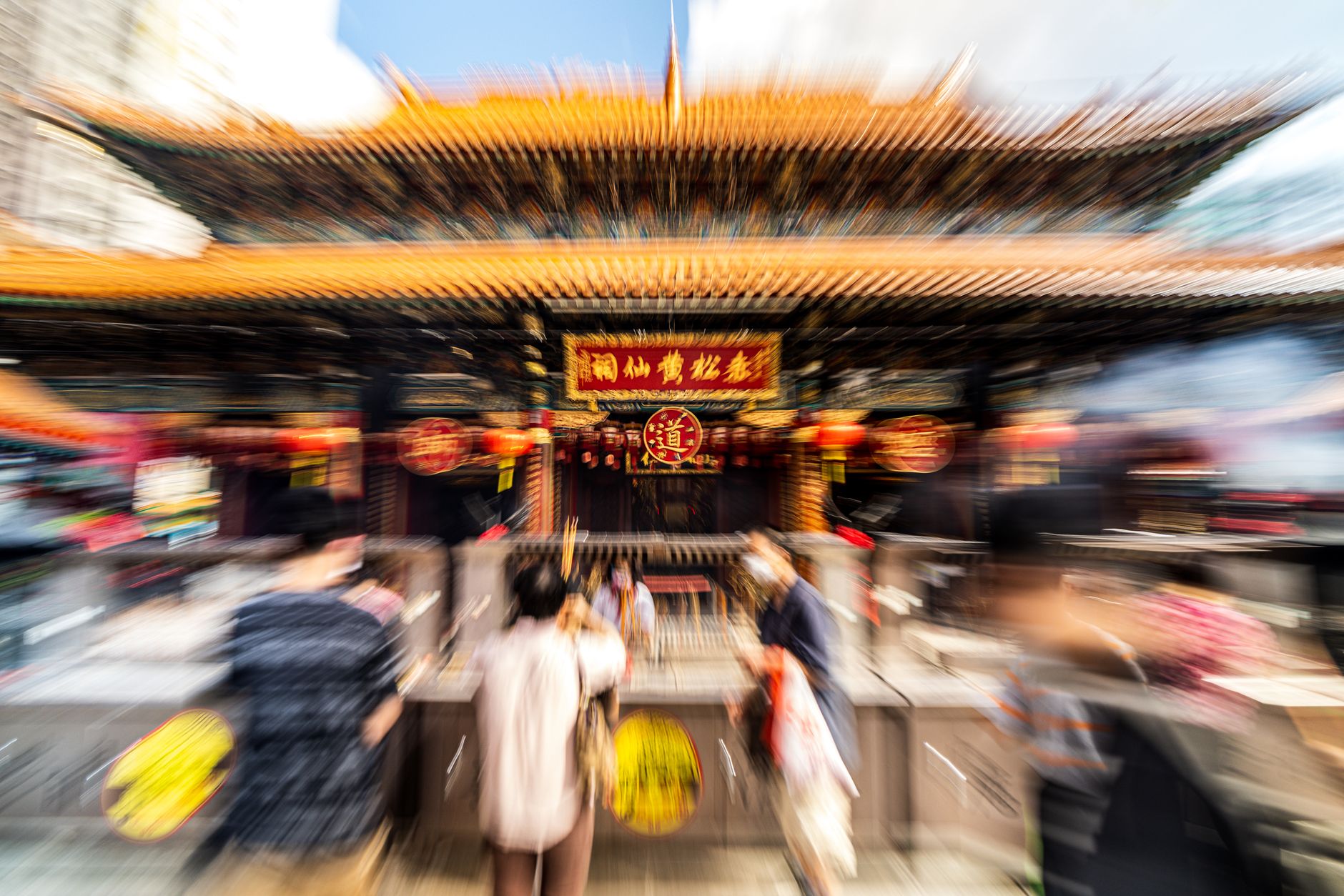
Settlement here reaches back to the Tang Dynasty, but the town's character was shaped by two competing clans. In the Ming period, the Tang clan established a market at Tai Po Tau. Then in 1892, the Man clan's Tsat Yeuk alliance — a federation of local villages — built their own rival market, Tai Wo, and raised the Man Mo Temple on Fu Shin Street to serve as meeting hall, arbitration court and place of worship in one.
The Kowloon-Canton Railway arrived in 1910 and the original Tai Po Market station opened in 1913, its roof pitched in deliberate echo of traditional Chinese architecture. Both market towns were absorbed into Tai Po New Town from 1979 onward, when the government designated the area for major expansion. The 1913 station building survived, declared a monument in 1984 and converted into the Hong Kong Railway Museum the following year.
Who and what shaped it
Landmark buildings
See Tai Po in motion
Plan your visit
On the map
When to go
Autumn (late September to November) brings dry, clear days and temperatures that drop comfortably into the mid-twenties — the easiest time to walk the harbour-side cycle tracks or explore the outdoor grounds of Tsz Shan Monastery. Summer runs hot and wet, with August averaging over 200mm of rain and nights that barely cool below 27°C.
Right now
Background & history adapted from Wikipedia (CC BY-SA) · specs from Wikidata (CC0) · weather from Open-Meteo · map data © OpenStreetMap contributors · photos from Wikimedia Commons / Unsplash with per-image credit. No third-party reviews or social posts reproduced.