
Xi'an
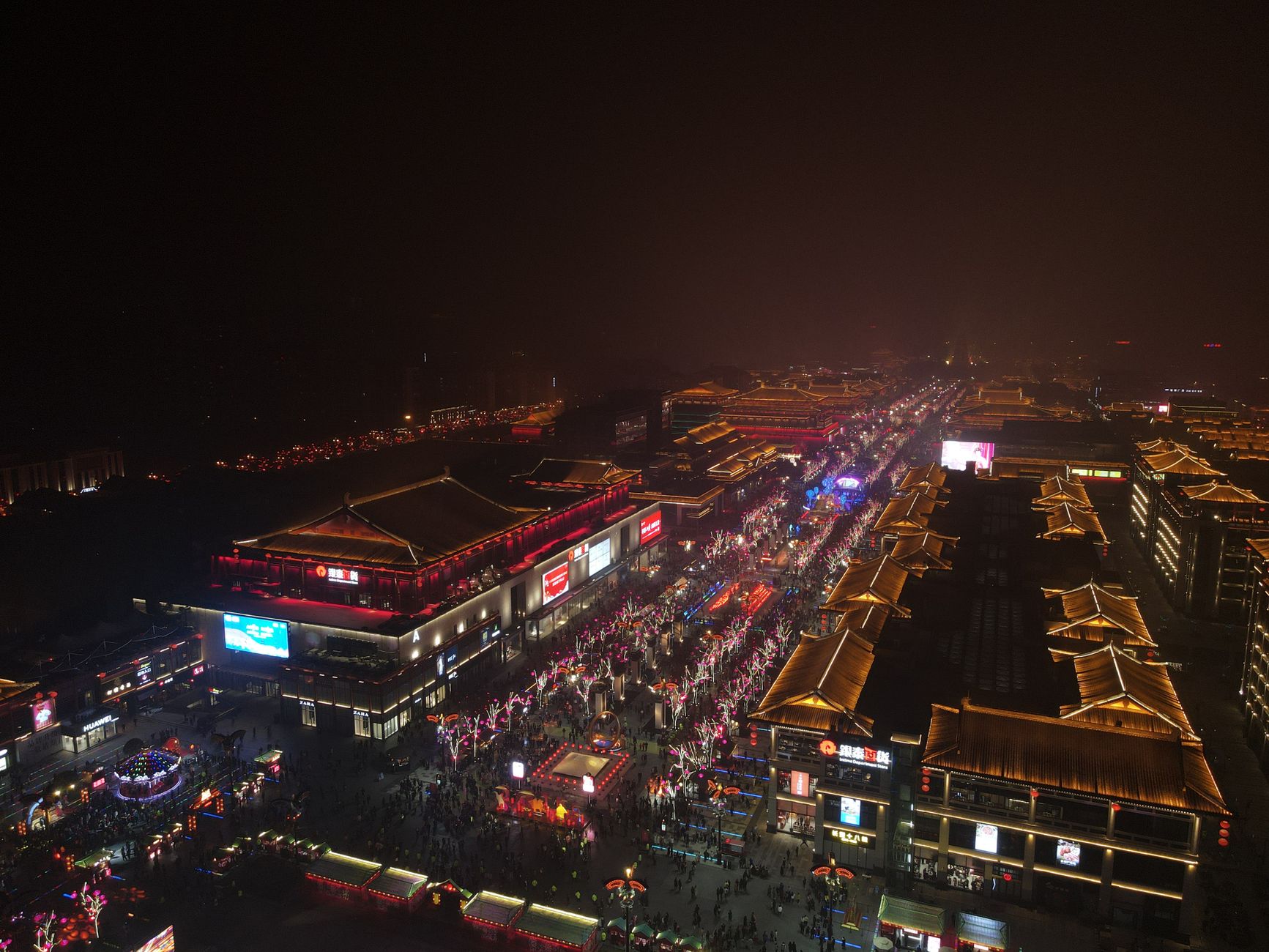
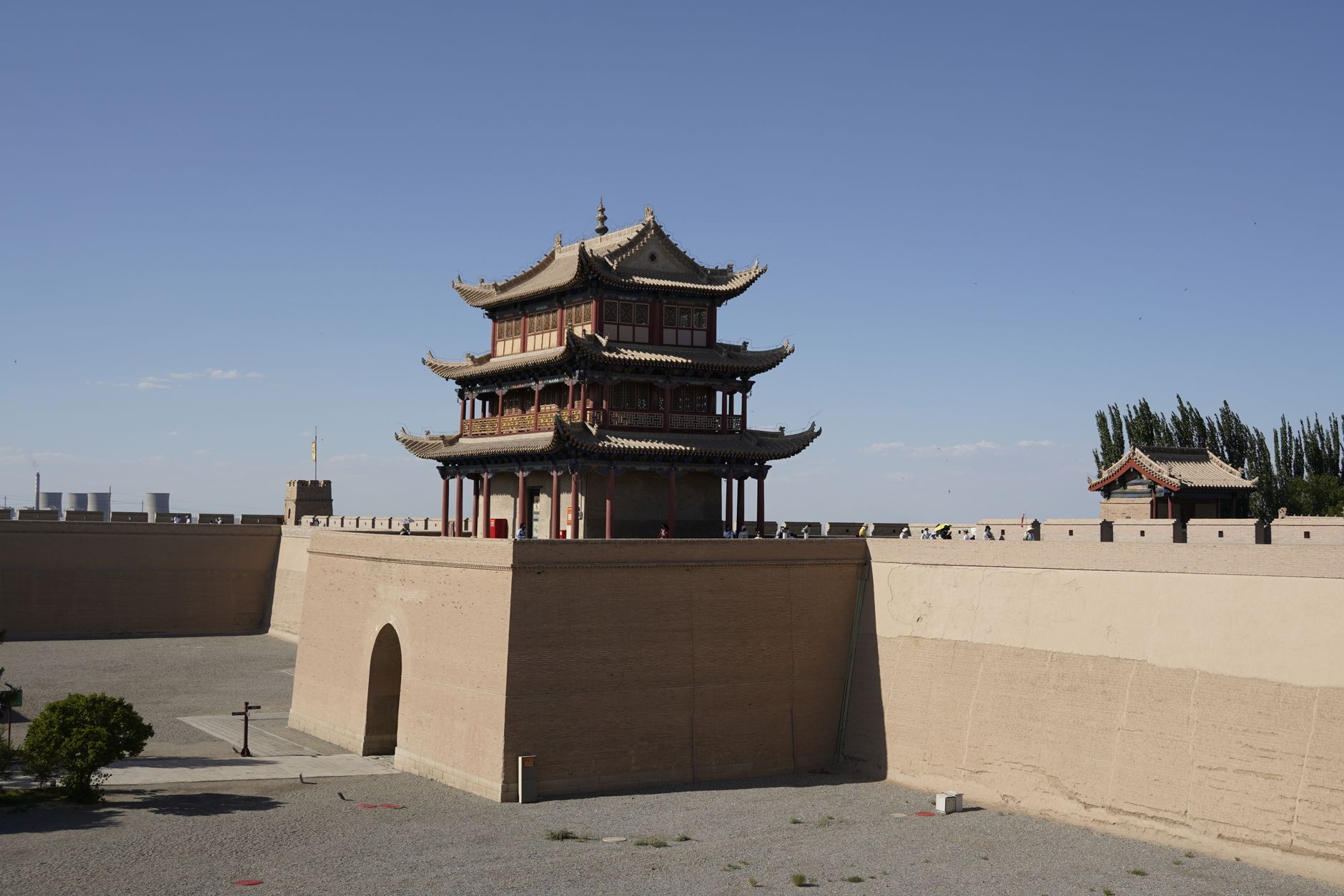
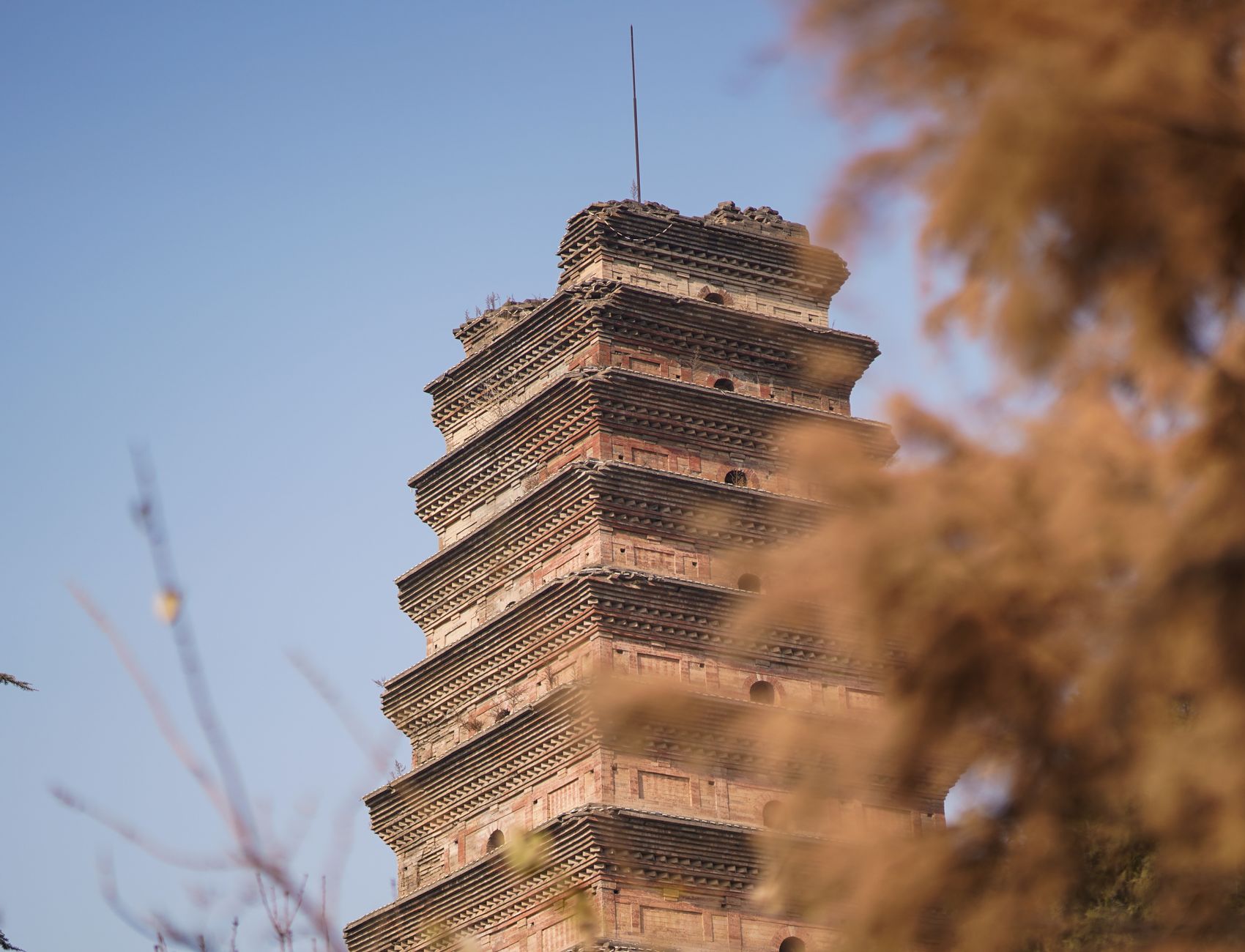

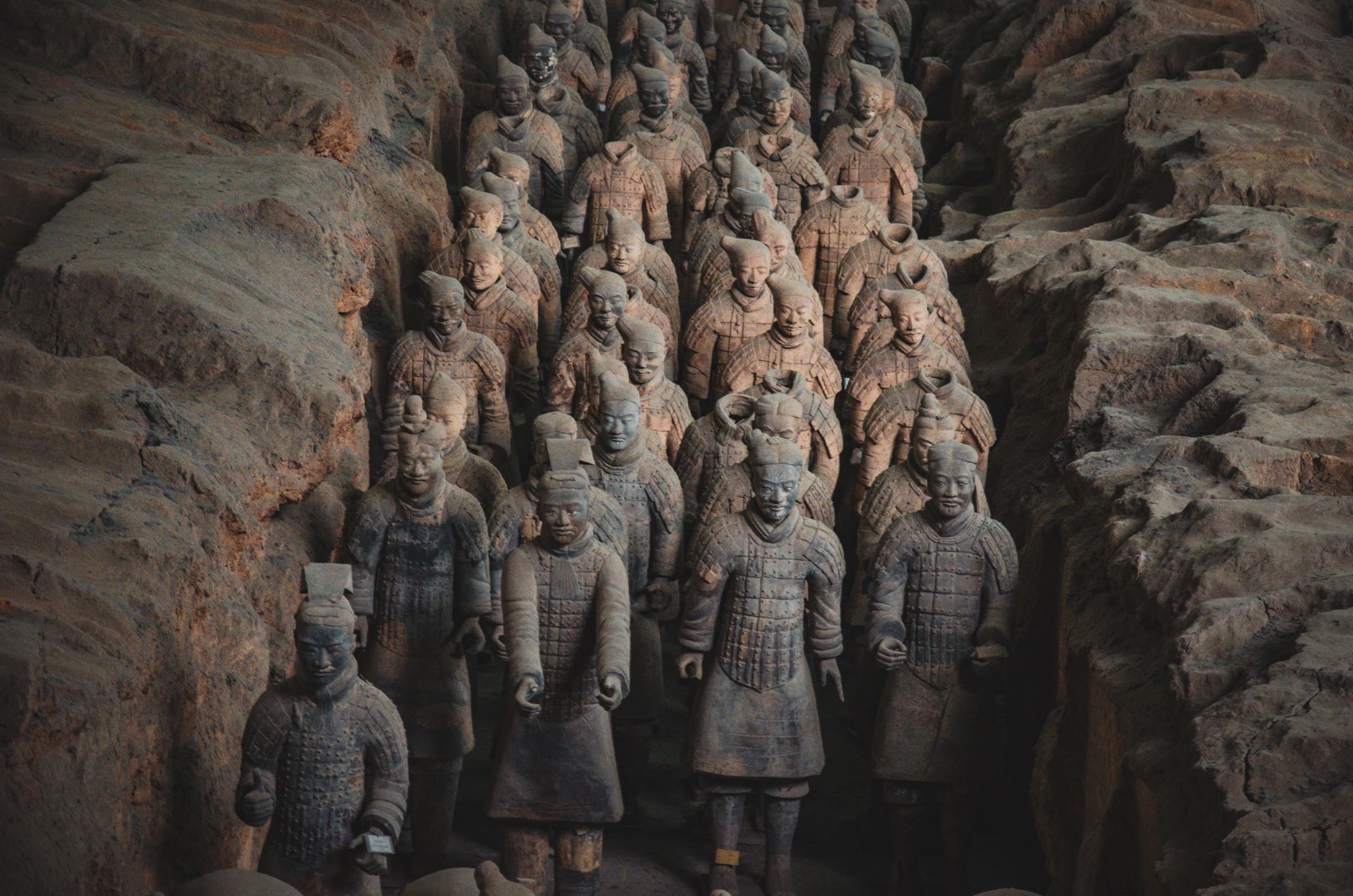
Stand in front of Pit 1 at the Terracotta Army site and the scale takes a moment to register — thousands of life-sized soldiers arranged in formation, each face distinct, all of them waiting underground for more than two millennia before three farmers with shovels changed everything in 1974. Xi'an earns its reputation on moments like this: the collision of the ordinary and the enormous.
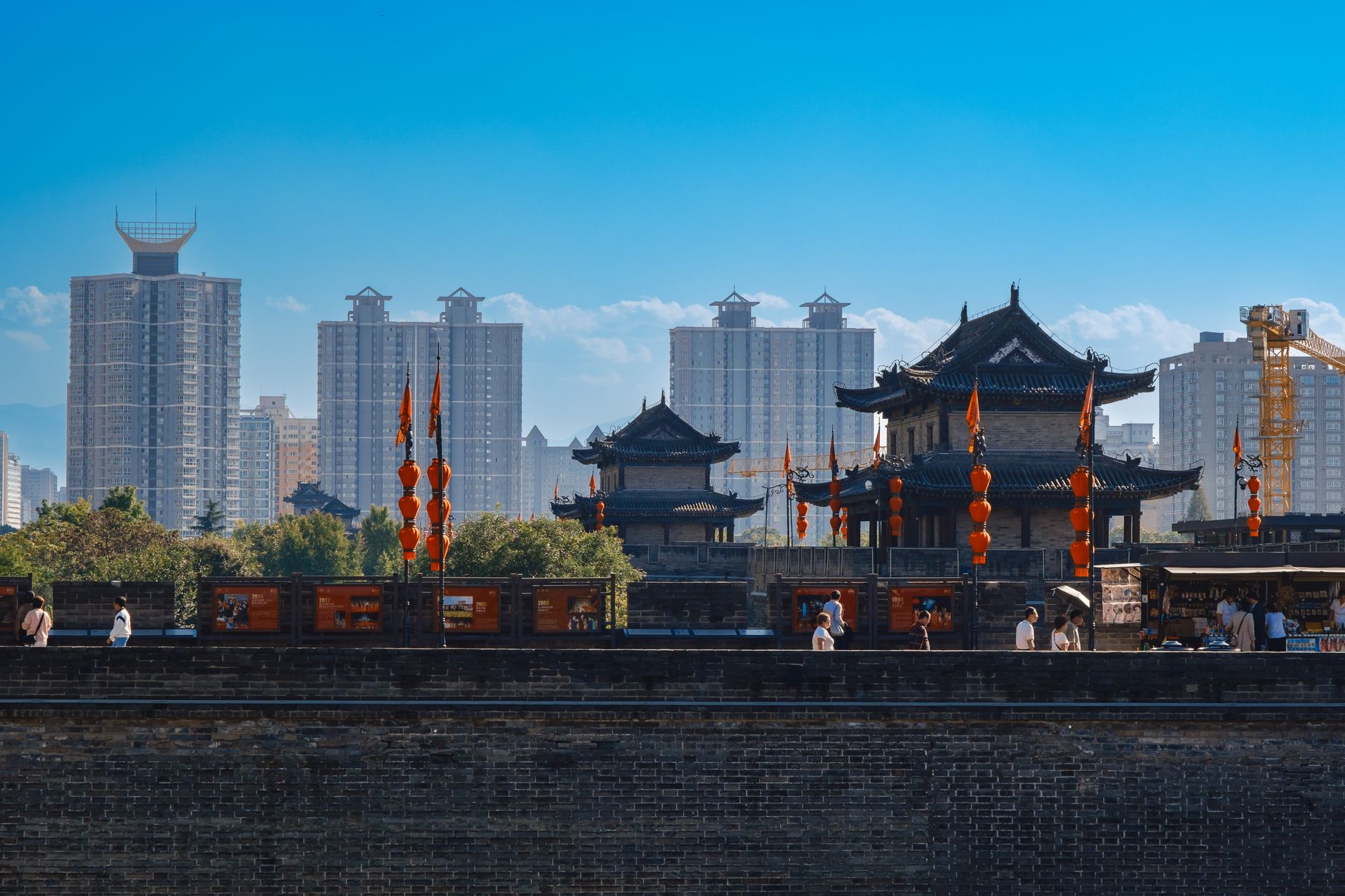
This city in Shaanxi Province was once Chang'an, the eastern terminus of the Silk Road and, under the Tang dynasty, arguably the largest city on earth. The Ming-era wall that still rings the old city centre — nearly twelve kilometres of it, twelve metres high — gives you a useful frame for everything that came before.
How Xi'an came to be
The land around Xi'an has been drawing capitals to it for roughly three thousand years. King Wen of Zhou built the sacred city of Feng on the west bank of the Fenghe River in the eleventh century BC; his son King Wu raised Hao on the opposite bank. Qin Shi Huang — the first emperor to unify China — ruled from nearby Xianyang and ordered the construction of his vast mausoleum, including the terracotta army, in the late third century BC.
The Han dynasty established Chang'an here in 202 BC, and the Tang later expanded it into an imperial capital of extraordinary scale before political collapse in 904 forced the city's abandonment. The name Xi'an itself dates only to 1369, when a Ming general renamed the region — meaning, roughly, 'pacify the northwest'. The wall that still stands was raised the following year.
Who and what shaped it
People who shaped it
Landmark buildings
See Xi'an in motion
Plan your visit
On the map
When to go
Summers are hot and occasionally humid, winters cold and dry with some frost. April through May and September through October bring mild temperatures and clearer skies — the most reliably pleasant windows for walking the wall or spending time at outdoor sites.
Right now
Background & history adapted from Wikipedia (CC BY-SA) · specs from Wikidata (CC0) · weather from Open-Meteo · map data © OpenStreetMap contributors · photos from Wikimedia Commons / Unsplash with per-image credit. No third-party reviews or social posts reproduced.