
Guilin
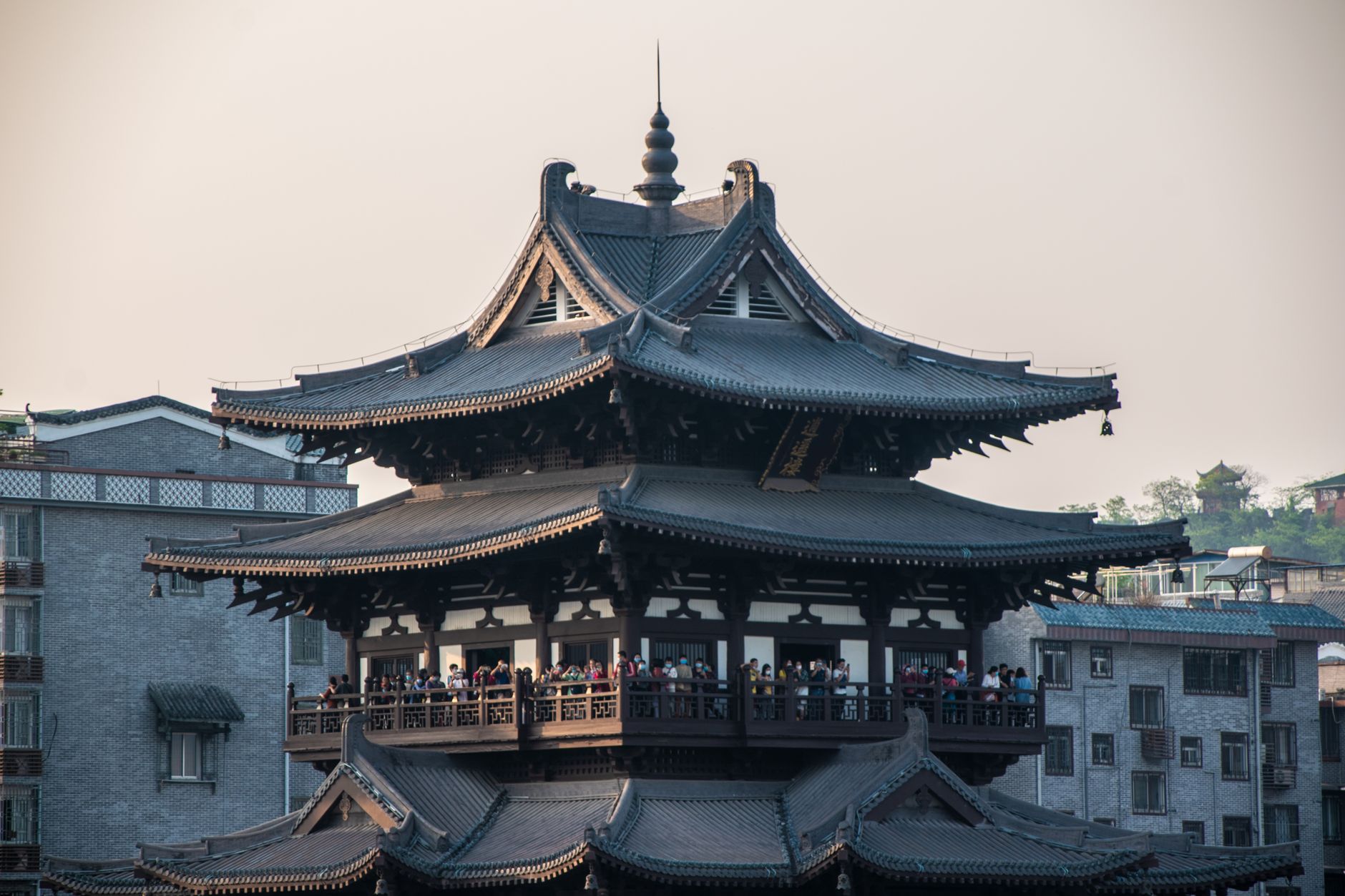
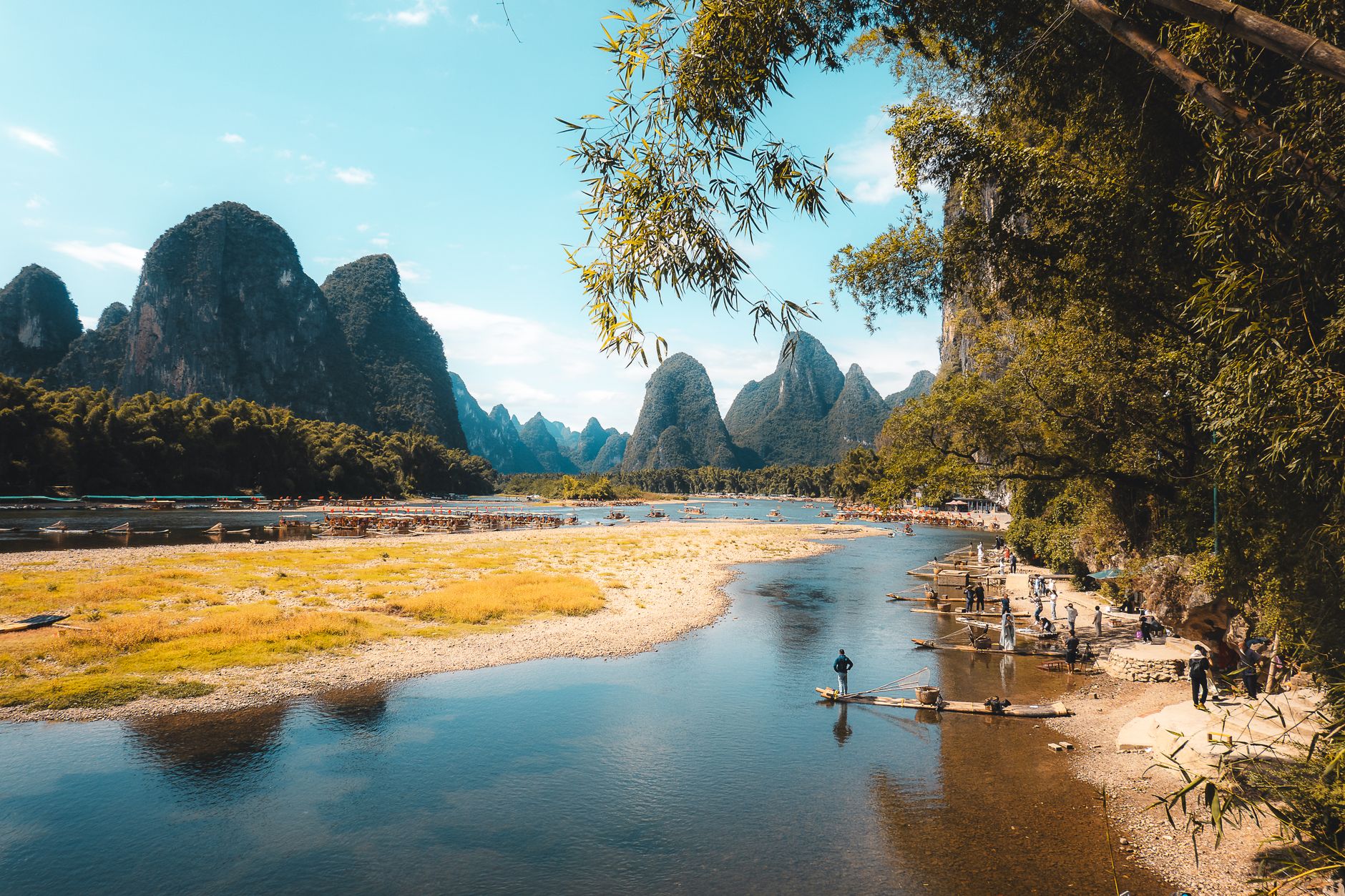
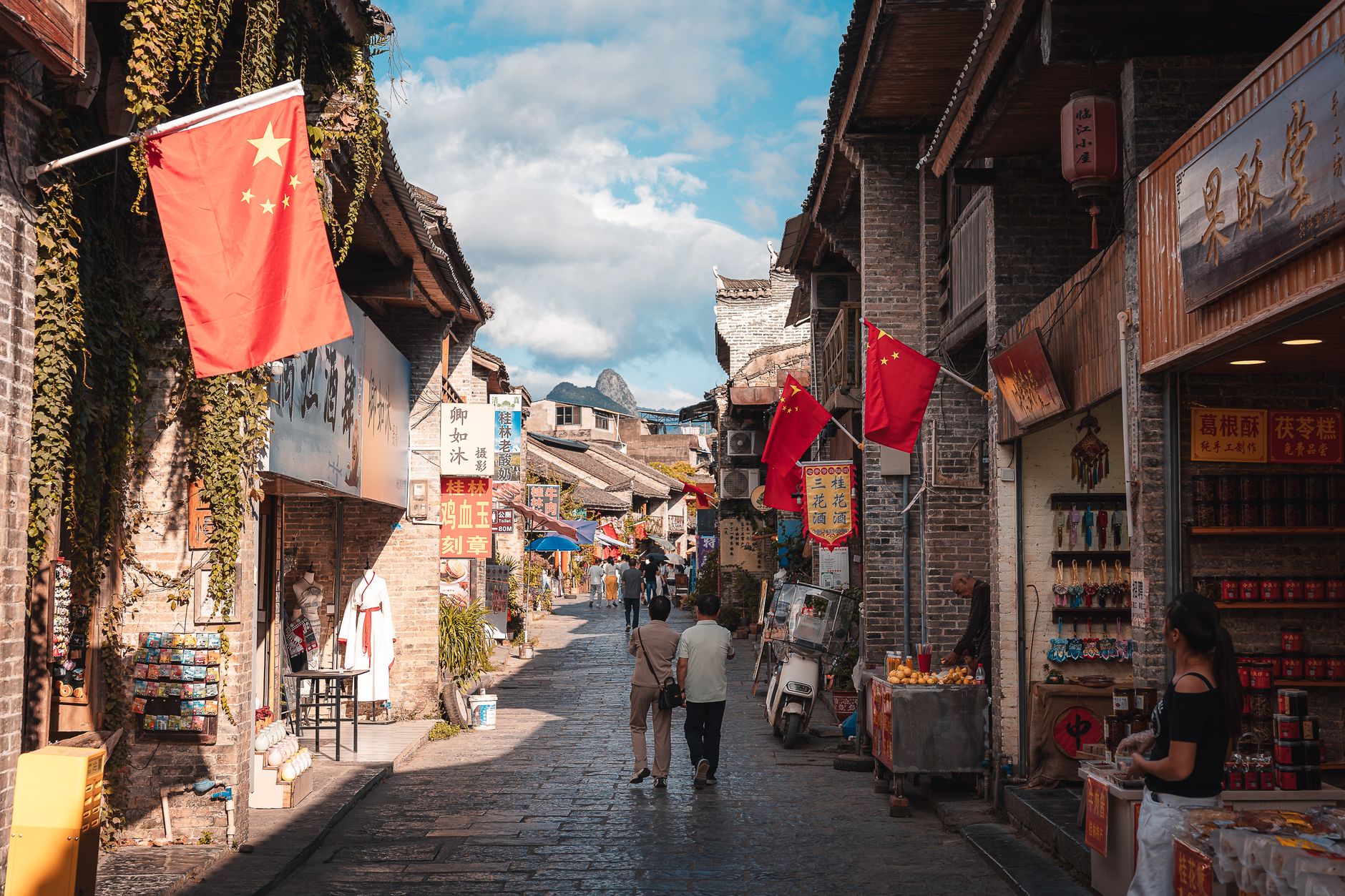
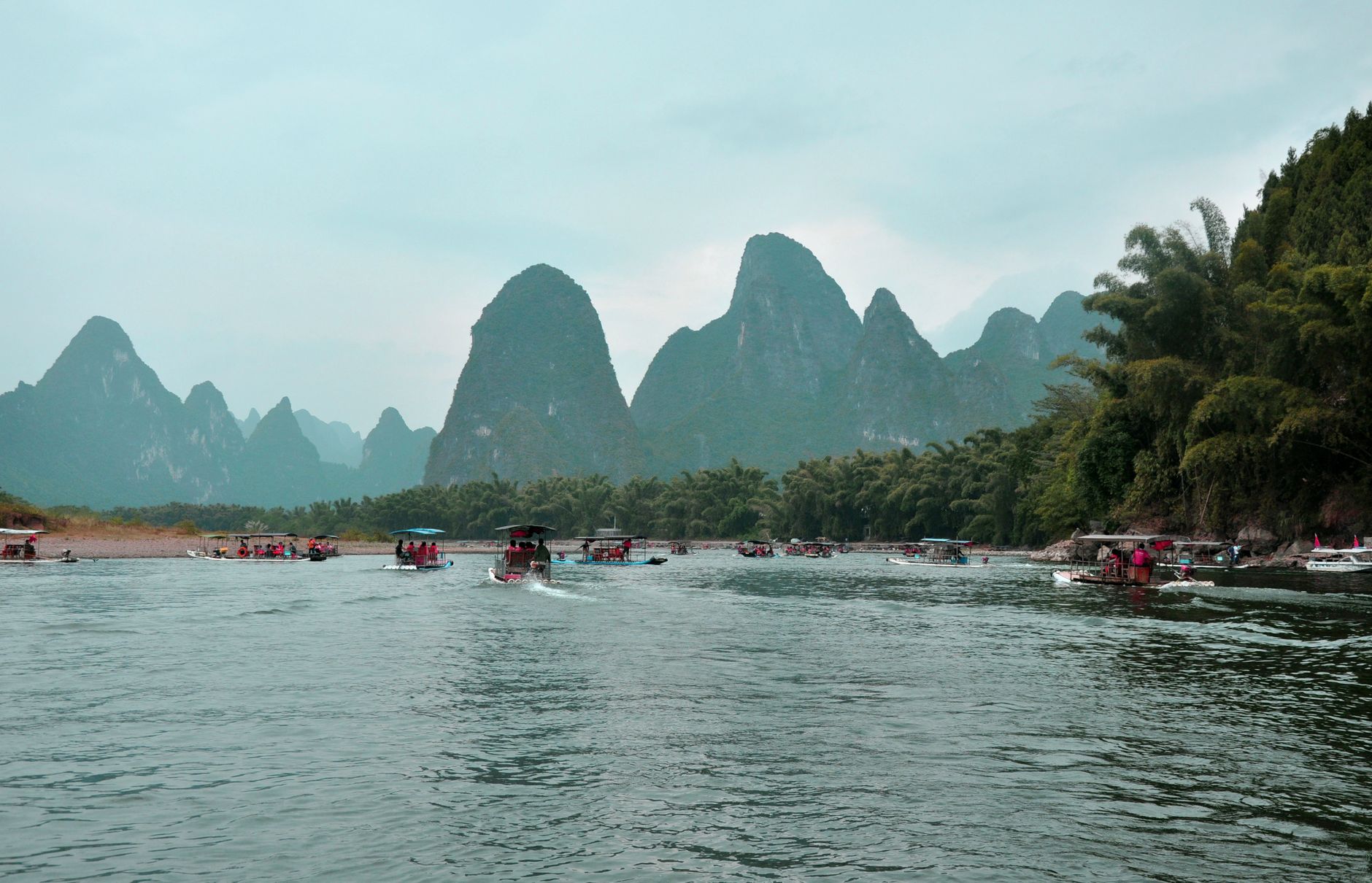
The thing that stops you first in Guilin is the skyline — not the city's skyline, but the one the earth made. Karst peaks rise in every direction, their silhouettes so steep and unlikely that they look like ink-wash paintings before you remember you're standing in front of the real thing. Elephant Trunk Hill has held its pose at the edge of the Li River since the Tang dynasty, 55 metres of limestone that does, genuinely, look like an elephant drinking.
Guilin is where the Li River begins its slow, storied run south to Yangshuo, and the city itself repays attention beyond that famous cruise. The cave at Reed Flute, the Ming-dynasty palace walls, the Seven Star peaks reflected in still water — each is a different argument for why the State Council, back in 1981, placed this city alongside Beijing, Hangzhou, and Suzhou as somewhere worth protecting with unusual seriousness.
💛 What travellers fall for
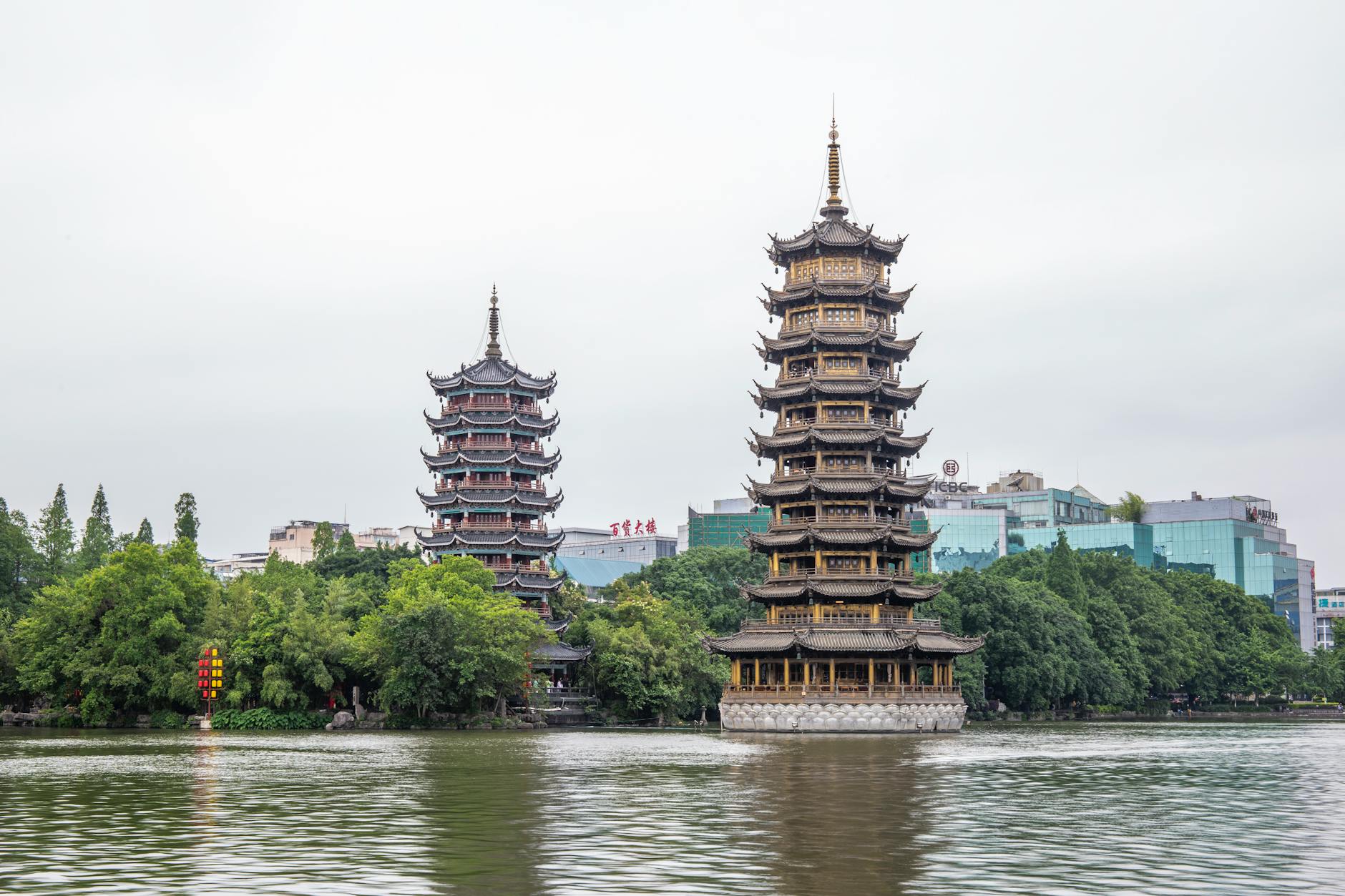
People who come back tend to do the Two Rivers and Four Lakes night cruise early in a stay rather than saving it — the pagodas read differently when the city is still new to you. They also skip the tour-bus lines at Reed Flute Cave by arriving at opening time, and they climb Yao Mountain on the last morning for a full map of the karst spread below.
Deals in Guilin
Book directly at the provider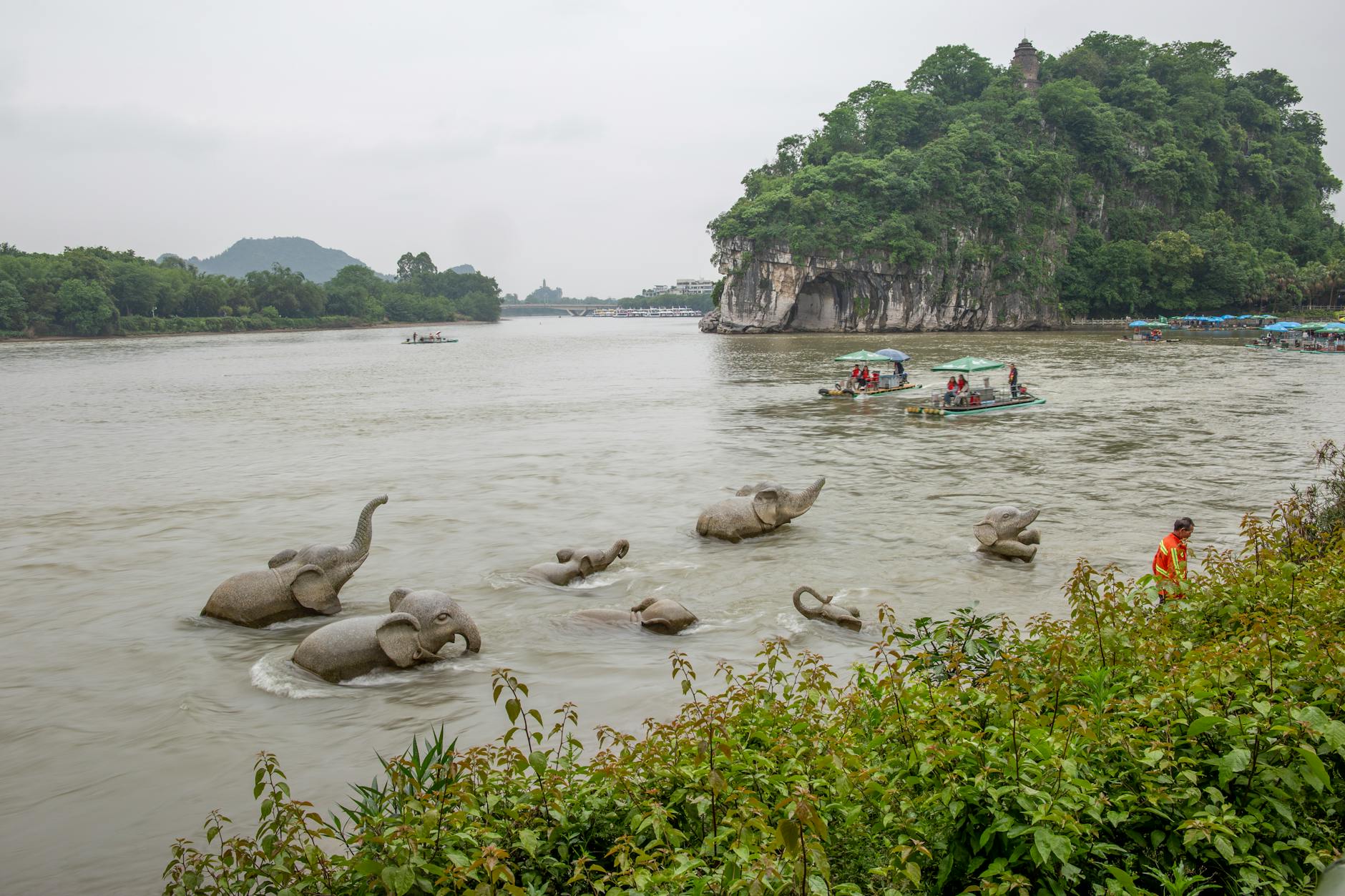
How Guilin came to be
A settlement appeared on the Li River here as early as 314 BC, founded among the Baiyue people who already called the region home. When the Qin dynasty pushed south against Nanyue, it established an administration in the area — and the name that stuck, Guilin, came not from the landscape but from the cinnamon trees, 玉桂, that once covered these hills. By 634 AD, under the Tang, Lingui County was formally established on the city's present site.
The Ming prince Zhu Shouqian built his Jingjiang Mansion here — an inner city within the city, with more than forty secondary buildings — and his family ruled from it for nearly three centuries. Then, during World War II, Guilin became something else entirely: a refuge. Writers and artists including Guo Moruo, Ba Jin, Xu Beihong, and Feng Zikai gathered here as the city's population swelled from 70,000 to more than 500,000 by 1944. In 1950 the provincial capital moved to Nanning, and Guilin settled into the role it holds now — a place people come to, slowly, for the landscape.
Who and what shaped it
People who shaped it
Landmark buildings
See Guilin in motion
Plan your visit
On the map
When to go
Spring and early summer bring lush green hills and the Li River at its fullest, though also rain; autumn offers clearer skies and cooler air that suits walking. Winter is mild by northern standards but can be grey and damp — the upside is far thinner crowds.
Right now
Background & history adapted from Wikipedia (CC BY-SA) · specs from Wikidata (CC0) · weather from Open-Meteo · map data © OpenStreetMap contributors · photos from Wikimedia Commons / Unsplash with per-image credit. No third-party reviews or social posts reproduced.