
Shenzhen
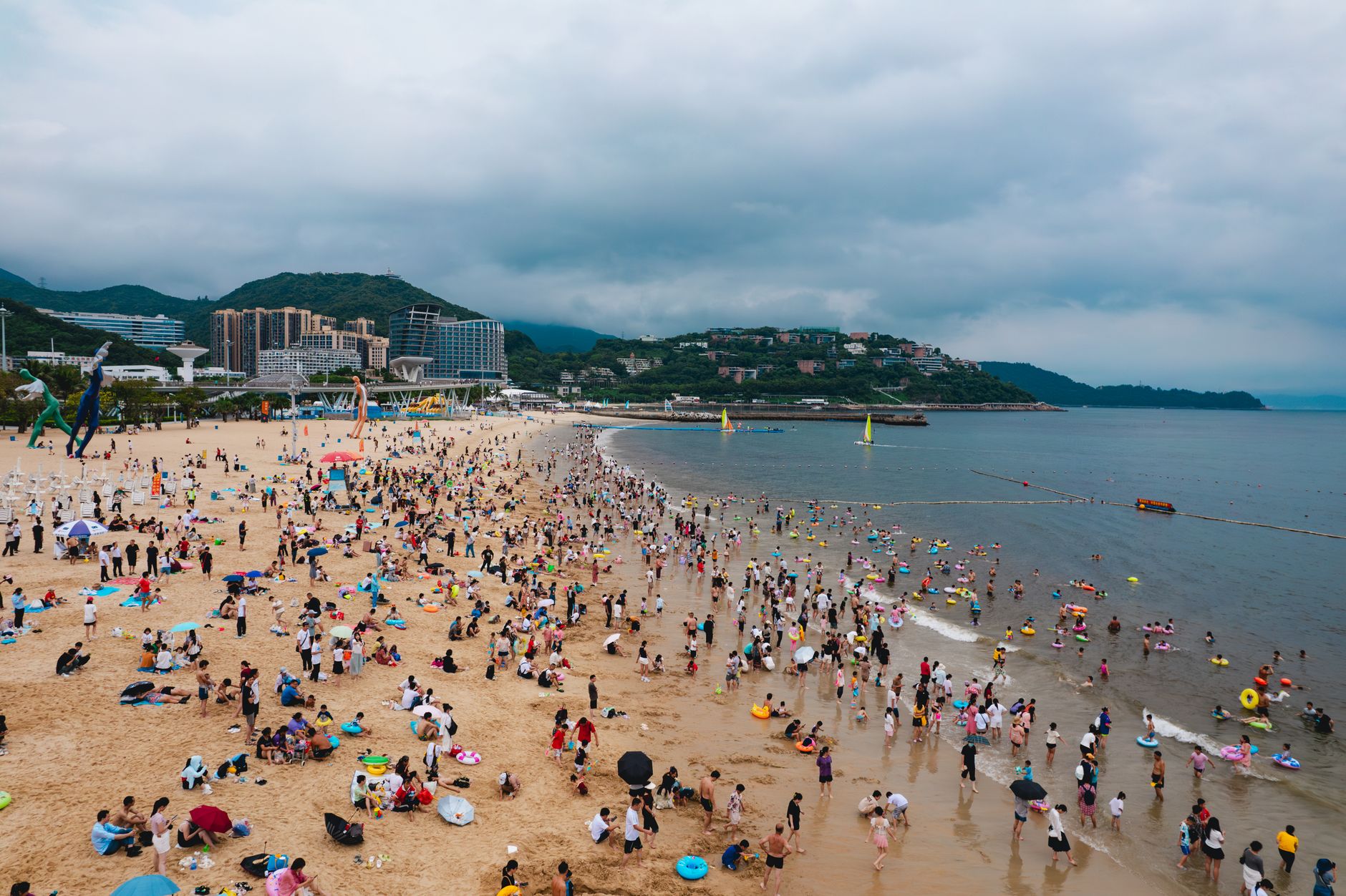
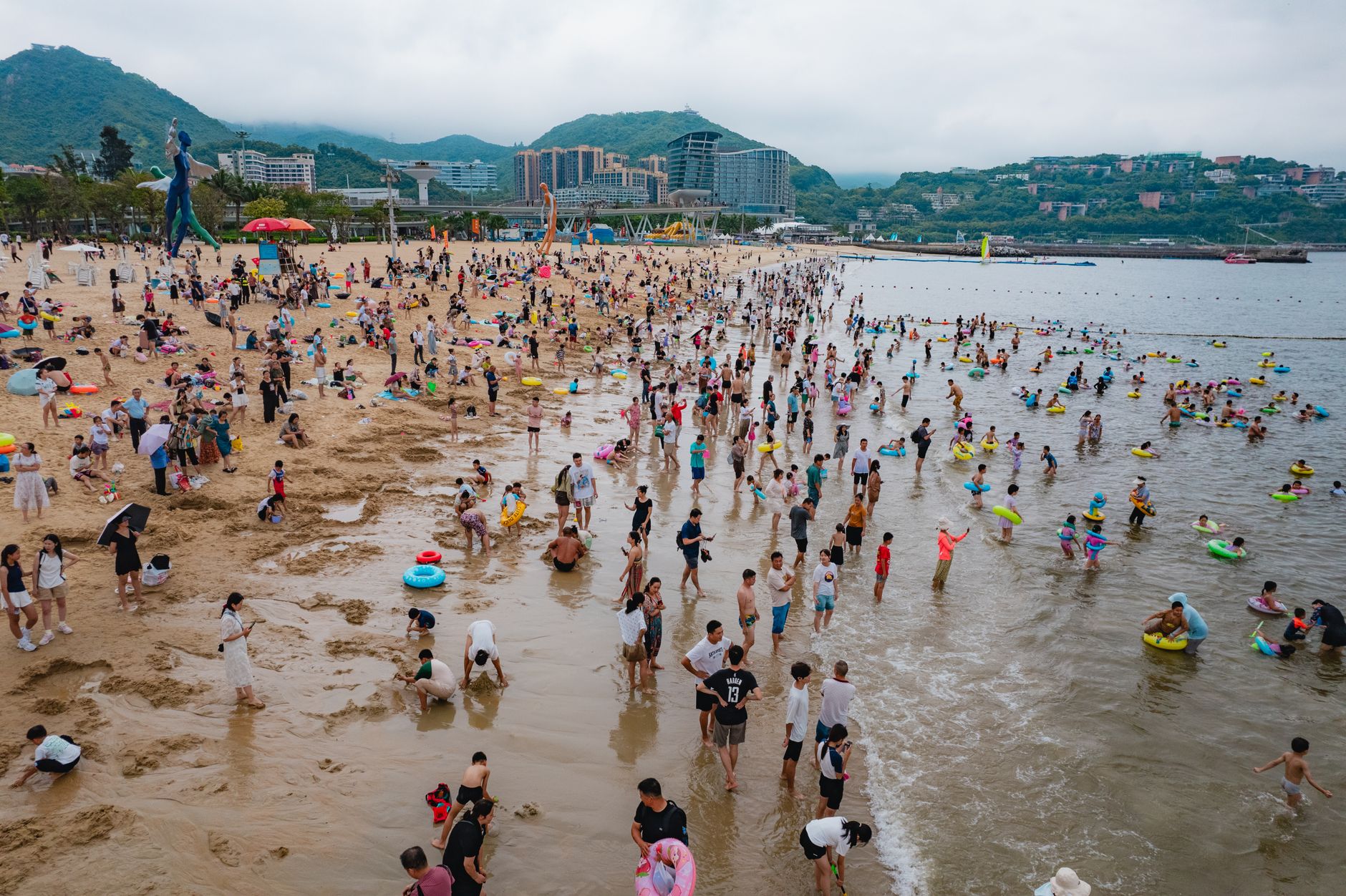
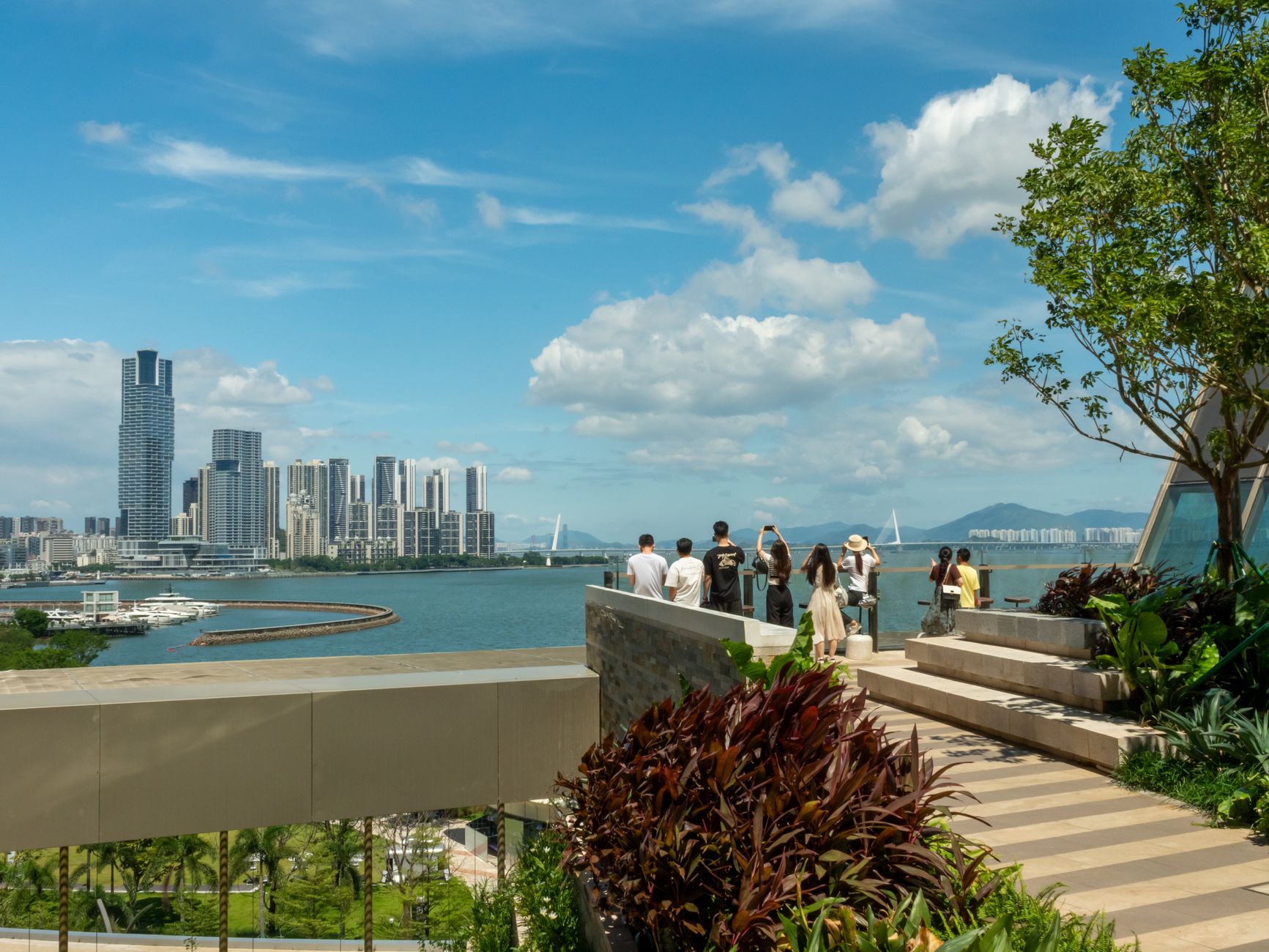
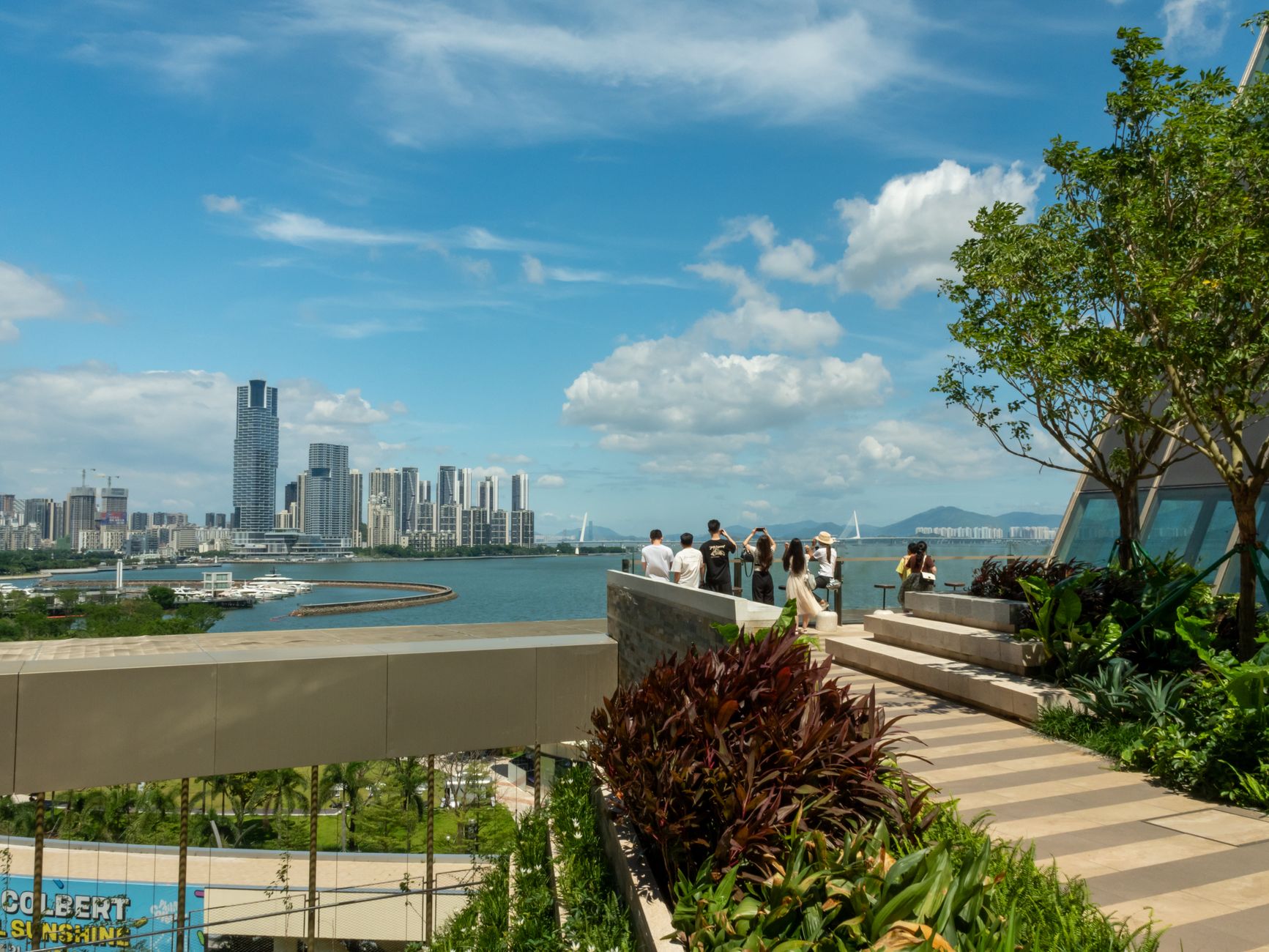
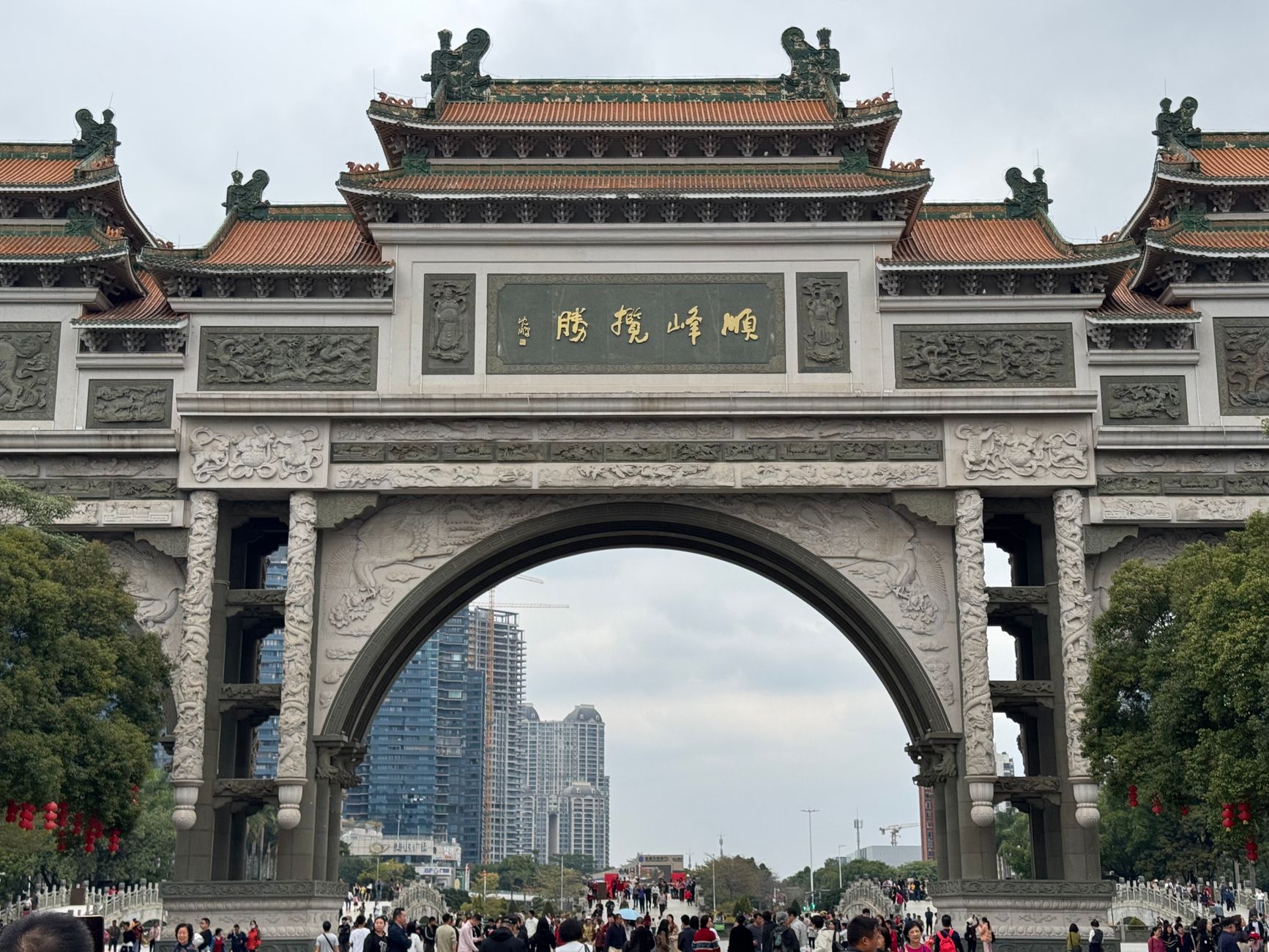
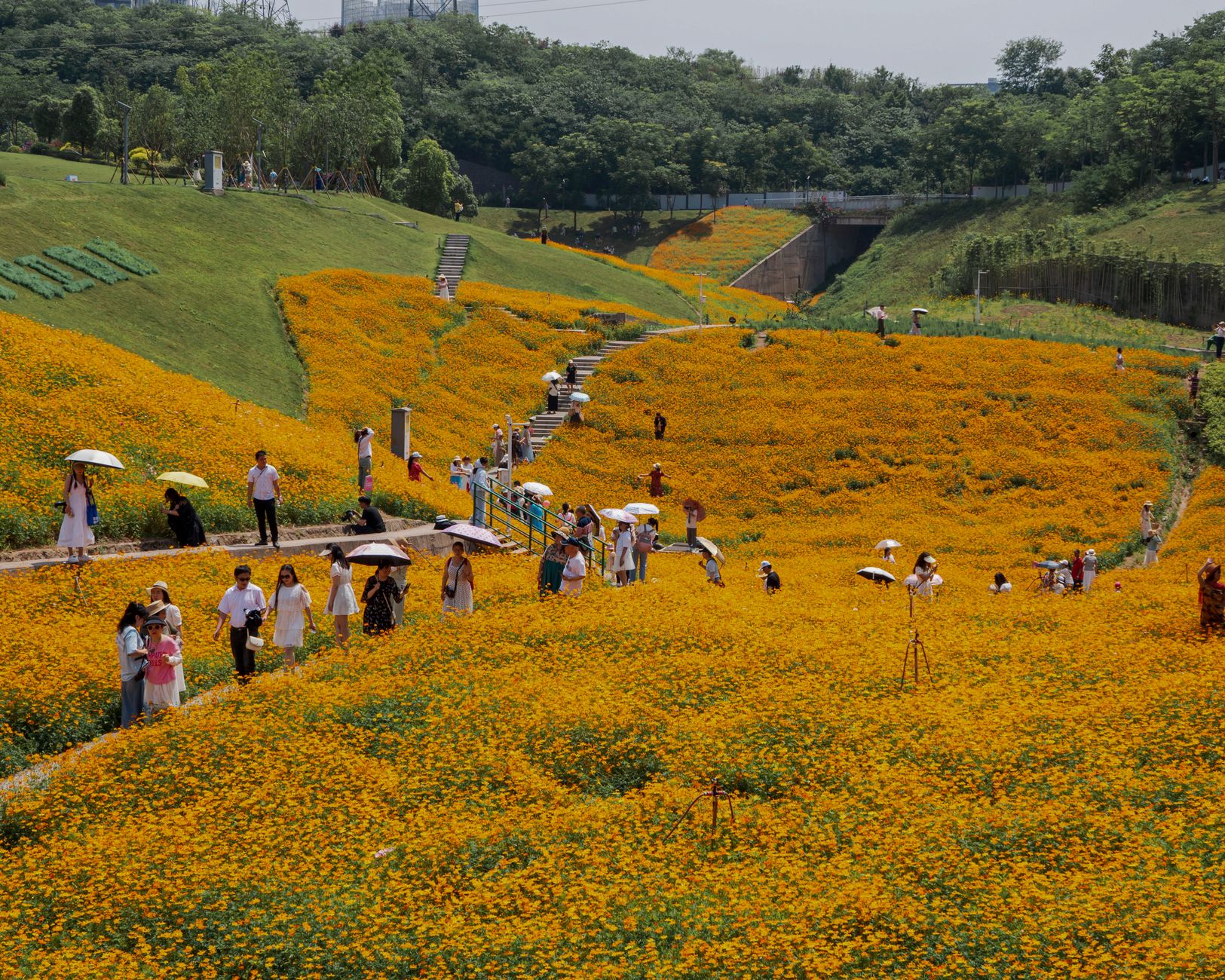
Forty-five years ago, Shenzhen was a county of 30,000 people growing rice near the Pearl River Delta. Today, Ping An Finance Center rises 599 metres above the Futian skyline — currently the fourth tallest building on earth — and the metro system running beneath it has 14 lines. That arc, from village to vertical city in a single generation, is what Shenzhen is actually about, and it gives the place an energy that older Chinese cities, for all their beauty, simply don't carry.
This is a city built on the idea of the experiment. Huawei and ZTE were both founded here in the 1980s, and the instinct to prototype first and refine later still runs through the place — in its architecture, its food scene, and the particular restlessness of its population.
How Shenzhen came to be
On 5 March 1979, Bao'an County was renamed Shenzhen. Within months, the Central Working Conference had agreed to pilot a new kind of economic zone here, and by May 1980 the central government formally designated Shenzhen China's first Special Economic Zone — the flagship of Deng Xiaoping's reform and opening-up policy. The numbers that followed are difficult to absorb: between 1980 and 1990, GDP grew roughly sixty-fold and gross industrial output two-hundredfold.
The proposal to establish the zone was championed by Xi Zhongxun, then Guangdong's Provincial Party Secretary. In 2019, four decades on, Beijing designated Shenzhen a pilot demonstration zone for socialism with Chinese characteristics — a signal that the experiment, whatever it has become, is considered worth continuing.
Who and what shaped it
People who shaped it
Landmark buildings
See Shenzhen in motion
Plan your visit
On the map
When to go
Winter is the most comfortable season: dry, clear, and mild, with highs around 20°C. Spring warms quickly and stays pleasant through May; summer runs hot and wet from June through September, with temperatures holding at 31–32°C and heavy rain a reliable afternoon companion. Autumn, particularly October and November, offers a good middle ground before the year cools again.
Right now
Background & history adapted from Wikipedia (CC BY-SA) · specs from Wikidata (CC0) · weather from Open-Meteo · map data © OpenStreetMap contributors · photos from Wikimedia Commons / Unsplash with per-image credit. No third-party reviews or social posts reproduced.