
Region

Beijing

Beijing
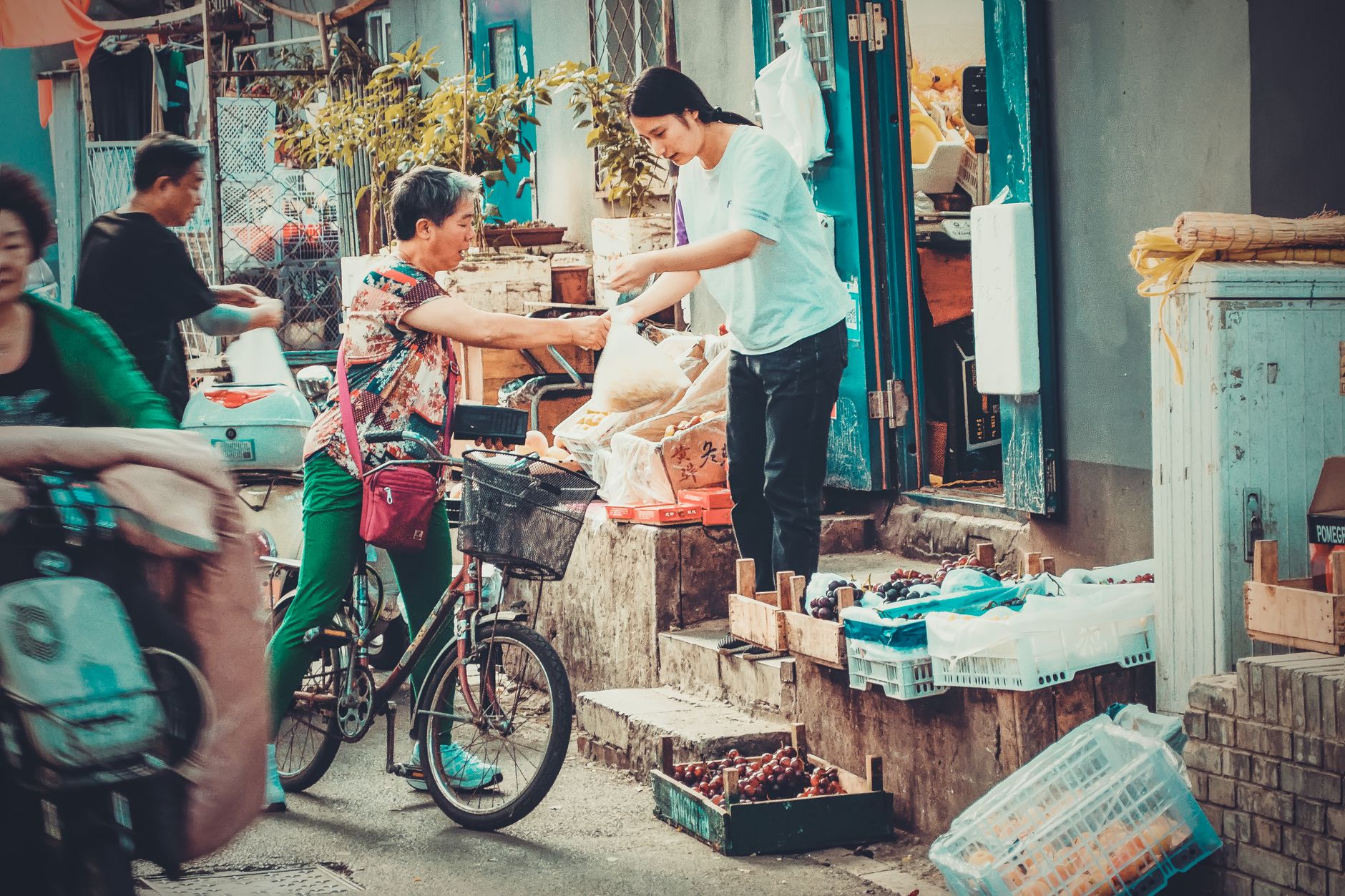
Photo by zhang kaiyv on Pexels
Beijing
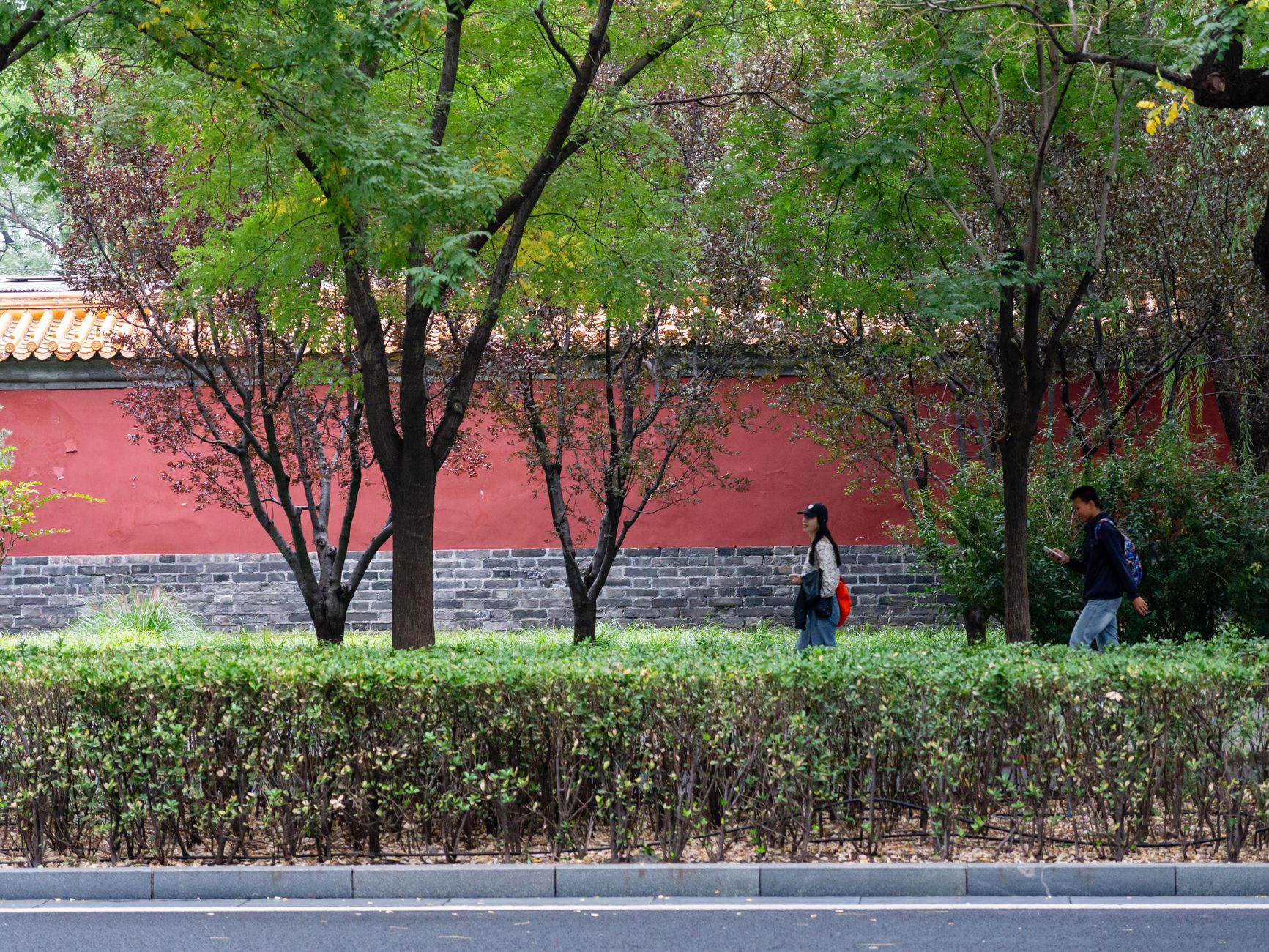
Photo by Kowal Tyler on Pexels
Beijing
Photo by Mehdi Khoshnejad on Pexels
Beijing
Photo by Shuaizhi Tian on Pexels
Beijing
Photo by zhang kaiyv on Pexels
Beijing
Photo by Da Na on Pexels
City break Culture & history Food & drink

Beijing is a city where you can stand in a courtyard built in 1420 and watch the shadow of a 528-metre tower fall across the rooftiles. That tension — between an imperial capital that ran on ritual and cosmology, and a 21st-century metropolis that builds the world's tallest atriums — is not a contradiction here. It is the whole point.

The city rewards attention to the specific. The way the Drum Tower anchors a hutong neighbourhood that has been rearranging itself since the Yuan dynasty. The particular weight of silence inside the Temple of Heaven's circular hall. Thirty subway lines connect nearly all of it, and the scale, once you stop fighting it, starts to make sense.

💛 What travellers fall for

People who come back tend to stop planning around the major sites and start planning around the mornings. The Forbidden City before the tour groups arrive, the hutongs of Xicheng before the coffee shops open. Line 1 runs straight through the historical axis of the city — Tiananmen West to Guomao — and riding it end to end costs less than a bottle of water.

Good to know
Both Capital Airport (Line 2 express, CNY 25) and Daxing Airport (Line express, CNY 35) connect to the subway network. Spring and autumn are the clearest seasons; summer brings heat and rain, winter is dry and cold but manageable. Allow at least four full days — the city does not compress well.
The story

How Beijing came to be

The site has been a walled settlement since at least the early first millennium BC, when the state of Yan established its capital Ji near what is now the Guang'anmen area. Successive dynasties repositioned and renamed it — the Liao called it Nanjing, the Jin called it Zhongdu — but it was Kublai Khan who, from 1267, ordered an entirely new city built on the ruins of the Jin capital. He called it Dadu, and it became the heart of the Yuan empire.

The city as it largely stands today is a Ming creation. In 1403, the Yongle Emperor renamed Beiping as Beijing and moved the imperial capital north from Nanjing. Construction of the Forbidden City began in 1406 and was complete by 1420. Beijing served as imperial capital through the Ming and Qing dynasties until 1911, and on 1 October 1949 became the capital of the People's Republic of China.

People & landmarks

Who and what shaped it

People who shaped it

Yongle Emperor
Ming ruler who moved capital to Beijing in 1403 and ordered construction of the Forbidden City beginning 1406.
Kublai Khan
Yuan emperor who ordered construction of Dadu (1267–1276), the predecessor city that became Beijing's foundation.
Qianlong Emperor
Qing ruler who decreed Yonghe Temple in 1744 as a residence for a Buddhist preceptor.
Herzog & De Meuron Architekten
Architects who designed the Beijing National Stadium (Bird's Nest) for the 2008 Olympics.
Rem Koolhaas
Architect who designed CCTV Headquarters, completed January 2009.
Zaha Hadid
Architect who designed Leeza Soho (completed 2019) and Beijing Daxing Airport terminal.
I.M. Pei
Architect who designed Bank of China Beijing Branch, completed 1982.

Landmark buildings

Forbidden City
Imperial palace built 1406–1420 with 980 buildings; served as residence for Ming and Qing dynasties for 500+ years.
Temple of Heaven
Built 1406–1420 by Yongle Emperor; ritual site for imperial ceremonies.
Drum Tower
46.7m-high structure built 1272 during Yuan Dynasty; anchors historic hutong neighbourhood.
Bell Tower
47.95m-high structure built 1272 during Yuan Dynasty; paired with Drum Tower.
Fayuan Temple
Dates to Tang dynasty 1,300 years ago; oldest temple in urban Beijing.
Niujie Mosque
Founded 996; one of Beijing's oldest religious structures.
Pagoda of Tianning Temple
Built 1120; surviving Yuan-era religious monument.
Great Hall of the People
Built 1959 in 10 months by volunteers; 171,800 sq m floor space, part of PRC's 10th Anniversary constructions.
Beijing National Stadium (Bird's Nest)
Constructed 2003–2008; main venue for 2008 Summer Olympics.
National Aquatics Center (Water Cube)
Built December 2003 – January 2008; Olympic-era aquatics venue.
CCTV Headquarters
Construction began September 2004, finished January 2009; designed by Rem Koolhaas.
National Centre for the Performing Arts
Construction started December 2001, inaugural concerts December 2007; designed by Paul Andreu.
China Zun (CITIC Tower)
109-storey, 528m tall; tallest building in Beijing, completed 2018.
Leeza Soho
Completed end of 2019; nearly 200m tall with world's biggest atrium, designed by Zaha Hadid.
Galaxy SOHO
Built 2009–2012; 330,000 sq m total construction area.
Watch

See Beijing in motion

Practical

Plan your visit

On the map

When to go

Spring (April–May) and autumn (September–October) give you cool air and reasonable visibility. Summer is hot and humid with frequent downpours; winter temperatures regularly drop below freezing, but the dry air and low crowds have their own appeal.

Right now

23°C
Partly cloudy
Sat
🌧️
30°
22°
Sun
🌧️
32°
22°
Mon
⛈️
30°
23°
Tue
⛈️
30°
22°
Weather data: Open-Meteo

Background & history adapted from Wikipedia (CC BY-SA) · specs from Wikidata (CC0) · weather from Open-Meteo · map data © OpenStreetMap contributors · photos from Wikimedia Commons / Unsplash with per-image credit. No third-party reviews or social posts reproduced.

Top