
Huangshan (Yellow Mountain)

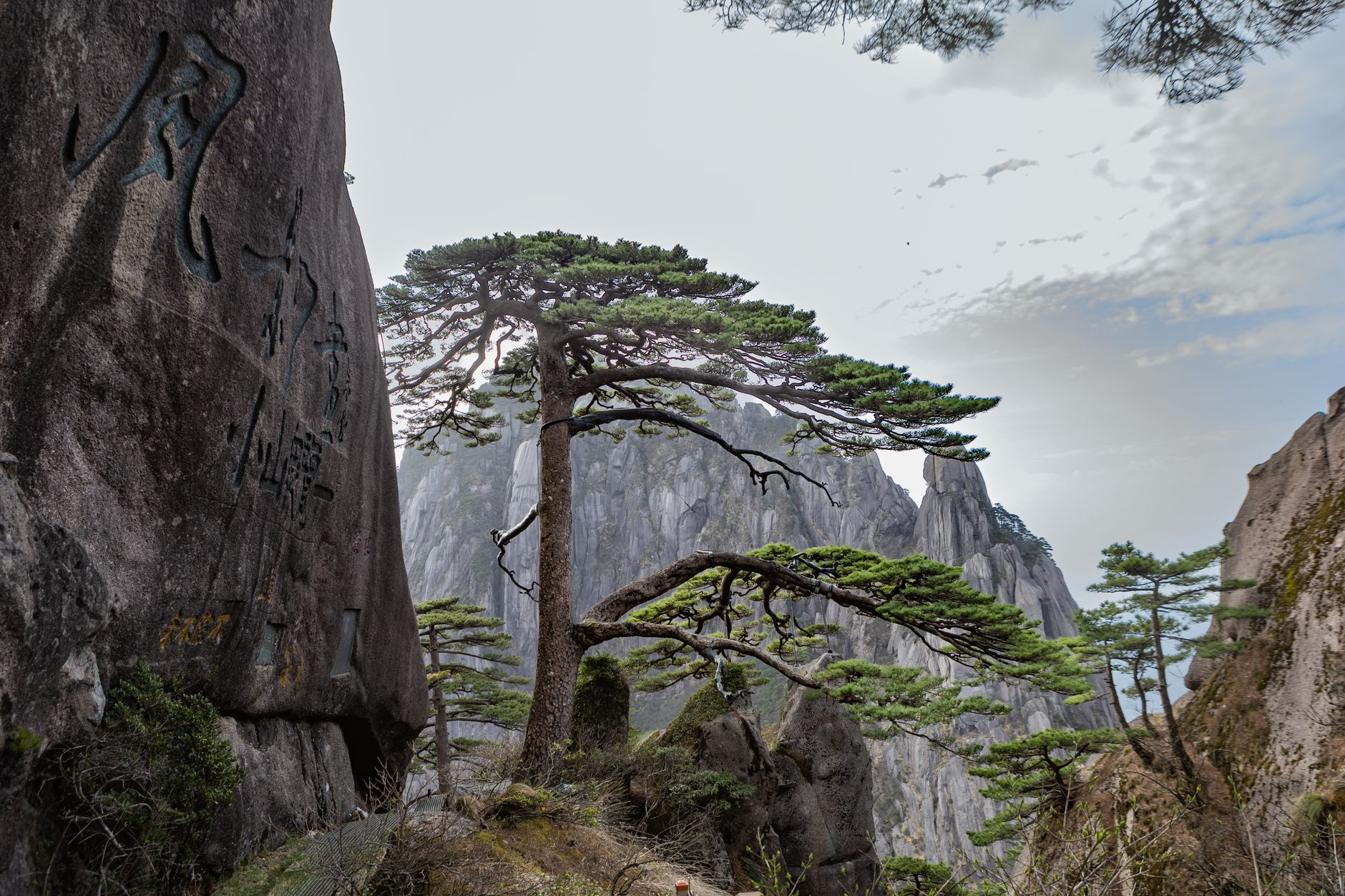
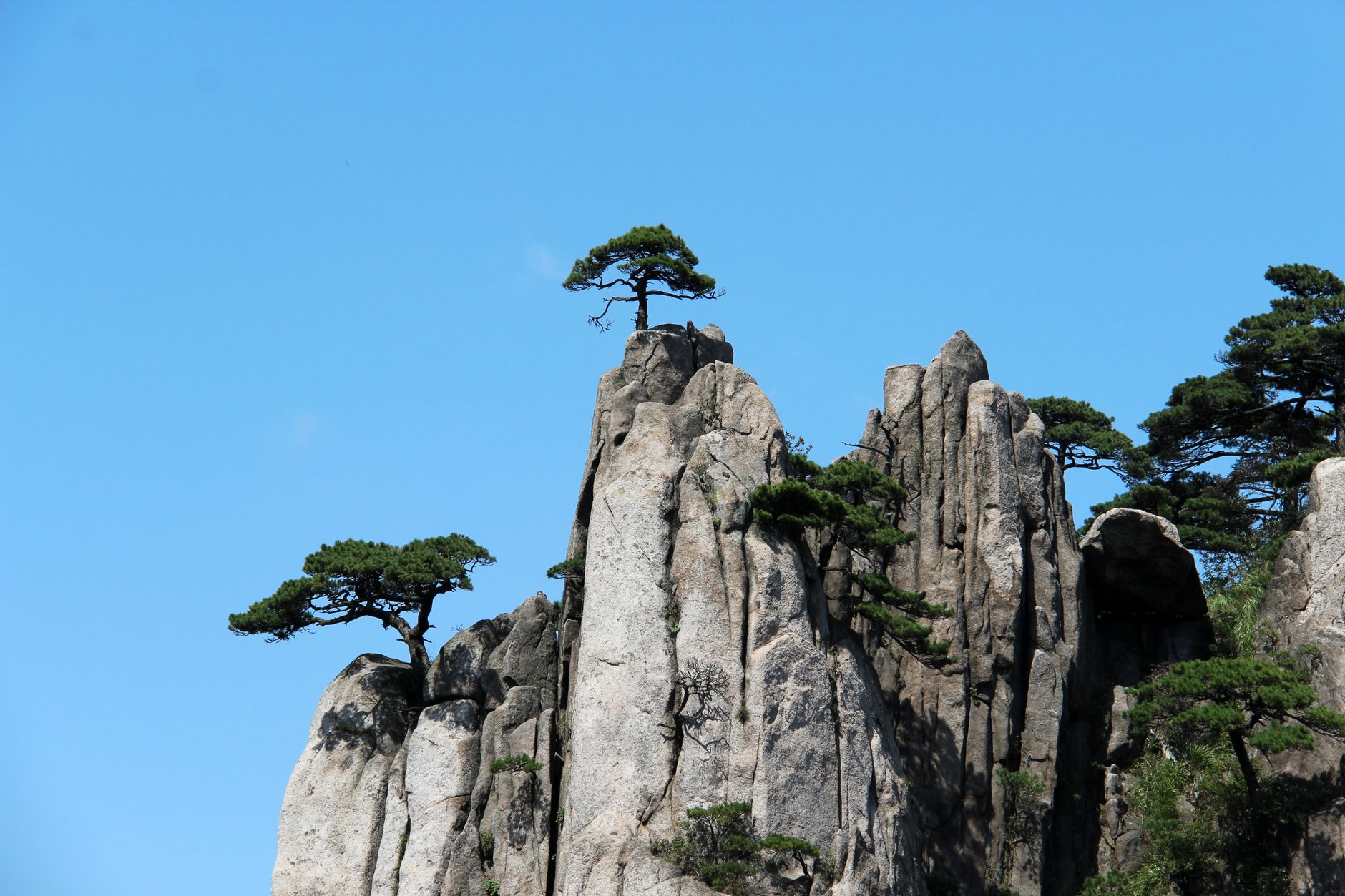
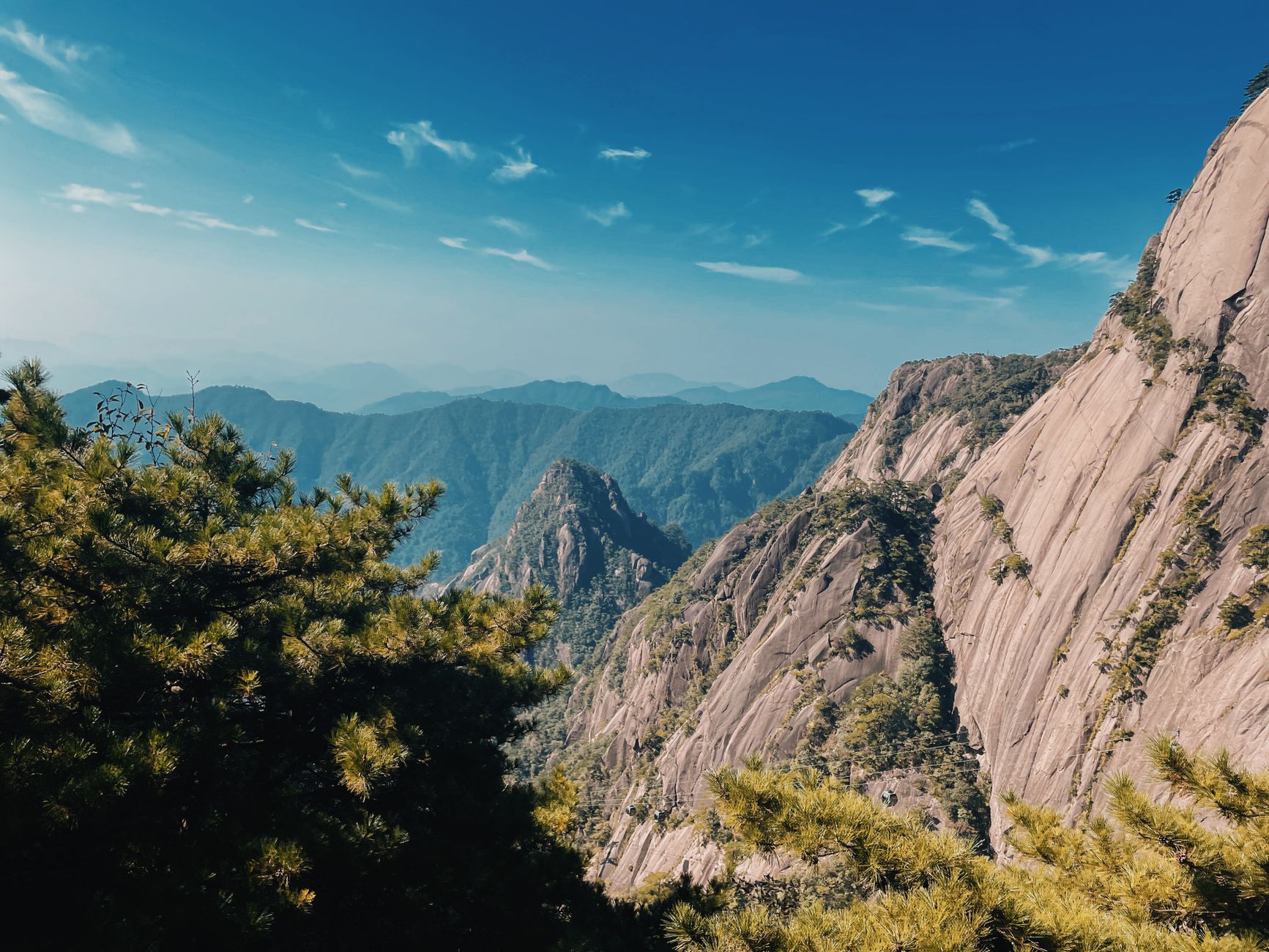
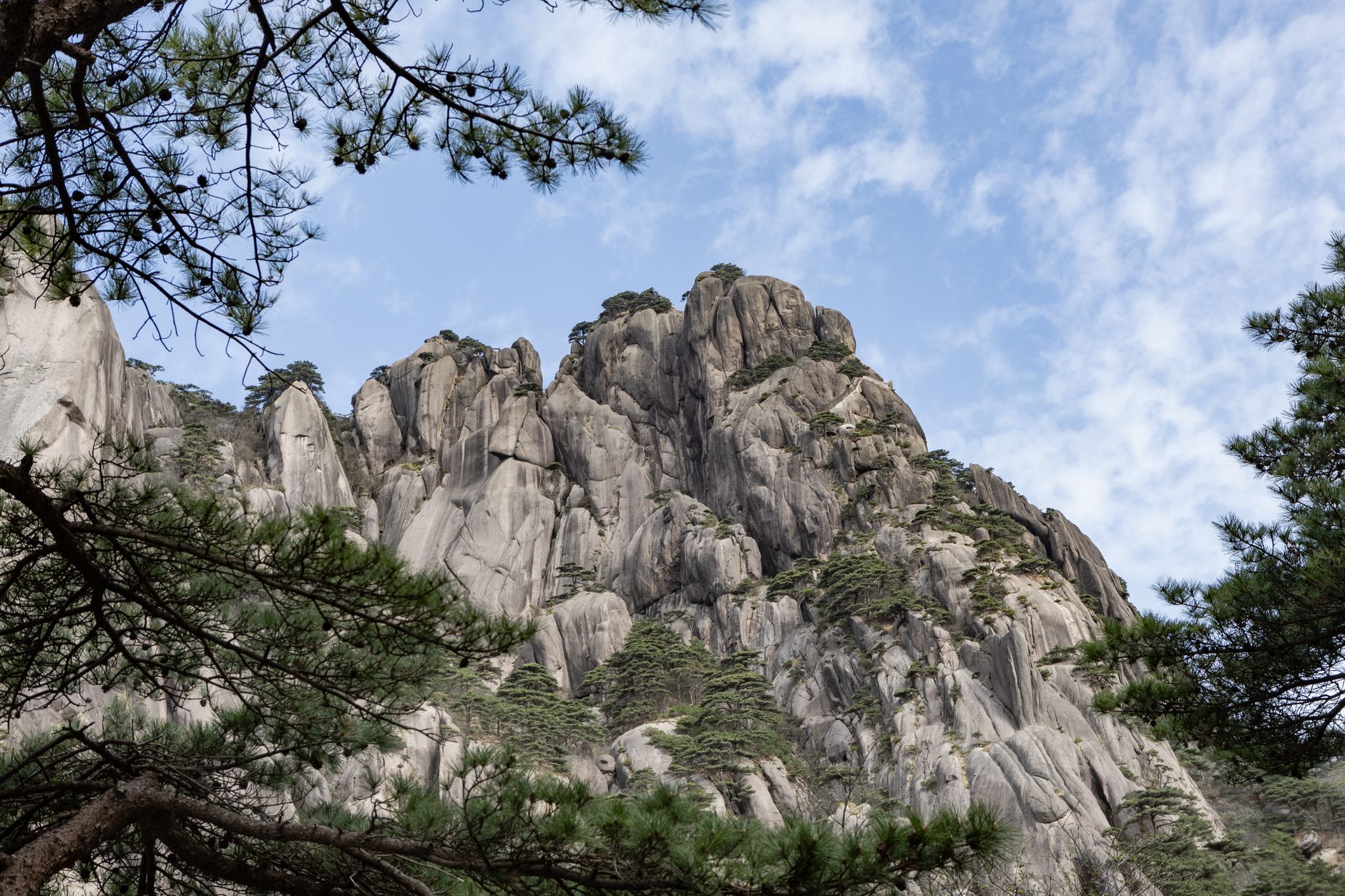
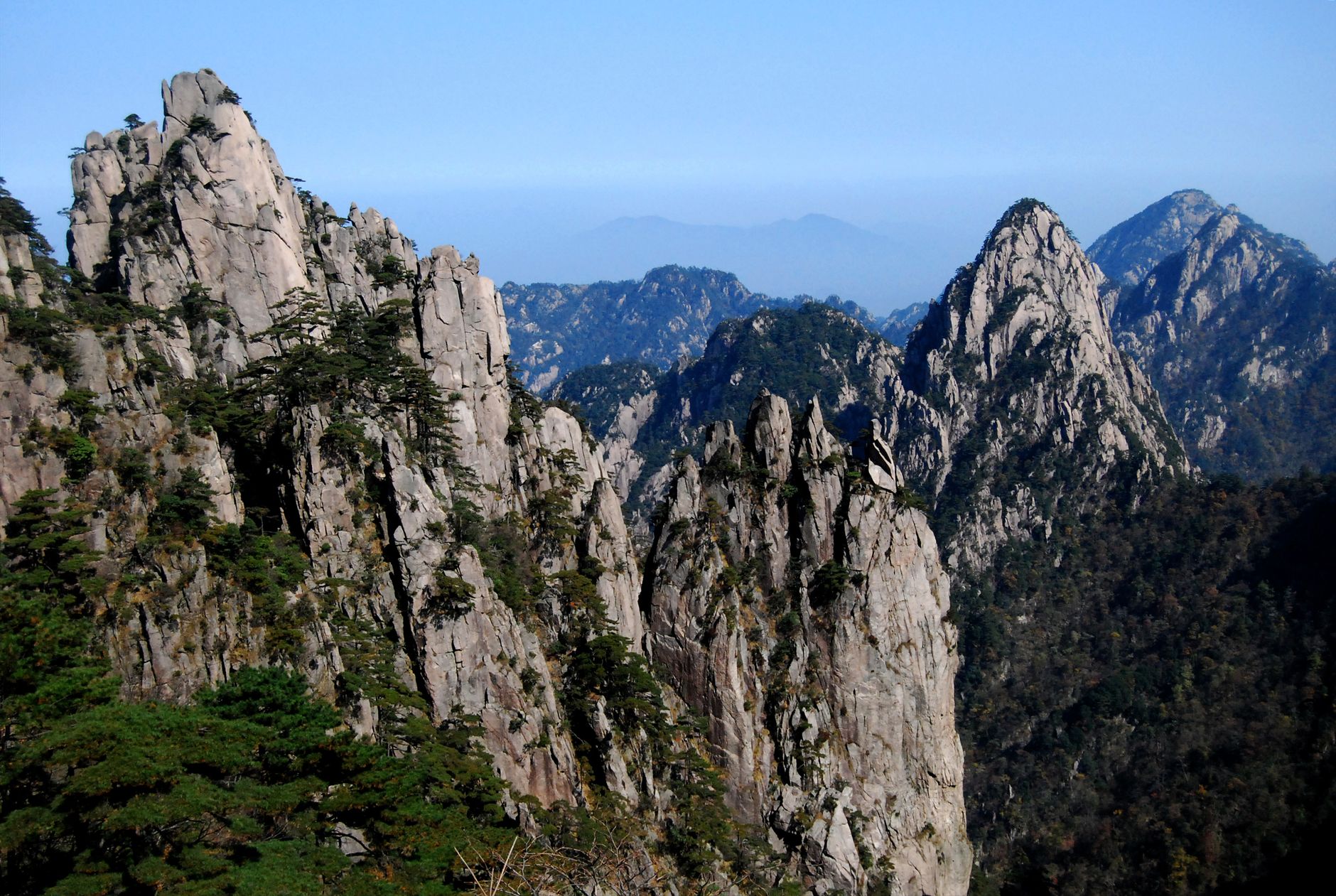
The saying goes that after Huangshan, no other mountain will do. That reputation rests on something specific: granite peaks that rise through a sea of cloud, ancient pines growing sideways from sheer rock faces, and hot springs at the foot of Purple Cloud Peak that hold steady at 42°C year-round, drought or downpour. The mountain earns its mythology with stubborn, verifiable strangeness.
Huangshan covers a scenic area reached by three cable cars or, if you prefer to earn it, more than six thousand stone steps. Front Mountain and Back Mountain each have their own character — two days is the honest minimum to move between them without rushing.
💛 What travellers fall for
People who return tend to agree on a few things: book the Beihai Hotel or Xihai Hotel on the mountain itself so you catch dawn before the day-trippers arrive, and head to the West Sea Scenic Area in the late afternoon when the cloud sea rolls in below the ridgeline. Weekday visits in October or November are as good as Huangshan gets.
How Huangshan (Yellow Mountain) came to be
The mountain was called Yishan during the Qin dynasty. In 747 AD an imperial decree renamed it Huangshan — Mount Huang — in honor of Huang Di, the mythical Yellow Emperor, a change the poet Li Bai is credited with helping popularize. The new name brought new attention: temples followed, and by the Yuan dynasty (1271–1368), sixty-four had been built on the slopes. In 1606, the Buddhist monk Pumen added the Fahai Meditation Temple.
The mountain's cultural gravity extended to painters. In the Ming dynasty, a group including Shi Tao founded the Shanshui school here, and Shi Tao's written work on painting became a landmark of Chinese literary criticism. China declared the area a site of scenic and historic interest in 1982; UNESCO added World Heritage status in 1990, Global Geopark designation in 2004, and Biosphere Reserve membership in 2018.
Who and what shaped it
People who shaped it
Landmark buildings
See Huangshan (Yellow Mountain) in motion
Plan your visit
On the map
When to go
Spring (March–May) brings mild temperatures and frequent mist; autumn (September–November) offers clearer skies and the best odds of seeing the sea of clouds. Summer is humid and crowded; winter is quieter and occasionally dramatic with snow, though some trails and peaks close. The mountain's average year-round temperature sits around 10°C — bring a layer regardless of season.
Right now
Background & history adapted from Wikipedia (CC BY-SA) · specs from Wikidata (CC0) · weather from Open-Meteo · map data © OpenStreetMap contributors · photos from Wikimedia Commons / Unsplash with per-image credit. No third-party reviews or social posts reproduced.