
Chongqing
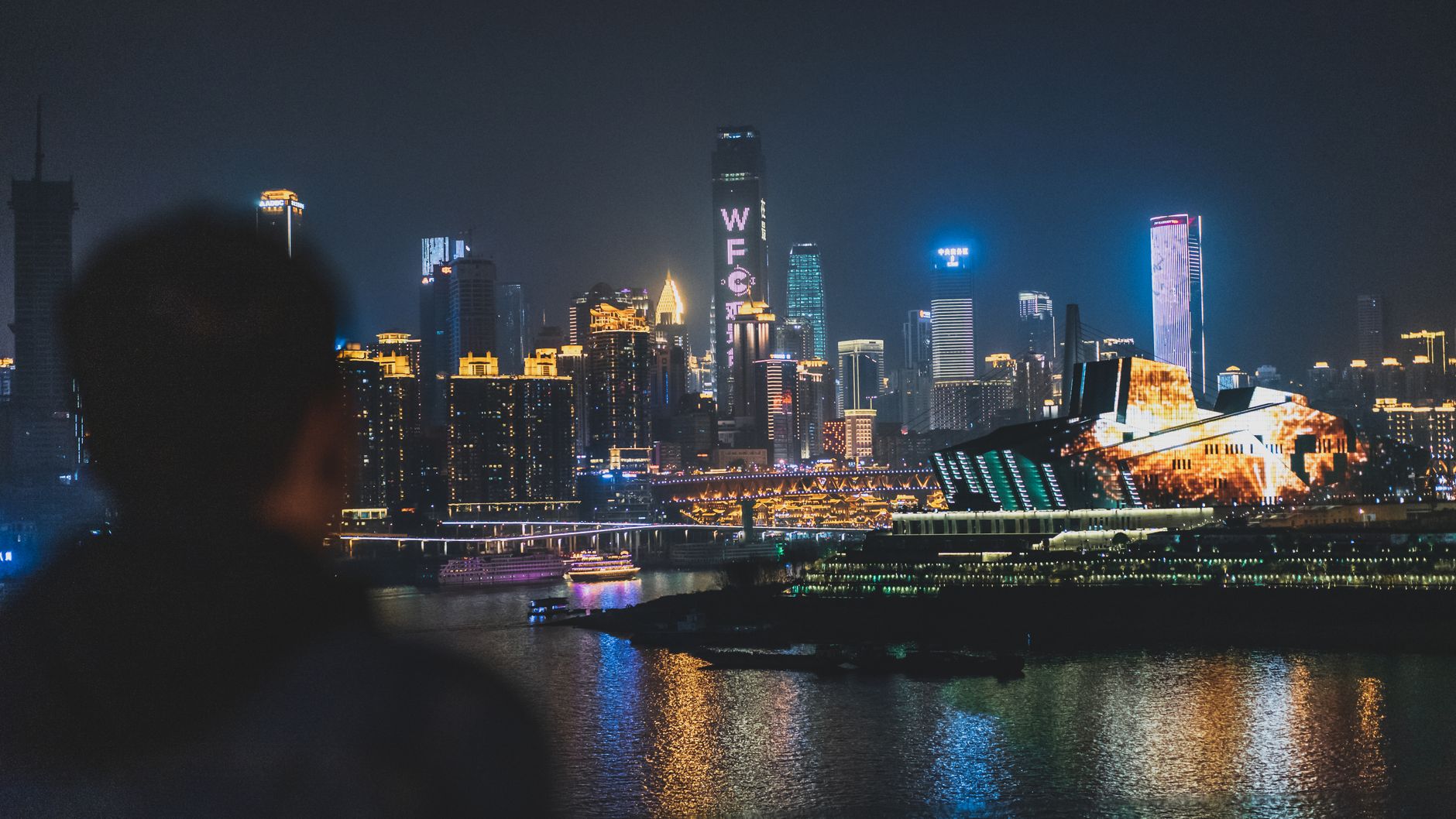
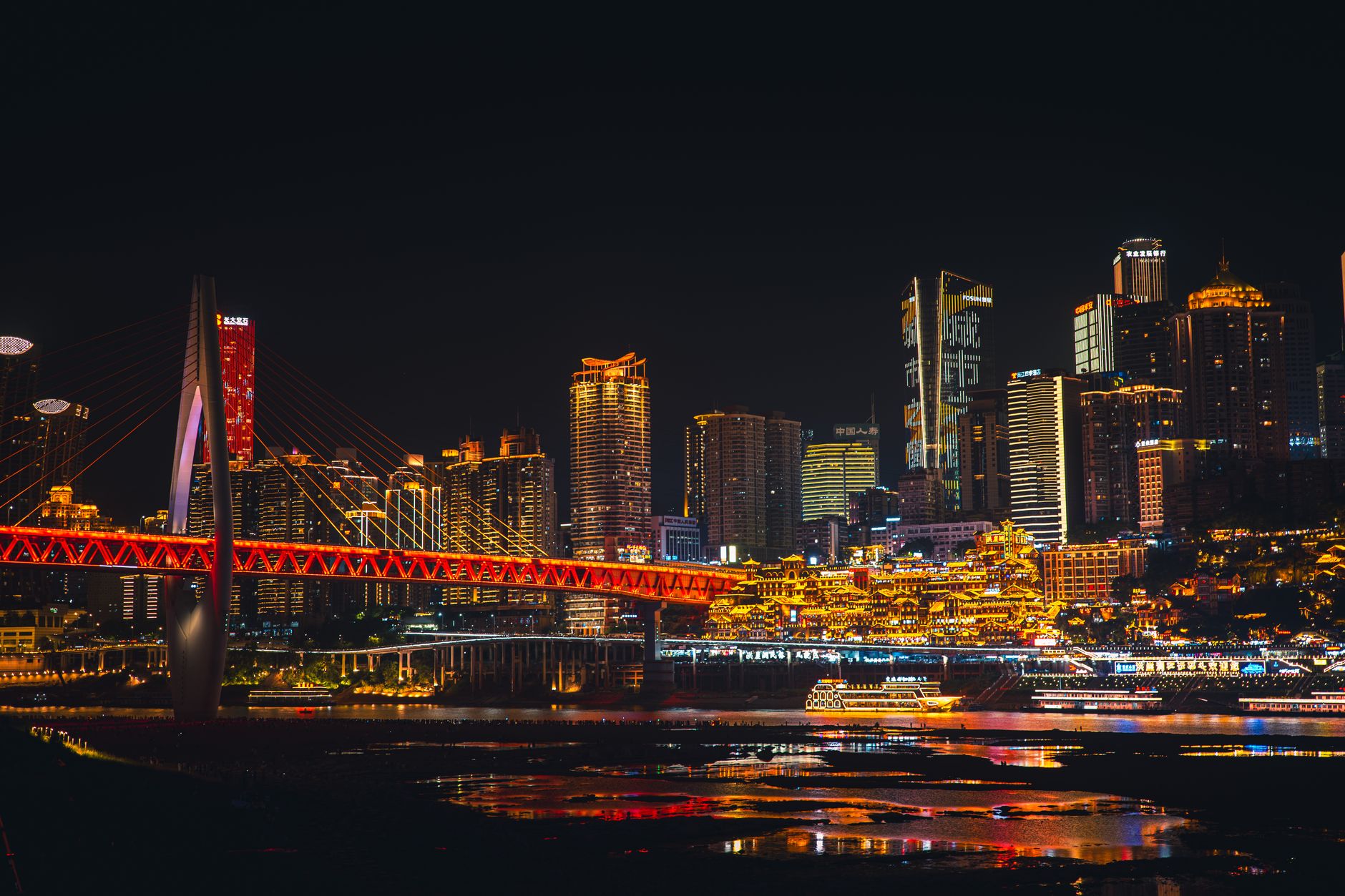
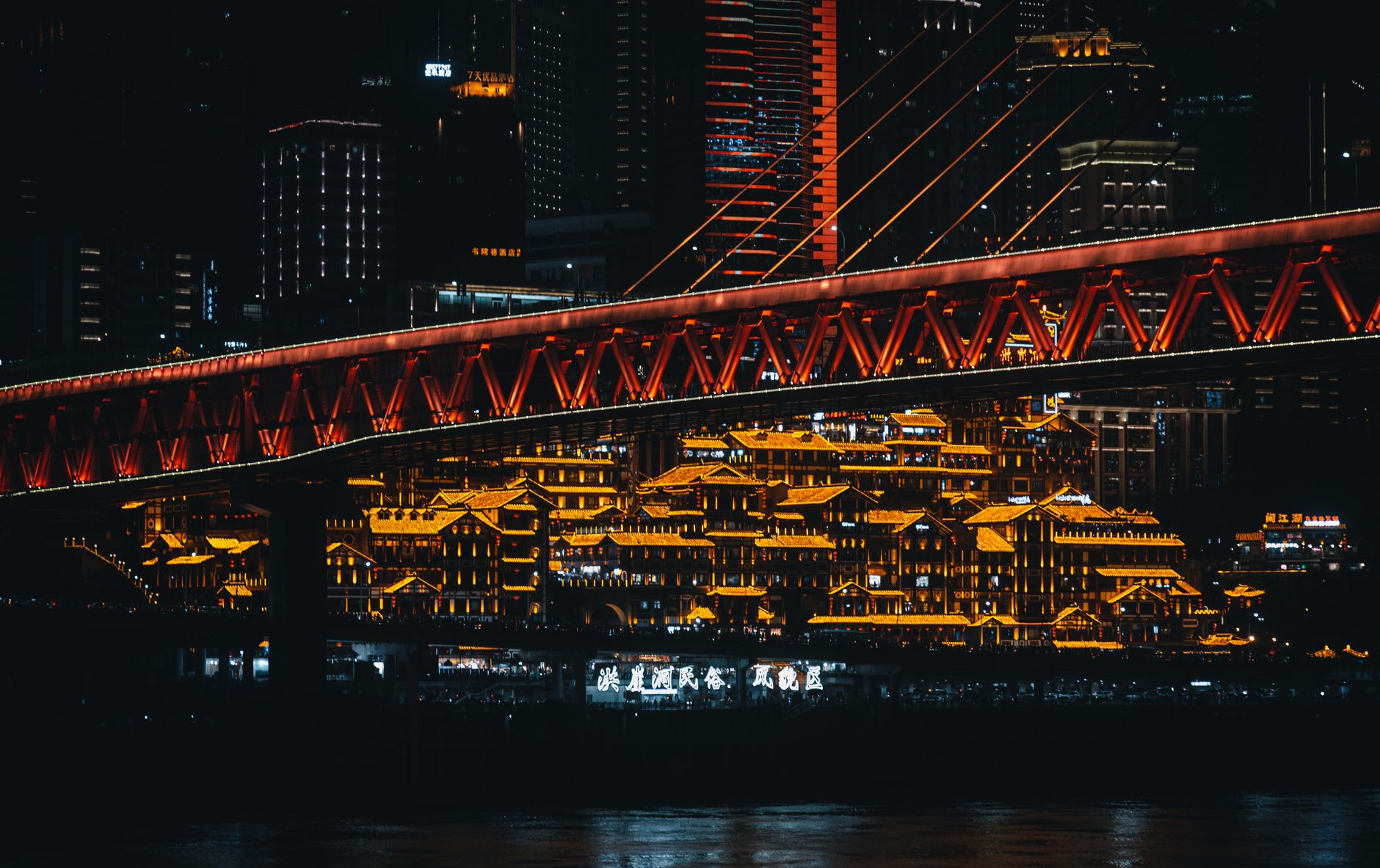
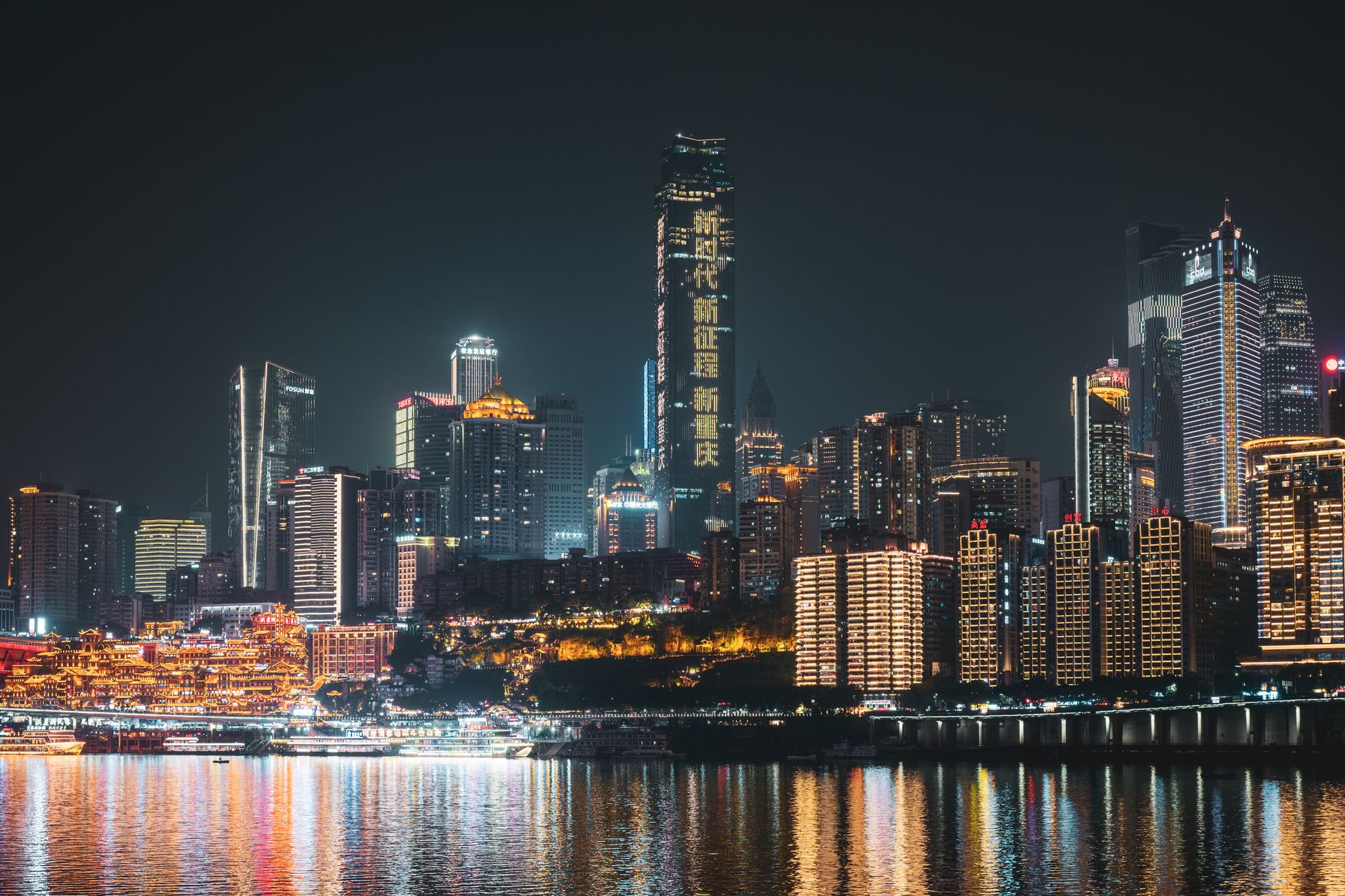
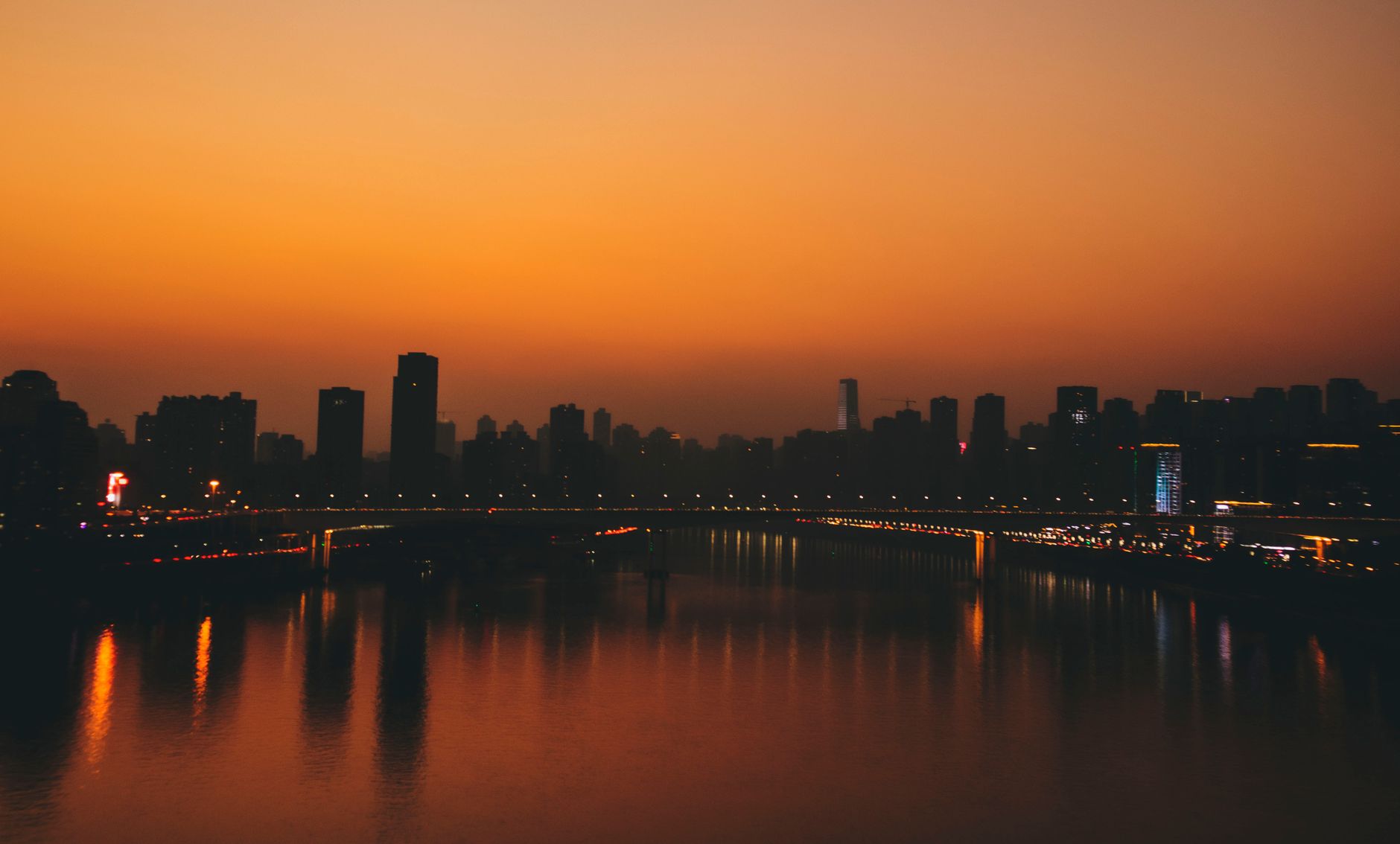
Chongqing sits where the Jialing meets the Yangtze, a city built vertically on hills so steep that maps feel almost useless once you're on the ground. Monorail trains thread through the middle of residential tower blocks — Line 2 passes through floors six and seven of a nineteen-storey building at Liziba Station — and cable cars still cross the Yangtze between districts. The scale is genuinely its own category.
This is one of China's four municipalities directly under central government, covering an area roughly the size of Austria, with the old urban core packed onto a peninsula and the countryside stretching far beyond. Come for the river geography, the Dazu rock carvings out west, and food that runs hotter than almost anywhere else in the country.
How Chongqing came to be
The Kingdom of Ba held this territory for roughly eight centuries before Qin armies absorbed it in 316 BCE. The city's current name dates to 1189, when Prince Zhao Dun of the Southern Song dynasty marked his elevation first to king and then to Emperor Guangzong as a 'double celebration' — chongqing in Chinese.
Its modern shape was forged under pressure. The port opened officially in 1890, the municipality was established in 1929, and when Japanese forces pushed deep into China in 1937, Chongqing became the wartime capital — a role it held for eight years and five months. That period left marks still visible in the Liberation Monument at the city's commercial core, a 27.5-metre structure that anchors the memory of those years. In 1997, Chongqing became China's fourth directly administered municipality.
Who and what shaped it
People who shaped it
Landmark buildings
See Chongqing in motion
Plan your visit
On the map
When to go
Chongqing has a humid subtropical climate with an annual average around 18°C; spring (March to May) brings mild warmth between 15°C and 26°C and is generally the most pleasant time to walk the city's hills. Summers are famously hot and foggy autumns follow — the city's reputation as one of China's 'furnace cities' is not exaggerated, so if heat is a concern, avoid July and August.
Right now
Background & history adapted from Wikipedia (CC BY-SA) · specs from Wikidata (CC0) · weather from Open-Meteo · map data © OpenStreetMap contributors · photos from Wikimedia Commons / Unsplash with per-image credit. No third-party reviews or social posts reproduced.