
Guilin and Li River
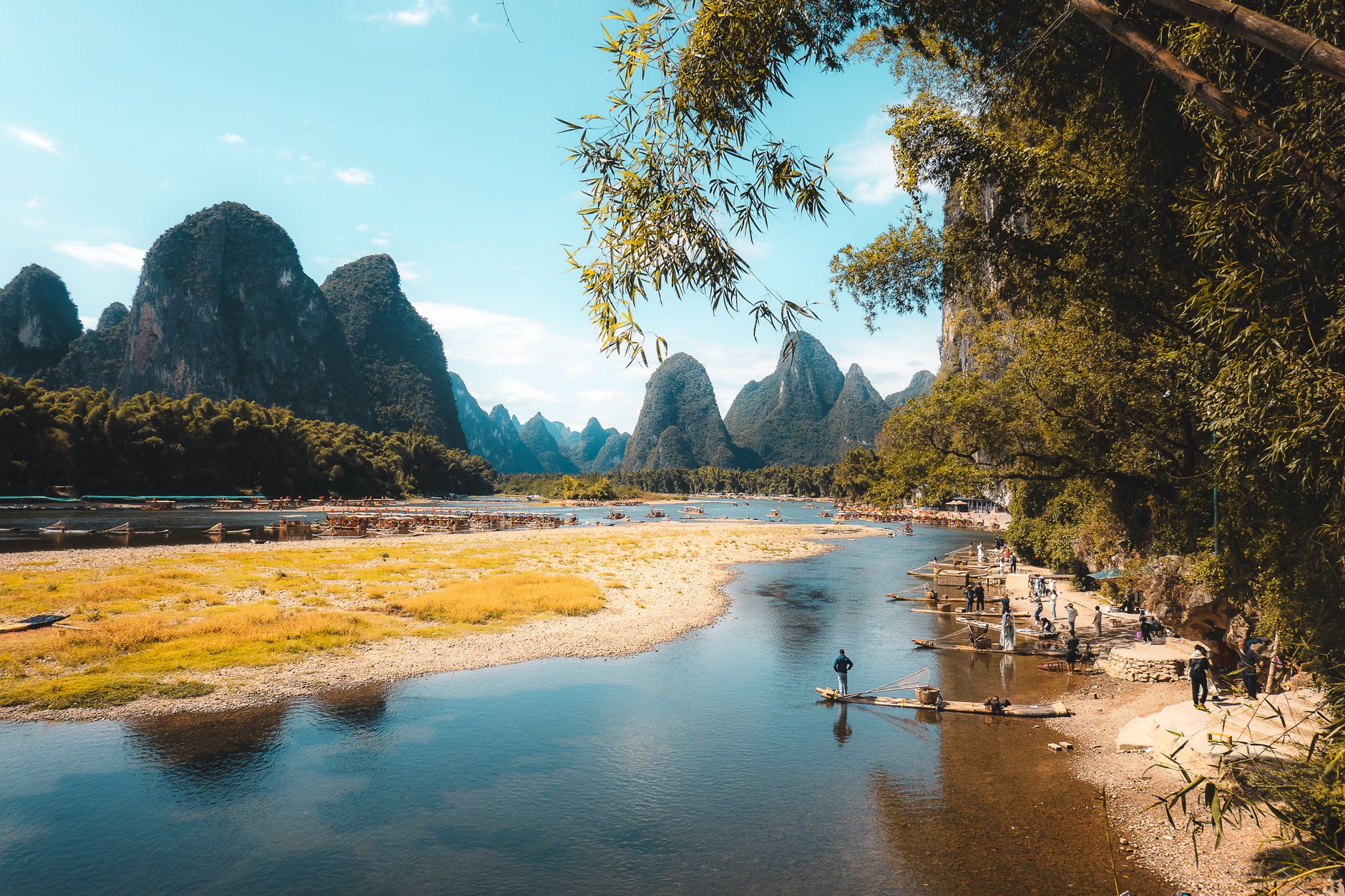
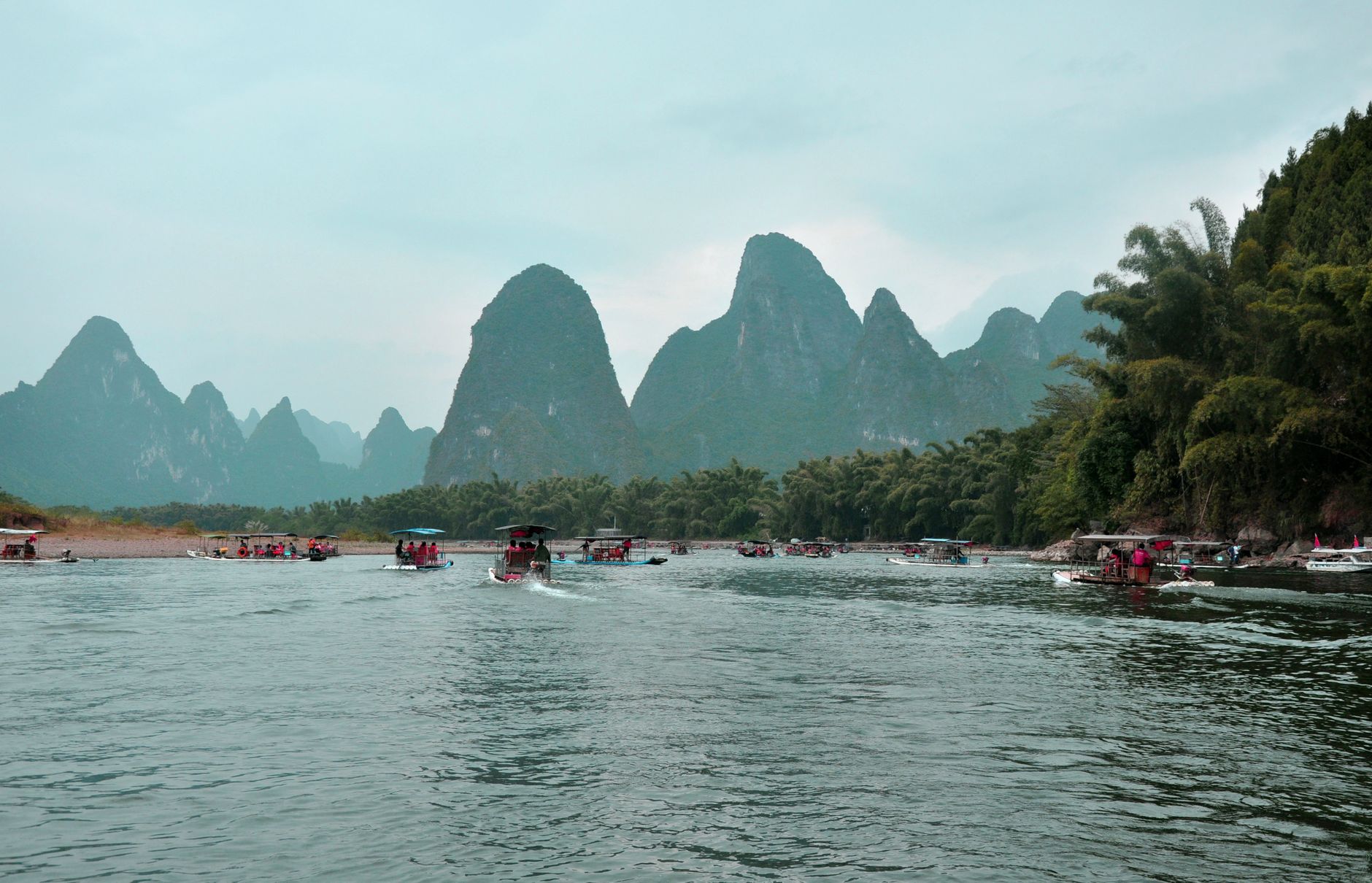
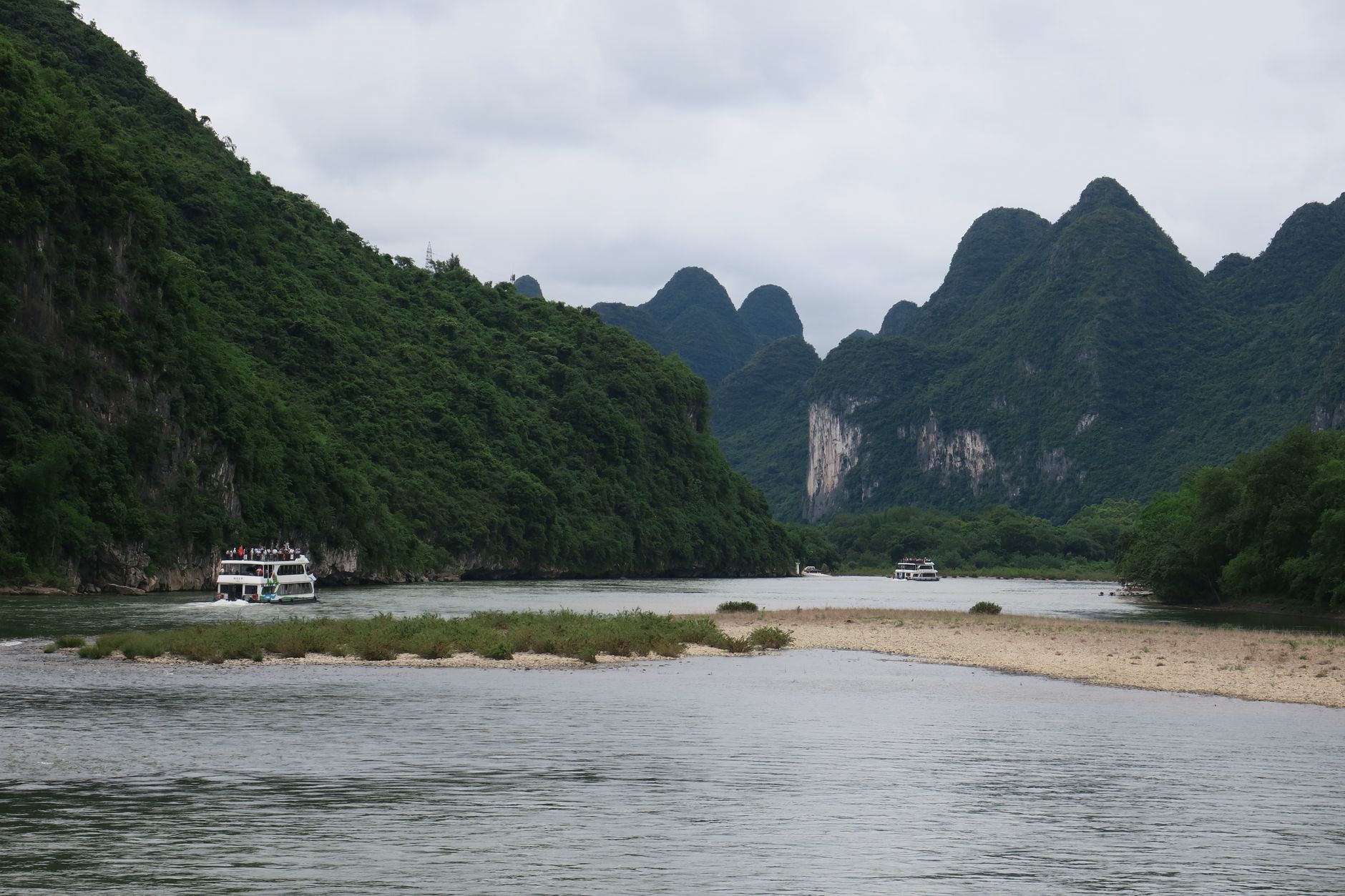
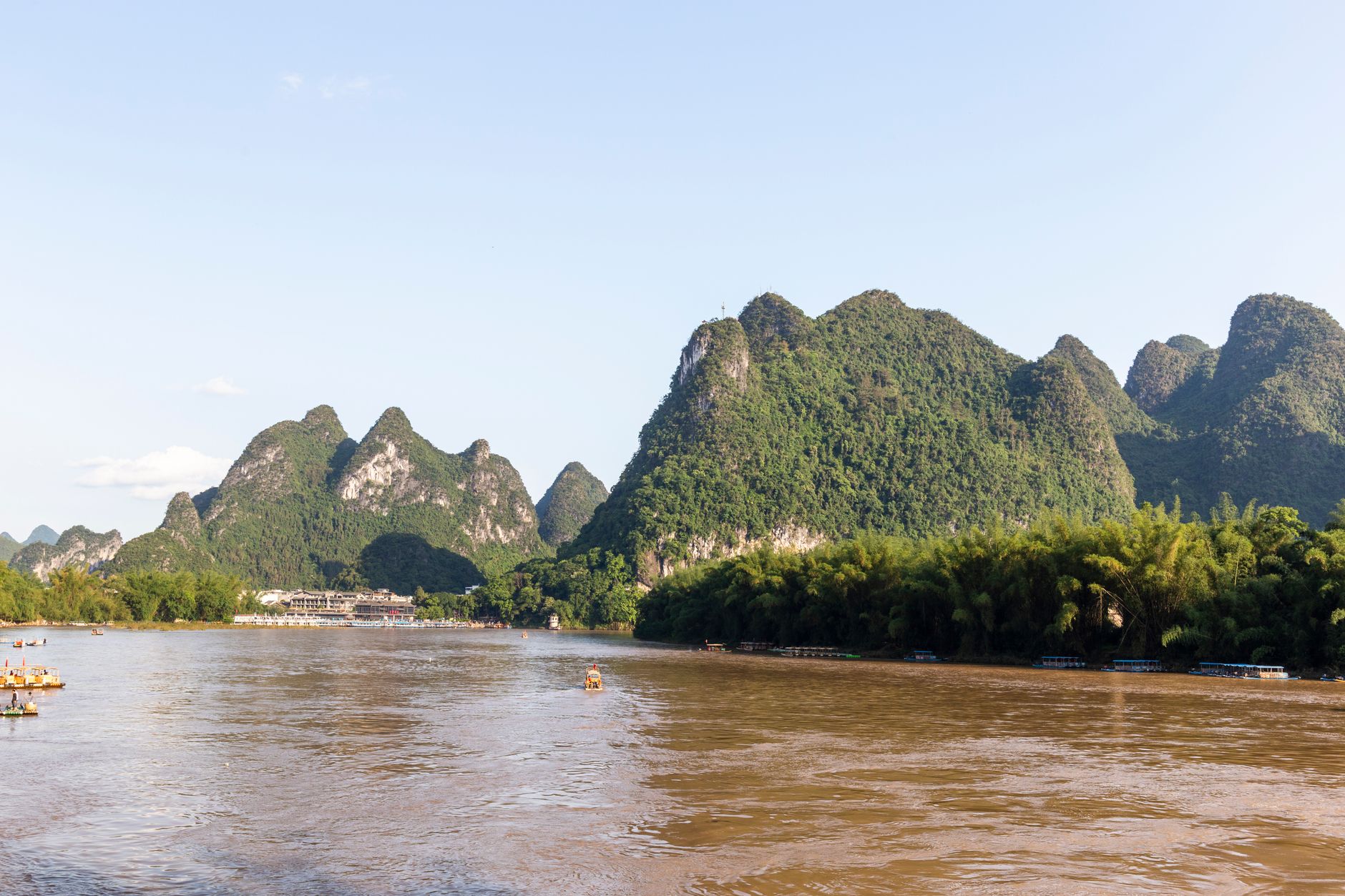
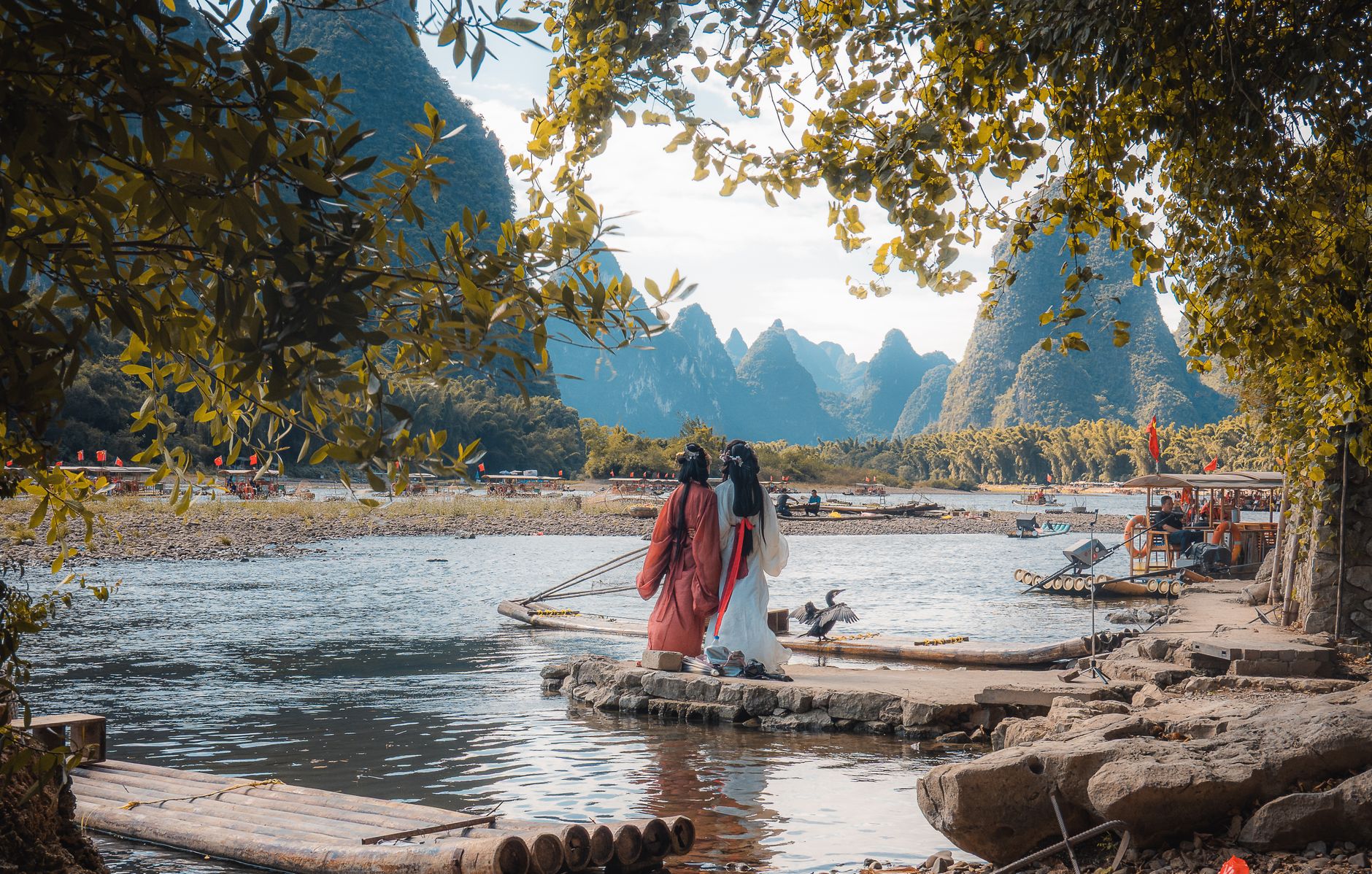
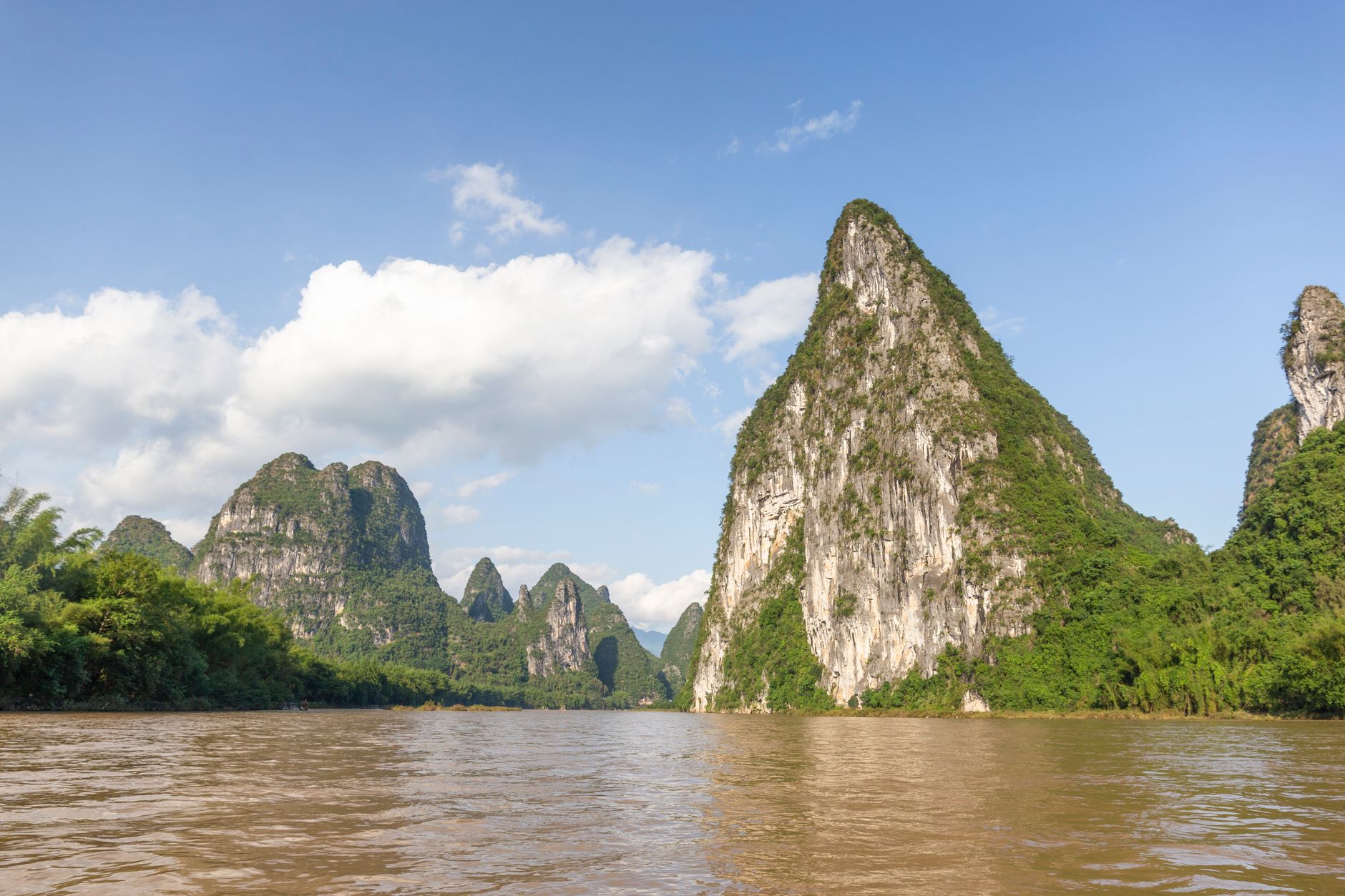
The karst peaks of Guilin rise from flat rice paddies like something a child drew — impossibly vertical, green-shouldered, mist-softened at the top. They have been described as the finest landscape in China since at least the Southern Song Dynasty, and the Li River threads between them for roughly 80 kilometres south toward Yangshuo, carrying bamboo rafts and slow cruise boats past formations that have no real equivalent anywhere else on the planet.
Guilin itself is a mid-sized city with a working airport, decent transport links and a handful of landmarks worth a day or two. The river is the reason you came, and the classic cruise from Guilin south to Yangshuo — four-odd hours on the water — delivers exactly what the 20-yuan note in your wallet promises.
💛 What travellers fall for
People who return tend to skip the full cruise on the second visit and take a bamboo raft instead — the slower, quieter drift between Yangdi and Xingping, where the peaks crowd closest to the water. Xingping's old street, with its Ming-era stone buildings, rewards the extra hour it takes to walk it properly.
How Guilin and Li River came to be
People were living around Guilin eight thousand years ago, but the event that put it on the map of empire came in 214 BC, when Emperor Qin Shi Huang ordered the construction of the Lingqu Canal — one of ancient China's three great water-engineering projects — linking the Xiang and Li rivers and opening a supply route south for his armies. Guilin Prefecture was established the same year.
Over the following dynasties the city accumulated layers: a Ming-era princes' residence built between 1372 and 1392 for Zhu Shouqian, grandnephew of the founding Hongwu Emperor; a Confucius temple raised in 1477; trading towns like Daxu and Huangyao that grew wealthy on river commerce. In 2014, the karst geology underpinning all of it was inscribed as a UNESCO World Natural Heritage Site.
Who and what shaped it
Landmark buildings
See Guilin and Li River in motion
Plan your visit
On the map
When to go
Spring (April–June) brings warm temperatures and high water on the Li River — ideal for cruising, though expect rain and mist, which actually flatters the peaks. Autumn (September–October) offers clearer skies and comfortable heat; winter is dry and cool but the river runs too shallow for most boats.
Right now
Background & history adapted from Wikipedia (CC BY-SA) · specs from Wikidata (CC0) · weather from Open-Meteo · map data © OpenStreetMap contributors · photos from Wikimedia Commons / Unsplash with per-image credit. No third-party reviews or social posts reproduced.